Wolves' Dysfunction Goes Beyond Coach, but Tom Thibodeau Was His Own Worst Enemy
The only surprise about the Minnesota Timberwolves’ Sunday afternoon firing of Tom Thibodeau was the timing.
Between the dysfunction that surrounded the team since Jimmy Butler’s September trade request and the team’s largely disappointing play, it seemed like a foregone conclusion that Thibodeau would be out as head coach and president at the end of the season.
But the franchise weathered the Butler drama long ago—the four-time All-Star was traded to the Philadelphia 76ers on Nov. 12—and with just one month remaining until the Feb. 7 trade deadline, it appeared the time had passed for Timberwolves owner Glen Taylor to fire both his coach and top basketball decision-maker during the season, if he was going to.
TOP NEWS
Broadcaster sorry for false LeBron rumor
76ers HC Addresses Bron-Embiid Rumors

Moves That Could Backfire 😨
Not so.
Minnesota announced the move just hours after a 108-86 blowout victory over the Los Angeles Lakers, catching the entire NBA by surprise. Assistant coach Ryan Saunders, the son of late former Timberwolves coach Flip Saunders, will serve as interim head coach. The Athletic's Jon Krawczynski and Shams Charania were first to report on the team's decision.
Thibodeau’s two-plus seasons at the helm in Minnesota weren’t a total failure. Last year, in his first season reunited with Butler, he guided the franchise to its first playoff appearance since 2004. But the team never lived up to expectations.
When he took the job in the spring of 2016, Thibodeau called the core, including back-to-back No. 1 overall picks and Rookie of the Year winners Andrew Wiggins and Karl-Anthony Towns, “the best young roster in the NBA.” He was supposed to take them from up-and-comers to legitimate contenders in the Western Conference, just as he did with the Chicago Bulls team that went 62-20 and made the Eastern Conference Finals in his first season as head coach in 2010-11.
But Wiggins flatlined after a promising rookie season and is now more known for his gigantic contract than for his on-court impact. Towns has at times looked like the All-NBA talent he promised to be, including lately. He’s put up double-doubles in his last seven games, including a 20-point, 20-rebound performance in a Dec. 26 win over the Chicago Bulls. In the weeks since the Butler trade, Towns has taken on a more prominent role in the offense, and the results have shown that.
Defensively, the Timberwolves have disappointed. That side of the ball was Thibodeau’s calling card in Chicago, with his Bulls teams consistently ranking in the top five. In Minnesota, despite a strong-on-paper set of players, Thibodeau has not had a defense in the top half of the league. The Timberwolves were the league’s fourth-worst defense in Thibodeau’s first season as coach and sixth-worst last season. At the time of Thibodeau’s Sunday firing, they ranked 17th in the NBA, allowing 109.1 points per 100 possessions, per NBA.com.
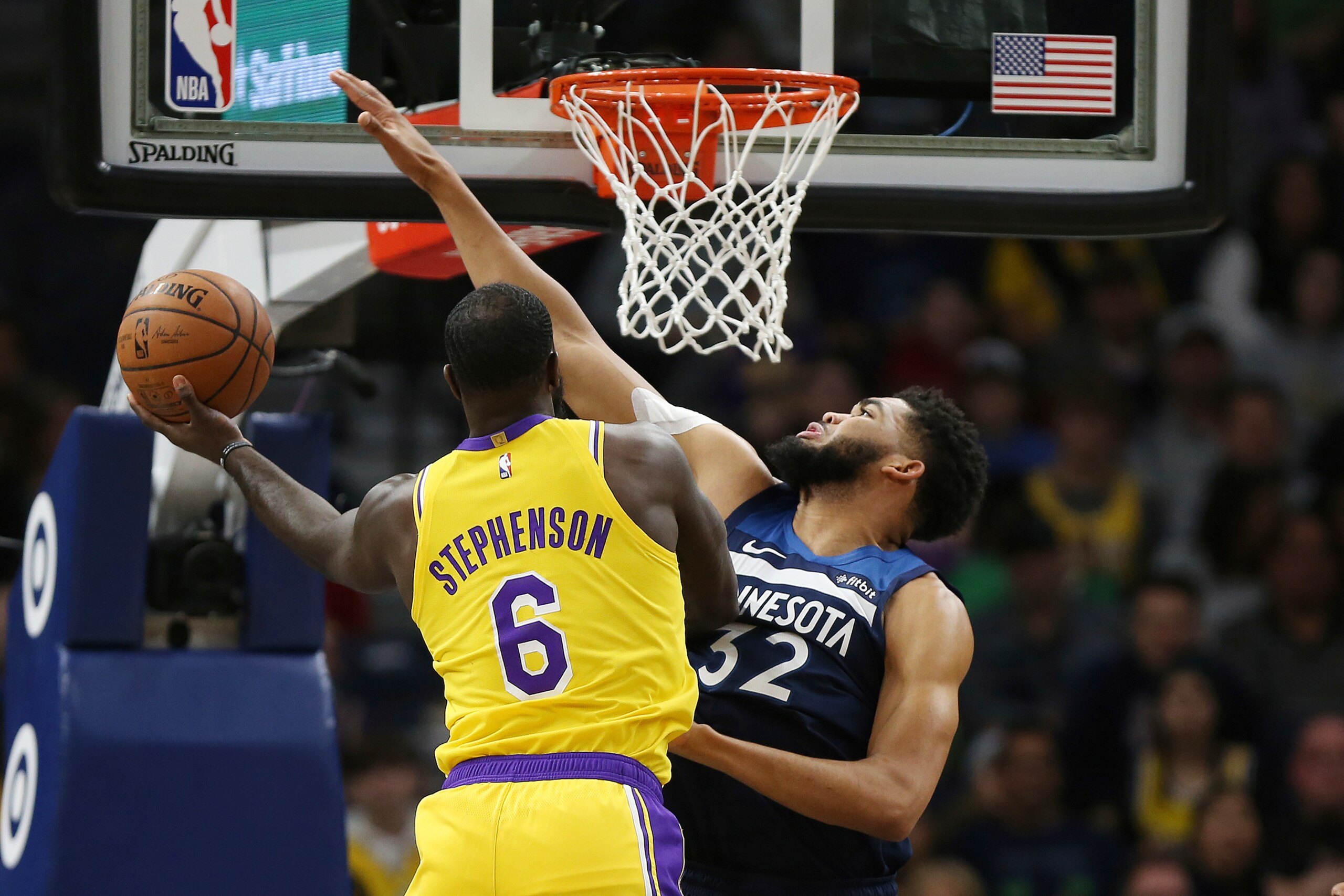
Their underperformance is puzzling.
Wiggins has the athleticism and physical tools to be a solid defender, and Towns showed promise on that end in his rookie season in 2015-16 before he regressed. Veteran big man Taj Gibson, signed in the summer of 2017, has long been one of the league’s most solid frontcourt defenders. That’s before one gets to the addition of Butler, an all-world wing defender, before last season. The trade of Butler to Philadelphia brought back Robert Covington, who made the All-Defensive first team last year.
A coach with Thibodeau’s defensive reputation, given these pieces, should have been able to put together at least a league-average defense. He should have been the one to grow Wiggins into the elite wing stopper he was supposed to be, to help Towns progress from a productive offensive young center to a two-way MVP candidate, to install a defensive team concept that brought out the best in everyone.
But his strong, relentless personality never quite meshed with the quieter nature of Wiggins and Towns, and the self-inflicted Butler drama didn’t help matters. Thibodeau should have either traded Butler before the season started or kept him away from the team indefinitely while he worked out a deal. Instead, he hoped in vain that he could convince Butler to stick around.
That stubbornness was Thibodeau’s undoing in both of his roles. As an executive, he insisted on bringing in his former Bulls players, including Luol Deng and Derrick Rose, and refused to trade Butler until his leverage was shot because he had held false hope he could repair the relationship. As a coach, he never adapted to the modern game, and the slow, grinding style that was so effective in Chicago has looked out of step with the way the game is played in 2019.
There have been some positives this season, like Rose’s resurgence and Towns’ recent hot streak (28.3 points, 17.0 rebounds and 2.9 blocks per game over his last seven). The Timberwolves aren’t out of the playoff picture by any means—at 19-21, they’re a mere two games behind the Lakers for the eighth seed in the Western Conference.
The timing of the change, following their win, was unexpected. But at the halfway mark of the season, Taylor decided he’d seen enough, that Thibodeau would not be the one to turn around an organization that’s been floundering for over a decade. And with Thibodeau’s tenure defined more by disappointment and dysfunction than by the kind of defensive turnaround he’d promised, it’s hard to blame him.
.jpg?w=2560 "KOC Contacted OBJ After Release ☎️")