

Real Madrid's Tactical Rebuild Without Ronaldo Is in Defence as Much as Attack
Few things in football are more alluring than a "project."
It's a buzzword bandied around by managers, players or even chairmen to indicate change is coming. Fans latch on to this term and funnel their optimism through it, believing things will take a turn for the better—that the next sunrise they witness will be significantly brighter than the last.
Real Madrid are the last club you'd expect to need a "project" to latch on to in 2018, what with having just secured their third straight Champions League title (and a fourth in the last five years). Sure, domestic success has been harder to come by—2017's La Liga title looks downright anomalous on the honour roll—but the biggest club football prize has had captain Sergio Ramos' fingerprints smeared across it for what seems like a mini-age.
TOP NEWS
Highlights and Viral Moments 🍿

Final Men's Ballon d'Or Rankings 📊

Carrick Replacement Options 📝
But this summer's exits of Cristiano Ronaldo and Zinedine Zidane temporarily plunged the club into an unfamiliar state of confusion. Two of the pillars of this golden age, gone. Zidane to a harmless place—unemployment—but Ronaldo to Juventus for €100 million in a transfer that threatens to shake up the European football hierarchy so violently that Los Blancos are suddenly, inexplicably, on notice.
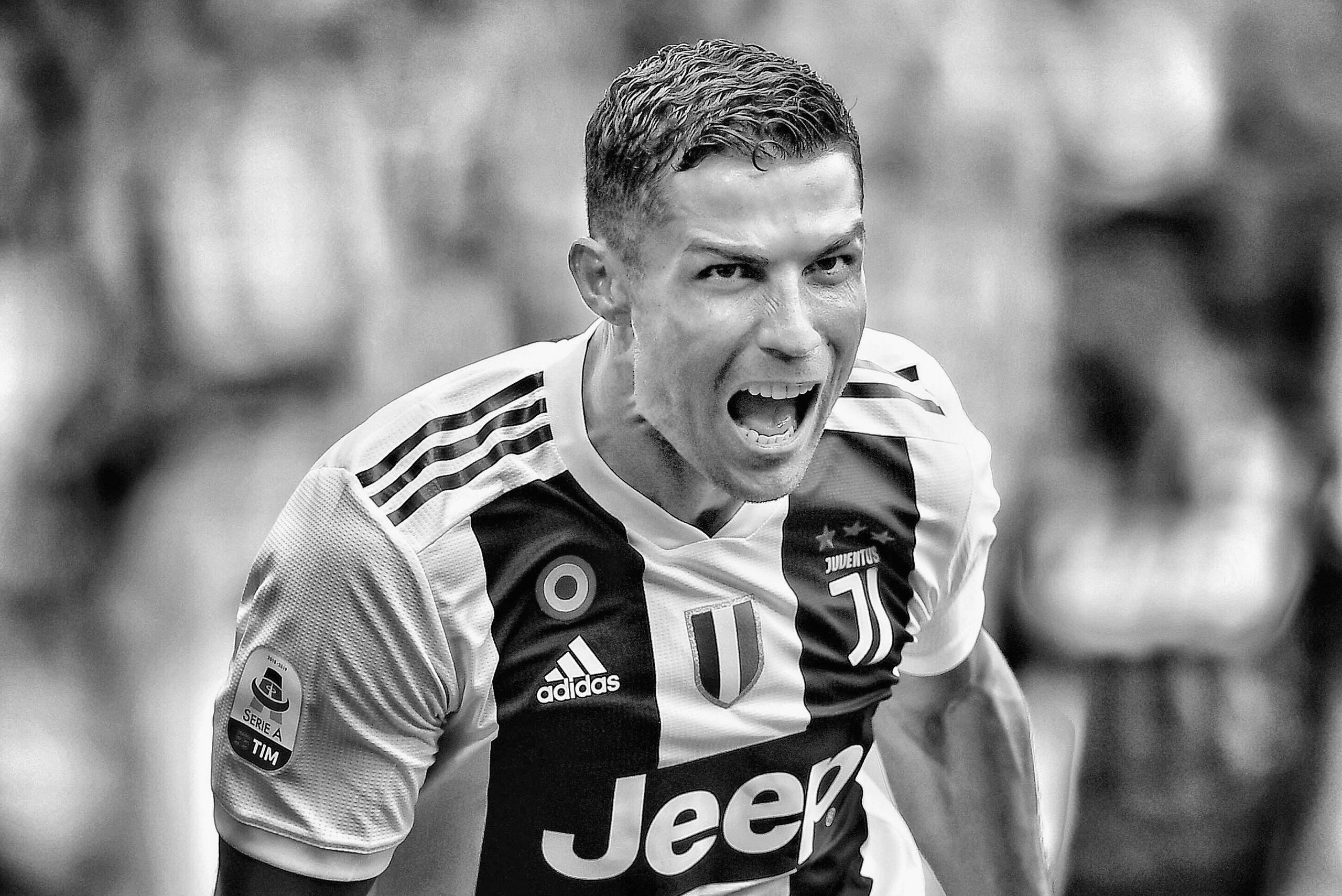
And so, Real Madrid unintentionally begin their own latest "project": to prove to the world that they can not only function, but continue to win relentlessly sans a five-time Ballon d'Or winner and one-man goal machine. Following Wednesday's eye-popping 3-0 loss to Sevilla, this feels particularly pertinent.
Ronaldo is irreplaceable pound-for-pound; no other player in the world executes on the big stage like he does, and only one other—the untouchable Lionel Messi—produces at a similar volume. The gravitas and grandeur of Zidane, particularly within the confines of the Santiago Bernabeu, might be just as difficult to replace.
Rather than drop €400 million in the transfer market, shifting football finances even further in an attempt to prise, say, Eden Hazard and Robert Lewandowski away from their current homes and plaster over their own cracks, Real Madrid adopted a far more holistic approach to proceedings. For now, this isn't a club defined by the individual; instead, its collectivism is to be its biggest strength.
The first eight games of Julen Lopetegui's reign have pointed in that direction at least. Yes, they're still leaning on some familiar tenets: Marcelo's rampages down the left flank, Toni Kroos' ludicrous defence-splitting passes and Isco's roaming. But in some ways, they're starting from scratch, resetting natural team tendencies, regrouping and reshaping as the climate demands.
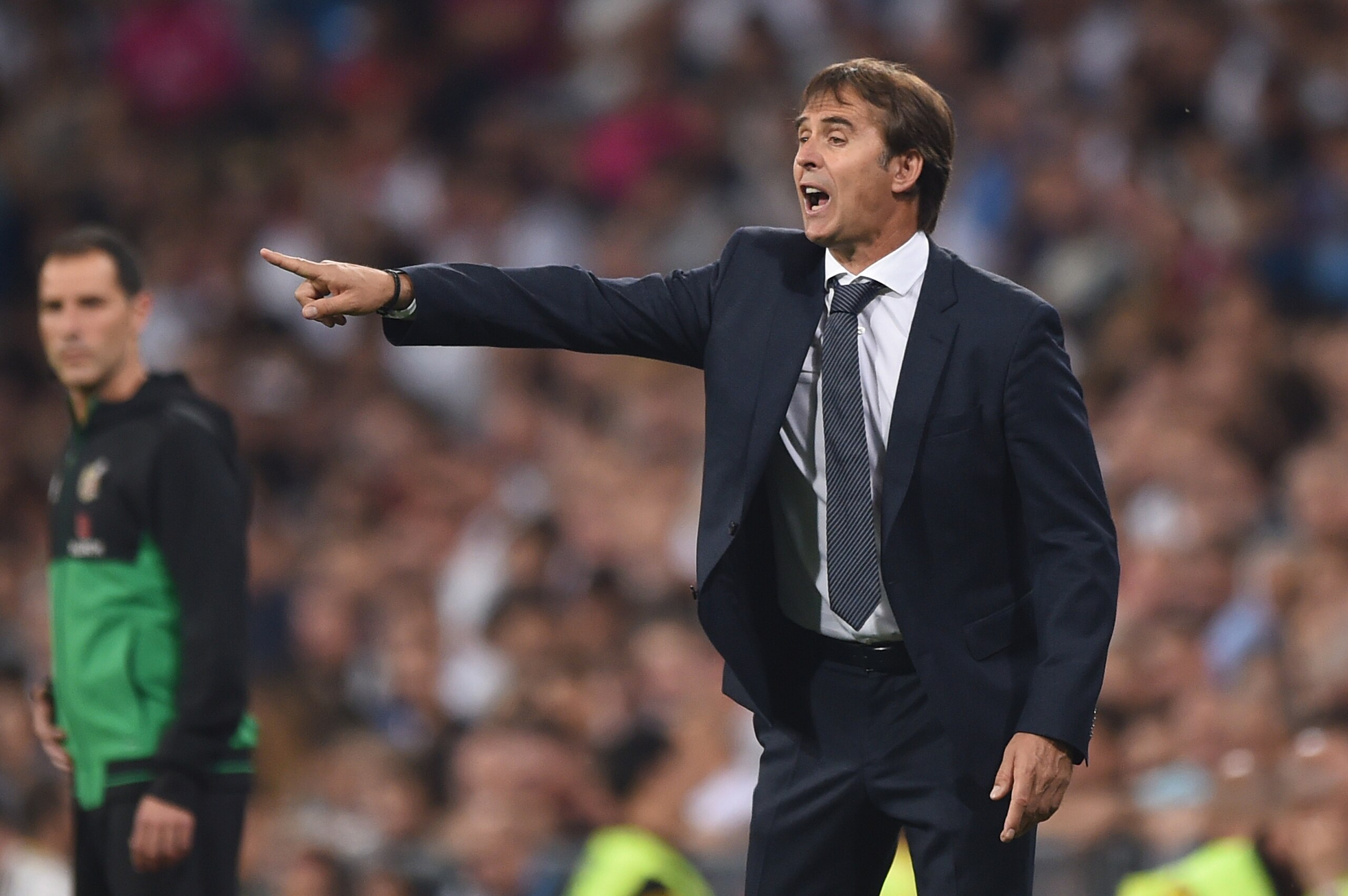
What Lopetegui has tried to do is restore balance to the attacking play at the Bernabeu. Whereas before the team was skewed to the left in order to hand Ronaldo (and Marcelo) opportunities, everyone feeds evenly now.
"Obviously it's going to be a little different from having such a big player [Ronaldo] there," winger Gareth Bale told the Daily Mail. "It's maybe a bit more relaxed, yes. I suppose there is more of a team, more working as one unit rather than one player."
It's not as if the new manager was handed a stinker of a squad here. The talent didn't simply disappear with Ronaldo out the door; what the Portuguese left behind was world-class ability in every position, plus two potential heirs to his throne in Bale (immediate) and Marco Asensio (future).
But it still needed to be remoulded and rebalanced after their talisman's departure. Lopetegui has opted (or perhaps been forced) to share that load out evenly, and so far when things have come together, Real Madrid have looked good.

He will hope that what his side produced against Roma in the Champions League on September 19 serves as a marker for what's to come. It was total football, slick and swift, and only a wasteful first half in front of goal—plus a super performance from visiting goalkeeper Robin Olsen—kept the scoreline down.
And the game still ended 3-0.
Roma looked at a loss as to how to handle their opponents. They crumbled in midfield, with the familiar Casemiro-Luka Modric-Kroos trio passing rings around them. Isco and Marcelo dovetailed beautifully on the left, while Bale and Benzema combined on the right. The ball was shared out evenly, a relaxed attitude settling over the team despite a glut of early misses.
They pressed more cohesively, too. It wasn't the most aggressive effort, but it was co-ordinated, attempting to trap opponents in on the sidelines when the ball went wide or to apply the squeeze to a deep-lying playmaker through Modric.
But while the Roma game can be offered as an example of Real Madrid at their best, their performance against Sevilla on Wednesday serves as a valuable case-in-point as to what they look like at their worst.
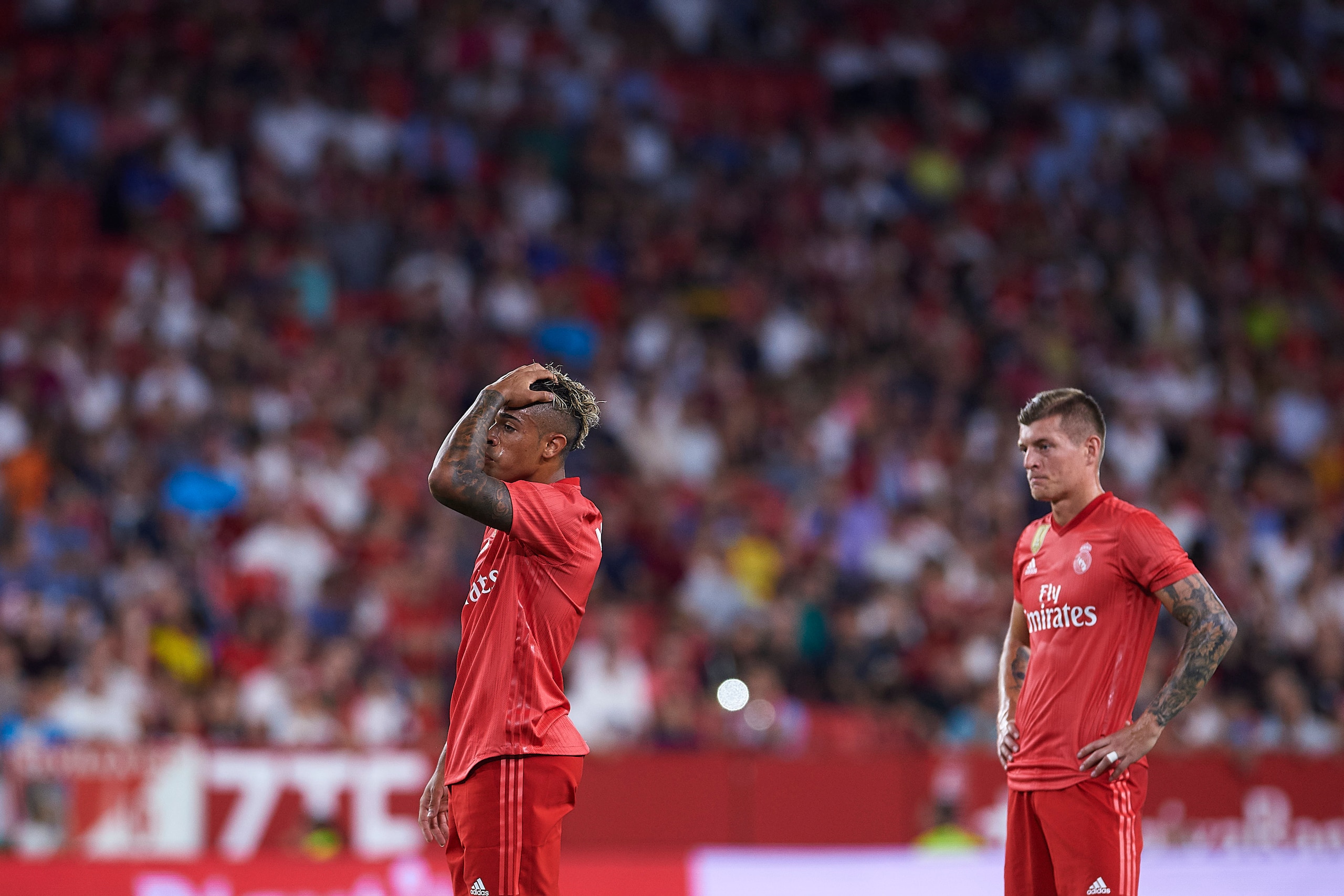
They're evidently still suffering from some of the same issues Zidane experienced when he was at the helm—most notably the huge gaps left in defence by Marcelo and Sergio Ramos. Both contributed heavily, in the wrong way, to the crushing 3-0 defeat at the Ramon Sanchez Pizjuan on Wednesday night.
It's a result that draws the spotlight in far more tightly than any glorious win would have. It will question them, hound them, demand they respond and prove their mettle—just as the UEFA Super Cup loss to Atletico Madrid in Tallinn, Estonia, did.
There are two spins you can put on Wednesday's result. The more positive one is that Real Madrid—whichever the iteration—have almost always struggled at the Pizjuan; even Zidane only managed two losses and a draw there. Some will say this result is not a marker of anything other than some kind of gut-wrenching Andalusian tradition.
The negative one is that Los Blancos have been turned over fairly convincingly by two of the three strongest opponents they've faced this term (Atletico, Roma and Sevilla)—something that feels completely out of character for a side who've won three straight European titles.
What's clear is that defensive improvement is just as important as the search for a new attacking style. They cannot ignore those issues in the way they did last year, as their Get Out Of Jail Free card—Ronaldo—has departed.
For a long time, the Portuguese's propensity to score big goals on big occasions papered over those cracks. In a way, his goalscoring volume and execution justified the club's haphazard approach to defending.
But he's gone, meaning Real Madrid must chase those defensive demons away for good if they're to operate at the level we've come to expect. A rebalancing in attack must be joined by similar changes in defence. It's still a small sample size, but the early signs seem incredibly clear.
Next up are Atletico Madrid at the Bernabeu on Saturday. There may not be a better fixture for Los Blancos to go out and redeem themselves, make their record against strong teams look significantly better and—after injuries to Marcelo and Isco—prove definitively that this is a team effort, not an individual one.
All statistics via WhoScored.com
.jpg?w=2560 "Chiefs Giants Football")


.jpg?w=2560 "🚨 Week 8 AP Top 25 Poll")


.jpg?w=2560 "Updates from EVERY NFL Game 🏈")
.jpg?w=2560 "Baker Gets Glove From Rays 🧤")