Before diving into this draft blueprint, understand that this is far from rigid and should be adjusted as necessary throughout your draft.
If you lock yourself into a strategy of taking two running backs in the first two rounds regardless of what the board looks like, you may find yourself reaching for a player you don't even like that much. However, if others are also committed to addressing the RB position early, it could push wide receivers down the board and into your lap. Taking Michael Thomas in that situation instead of reaching for LeSean McCoy to fulfill your RB-RB strategy is just one example of how being flexible works better than being rigid.
You should leave almost no doubt in your head when making your first two selections. If that means taking Antonio Brown over David Johnson because you have more confidence in Brown as the top fantasy WR for the last four years on a better team than Johnson, then go ahead and do it. Second-guessing early picks can lead to disaster if you're trying to make up for mistakes.
Just remember you can use a variety of strategies at each position. As much as ADP will be discussed throughout this blueprint, the board doesn't always go to plan, which can be good or bad. The only philosophy you should be committed to is a willingness to be flexible.
Oh, and don't worry about kickers and defenses. If you can get away with not drafting them at all, just wait until Week 1 and hit the waiver wire to fill those spots. There's nothing wrong with streaming those positions all season.
The rankings in this article will be updated throughout the preseason and can be found here. While this article focuses on points per reception (PPR) formats, that bookmark provides my rankings for PPR, standard and half-PPR scoring systems.
Note: All ADP data and fantasy stats used to calculate finishes provided by FantasyPros. All advanced stats calculated using data from Pro Football Reference. All stats are based on PPR format.
Quarterback Strategy
1 of 8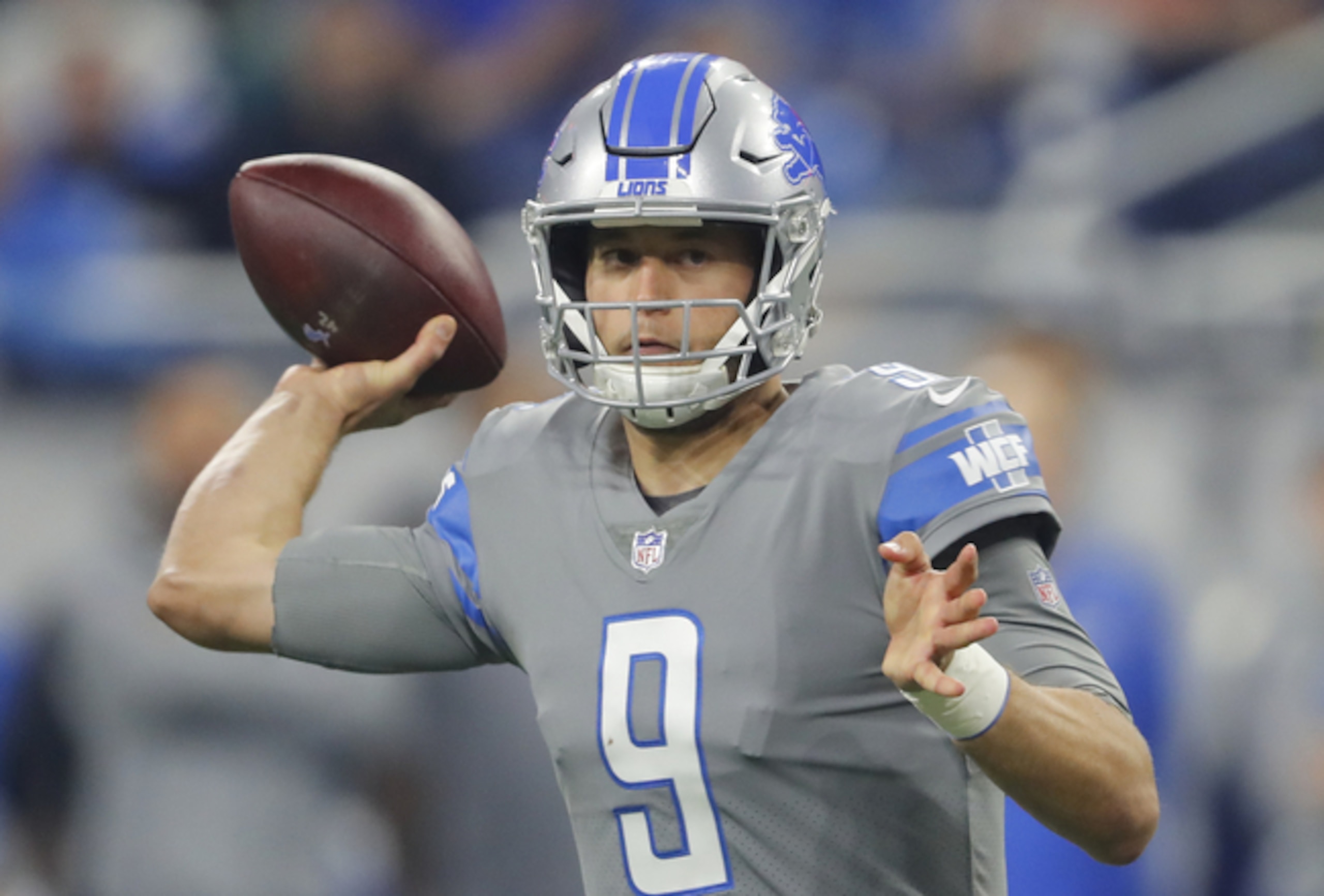
Just wait.
That's all you need to know when it comes to drafting a quarterback. It's easy to get caught up in the excitement of landing Aaron Rodgers or Tom Brady, but that means using a third-round pick in the case of Rodgers (ADP 30.6/QB1) or a fifth-round pick in the case of Brady (ADP 56.2/QB4). Instead of taking Rodgers, you could select T.Y. Hilton, Stefon Diggs or Zach Ertz and grab a QB later in the draft.
When you look at the QBs with the top 12 ADPs in 2017, only six of them actually finished the season as top-12 fantasy QBs, according to Fantasy Football Calculator. Of those six players, only four finished at or better than their ADP at the position. Russell Wilson (ADP QB5) was the top QB, Kirk Cousins (ADP QB9) was QB6, Cam Newton (ADP QB10) was QB2 and Ben Roethlisberger (ADP QB12) was QB11.
So did waiting for a QB or hitting the waiver wire work last season? Matthew Stafford had an ADP of QB15 and wound up as QB7. Even with his injury, Carson Wentz was QB5 for 2017 after an ADP of QB17. Alex Smith didn't even have an ADP inside the top 20 QBs, yet he wound up as QB4 for the season. Other notable cheaper QBs that paid off include Philip Rivers (ADP QB13 to QB8) and Dak Prescott (ADP QB14 to QB10). If you hit the waiver wire, you may have struck gold with Alex Smith (QB4), Jared Goff (QB12), Blake Bortles (QB13) or Case Keenum (QB14).
QB is not a position to prioritize. Don't get caught up in an early run on QBs, as those picks can go to better use at other positions.
Quarterback Categories
2 of 8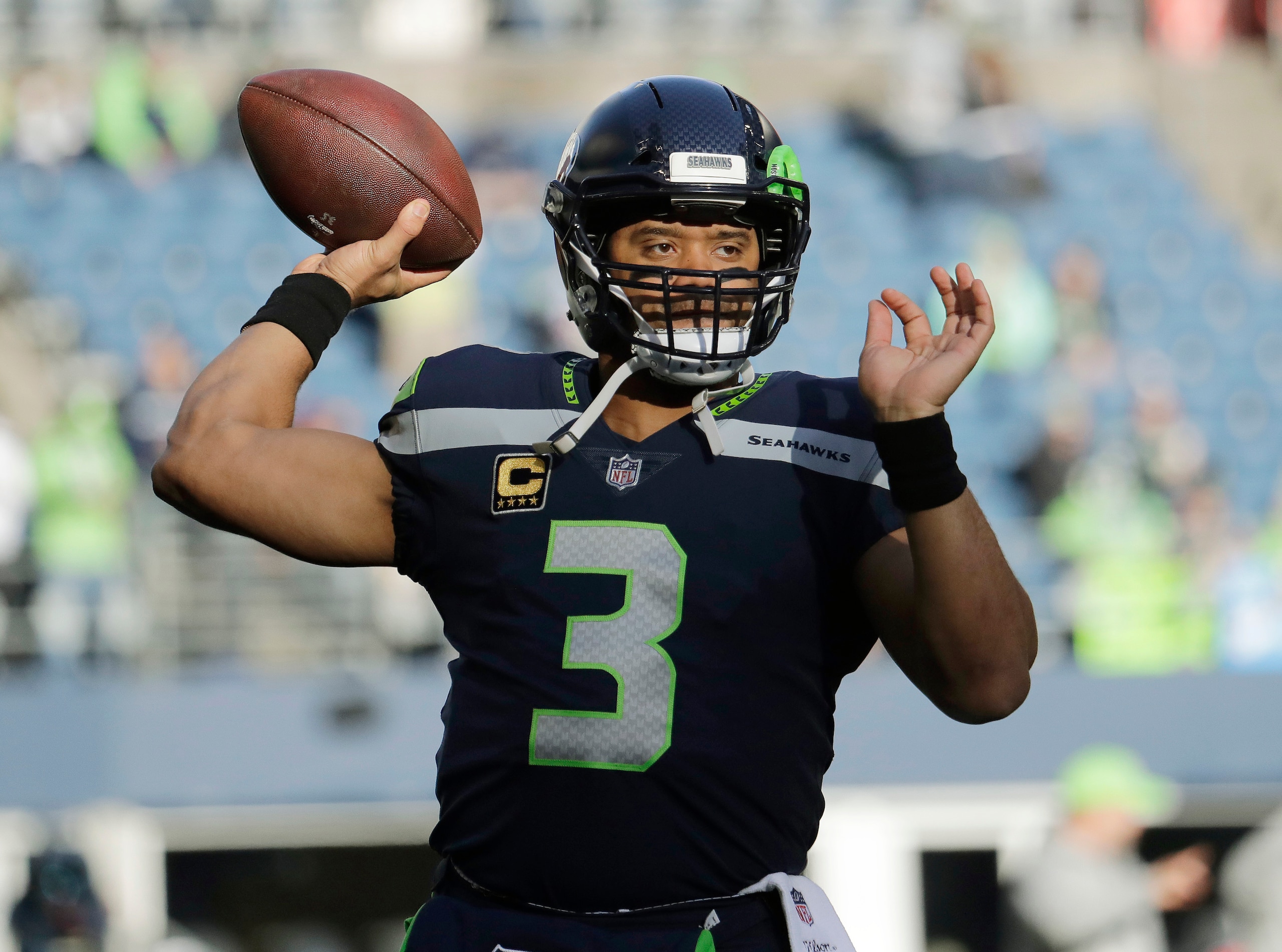
Tiers
The upper echelon of fantasy starters would be my top five, as any of them have a legit chance of finishing as the top QB for the season if everything falls the right way. Cam Newton sits on his own tier because of his high ceiling and low floor. From there, you can feel comfortable waiting as long as Matt Ryan as my No. 15 QB to get a legitimate starting option.
Rookies
Don't expect any of the rookies to make a significant impact this season. While Josh Allen in Buffalo and Sam Darnold with the Jets seem to have the best chance of winning their respective starting jobs to open the seasons, neither player would be in an encouraging situation. Josh Rosen and Baker Mayfield could see time later in the season as their teams fade from contention. Lamar Jackson is a wild card with Joe Flacco firmly in place as the starter. Jackson might be the QB of the future, but when the Ravens finally make the move to him, it signifies the end of the long Flacco era.
Breakouts
The only two players who feel like true breakout candidates are Patrick Mahomes and Mitch Trubisky. Both QBs were covered as sleepers in my first edition of the Big Board. Obviously, the expectations and situations are a little different. Mahomes takes over for Alex Smith after the Kansas City Chiefs won the AFC West last season. Trubisky enters his second season as the starter with the rebuilding Chicago Bears. Both players have plenty of talent around them to become potential fantasy producers. However, you'll have to pay up a bit more for Mahomes (ADP 113.2/QB14), whereas Trubisky has less risk with an ADP of 152.6/QB21.
Bust
It's hard to get excited about Dak Prescott. Other than his legs, he doesn't have much to rely on for fantasy production. The Cowboys will obviously lean on Ezekiel Elliott to carry the offense, but that doesn't mask the lack of help in the receiving corps. Prescott's rushing ability will keep his fantasy value from completely falling, but that's not much to hang your hat on this year.
Targets
Waiting on a QB means you can delay grabbing one until Matthew Stafford (ADP 99.8/QB11) and as far down as Ryan (ADP 111/QB13). If you wait that long and want to take a solid backup later on, consider Marcus Mariota (ADP 126.2/QB17), Eli Manning (ADP 165.8/QB23) or Case Keenum (ADP 171.5/QB24) unless you decide to go with breakout, upside players like Mahomes or Trubisky.
2018 Quarterback Rankings
| 1 | Aaron Rodgers GB (7) |
| 2 | Deshaun Watson HOU (10) |
| 3 | Russell Wilson SEA (7) |
| 4 | Tom Brady NE (11) |
| 5 | Carson Wentz PHI (9) |
| 6 | Cam Newton CAR (4) |
| 7 | Ben Roethlisberger PIT (7) |
| 8 | Kirk Cousins MIN (10) |
| 9 | Drew Brees NO (6) |
| 10 | Philip Rivers LAC (8) |
| 11 | Matthew Stafford DET (6) |
| 12 | Jared Goff LAR (12) |
| 13 | Andrew Luck IND (9) |
| 14 | Jimmy Garoppolo SF (11) |
| 15 | Matt Ryan ATL (8) |
| 16 | Marcus Mariota TEN (8) |
| 17 | Patrick Mahomes KC (12) |
| 18 | Dak Prescott DAL (8) |
| 19 | Derek Carr OAK (7) |
| 20 | Alex Smith WAS (4) |
| 21 | Mitchell Trubisky CHI (5) |
| 22 | Case Keenum DEN (10) |
| 23 | Ryan Tannehill MIA (11) |
| 24 | Blake Bortles JAC (9) |
| 25 | Eli Manning NYG (9) |
| 26 | Andy Dalton CIN (9) |
| 27 | Jameis Winston TB (5) |
| 28 | Joe Flacco BAL (10) |
| 29 | Sam Bradford ARI (9) |
| 30 | Tyrod Taylor CLE (11) |
| 31 | Josh Allen BUF (11) |
| 32 | Josh McCown NYJ (11) |
| 33 | Sam Darnold NYJ (11) |
| 34 | Baker Mayfield CLE (11) |
| 35 | Josh Rosen ARI (9) |
| 36 | Ryan Fitzpatrick TB (5) |
| 37 | Lamar Jackson BAL (10) |
| 38 | AJ McCarron BUF (11) |
Running Back Strategy
3 of 8
Following the trends when it comes to RBs can be dangerous, especially if you aren't willing to adjust on the fly. ADP info indicates the love for RBs has returned in a big way, as nine of the top 12 picks are RBs. Fourteen RBs have ADPs at 25 or better. It's fair to say the position does feel deeper at the top tier, but that does not last deep into the draft.
As discussed in the intro, you must remain flexible with your plan of attack, as the draft can be fluid. If you come out of the first three rounds with two RBs, you could wait a little while to address the position again— assuming you are set with at least two of your starters. If you only end up with one RB in the first three rounds, it might be wise to keep the position in mind with a mix of rookies who could start immediately, pass-catching RBs (PPR only) and veterans with high floors.
For example, this could be a potential start to your draft picking from the middle:
R1: Alvin Kamara
R2: Davante Adams
R3: T.Y. Hilton
R4: Demaryius Thomas
R5: Ronald Jones
R6: Tevin Coleman
R7: Marshawn Lynch
If you pick earlier in the first round, you might have a good chance at this two-RB start:
R1: Todd Gurley
R2: Joe Mixon
R3: Doug Baldwin
R4: Golden Tate
R5: Alshon Jeffery
R6: Tarik Cohen
R7: Delanie Walker
Those selections are made based on PPR ADP, so they are nothing more than potential ways to construct your roster using different RB strategies. Whether you come out of the draft loving or hating your RBs, it's a guarantee you'll be hitting the waiver wire to address the position throughout the season. As long as you understand that, you shouldn't feel obligated to stick to a predraft RB strategy because it's only the beginning of the work you'll have to do with your backs.
.jpg?w=2560 "Titans Colts Football")
.jpg?w=2560 "Chiefs Giants Football")
.jpg?w=2560 "Colts Football")
Running Back Categories
4 of 8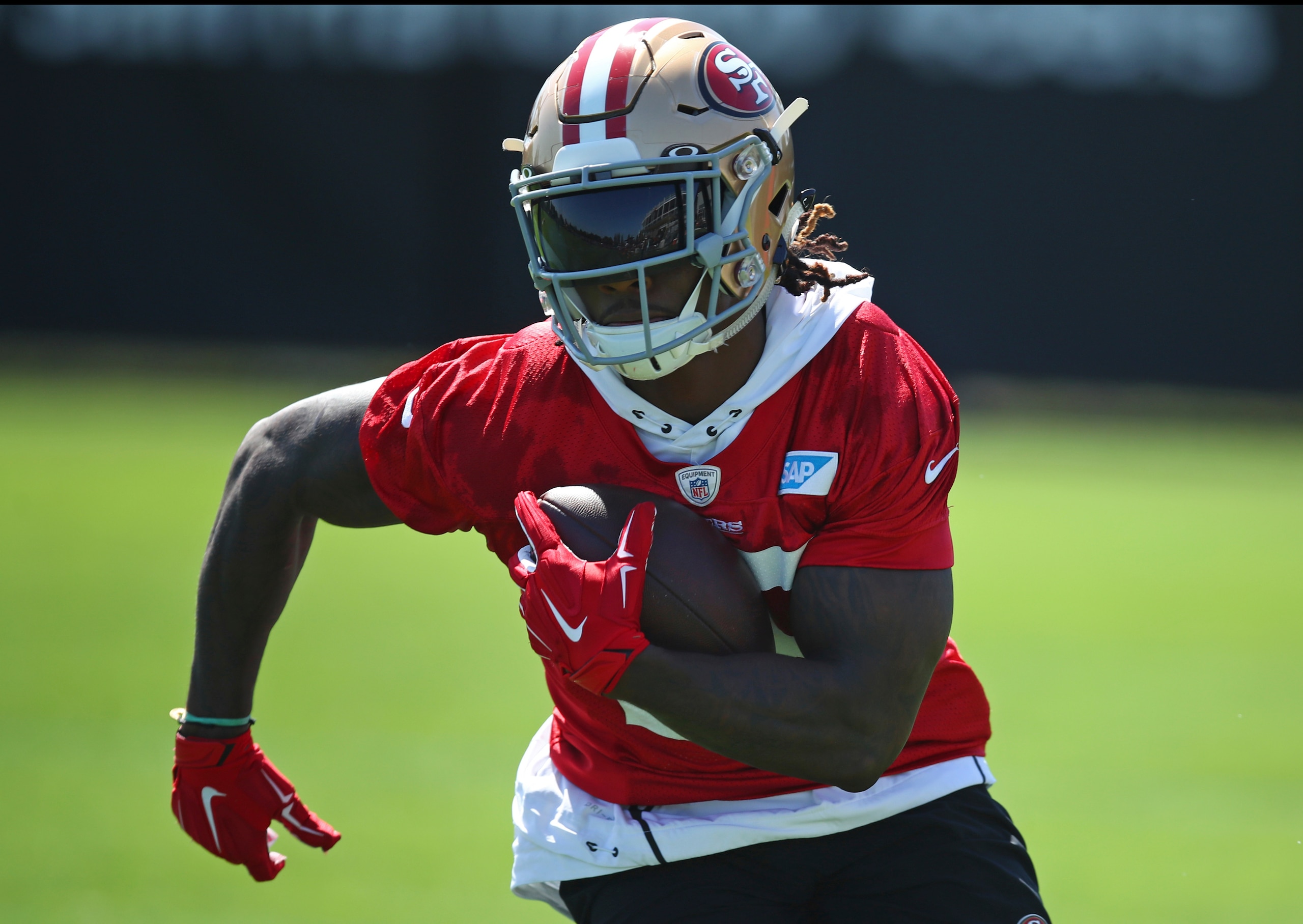
Tiers
Todd Gurley, Le'Veon Bell, David Johnson and Ezekiel Elliott are consistently taken within the first five picks, which puts them at the elite tier of RB1s. The next group of high-end RB1s would be Alvin Kamara, Kareem Hunt and Saquon Barkley. Leonard Fournette, Melvin Gordon, Christian McCaffrey and Dalvin Cook make up what should be the last three legit RB1 options in PPR formats.
After that, more questions pop up with Devonta Freeman (presence of Tevin Coleman), Jerick McKinnon (handling his biggest workload ever), Joe Mixon (bouncing back from a disappointing rookie season), LeSean McCoy (horrible team, off-field issues) and Jordan Howard (bad receiver, limited upside). This is a group of good RB2s with potential RB1 upside in Freeman, Mixon and possibly McKinnon.
Mark Ingram is in the middle of this mess. With a four-game suspension, he can't be back in the RB1 conversation for the entire season like he was in 2017. However, you could argue he'll get back into the RB1 conversation once he returns to action. He'll likely cost you a fourth-round pick, which is fine, if you plan accordingly for his absence.
The rest of the RB2 grouping is a mix of lead backs who don't play big enough roles to have a consistently high ceiling and pass-catching backs with high upside but low floors because they lack a big enough presence on the ground. The former group includes Alex Collins, Jay Ajayi, Kenyan Drake and Lamar Miller. Players like Chris Thompson and Dion Lewis represent the latter group.
Rookies
If anyone tells you not to trust rookies because they are unproven at the NFL level, tell them their lazy analysis cost them the No. 1 and 2 rushers from 2016 (Ezekiel Elliott and Jordan Howard) and the lead rusher in 2017, Kareem Hunt. This year provides another group of potential immediate contributors and/or starters. Besides the obvious stud in Saquon Barkley for the New York Giants at the top, Derrius Guice looks to be the next best rookie with a clear opening atop the depth chart for the Washington Redskins.
The next group would include Sony Michel of the New England Patriots, Rashaad Penny of the Seattle Seahawks, Ronald Jones of the Tampa Bay Buccaneers and Royce Freeman with the Denver Broncos. Michel will likely have to share the backfield with Rex Burkhead and James White all season. Even though he's a first-round pick, Penny could battle Chris Carson for touches throughout the season. Jones was drafted to be the starter in Tampa Bay, but Peyton Barber could stay in the mix, at least early in the season. The same could be said for Freeman as he attempts to hold off Devontae Booker.
Kerryon Johnson and Nick Chubb don't have clear paths in Detroit and Cleveland, respectively, but are arguably the most talented players in those backfields. Even if it takes longer for them to contribute, they will have fantasy value this season.
Breakout
Once again, Barkley is the obvious name to discuss here, yet with a first-round ADP, clearly no one needs convincing that he will be great from the jump. Because the rest of the rookies were covered as potential breakouts, my breakout is a second-year player who was misused as a rookie.
Tarik Cohen may have seen 15.1 percent of the target share for the Chicago Bears last season, but you could make the argument that wasn't high enough considering the lack of talent in the team's receiving corps. Cohen opened last season with four games of at least four targets and four receptions. He matched those same totals just four times the rest of the season. Eight of his 16 games resulted in one or two receptions.
Under new head coach Matt Nagy, Cohen should play a much more important role in the offense. Back in June, Nagy said of Cohen, per Mark Potash of the Chicago Sun-Times, "You may look like you can run routes, but can you really run routes? He's able to run routes. Sometimes that can be a disadvantage to a defense because they've got to cover him all over the field. You can't just put him in the backfield and say to the middle linebacker, 'Cover him.' So we'll try to do some things there. He's an athletic kid who does a lot of things well. We'll have some fun with him."
The receiving corps in Chicago is far better than it was last season, yet based off Nagy's comments and the talent Cohen has, there is still a big role waiting for him in 2018. With an ADP of 76.2/RB28, you can take Cohen as an RB3 with the idea he can turn into an RB2.
Bust
The Tennessee Titans backfield was covered in the Big Board with Derrick Henry landing in the overvalued category, while Dion Lewis is a target based on value.
The presence of Lewis is more than enough reason to question why Henry has an ADP of 41.2 as RB19, especially since Lewis is going off the board with an ADP of 62/RB26. Last season, Henry was RB37 in PPR formats. Even though he should have had more carries than DeMarco Murray, Murray held just a 184-176 edge. Even if Henry sees an increase from his 39.7 percent target share last year, you shouldn't expect him to see much of an increase, if any, on the 17 targets he had in 2017.
The lack of presence in the passing game and addition of Lewis don't give Henry much margin for error. To take him as a fourth-round pick and consider him a reliable RB2 is asking a lot of a player who doesn't have a high ceiling. Henry will be useful, but he won't live up to his current draft value.
Targets
As discussed in the strategy section, your RB group will vary based on when you pick and how many RBs you come away with in the first round. Picking in the first half of the first round should afford you one of the players in the elite RB1 tier, but really anywhere in the first round should give you a chance to get a top back you feel good about to lead your team. Try to come away with at least one RB in the first three rounds who is a legit threat to get 100 total yards every week, preferably one who has a constant presence as a runner and a receiver.
From a cost standpoint, Ingram, Lewis and Cohen have a good chance of outplaying their current value. If you believe in going after the best situations, players outside of the first two rounds who get a boost from being on good teams include Jay Ajayi, Sony Michel and Tevin Coleman.
2018 Running Back PPR Rankings
Wide Receiver Strategy
5 of 8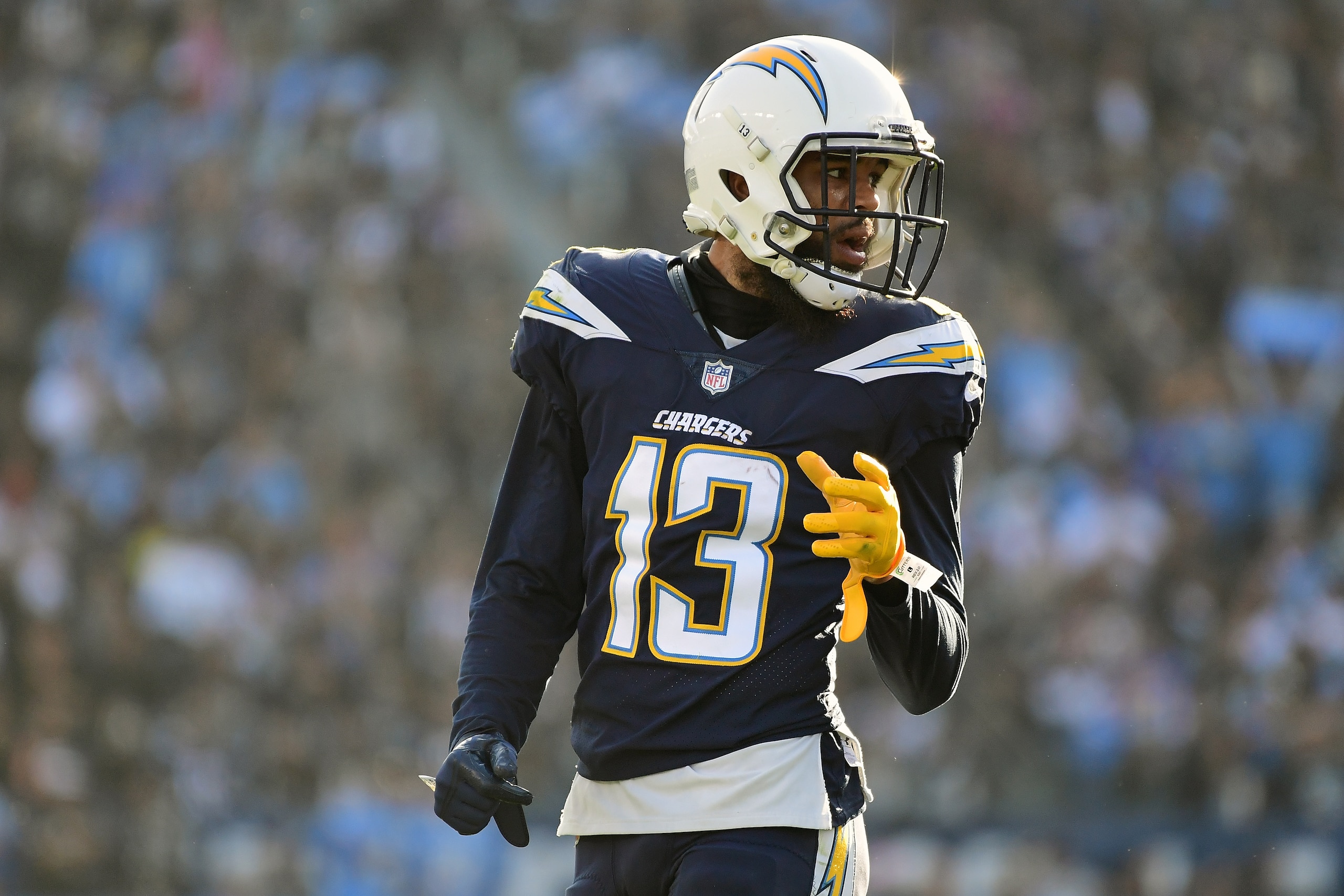
Other than a handful of players, the WR position as a whole was a big letdown in 2017. Antonio Brown (22.2) and DeAndre Hopkins (20.7) were the only players to average at least 20 fantasy points per game. In addition to Brown and Hopkins, Keenan Allen, Larry Fitzgerald, Jarvis Landry and Michael Thomas were the only other WRs to average at least 16 fantasy points per game.
Some may take this as a reason to grab an RB in the first round no matter what, and there's enough talent to give at least 10 owners a legit RB1. However, you'd be very shortsighted to think that one down year for the WR position justifies shying away from taking one or even two to open your draft. It all depends on when you pick and who's available.
If you pick at the end of the first round, you could have a chance to get Julio Jones and Michael Thomas with your first two selections. While they aren't in the same tier as Brown/Hopkins/Odell Beckham, they are in the top-five conversation and therefore locked-in WR1s. If you want to split the difference by pairing an RB like Melvin Gordon or Leonard Fournette with Jones or Thomas, that's perfectly acceptable.
From a comfort factor, the only two other players I'd feel good about in the WR1 category are Keenan Allen and Davante Adams, which has a lot to do with both their talent and QBs. A.J. Green isn't far off, although it's hard to feel great about him when he's relying on Andy Dalton to get him the ball. Doug Baldwin had a shot to re-enter the WR1 conversation, but his value is somewhat in flux due to his knee issue. One player who has the best chance to make the jump back into WR1 territory is T.Y. Hilton. His ADP sits at 30.6/WR13, so you're not paying a high price for what could be a big bounce-back year if Andrew Luck returns to top form.
Once again, a weak rookie class means there won't be many immediate contributors like there are with the RBs. However, the WR position could end up being very deep with an abundance of players returning from injuries that plagued them in 2017 and others who are in far better situations due to upgrades at QB and/or better coaching.
Beckham, Allen Robinson, Julian Edelman (after a four-game suspension), Pierre Garcon and Emmanuel Sanders are coming back from injuries that completely wiped out or limited their abilities last season. Hilton, Demaryius Thomas and Randall Cobb should see far better QB play. All of these players have been at least strong WR2 options in the past with Beckham, Hilton and Thomas spending multiple years firmly inside the WR1 category.
Wide Receiver Categories
6 of 8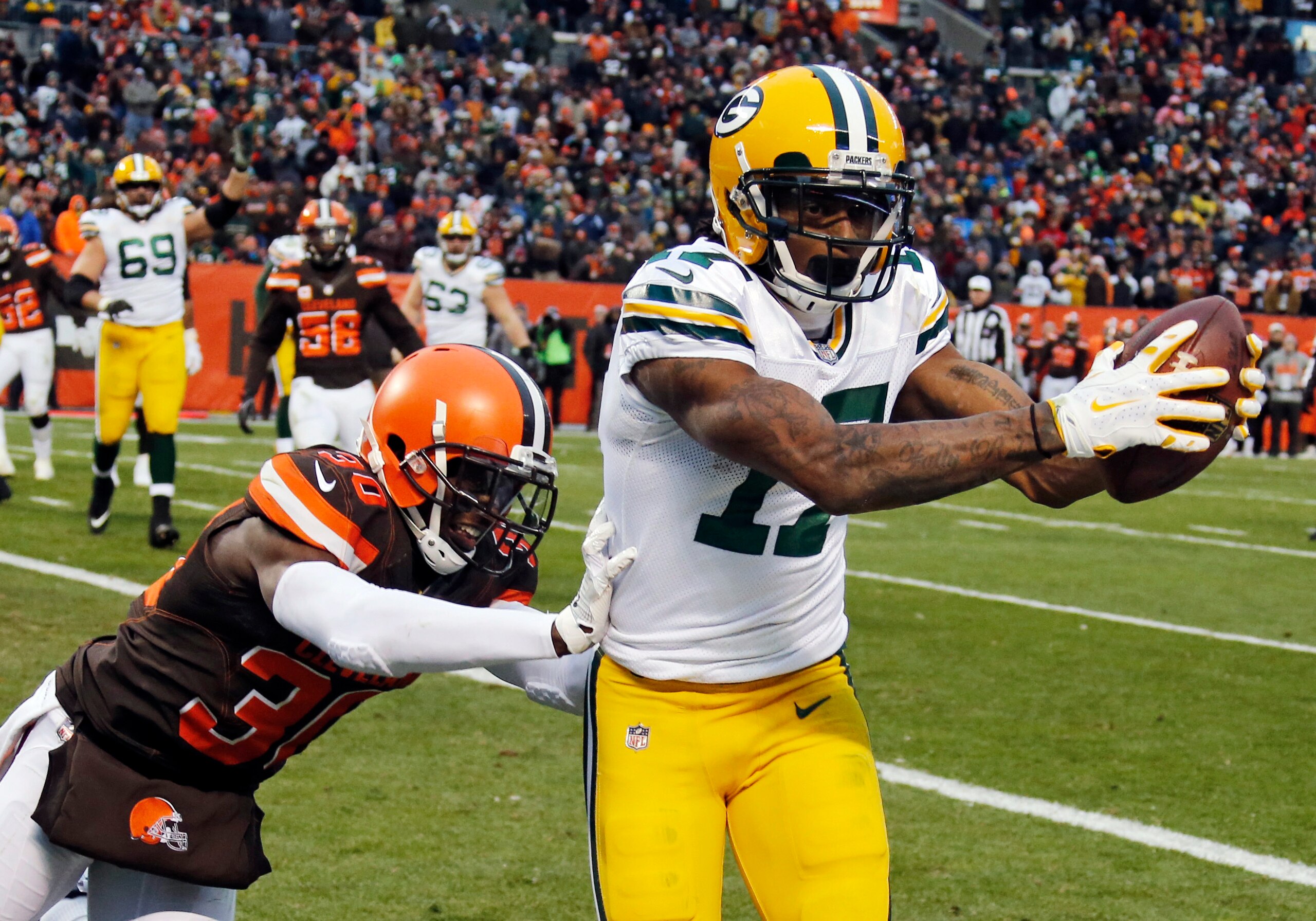
Tiers
As discussed in the WR strategy, the WR1 tier starts with Antonio Brown and ends with Davante Adams. Basically, that means that in a 12-team league, not everyone will wind up with a clear-cut WR1, although personal preference will come into play when it comes to players like A.J. Green, T.Y. Hilton and Mike Evans. Their respective QB situations will be the ultimate determinate of season-long fantasy value.
The obvious WR2 group starts with Demaryius Thomas at WR13 and runs through Brandin Cooks at WR23. Until the Josh Gordon situation has more clarity, his status is up in the air, so proceed with caution.
The WR3 tier begins with Emmanuel Sanders at WR25 and ends with Jamison Crowder at WR38, so it's a deep group. Plus, players in that range like Sanders, Marquise Goodwin, Corey Davis, Julian Edelman, Nelson Agholor and Randall Cobb have WR2 ceilings.
Rookies
The rookie conversation is a short one. In the first round of this year's NFL draft, the Atlanta Falcons added Calvin Ridley to a team that already includes Julio Jones, Mohamed Sanu, Devonta Freeman and Tevin Coleman. It's hard to see him carving out a consistent role as a rookie, but he's definitely one to watch in the future. D.J. Moore joins a Carolina Panthers receiving corps that has a bigger need, although Moore may not get the volume to be a reliable fantasy contributor. The Panthers haven't ranked higher than 21st in pass attempts over the last three seasons. Plus, Moore has to battle for targets with Christian McCaffrey, Greg Olsen and Devin Funchess.
Breakout
JuJu Smith-Schuster didn't have his five receptions or 60 yards until his eighth game last season and still finished as the No. 23 fantasy WR despite missing two games over the final six weeks of the season. He enters the season as the clear No. 2 WR behind Antonio Brown, but in Pittsburgh's high-volume offense, there's more than enough to go around for Smith-Schuster to improve on last season's strong campaign. He has top-15 potential, which makes his ADP 43.6/WR18 value worth it.
Bust
Both Amari Cooper (ADP 36.8/WR16) and Michael Crabtree (ADP 69.6/WR27) were covered in the Big Board overvalued WRs, so let's turn our attention to a more obvious bust candidate.
Unlike previous seasons, you don't have to pay much for DeVante Parker with an ADP of 89/WR37, yet even that seems too steep for a player who's failed to live up to expectations of a former first-round pick. Parker's yards per reception went from 19.0 as a rookie to 13.3 in his second season to 11.8 last year. He played in 43 out of a possible 48 games battling multiple injuries, most notably to his foot and ankle.
Even though the departure of Jarvis Landry opens up 27.5 percent of the target share, Parker may only see a small increase since the Dolphins brought in Albert Wilson and Danny Amendola to help fill the void left by Landry. Miami's offense doesn't generate much excitement for strong fantasy production from any position, so Parker has more to overcome than just his own struggles. He's not worth your time.
Targets
From a value standpoint, Demaryius Thomas has an ADP of 44.4/WR19 after finishing no lower than WR16 in the last six years. Case Keenum will be an upgrade for the Denver Broncos, so both Thomas and Emmanuel Sanders (ADP 84/WR34) should outplay their draft slots.
If Hilton's ADP keeps him in the third round, he could wind up being a steal, but that all depends on how smoothly Andrew Luck's return to action goes this season. All signs are positive, so if that remains, Hilton may continue to ascent up the draft board.
2018 Wide Receiver PPR Rankings
Tight End Strategy
7 of 8
How you attack this position depends on what you want from your tight end. If you want a clear advantage over most of your league, you'll have to consider Rob Gronkowski (ADP 22.8), Travis Kelce (ADP 26.8) or Zach Ertz (ADP 34.2) between the second and third rounds. You may end up taking Kelce or Ertz in the third round because they are the best overall non-QBs left on the board. That's understandable, although it may hurt you at another position.
The next group is a mix of proven and consistent players with varying levels of reliability. Jimmy Graham has an ADP of 59/TE4 with Aaron Rodgers as his new QB in Green Bay. Evan Engram is not far behind at ADP 60.8/TE5, although there may be more questions about him in his second season since opportunities may not be as prevalent with the return of Odell Beckham and addition of Saquon Barkley.
That brings us to old, reliable territory of proven consistent options like Greg Olsen (ADP 62.6/TE6), Delanie Walker (ADP 74.6/TE7) and Kyle Rudolph (ADP 77.4/TE8). Rudolph is one of my usual targets since his price tag is fair and he's the last of the TEs before bigger questions arise.
If you want the upstarts, the values vary. You'll have to pay for the hope that Trey Burton breaks out in his first season with the Bears, as his ADP sits at 94/TE10. George Kittle is another breakout candidate at ADP 123.2/TE12, so he'll save you a few rounds if you're willing to wait. David Njoku isn't that far behind at ADP 130.4/TE13, yet his role in the Cleveland Browns offense isn't quite as clear heading into his second season.
Basically, you're taking bigger chances once you get outside of the first eight players. Any players taken outside of that top eight may necessitate taking a second TE to be safe.
Tight End Categories
8 of 8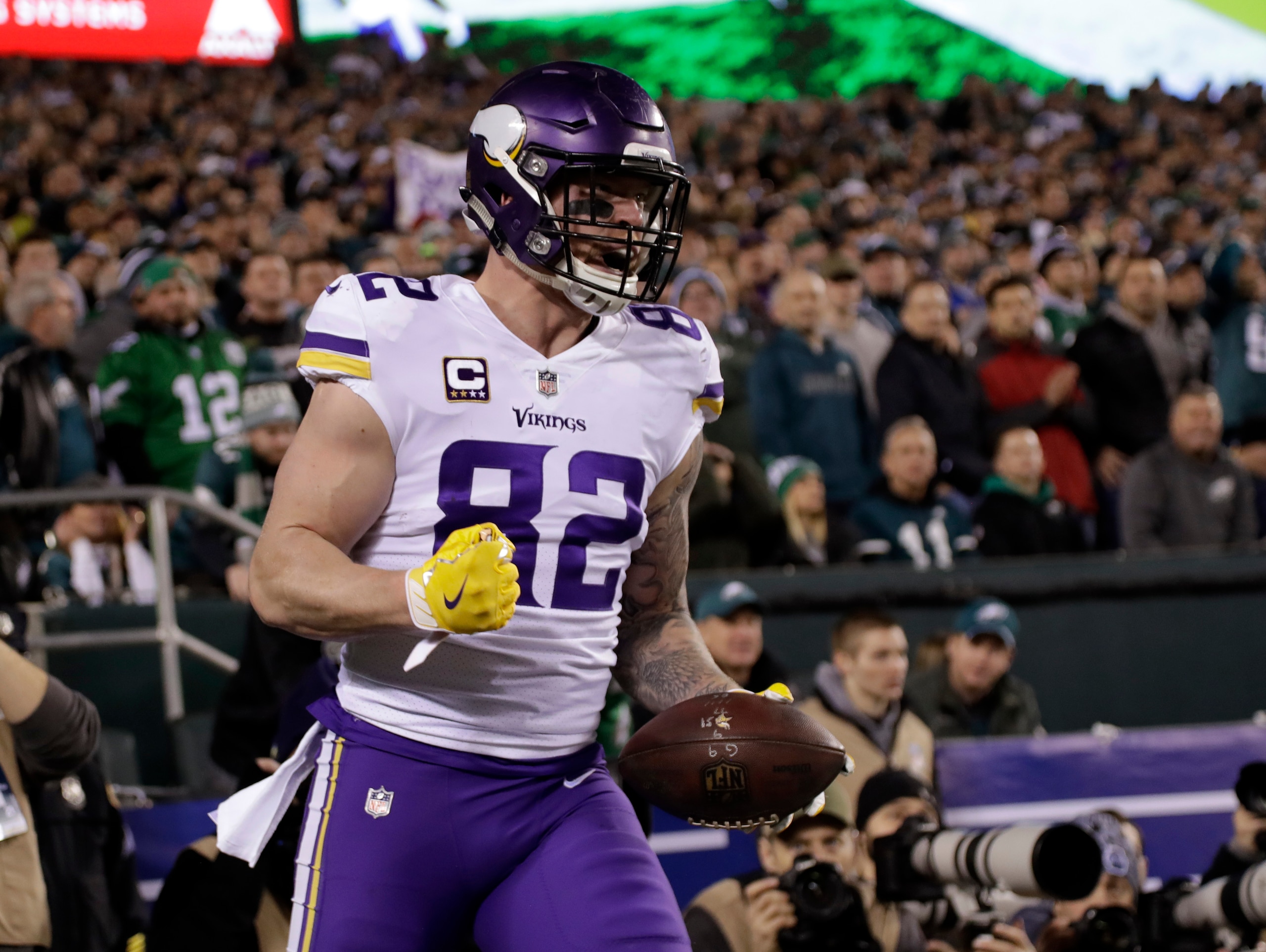
Tiers
From a consistency standpoint, the top tier is Rob Gronkowski, Travis Kelce and Zach Ertz. They were easily the most productive and reliable TEs in 2017. Ertz was third of the group at 202.4 fantasy points in 14 games. Delanie Walker was fourth with 174.5 fantasy points in 16 games. Kelce (15.6), Gronkowski (17.5) and Ertz (14.5) were the only TEs to average at least 12 fantasy points per game. No one is close to those three.
As you'll see in the rankings, the next tier can be grouped pretty close together from Greg Olsen (TE4) to Evan Engram (TE8). Before a foot injury ruined last season, Olsen was a perennial top-five fantasy TE and in the consistency conversation with Kyle Rudolph and Delanie Walker. Jimmy Graham has the skills to be one of the best TEs in the league, but he disappeared far too often in the second half of last season. He'll also need to break the trend of unreliable fantasy TEs in Green Bay. The team hasn't had a fantasy-relevant TE since Jermichael Finley in 2012.
After Engram, there's a lot of hoping, wishing and guessing to be done, especially with Trey Burton (ADP 94/TE10) and George Kittle (ADP 123.2/TE12) rounding out the top 12 even though both would need breakout seasons to justify their current draft positions.
Rookies
Evan Engram may have bucked the trend of rookie TEs failing to be fantasy contributors last year, but he was a first-round pick in last year's NFL draft and ended up with more opportunities than initially expected due to the injuries suffered by Odell Beckham and Brandon Marshall. Don't expect anyone from this year's rookie class to follow suit.
Hayden Hurst went No. 25 overall to the Baltimore Ravens, who also added Mark Andrews in the third round. Hurst might end up leading a committee of TEs in a bad offense. Mike Gesicki may have the clearest path to immediate playing time for the Miami Dolphins. He doesn't have strong competition from MarQueis Gray and A.J. Derby, so he could get on the field quicker, although that won't necessarily translate to fantasy production.
The Philadelphia Eagles selected Dallas Goedert in the second round after releasing Brent Celek and losing Trey Burton to free agency. That puts Goedert in line to be the team's No. 2 TE behind Ertz. While that may not provide a source of strong fantasy output, Goedert is in a favorable situation on a very good team. He's one to watch, even if it's more about his future prospects.
Breakout
You'll have to pay a little for the breakout of George Kittle, but with an ADP of 123.2/TE12, he's cheaper than Trey Burton (ADP 94/TE10). Kittle had an impressive rookie season with 43 receptions for 515 yards and two TDs on 63 targets (10.5 percent share), so he should be able to improve on that in his second season and first full season with Jimmy Garoppolo.
The San Francisco 49ers get Pierre Garcon back from his neck injury, and Marquise Goodwin will attempt to build on his breakout campaign, but because they didn't land a top free-agent receiver, Kittle's chances of breaking out remain high in this ascending offense.
Bust
Because the position isn't even deep enough to guarantee at least 10 TEs with average 10 fantasy points per game (only eight TEs did it in 2017), true bust potential exists for all but maybe eight players.
Trey Burton doesn't need a monster season to finish as the TE10, which is a reflection of his current ADP at 94. Last year's No. 10 TE was Cameron Brate. He averaged 8.9 fantasy points per game thanks to 48 receptions for 591 yards and six TDs on 77 targets. If you're happy with those numbers, maybe Burton is worth a shot. However, you must understand he's starting for the first time in his career after four years as a backup with the Eagles. During that time, he posted 63 receptions for 629 yards and six TDs on 95 targets. He has a big leap to make in both fantasy and reality. Let's put a buyer-beware sticker on him.
Targets
If you believe in waiting for a TE instead of going after Gronkowski, Kelce or Ertz in the first 36 picks, Delanie Walker (ADP 74.6/TE7) or Kyle Rudolph (ADP 77.4/TE8) are both good targets with fair prices. Walker was TE4 last season, while Rudolph was TE8.
Jack Doyle is another solid option, especially with Andrew Luck back from his shoulder injury. Without Luck, Doyle was TE7 and one of only five TEs to average at least 11 fantasy points per game (11.3). The addition of Eric Ebron could be a little annoying, especially in the red zone, but you don't have to pay much for Doyle (ADP 116.2/TE11).
.jpg?w=2560 "Eagles Jaguars Football")
.jpg?w=2560)