
NFL1000: The Secrets Behind the Biggest Surprises of This Season
Every NFL season has its share of surprises, both good and bad. In 2016, who would have expected the Oakland Raiders and Dallas Cowboys would have not only found relevance but established themselves as potential forces in their conferences for years to come?
Of course, given the way the 2017 campaign has gone for those two teams, surprises are sometimes one-season affairs.
This year, we've seen all sorts of things we didn't expect. The two Super Bowl teams from last season have struggled at times, as the New England Patriots have fought to put a defense together and the Atlanta Falcons are still trying to get their once-explosive offense right.
Meanwhile, teams such as the Philadelphia Eagles, Jacksonville Jaguars and New Orleans Saints have assembled new components and come out of the gate with great strength.
We don't yet know how everything will turn out for all these teams, but nearing the three-quarter mark, here are the reasons for the biggest surprises of the 2017 season—both good and bad.
Denver’s Defensive Collapse
1 of 10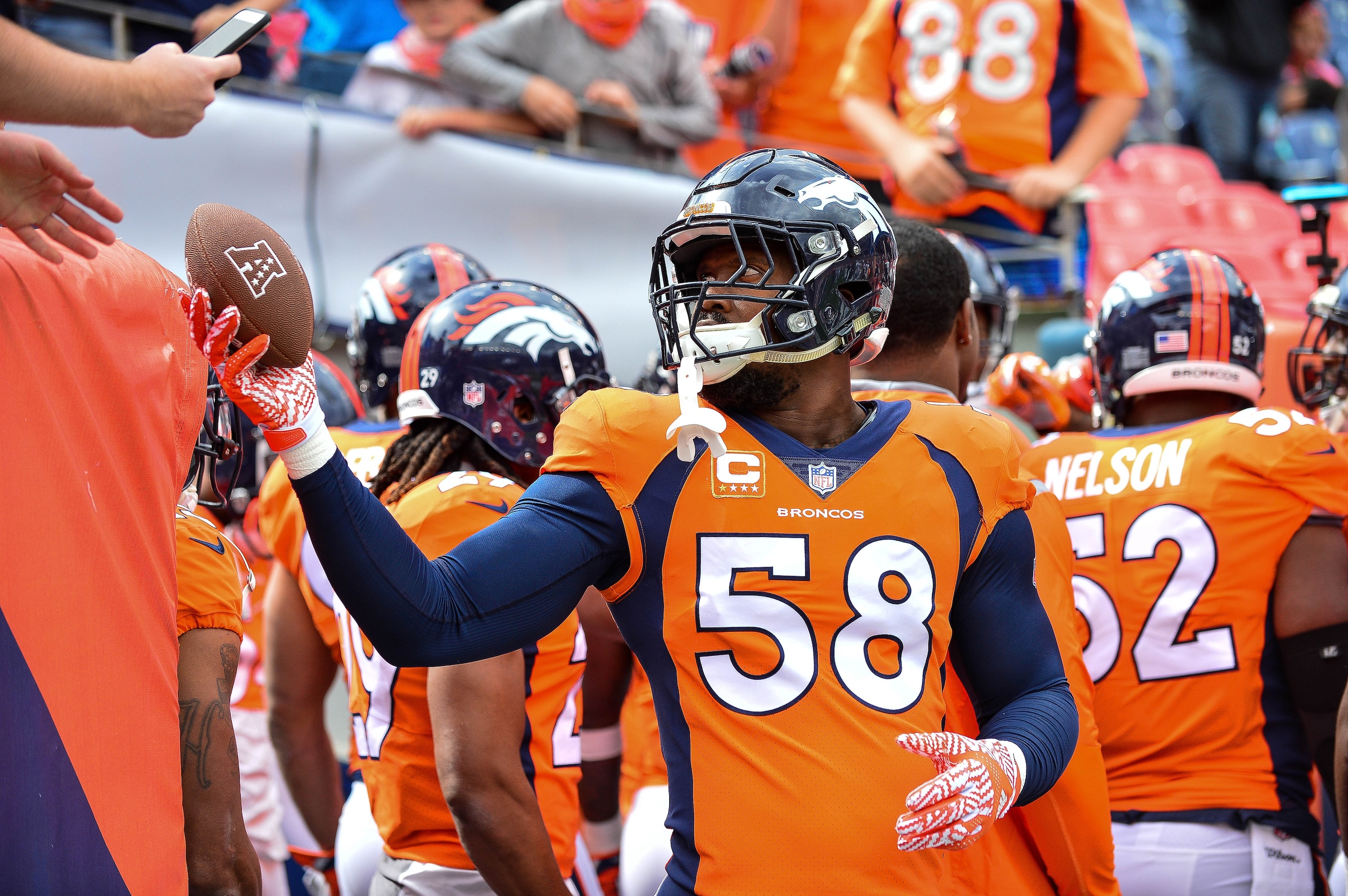
While the drama surrounding the Denver Broncos' quarterback situation has taken up most of the headlines in the Mile High City (firing your offensive coordinator halfway through the season and filing through multiple average signal-callers while Colin Kaepernick is available will tend to do that), the 3-7 Broncos defense that was the class of the NFL over the last two seasons has been an ongoing issue and fallen apart in a lot of ways.
This was never more evident that in blowout losses to the Eagles and Patriots in Weeks 9 and 10. Denver allowed 419 total yards to the Eagles in a 51-23 defeat and 396 total yards to the Pats in a 41-16 takedown.
Blowing it against perhaps the two most dynamic offenses in the league wouldn't set off too many alarm bells, but Denver’s defensive issues have appeared throughout the season. And given how well they played in 2015 and 2016 under departed defensive coordinator Wade Phillips, the differences are worth addressing.
The Broncos defense ranked first in Football Outsiders' DVOA (defense-adjusted value over average) metric in both 2015 and 2016—in part because Phillips' schemes worked so well for the personnel they had. Phillips prefers a one-gap attack front out of a 3-4 base, moving to a 4-2-5 sub-package.
In this system, linebackers are tasked with specific short and intermediate coverages, cornerbacks press and follow receivers through their routes and the strong and free safeties have their own assignments based on the overall scheme. Between the press coverage and the constant pressure, quarterbacks find it difficult to find a rhythm.
Under new head coach Vance Joseph and defensive coordinator Joe Woods, pressure comes more from the edge than a united front, and it's affected the coverage. Neither Aqib Talib nor Chris Harris Jr. is playing at the same shutdown level because the relative lack of total quarterback pressure forces them to cover longer per route.
Denver's defense is now better against the run because the tackles are generally told to react instead of attack, but the tie between pressure and coverage is gone. Linebacker blitzes that are supposed to make up for that lack of interior pressure on passing downs leave huge open gaps in the middle of the defense for quarterbacks to exploit.
There's no question the Broncos have a lot to think about when it comes to their offense this offseason. But the defense, long the team's strength, is also showing regression. And it seems to have more to do with scheme than talent.
— NFL1000 Lead Scout, Doug Farrar
Kansas City's Rise and Fall
2 of 10
The Kansas City Chiefs started their 2017 campaign with a bang, beating the defending Super Bowl champion New England Patriots 42-27 in the season opener at Gillette Stadium in Foxborough, Massachusetts.
Not only did head coach Andy Reid's team take New England's defense apart with a dizzying array of formations, route concepts and trick plays, but the Chiefs also beat the Patriots into submission at the line of scrimmage, running the ball 27 times for 185 yards and two touchdowns. Alex Smith threw four touchdown passes, and Kansas City's defense kept Tom Brady out of the end zone altogether. He completed just 16 of 36 passes.
The next four games looked much the same. With a great offensive line, a series of option plays and jet sweeps and the singularly impressive efforts of rookie running back Kareem Hunt, the Chiefs won their first five games and looked like the best team in the NFL.
Then, that stopped abruptly. The Chiefs have lost four of their last five games, and the only win in that streak was a 29-19 victory in the contest that got Broncos quarterback Trevor Siemian benched. The nadir of Kansas City's experience came in Week 11, when it was able to score just nine points against a New York Giants team that had managed just one win before Sunday's 12-9 overtime upset.
On offense, the issues are clear. Reid and offensive coordinator Matt Nagy have gone away from the concepts that predicated success early in the season: an intriguing combination of West Coast passing concepts, zone runs and option principles that kept defenses on their heels.
You never knew quite what was coming, and since the Chiefs were doing everything well, it all worked. But with injuries to the offensive line, Reid's crew isn't calling as many effective run-based options, especially in the red zone. That's forced Smith to make too many tight-window downfield throws, and he's not shown himself capable of making those.
Losing safety Eric Berry to a ruptured Achilles in the season opener was the first domino to fall for a Chiefs defense that has underperformed ever since. Linebacker Justin Houston has been the only consistent bringer of pressure on a defense that provided it from all angles last season, though end Chris Jones has had his moments.
And though cornerback Marcus Peters is always good for a flashy play if you throw the ball into his area, he's also prone to give up a big play or two, and the rest of Kansas City's secondary hasn't performed to its expected level.
It's not too late for the Chiefs to turn things around. They have a 6-4 record in a weak division—they're the only team above .500 in the AFC West—and they have the talent to make the postseason and be a threat once they get there. But if that's to happen, the burden will be on the coaches to scheme their players into more successful outcomes.
— NFL1000 Lead Scout, Doug Farrar
Oakland's Offensive Decline
3 of 10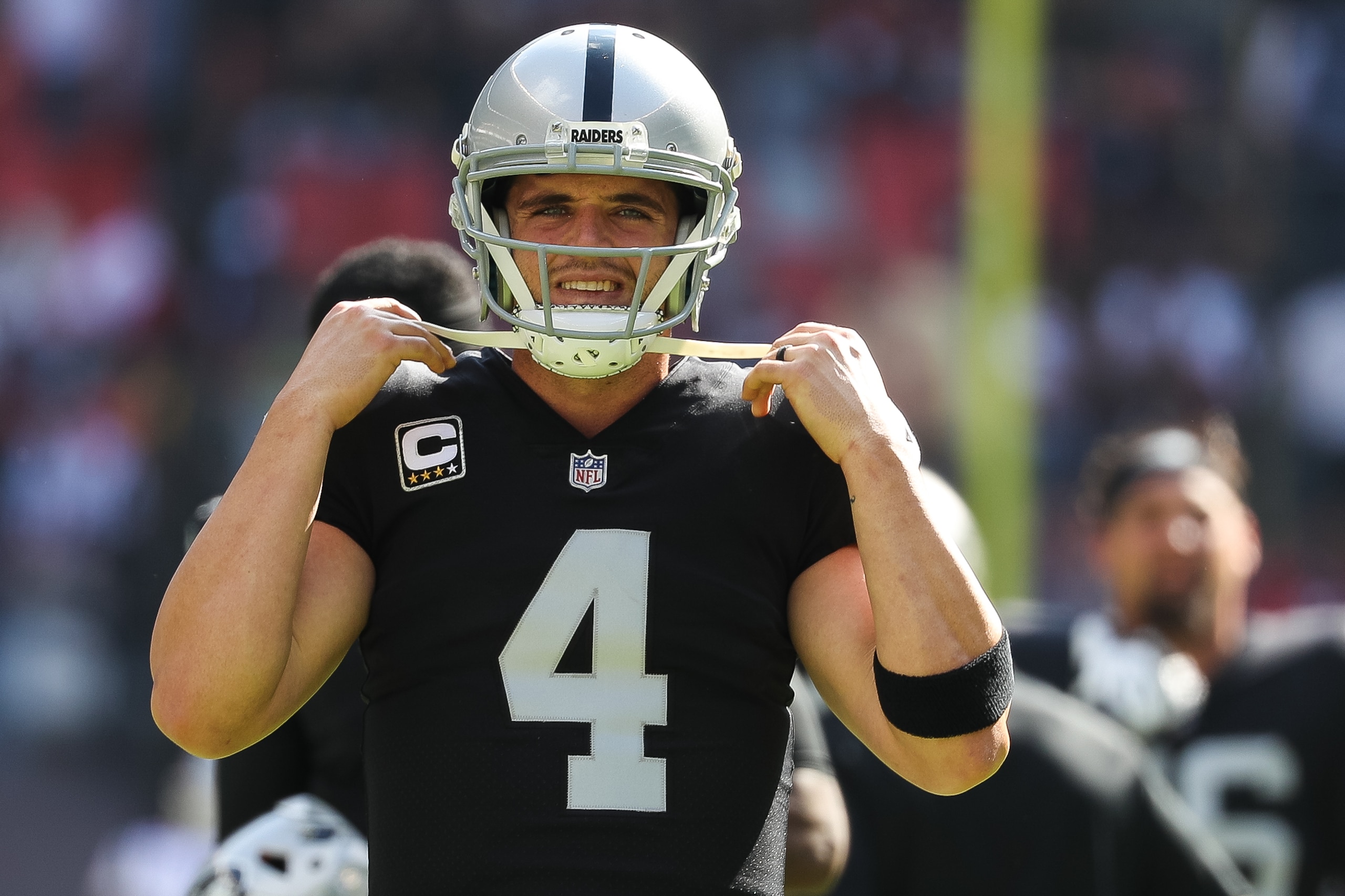
Fate was cruel to the 2016 Raiders. They finished 12-4 and with an early playoff exit to Houston, but many believe things would have been different had Derek Carr stayed healthy.
An offense that featured Carr, receivers Amari Cooper and Michael Crabtree, and an offensive line that looked like the league's best made the Raiders seem like contenders coming into 2017.
The Raiders have not lived up to expectations. They're fighting for their playoff lives at 4-6, their defense hasn't had an interception all season and, even more confounding, the offense has fallen back.
We can start with the offensive line. Guards Kelechi Osemele and Gabe Jackson have been force multipliers in the run game, but the pass protection has been problematic at times. And tackles Donald Penn and Marshall Newhouse have been more porous in their protections than they were last season.
Carr has spent more time in the pocket this season waiting for deep routes to open, and his receivers have not been as effective in breaking away from coverage.
The issues for Cooper remain inexplicable. He's had problems running routes and catching passes throughout 2017, and he's reeled in just 41 passes on 84 targets for 490 yards and four touchdowns. Crabtree has been steady as a second receiver, and tight end Jared Cook has been a pleasant surprise, but this passing game hasn't looked in sync.
Former Oakland quarterbacks coach Todd Downing is in his first season as offensive coordinator, and though a new coach is always easy to blame when a team takes a dive, the Raiders' issues look more attached to performance than scheme.
Where coaching may be an issue is in the running game. Marshawn Lynch hasn't performed as expected, and he's a volume runner who gets stronger as he gets more carries. He had 18 carries in the season opener, but aside from that, he's been a bit player. Receiver/runner hybrid Cordarrelle Patterson could use more reps too, as he could bring some explosiveness to the offense.
One of the biggest problems with the Oakland offense could be the Oakland defense. When you're forced to play catchup from the start, and you have little faith in your defense's ability to spin field position and stop the opponent, it affects the plays you call and the concepts you use.
That all has the Raiders pegged as one of the league's biggest disappointments.
— NFL1000 Lead Scout Doug Farrar
.jpg?w=2560 "Chiefs Giants Football")
.jpg?w=2560 "Titans Colts Football")
.jpg?w=2560 "Colts Football")
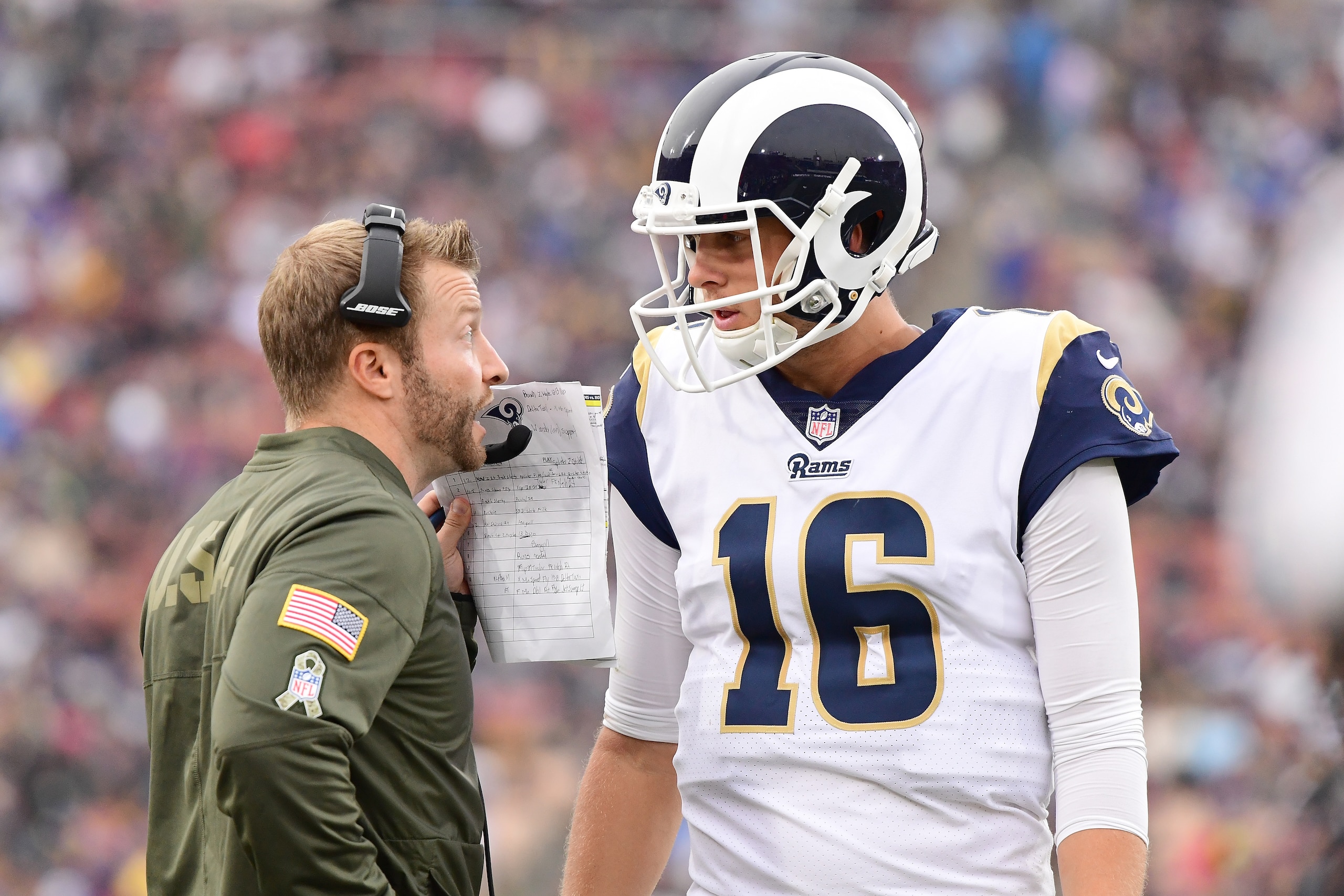
The Rams’ Offense
4 of 10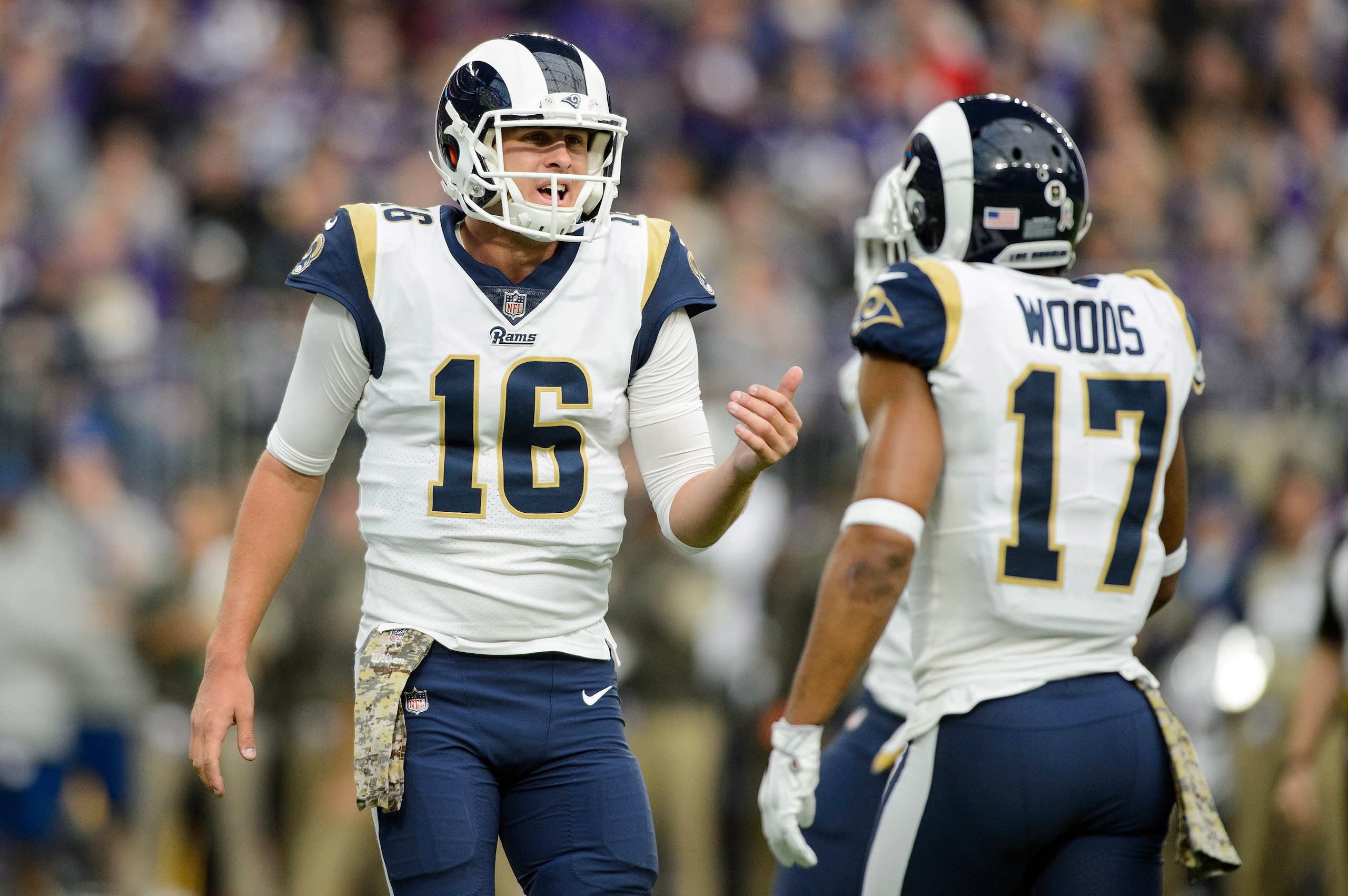
Last winter, the working assumption was that Jared Goff was a bust. He started seven games and completed only 54.6 percent of his passes for five touchdowns and seven interceptions.
This year, the Rams are leading the NFC West, and Goff is an MVP candidate. He has completed 61.3 percent of his passes for 2,610 yards and 16 touchdowns with only four interceptions. Last year, his adjusted-net-yards-per-pass-attempt figure placed him dead last; he's third this year.
What has been the change? Enter Sean McVay.
The rookie head coach has spread the field, allowing Goff to read the coverage and isolate receivers in space against mismatched defenders. Each game, the Rams look to incorporate multiple vertical shots and routes near the line of scrimmage.
For example, here is Goff's passing chart from Week 9 against the Giants. He completed 14 of 22 passes for 311 yards and four touchdowns. You can see how they spread the ball around, with defined throws near the line of scrimmage, some plays in the intermediate area and some vertical routes.
McVay has learned from others around the league.
In Week 1, the Chiefs hit on a big touchdown pass to Kareem Hunt with the use of motion from the slot receiver and a post route out of the backfield from the running back. McVay used that same design for a touchdown from Goff to Todd Gurley against the Cowboys.
When the Dolphins went into Atlanta, they used a fake orbit motion swing route for a touchdown to Jarvis Landry. We saw McVay use a similar design against the Texans two weeks ago for a touchdown to Robert Woods.
These concepts have allowed Goff to develop and progress at a remarkable rate. We can see it best in his anticipation.
On that throw to Gurley, Goff let the ball go when his target was covered by three defenders. Goff knew the route would come open, trusted the design and trusted Gurley to make the play. When a quarterback is confident, and when the game around him is slowing down, he can play at a high level.
Thanks in part to what McVay has done from an offensive design standpoint, Goff is playing the best football of his young career.
— NFL1000 QB Scout Mark Schofield
Philadelphia's Running Game
5 of 10
While Carson Wentz has been getting all the plaudits for his development in his second year, and rightly so, the Eagles' running game has quietly flown under the radar.
Like Wentz, the running game has taken a big step forward in Doug Pederson's second season in charge, ranking second. The Eagles lead the league in explosive running plays, with 14 runs of 20 yards or more and three runs of 40 yards or more.
Their offensive line has become one of the best run-blocking units in the league. It can run power schemes to move defenders off the ball, and it can run zone schemes or pull to the edge thanks to its collective athleticism.
The Eagles can run zone or power and be effective. That gives flexibility when game-planning.
Just last week, for example, the Eagles spread out the Cowboys defense with a three-receiver set. The Cowboys like to keep two safeties deep against three-receiver looks, which leaves them with just six in the box to defend the run.
To make up for it, they like to run stunts and games with their defensive linemen up front. Knowing this, the Eagles forced the Cowboys into that look and ran a power play, pulling the left tackle instead of the guard, away from the Cowboys' stunting defensive linemen.
The scheme worked perfectly as the Cowboys stunts were left cut off on the back side while Jay Ajayi burst through the line on the opposite side for a 71-yard gain.
Every team has a core set of running plays it likes from week to week depending on the opposing defense, but the Eagles' game plans have been consistently high-level. It helps to have such a versatile offensive line, as well as backs such as LeGarrette Blount and now Ajayi, who can pick up yards after contact.
Yet the schemes and game plans from the Eagles' coaching staff have been fantastic and key to their success in the running game.
— NFL1000 RB Scout Mark Bullock
Minnesota's Receiver Duo
6 of 10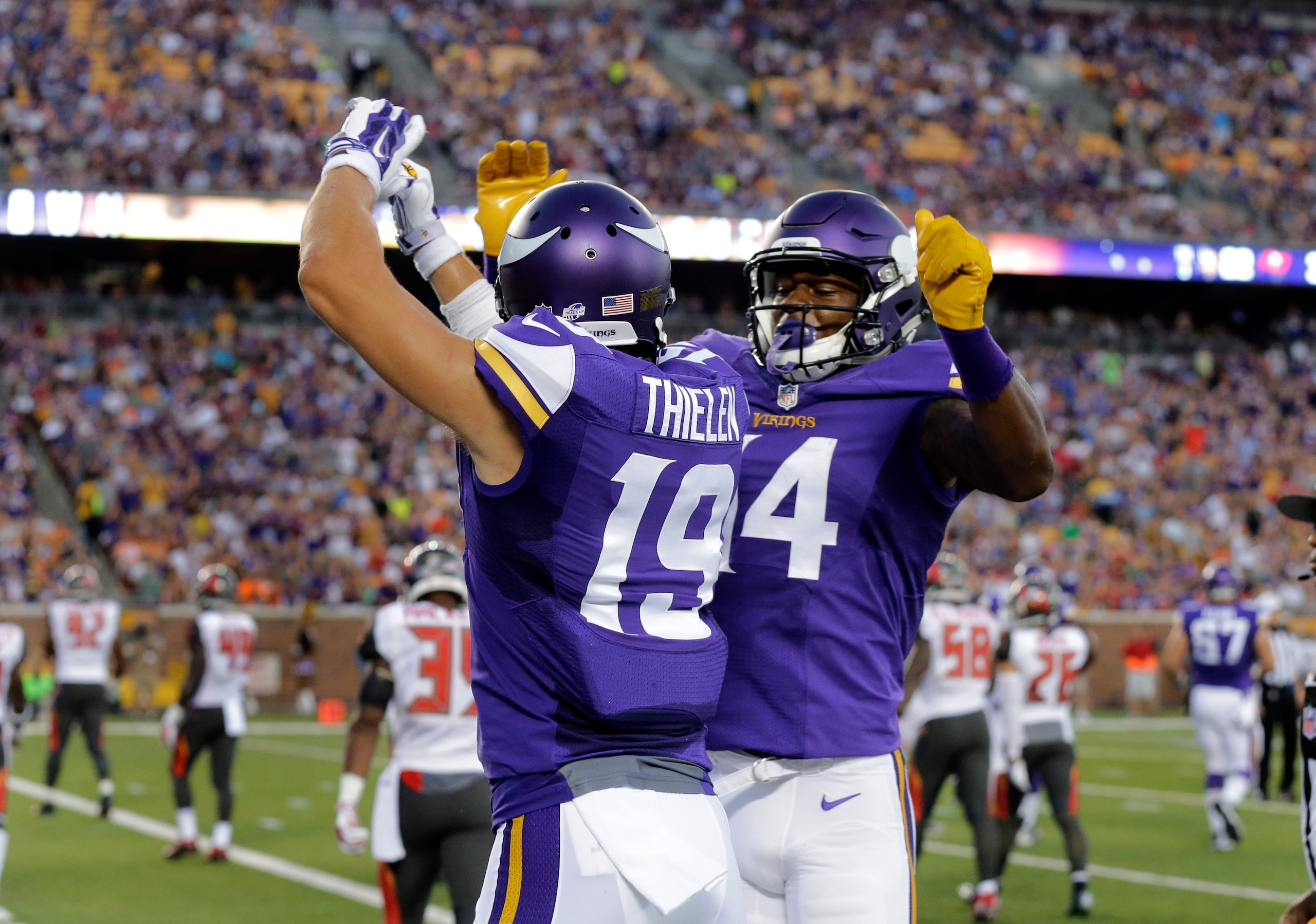
Since Randy Moss' departure, the Vikings have lacked a threat on the outside. In the past 12 seasons, the team has had just one 1,000-yard receiver (Sidney Rice in 2009).
In the first 10 games of the season, the Vikings have averaged more than 24 points per game, and they are fifth in total yards. A big reason is their dynamic receiving duo of Adam Thielen and Stefon Diggs.
Through 10 games, Thielen has 916 receiving yards on 62 catches. Diggs has scored five touchdowns with 532 receiving yards in just eight games. What changed this season? Why have they suddenly become the league's best wide receiver tandem?
Thielen has been the team's primary slot option. Cornerbacks aren't able to handle his combination of size and athleticism, and that has made him an easy target for Case Keenum.
Aside from Thielen operating more in the slot, Diggs has become the team's Z-receiver. That is a much better spot for him than the X-receiver, where he was forced to play in the first two years of his career (Laquon Treadwell is playing there now).
The Vikings often put Diggs in motion to avoid press coverage, and this allows him to utilize his skill set in a more effective way. By having Diggs play as the Z-receiver, he has become a big-play weapon, averaging over 15 yards per reception.
Thielen and Diggs didn't improve dramatically this offseason; their increased production has more to do with the team knowing its personnel and putting them in better positions.
If Treadwell can develop over the final month and in 2018, the Vikings will have one of the most explosive offenses in the league.
— NFL1000 WR Scout Marcus Mosher
Regression of the Dallas OL
7 of 10
While the regression along the Cowboys offensive line seemed like a short-term issue, it hasn't corrected itself yet. Two culprits stick out: personnel changes and Tyron Smith's absence.
The run game in particular has struggled.
Ronald Leary has proved to be a giant loss at left guard, and the Cowboys miss his physicality on the interior. When lined up next to Travis Frederick and with Ezekiel Elliott running behind them, the unit gutted defenses last season. Even when Elliott was playing, that wasn't the case in 2017.
The pass protection hasn't seen quite as big a drop-off when everyone is healthy. The Cowboys' sacks allowed per dropback ranks right in the middle of the pack like it did last year. But there have been issues recently.
The Cowboys have allowed a sack on 12 percent of their dropbacks the last three weeks, by far the highest in the league in that span and almost double their season average.
Smith's absence is an obvious culprit, especially with how Adrian Clayborn destroyed Chaz Green a couple of weeks ago, but Jonathan Cooper (Leary's replacement) has struggled on the left side as well.
He has problems with consistent hand technique; for instance, last week Timmy Jernigan ripped right through his contact-point attempt and spun him off-kilter for an easy win.
The Cowboys need Smith back, but they need an upgrade at left guard as well.
— NFL1000 OL Scout Ethan Young
How Bobby Wagner Got Even Better
8 of 10
Imagine if a cheetah became a step faster; a bull became more powerful; a wolf honed its instincts to the fullest—that is Bobby Wagner in 2017. Wagner ascended to the upper echelon of NFL linebackers early in his career, but his play has yet to plateau. Now in his seventh season, Wagner is having a career year.
Wagner has already matched the eight tackles for loss he recorded in 2016 through just 10 games in 2017. More so than ever before, Wagner's click-and-close ability has been menacing this season. He has summoned the same processing speed and explosion that propelled Luke Kuechly to a Defensive Player of the Year nod in 2013. There is not a shred of doubt in Wagner's play. He knows how opposing offenses are trying to attack Seattle on the ground and has the wherewithal to slow them down on most rushing attempts.
Furthermore, Wagner looks as good as ever in coverage. With constant injuries to the Legion of Boom, Seattle's linebackers have had to do more against the pass. Wagner has answered the call exceptionally. In isolation, Wagner's five pass deflections are impressive, but it is more fascinating to see how Wagner comes upon them. Wagner can run down the seam with tight ends and go fight for the ball in the air with excellent strength. Just as well, Wagner can poach underneath routes and crush slot receivers trying to make their way across the field. His tenacity is unmatched, only made further valuable by his athleticism allowing him to roam wherever he pleases.
Even the unusual has been easy for Wagner this season. Wagner returned a fumble for a touchdown during a Week 4 showdown with the Indianapolis Colts. Five weeks later versus the Washington Redskins, Wagner flew in on a blitz to sack Kirk Cousins in his own end zone, resulting in a safety. It is Wagner's only full sack on the season, but there was no better time to get it than that.
If Seattle's defense were healthier and more collectively impressive, Wagner would be getting his due. Alas, credit comes seldom for linebackers, much less when their team is not dominant. If anything, it should be more impressive that Wagner is holding this defense together.
— NFL1000 LB Scout, Derrik Klassen
Jacksonville’s Front Seven
9 of 10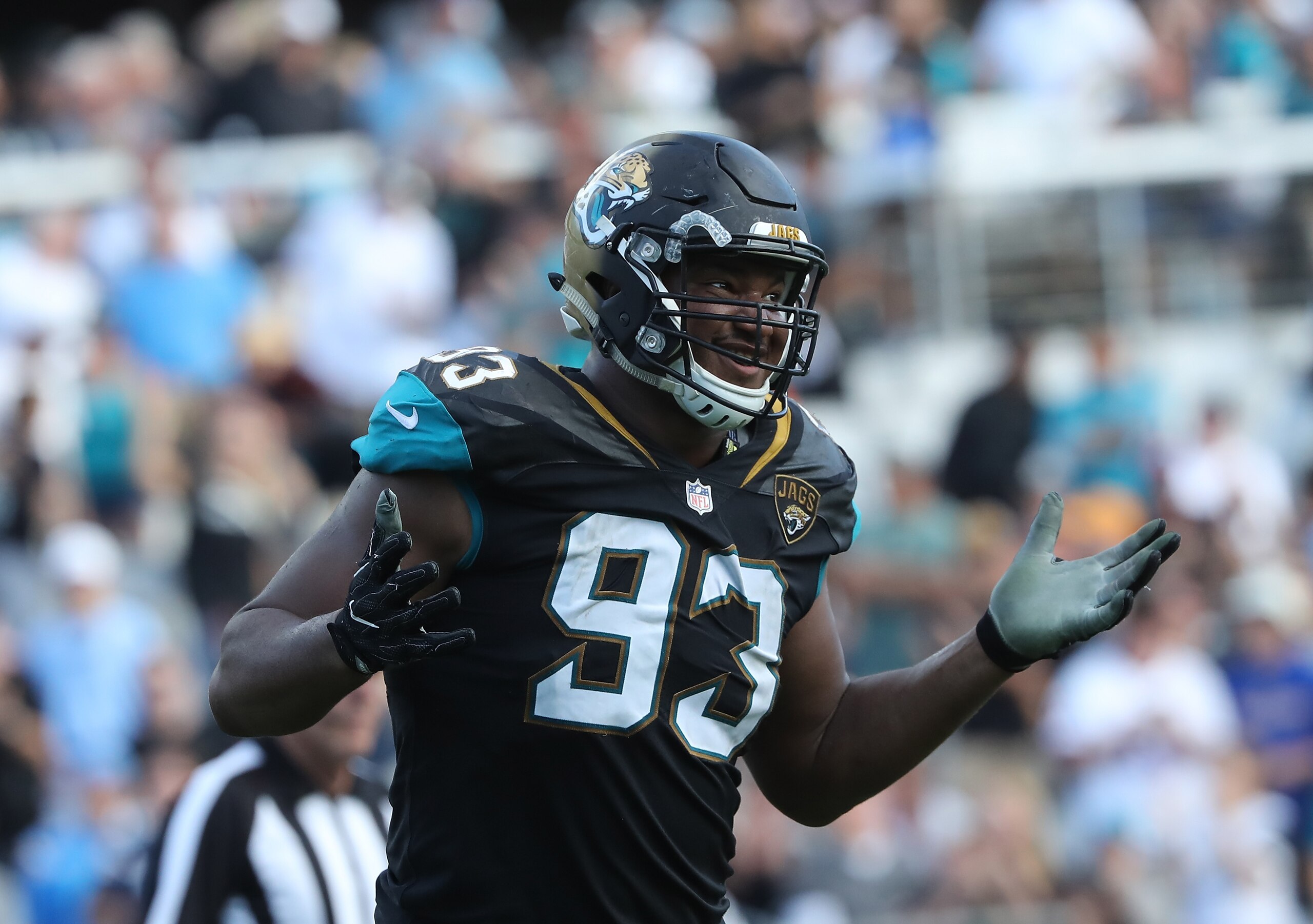
While it has been assumed that only high-end quarterbacks win, or even make, Super Bowls, the Jacksonville Jaguars may be channelling their inner 2015 Denver Broncos, the team whose defense dragged a decrepit Peyton Manning to a second ring. At this rate, Jacksonville might be able to line up Bernie Lomax under center and win an AFC playoff game during Wild Card Weekend.
Despite the fact that the Jaguars seem to have only become relevant overnight, their defensive line, the staple of their "Sacksonville" persona, has been carefully crafted over the last few offseasons. After missing the mark on a $42.5 million free-agent deal for Jared Odrick in 2015, Jacksonville's brass didn't stop swinging and were able to sign defensive tackle Malik Jackson in 2016 and defensive end Calais Campbell in 2017. Campbell, an immediate-impact signing, has recorded the second-most tackles at or behind the line of scrimmage in the sport this year.
Jackson, who was the team's top defensive lineman last season, may be the team's fourth-most impactful lineman in 2017 because of the signing of Campbell, the continued development of sophomore pass-rusher Yannick Ngakoue and the breakout of 2015 third overall pick Dante Fowler. This season, Campbell ranks tied for first in the league in sacks, Ngakoue ranks sixth, Fowler ranks tied for 19th, and Jackson ranks tied for 31st. Some teams would be happy to have just one of the four major linemen in Jacksonville, not including Marcell Dareus, the 2011 third overall selection who the Jaguars acquired from Buffalo in late October.
Unless you study the game, names like Ngakoue are likely passing right under your nose. According to Pro Football Reference, the 22-year-old Ngakoue ranks 11th in the NFL in sacks from 2016 to 2017, just 3.5 sacks behind Von Miller and Joey Bosa. Players you don't even know about, or just hear about in passing, are thriving in the ecosystem of Jacksonville's defense.
The easiest way to build a successful defense in the NFL is by building a defensive line that can get to the quarterback without extra blitzers, allowing for more defenders to drop into coverage. Finding those quality defensive linemen is harder than drawing up X's and O's, though. Campbell was looking for the last stop of his career in free agency, while Jackson was looking for his first "major" contract. Fowler is hero-turned-zero-turned-hero redemption story, while Ngakoue might be the most valuable mid-round pass-rusher since Justin Houston.
If there's any secret in Jacksonville, it's that that you can find talented defensive linemen in various ways. In a copycat league, expect to see many teams with "game manager" quarterbacks to try to replicate their line this offseason.
— NFL1000 DB Scout, Ian Wharton
New England’s Secondary
10 of 10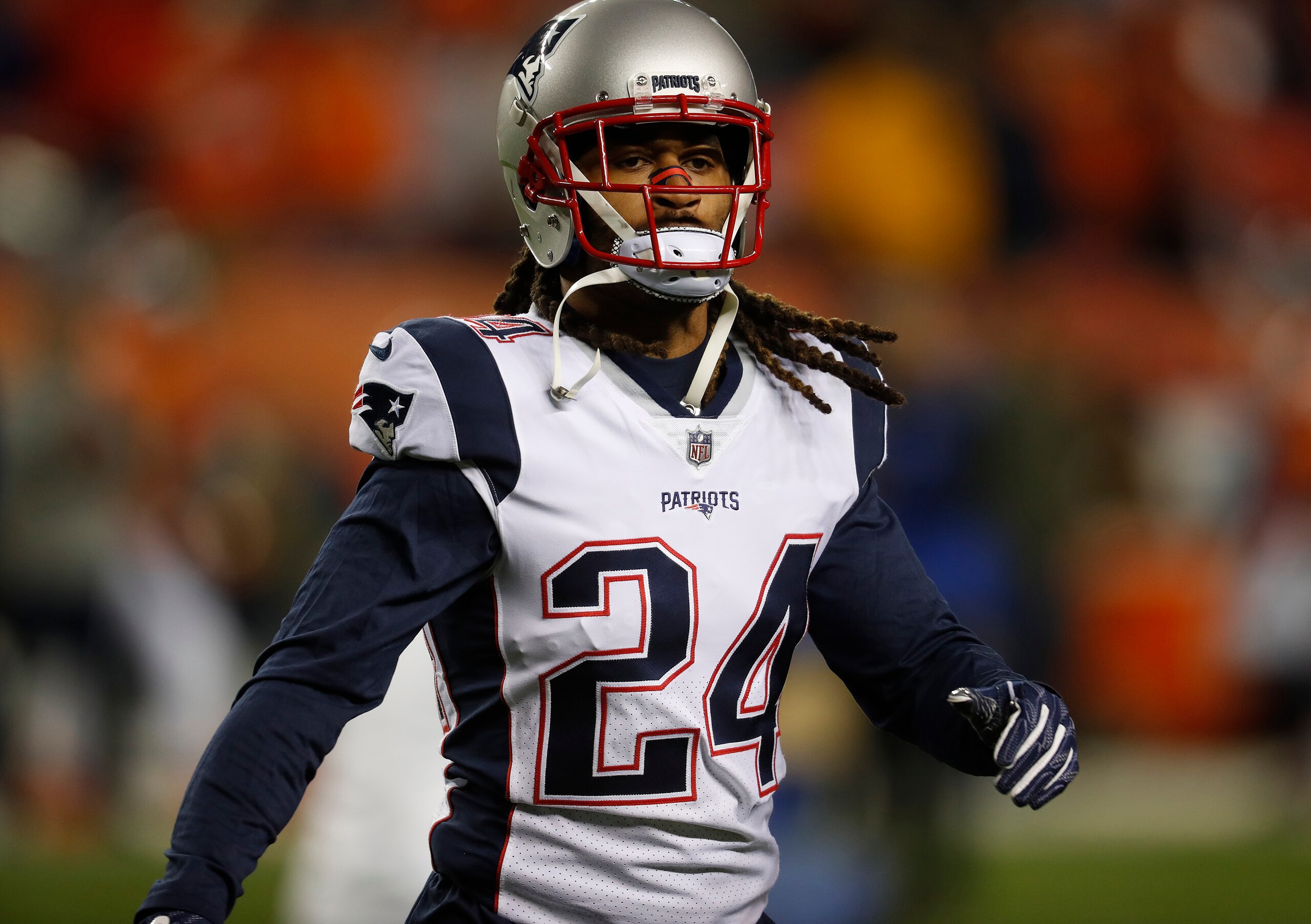
One of the most surprising units across the league in the first six weeks of the season was the secondary of the New England Patriots.
On paper, the unit got stronger in the offseason with the addition of Stephon Gilmore. Despite that, the Patriots surrendered an average of 338 yards per game through the air in the first six weeks, and there were major communication breakdowns that led to uncharacteristic big plays.
Things looked to be getting worse as Gilmore missed a month, and other starter Eric Rowe was replaced by journeyman Johnson Bademosi after tearing his groin not even a month into the season. Incumbent Malcolm Butler has struggled with consistency as he's bounced between roles as an outside and slot corner, allowing big plays more often than any other corner who has played since Week 6.
Yet, after Week 11, this is a unit that hasn't given up a 300-yard passer in four games, and the defense hasn't allowed more than 17 points in the last six. Defensive coordinator Matt Patricia is relying on safeties Devin McCourty, Patrick Chung and Duron Harmon more than ever in coverage, as the linebackers are as limited of a group as this team has had in a long time.
At first, this was bumpy, especially as Gilmore and Rowe struggled to get on the same page with the safeties in pattern-match coverages. But Bademosi and slot corner Jonathan Jones have stepped into bigger roles for the unit, and the breakdowns have almost disappeared.
McCourty's play was notably poor compared to expectations entering the season, as we had him ranked as the best safety in the league, but he wasn't living up to that as he missed tackles and was well out of position in man coverage.
His role has expanded, and, like the rest of the unit, there's more cohesiveness between individuals, helping the unit perform better over the last month. That's led to three interceptions in that timeframe, solving one of the major issues that plagued the defense early on as well.
Raw talent wasn't the answer early on for the Patriots, and maybe Rowe and Gilmore would've figured things out as time went on, but Bademosi and Jones have been stabilizing factors despite arguably being less physically talented players. That's been the Patriot way for a long time, finding more reliability with otherwise replacement-level players.
Gilmore has been excellent in his return from injury, giving a jolt of high-end upside at the position. As usual, Bill Belichick and Patricia have done well to plug weaknesses with limited time and resources to do so, and the defense looks more like the solid group that it was expected to be.
— NFL1000 DB Scout, Ian Wharton
.jpg?w=2560 "Steelers Buccaneers Football")
.jpg?w=2560 "Eagles Jaguars Football")