

The Player Nobody's Talking About That Real Madrid Need in January
There haven't been too many question marks over Zinedine Zidane's decisions since he took charge of Real Madrid in January 2016, and even when there have been debatable choices made, the victories and silverware piling up took away any real credence of arguing against him.
In the summer, with minimal action in the transfer market, it was a similar scenario: Real Madrid are used to buying big-name players, for massive fees, but Zidane's priority was to help regenerate the side by signing talented youngsters and bringing back players from loan spells.
Keeping the squad together, rather than making enormous additions, was what he wanted.
.jpg?w=2560 "Cardinals Giants Football")

.jpg?w=2560 "Jets Dolphins Football")
Having won back-to-back UEFA Champions League titles perhaps that was understandable, but all the same, it was concerning to fans when the top end of the squad saw only departures and no new faces during the transfer window.
A few months later that's costing Real Madrid, and the forward line is an area they must address in January if they want to retain domestic and European titles.
While some names are thrown around every window, linked endlessly to the Santiago Bernabeu club, it's not to Pierre-Emerick Aubameyang or Robert Lewandowski that Zidane and Co. should be looking, but instead to Napoli's Lorenzo Insigne.
System and stars
Zidane continued the 4-3-3 of Madrid initially, making use of the BBC forward line and keeping a preferred XI in place.
Last year, though, that changed; Gareth Bale's injury meant Isco came into the XI and, when he shone, a diamond midfield with two centre-forwards—Karim Benzema and Cristiano Ronaldo—came into effect. That formation has remained into 2017/18 for the most part, with Bale once again sidelined, but the front two have no alternatives this term.
Mariano was sold to Lyon, Alvaro Morata to Chelsea. The two have 16 league goals between them this term, while Benzema and Cristiano languish on one apiece. Bale, with fewer than 400 minutes of La Liga action, has two.

Aside from untrusted and largely untested youngster Borja Mayoral, there is no other centre-forward at Zidane's disposal this term and the profligacy and lack of consistency from his two starting attackers is costing the team: already they trail leaders Barcelona by eight points, and have scored eight league goals fewer.
An additional forward is needed, but with calls to ditch the diamond and return to 4-3-3 prevalent on social media with some fans, it's not as simple as buying a big-money No. 9 and hoping for a more clinical edge.
Piece of the puzzle
For starters, there's Ronaldo to consider. He's always going to be in the XI, and rightly so, but incoming players still have to be able to link with him, make the most of his game intelligence and play in a way that suits his style—such is the price of having one of the world's best players in the side.
Ronaldo as a centre-forward is not about dribbling past players, creating space for others and being a creative second striker; the fact he does make chances is a by-product of his movement and ability.
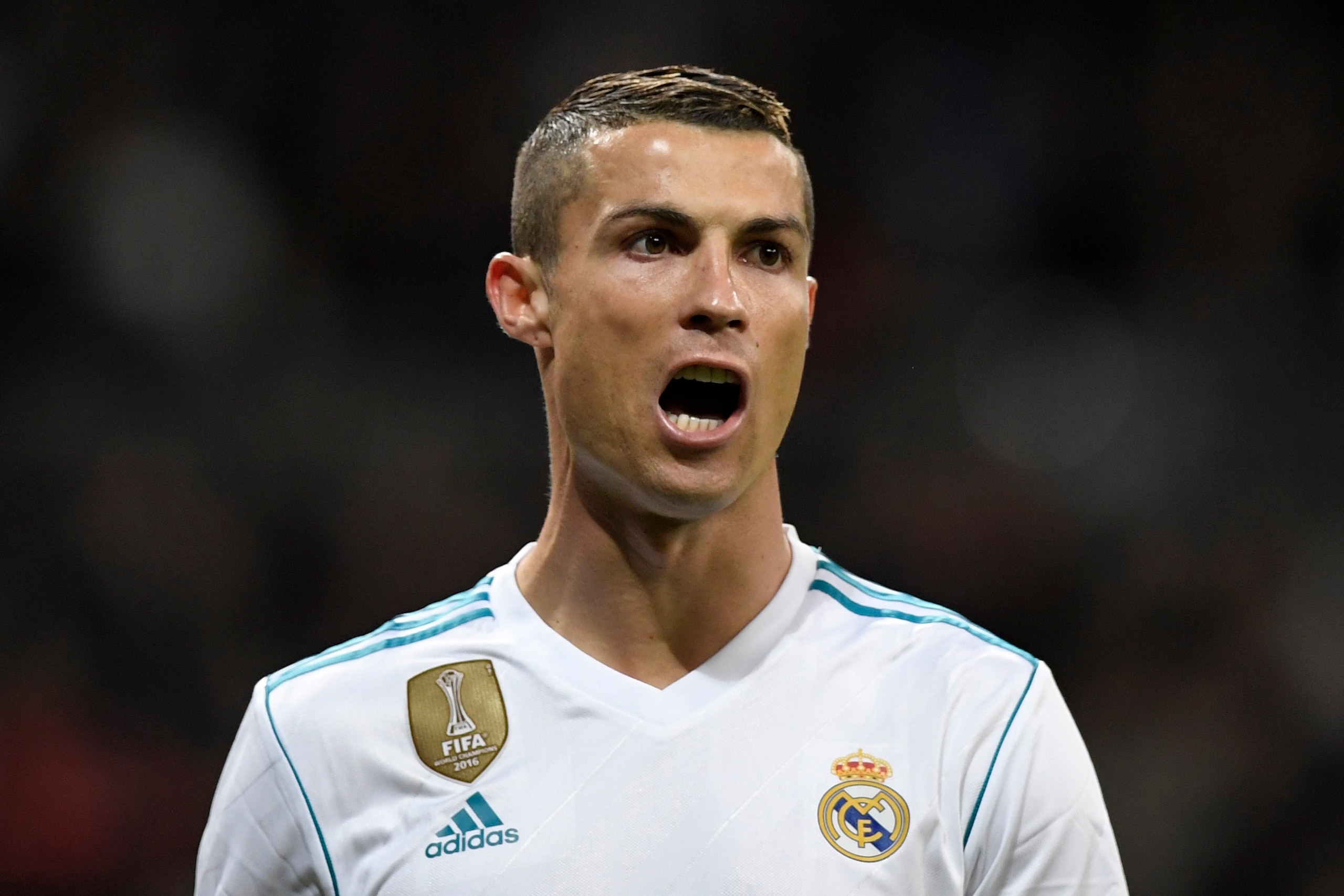
His strengths as a central option are in his acceleration into space, his willingness to continually attack the six-yard box and that never-ending intent to shoot as often as possible. He's averaging 6.9 shots per game in La Liga, despite scoring only once; sooner or later that dam will burst, and he'll quickly be on two, five, double figures and chasing down the Pichichi leaders.
Don't doubt it.
As a result, new forwards have to be capable of playing into that style: quick passes to the Portuguese in and around the box, movement off him to link with one-twos, pace to surge into the channels, dragging defenders around to leave space for Ronaldo and, of course, selflessness in the final third at the right time.
That's in a two-man front line, and Insigne ticks all the boxes on a technical level. There is the question of playing centrally to address, though.
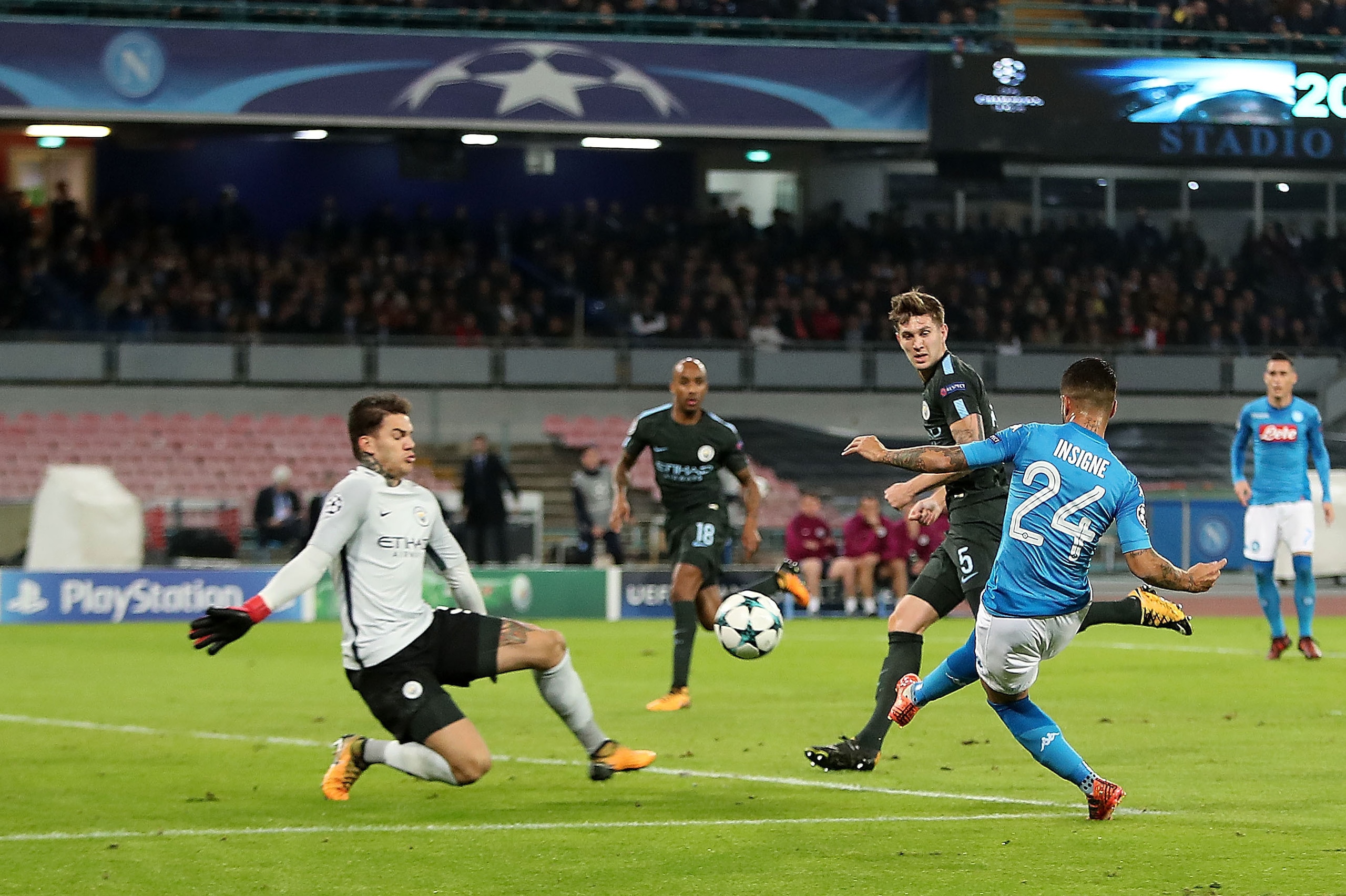
He has been Napoli's left-sided forward for the past two seasons non-stop, and it's almost three years since he featured centrally with any regularity, sometimes as a No. 9, other times as a deeper support player. Even so, there's no question Insigne has the intelligence and ability to play right through the middle.
From a tactical standpoint—not just at Real Madrid but worldwide in modern football—players who have shone as wide forwards are becoming ever-more effective and welcome through the centre because of the traits they've displayed in a wider zone: attacking the channels, good pace, an eye for goal on the diagonal and used to being an outlet for the team.
Aside from Ronaldo himself, the likes of Antoine Griezmann, Mohamed Salah, Edinson Cavani and Insigne's team-mate Dries Mertens are all elite-level examples of such players.
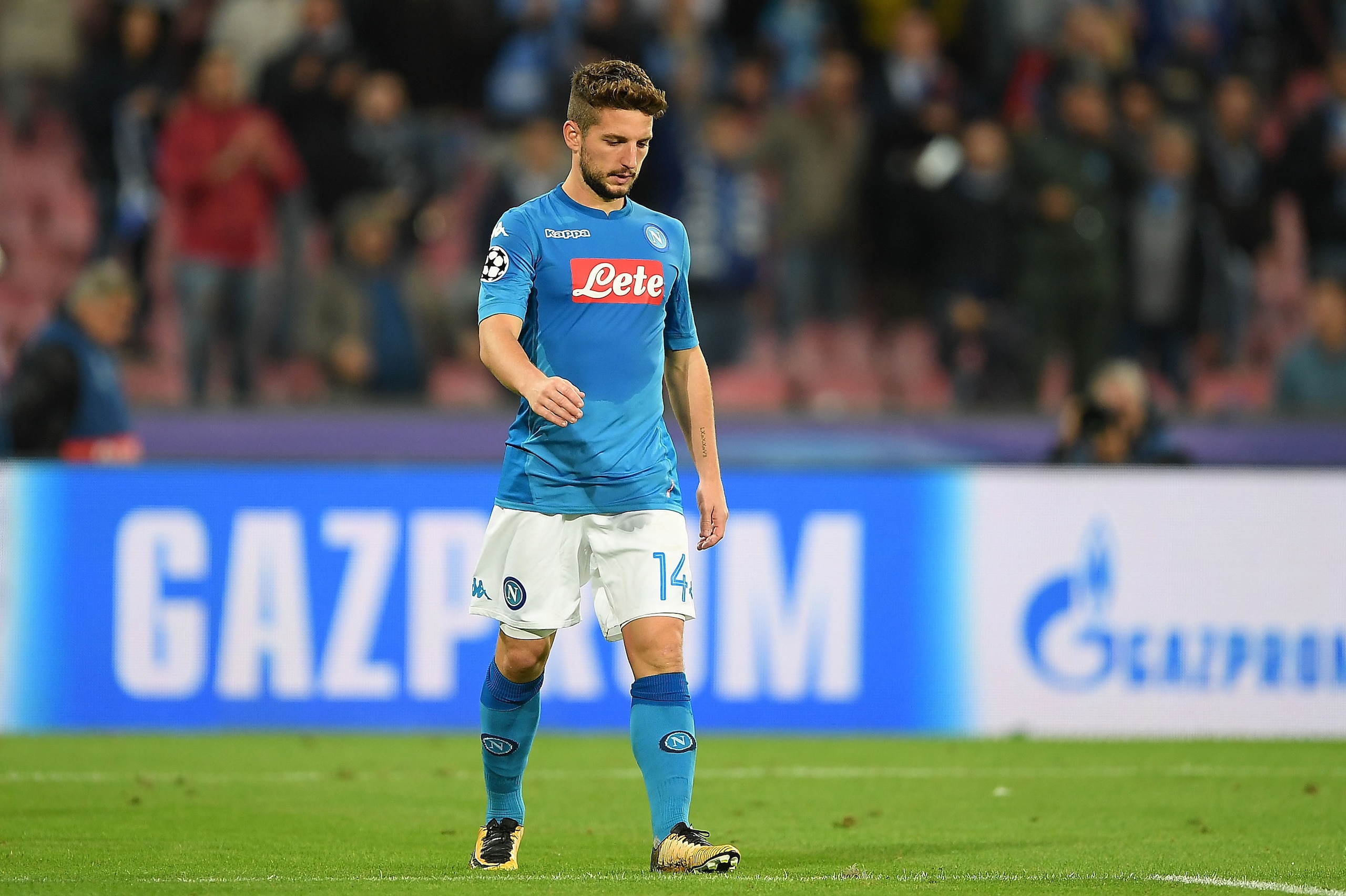
In the not-too-distant future, Kylian Mbappe, Neymar, Raheem Sterling and Angel Correa are all likely to tread the same path, or have already begun to do so.
Insigne can be part of that same crowd.
Switching systems
Speculation over whether Zidane would return to the 4-3-3 has not been confined to fans and social media. Marca's Enrique Ortego suggested the change could have happened against Las Palmas before the international break; Zidane opted against, keeping faith with the diamond and being rewarded with the win, but the conversation is open and ongoing.

When it eventually happens, be it for a one-off game or as the go-to system, the normal course of events is for a fit-again Bale to play right, Ronaldo left and Benzema central. But there are other wide options: Isco, Marco Asensio and Lucas Vazquez are alternatives. Only centre-forward has no direct and elite change.
That means if Benzema is subbed, injured or out of form, the Portuguese will shift infield to the No. 9 role. Doubters of his ability—some remain, incredibly—need only view back to last season's derby victory over Atletico Madrid, complete with a Ronaldo hat-trick, to see how well he can function in the role.
In turn, it opens up a space on the left—where Insigne, of course, has thrived at Napoli.
Already this term he has three goals and four assists in league play, and, like Ronaldo, his end product comes from constant, repetitive attempts to have an influence on play.
Insigne is second in Serie A for shots per game, on 4.8, and top for key passes per game, 3.2. No forward in the league can match him for output on both counts.
In all competitions, he has six goals this term, managed 20 last year and 13 the year before; it's not a one-off with Insigne, and at 26 years of age he's into his peak seasons—this form could go on another three or four campaigns, without question.
He has pace, technical ability on the ball, is a goalscorer and creative force. Add all those attributes to his positional versatility, and he'd be a fantastic addition to Real Madrid's squad, both for the second half of this season and for several years to come.
Stats via WhoScored.com.
.jpg?w=2560 "Titans Ravens Football")

.jpg?w=2560 "NFL investigating 2 referees for separate viral exchanges")
