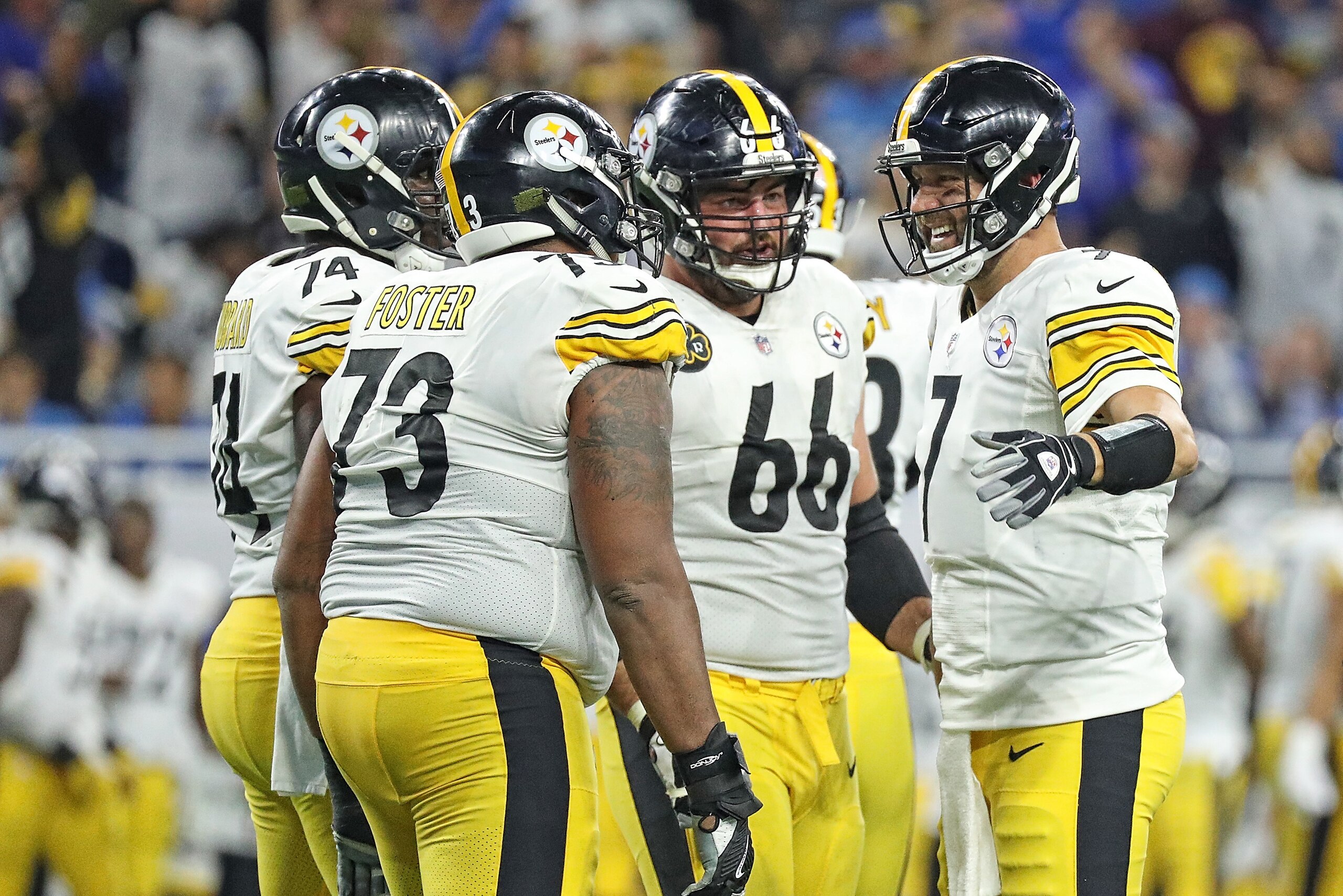

Adjustments Pittsburgh Steelers Must Make Post-Bye Week
The Pittsburgh Steelers have a 6-2 record heading into their Week 9 bye, making them the joint-top team in the AFC through the season's halfway point.
But that doesn't mean the Steelers don't have room for improvement, and the week off provides an opportunity for the team to identify and address their weaknesses.
Here are five bye-week adjustments Pittsburgh needs to make in order to remain one of the conference's top playoff contenders and one of the NFL's overall best teams.
Better Pass Distribution
1 of 5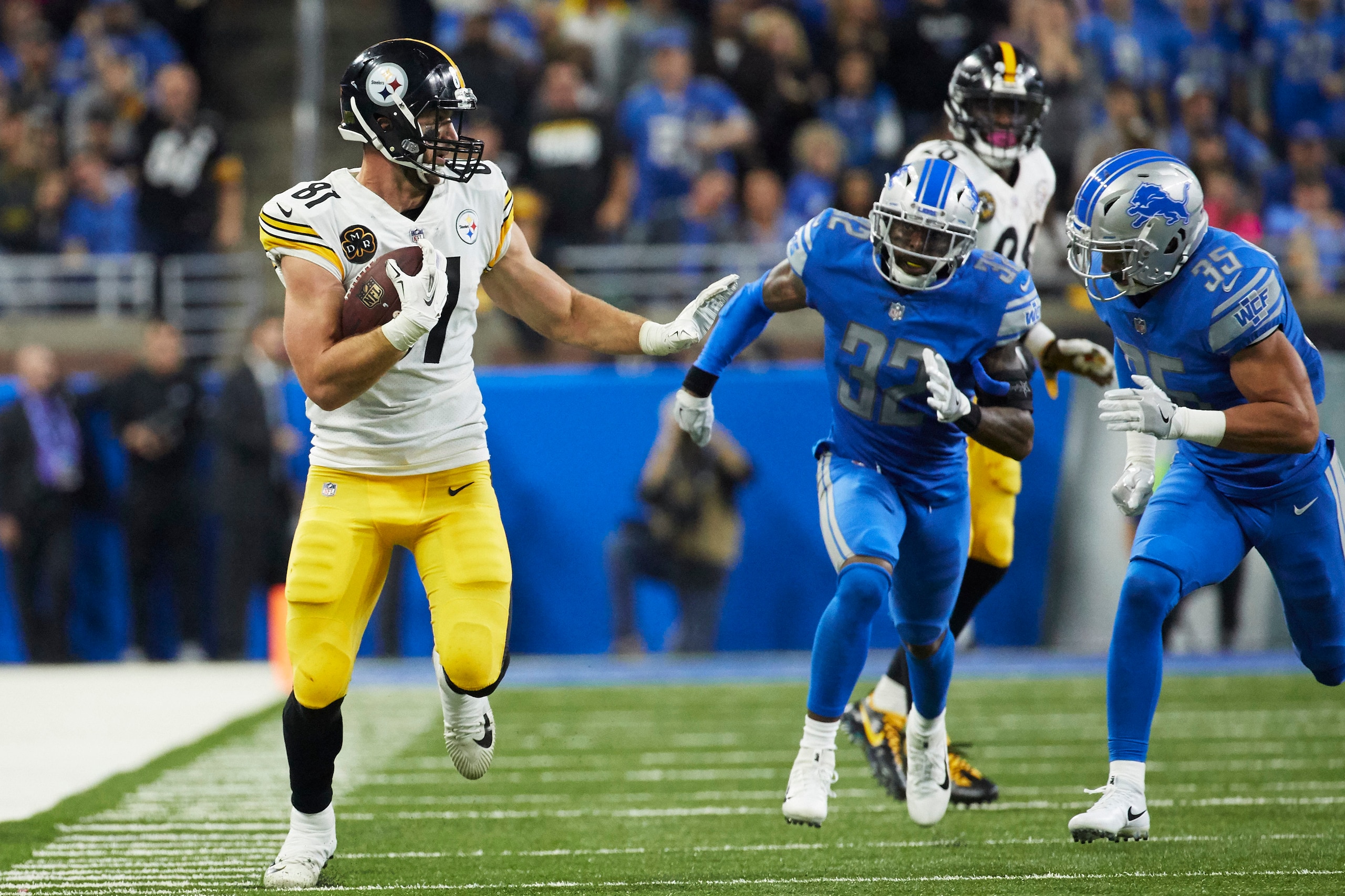
While it's clear Steelers quarterback Ben Roethlisberger has a preferred target in wide receiver Antonio Brown, the pass distribution to other would-be receivers has been lacking this season.
Brown has 57 catches on 94 targets for a team-leading 835 yards, and he has scored three touchdowns. But he's seeing targets at a rate that at least doubles those of Le'Veon Bell, Martavis Bryant and JuJu Smith-Schuster despite both Bell and Smith-Schuster having the better catch percentages on the season.
Diminishing the focus on Brown may be difficult, especially given his ability to make plays despite the coverage that has shifted his way and his singular skill at getting open when other receivers would struggle. But Roethlisberger and offensive coordinator Todd Haley need to devise ways for the passing game to get more players involved.
Bell has only 35 receptions for 219 yards. Smith-Schuster has 24 for 424. Bryant has 18 for 234. And tight ends Jesse James and Vance McDonald have 23 combined catches between them for 256 yards. Granted, there are times when these players simply aren't open or Roethlisberger isn't comfortable throwing their direction for myriad reasons.
But it's also obvious the Steelers aren't taking enough advantage of the passing game resources at their disposal. Getting more players increased involvement, however, would do wonders to confound opposing defenses who would otherwise be rightfully expecting a heavy dose of Brown week after week.
Red-Zone Game-Planning
2 of 5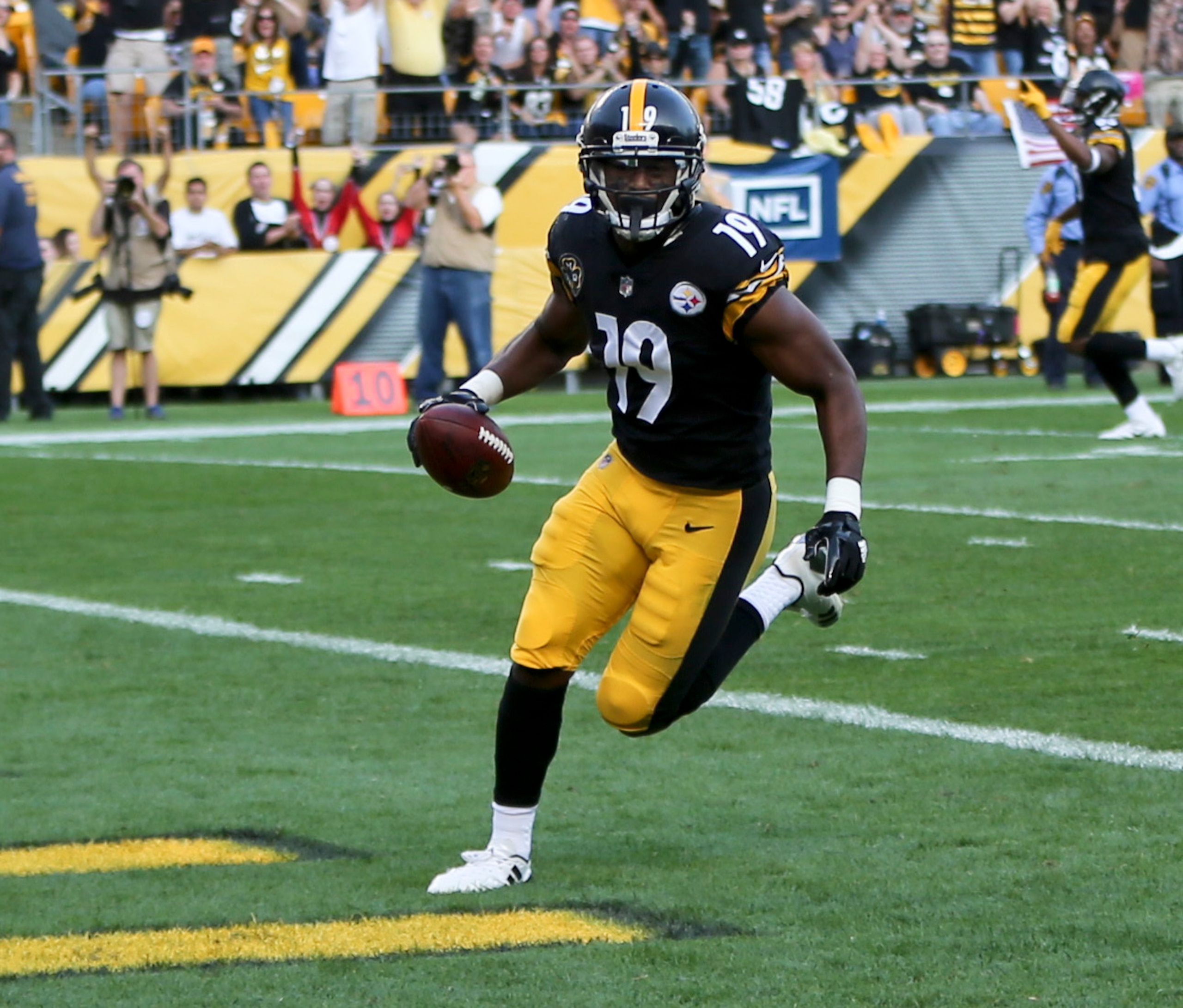
It's no secret the Steelers have struggled in the red zone this year. The team has just 15 touchdowns, and of those, 11 have been scored from opponents' red zones. But they have left far more points on the field.
The Pittsburgh offense ranks 30th in the league in red-zone touchdown percentage, at 41.38 percent; a year ago, that number was a much higher 54.24 percent.
Both the passing and running play-calling has struggled to produce touchdowns in the red zone. The Steelers have attempted 42 rushes on that area of the field, resulting in five scores. And of Roethlisberger's 33 red-zone pass attempts, only 14 have been completed—or a mere 42.4 percent—resulting in just six touchdowns.
While it's obvious that Roethlisberger's short-yardage accuracy in scoring positions has declined this year, the play-calling itself is also a problem. Whether that means coordinator Todd Haley taking more control or ceding it to Roethlisberger at the line of scrimmage, getting different players involved in the red-zone formations or something else entirely, the Steelers need to spend their bye week revamping their approach to scoring.
These red-zone droughts will do Pittsburgh few favors as the difficult second half of the season gets underway.
Reducing Interceptions
3 of 5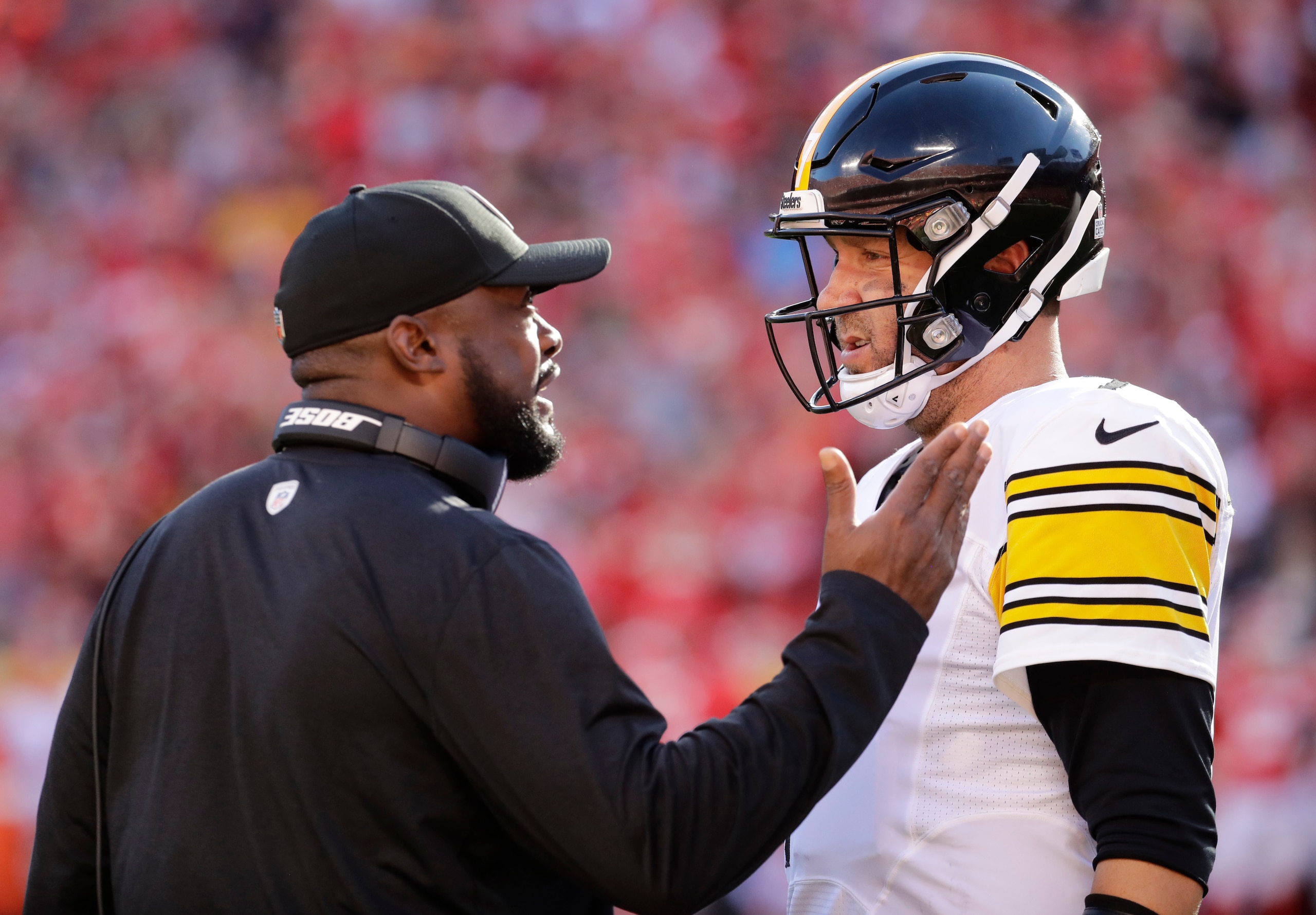
Through eight games, Roethlisberger has thrown 10 touchdown passes and nine interceptions. Though five of those picks came in one game—Week 5 against the Jacksonville Jaguars, when two of his interceptions were also returned for touchdowns—it doesn't change the fact Roethlisberger has one of the worst interception percentages in the league this season.
He's also gone just three games without a turnover this year, even though his only multiple-interception outing is that aforementioned Week 5 implosion.
But even a single turnover can change the complexion of a given game, which makes Roethlisberger's propensity for turning over the ball this season an issue that must be addressed. His desire to key in on Brown more than any other receiver is a likely culprit, though it doesn't explain away all of his picks. Getting more receivers involved should at least open up more of the field for Roethlisberger, spread defenders thin and result in a better success rate.
However, Roethlisberger's decision-making is also a factor. He needs to be less reckless when passing and be willing to be more conservative in his approach, whether that means throwing a checkdown to Bell rather than looking for the deep ball or simply throwing the ball away when the coverage so dictates.
Roethlisberger is an unpredictable gunslinger, and that's often one of his strengths. But when it also results in a high number of turnovers, it becomes a liability. The 35-year-old needs to think more about the risks and rewards of his potential passes and take control over the areas of Pittsburgh's turnover problem that are his responsibilty.

.jpg?w=2560 "Cardinals Giants Football")
.jpg?w=2560 "Jets Dolphins Football")
Improve Run Defense
4 of 5
Though the Steelers defense ranks in the top five in both points and yards allowed at the season's halfway mark, there are still deficiencies, and they lie primarily in the run defense.
While opponents are not running against them much—the Pittsburgh defense has seen the sixth-fewest opposing run attempts—they rank in the middle of the league in rushing yards allowed. Their six rushing touchdowns allowed ranks only 21st, and the 4.5 yards-per-carry average they are giving up to opposing running backs ranks a mere 25th.
The main culprit is missed tackles. Josh Carney at Steelers Depot logs the Steelers defense at 99 missed tackles through eight games, or 12.37 missed tackles per game.
And while members of the secondary have come up empty on tackling attempts in coverage, it's the inability to pull down running backs close to the line of scrimmage that has been the biggest problem. That's why teams are having so much per-rush success against the Steelers despite doing relatively little running.
Pittsburgh's defense has given up over 100 rushing yards just twice this year: in Weeks 3 and 5, when the Chicago Bears and Jacksonville Jaguars each rushed for over 200 yards. But it's not the rushing total that should be a concern, but rather what happens on a per-attempt basis. In that area, the Steelers are still struggling, so putting an emphasis on better tackling technique against the run would be a smart use of their bye week.
Get Healthy
5 of 5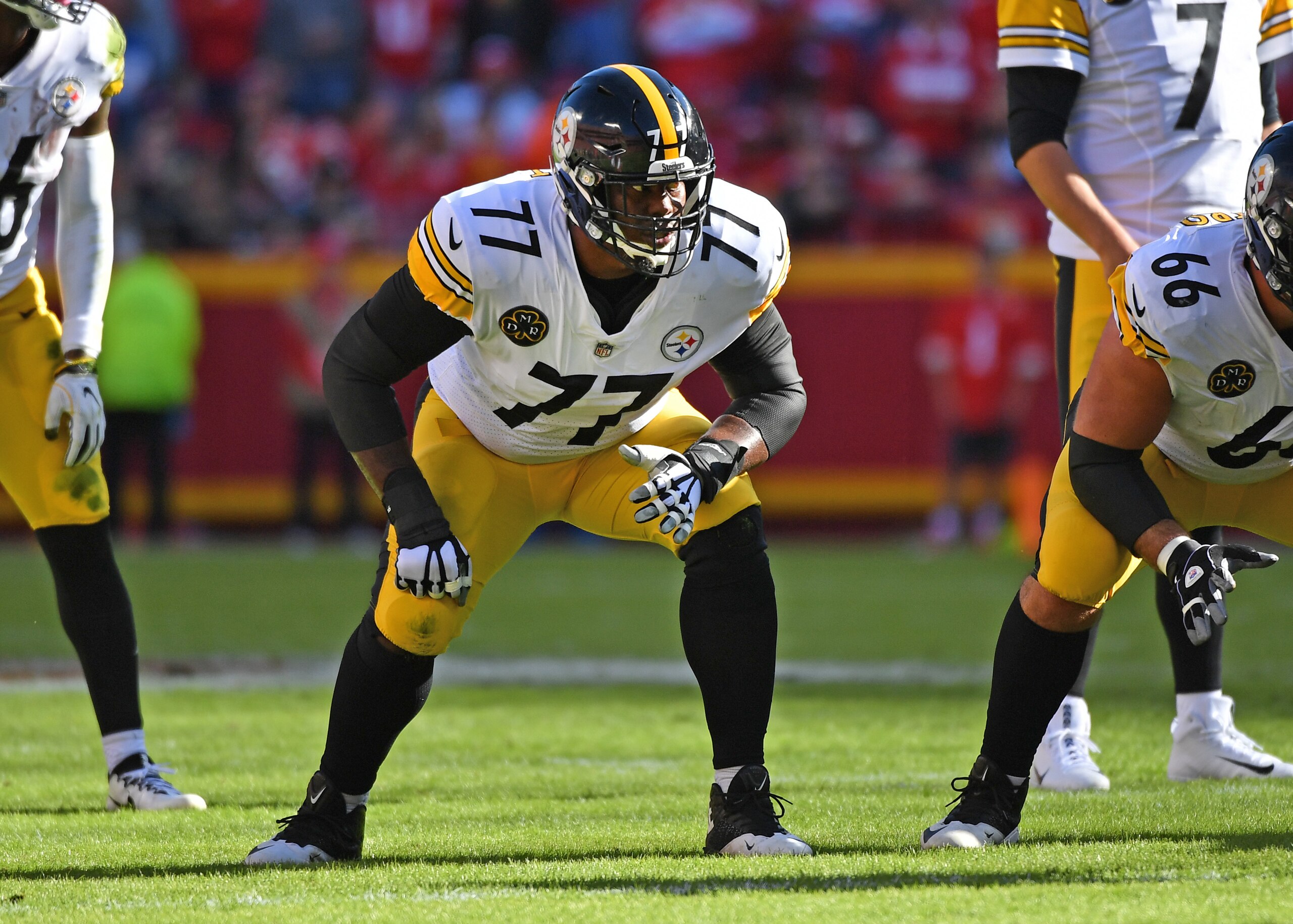
The Steelers have been quite lucky when it comes to significant, season-ending injuries through the first half of the season. Only two players—rookie cornerback Cameron Sutton and rookie linebacker Keion Adams—have been placed on injured reserve. However, other key players have missed time with various injuries, and the bye gives them the chance to further recover and get ready to return for the second half of the season.
Chief among these is right tackle Marcus Gilbert, who missed the previous two games with a hamstring injury; he also missed time with it earlier in the year, and even when on the field, he has been fighting through it. Chris Hubbard has been working as his replacement, but as his Pro Football Focus grades illustrate, it's been a significant downgrade, particularly in the run game.
Having Gilbert back healthy will be important for the Steelers, who are trying not just to maintain their footing in the AFC North and AFC as a whole but also has a string of high-profile prime-time games among their final eight contests. Defensive end Stephon Tuitt also spent the two most recent sidelined with a back injury. While Tyson Alualu hasn't been too much of a liability as his replacement, there's no doubt Pittsburgh's already stout pass rush would be even more dangerous with a healthy Tuitt back on the field.
The bye week could also result in good news for Sutton. The third-round draft pick has been dealing with a hamstring injury since the end of the preseason but is eligible to return in Week 10 against the Indianapolis Colts depending on how his recovery has gone. For him, it won't be a week of rest but rather evaluation.
The bye week, particularly at this midseason point, allows these injured players to buy a little more time and for every member of the roster to heal from all manner of less serious ailments. Getting healthy—or as healthy as can reasonably be expected—may be the most important aspect of the bye week.

.jpg?w=2560 "Ward Nearly Walks Out of Presser ▶️")
