
2017 Season Grades So Far at Pittsburgh Steelers' Bye Week
The Pittsburgh Steelers are 6-2 at the halfway point of the 2017 season and have reached their Week 9 bye. This is as good a time as any to take stock of Pittsburgh's season and see where their biggest strengths and weaknesses lie.
Here are the Steelers' midseason grades for the key areas of their offense, defense and special teams.
Passing Offense
1 of 9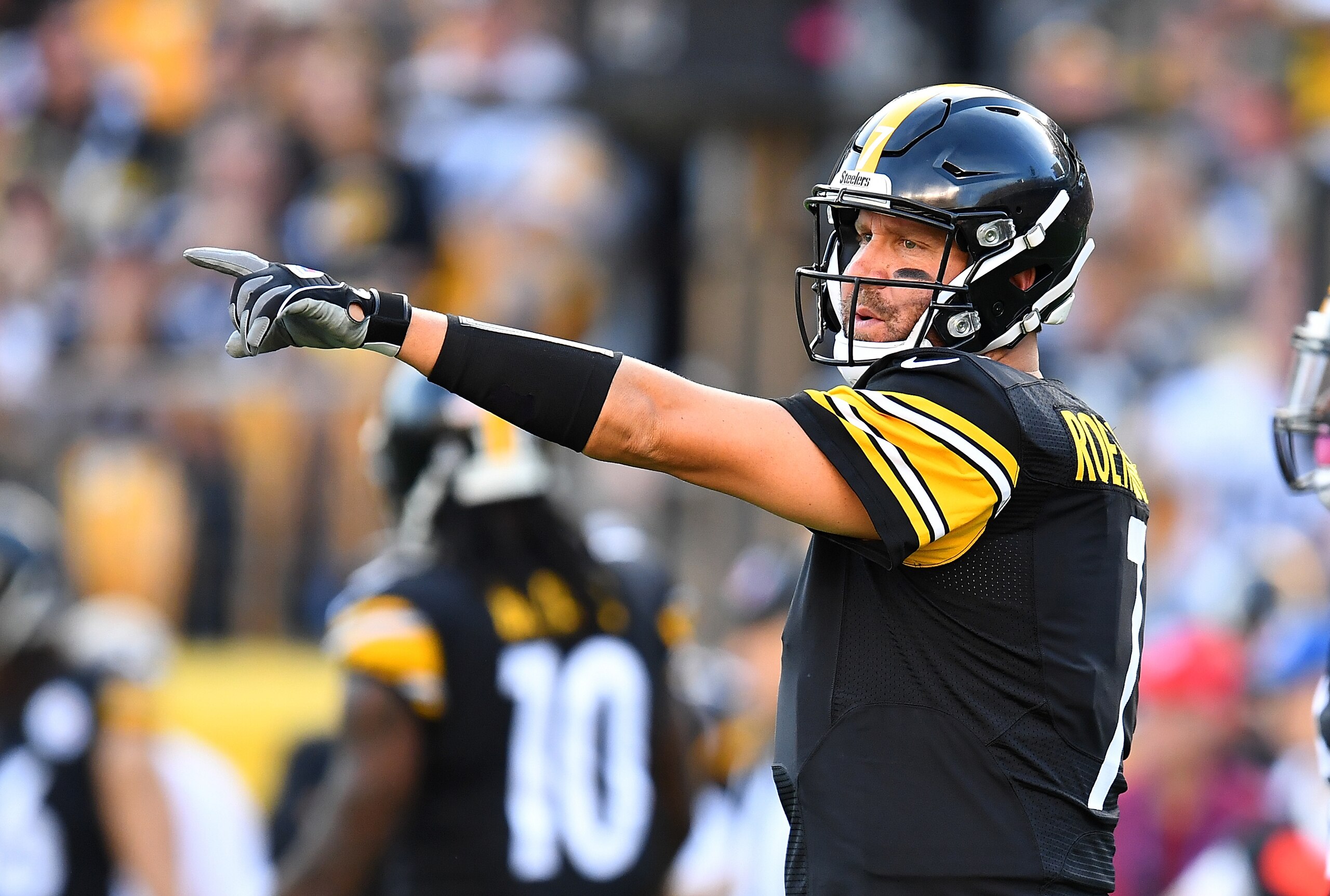
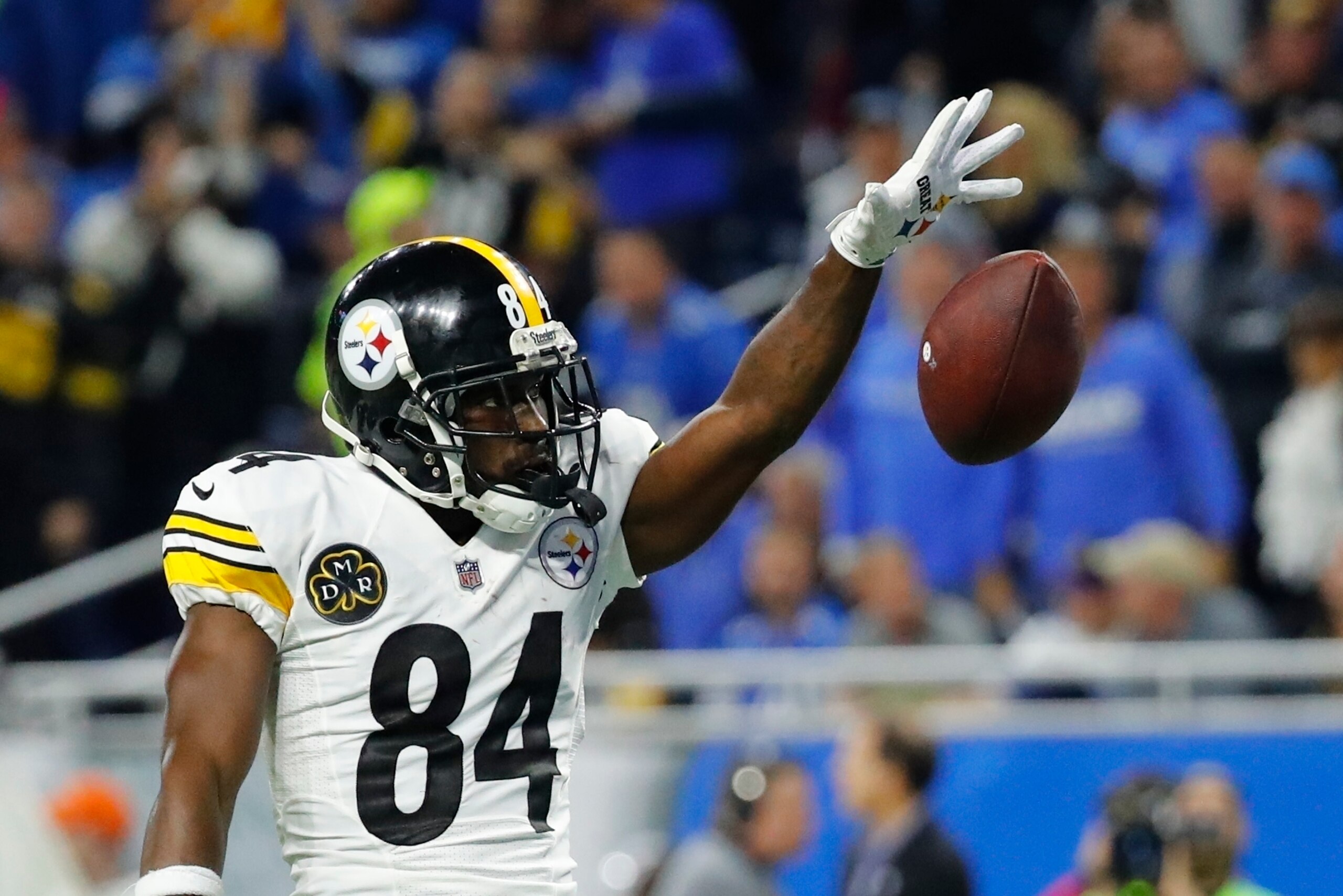
Pittsburgh's offense ranks 11th overall in yards this season and seventh in passing yards. Quarterback Ben Roethlisberger is averaging 257.8 passing yards per game, down from last year's 272.8 but still enough for him to rank third in the league in quarterback yardage. However, he's tied for just 15th in passing touchdowns (10) and has thrown nine interceptions (granted five of those came in just one game) in Week 5 against the Jacksonville Jaguars.
Still, it's been a surprisingly weak passing attack from the Steelers, given the talent on the offensive side of the roster. There's not just Roethlisberger, but also receivers Antonio Brown, JuJu Smith-Schuster and Martavis Bryant as well as pass-catching running back Le'Veon Bell, who all should have propelled these numbers higher.
Instead, Bryant has found himself in the doghouse recently, thanks to negative comments about the Steelers and Smith-Schuster, resulting in him being inactive against the Detroit Lions in Week 8. Bell is averaging a mere 27.8 yards per game as a receiver—down nearly by half from a season ago—leaving the Steelers with just Brown and more recently Smith-Schuster as the most reliable targets for Roethlisberger. Brown has caught 57 passes for 835 yards and three scores, while Smith-Schuster has 24 receptions for 424 yards and four scores, with a touchdown and 193 of those yards coming in Week 8 alone.
Beyond the pair, though, not much is happening: Bryant has been limited to 33.4 yards per game, while the team cannot seem to get anything going with their tight ends. Jesse James has caught 20 passes for 193 yards and two touchdowns, while Vance McDonald has only three catches for 63 yards and Xavier Grimble has one 12-yard grab on the year.
While Pittsburgh's passing shortcomings have yet to become full-blown liabilities, this is not as productive a passing offense as one would have expected in 2017. It's good but not great, with obvious cracks and flaws—namely trying to find consistency with receivers who aren't Brown or Smith-Schuster.
Grade: B
Passing Defense
2 of 9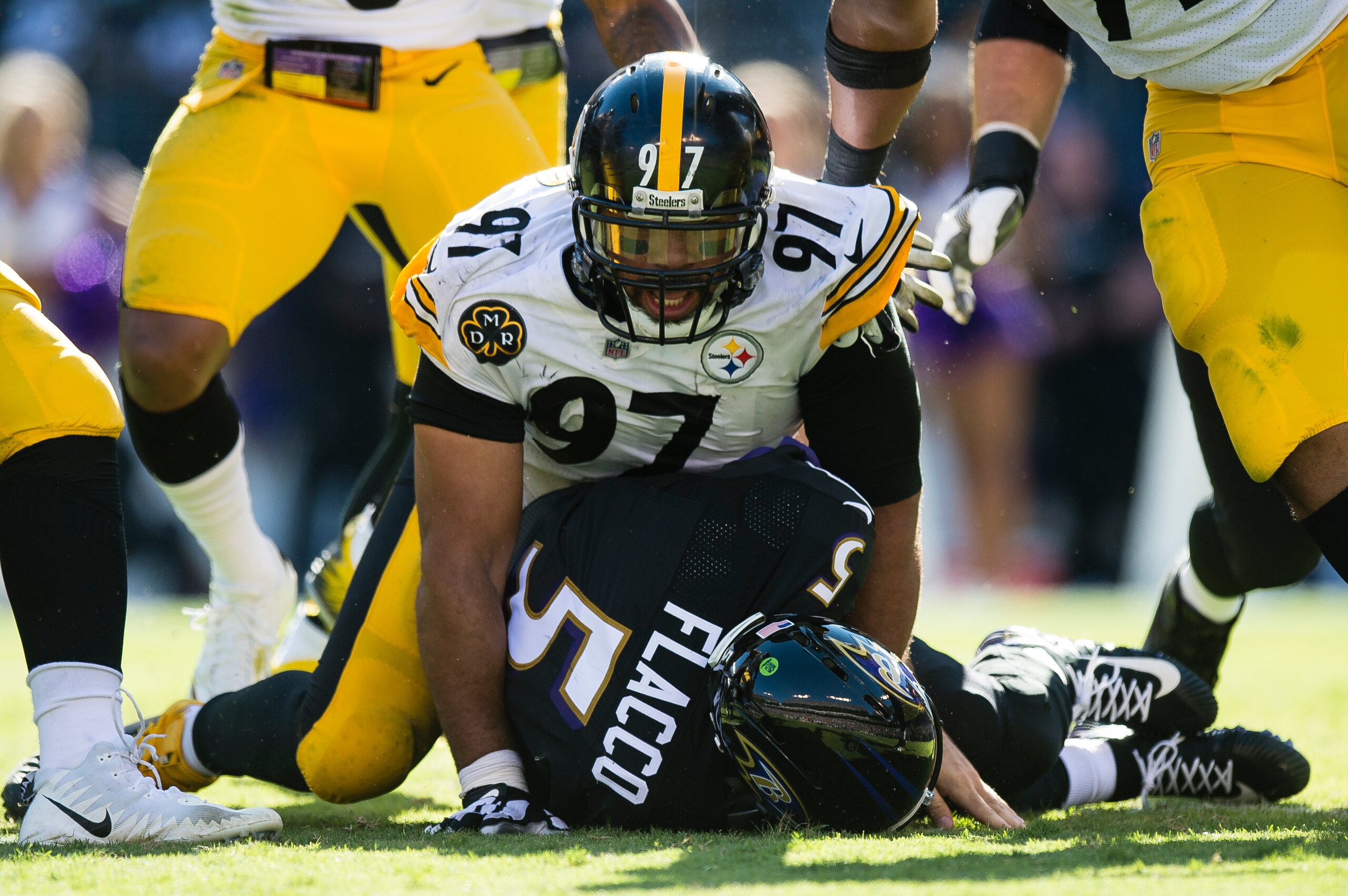
Pittsburgh's passing defense has been one of the best in the league through eight weeks, both in limiting their opponents' yards and touchdowns while disrupting quarterbacks on a regular basis.
Despite the Steelers ceding a season-high 423 yards to the Lions' Matthew Stafford in Week 8, they still boast the second-best defense when it comes to passing yards allowed, at an average of 180 yards per game. Until Week 8, no quarterback had passed for over 300 yards against them. Opposing offenses have scored just six passing touchdowns against them, also tied for the second-best total in the league.
The defense has been successful in bringing the pressure this year with 26 sacks, tied for third. Leading the way for the Steelers in that category are defensive end Cameron Heyward with five and linebackers Vince Williams and T.J. Watt with four apiece. And while the Steelers have allowed 21 pass plays of 20 or more yards, just three of those have been for 40-plus.
That pressure up-front has held opposing quarterbacks in check, not affording them enough time to make game-breaking deep completions. Shorter throws aren't resulting in big plays, either, with opposing offenses limited to 576 after-the-catch yards. Linebacker Ryan Shazier has particularly stood out in coverage; he's the league's only player with over 50 tackles, at least five passes defensed and two interceptions (he has 64, eight and two, respectively).
While the Steelers' passing offense has been relatively impressive, it's the pass defense—which was a weakness for the team a season ago—that has been the real standout through eight games. The only area in which the Steelers could improve are takeaways; they have only seven interceptions this year.
Grade: A
Rushing Offense
3 of 9
It hasn't been as productive a year for Pittsburgh's rushing offense. Only four times have the Steelers rushed for over 100 yards in a game, and the offense has scored only five rushing touchdowns.
The vast majority of the Steelers' ground production has come via running back Le'Veon Bell. Of their 276 rushing attempts, 194 have belonged to Bell, as have 760 of their 871 rushing yards and all five of their rushing scores. Rookie back James Conner has contributed only 89 yards on 18 carries.
At 95 rushing yards per game on average, Bell's importance to the overall success of the Steelers offense is obvious. He had the most rushing yards in the league before the Kansas City Chiefs' Kareem Hunt took the field in Week 8's Monday night game. As a whole, Pittsburgh's run game ranks in the middle of the pack in yardage and scores, and if an injury should befall Bell in the second half of the season, the team may be in trouble.
Conner has upside, to be sure, but he's not the all-around back that Bell is, as evidenced by his limited usage (and zero catches in the passing game). With Bell, things are good; the Steelers just need to hope they won't have to entertain the alternative in the games ahead.
Grade: B-

.jpg?w=2560 "Rams Eagles Football")
.jpg?w=2560 "Falcons Saints Football")
Rushing Defense
4 of 9
While not as dominant as they are when facing passing situations, the Steelers' run defense has been fairly good for the majority of the season thus far. Though they are allowing a 17th-ranked average of 106.6 rushing yards, that average is also skewed by two games in which opponents ran for over 200 yards against them. In their other six games, teams have not reached the 100-yard rushing mark.
Pittsburgh has given up six rushing touchdowns this season, which is among the most allowed this season, but the defense has also forced four fumbles in the run game. However, missed tackles have been a problem; hence, the Steelers' run defense is allowing 4.5 yards per carry to their opponents, with 22.2 percent of opposing runs resulting in first downs.
Also not helping is the Steelers' propensity to use sub-package defenders like L.J. Fort and Tyler Matakevich in obvious short-yardage and goal-line run situations. They are among the worst-graded Pittsburgh run defenders, according to Pro Football Focus. Indeed, it's feast-or-famine for Pittsburgh's run defense as much as it is for opposing offenses.
Teams like the Chicago Bears and Jacksonville Jaguars may run amok, but even teams held in check to under 100 rushing yards can still find situational advantages that allow them to run the ball at four and five yards a clip and earn a rushing score at the end of a drive.
Generally speaking, the Steelers' run defense has been good so far this year, but they do need to be more consistent on a play-to-play basis to match the skill they've shown stopping the pass.
Grade: B
Red-Zone Offense
5 of 9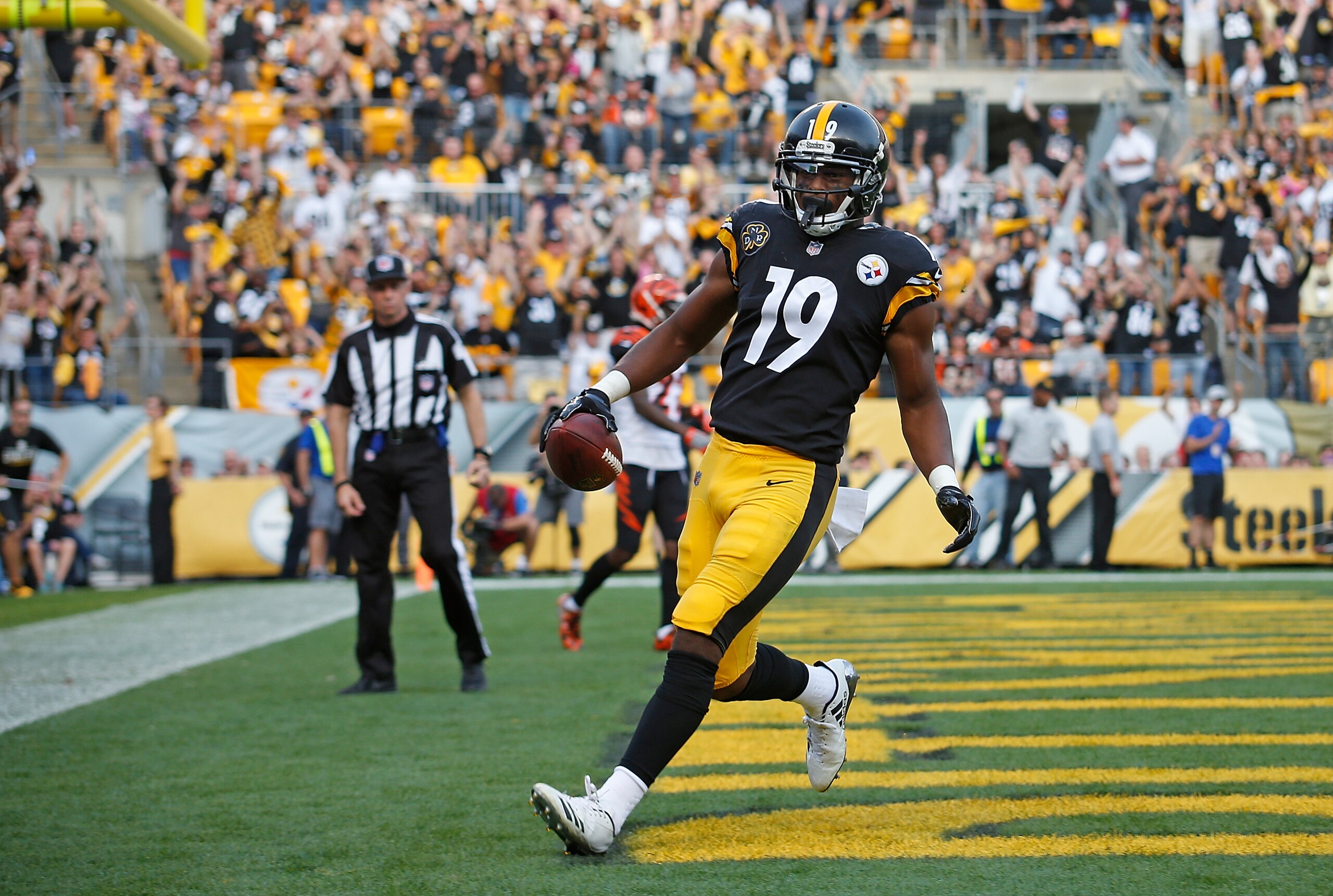
Whether via the run or the pass, the Steelers have had little trouble reaching the red zone this season. The problem, though, is that they are struggling to convert those appearances into touchdowns.
Pittsburgh's red-zone appearances are actually up from a season ago, at 3.6 versus 3.1 in 2016. Yet, their per-game points are down from 24.4 a year ago to 20.9 through eight games this year. And their performance in the red zone is the No. 1 reason why.
The Steelers are turning red-zone appearances into touchdowns a disappointing 41.4 percent of the time, a drastic decline from last year's 54.2 touchdown percentage. At home, the number is even worse, at 23.1 percent. And while the road percentage is a much better 56.3 percent, they still went 1-of-3 in the red zone against the Detroit Lions in Week 8. And in the last three games, the average has been just 27.3 percent, indicating a problem that is not only significant but continues to linger.
The team has scored 15 offensive touchdowns while kicker Chris Boswell has attempted 20 field goals, with 18 converted, and Pittsburgh has yet to score 30 points in a game. The red zone has not been a fertile ground for Pittsburgh touchdowns this season. While it hasn't hurt them in the win-loss column yet, it's the kind of thing that could easily put them in the one-and-done category by the time the playoffs begin.
Grade: D
Red-Zone Defense
6 of 9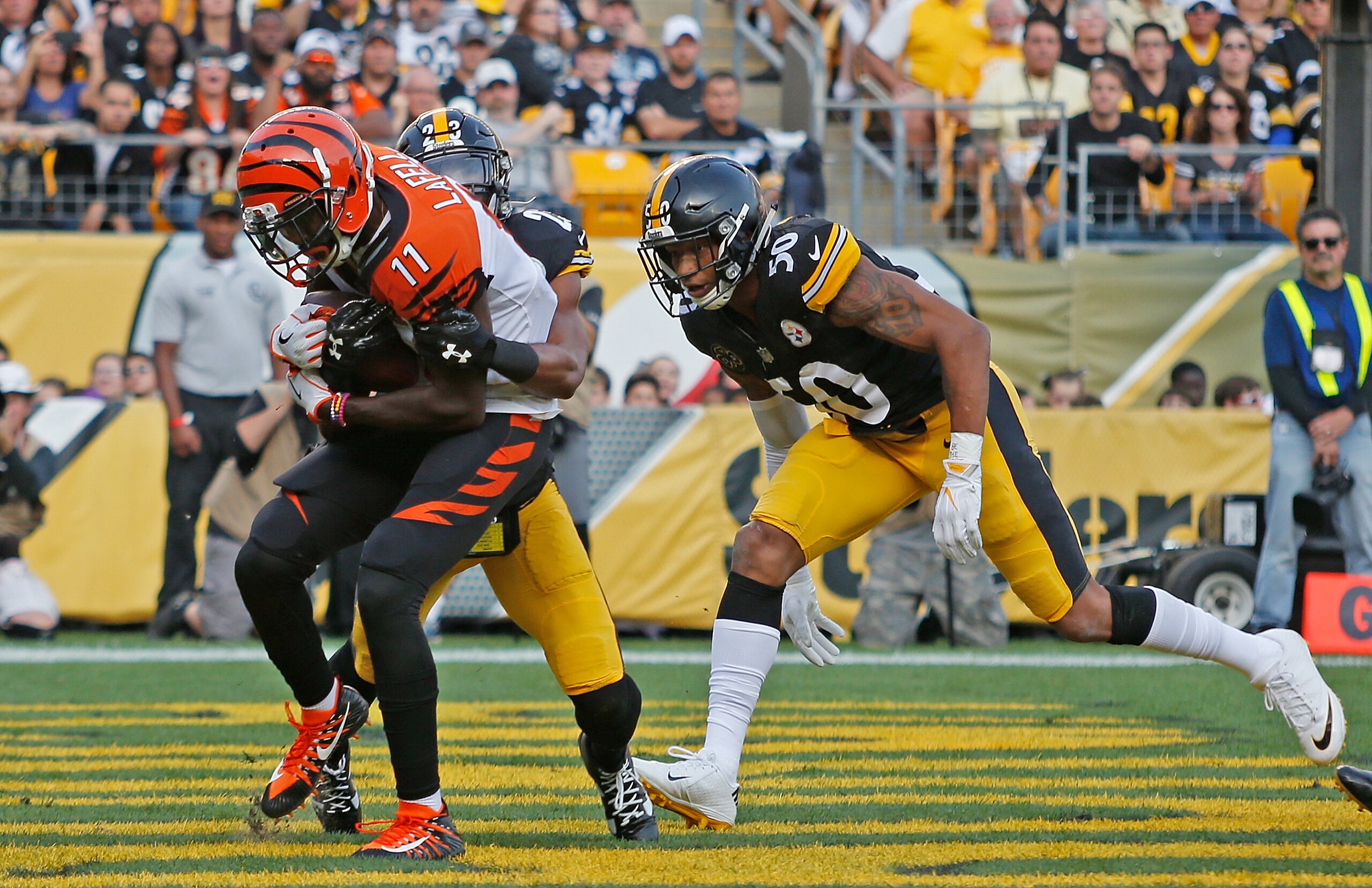
One reason why the Steelers' red-zone inefficiency hasn't resulted in more losses this year is that the defense has been even better at limiting the touchdowns that opposing offenses have been able to inflict.
Pittsburgh's defense has given up just 12 touchdowns—six passing, six rushing—through eight games, with opponents attempting a total of 14 field goals, with 12 makes. Indeed, all five of the Lions' red-zone appearances in Week 8 ended with Matt Prater field goals.
The Steelers are tied for second in points per game allowed, at just 16.4, more than four points better than their 2016 average of 20.6. Opponents are rarely even getting to the end zone against the Steelers defense; offenses are earning just 2.6 shots from the red zone per game this year (compared to 3.5 in 2016). Unsurprisingly, they are converting only 47.6 percent of their red-zone attempts into touchdowns against the Steelers.
As long as this keeps up, the Steelers' offensive struggles in the red zone will continue to be minimized. A year ago, the Steelers defense was a bend-but-don't-break unit, but this year even less bending has resulted in fewer chances to be broken.
Grade: A
3rd-Down Offense
7 of 9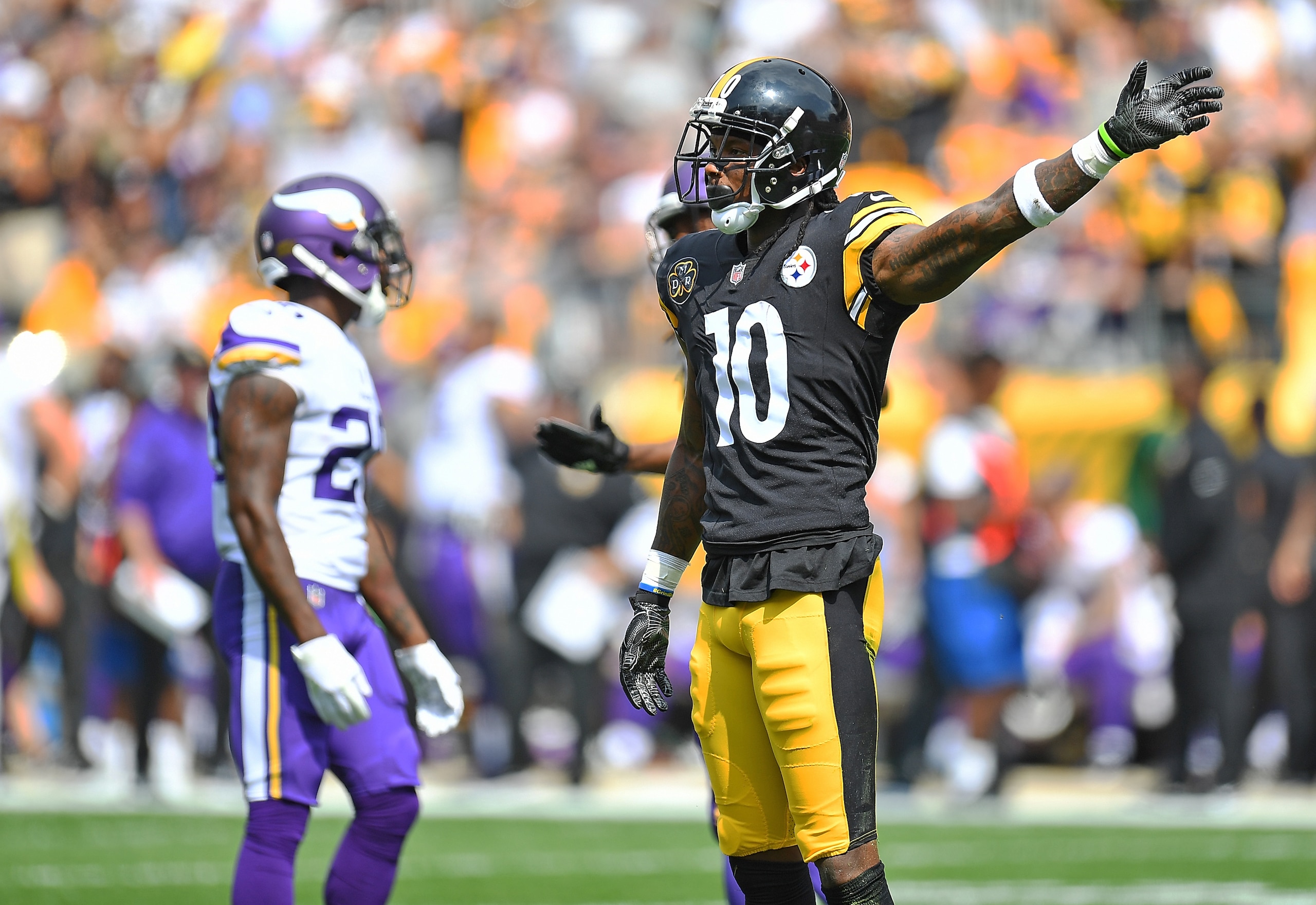
Given the Steelers' troubles on third down this season, it's at least a source of comfort that they haven't faced very many, compared to most other teams in the NFL. Pittsburgh's offense is averaging 65.4 plays per game, but only 12.9 of those are third downs, among the ninth-fewest in the league.
The Steelers are still managing to turn those third downs into first downs just 37.9 percent of the time, down from 42.7 a year ago, or 4.9 conversions per game. Many of these have been short-yardage plays in the red zone, with these failures directly relating to why the Steelers are struggling so much to score touchdowns.
While the Steelers are averaging enough yards per play on third downs to convert, save on third downs with 10 or more yards to go, the concrete numbers tell the clearer story. Pittsburgh has faced 103 third downs this year, but only eight of their 18 run attempts and 32 of their 80 pass attempts have yielded first downs. The former has not yet resulted in touchdowns, while the latter has produced six touchdowns but also six interceptions.
Again, the Steelers are not finding themselves in third-down situations as often as other teams, and given how well the offense has moved the ball, that certainly shows how efficient they have been on first and second downs. But their ability to convert has been stymied, just as has their ability to score touchdowns in the red zone. With the two so often linked, it's hard not to see how this, too, could become an even bigger problem as the season progresses.
Grade: C
3rd-Down Defense
8 of 9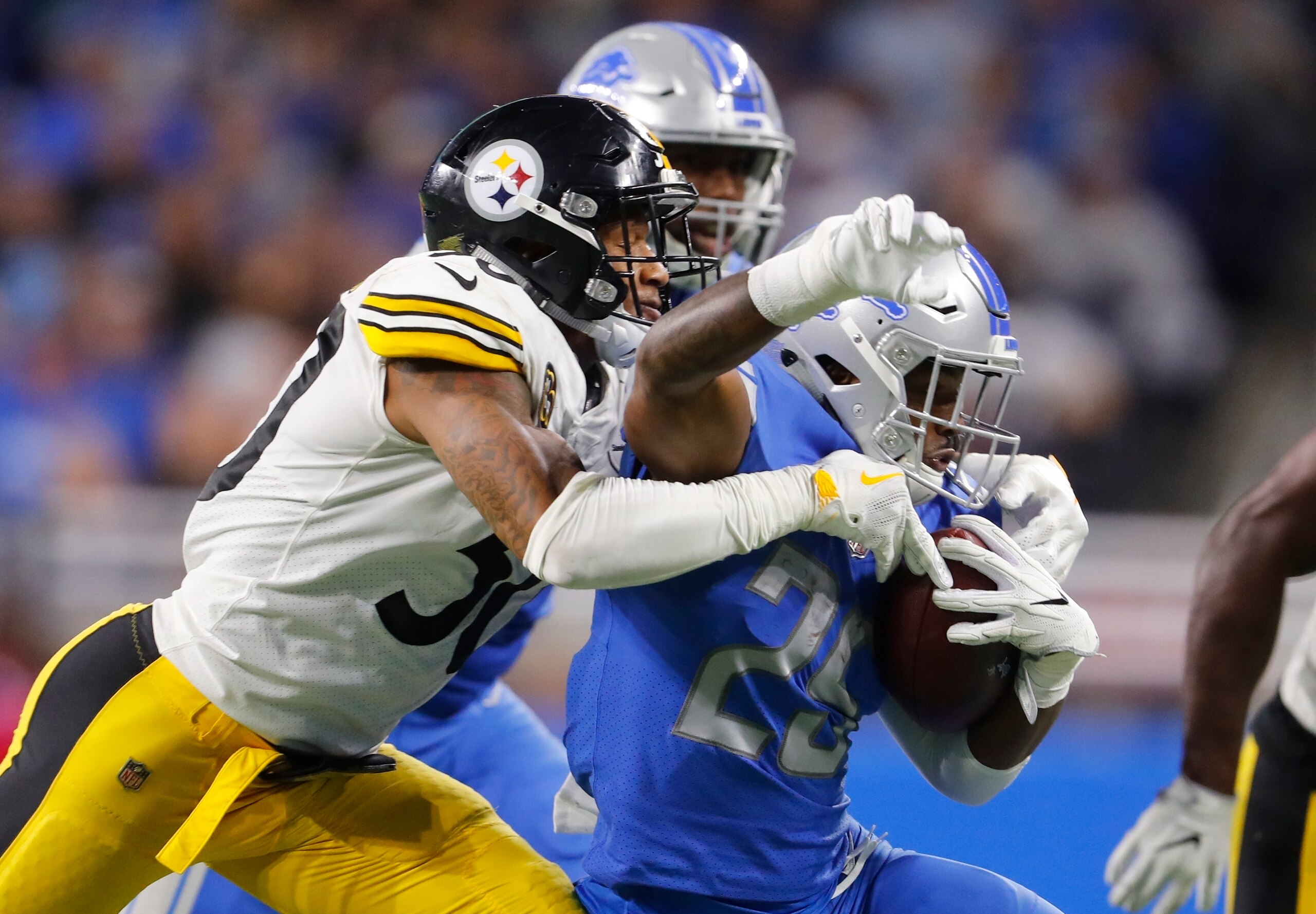
If there was any question just how dominant the Steelers defense has been this year—and the red-zone statistics weren't convincing enough—then their performance on third downs should provide overwhelming evidence.
Opposing offenses aren't getting many opportunities to drive the ball down the field against the Steelers this year, averaging only 59.6 plays per game, the fourth-fewest in the league. Although that has necessarily led to them seeing a minimal number of third downs (12.2 per game), they've also not been able to do much with them.
Offenses are converting only 3.9 third downs per game against Pittsburgh's defense this season, thus earning a new set of downs 31.4 percent of the time. A year ago, that conversion rate was 42.1 percent on 13.4 third downs per game. It's no wonder Pittsburgh's defense has limited opposing offenses to the third-lowest time of possession in the league this year.
Pittsburgh's offense is putting together lively drives that struggle to reach the end zone. But their defense is holding opposing offenses to lifeless drives that frequently aren't even making it into scoring position. This is the main reason why the Steelers are 6-2 at the season's halfway point. These successful stops on third downs have helped the team as much, if not more, than their ability to prevent touchdowns this year.
Grade: A
Special Teams
9 of 9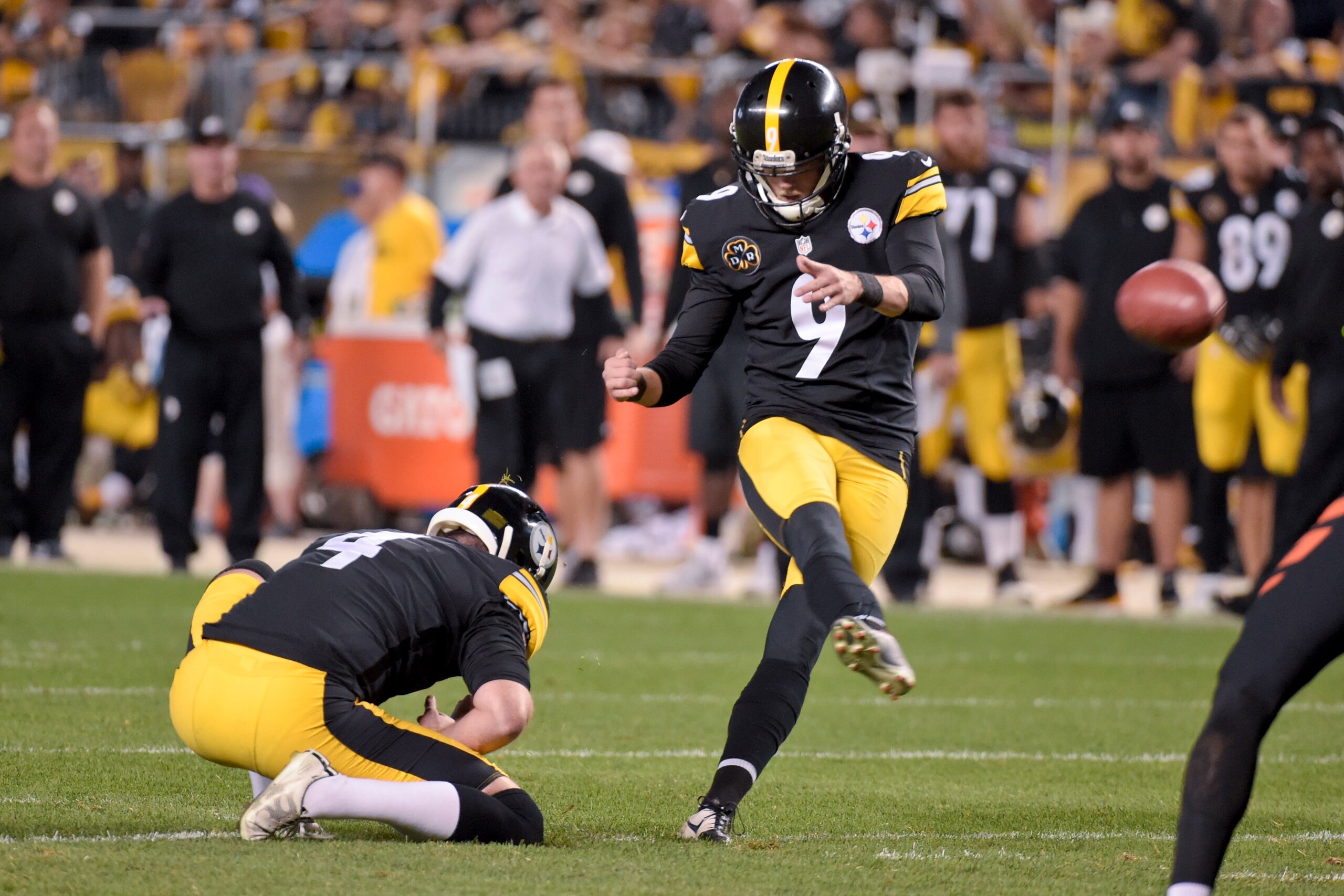
The Steelers' special teams unit has been effective, though not particularly explosive in any one area.
On the one hand, they have yet to allow a punt or kick return for a touchdown, but they also haven't notched one of either of their own. They also have struggled to find stability at both kick and punt returner, with Antonio Brown reprising his role at the latter after experimenting with Eli Rogers to open the year, and Terrell Watson and JuJu Smith-Schuster sharing duties at the former, with neither impressing.
When it comes to kicking, Chris Boswell has been mostly accurate, missing only two of his 20 field-goal attempts this season and making all 15 of his extra-point attempts. Opponents, meanwhile, aren't seeing the red zone often, thus opposing kickers have gone just 12-of-14 against the Steelers in field-goal attempts and have made nine of their 11 extra-point tries.
Boswell is doing a solid job at kickoffs as well. Of his 42 this season, 25 have gone for touchbacks and the 17 that have been returned have gone 21.9 yards. However, Pittsburgh's punter, Jordan Berry, has struggled. He ranks 29th in net yards per punt, at 37.5. Though 12 of his 34 punts have landed inside opponents' 20-yard line, 12 have also been returned for a total of 125 yards. Two others have gone for touchbacks and 11 have been fair-caught; that's 21 punts returned for some degree of yardage versus 13 that have not.
Overall, the Steelers' special teams has not hurt them in any appreciable way. But it also hasn't helped them much; beyond Boswell's kickoff ability and his accuracy on field goals and extra points, Pittsburgh's special teams aren't particularly notable.
Grade: C+

.jpg?w=2560 "Texans-Mixon Released Football")
.jpg?w=2560 "Grading WWE Raw 🔠")


.jpg?w=2560 "2 NFL Officials Suspended")
