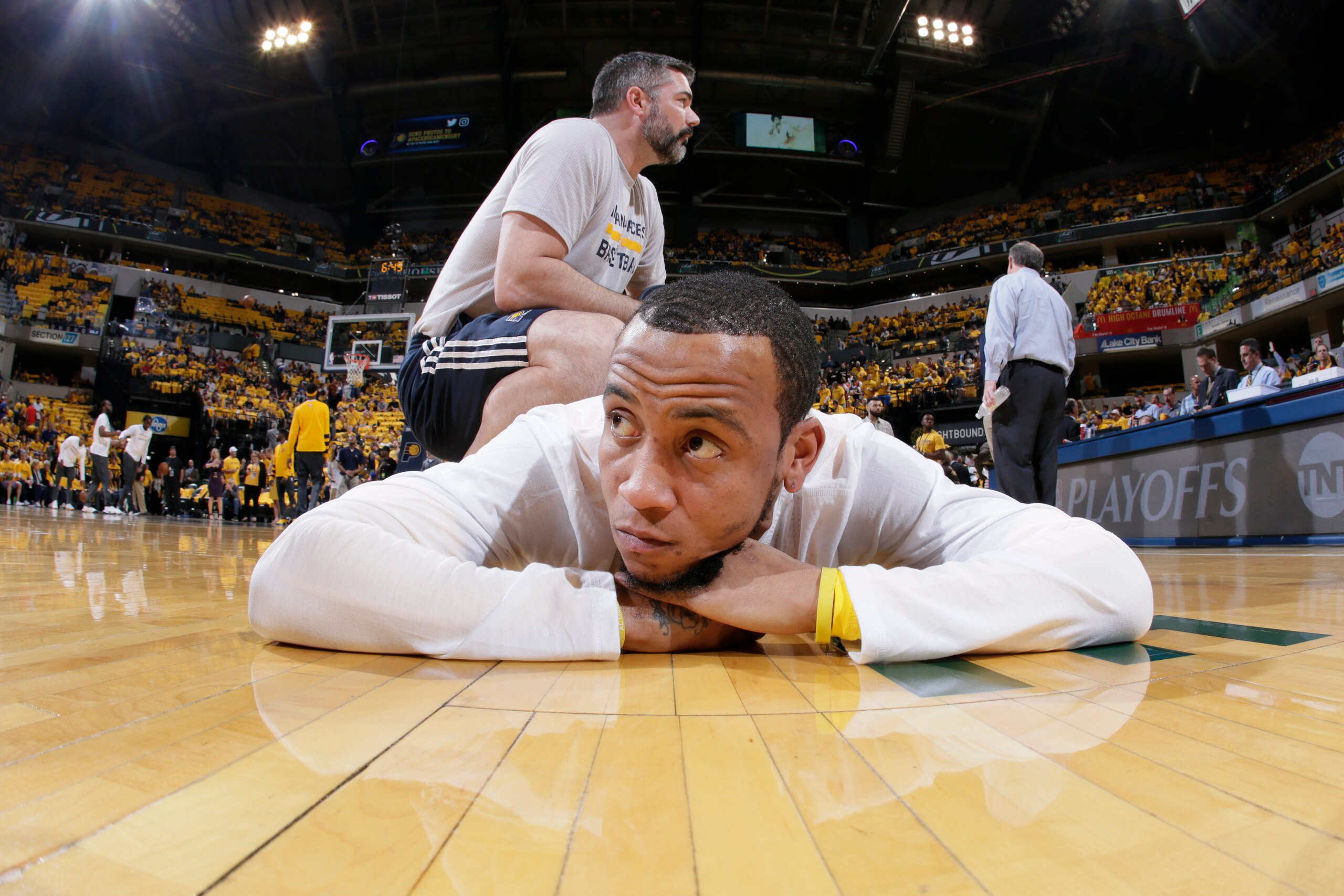

Monta Available? Kris Humphries on the Market? NBA Free Agents Looking for Work
The remaining free-agency pool isn't deep.
Are you going to find a star here? Of course not. The NBA's 30 teams have snapped up most competent talent, either as training-camp additions or two-way contract signings. But a few veterans are looking for work and can be of assistance to those in dire need of second-unit boosts.
Last caveat: players suiting up for international teams abroad like Jared Sullinger, Brandon Jennings and Boris Diaw were not considered.
Strap up and lower your expectations. So long as you're not operating under delusions of grandeur and expecting to find future starters, you'll realize the open market still has some talent floating around.
Brandon Bass
1 of 5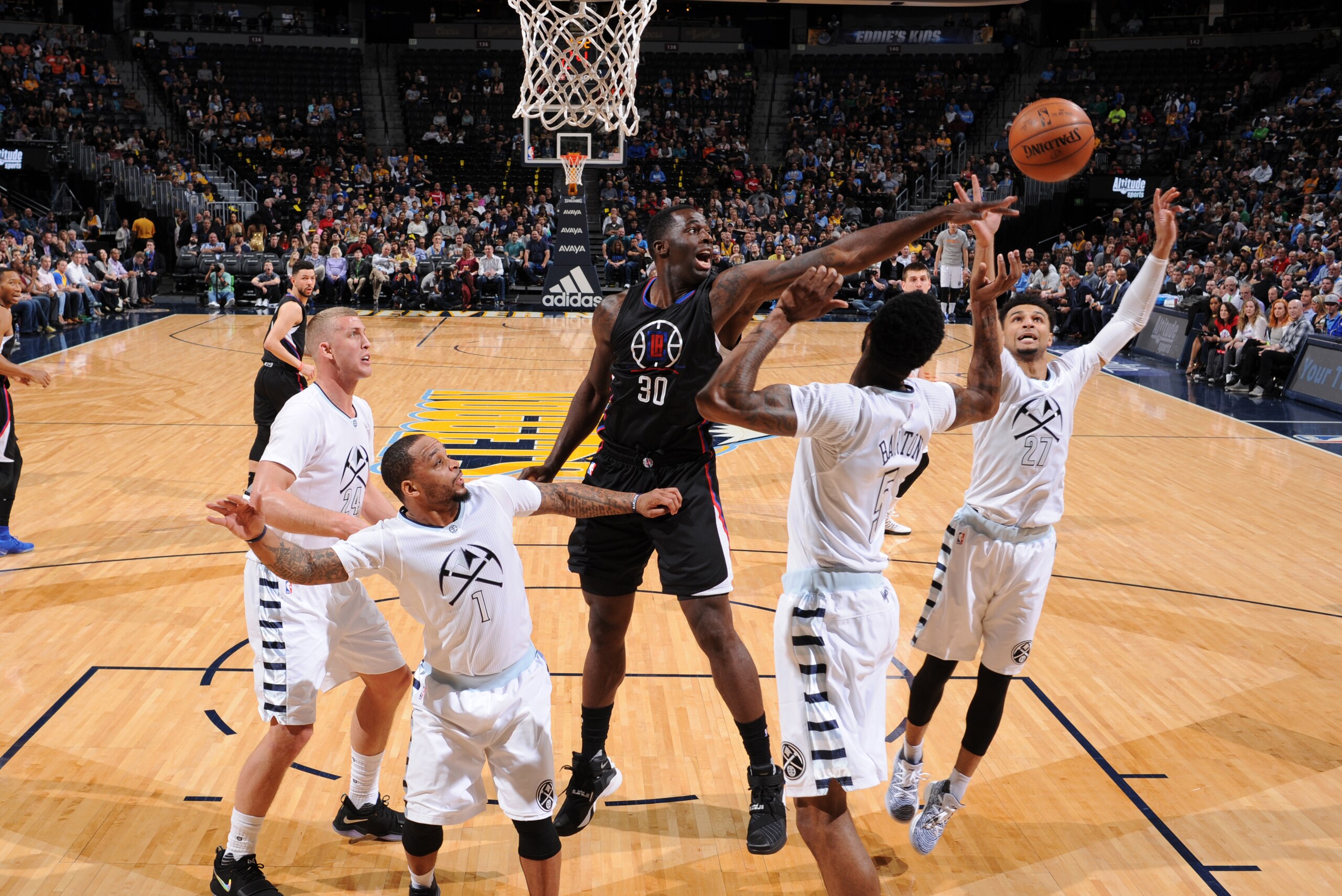
Position: PF
Age: 32
2016-17 Per-Game Stats: 5.6 points, 2.5 rebounds, 0.4 assists, 0.3 steals, 0.2 blocks (for Los Angeles Clippers)
Brandon Bass won't be a game-changing acquisition for any competitive team. But he could provide reliable depth at his position, playing sporadically and shoring up a weakness through specialization.
The 32-year-old power forward failed to make much of an impact during his lone season with the Los Angeles Clippers, but he still (somewhat) held his own through sheer well-roundedness. His game makes him a dinosaur in today's NBA, and yet that's not a death knell for his roster prospects.
Bass isn't a consistent mid-range shooter—troublesome in a league that asks so many bigs to stretch out the floor. He shouldn't be left alone around the rim, since his athleticism has never translated into high-quality interior defense.
Yet the combination of his springiness and cerebral abilities still lets him fill a number of different roles when used sparingly. He can finish on the interior (68.7 percent from within three feet last year), knock down the occasional jumper (47.7 percent from between 10 and 16 feet) and at least disrupt a few plays as a half-court defender.
End-of-bench players don't need to dominate games. They need to avoid hemorrhaging away leads earned by the rotation's more prominent contributors, and that's what Bass can do simply by avoiding liability status in any one particular area.
Remember, we're not talking about hidden gems left in the free-agency pool. Those don't exist at this stage of the basketball calendar.
Monta Ellis
2 of 5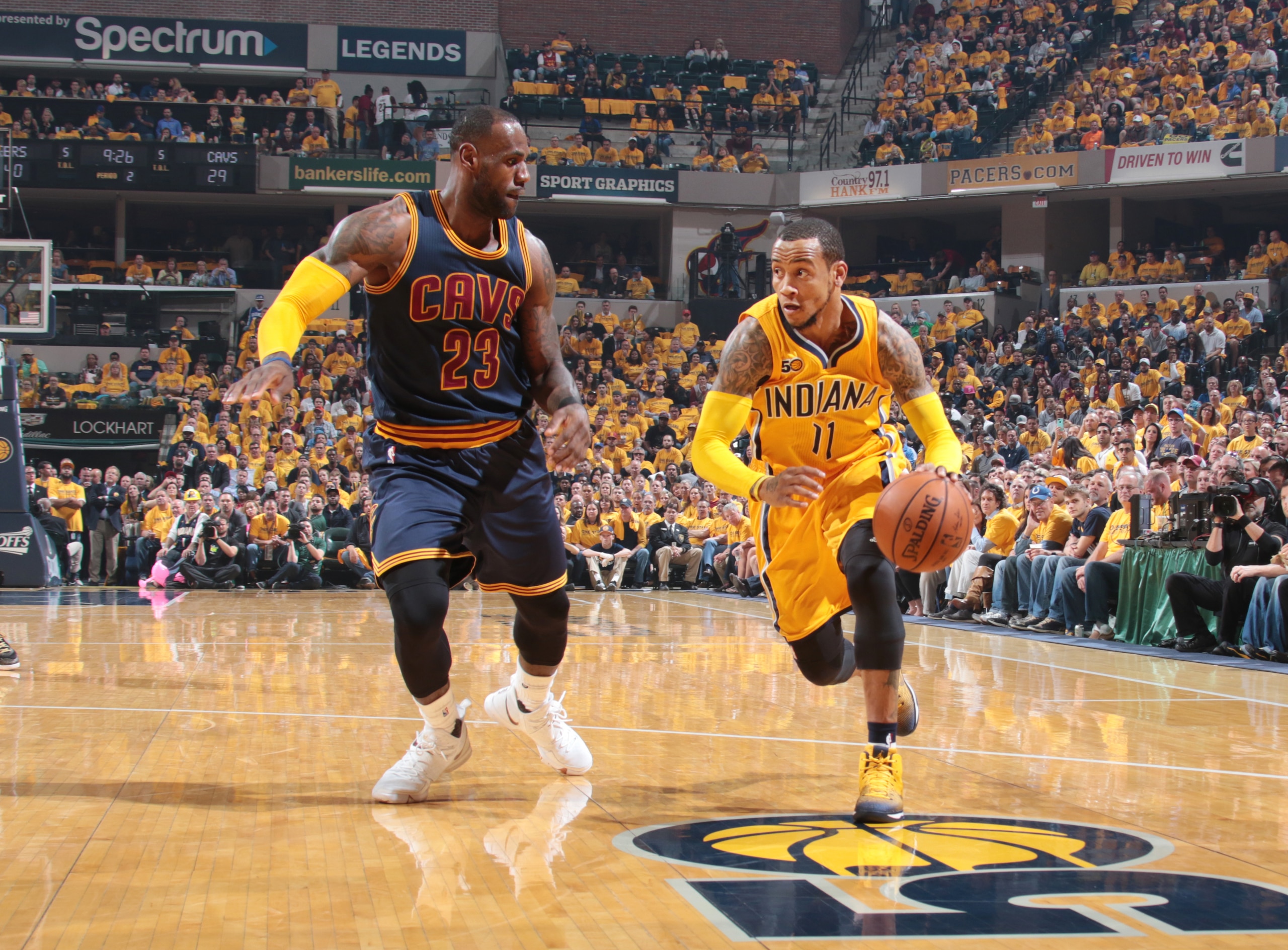
Position: SG
Age: 31
2016-17 Per-Game Stats: 8.5 points, 2.8 rebounds, 3.2 assists, 1.1 steals, 0.4 blocks (for Indiana Pacers)
As Alex Siquig penned for RealGM in a beautifully written piece about Monta Ellis' growing irrelevance in today's NBA, the 2-guard's style of play doesn't mesh with teams' desired styles in 2017-18:
"Monta Ellis would be a star in China, or Turkey, or Russia, or the Philippines, or Lebanon. But it's not personal, it's systemic. The prototype that Monta typifies is in imminent danger of extinction: the [undersized] ball-dominant slashing guard who doesn't reliably punish you from range.
"The 20-foot jumper maestro, pounding the ball like he means it harm, content to go iso against increasingly sophisticated defenses and just sort of hope for the best. Monta was a rags-to-riches story and now he's an anachronism. That's just the stipend of existence."
Ellis hasn't shown any ability to change his offensive game. He remains a do-or-die slasher coming off a season in which he took just 1.8 triples per game and connected at a 31.9 percent clip—slightly worse numbers, as one example, than Domantas Sabonis, who struggled with his jumper throughout a disappointing rookie campaign. Raymond Felton posted the same marks, if you're looking for another comparison.
And yet, slashers do have some enduring value, and this 2-guard finished 2016-17 in the 88.6 percentile for points per cutting possession. Teams want scoring sparks who can come off the pine and provide instantaneous injections of offense, and it doesn't hurt that Ellis has spent the last few years refining his prevention skills under the supervision of defensive-minded head coaches.
Is he a good defender? Of course not. But he has posted the only two above-average defensive box plus/minuses of his career in the last two seasons, and he fared rather well both in isolation and when guarding pick-and-roll ball-handlers during his last year with the Indiana Pacers.
Kris Humphries
3 of 5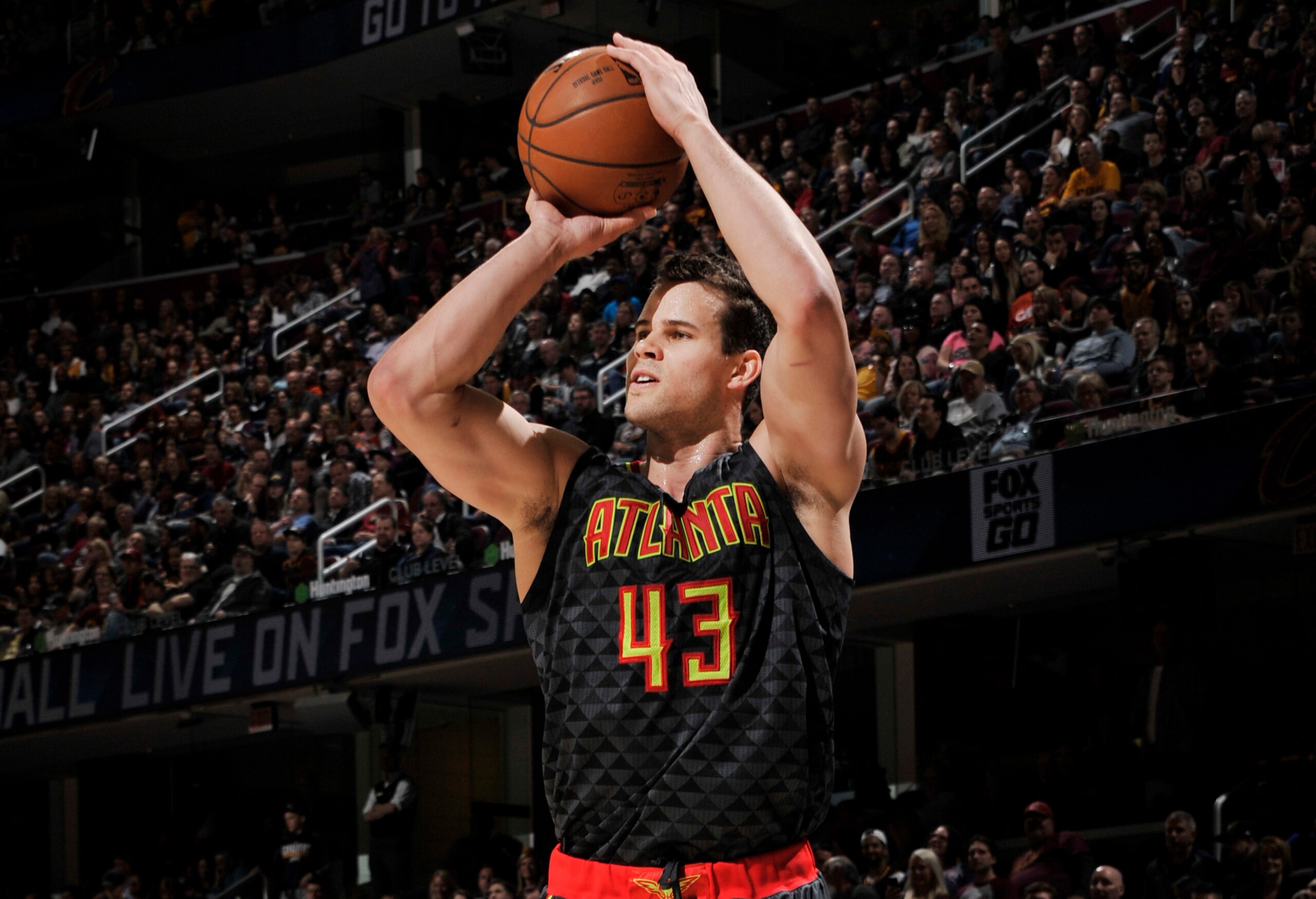
Position: PF
Age: 32
2016-17 Per-Game Stats: 4.6 points, 3.7 rebounds, 0.5 assists, 0.3 steals, 0.4 blocks (for Atlanta Hawks)
The Philadelphia 76ers may have waived Kris Humphries after he failed to turn a training-camp opportunity into an actual roster spot, but that shouldn't be viewed as a condemnation of his value.
An up-and-coming squad in the Eastern Conference, Philly doesn't need to dedicate time or space to a 32-year-old big when it already has access to Joel Embiid, Ben Simmons, Robert Covington, Dario Saric, Richaun Holmes, Amir Johnson, Justin Anderson, James Michael McAdoo and Jahlil Okafor, all of whom are capable of playing at the 4 and/or 5.
Somewhat sneakily, Humphries was effective for the Atlanta Hawks last year in limited run. He only played 12.3 minutes per game, but that was enough for him to show his enduring rebounding chops, ability to serve as a stretch 5 and surprisingly effective defense on the inside of schemes. Facing three shots per game while stationed at the rim, he held opponents to 49.7 percent shooting—by no means a mark at which you should just sniff.
But defense still wasn't his speciality. It won't get him his next opportunity, and neither will his 10.8 rebounds per 36 minutes.
Shooting will.
Prior to the 2015-16 campaign, which Humphries spent with the Washington Wizards, Phoenix Suns and Hawks, he'd gone 2-of-26 from beyond the arc throughout his professional career. Both makes came for the Utah Jazz during his rookie season all the way back in 2004-05. Since then, he's taken 3.8 attempts per 36 minutes and saw his conversion rate rise to 35.2 percent during this last go-round.
He's leaning into the modern trend, and that should get him a look with a team in need of more stretchiness from the biggest positions and in possession of less frontcourt clutter than the Sixers.


David Lee
4 of 5
Position: PF
Age: 34
2016-17 Per-Game Stats: 7.3 points, 5.6 rebounds, 1.6 assists, 0.4 steals, 0.5 blocks (for San Antonio Spurs)
After the best defensive season of his career, one in which he also continued to show off his offensive skill, David Lee isn't returning to the San Antonio Spurs.
But that's more a testament to the growth of Davis Bertans and the onboarding of Rudy Gay than a knock against the 34-year-old's current ability. In the right home, he can continue to provide positive value, just as he did for head coach Gregg Popovich while filling a more specialized role.
Lee isn't going to knock down any triples. He didn't take a single attempt from beyond the arc in 2016-17 and hasn't successfully converted a deep look since making the only trey of his career for the 2010-11 Golden State Warriors. Even with the improvements, he's still largely a defensive liability, though he proved he could hold his own when given limited space to cover.
His value stems largely from his offensive skill, as Bruno Passos broke down for Pounding the Rock:
"Lee...played with more urgency—no Spur held onto the ball for less time (1.07 seconds per touch) than he did. When he wasn't patrolling the paint to catch a drop-off [he was second on the team in and-1 plays], he was ambulating around the perimeter, seeking out cutters or simply keeping the ball moving...
"Like [Boris] Diaw, Lee oiled the gears of the Spurs' attack. His activity consistently opened up passing lanes and created room for ball-handlers to work, making up for teammates that lacked their own shot-creating ability. He managed to improve the offense's spacing, despite never taking a three and with 80 percent of his shots coming around the rim. There's a broad understanding of Spurs-y qualities, but Lee certainly seemed to embody them with his heady, unselfish play."
It's these qualities that should still make him desirable.
He can finish plays around the rim with veteran craftiness that supersedes athletic limitations. He can hit open shooters while rolling to the hoop and making difficult skip-passes to the corners. He can help a team on the scoring end, just as he did last year by helping boost San Antonio's offensive rating by 2.3 points per 100 possessions while he was on the floor.
Deron Williams
5 of 5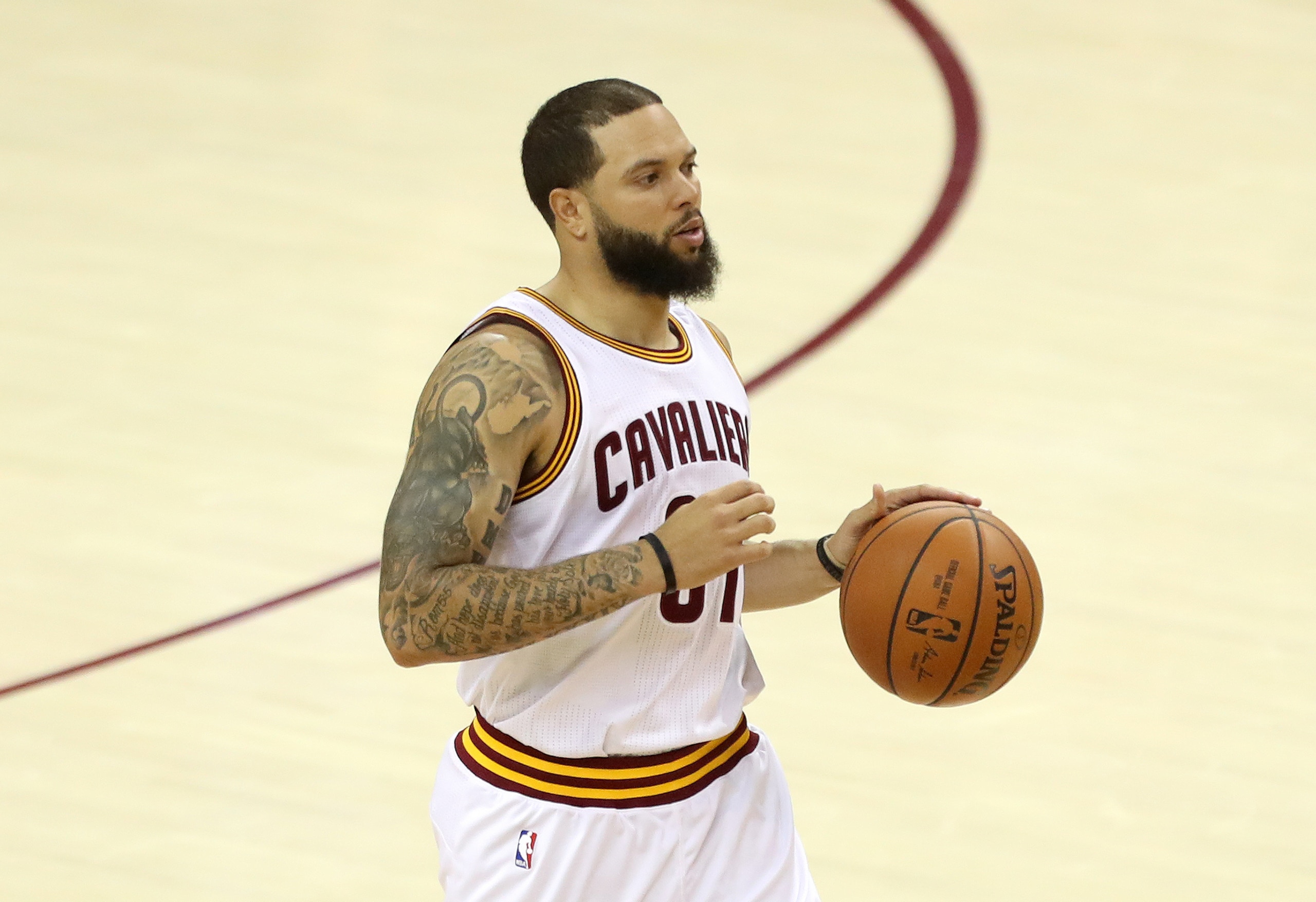
Position: PG
Age: 33
2016-17 Per-Game Stats: 11.0 points, 2.3 rebounds, 5.6 assists, 0.5 steals, 0.1 blocks (for Dallas Mavericks and Cleveland Cavaliers)
Deron Williams was, admittedly, atrocious against the Golden State Warriors throughout the final series of the year. He drained just two of his 16 field-goal attempts, barely recorded more assists (six) than turnovers (five) and played horrid defense against whoever the Dubs threw at him.
Just don't let one string of poor performances convince you he can't still make an impact in the NBA.
That's only a five-game sample, and it shouldn't override his offensive production throughout the rest of the year. Even in the playoffs, he was shooting 54.2 percent from the field, 50.0 percent from downtown and 90.9 percent at the stripe prior to the biggest boss battle.
Williams is a defensive liability at this aged stage of his career, and he's not spry enough to beat players off the dribble with overwhelming frequency. He might occasionally unveil a devastating combo of dribble moves with a crossover that momentarily freezes his foe, but his diminished foot speed makes it tougher for him to capitalize on that split-second advantage and forces him to keep his eyes up as he attacks the basket.
He can, however, stroke in three-pointers (41.5 percent on 2.2 attempts per game in 24 regular-season contests with the Cleveland Cavaliers) and use his passing vision to find open teammates. He's a situational player, but acceptance of a bench role would still allow him to boost a team's chances on the scoring end.
Adam Fromal covers the NBA for Bleacher Report. Follow him on Twitter: @fromal09.
Unless otherwise indicated, all stats from Basketball Reference, NBA.com, NBA Math or ESPN.com.

.jpg?w=2560 "Grading WWE Raw 🔠")

.jpg?w=2560 "Bijan's INSANE 1st Half 🤩")
.jpg?w=2560 "Viral Rams Coach Vid 🖕")
.jpg?w=2560 "Injury-stricken Seahawks signing veteran RB")

.jpg?w=2560 "2 NFL Officials Suspended")