
Best- and Worst-Case Scenarios for Top 2017-18 NBA Rookies
Will Ben Simmons live up to his preseason hype? Can Lonzo Ball recover from his October ankle injury and offer Lakers fans real hope for the first time in years? Will we see hints that Markelle Fultz can be a future perennial all-star?
Or are we looking at busts?
Only one way to find out: let's play best-case, worst-case for 2017-18 rookies.
Each best-case scenario reflects what a player could look like in his prime if he maxes out his potential. The worst-case is what happens if the prospect makes minimal improvement and struggles with the transition from college (or overseas) to the pros.
Here, let's look at the best- and worst-case scenarios for the higher-profile rookies expected to see minutes in 2017-18.
Ben Simmons (Philadelphia 76ers, PG/PF)
1 of 13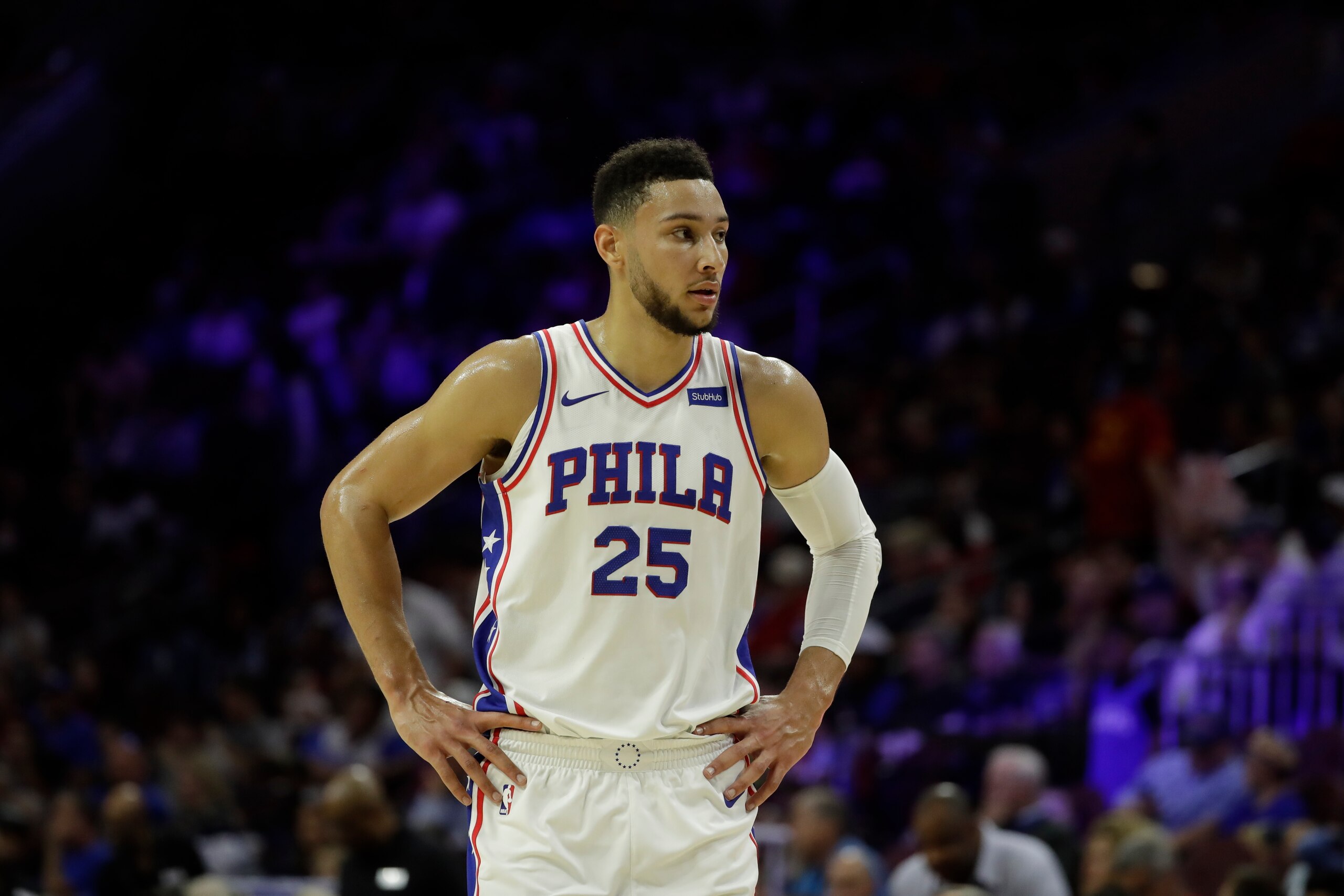
Best-Case Scenario
Ben Simmons is given control of the Philadelphia 76ers offense and excels, establishing himself as one of the game's toughest covers for his size, speed, coordination and playmaking.
Simmons' signature strength is his ability to create easy shots for teammates due to his ball-handling, vision and height to pass over the top. In a best-case scenario, it leads to a far more effective offense than the one that finished last in efficiency this past season.
Peak Simmons puts up 2016 Draymond Green numbers—14.0 points, 9.5 rebounds, 7.4 assists—after a few seasons of gradually improving his three-point stroke and transforming the Sixers into Eastern Conference playoff threats.
Worst-Case Scenario
Simmons struggles to score without a pull-up jumper or shooting range. He never develops the skills to create or make his own shot away from the basket.
Dominating the ball, he also takes away from Markelle Fultz, who winds up struggling in an off-ball role.
Questions about his competitiveness and defensive effort, which were asked at LSU, also resurface.
Markelle Fultz (Philadelphia 76ers, PG/SG)
2 of 13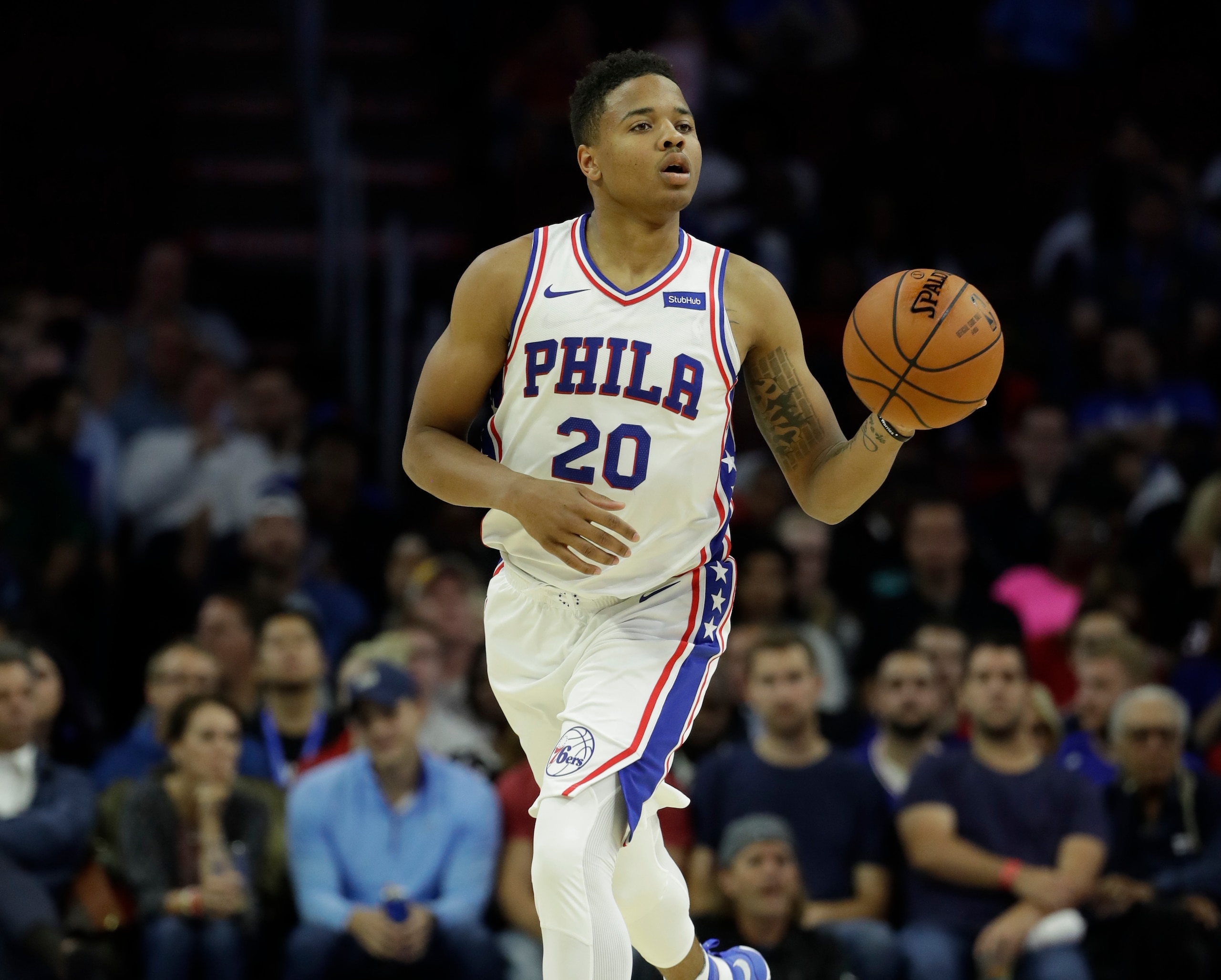
Best-Case Scenario
Markelle Fultz's effortless scoring carries right over from college. He quickly emerges as a dangerous No. 2 option behind Joel Embiid. A few years later, he gives the 76ers their third All-Star, joining Embiid and Simmons.
Fultz winds up doing most of his damage with a scoring punch, but like James Harden, his dribble creativity and crafty change of speed also translate to playmaking. He becomes a total-package guard, the ideal type to pair with a go-to big man and passing point forward.
Worst-Case Scenario
Fultz has trouble adapting to an off-ball role alongside Simmons, the more natural facilitator who also needs the rock.
We learn Fultz's strangely low 64.9 percent free-throw mark at Washington was an indicator. He suffers from an erratic jumper and struggles finishing at the rim, leading to inconsistent scoring.
His casual approach becomes another talking point of criticism. Fultz's killer instinct and hatred for losing are questioned, and eventually, so is his credibility as the No. 1 overall pick.
Lonzo Ball (Los Angeles Lakers, PG)
3 of 13
Best-Case Scenario
Lonzo Ball's influence creates a free-wheeling, uptempo offense that leads to breakout years for Brandon Ingram, Julius Randle and Kentavious Caldwell-Pope. He finishes near the NBA's assist leaders as a rookie and the Los Angeles Lakers making a big jump in the standings.
His contagious unselfishness and unique IQ result in easier shot selection for everyone, which propels the team's 24th-ranked offense in into the NBA's top 10. He did the same at UCLA, where he transformed the Bruins' 51st-ranked offense into the second-best in the country, per KenPom.com.
On top of maximizing the talent on L.A.'s roster, Ball also approaches the 40 percent mark from three, squashing questions about his unorthodox shooting release.
Worst-Case scenario
Ball struggles to score, and the Lakers are unable to get stops. They finished last in defensive efficiency this past season, and the additions of Ball, Caldwell-Pope and Brook Lopez aren't likely to rocket them up the defensive rankings.
L.A. coaches will be banking on Ball's offensive prowess, but they shouldn't count on volume scoring. Since he isn't overly explosive, he could struggle creating and finishing in the half court. If the three-ball isn't falling and transition opportunities aren't there, he'll have a tough time reaching double figures.


Jayson Tatum (Boston Celtics, SF)
4 of 13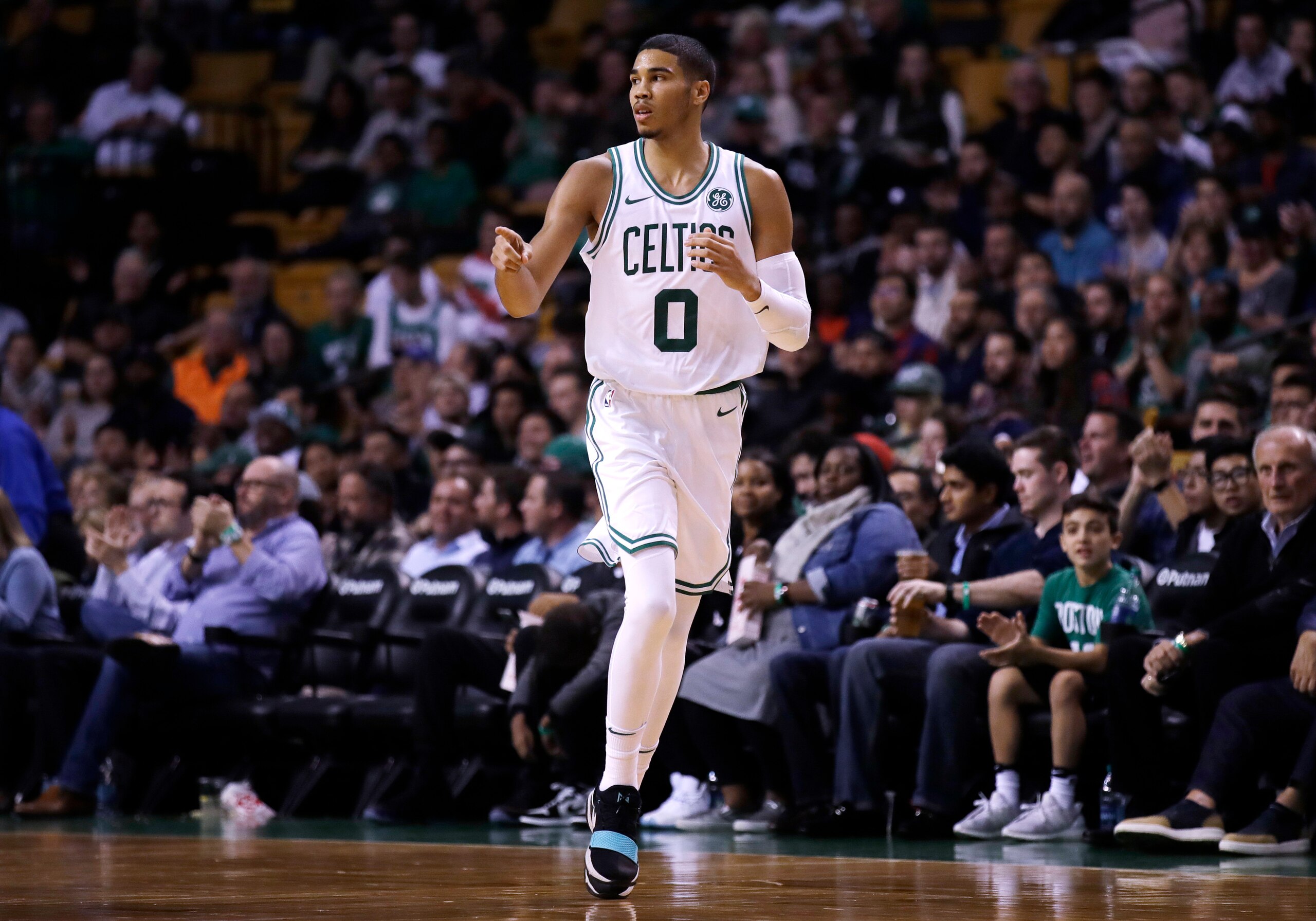
Best-Case Scenario
Boston Celtics head coach Brad Stevens decides his toughest lineup is small and positionless. Jayson Tatum plays starter minutes, as well as playoff minutes, with Kyrie Irving, Gordon Hayward, Al Horford and either Marcus Smart or Jaylen Brown.
In that situation, Tatum works as the 4, using his quickness and perimeter skills to create a mismatch against slower bigs. His scoring ability immediately carries over, which causes Boston to regularly feature him in the pinch post as a one-on-one weapon.
He'll quickly get comfortable with the NBA arc and show the high-level shot-making we saw at Duke and summer league can be consistent rather than streaky.
Maximizing his potential would mean multiple All-Star appearances.
Worst-case scenario
Tatum struggles with the three-ball and shot selection, taking too many contested two-point jumpers and having trouble scoring within the flow of the Celtics offense.
If he can't score efficiently, he may not be playable in a full-time role this season, assuming he won't be offering specialty playmaking, defense or rebounding. Tatum shoots a poor percentage from the floor and racks up more turnovers than assists (which he did at Duke), causing Stevens to opt for his veteran role players.
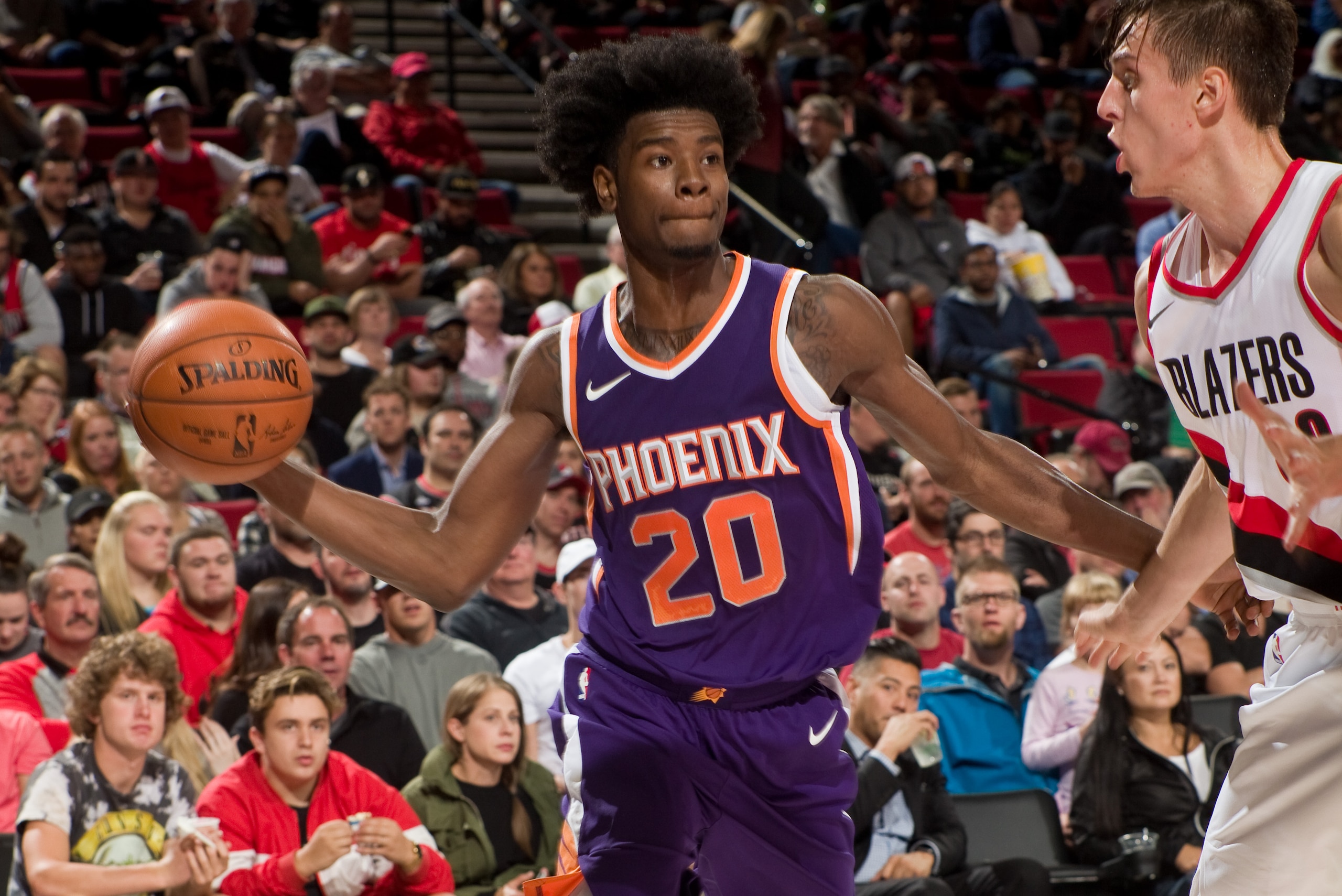
Josh Jackson (Phoenix Suns, SF)
5 of 13
Best-Case Scenario
The Phoenix Suns just rewarded TJ Warren with an extension, but they also finished 28th in defensive efficiency and already have volume scoring weapons in Eric Bledsoe and Devin Booker. Josh Jackson's defense earns him early minutes, giving him time to improve his shooting.
He'll build value for his ability to guard multiple positions and bring athleticism and intensity. In the meantime, he works out the kinks with his jumper, helping him to become a more complete scorer off the dribble and ball. And he continues to expand his playmaking capability, resulting in him emerging as a two-way point wing similar to Andre Iguodala in his prime.
Worst-Case Scenario
Jackson never improves as a shooter or shot-creator and winds up settling into an energy role off the bench. In this scenario, his skill development stalls like Michael Kidd-Gilchrist's.
If things go awry, we'll find out his size and quickness don't automatically translate to plus defense, much like how it hasn't for Andrew Wiggins. Jackson also struggles to control his emotion and frustration, which leads to mental lapses and technical fouls.
Kyle Kuzma (Los Angeles Lakers, PF)
6 of 13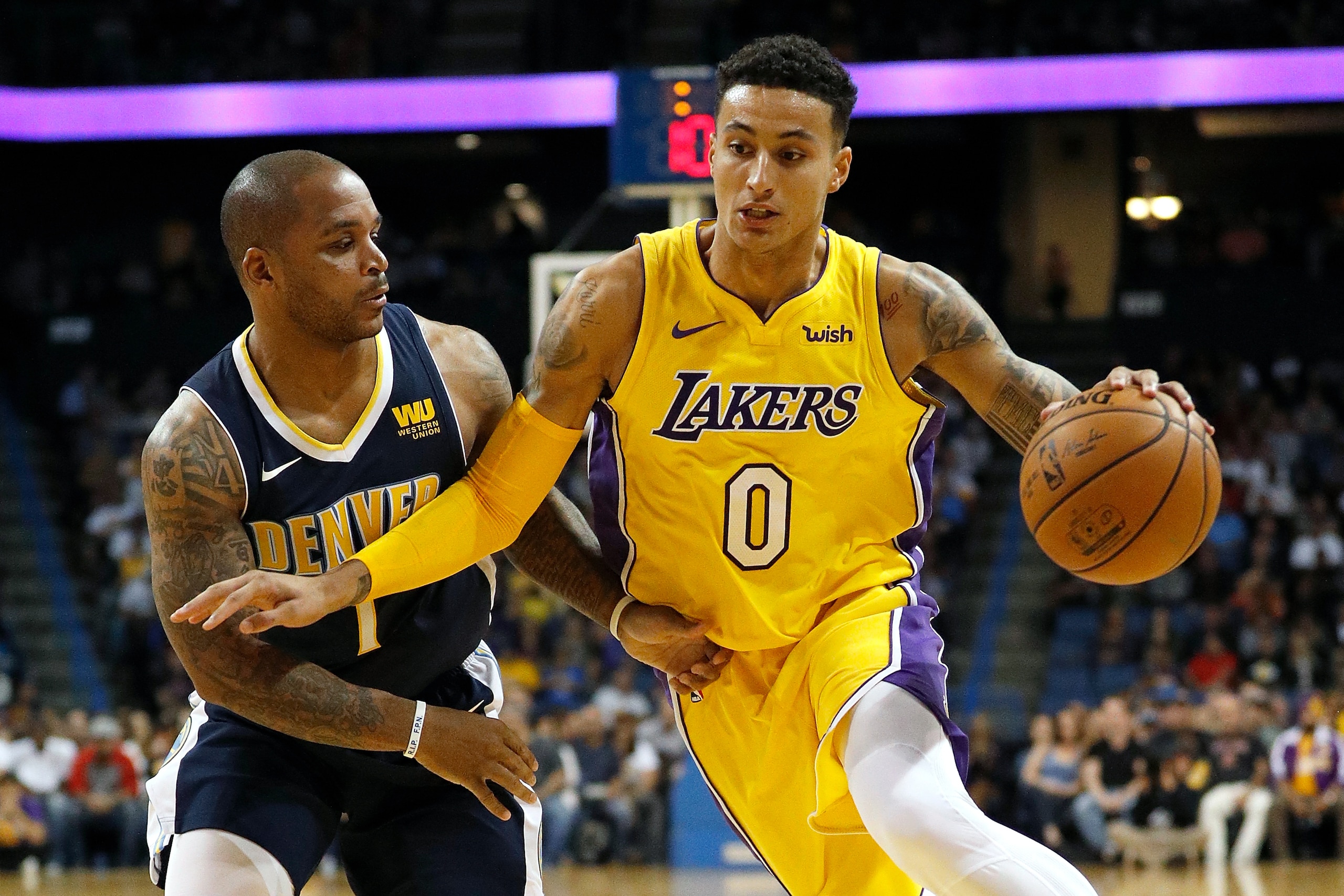
Best-Case Scenario
Kyle Kuzma is the steal of the draft. He's already put himself in the conversation by averaging 21.9 points in Las Vegas summer league and 21 through three preseason games. He leapfrogs Julius Randle and even makes him expendable at the trade deadline.
Kuzma, who's already seemed to develop chemistry with Lonzo Ball, has the game to emerge as a long-term starter for his scoring versatility and passing. He fits the exact description NBA coaches now want in their 4s.
If the early post-Utah success isn't a fluke, he continues making threes, working the post and making plays in transition.
Worst-Case Scenario
Kuzma just got hot in the summer and falls back to Earth during the regular season.
He only made 51 career threes in 96 college games. He shot below 67 percent from the free-throw line in all three NCAA seasons. We find out his jumper is actually streaky, and that he struggles executing efficiently inside the arc against quicker, more explosive NBA starters.
Kuzma's notably low block (0.6 per 40 minutes) and steal (0.8 per 40) rates at Utah last year wind up being indicators as well. He has trouble adding defensive value.
Still, he's too sharp and fluid with the ball. Kuzma's floor: offensive specialist off the bench.
De'Aaron Fox (Sacramento Kings, PG)
7 of 13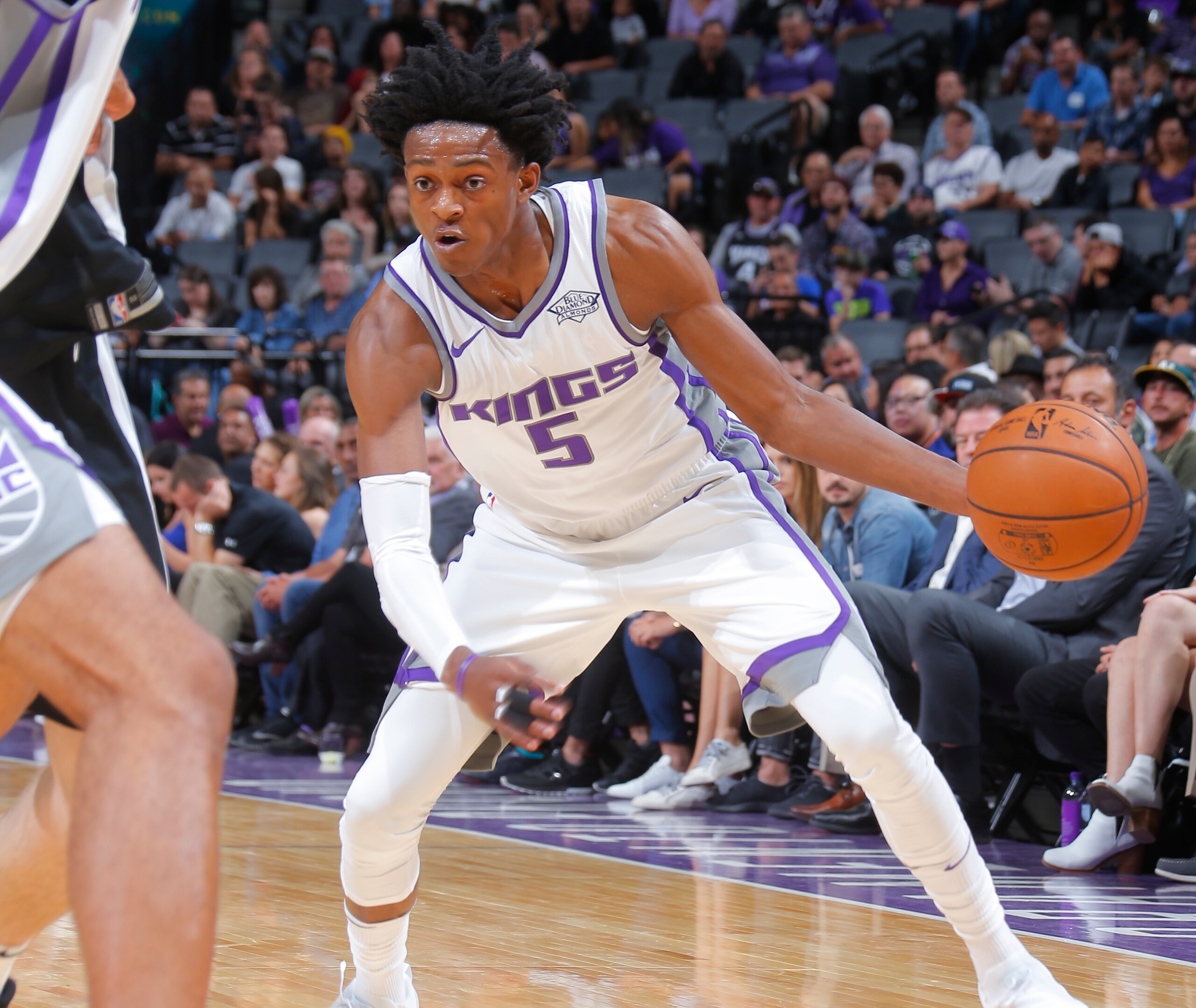
Best-Case Scenario
The Sacramento Kings start De'Aaron Fox, move George Hill to the 2 and Buddy Hield to sixth man. Fox plays through mistakes early on, specifically missed jumpers, until his shooting confidence and accuracy start improving.
He becomes threatening enough from outside, the way Mike Conley did, and then sets himself apart from other point guards with explosive athleticism, attacking and pressure defense.
Worst-Case Scenario
Fox never improves his shooting and falls into the Elfrid Payton tier that features serviceable starters—just not stars.
He struggled in college and summer league behind the arc and doesn't have a consistent pull-up jumper. And though his penetration naturally leads to assist opportunities, his pick-and-roll passing instincts didn't stand out at Kentucky (4.6 assists to 2.4 turnovers a game).
Fox can't develop his jumper or facilitating, and he becomes more of a spark than lead guard.
Donovan Mitchell (Utah Jazz, SG)
8 of 13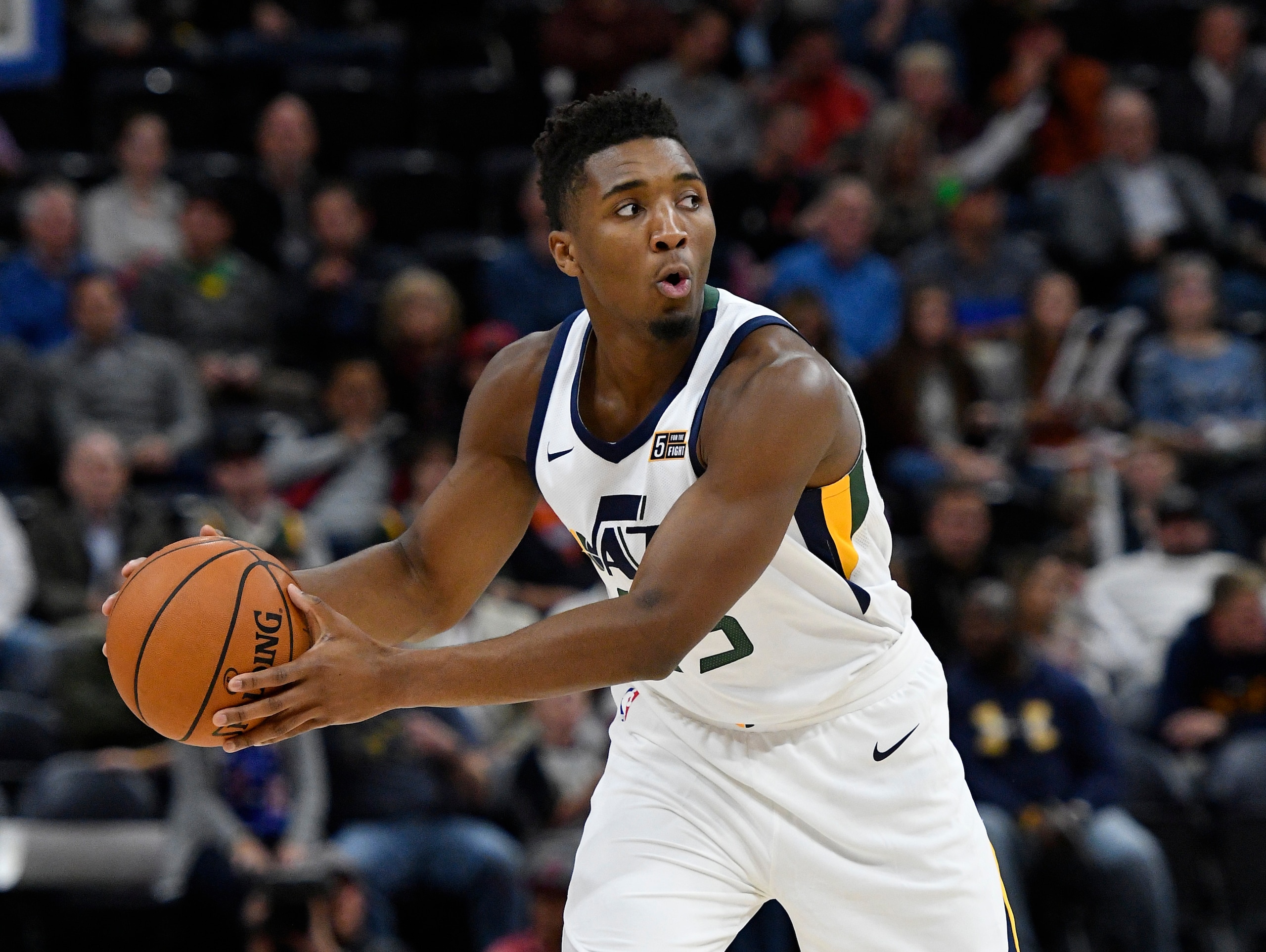
Best-Case Scenario
A breakout sophomore at Louisville and summer league star, Donovan Mitchell is suddenly one of the NBA's most intriguing rookies. The Utah Jazz just landed an explosive scoring combo, unique for his ability and defensive acumen.
It quickly becomes evident that Mitchell must start, moving Rodney Hood to small forward. The first season, Mitchell gives the Jazz a streaky-yet-potent scorer, capable of going off with flurries of tough jumpers and timely drives. Over the years, he will become more consistent offensively and fall under the Monta Ellis-Eric Gordon umbrella.
Only he's far more explosive than most in that group, and unlike many microwave guards, he can cause problems defensively with his quickness, strength and monster length. Mitchell maximizing his potential makes him a long-term two-way starter.
Worst-Case Scenario
Mitchell struggles with shot selection and consistency. He creates and makes plays for teammates, but not well enough to be a lead ball-handler. Instead, he's best used as a spark off the bench who can score in bunches and often settles for low-percentage shots and go through slumps.
Frank Ntilikina (New York Knicks, PG/SG)
9 of 13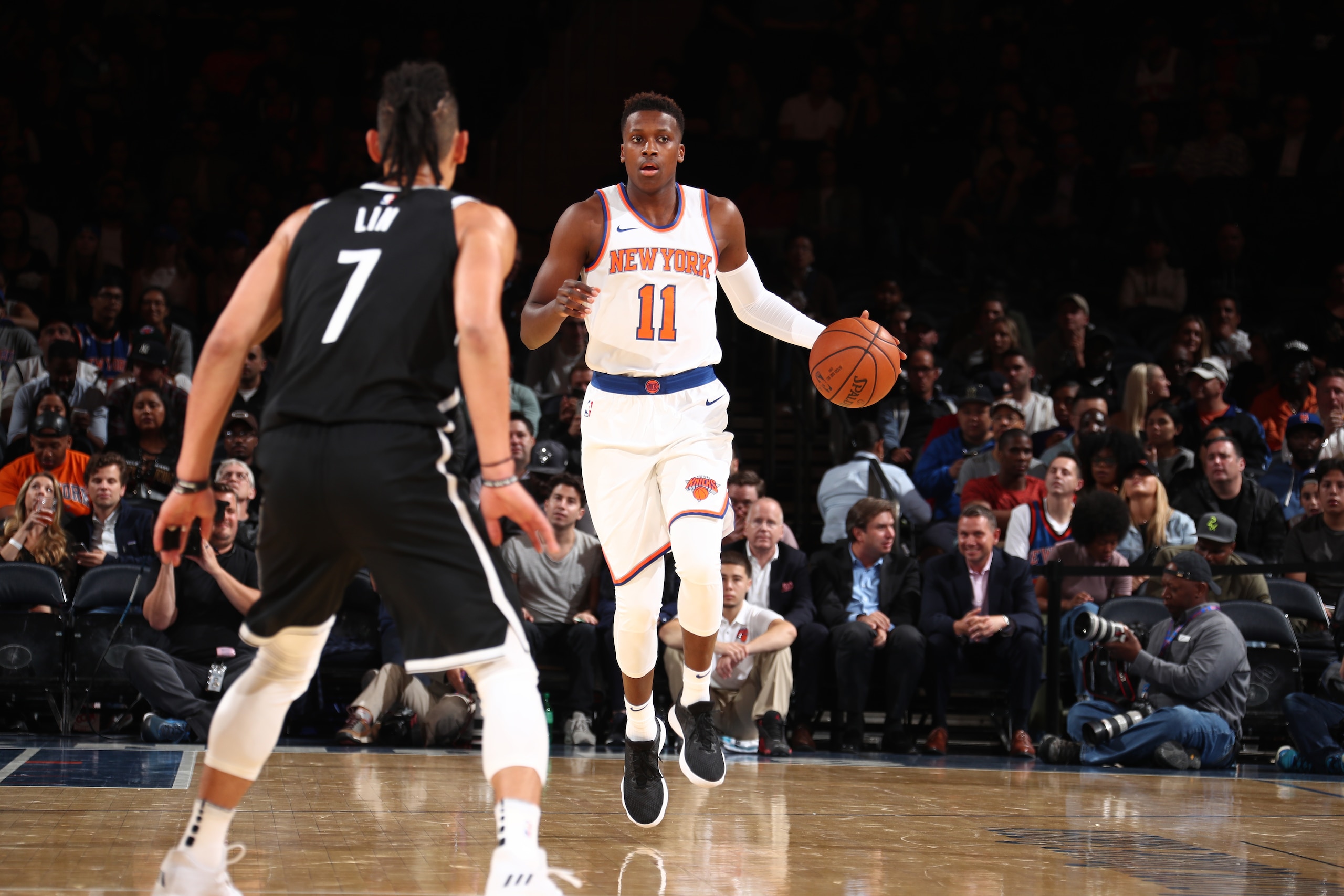
Best-Case Scenario
Frank Ntilikina wins over head coach Jeff Hornacek with his defense, which could be the toughest on the team. Eventually, Ntilikina will establish credibility as one of the league's premier perimeter defenders, capable of locking down, guarding multiple positions and forcing turnovers.
He won't offer much scoring as a rookie or sophomore, but in that time, he will progress as a shooter, finisher in the lane and pick-and-roll facilitator.
He emerges as a Malcolm Brogdon-type, three-and-D guard right away. Ntilikina will then take a step each year with his body, pull-up game and creating.
Worst-Case Scenario
Ntilikina's lack of explosiveness hurts in multiple areas, including the ability to blow by off the dribble and covert at the rim. He won't have much of a stop-and-pop game or floater, which will make it difficult to score in volume.
No quick first step also means fewer playmaking opportunities.
Ntilikina's floor is a disruptive defender who can spot up and play setup man off ball screens. But it may be in a Dante Exum-like backup role.
Jonathan Isaac (Orlando Magic, PF)
10 of 13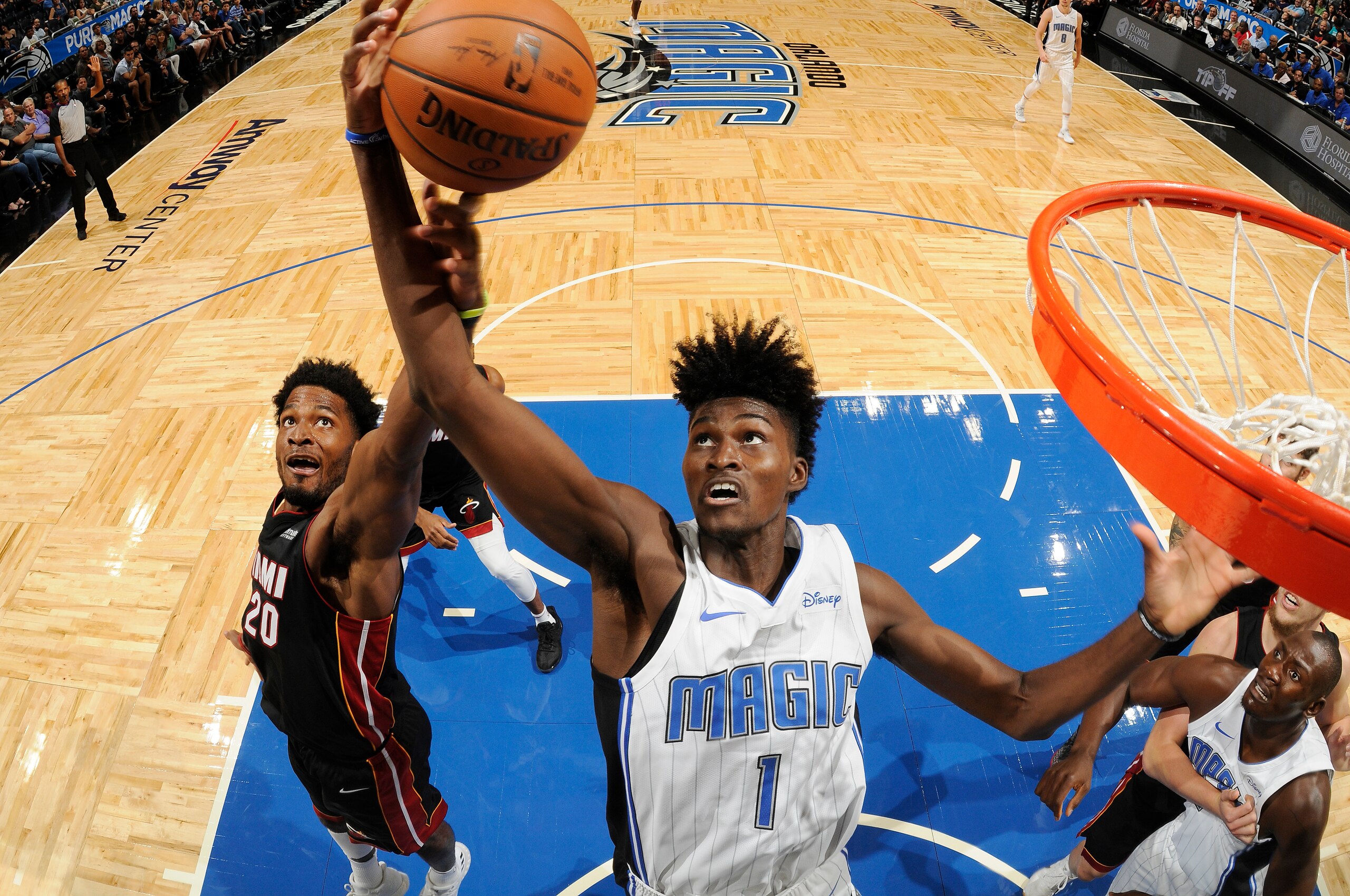
Best-Case Scenario
Jonathan Isaac distinguishes himself with his ability to block shots and guard the perimeter.
But there is also a towering offensive ceiling for Isaac. At 6'10", he plays like a wing with his ball-handling, pull-up jumper and three-point range. He logs most of his minutes at power forward, where his quickness and face-up game are most advantageous.
He continues to improve as a shot-creator and shooter to emerge as one of the league's most unique two-way forwards.
Worst-Case Scenario
Isaac's defense, rebounding, bounce around the rim and basketball IQ create a high floor. But he doesn't offer playmaking, and at 205 pounds, he struggles against stronger bigs.
If Isaac doesn't become a tougher cover off the dribble, he still settles in as a three-and-D role player.
Dennis Smith Jr. (Dallas Mavericks, PG)
11 of 13
Best-Case Scenario
The Dallas Mavericks just found their next All-Star point guard.
It's easy to picture Dennis Smith Jr.'s college production and game translating. An explosive athlete with a score-first mentality, Smith has drawn comparisons to players like Steve Francis and Baron Davis.
If everything comes together, we'll see his three-point shooting and decision-making improve and his scoring average reach the mid-20s.
Worst-Case Scenario
Smith still produces, but at a cost. He overdribbles or takes bad shots and struggles to efficiently run the Mavericks offense.
His three-ball never develops, and defenses pick up on it. They take away his driving, forcing him to become more of a jump-shooter.
He'll put up points, but he won't finish among the assist leaders or make his teammates better.
Lauri Markkanen (Chicago Bulls, PF)
12 of 13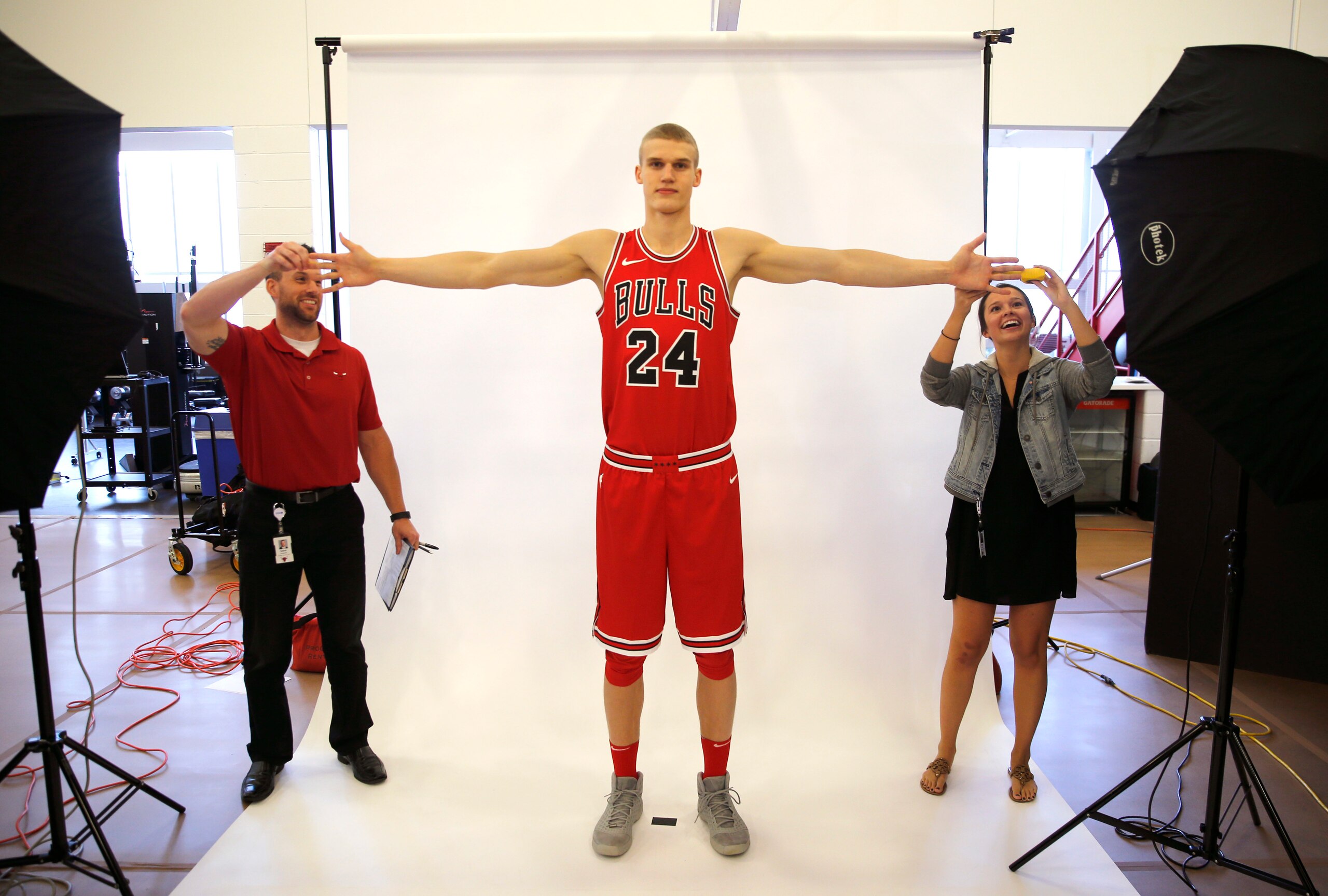
Best-Case Scenario
Lauri Markkanen becomes one of the league's top shooters, but he also is a unique-scoring big man. He isn't the athlete that Kristaps Porzingis is, but for a 7-footer, he can do similar things offensively with his perimeter skills.
He develops his shot-creating with pull-ups, step-backs, drives and fallaways in the post.
Markkanen also guards away from the basket, making him an asset in pick-and-roll coverage.
He's the long-term answer at power forward for the Chicago Bulls.
Worst-Case Scenario
Markkanen struggles with physicality. He can't get as much separation one-on-one and isn't strong around the basket, where he struggled to rebound and block shots at high rates in college.
Worst case, nothing translates but his shooting, turning Markkanen into a specialist.
Malik Monk (Charlotte Hornets, SG)
13 of 13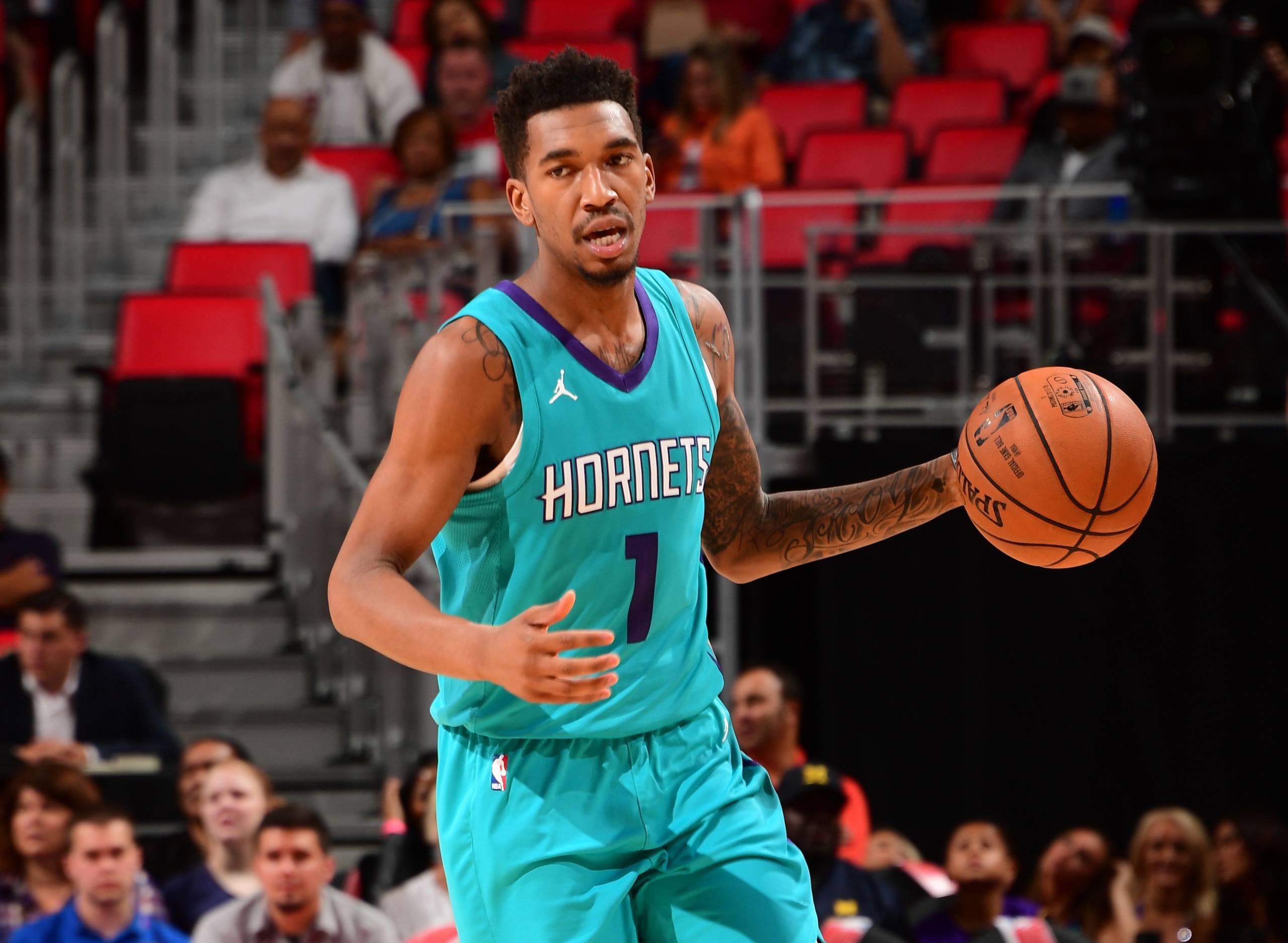
Best-case scenario
The Nicolas Batum injury allows Malik Monk to play right away. He'll begin his career scoring in bunches off the bench, but he'll become too potent to stay in that role.
A best-case Monk is an elite shot-maker and routine threat for 20-plus points. But he also improves his handle and ability to make plays for others. He adds "combo" to his label and follows in the path of Ben Gordon.
Worst-case scenario
Monk's jumper-heavy shot selection leads to inconsistency, making him more of a sixth man than starter.
He is a scoring specialist as opposed to a well-rounded guard. Monk only works off the ball and doesn't show much as a creator. And he doesn't offer any defensive value without size or length.

.jpg?w=2560 "Grading WWE Raw 🔠")

.jpg?w=2560 "Viral Rams Coach Vid 🖕")

.jpg?w=2560 "Injury-stricken Seahawks signing veteran RB")
.jpg?w=2560 "Bijan's INSANE 1st Half 🤩")