
NFL1000: Week 1 Weekend Preview
As the NFL begins its 98th season, we at B/R's NFL1000 scouting project begin our second, and we're very excited about what we'll be doing this season.
Paramount among those offerings is our weekly preview, in which our scouts take a forensic look at the upcoming Sunday and Monday matchups.
Week 1 of the 2017 NFL season has several compelling games. The Packers and Seahawks face off in what could be a battle for supremacy in the NFC. The Raiders and Titans, two ascending AFC teams, look to get off on the right foot against each other. The Sunday night game that features the Giants and Cowboys seems guaranteed to thrill.
For us, it's the little things that count. How players in new situations might perform. Whether teams that have attempted to overhaul underperforming units have done all that's needed. And of course, how rookies will fare under the NFL's harsh spotlights.
Our team of scouts is ready for the challenge:
Lead Scout: Doug Farrar
Quarterbacks: Mark Schofield
Running Backs/Fullbacks: Mark Bullock
Receivers/Tight Ends: Marcus Mosher
Offensive Line: Ethan Young
Defensive Line: Justis Mosqueda
Linebackers: Derrik Klassen
Secondary: Ian Wharton
Let's get ready for Week 1 of the 2017 season with these matchup previews.
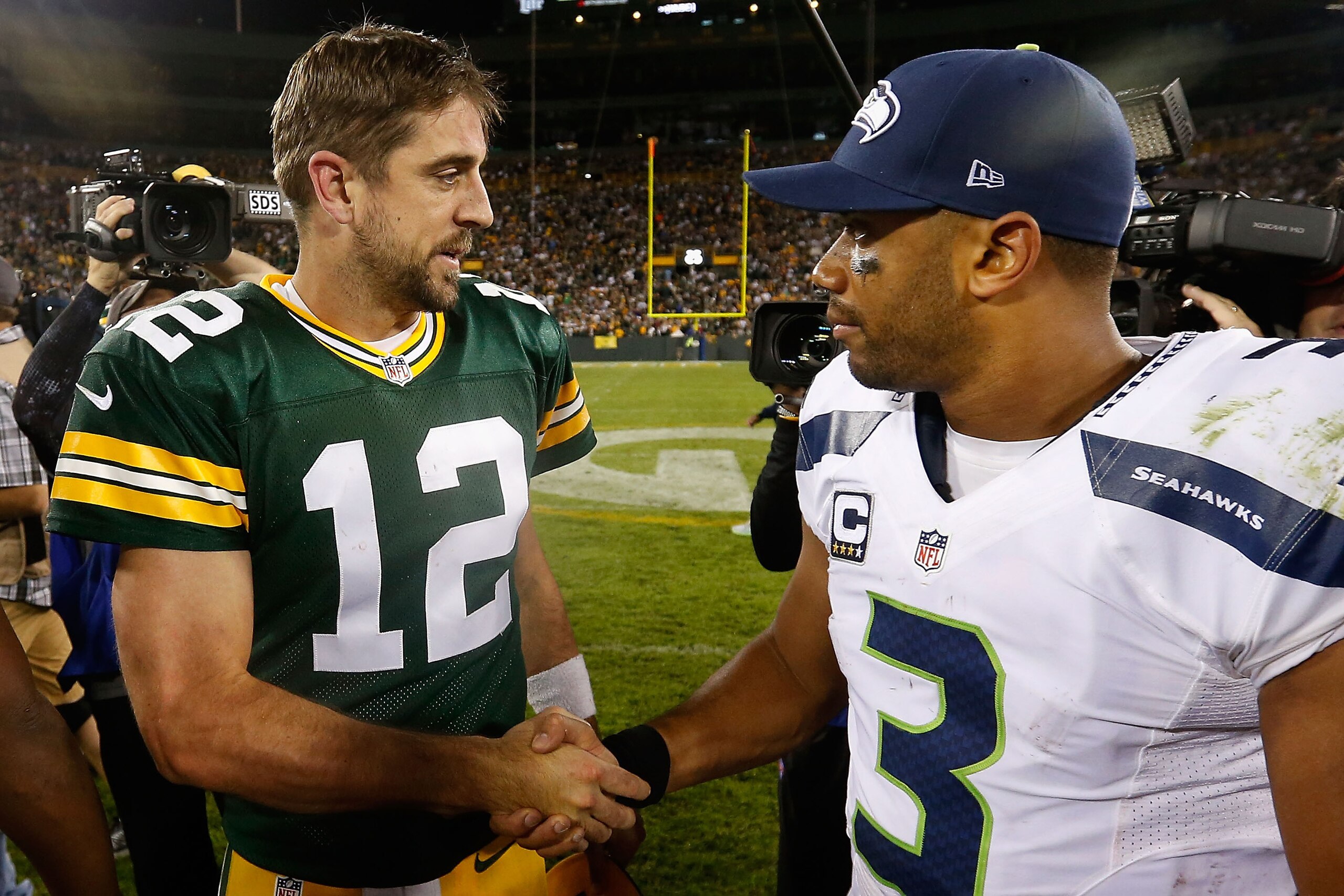
Sheldon Richardson Makes Seattle 'D' Virtually Unblockable for Green Bay, NFC
1 of 15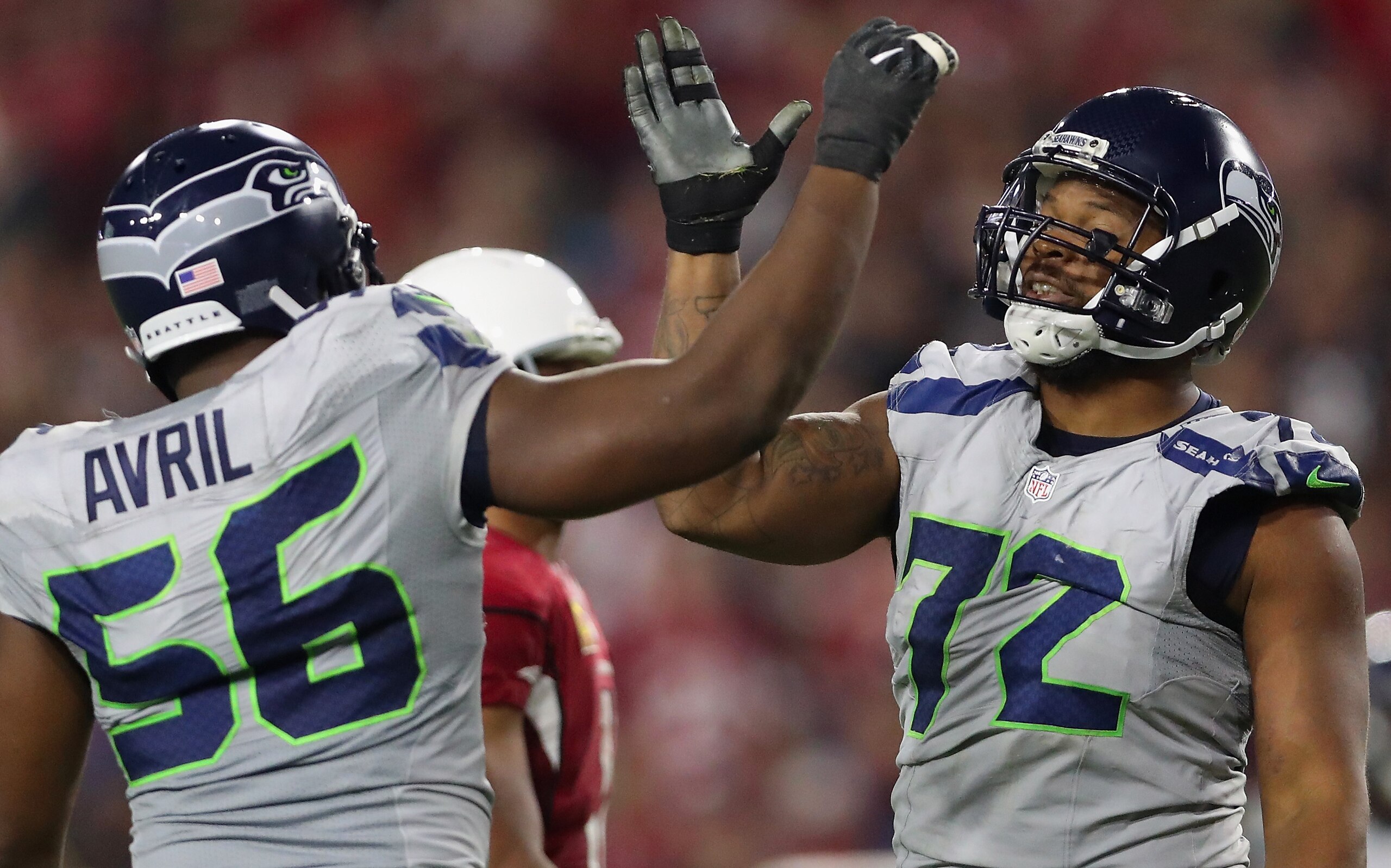
Sometimes it doesn't take an opponent to negate the positive effects of a player. A player's coaching staff can do it through questionable implementation of that player's talents.
Such was the case for defensive lineman Sheldon Richardson and the New York Jets in 2016. With Richardson, Muhammad Wilkerson and Leonard Williams on his defensive line, Jets head coach Todd Bowles decided to move Richardson around, playing him far too often at the EDGE and outside linebacker positions.
This was a farce. Richardson stands 6'2" and weighs about 300 pounds, and he's one of the more dominant interior linemen in the league with his combination of power and agility. To move him into situations that do not frame his talents optimally is bad coaching. It showed on the field, as Richardson failed to rank among the top five at his position in Pro Football Focus' Pass-Rushing Productivity metric since his rookie season of 2013.
But with his trade to the Seahawks for receiver Jermaine Kearse and a 2018 second-round pick, you can expect to see a lot more from Richardson in the coming season. Seattle head coach Pete Carroll has a long history of knowing how to get the best out of defensive linemen, and you can imagine he's salivating at the opportunity to put a guy with Richardson's talents on the field—especially with a defensive line that already includes Michael Bennett, Cliff Avril and Frank Clark.
It remains to be seen how many snaps Richardson will get in Seattle's Week 1 game against the Packers in Green Bay, but when he is in the game, you can expect him to be used primarily as a 3-tech tackle in the Seahawks' base 4-3 package and possibly kicked out to end in certain sub-packages. But they don't have to move Richardson around if they don't want to, and it's best if they don't. Both Bennett and Clark can kick inside to tackle, and Seattle already has an estimable tackle rotation with players like Jarran Reed and rookie Nazair Jones (who impressed everyone in the preseason).
When asked about his new team September 4, Richardson found it hard to hide his glee. He's joining a line that already may have been the NFL's best, and he's going to make it that much better.
"I mean, I play football; I love playing anywhere on the field as long as I'm playing, but my home is 3-technique," Richardson said, per the Seahawks media department. "They know where I'm best suited at, and I'll make the best of it."
This could be bad news for the Packers offensive line. Green Bay guards Lane Taylor and Jahri Evans are good players—Lane just received a three-year, $16.5 million contract extension, and Evans is a solid veteran with a Pro Bowl past—but can they handle all this talent? It seems the primary issue for every offensive line that faces this Seahawks team in 2017 is knowing who to double-team and leaving extra blockers in to help. No matter how you guess, the addition of Sheldon Richardson means that however you deploy your blockers, you're probably going to guess wrong.
— Doug Farrar, NFL1000 lead scout
Can Eli Manning Rebound from Last Year's Struggles?
2 of 15
The 2016 season was a shaky one for New York Giants quarterback Eli Manning. The Giants QB posted impressive numbers in a Pro Bowl season in 2015, where he threw for 4,436 yards and 35 touchdowns. In addition, he finished 10th overall in adjusted net yards per pass attempt with 6.74, which was well above the league average of 6.32. Last season those numbers dropped, particularly the ANY/A, which fell to 5.95, placing Manning 22nd in the league and well below the 2016 league average of 6.42. The Giants made the playoffs, but Manning threw an interception and lost a fumble in New York's Wild Card loss to the Packers.
Part of the struggles last year can be attributed to scheme: not what the Giants were doing offensively, but what they faced from their opponents. According to charting from Pro Football Focus, New York faced Cover 2 coverage in the secondary on 53 percent of its offensive snaps and was the only offense in the league to face a two-high safety look on over half of its plays.
That makes sense for a number of reasons. First, the Giants struggled to run the ball in 2016, averaging only 88.3 yards per contest. Teams did not feel the need to drop an additional safety into the box to help against the run. Second, given the ability of Odell Beckham Jr., defenses could stay in Cover 2, not worry as much about the run and be sure to have dedicated safety help over the top. So while Cover 2 may be a rare breed in today's NFL, the Giants got to see their fair share of the defensive equivalent of the dodo bird.
This season, however, the pieces might be in place to add a boost to the New York passing game. Adding Brandon Marshall on the opposite side from Beckham helps to stress defenses a bit, but the bigger addition might be the selection of tight end Evan Engram from Mississippi. In college, Engram showed the ability to attack the middle of the field, particularly against Cover 2 looks from a defense. Looking at his usage in the preseason, the Giants used Engram often over the middle to attack that weak spot in that coverage scheme. He gives Manning a much better option in the middle of the field, which in turn opens up the boundaries for Beckham, Marshall and slot receiver Sterling Shepard. If defenses insist on staying in Cover 2, Manning should be able to take advantage.
When Manning takes on the Dallas Cowboys on Sunday night, there should be no excuse for any drop in performance. Outside of free safety Byron Jones, no Dallas defensive back brings up too much alarm for opposing quarterbacks, and cornerbacks Orlando Scandrick and Nolan Carroll could be particularly vulnerable to the Marshall/Beckham combination. You can expect defensive coordinator Rod Marinelli to adjust his coverages accordingly, but there's only so much he's able to do with the talent he's got.
— Mark Schofield, NFL1000 QB scout
Christian McCaffrey Is X-Factor of Panthers Offense
3 of 15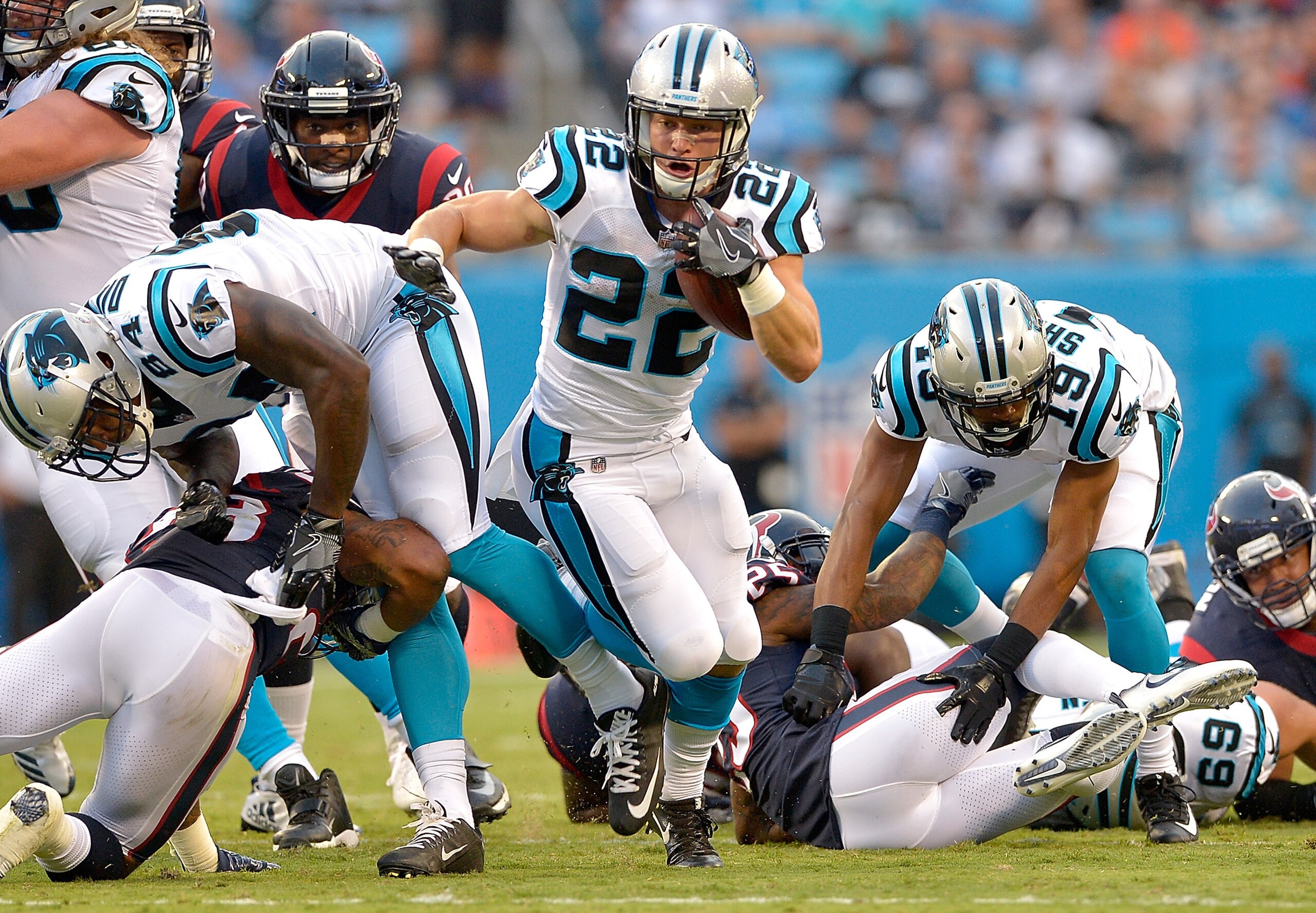
During the preseason, the Panthers mainly used McCaffrey as a standard running back. He displayed his great patience and vision when running between the tackles, allowing his blocks to develop before showing off his acceleration to burst through the hole. Carolina runs multiple types of running plays, using power, counters, inside gap runs and sweeps, and with Cam Newton there is always a threat of the read-option element. McCaffrey's running style fits perfectly with what the Panthers like to do, and he's capable of running with the quarterback under center or in the shotgun.
But that is only part of McCaffrey's skill set. He's also an excellent receiver and could easily have been drafted as a slot receiver alone. He runs sharp routes, where he is again able to show off his quickness as he bursts out of cuts to maximize separation. He has reliable hands and rarely drops a pass, which should help him build trust with Newton. The Panthers could motion McCaffrey out of the backfield into the slot on third downs to try to isolate him on a linebacker, where he should win most matchups.
The Panthers offense has been creative with use of formations and personnel groups ever since they drafted Newton. Earlier in his career, the Panthers would use two or even three running backs in a run-heavy personnel group to run the triple-option. Now with McCaffrey and incumbent starter Jonathan Stewart, Carolina could reinvent that personnel group. McCaffrey could line up in the backfield with Newton and Stewart on run plays to disguise the intent of the offense and then motion out to the slot or run routes out of the backfield. The personnel grouping alone will be difficult for defenses to deal with because McCaffrey could be a running back or receiver on any given play.
There has also been talk of using McCaffrey in the wildcat, or "WildCaff" as some are calling it. This is where McCaffrey lines up at quarterback to take the direct snap while Newton lines up outside at receiver. While there are some potentially interesting tricks the Panthers could try from that look, I'm not sure it will be used particularly often, more likely just as a spark to get the offense going when it's struggling.
Christian McCaffrey has a unique skill set which, if used correctly, could make him one of the premier offensive threats in the NFL. First to face McCaffrey in the regular season is the young defense of the San Francisco 49ers. They'll be tested not only by McCaffrey's versatility but also by Newton's threat as a runner and the power of Stewart.
— Mark Bullock, NFL1000 RB scout

.jpg?w=2560 "Steelers Saints Football")
.jpg?w=2560 "Chiefs Giants Football")
Can Carson Wentz Make the Eagles Fly?
4 of 15
This offseason, the Eagles added weapons for Carson Wentz, bringing in receivers Torrey Smith and Alshon Jeffery and drafting Mack Hollins in the fourth round. Ultimately, though, whether Wentz takes the developmental leap he needs to is up to the quarterback himself. One throw from the preseason dress rehearsal against the Miami Dolphins demonstrates that the process may be underway.
On a 50-yard touchdown strike from Wentz to Smith, the Eagles took advantage of a breakdown in the Miami secondary. But what we see from Wentz in the pocket on the play is a subtle "click and climb," where he climbs the pocket before releasing the throw. While at North Dakota State, there were times when Wentz would appear lead-footed in the pocket and let pressure come to him rather than move from the spot. But on this throw, Wentz hits the final step in his drop, and as edge pressure starts to collapse to his right, he climbs the pocket and slides away from the right edge, which gives him enough time and space to release the pass.
Perhaps more impressive than the pocket movement is the anticipation. As Wentz hits the target depth on his drop, he is looking at Smith on the receiver's vertical route. The coverage breakdown has yet to occur, and the receiver seems bracketed by the coverage, but the quarterback anticipates this well and lets the ball fly before Smith breaks open.
While the pass is slightly underthrown, the pocket movement and anticipation are well ahead of what we saw from Wentz during his rookie season.
Granted, this is just one play, and we'll get a truer sense of Wentz's development and progression as the season unfolds. But given the additions, the offensive-minded coaching staff in place around him and what we have seen from Wentz in the preseason, Eagles fans should be cautiously optimistic when it comes to their rookie quarterback—and his continued improvement—as we enter the 2017 season.
Wentz faced the Redskins, Philly's Week 1 opponent, twice last season. The Eagles lost both games, and Wentz threw just one touchdown pass in 68 attempts against Washington's defense. He also took nine sacks, the most he suffered against any opponent. It will be wise for Wentz to focus on easy completions in which he gets the ball out of his hands quickly, allowing him to develop a rhythm in the offense.
— Mark Schofield, NFL1000 QB scout
Alvin Kamara Can Help Redefine the New Orleans Saints Offense
5 of 15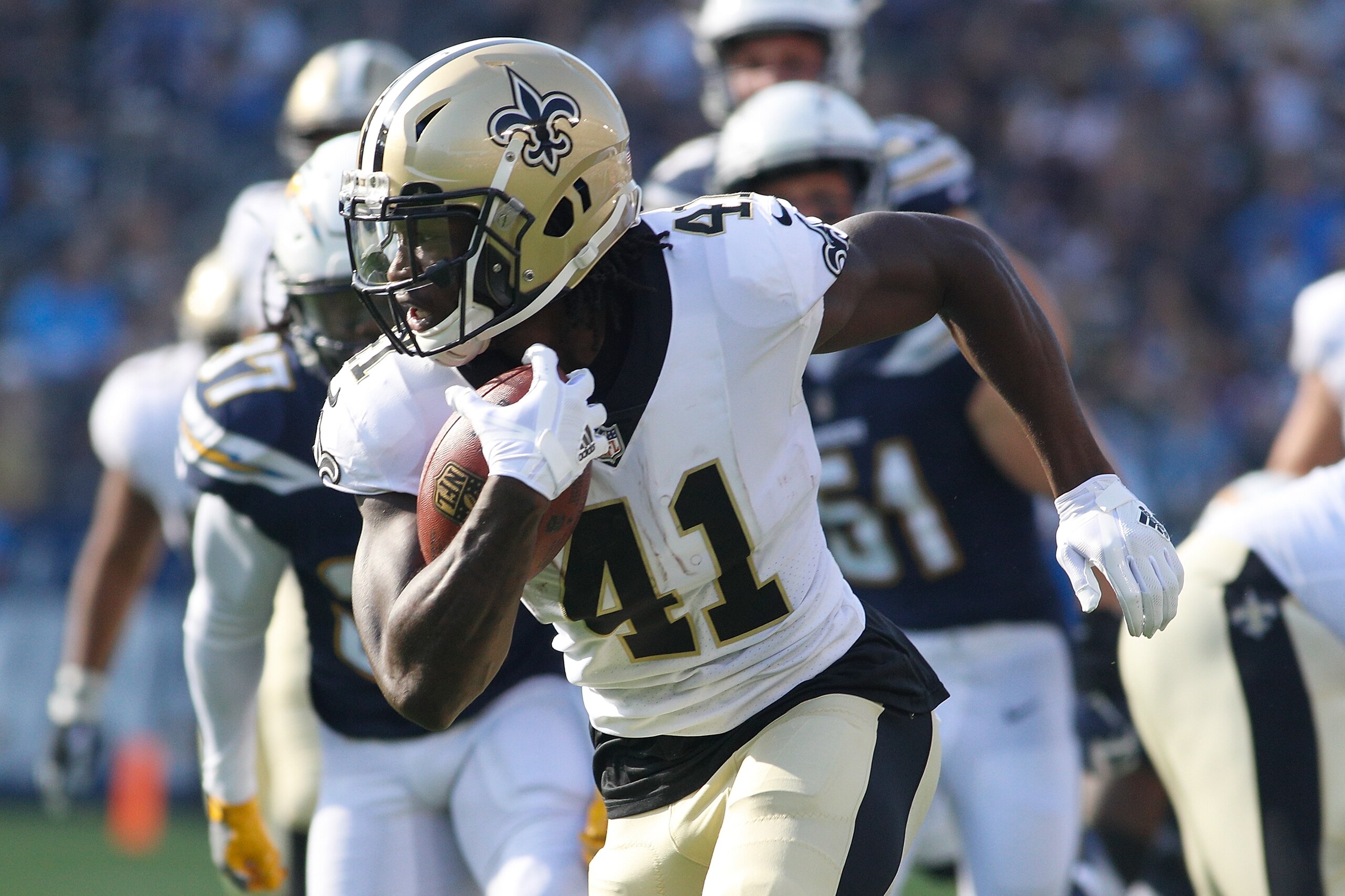
Alvin Kamara has a tough task on his hands to get on the field. It's not for a lack of talent, as the third-round pick has plenty of potential to become a big part of the Saints offense. However, the Saints already had Mark Ingram as their starting running back before they added Adrian Peterson. How much Peterson has left and how well he fits in the Saints offense remains to be seen, but to start the season Kamara will be the third running back on the depth chart.
Where Kamara could see the field, however, is on third down and no-huddle situations. He is a very capable receiver and often lined up as a slot receiver in college. The Saints have an offense that likes to take shots down the field, and when receivers run vertical routes, they open up space underneath for running backs. Kamara will be tough for typical linebackers to cover underneath, particularly if there is extra space for him to work with. A checkdown to Kamara against a linebacker could be very productive for Drew Brees and the Saints offense.
The Saints are also very willing to move players around with different formations and motions, so it wouldn't be surprising to see Kamara line up in the slot from time to time. That type of flexibility can create big matchup issues for the defense and give Brees an easy man or zone coverage indicator based on who lines up across from him. The Saints already have a strong no-huddle offense under Brees, but adding a running back who can switch to slot receiver on any given play gives them an extra dimension.
To make the most of his talent, Kamara will have to improve his pass protection. Before Brees trusts him as a pass-catcher, Kamara will have to earn his trust as a pass protector. He is a willing blocker, which is often half the battle with young running backs, but there is a difference between willing and effective. His technique can be cleaned up, but the toughest part will be learning the different protections Brees might set in different situations, knowing when he can read one defender and release into his route or when he has multiple defenders to read. It might take some time, as it does with all rookie backs, but once he's ready on the protection side of things, he can add a dynamic element to an already potent Saints offense.
Kamara's first regular-season test comes against the Minnesota Vikings' stern defense. Though you can expect the Saints to run Peterson quite a bit for the "revenge game" factor, Kamara could help a ton as a receiver out of the backfield and in the slot—especially after receiver Willie Snead was suspended three games for violating the league's policies on substance abuse.
— Mark Bullock, NFL1000 RB scout
What Can We Expect from Marshawn Lynch in Raiders Debut?
6 of 15
Raiders fans have reason to be excited about Marshawn Lynch's Oakland debut. Coming out of retirement, Lynch appears fresh and ready to take on the vigors of a long NFL season.
The Raiders have been careful with him, only giving him four carries during the preseason. But even on those few touches, Lynch showed all the qualities that made him such a threat in Seattle. He was patient, allowing blocks to develop and staying calm in the face of any mistakes by his offensive linemen. He displayed the strength and elusiveness he's long been known for, especially on his two carries against the Cowboys, where he eluded two defenders in the backfield and then powered through other defenders as he fell forward for extra yards.
Schematically, Lynch should fit in well with the Raiders. They do use a run-play duo that Lynch didn't run often with the Seahawks, but he has all the required traits to run it effectively. What should carry over is the Raiders' use of inside zone from the shotgun, which Lynch was incredibly effective at in Seattle. The Raiders also run some outside zone on first and second down, which was the Seahawks' base zone scheme when Lynch was there. The Raiders had the sixth-ranked rushing attack in 2016, which should only improve with Lynch behind that offensive line.
The Raiders face the Tennessee Titans in Week 1. The Titans had the NFL's second-ranked run defense last year, and they added former Bronco Sylvester Williams to anchor their defensive line at nose tackle. They are as stout as they come defensively, and it should be a fascinating contest to see which side gets the better of the other. But with Lynch in the backfield, the Raiders do have one of the best backs at fighting for every yard and wearing down a defense. If they can get him going, it will go a long way to helping the Raiders win their opening game.
— Mark Bullock, NFL1000 RB scout
Despite the Loss of Kyle Shanahan, Expect Falcons Offense to Function the Same
7 of 15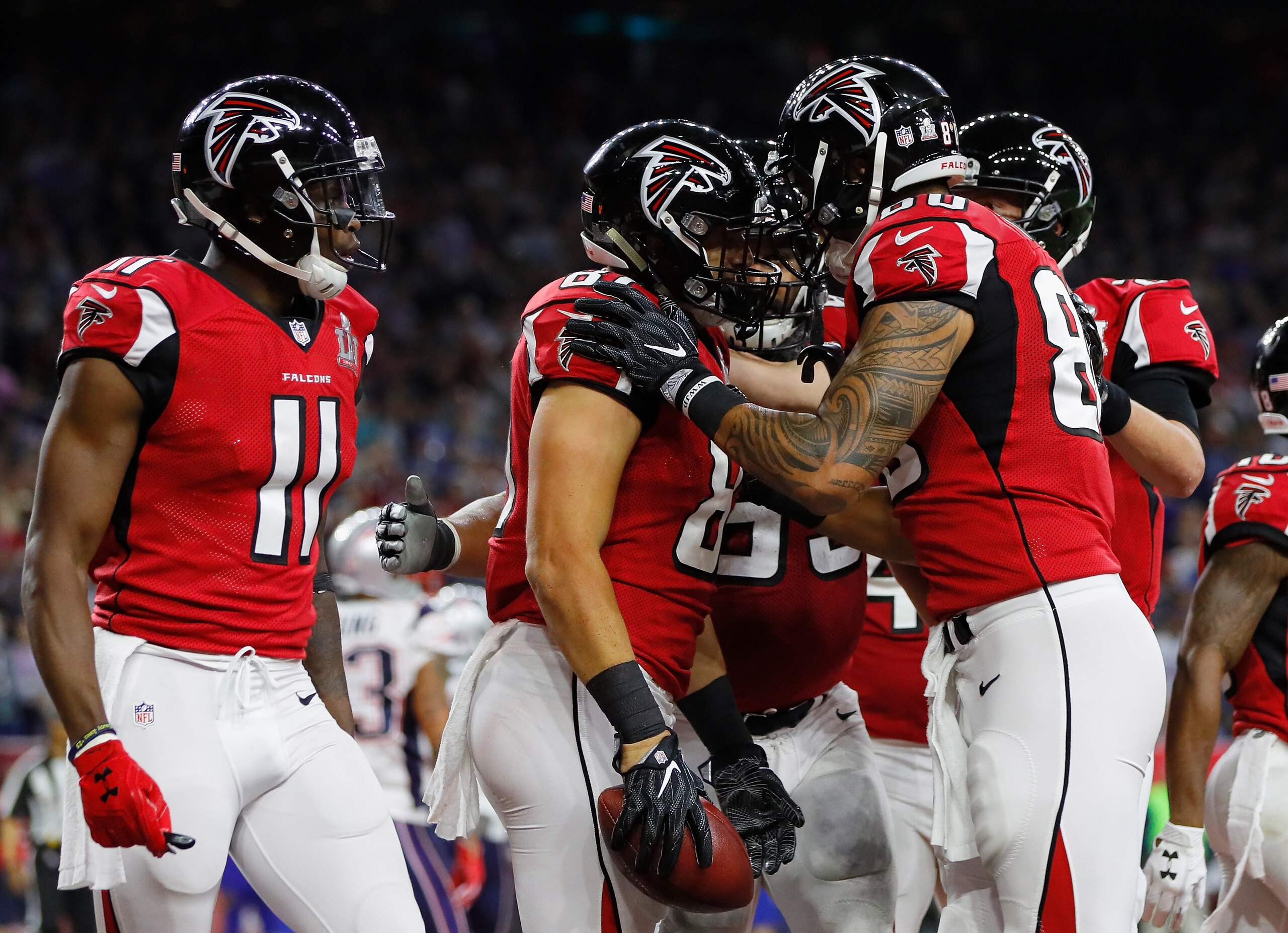
The Falcons offense was a prime candidate for regression in 2017 even if Kyle Shanahan had stayed in Atlanta as the team's offensive coordinator. After averaging almost 34 points a game last season, the odds that the Falcons would repeat their historic season were highly unlikely. If and when the Falcons offense regresses in 2017, don't point to the change in offensive coordinators, as it was likely destined to happen anyway.
Despite Shanahan's departure to San Francisco, the Falcons intend to keep their no-huddle offense under new offensive coordinator Steve Sarkisian. One of Shanahan's biggest strengths (or flaws, depending on how you look at it) was his aggressive play-calling. He frequently looked for a knockout blow at the end of games, rather than calling a game the conventional way. It's easy to point to the Super Bowl, but that's a microcosm of Shanahan as a coach. His offenses are going to be aggressive at all times. For the Falcons, that shouldn’t change under Sarkisian, as he prides himself on being an aggressive play-caller as well.
In terms of scheme, the Falcons will try to keep the same offensive structure with Sarkisian at the helm. The goal for the Falcons is to build on last year's success, and why not? They had the seventh-highest-scoring offense in the history of the NFL in 2016.
As for the receivers, the biggest "loser" with the departure of Shanahan might be Julio Jones. Over the past two seasons with Shanahan, Jones averaged over 11 targets per game. Shanahan designed his offense around Jones and trying to free him from double coverage. Jones lined up a lot in the slot and in favorable positions so he could not only catch passes but also make plays after the catch. Jones might see only eight to nine targets per game this season; expect those to transfer over to young tight end Austin Hooper, who should be a force in the middle of the field this season. Mohamed Sanu, Taylor Gabriel and Justin Hardy should all play similar roles in 2017 as the Falcons look to keep their offensive consistency.
Maintaining Shanahan's eye for pre-snap movement and positional versatility will be important in Atlanta's Week 1 game against the Bears. Chicago has a talented front seven, but its defensive backs are vulnerable. The more the Falcons can use pre-snap motion to help discern coverages, the better it will be for Matt Ryan in a set of matchups that should be favorable in the passing game.
— Marcus Mosher, NFL1000 WR scout
Can Corey Davis Open Up Tennessee's Offense Without Preseason Reps?
8 of 15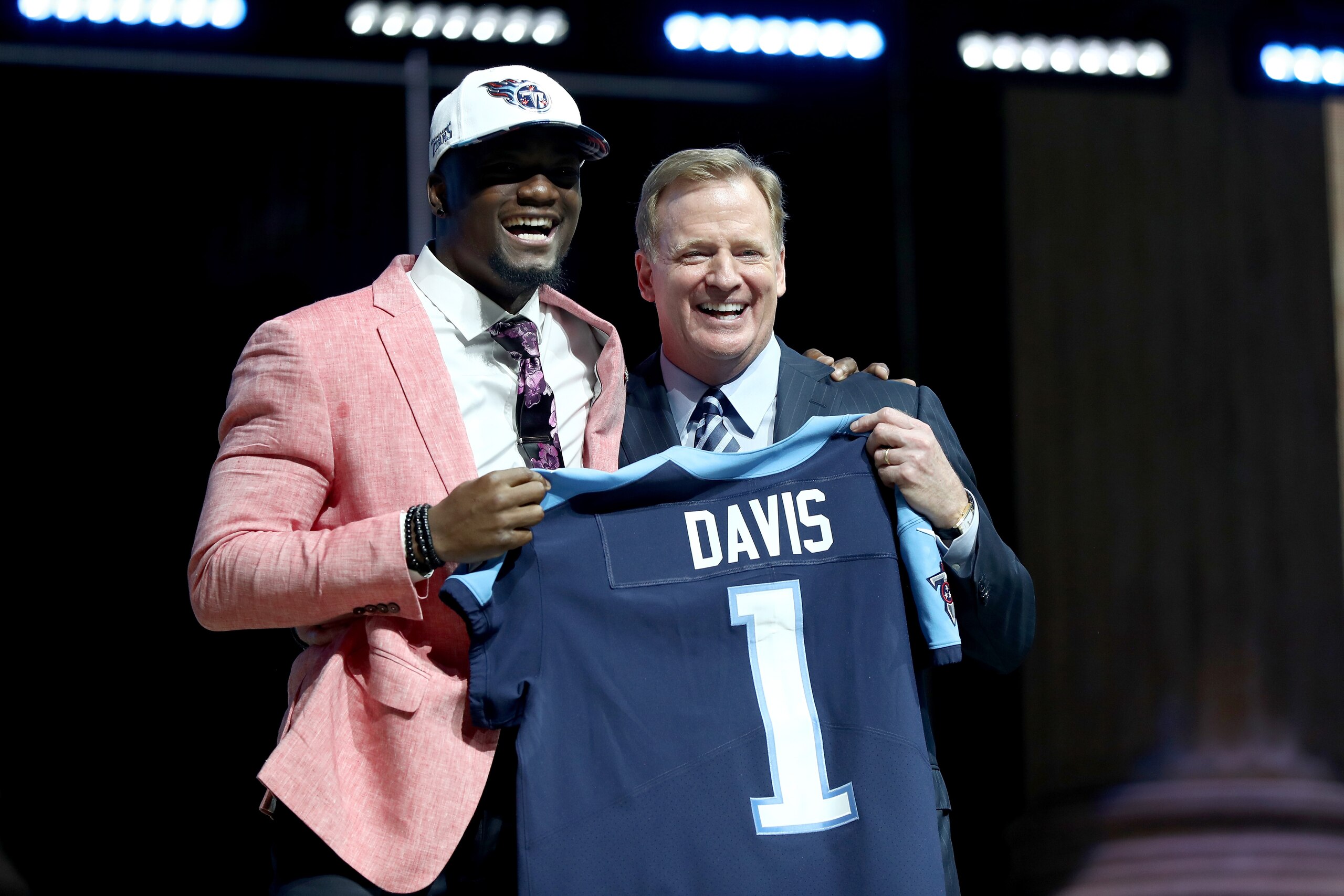
When the Tennessee Titans selected Corey Davis with the fifth pick in the 2017 NFL draft, the expectation was that he would instantly become the team's best receiver and produce at a high level. Players such as A.J. Green, Julio Jones and Mike Evans have proved that high first-round picks can perform like No. 1 receivers in their first year in the NFL.
Davis might not be as talented as the players listed above, but he's awfully close. That's why the Titans were comfortable spending a top-five selection on a player who didn't participate at all in the predraft process. However, Davis has struggled to stay healthy this offseason. An ankle injury sidelined him throughout the spring, and now a hamstring injury has forced him to miss all of the preseason. But despite all of the injuries, he still can be effective right away for the Titans.
Because of the lack of practice reps, Davis' role might be limited to start the season. The Titans may just use him in the red zone and in obvious passing situations to get his feet underneath him. However, he can still be a dominant player with limited snaps and a shortened route tree. In 2016, the Titans lacked a true home run hitter. Their receivers were always solid, yet unspectacular. Davis is just the opposite. He's a threat to score anytime he gets his hands on the ball. Even if the Titans limit his route tree to just the basics, Davis can instantly make them a much more explosive offense because of his size and ability to run after the catch.
Don't count out Davis just because he missed the preseason. It wasn't too long ago that Odell Beckham Jr. missed all of the preseason and the Giants' first four regular-season games with a hamstring injury before taking the league by storm. While you shouldn't expect that type of transcendent play from Davis in his rookie season, he's clearly the most talented receiver on that roster and should become a true No. 1 receiver by season's end. His value will lie in play-action passes across the middle where he can use his athleticism and physicality to bully defenders. It's going to take him a few games to shake the rust off, but he will without a doubt add a different element to the Titans' "ground and pound" offense.
Davis will probably have a limited role against the Raiders in Week 1, but given the lack of elite talent in Oakland's secondary, you may see head coach Mike Mularkey try to use his size/speed advantages in ways that create new opportunities—especially in the red zone.
— Marcus Mosher, NFL1000 wide receiver scout
Is There Any Hope for Seattle's Offensive Line?
9 of 15
There's no hope for Seattle's offensive line. That should frighten Russell Wilson and the rest of the Seahawks offense.
After fielding probably the worst offensive line in football last year, the Seahawks found a way to start this season with a worse unit.
Some of the circumstances that led to this were out of the Seahawks' control, such as an inefficient offensive tackle market in free agency that saw Matt Kalil get a $55 million contract. The Seahawks also suffered a season-ending injury to starting left tackle George Fant, but these things happen and have to be accounted for in roster construction.
As it stands, the Seahawks have the following offensive line:
LT: Rees Odhiambo
LG: Luke Joeckel
C: Justin Britt
RG: Mark Glowinski
RT: Germain Ifedi
Is there hope for this group and for Wilson to stay afloat as the hype builds for what looks to be his best season yet? The answer is no.
Odhiambo and Ifedi have the trait sets of power guards. Joeckel is a natural tackle whose tape inside last year makes him potentially the league's worst starting guard. Glowinski has swapped sides, which is not as easy a task as some make it out to be. The talent on paper is worse than last year. It's horribly miscast and somehow more in flux from a continuity standpoint.
It's tough to be hopeful that this unit will jell because three of the offensive line spots (LG, RG, RT) have new starters, not counting the Fant injury, which pushes it to four. Britt and Glowinski are the only guys who have lined up next to each other before. At some point we will see Matt Tobin and Isaiah Battle, who the Seahawks traded for right before the season started, rotate in as well. All that change will be tough to swallow; as Seattle offensive line coach Tom Cable said in August of the line's continuity, "You want to keep as much of it intact as possible."
Starting this unit off against the Packers in Green Bay for Week 1 isn't the most advantageous matchup. That said, Joeckel held his own against talented defensive lineman Mike Daniels in Week 1 of the 2016 season when he played guard for the Jaguars; Daniels was limited to one quarterback pressure in 22 pass-rushing snaps. Overall, though, this looks like more of the same for the Seahawks—an underdeveloped offensive line and Russell Wilson running for his life.
— Ethan Young, NFL1000 OL scout
Will the Bengals' New Offensive Tackles Scuttle Their Playoff Chances?
10 of 15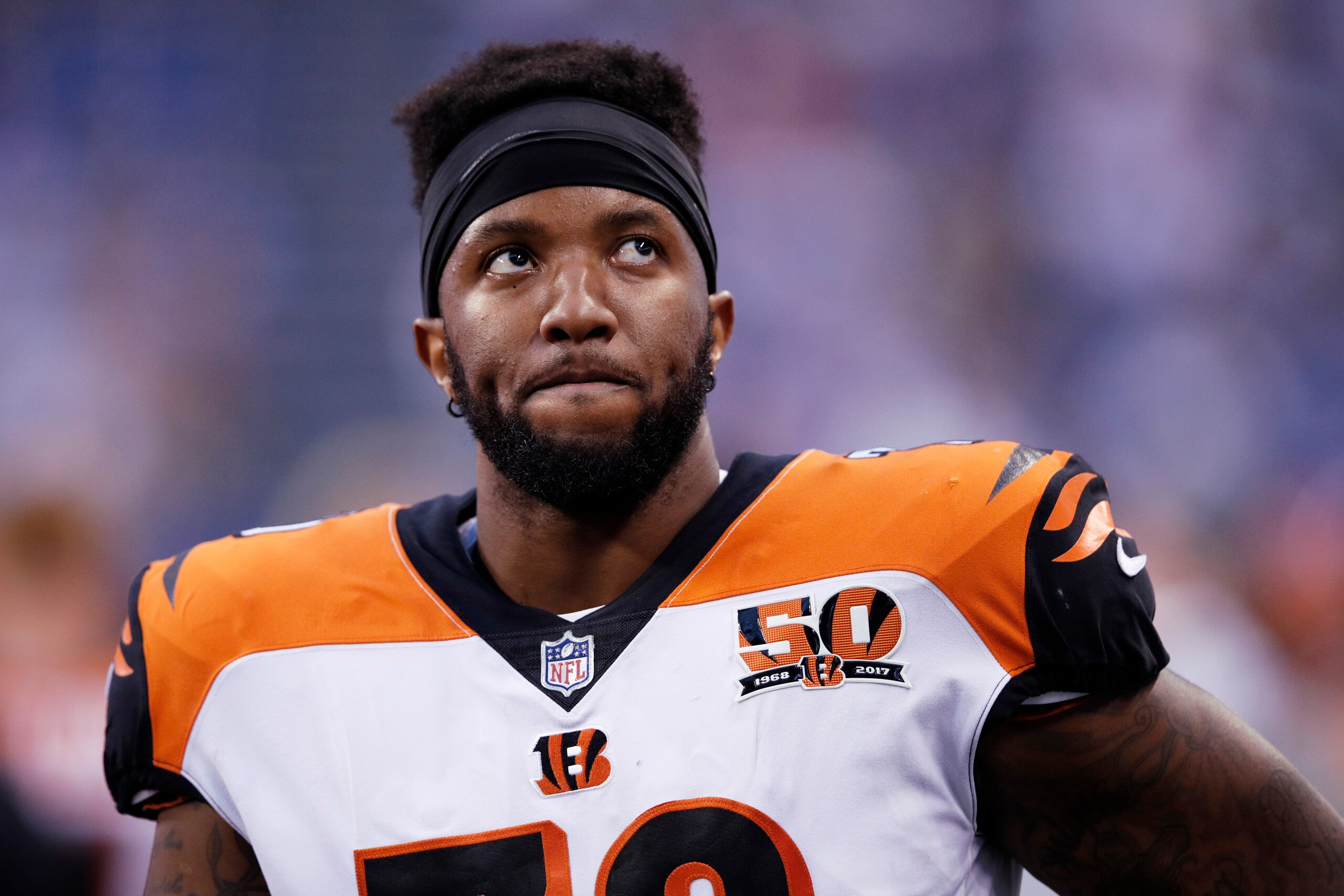
The Bengals offensive line lost more talent than perhaps any other in the league during the offseason, as both Andrew Whitworth and Kevin Zeitler left for greener pastures. The plan was in place to replace these guys for a while, though, as the Bengals have invested in OL during the last few drafts in anticipation of the turnover that would eventually break up the front five. That said, the execution in these replacements' performances has already looked shaky.
Cedric Ogbuehi has had trouble staying healthy, and his play last year while bouncing between right and left tackle was rough at times. At guard, Christian Westerman has not looked like the player he was at Arizona State, opening the door for the relatively unknown Trey Hopkins to step into a starting job. I'm not as pessimistic about the Bengals' tackle situation as I am about teams like the Seahawks and Giants, mostly because of the wide range of performance outcomes that Jake Fisher could produce, but losing Whitworth will definitely be felt.
We know what the remaining starters Russell Bodine and Clint Boling are at this point, but both will have to shoulder the burden as the lynchpin leaders of this group. Fisher, or the Vanilla Gorilla as he is called, is the X-factor. With only four starts to his name and a career trendline that hasn't really moved yet, the raw project from Oregon is still a wild card. If the Bengals want to be back in the Wild Card Round this season, they will need him to help keep Andy Dalton clean.
Starting the season against the Ravens isn't ideal; Baltimore defensive coordinator Dean Pees is a master of designing pressure from his linemen and linebackers and also forcing quarterbacks to hold the ball against disguised coverages. Dalton was sacked four times in two games against the Ravens last season; that total could double if he isn't in a structure that has him get the ball out of his hand as quickly as possible.
— Ethan Young, NFL1000 OL scout
Derek Barnett Poses a Threat to Washington's Stalwart Offensive Line
11 of 15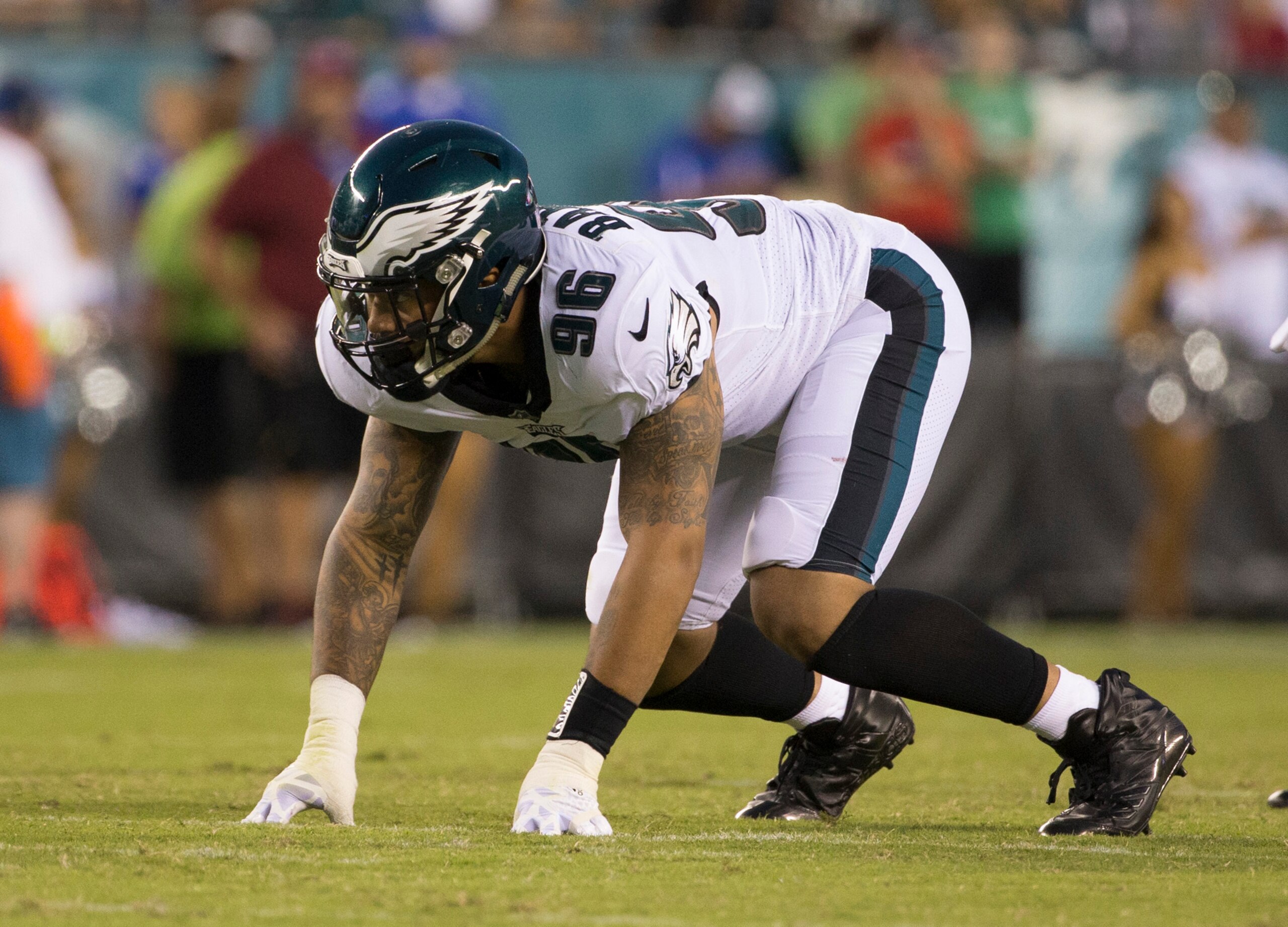
As one of the more high-profile prospects during the last draft cycle, Derek Barnett was accurately tabbed as a bendy pass-rusher with great flexibility. Despite registering one more sack than the Cleveland Browns' Myles Garrett in their three-year college careers, Barnett was drafted 13 picks after Garrett, making him the second 4-3 defensive end selected in the 2017 draft class. What separated Barnett and Garrett was Garrett's great get-off, as opposed to Barnett's snap timing, which was emphasized in Neyland Stadium, where 100,000 fans came together to force offenses into silent counts.
It's very difficult to replicate the University of Tennessee's atmosphere at the NFL level, which was a red flag in Barnett's evaluation. At the time of the draft, Barnett was viewed as a one-dimensional bender, a good one at that, but lacking a strong inside counter move or the get-off to keep bookends on their toes.
During the preseason, he proved he was so much more than that. Barnett recorded three sacks in the preseason, one behind the top mark in the NFL, and he did it in just three games. Barnett clearly worked on inside counters this offseason, as he looks like a completely balanced pass-rusher. If the draft were redone today, there’s no chance Barnett would last until the 14th overall pick again. After earning a starting job for Week 3 of the preseason, it’s easy to imagine that Barnett, Brandon Graham and Vinny Curry could all record “starting” snaps in something close to a three-man rotation at defensive end this season.
Their first obstacle will be the Washington Redskins, whose offensive line coach, Bill Callahan, has turned around and established some of the best offensive lines in football over the last two decades, including the current Dallas Cowboys. According to Pro Football Focus, Redskins tackle Trent Williams is only one of a handful of bookends who hasn’t allowed a hurry, hit or sack this offseason. Don’t expect anyone to get the best of Williams on a given rep. If Barnett rotates in opposite Williams, against Morgan Moses, he has the potential for a sack or two in this game.
We know Washington wants to go to its tight ends in the passing game, especially early on after losing receivers Pierre Garcon and DeSean Jackson in free agency this offseason. That means a lot of one-on-one reps in pass protection against a deep end rotation. By the fourth quarter, watch to see if Moses’ hands are dropping. That’s when Barnett will flash his inside move.
— Justis Mosqueda, NFL1000 defensive line scout
Rookie Pass-Rushers Headline Week 1
12 of 15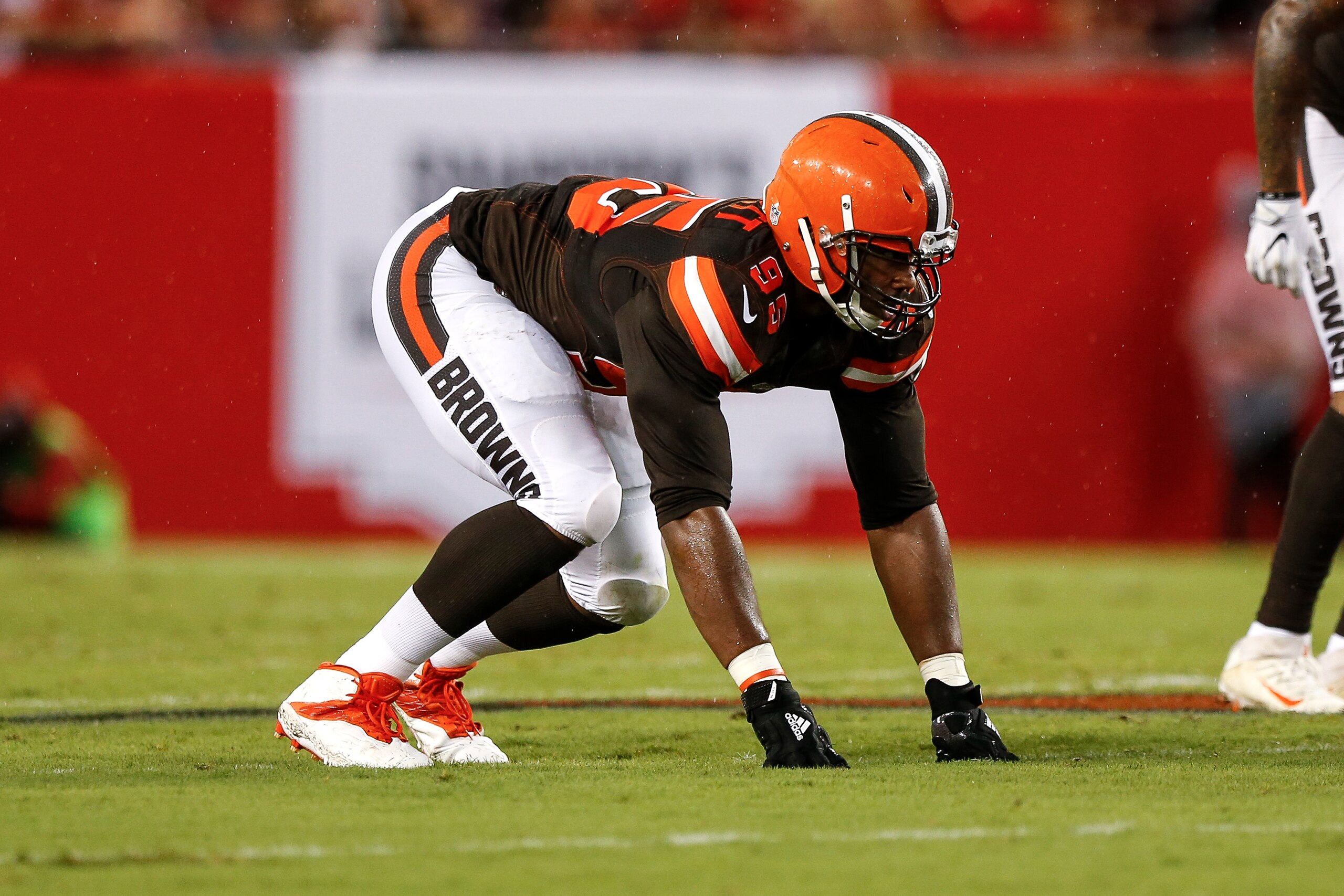
There are more defensive ends and outside linebackers to keep your eyes on this week than just the Philadelphia Eagles’ Derek Barnett. A pass-rushing unit is probably the most impactful, and expensive, unit on the field on any given Sunday. To get a young player on a cheap contract at those spots is how a team can go from hovering around .500 to being a legitimate contender.
The top of the list has to start with Myles Garrett of the Cleveland Browns, who is either going to become a box-score phenomenon early on or succumb to offensive schemes that take him out of a play. If the latter happens, that will open up more opportunities for teammates, which is also a net positive for Cleveland. This preseason, Garrett looked to be among the best speed-bend players in the league, just a tier behind the likes of Denver’s Von Miller and closer to the Los Angeles Chargers’ Melvin Ingram and Atlanta’s Vic Beasley. Sadly, the high ankle sprain he suffered in practice this week will derail his progress throughout the early part of the season.
Atlanta's Takkarist McKinley flashed as both a two-point and three-point pass-rusher in the limited reps he was on the field for this preseason. Assume that the first-round pick from UCLA is going to play the same hybrid role Beasley plays, where he flexes between playing a larger linebacker in a 3-4 defense and a smaller end in a 4-3 defense. Charles Leno, the Chicago Bears left tackle who was extended this summer, may be in for a long day.
The San Francisco 49ers are still trying to determine exactly how they want to line up their 4-3 defense with mostly 3-4 personnel, but Solomon Thomas, the third overall pick in the 2017 draft, started on the preseason Week 3 version of the 49ers defense. He has been playing the “big end” role in San Francisco, but flexing to a “Leo” position, where he plays as an open end on the majority of plays, is likely the long-term fit for him. We’ll know just how much the 49ers were hiding this preseason when we see where Thomas is playing early on.
The last names of note on the rookie level are the duo of Carl Lawson and Jordan Willis in Cincinnati. The Bengals took those two pass-rushers in the middle rounds of the draft, but they already look like the best group of ends to line up opposite Carlos Dunlap that the team has had in years. If Lawson and Willis were still draft prospects, it’s hard to imagine a world in which their preseason performances wouldn’t have led to our claiming they should be “quickly rising up draft boards.” Willis’ four sacks tied him with New Orleans' Al-Quadin Muhammad for the lead among rookies during the exhibition season.
— Justis Mosqueda, NFL1000 defensive line scout
Joey Bosa and Melvin Ingram Can Be NFL's Best Pass-Rushing Duo
13 of 15
The AFC West is loaded with talented pass-rushers and strong defenses. The Oakland Raiders have All-Pro Khalil Mack and speed demon Bruce Irvin. Von Miller is the leader of the Denver Broncos defense, a unit that has been a force for the past few seasons. Even the Kansas City Chiefs have firepower off the edge with Justin Houston and Dee Ford. The Los Angeles Chargers might have them all beat.
Joey Bosa is a blossoming star. The Chargers drafted Bosa third overall in the 2016 NFL draft, selecting him over players like cornerback Jalen Ramsey and offensive tackle Ronnie Stanley. Cornerback and offensive line were needs for the Chargers, but they opted for the pass-rusher, and it’s looking to be a fantastic decision. Bosa missed the first four games of his rookie season due to contract disputes and lingering hamstring complications, but he made up for it in the 12 games he did play.
In 12 games, per Pro Football Fosus, Bosa recorded 11 sacks and 59 total quarterback pressures. He produced at a clip hardly seen from rookie pass-rushers. The thing is, Bosa didn’t play like most rookie pass-rushers. It tends to take years for pass-rushers to hone their technique in the NFL. Picking up the speed of the game and the minutiae of how to win with hand placement takes time. Bosa is the outlier. Bosa wins with advanced technique and coordination; his hand placement is already top-class.
Outside-inside counter moves are Bosa’s calling card. Offensive tackles constantly bite outside in fear of his athleticism, only for Bosa to fire back inside, get his hands into the chest of the offensive lineman and close on the quarterback. Bosa also mixes up his approach in a way that would make you think he’s been playing for a decade. Elite pass-rushers know when something isn’t working anymore, as well as how to use one approach on one play to set up another on the next. Pass-rushing is like boxing, and Bosa is Mike Tyson. Even Bosa’s peers rave about his veteran-like presence. Cleveland Browns offensive tackle and future Hall of Famer Joe Thomas went so far as to say Bosa is the "most polished" rookie pass-rusher he has ever faced in his 10-year career.
Bosa is not alone in his So-Cal quarterback-seeking crusade. Melvin Ingram, a first-round pick in 2012, plays alongside Bosa. The early stages of Ingram’s career have tainted the reality of who he is now. Injuries reduced Ingram to playing only 13 games between 2013-2014. 2014 was the third year of his career, and fans and analysts alike were tired of waiting around for him. He’d been cast off as a coulda-woulda-shoulda who wouldn’t ever live up to his draft billing.
Ingram has played every game since then. Over the past two seasons, Ingram recorded 18.5 sacks, tied for 12th in the league over that span, per Pro Football Reference. Injuries may have stunted him from developing into a truly elite edge-rusher, but Ingram would be a No. 1 pass-rusher on most NFL teams right now. The Chargers have him as their No. 2.
The pairing of Bosa and Ingram is fascinating because they don’t play the same at all. Bosa is the refined player who prefers to condense the pocket rather than attack the perimeter of it. Ingram is the opposite. Speed and flexibility are the core of Ingram’s game. He prefers to attack offensive tackles around the edge and force them to contain him. Ingram combines a powerful first step with Cirque du Soleil-like flexibility. After a few steps, Ingram can dip his inside shoulder low to the ground and drive through contact. His low center of mass makes him tough to get a hand on and even tougher to slow down. If Ingram gets to the edge and dips his shoulder before the tackle can get a clean grip, there is no doubt the quarterback is taking a shot to the ribs.
Bosa and Ingram have limitless potential. Ingram is hitting his stride after an injury-riddled early career, and Bosa has already asserted himself as one of the league’s best. That's a major problem in Week 1 for a patchwork Broncos line that will have to face these two pass-rushing monsters. Rookie Garett Bolles will start at left tackle, so you can expect defensive coordinator Gus Bradley to exploit that matchup. The Broncos are a bit stronger up the middle with center Matt Paradis and guard Ronald Leary, but Bosa should be able to get pressure when the Chargers move him inside to pass-rushing tackle.
— Derrik Klassen, NFL1000 linebacker scout
Can Joe Haden Bolster the Steelers Secondary in First Game vs. Browns?
14 of 15
Likely the most surprising veteran relocation this preseason was cornerback Joe Haden’s departure from Cleveland and quick arrival in Pittsburgh. The Browns, flush with cap space and a need for veteran savvy in the youngest locker room in the league, decided the fan favorite Haden wasn’t worth his $11.1 million salary for 2017. Haden almost immediately signed with his former rival, the Pittsburgh Steelers, for what is essentially a one-year deal with two unlikely team options in 2018 and 2019.
The Browns will be fine without Haden, who has struggled with injuries and stagnated impact since signing a massive extension in 2014. Not only does Cleveland boast depth at the position for the first time in many years, but the team isn’t built to compete for a title in 2017. A 28-year-old corner would’ve been more helpful serving as a role model than helping win significant games for this team.
The Steelers are hoping for much more out of Haden after making him the highest-paid corner on the team and jettisoning former starter Ross Cockrell to the New York Giants for a conditional draft pick. Haden has the pedigree that draws attention as a former first-round pick who once was a major threat to create turnovers. But since ankle injuries further sapped his already limited speed and he began freelancing in Cleveland, Haden’s at a critical junction in his career as he leaves his mid-20s prime years.
Our NFL1000 results from 2016 graded Haden as the 48th-best corner, which equates to a decent second corner. He earned his highest marks in pure coverage but, compared to his peers, had a lower reaction and tackling grade. The Browns did their best to give him support but were working with much more limited safeties than what the Steelers boast on their roster, and that’ll be important to his success. Haden will also have to give more effort in the run game, where he tuned out far too often in the last three years and has tried to land big hits rather than completing the play with a safer approach.
Haden’s more physically capable of being effective than his predecessor, Cockrell, but Cockrell was ranked 24 spots higher due to better coverage and reaction grades over the course of the season. Haden will now benefit from a scheme and surrounding cast change that helped Cockrell fit into a role, but it is questionable whether this is an upgrade for the Steelers. It’s likely the Steelers wanted to increase their turnover potential and overall margin and were willing to sacrifice the conservative nature of Cockrell to do so. They finished with just 13 interceptions last year, which was middle of the pack, and Cockrell had zero.
For Haden to succeed, the Steelers must keep him in zone assignments. Haden cannot turn and run downfield anymore, and he was already limited even in college, with his 4.57 40-yard dash as proof. His speed has declined even more, but he can still be effective with the right protection in place.
Haden is a solid jam artist at the line of scrimmage, with a strong upper body and hand placement to disrupt receivers not named A.J. Green early in their routes. From there, he is most dangerous in Cover 2 drops where he can survey the quarterback’s eyes and either drop back to guard intermediate routes or come downhill and try to break on the ball for a turnover. This jells with the Steelers scheme better than the Browns’ man-heavy assignments.
His knowledge of the Browns receivers will be helpful in that matchup, and it’s likely he’ll be extra attentive with the opportunity to play his former team. But Corey Coleman and Kenny Britt hold athletic advantages over Haden, so his discipline must be on point. If he’s assigned to play the deep quarter of the field, another staple of the Steelers defense, he can’t get antsy and try to jump other routes and expose weak spots. Browns rookie quarterback DeShone Kizer will be prone to mistakes, but he’s also an excellent deep passer.
Especially compared to Cockrell, Haden is a more dangerous playmaker in the secondary, and his risk/reward variance could be beneficial to a unit that has been predictable despite being effective in the last two seasons. As their turnover potential has increased, they’ve traded some of their status as a bend-don’t-break defense in exchange for more upside with Haden’s presence.
— Ian Wharton, NFL1000 secondary scout
Forget Andrew Luck’s Injury, Can the Colts Even Stop the Rams Offense?
15 of 15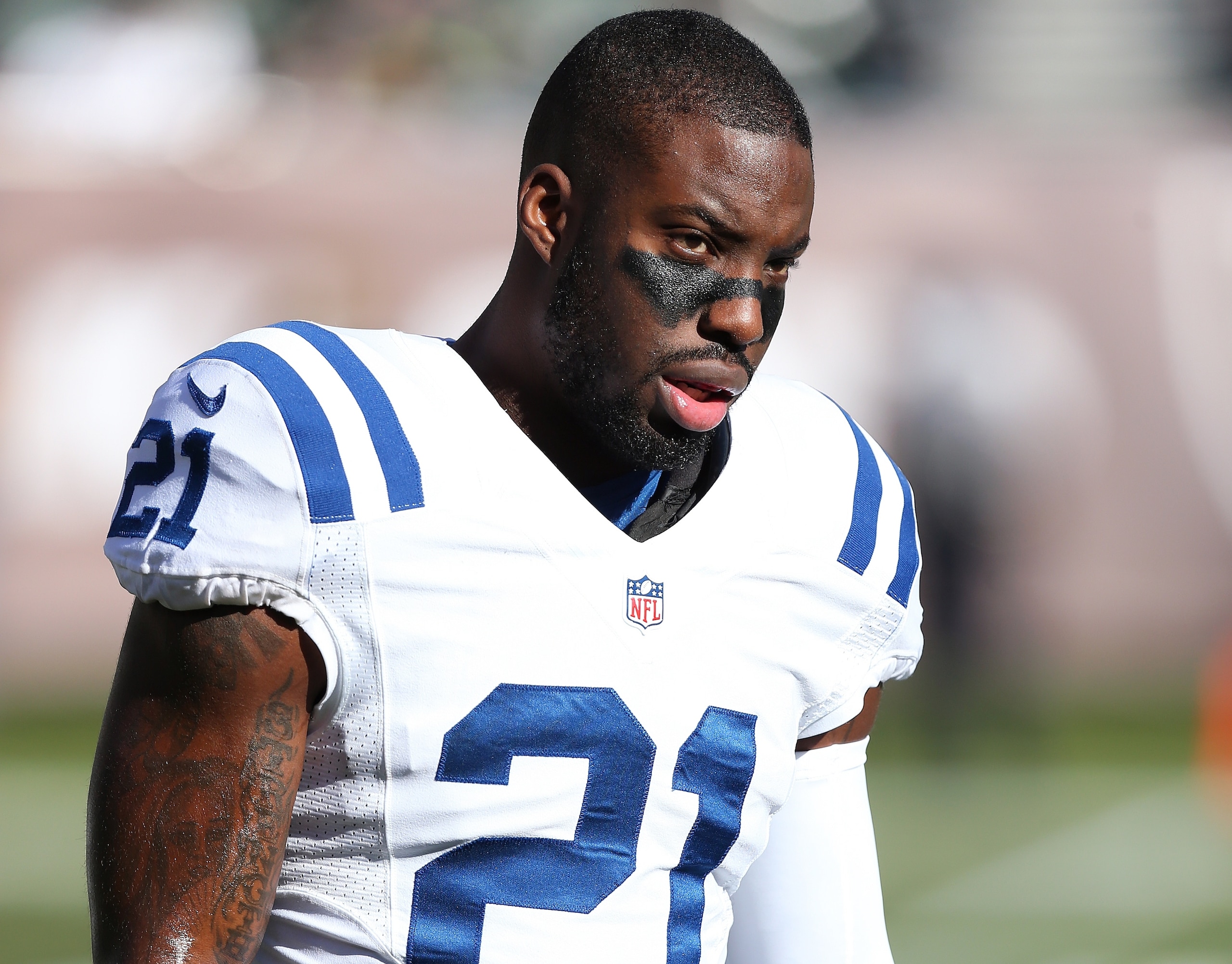
The Indianapolis Colts have been on the wrong side of injury fortune after general manager Chris Ballard put together an impressive offseason. Quarterback Andrew Luck is the headlining situation to watch, but even once Luck is back on the field, the Colts look to be embarking on a rebuilding season since several of their most important players have questionable return dates. It’s expected the offense will struggle without Luck and center Ryan Kelly, so the onus is on the defense to keep this team in games until Luck returns.
Looking at the unit overall, it’s improved since 2016 with the additions of edge-rushers John Simon, Jabaal Sheard and Tarell Basham. Linebacker Anthony Walker Jr. was an underrated Day 3 pickup, and defensive tackle Johnathan Hankins could prove to be a valuable interior presence if he returns to his 2015 form. But the secondary has received three major blows that will greatly limit what the Colts can do to stop the Los Angeles Rams offense in Week 1.
Rams head coach Sean McVay had his starting offense and quarterback Jared Goff looking like a much more confident and capable unit compared to the tragedy that was the Rams offense in 2016. Importing the Buffalo Bills starting receivers, Sammy Watkins and Robert Woods, as well as rebuilding some of the offensive line and revamping a playbook that was stuck in the 1990s had Goff looking more like what would be expected from a No. 1 overall pick in the preseason. The Colts will have their hands full with the young offense because of their own turnover and set of new faces in the secondary.
Two of Colts’ most talented defensive backs will miss Week 1, with safety Clayton Geathers and cornerback Vontae Davis dealing with varying ailments. Thus, it’s up to rookie safety Malik Hooker, rookie corner Quincy Wilson, Rashaan Melvin and a combination of Darius Butler, Matthias Farley, Chris Culliver and T.J. Green to slow down the Rams' deep playmaker core. It’s safe to say there aren’t many teams working with less in the secondary this week than the Colts.
Melvin and Green are the biggest concerns, as Melvin finished 2016 as NFL1000’s 115th-ranked corner out of 133 qualifiers and Green as the 49th out of 50 free safeties. Without sharp improvement from each, they’ll be targets every time the offense can spot them. At least the Colts aren’t starting Green, but hiding Melvin will be difficult unless Wilson proves to be an outstanding rookie quickly.
Ballard potentially made a shrewd move in claiming former Browns and Seahawks corner Pierre Desir after the preseason cuts. Desir was a surprising release after he had an excellent preseason, in fact earning Pro Football Focus’ top cornerback grade. But asking him to come in with one week’s notice and play a significant role is likely too much, especially when none of the Desir-Melvin-Wilson trio looks capable of being a nickel corner to cover Cooper Kupp of the Rams.
Week 1 looks like a difficult matchup for the Colts, in part due to injury, but they’re also facing an offense with limited tape to study. Defeating the Rams is looking like a difficult task considering the Colts' secondary situation and the talent advantage the Rams offense has in terms of depth, high-end impact players and a new scheme. Early mishaps by the Rams that come with an inexperienced unit ironing out some of its adjustments in a new situation are likely, but the Colts don’t look qualified to capitalize on those opportunities.
— Ian Wharton, NFL1000 secondary scout
.jpg?w=2560 "Rams Raiders Football")

.jpg?w=2560 "🚨 Week 8 AP Top 25 Poll")

.jpg?w=2560 "Lamar Being Out Shocked Ravens")