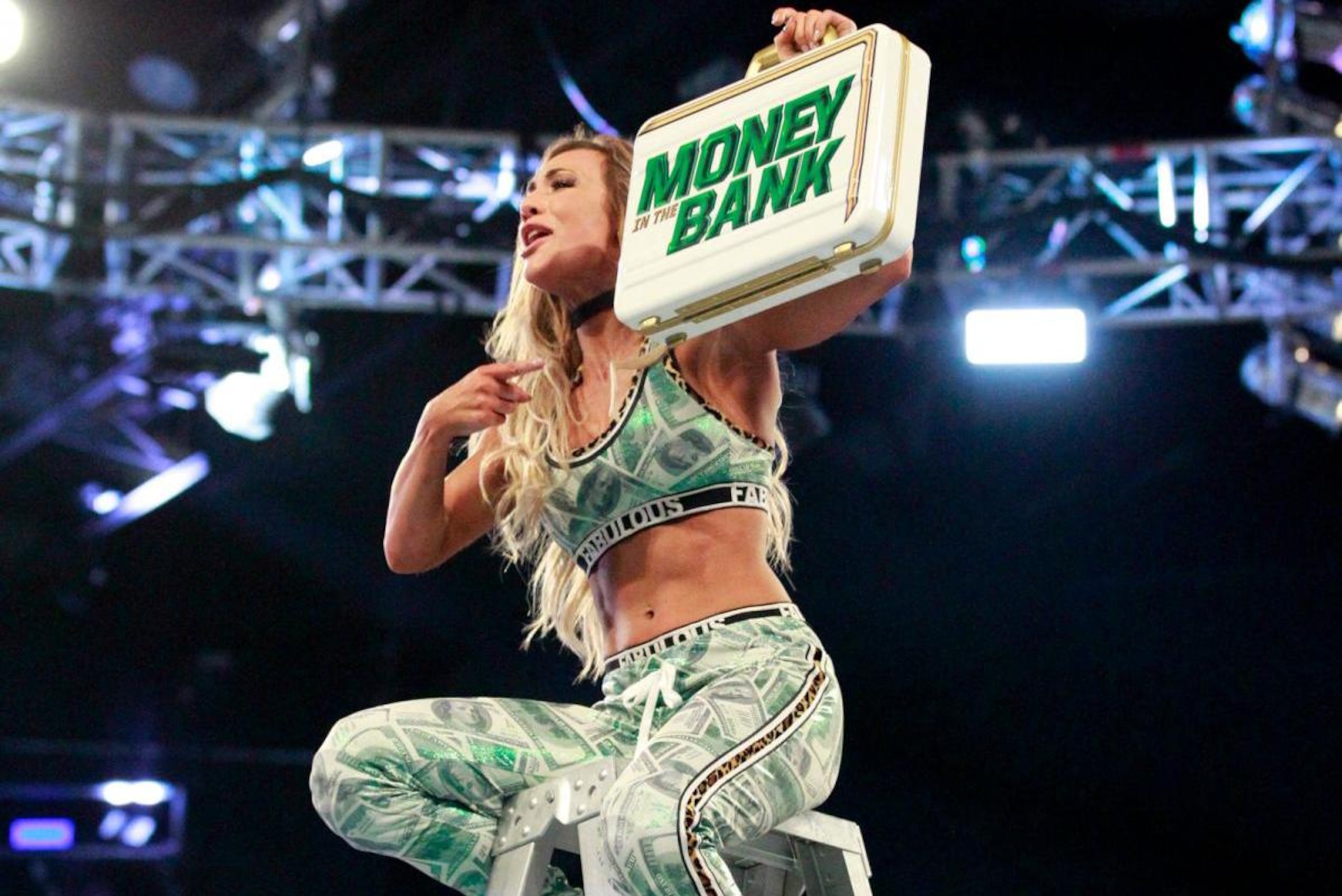

WWE's Money in the Bank Problem: Navigating Savvy Fans and Social Outrage
After two weeks of the internet chewing up and spitting out the controversial finish to the first-ever women's Money in the Bank ladder match in WWE history, we have our true winner. Same as the first, Carmella walked out of the arena with the prestigious briefcase that, in storyline terms, guarantees her a SmackDown Women's Championship match at a time of her choosing.
Except this time, she did it herself, without James Ellsworth dropping the case in her hands and without prompting allegations of sexism in women's pro wrestling.
Some might wonder why WWE went through the trouble of booking the finish of the first match at all. Why anger your fanbase and tarnish what was meant to be a historic moment in the evolution of women's wrestling? It's doubly bad timing as the new Netflix series GLOW shines a bright spotlight on where female wrestlers used to be in the sports entertainment pecking order and how far they've come today. Denying fans what they want so they'll be sure to tune in next time is a concept as old as the business itself, but the current WWE era might not allow that to continue.
TOP NEWS
Jeff Hardy Injured, Stephanie Vaquer Return Update and WWE Backstage Rumors on Eric Young
BS Meter on Biggest Wrestling Rumors 🌡️
Predictions for Road to WWE Survivor Series WarGames 🔮
Throughout most of its history, professional wrestling has convinced rational human beings to behave irrationally—to boo, cheer and hiss athletes in the midst of a predetermined contest. That outpouring of emotion, which signifies a wrestling angle is doing its job and keeping its audience emotionally invested in the story, is known as "heat." Wrestlers in the old days, like the dastardly tag team the Midnight Express, would take pride in causing fans to threaten them with bodily harm, or worse, engage in a full-scale riot over their heelish behavior.
Heat depended on audiences fully believing the performers in the ring were good or evil, that the matches mattered and the championship belts were the most coveted prizes in sports. The hyperbole of the wrestling play-by-play announcer, who the modern smart fan sees as charming, campy or at times fully grating, was most effective when audiences were not so aware the whole damn thing was scripted.
The angles that infuriated paying customers the most—Roddy Piper smashing a coconut over Jimmy Snuka's head, the Four Horsemen breaking Dusty Rhodes' ankle inside a steel cage, Andre the Giant turning on Hulk Hogan—might not have been as powerful today, as the internet, smartphones and social media have given the average fan inside information and an outlet to dissect and second-guess the decisions of the creative teams who write the shows.

This phenomenon is not exclusive to wrestling. "Movie Twitter" recently blew up when critics widely panned the new film The Book of Henry, leading to writers calling for Lucasfilm to fire its director, Colin Treverrow, from his job on the final movie in the new Star Wars trilogy. We're now intimately involved in the way the sausage is made in just about every entertainment medium there is, the armchair quarterback writ large. Often, the commentariat is right, but they're sometimes wrong. Like many sportswriters, I picked the Warriors to win the NBA championship in 2016. Sometimes you take the L.
If the goal of the first women's Money in the Bank match was to send a positive message to WWE's female fans, there were some hiccups in how the story played out. The outpouring of criticism WWE faced after Ellsworth dropped the briefcase into Carmella's waiting arms was devastating. Well, not as devastating as LaVar Ball showing up on Raw, but that's a high bar.
If the goal was to make people hate Carmella and Ellsworth more, WWE came closer to the mark, though even that's debatable. One could argue the heat ended up on the company and not the performer. But no matter what happens inside a WWE ring in 2017—be it a man winning the women's Money in the Bank match, LaVar Ball doing air karate on the Miz or Jinder Mahal going from hopeless jabroni to WWE champion in a month—the heat will end up on the company.
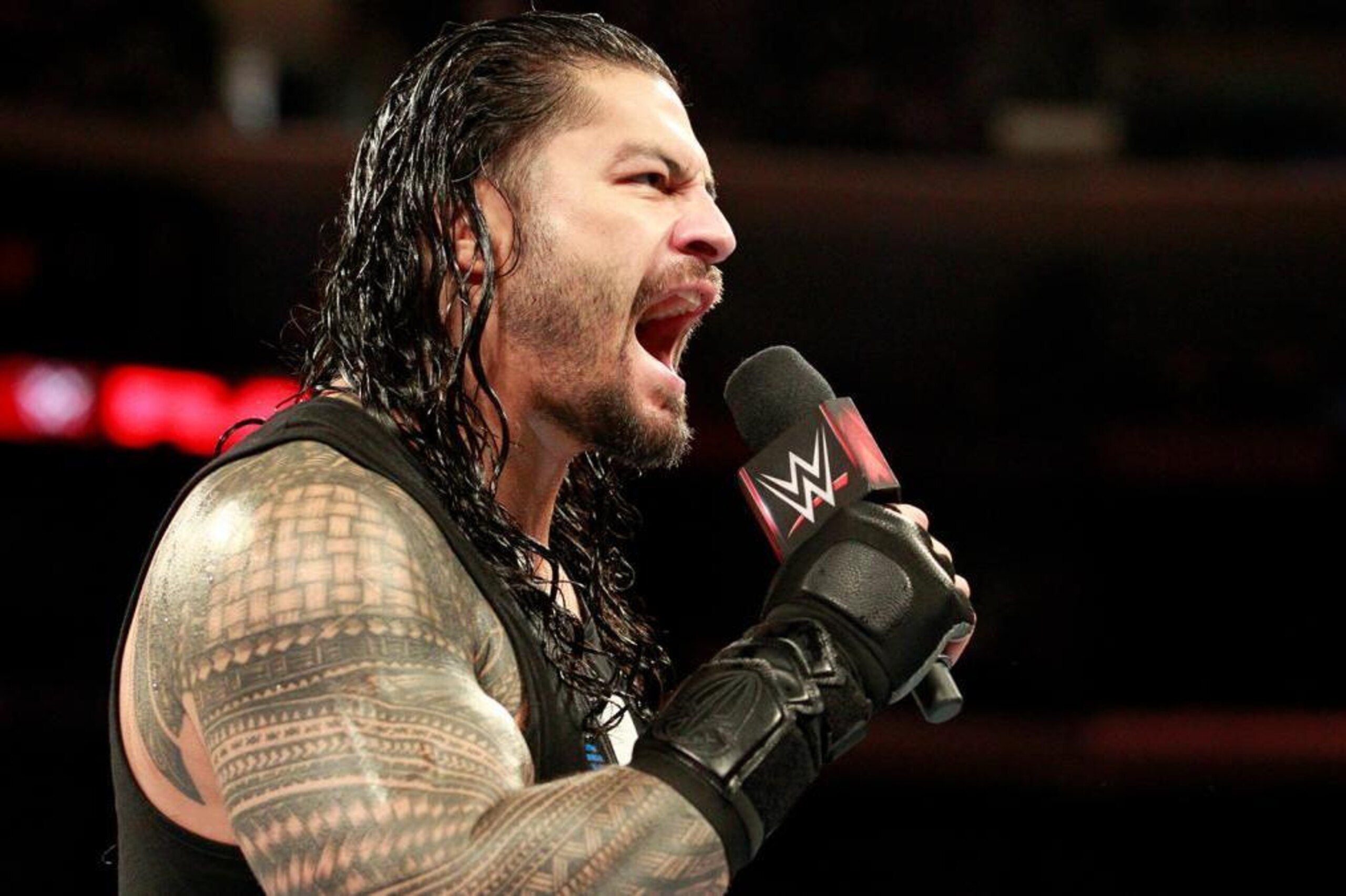
The breaking of wrestling's hallowed kayfabe, the tradition of keeping the scripted nature of the business a secret, means even the least savvy wrestling fan knows who is responsible for the outcome they found so irritating. It's not the wrestler or their on-camera associates—it's the company. It's the writers. It's Vince McMahon, Stephanie McMahon and Triple H. They don't give you the matches you want. They don't crown the champions you like. They don't sell enough of your favorite character's merchandise.
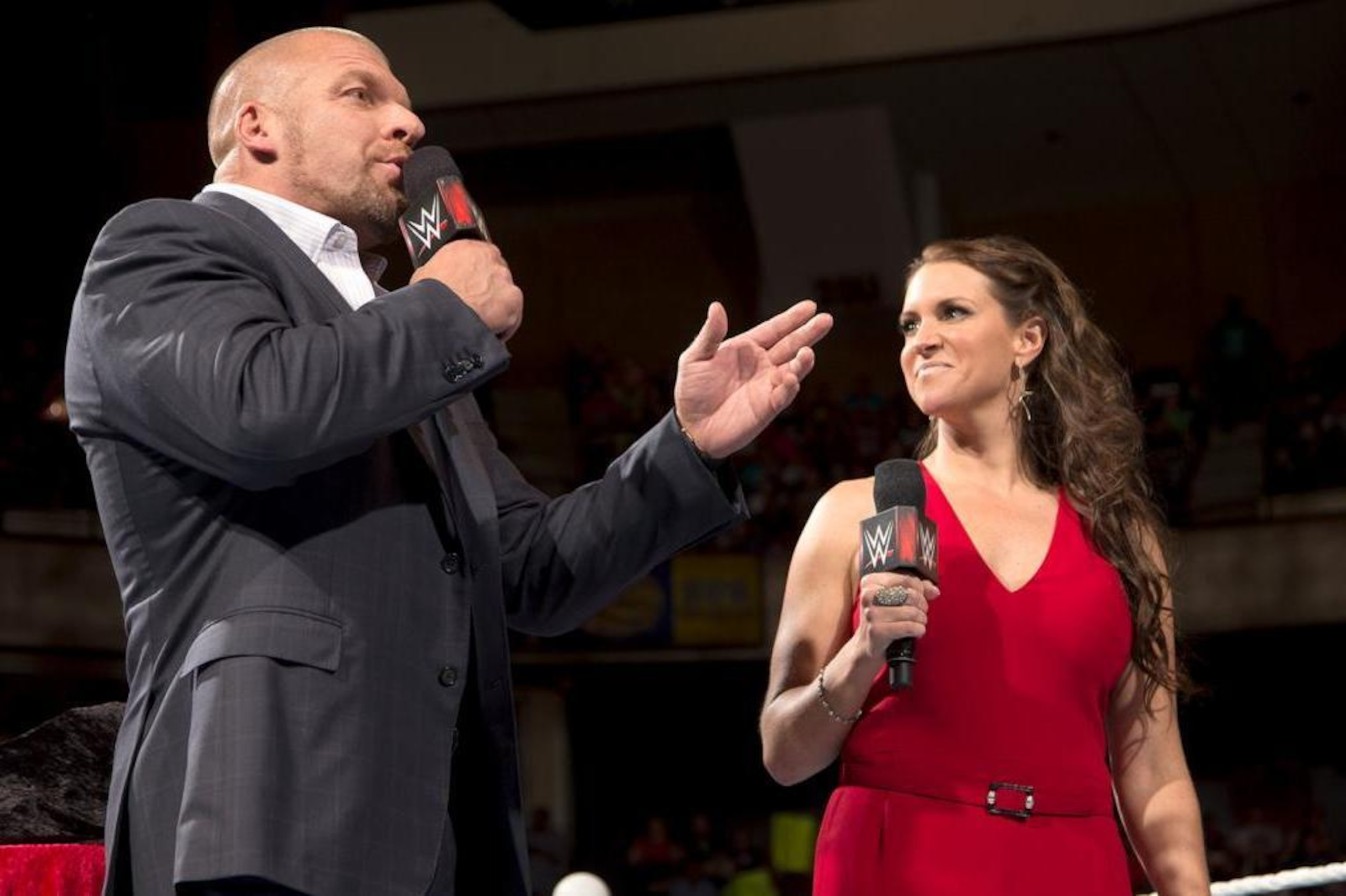
When wrestling makes fans furious, it doesn't necessarily mean they immediately want to spend money on that product. The phenomenon of Roman Reigns, WWE's lead character and also its most hated, stretches that idea to its breaking point. Arenas around the country boo Reigns out of the building, despite the writing implying he's a virtuous babyface hero. Those boos make him today's most hated heel, but is anyone paying to see him get beat up, or are they just hopelessly frustrated that their favorite (take your pick from Dean Ambrose, Finn Balor, Seth Rollins, etc.) never gets their share of the spotlight?
Can WWE ever get true heat again? Does WWE even want it? In retrospect, it sounds cool that heel wrestlers got a kick out of starting riots, but in the modern age, WWE is a family-friendly product with lucrative endorsement deals. The topics that make people legitimately furious—racial strife, sexism, global instability, politics—are all areas WWE actively stays out of, aside from sexism.
By promoting the women's division as trailblazing, WWE opened itself up to the conversation the wider world is having about issues of gender inequality. It comes up in other sports all the time, like the controversy around John McEnroe's comments about Serena Williams. Williams and McEnroe can't fight inside a ring to settle their issue (much to the chagrin of America's pay-per-view entertainment providers), but the wonderful thing about wrestling is we can work all of that out through a story. It might be a meandering story, or it might not always be told with the grace found in a movie or a TV drama, but it's cathartic in its own way.
Presumably, Carmella will eventually get her comeuppance, maybe after winning the Women's Championship, maybe before. The only thing that's clear is wrestling writers can't use obfuscation or simple prejudice to elicit emotions anymore. The more creative they get trying to wring rage or pathos out of audiences, the more this is bound to happen. The writer who figures out how to bridge the gap between the wrestling fan's intelligence and the need to make them truly care will end up extremely wealthy.
Best-case scenario, that person ends up being a woman.


.jpg?w=2560 "Raiders Could Start Mendoza")
.jpg?w=2560 "Rodgers Iced Out on Plane 💎")


.jpg?w=2560 "🚨 Week 8 AP Top 25 Poll")
.jpg?w=2560 "Blockbuster Trade Idea To Shake Up the Eastern Conference 🎇")