

Updated Big Man Big Board Heading into 2017 NBA Draft
Guards and wings have dominated the 2017 NBA draft discussion, but there are a lot more bigs to sift through.
There even appears to be a surplus of power forwards and centers floating around the NBA. The incoming rookies will have serious competition over the next few years. Being a lottery pick won't guarantee any of them minutes as young players in the league.
And as both frontcourt positions evolve, the eligibility requirements for bigs expand. Our No. 1 may naturally be a 3 but could wind up playing enough minutes as a quicker 4 in the pros.
Expect to hear between 13-15 bigs have their names called in this year's first round.
Nos. 15-11
1 of 11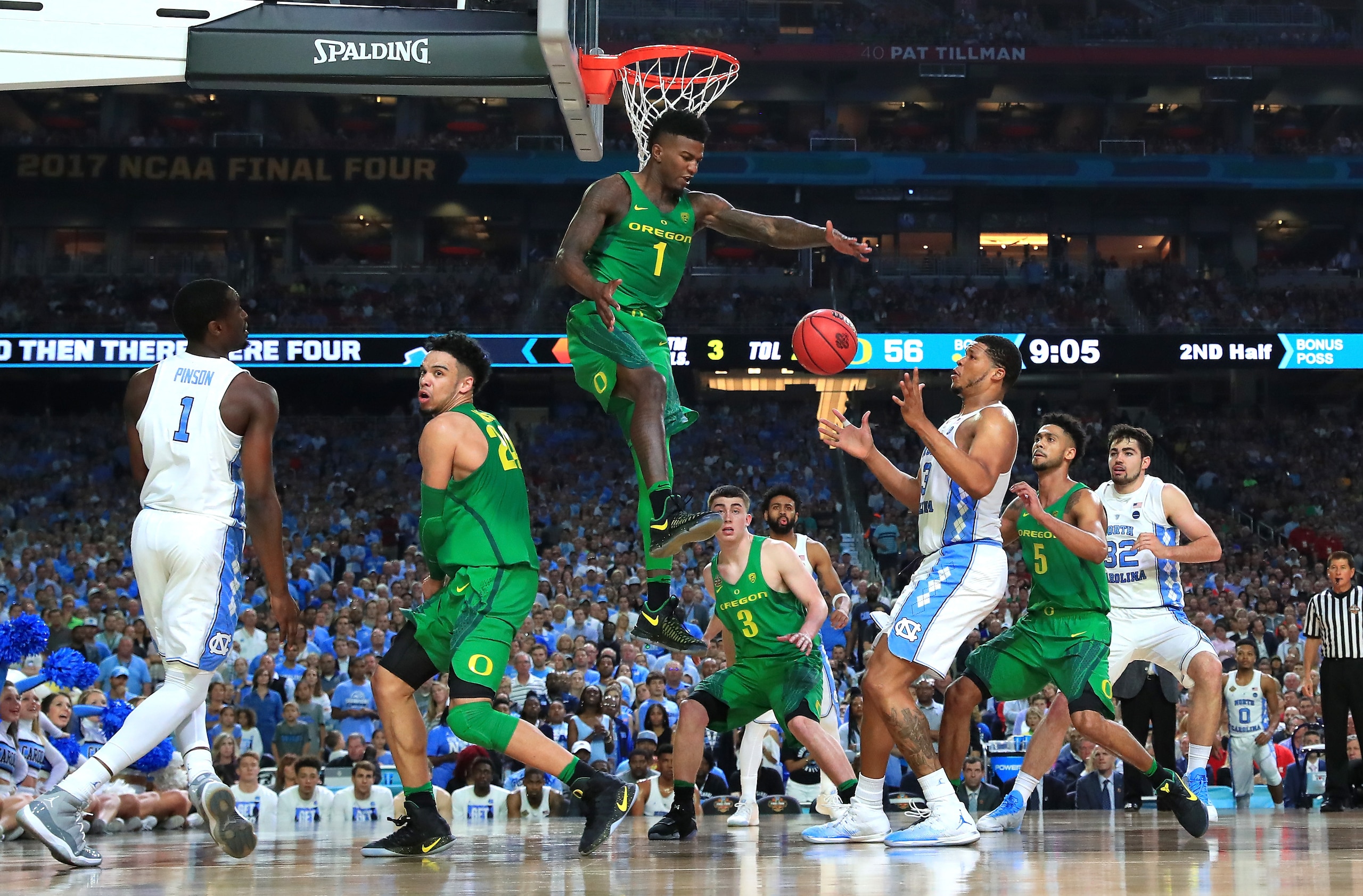
15. Tony Bradley (North Carolina, PF/C, Freshman)
Bradley's role at North Carolina wasn't as big as most first-round prospects'. His obvious NBA tools and room for growth should attract patient teams willing to wait and buy in to his future development.
He isn't a standout athlete or skilled scorer, but his 7'5" wingspan, hands and nose for the ball led to per-40-minute averages of 19.5 points and 14.1 rebounds on 57.3 percent shooting.
The one red flag: Bradley only blocked 22 shots all season and shot 61.9 percent from the free-throw line. He'll have a tough time building value without being able to protect the rim or stretch the floor.
14. Isaiah Hartenstein (Germany, PF/C, 1998)
While most prospects are working out for NBA teams, Hartenstein is stuck on the bench in Lithuania. And after a so-so outing during April's Nike Hoop Summit, he's a candidate to get leapfrogged on boards.
There is some boom-or-bust potential tied to Hartenstein, who's versatile with shooting and passing potential, but he doesn't excel in any one area, including athletically. He'll stick if he can take his jumper from capable once in a while to competent, though it could require some mechanical adjustment.
13. Mathias Lessort (France, PF/C, 1995)
Lessort is working out for NBA teams after lighting up the radar with notable production in LNB Pro A. He immediately stands out physically when watching JSF Nanterre. Lessort is quick, strong and athletic, attributes that show up on rim runs, half-court finishes and defensive possessions.
He's limited offensively, without much of a post game or jump shot. His ceiling says energizer, which isn't exciting enough to warrant top-20 consideration. But between Lessort's tools, motor and production, the likelihood of him reaching NBA role player level appears high.
12. Bam Adebayo (Kentucky, C, Freshman)
At 6'10", 243 pounds with 5.2 percent body fat and near 7'3" length, it's tough to beat Adebayo's physical tools and explosiveness, even among current NBA players. He's a power athlete who puts himself in position to finish dunks off rim runs, pick-and-roll lobs and missed shots.
The question is whether he'll add any skill. Adebayo isn't a shooter yet and won't command post touches in the pros.
Setting himself apart with defensive versatility—the ability to guard the post and switch onto 3s and 4s—represents the key to Adebayo's value. He's strong and quick enough to make it happen.
11. Jordan Bell (Oregon, PF/C, Junior)
Bell doesn't have traditional size for a center or much of an offensive game, key reasons for a late-first-to-second-round projection. On the right team, however, he could work as a defensive-minded small-ball 5.
Arguably the NBA combine's top all-around performer, Bell could carve out a role just by tapping in to his athleticism, quickness and motor. He could be a high-end energizer if he continues to improve his mid-range shooting and passing.
10. Ike Anigbogu (UCLA, C, Freshman)
2 of 11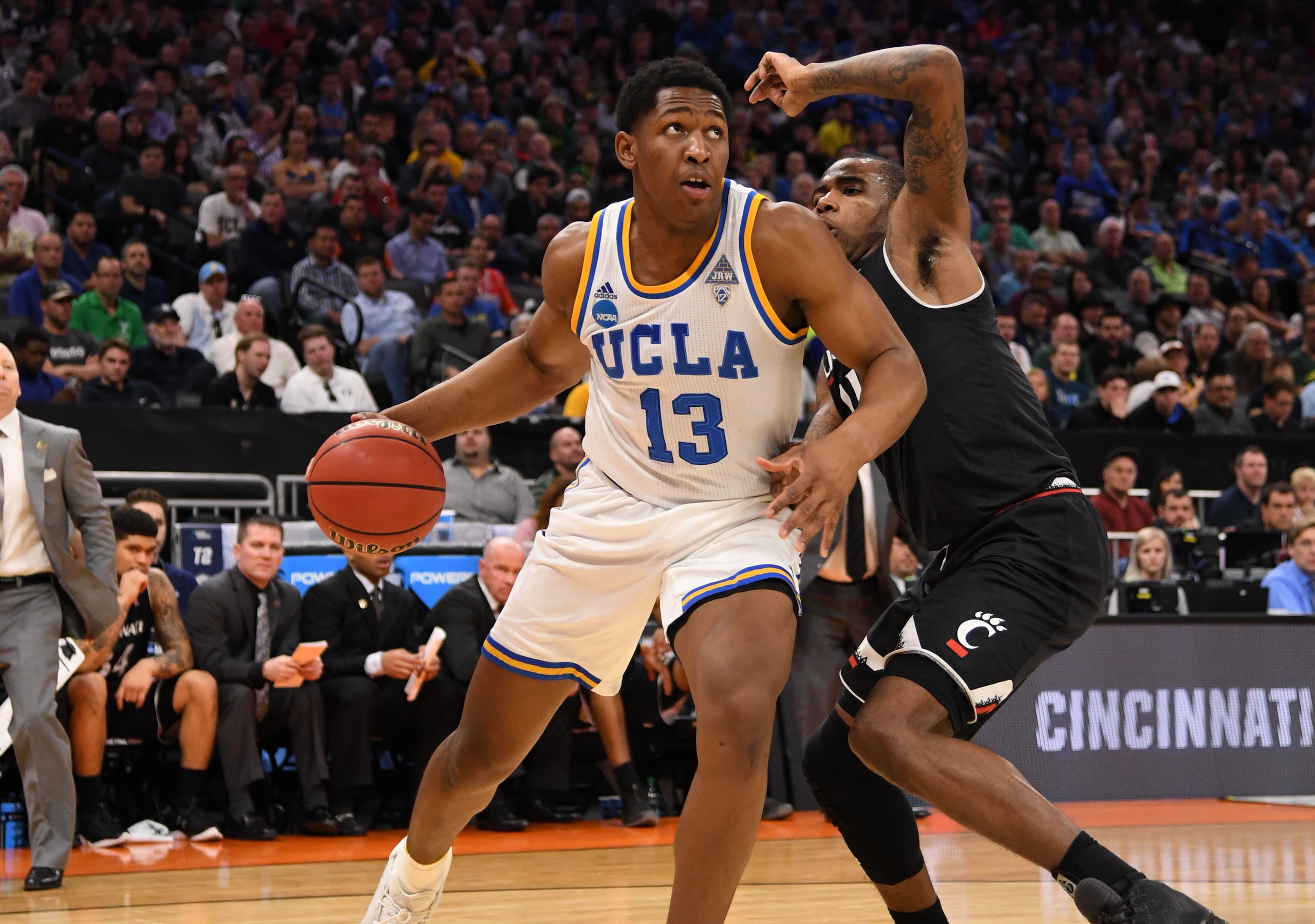
Draft projection: No. 13-30
There is an idea out there of what Ike Anigbogu could eventually look like. It's another version of DeAndre Jordan or Clint Capela, centers who lean strictly on tools and athleticism for production and impact.
Anigbogu averaged just 4.7 points per game and he'll still go in the first round. Teams will value his massive 252-pound frame, 7'6 ¼" wingspan and light feet, which should translate to rim protection, rebounding and efficient, low-usage offense.
Defensively, he's built to block shots, but he's also shown the foot speed to slide in pick-and-roll coverage and prevent ball-handlers from turning the corner.
However, the inability to shoot or create leaves little margin for error elsewhere. Fit will be key for Anigbogu, who'll need a role that lets him play to his strengths without hurting the team offensively.
9. Anzejs Pasecniks (Latvia, C, 1995)
3 of 11Draft projection: No. 19-30
Anzejs Pasecniks made it to the United States for a pro day and team workouts. He's here after a breakout season in the Spanish ACB, where he averaged 18.9 points per 40 minutes and finished fifth in the league in field-goal percentage.
He'd initially found the radar back in 2013 playing with Kristaps Porzingis for the Latvian junior national team. And at 7'2" with nimble feet and the ability to play high above the rim, he'd also been worth tracking.
Where Pasecniks could really separate himself from the NCAA bigs in workouts is with his shooting. He showed some range this year with eight three-point makes.
Pasecniks is clearly a project without much strength or defensive toughness. But there aren't many bigs his size, and the ones that are don't move the same or have much touch outside the paint.


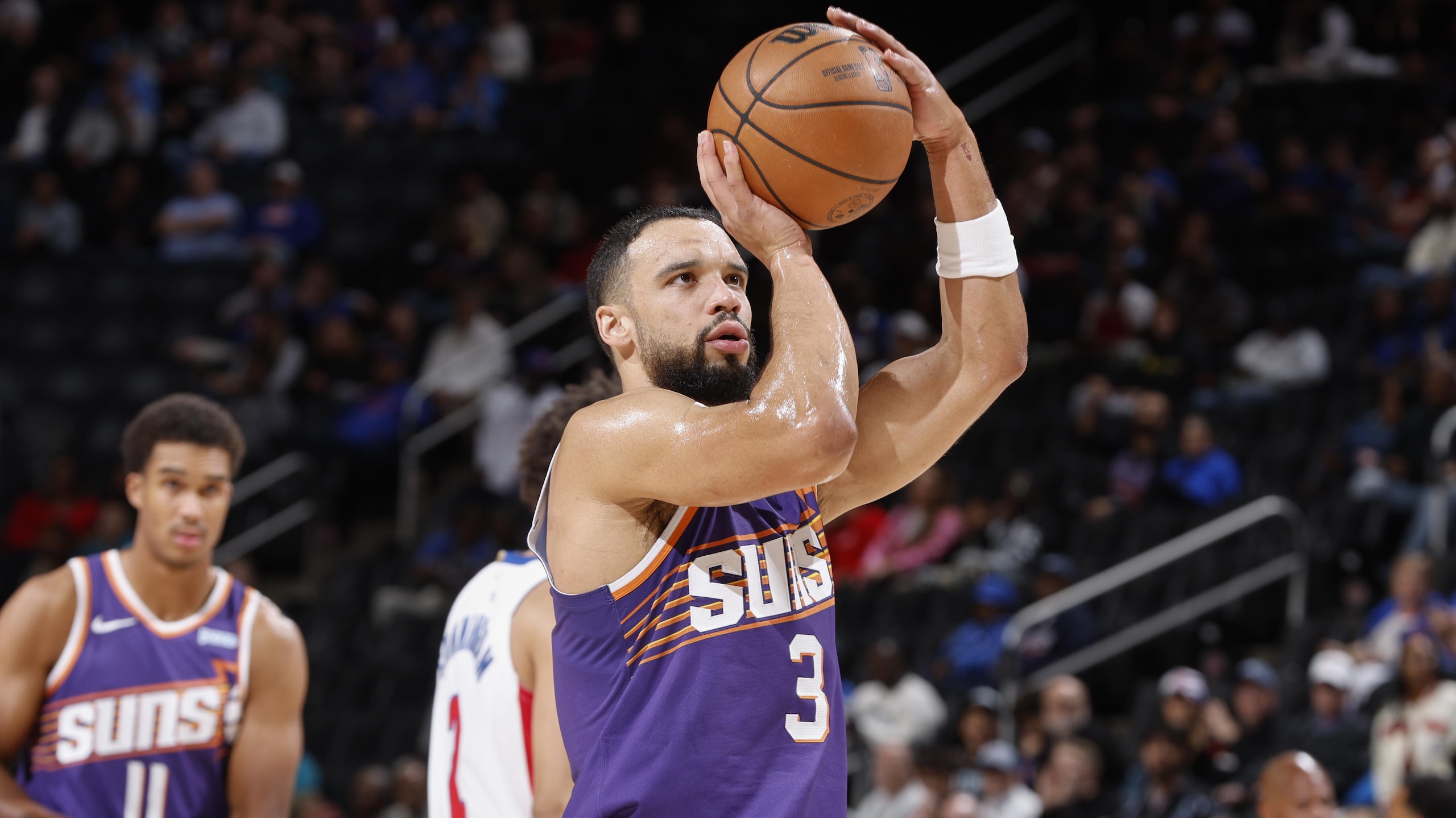
8. Harry Giles (Duke, PF, Freshman)
4 of 11
Draft projection: No. 10-27
Workouts represent a good opportunity for Harry Giles to win back support he lost during the year, when he averaged just 3.9 points per game.
Once considered an elite-level athlete, three knee surgeries later, he's still trying to convince scouts his bounce will return.
They're still drawn to his size, length and competitiveness, which should continue translating to high-energy plays like dunk finishes and putbacks. But if his explosiveness comes back and his post game and jumper begin to improve, Giles becomes a steal in the teens or 20s.
From October to June, he's gone from potential No. 1 overall prospect to possible value pick in the mid-to-late first round.
7. Justin Patton (Creighton, C, Freshman)
5 of 11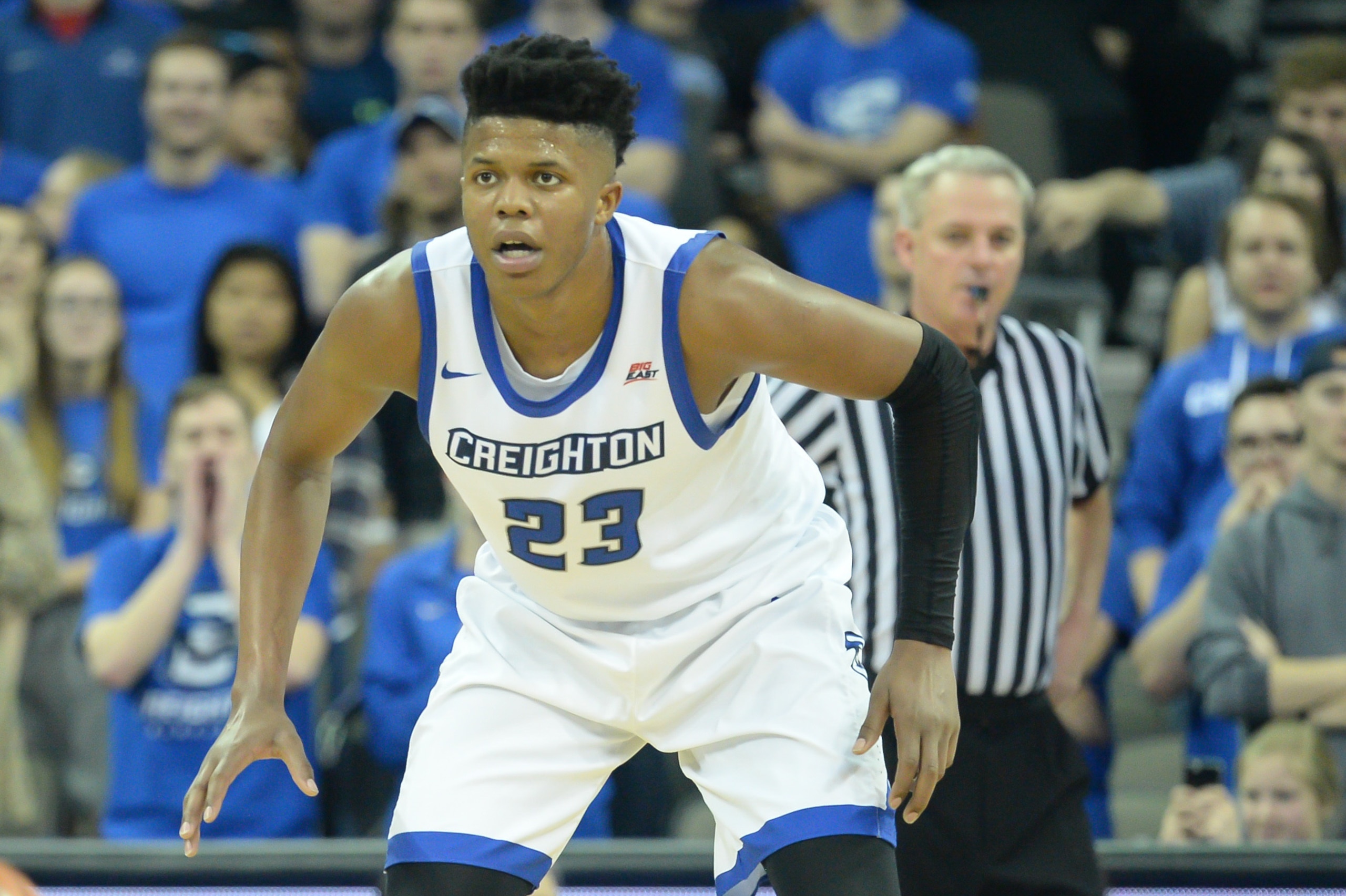
Draft projection: No. 11-30
Justin Patton is still mostly tools and mobility over skill, but the flashes of post moves and shooting suggest there is plenty of offensive upside for NBA coaches to unlock.
The Charlotte Hornets are the highest-positioned team in the draft he's expected to work out for. At the same time, it wouldn't be shocking if Patton fell into the 20s given the questions over his toughness and strength, which limited him as a rebounder and defender.
There appears to be some bust potential for Patton, whose current bread and butter is simply finishing. On the other hand, if he continues to make strides with his back-to-the-basket footwork, handle and jumper, he could wind up being the No. 1 center from the 2017 class.
Consider Patton the headliner of the boom-or-bust prospect crowd.
6. Jarrett Allen (Texas, C, Freshman)
6 of 11
Draft projection: No. 12-20
A strong finish after a slow first two months helped jumpstart Jarrett Allen's 2017 draft campaign.
He's now working out for teams in the teens and even the late lottery in the Detroit Pistons and Denver Nuggets.
His feet and 7'5 ¼" wingspan stand out most. Even if his skills remain fairly basic, Allen should be good for easy baskets inside off dump downs, rim runs, drives to the hoop and second-chance opportunities. And his tools project favorably when it comes to rebounding and rim protection.
But over the course of the year, Allen clearly become more comfortable wheeling and dealing with his back to the basket or knocking down catch-and-shoot mid-range jumpers. Occasionally, we even saw a dribble drive and the ability to score on the move.
He takes some heat for lacking strength and a sharp competitive edge. But it won't matter in this draft once all the flashy names are gone. Allen is being perceived as a low-risk, low-reward mid-first-rounder.
5. John Collins (Wake Forest, PF, Sophomore)
7 of 11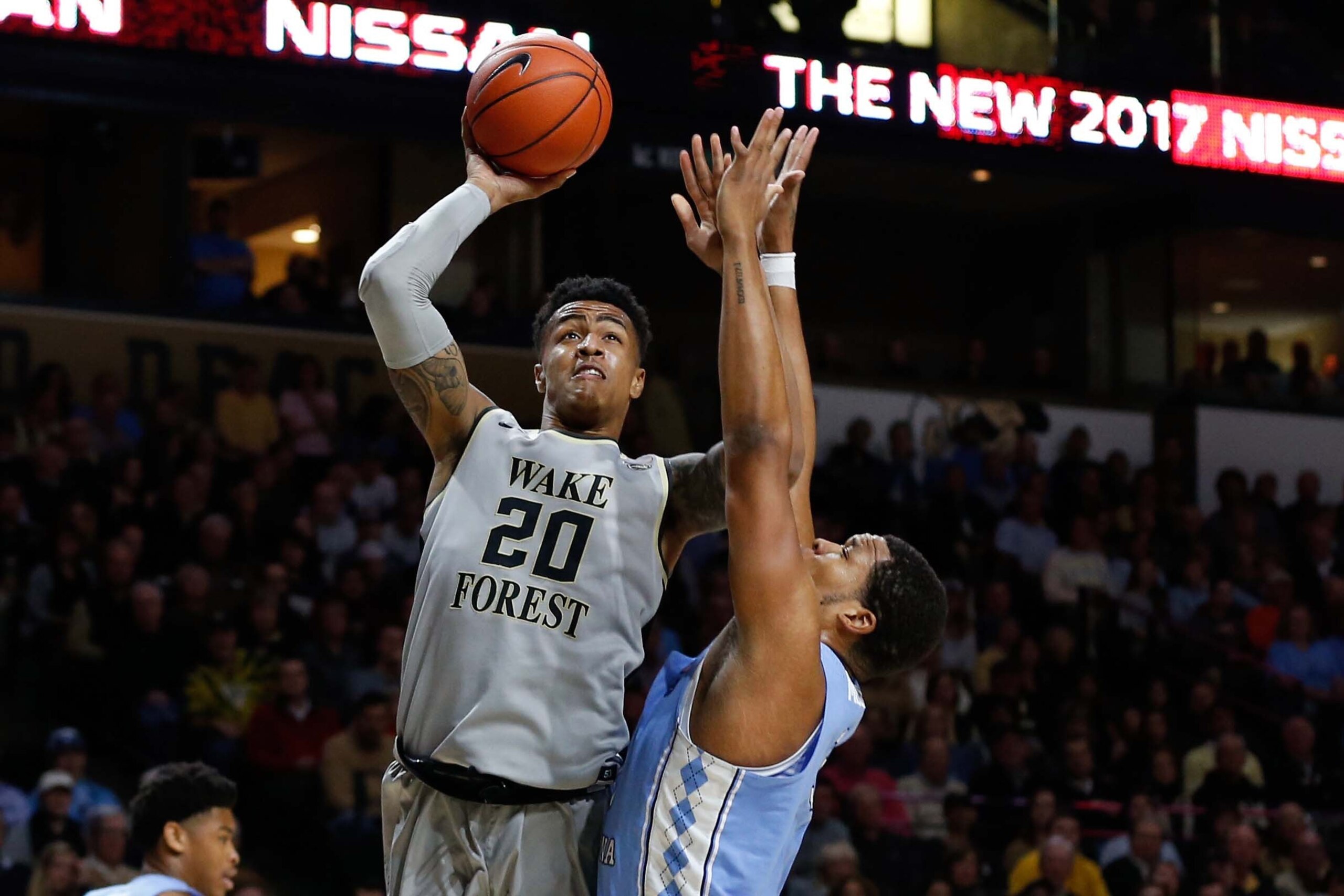
Draft projection: No. 13-25
John Collins appears locked into the mid-first round with what's perceived as a high floor and low ceiling.
The former stems from his tools, explosive athleticism and monster production at Wake Forest. He led the country in player efficiency rating his sophomore year. Even after it became clear Collins was a force, he still continued to bury quality ACC opponents in the paint.
He's a high-motor big around the basket capable of finishing at tough angles, scoring in the post and even stepping out in the mid-range. Collins shot the ball well during drills at the NBA combine and will likely continue to strengthen his case as a shooter during workouts.
He still has a ways to go skill-wise, both with his inside footwork, perimeter game and passing. Collins took one three in two years, doesn't handle the ball and finished with 17 assists in 33 games.
Scouts' bigger concern is defense and whether he'll be a revolving door. Collins becomes more of a backup, role-playing big if he can't stretch the floor, create shots or defend at a high enough level.
4. TJ Leaf (UCLA, PF, Freshman)
8 of 11
Draft projection: No. 13-24.
NBA teams covet the specific versatility TJ Leaf could offer. Scouts have talked about how his three-point range and passing fit the modern-day 4 position.
Leaf, 6'10", shot 46.6 percent from three and averaged 3.2 assists per 40 minutes. He compensates for limited strength and athleticism with a high skill level, feel for the game and competitive energy.
Without quickness or bulk, teams just have to decide how capable he'll be defensively, inside, but more importantly around the perimeter, given how many power forwards are now converted 3s or hybrid 4s.
When assessing his shooting, it's also worth noting his 67.9 percent free-throw mark and small sample size of three-point attempts (1.7 per game)—as well as the fact he had Lonzo Ball and an uptempo offense.
Leaf has worked out with the Denver Nuggets (No. 13) and other teams in the teens. Even with the obvious flaws, his convincing role-player potential should earn him a spot in the teens or early 20s.
3. Lauri Markkanen (Arizona, PF, Freshman)
9 of 11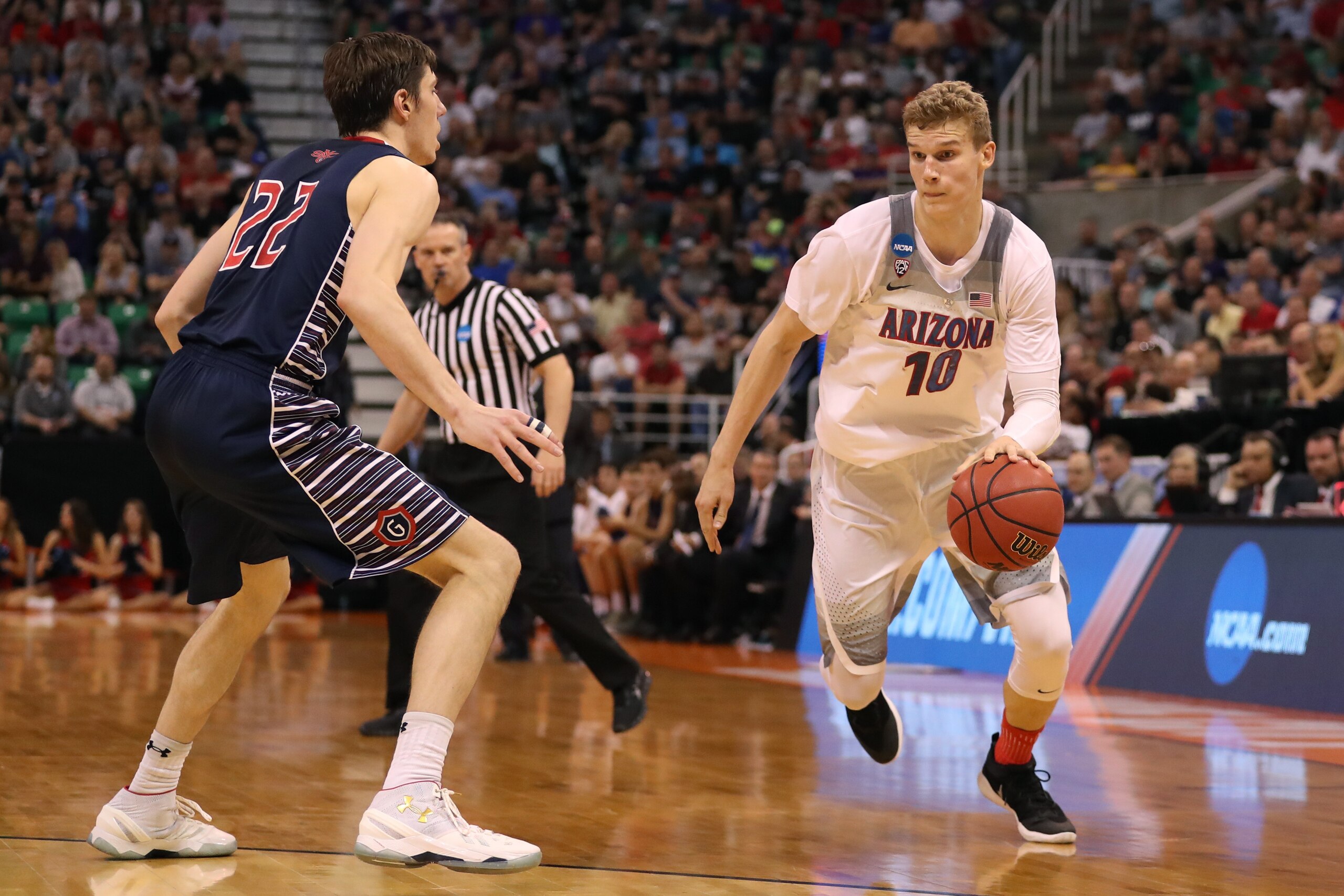
Draft projection: No. 7-14
Looking to position himself with the other elite prospects in the 2017 class, Lauri Markkanen's workout schedule has been limited after skipping the NBA combine entirely.
He's certainly rare, with 7'0" size and a highly convincing stroke that connected on 42.3 percent of his threes and 83.5 percent of his free throws. Markkanen's shot-making skills, both off the catch and dribble, are valued and unique.
But will he offer anything other than shooting? Markkanen, a suspect athlete without great length, registered substandard rebounding (9.3 per 40), steal (0.5 per 40) and block (0.7 per 40) numbers. And he totaled just 32 assists through 37 games averaging 30.8 minutes.
He could go as high as No. 7 to the Minnesota Timberwolves, who'd use him to space the floor between Karl-Anthony Towns and Andrew Wiggins. But concerns over his ability to separate, defend and hold his own physically could make the back end of the lottery a more reasonable drafting range.
2. Zach Collins (Gonzaga, C, Freshman)
10 of 11
Draft projection: No. 9-13
Solid in all areas, Zach Collins has the potential to be the most complete full-time center in the draft.
His credibility would be stronger if he played more than 17.3 minutes a game against better competition. But he did practically everything well as a freshman, from move and jump to finish, score, rebound and block shots.
He even shot 74.3 percent from the free-throw line and hit 10 of 21 threes. Collins may not be done rising if he uses workouts to show teams his jumper is legitimate.
He's earning workouts with top-10 teams, including the Phoenix Suns, who'll pick No. 4. Non-lottery teams shouldn't expect to have a chance at landing Collins.
1. Jonathan Isaac (Florida State, SF/PF, Freshman)
11 of 11
Draft projection: No. 4-7
Jonathan Isaac isn't a traditional big man, but the NBA has gone away from tradition. He's the new-age big with the size and length of a 4 or 5 and the agility and skills of a wing.
He's reportedly only worked out for the Boston Celtics (per The Ringer's Kevin O'Connor), who pick first, and the Phoenix Suns, who pick fourth. And if Phoenix doesn't take him, it seems unlikely he falls lower than No. 7, where the Minnesota Timberwolves could use him most at power forward.
At 6'10", Isaac made a three-pointer per game (26.2 minutes) and shot 59.3 percent inside the arc. His 12.0 rebounds, 2.3 blocks and 1.8 steals per 40 minutes were all comforting numbers.
Scouts are drawn to his unique versatility at both ends, particularly defensively, where he's flashed the potential to disrupt around the rim or switch and guard in space.
He lacks assertiveness and disappeared too often at Florida State, but once Isaac builds up his confidence, body and skill level, we'll be talking about an offensive mismatch and two-way player.
Stats and measurements via ESPN.com, RealGM.com, NBA.com, Hoop-Math.com and Sports Reference unless otherwise noted.
Jonathan Wasserman covers the NBA draft for Bleacher Report. Follow him on Twitter: @NBADraftWass.

.jpg?w=2560 "Grading WWE Raw 🔠")


.jpg?w=2560 "2 NFL Officials Suspended")
.jpg?w=2560 "Viral Rams Coach Vid 🖕")