
2017 NBA Draft: What Every Top Prospect Doesn't Want You to Know About His Game
Markelle Fultz can score, Lonzo Ball can pass, and Malik Monk can jump. We've been talking about the top NBA draft prospects' strengths all season.
But what don't they do well?
Each player still has weaknesses that work against their draft cases, from shaky shooting and poor decision-making to shot selection and finishing at the rim.
These are the flaws skeptics will point to and prospects must improve to maximize their NBA potential.
Donovan Mitchell: Inefficient Scorer
1 of 11
Draft projection: No. 8-14
A big second half of the season and strong start to the predraft process have helped Donovan Mitchell climb boards.
He just won't want scouts looking deep into the numbers. Mitchell wasn't overly efficient in any area as a scorer, having shot an average 35.4 percent from three and a below-average 46.3 percent inside the arc during his sophomore season.
The latter stat stems from his struggles around the basket. Mitchell, who shot just 49.4 percent at the rim and only made 5 of 19 floaters, per DraftExpress' Jonathan Givony and Mike Schmitz, showed poor feel when challenging rim protectors and forced to adjust or improvise in crowds.
Lauri Markkanen: Defensive Numbers Are Red-Flag Low
2 of 11
Draft projection: No. 7-14
Lauri Markkanen's offensive versatility and elite shooting launched him into the draft's top-10 mix. Defensive concerns will keep him from rising much further, though.
In 1,140 minutes, Markkanen, a 7-footer, blocked just 19 shots all season. His 1.8 percent block percentage is red-flag low for a big man. The fact he only totaled 15 steals won't help his case, either.
Markkanen does a nice job of sliding his feet around the perimeter, but he isn't quick to react and struggles with physicality around the basket, where he registered a below-average 14.0 rebounding percentage.
Transition numbers exposed Markkanen's lack of speed and explosiveness. Despite playing 30.8 minutes a game, he only made four shots at the rim all year that came within the first 10 seconds of an Arizona possession.
Dennis Smith Jr.: All-Around Inconsistency
3 of 11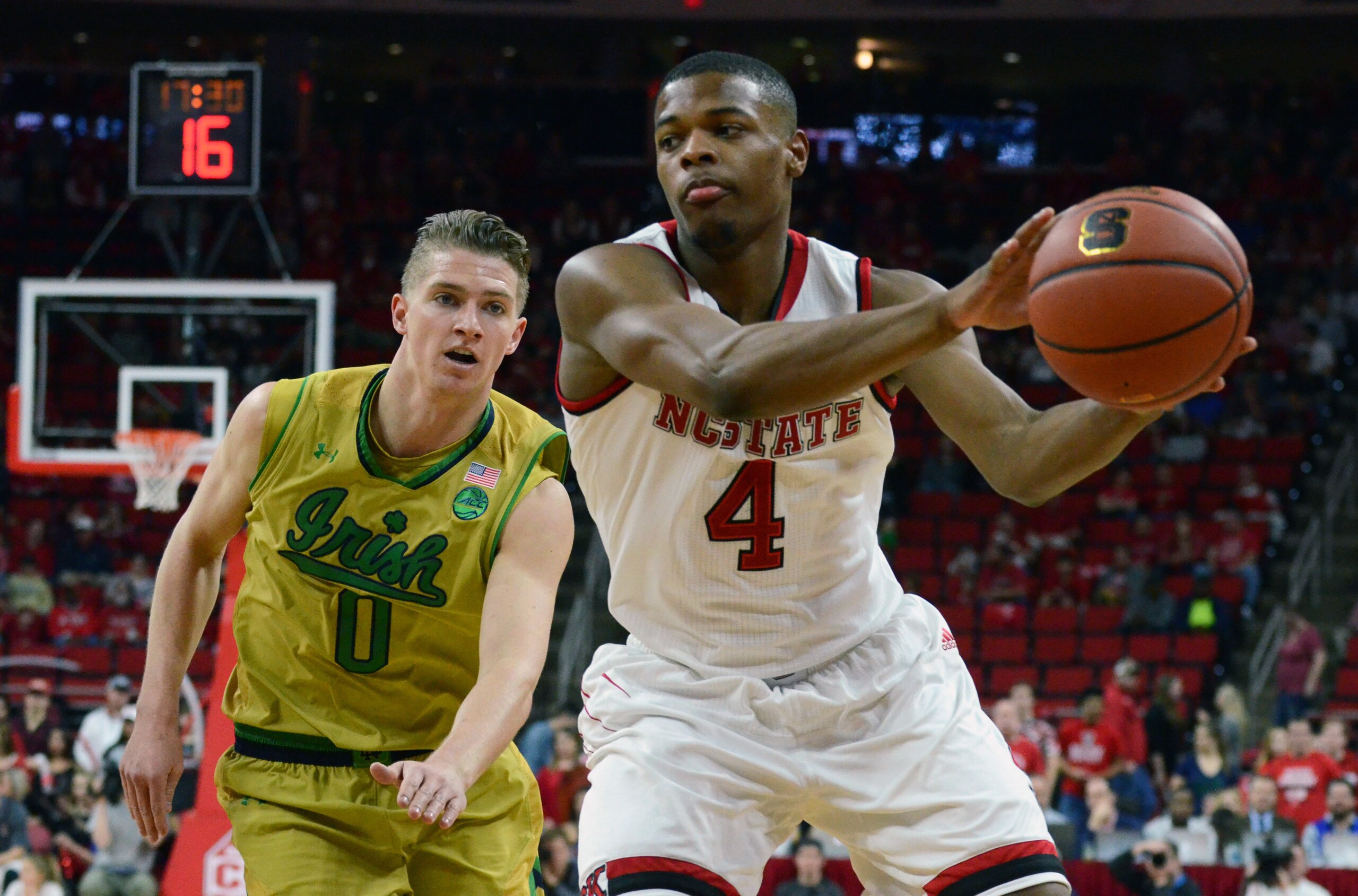
Draft projection: No. 3-10
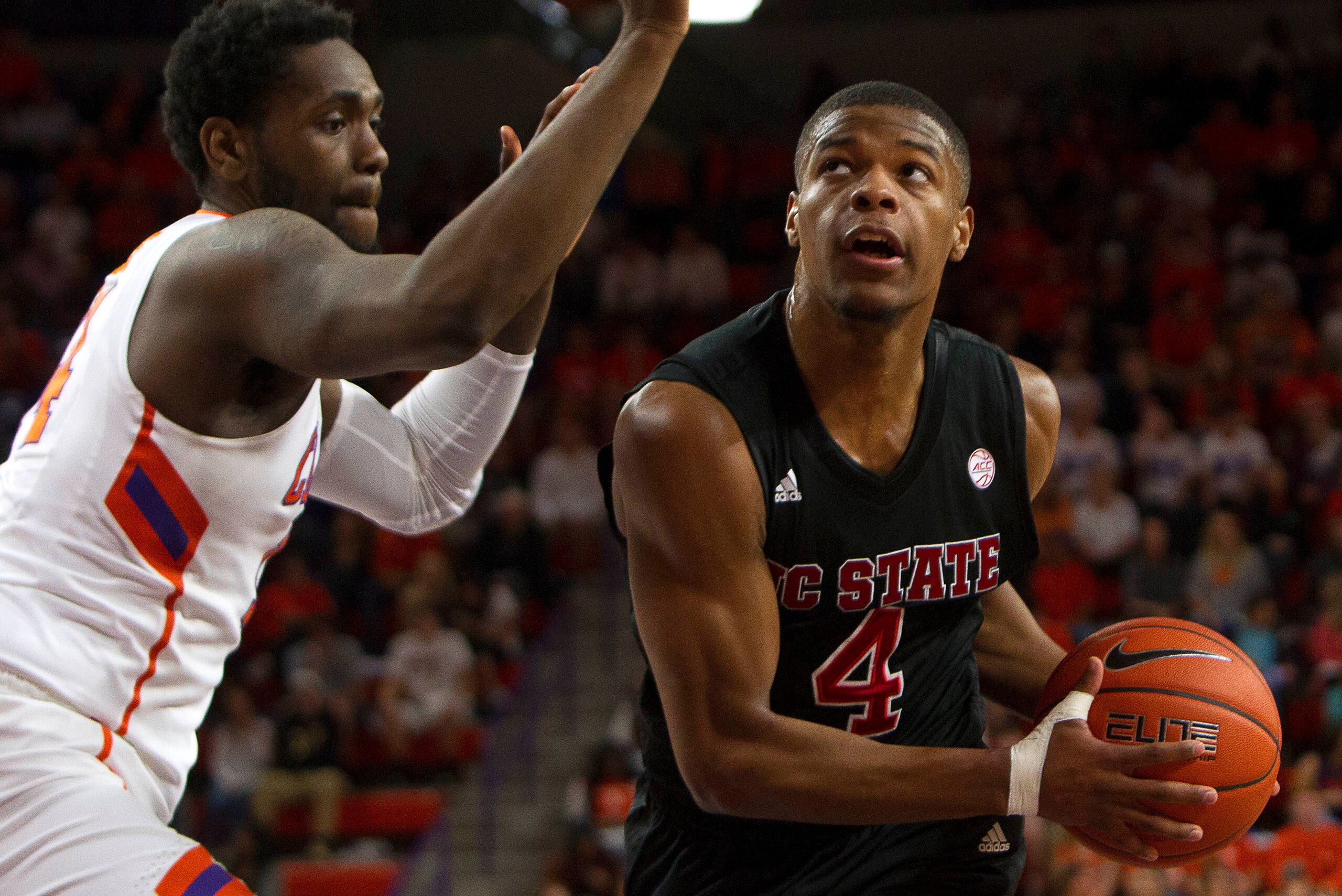
Dennis Smith Jr. was inconsistent with just about every aspect of his game, though in fairness to him, he received little help from his coaching staff or teammates.
He made threes, but he also finished nine games without one and five more shooting 25 percent or worse. He showed he can step into pull-ups inside the arc, though he only shot 30.5 percent on two-point jumpers.
Smith mixed explosive offensive outbursts with duds throughout the season, having shot below 40 percent 12 times in 2016-17. He finished with single digits in scoring in three of North Carolina's State's final 11 games, including its last one, when he shot 3-of-12 in a loss to Clemson during the ACC tournament's first round.
Careless, flat-footed passes point to his fluctuating sense of urgency. And some days, he'd embrace the role of facilitator, while others, he'd go hunting for dribbles and shots.


Malik Monk: Shot Selection Spells Inconsistency
4 of 11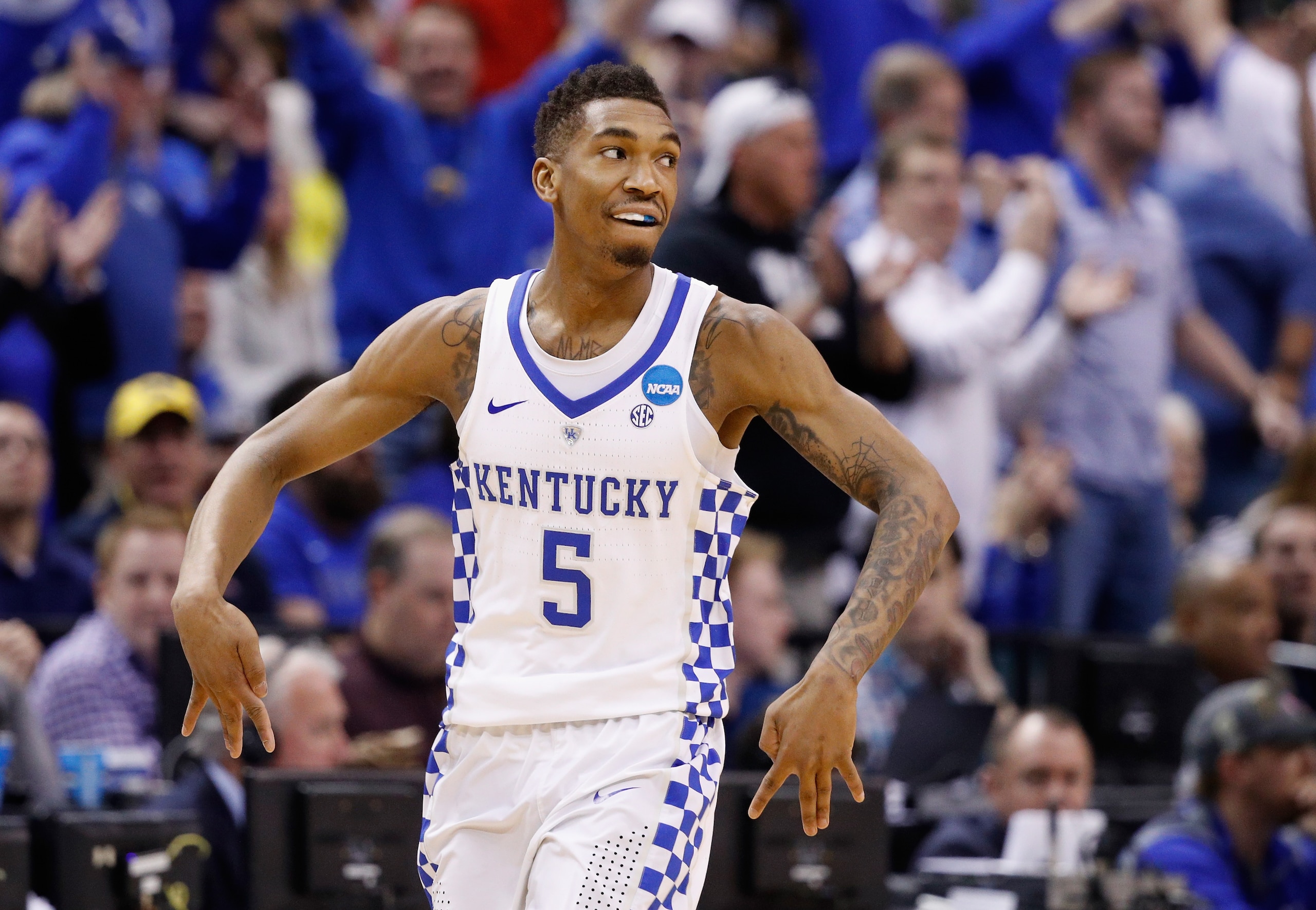
Draft projection: No. 3-10
Malik Monk averaged 19.8 points per game, but his shot selection and love for jumpers (only 20.4 percent of his shots came at the rim) could make it difficult to stay efficient and consistent.
After a hot start that caught everyone's attention, he shot an ugly 37.1 percent from the floor over Kentucky's final 14 games.
Monk relies heavily on outside shooting. His handle in tight spaces against pressure needs work. He was rarely called on to create himself, with only 10 percent of his possessions coming out of isolation or pick-and-rolls, per DraftExpress' Schmitz and Matt Kamalsky. Three-quarters of his offense came off screens, spot-ups and transition.
He didn't get to the basket often using his own dribble in the half court, where he totaled 14 unassisted field goals at the rim all year.
Monk's shot-making is undeniably impressive, but having shown limited one-on-one skills, driving prowess and playmaking ability, complementary or streak scorer sounds like a more reasonable projection than star.
Frank Ntilikina: Struggles to Create
5 of 11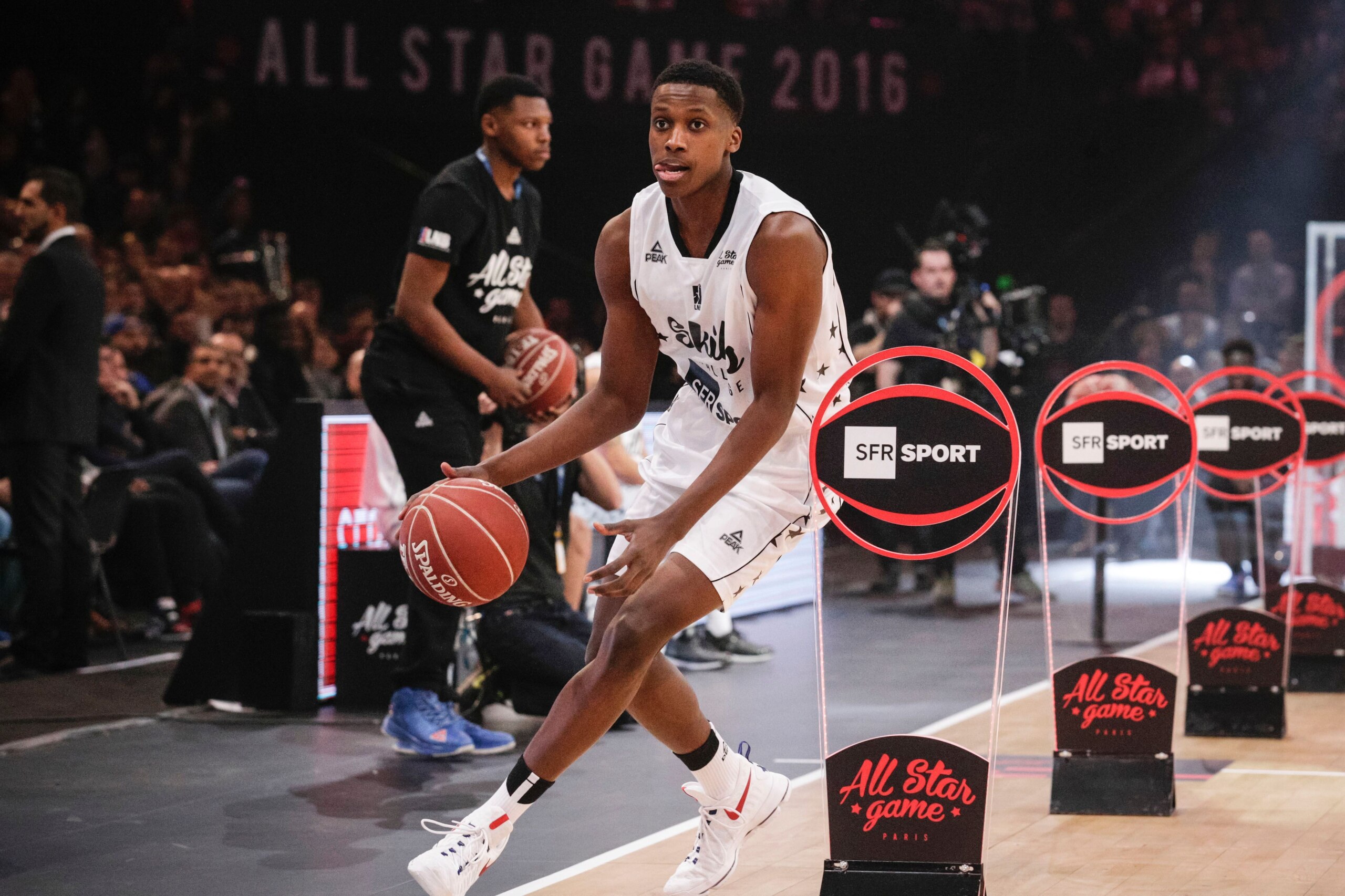
Draft projection: No. 7-12
Frank Ntilikina struggles to create, a concerning weakness for a projected point guard or ball-handler.
Tools, defense, shooting and youth (18 years old) will earn him looks in the lottery. But the inability to shake free off the dribble could limit his ceiling to role player.
He finished below five assists in all but one LNB Pro A game he played this year. Ntilikina spent a lot of time off the ball and wasn't featured much as a playmaker. "He's afraid to make mistakes or he comes out of games," one NBA executive told Bleacher Report. "He's hesitant to play fast."
Even as a scorer, Ntilikina relies mostly on open lanes or uncontested threes the defense gives him. He's shown little out of isolation or pick-and-rolls and doesn't pack that blow-by first step or finishing explosiveness at the rim.
Ntilikina appears on track to carve out a three-and-D role in the pros, but to become a more valuable, higher-upside player, his handle and shot-creativity must improve dramatically.
Jonathan Isaac: Struggles to Create
6 of 11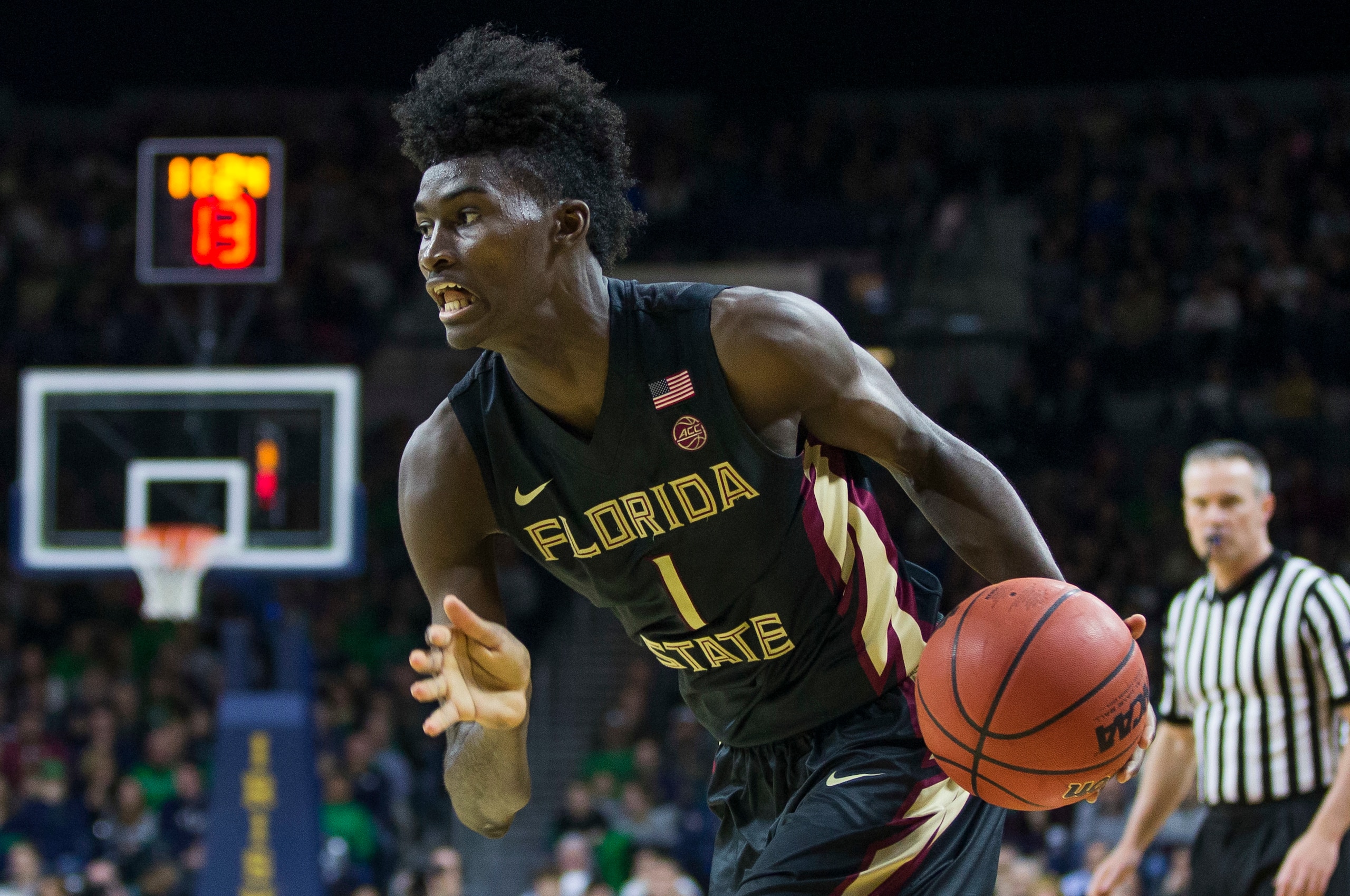
Draft projection: No. 3-8
Jonathan Isaac was efficient and took quality shots all season. He just didn't create many, either for himself or teammates.
He rarely looked to score one-on-one, and when he did, he struggled, missing all seven shots he took in college after putting the ball on the floor out of isolation, per DraftExpress' Schmitz and Derek Bodner.
When tightly guarded, his loose ball skills become exposed and his fluidity tends to break down.
Isaac also only finished with 37 assists through 32 games.
There is a lot to like about his defensive versatility, but NBA teams shouldn't count on Isaac to create against set half-court defenses just yet.
Jayson Tatum: Suspect Shot Selection, Explosiveness
7 of 11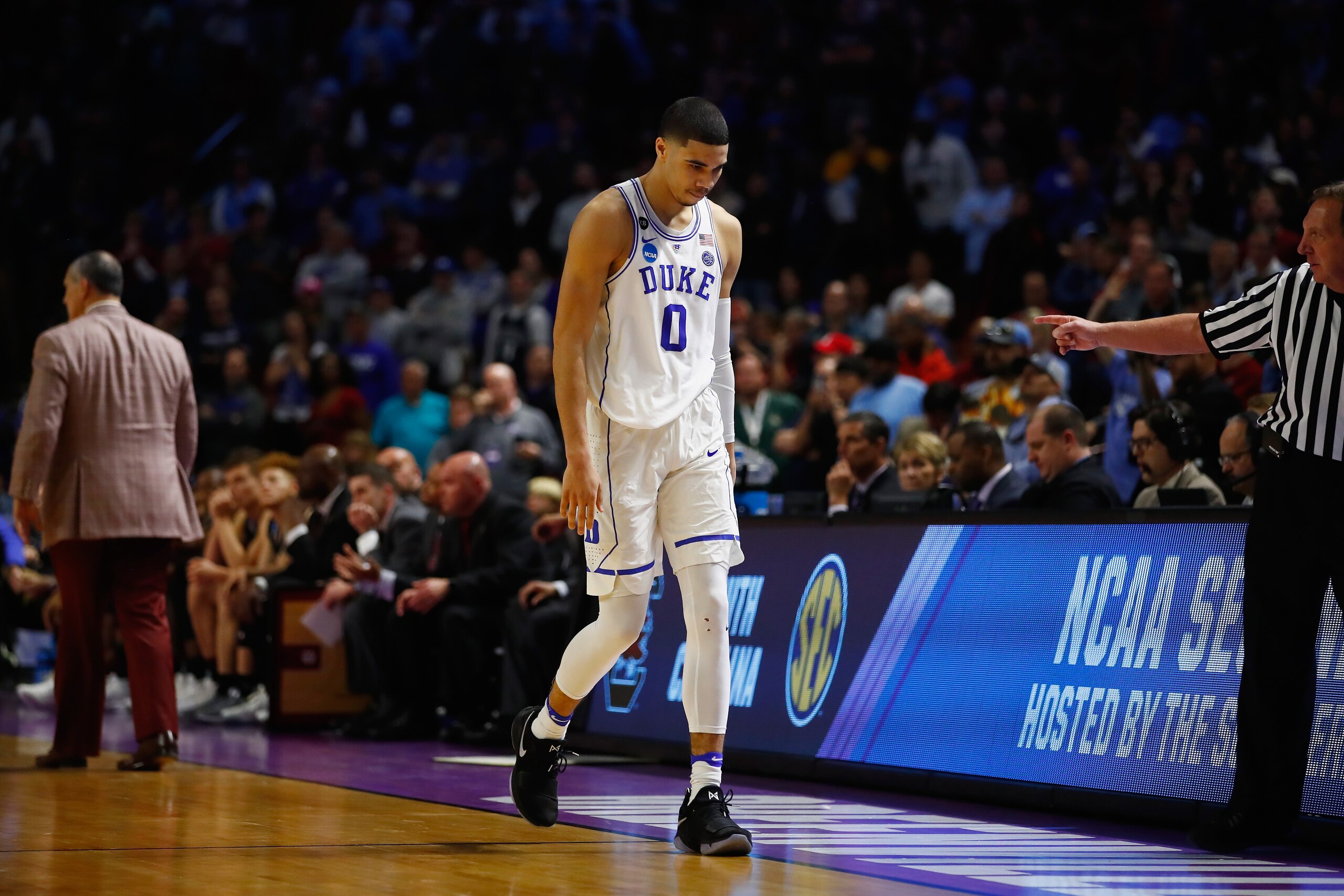
Draft projection: No. 3-8
Though highly skilled and advanced with NBA tools, Jayson Tatum has aspects to his game that could point to future inefficiency.
Analytics believers won't love the fact Tatum took more two-point jumpers than threes and shots at the rim, especially considering he only hit 39.4 percent of them. Tatum's shot selection featured heavy doses of tougher pull-ups, step-backs and fallaways in the mid-range.
Tatum also played most minutes against slower power forwards. He'll get NBA wings next year. Can he blow by and finish? Explosiveness isn't a strength, which could cause Tatum to continue settling for contested lower-percentage outside shots.
He also finished the year with 62 assists to 76 turnovers. Minimal playmaking and a tendency to stop ball movement for one-on-one hero shots are behind questions over Tatum's potential to be an efficient all-around player.
De'Aaron Fox: Shooting Numbers
8 of 11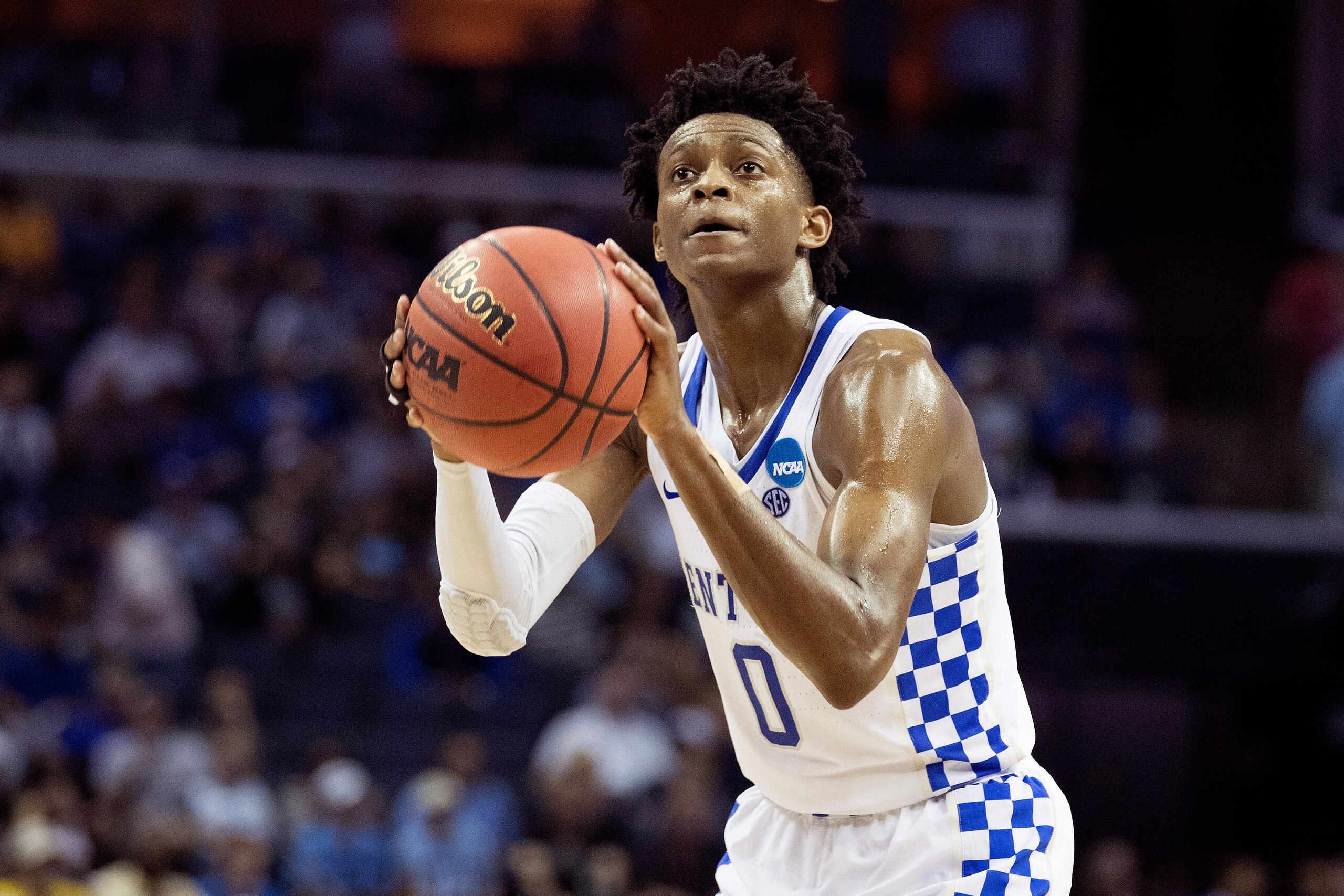
Draft projection: Top five
Every team working out De'Aaron Fox will be paying extra attention to his shooting drills. A well-documented shaky jumper has been the No. 1 concern on scouts' minds throughout the season.
His numbers on the year were unsettling: 17 made threes in 36 games, 24.6 percent from behind the arc, 20 percent on spot-ups and 31 percent on pull-ups (via DraftExpress' Schmitz and Kamalsky).
A rough freshman season shooting isn't a death sentence. Every year we see players improve their accuracy and range after time developing in the pros. But to take Fox top five in the draft, it would mean betting on extraordinary progress over the next few years.
Josh Jackson: Three-Point Shooting Numbers Aren't What They Seem
9 of 11
Draft projection: Top five
Josh Jackson finished the year shooting 37.8 percent from three, but it's difficult to fully buy into that number.
His 56.6 percent free-throw mark on 173 attempts is a red flag. He also only made 16 of 50 jumpers inside the arc and 20 percent of his mid-range shots off the dribble, per DraftExpress' Schmitz and Givony.
There are a lot of moving parts with Jackson's mechanics, which, along with every other shooting percentage on the scouting report, suggests his three-point stats are fluky.
Considering he isn't known for one-on-one scoring, it's even more important he make the open jumpers that find him within the flow of the offense.
Lonzo Ball: Doesn't Create or Score in the Mid-Range
10 of 11
Draft projection: Top three
Lonzo Ball's identity has always revolved around passing and basketball IQ. The 41.2 percent shooting from three was more surprising and a big reason Ball moved into the top-two discussion.
But taking him that high would mean drafting a guard who doesn't project as a scorer. And every guard in this year's All-Star Game averaged at least 20 points per game.
Ball made only 12 shots all year that weren't layups/dunks or three-pointers. Of his 80 made threes, 73.8 percent were assisted, compared to 55.8 percent for Markelle Fultz and 48.1 percent for Dennis Smith Jr.
Ball doesn't create shots for himself or generate one-on-one offense at a time when the NBA lead guard position is evolving and scorers are running the point. He averaged 16.6 points per 40 minutes, which would be the lowest for a lottery point guard since Michael Carter-Williams in 2013 and Kendall Marshall in 2012.
Markelle Fultz: Efficiency Fell Against Quality Competition
11 of 11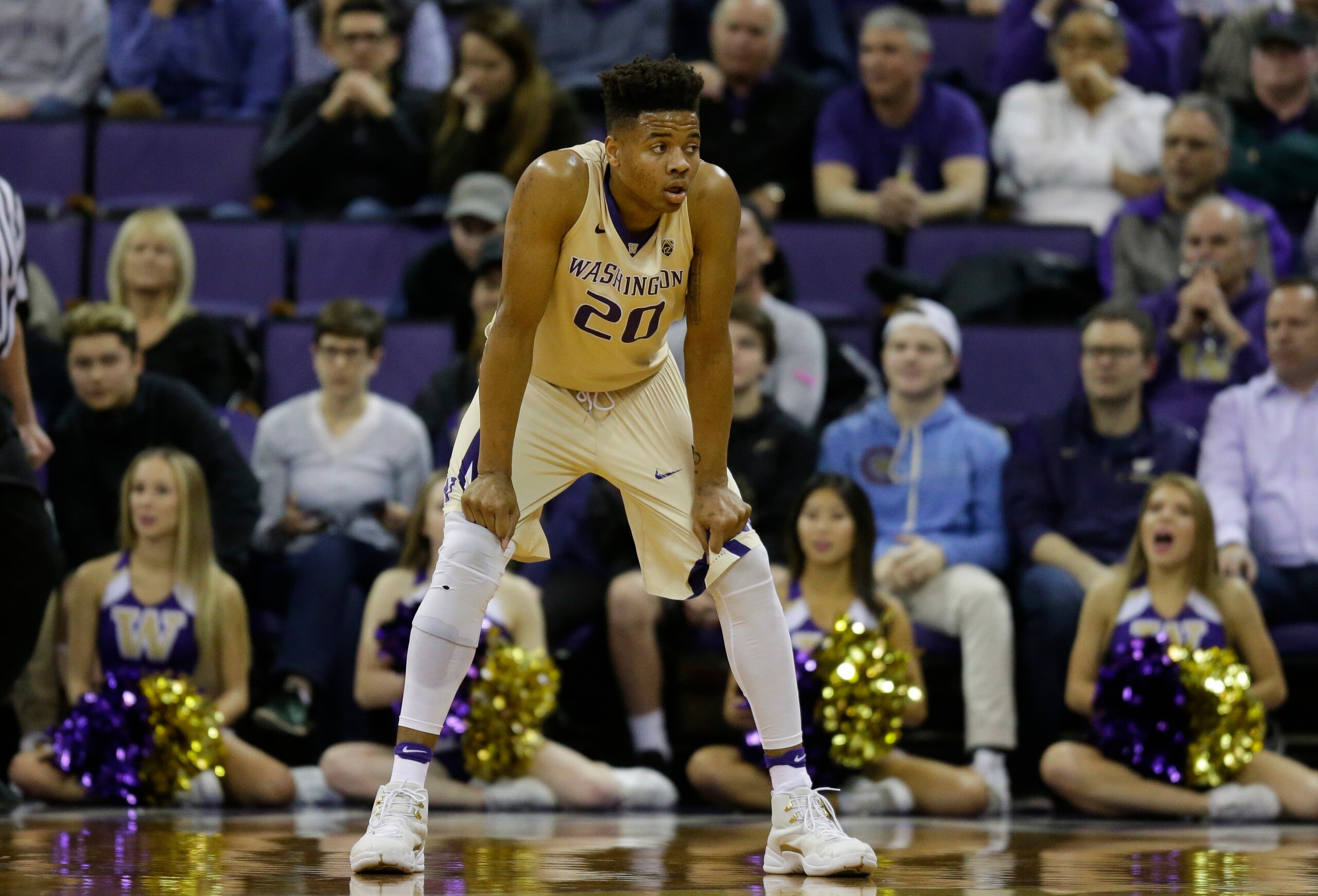
Draft projection: No. 1
Markelle Fultz shot an impressive 47.6 percent from the floor as a freshman, but he also feasted on weaker competition.
He shot just 41.9 percent in seven games against NCAA tournament teams (UCLA, Arizona 2x, USC, Gonzaga, Nevada, Oregon) and 50.2 percent in the other 18 games.
Even though Washington often found itself down early, which would affect his shot selection and willingness to hunt, the only case against Fultz highlights his inefficiency against stronger opponents.
The other players competing for looks at No. 1 overall—Lonzo Ball, Josh Jackson, De'Aaron Fox, Jayson Tatum—all made the NCAA tournament and played big roles during key wins throughout the year.
Stats courtesy of Sports Reference, Hoop-Math.com and DraftExpress.


.jpg?w=2560 "Grading WWE Raw 🔠")


.jpg?w=2560 "2 NFL Officials Suspended")
.jpg?w=2560 "Viral Rams Coach Vid 🖕")