Will Peter Bosz Take Borussia Dortmund in the Right Direction?
As time goes by, the chance to savour the moment seems to get shorter and shorter. Three days after winning the DfB Pokal, Thomas Tuchel became the former head coach of Borussia Dortmund, and already his spell in charge at Westfalen seems like another era, another time.
With Peter Bosz now into the hotseat, Die Schwarzgelben face a new departure in a different direction, hoping that the road ahead is straighter, without so many bumps and chicanes.
As BVB's statement announcing Tuchel's dismissal underlined, the "well-being" of the club is about "more than just sporting success." Given Tuchel's delivery of automatic Champions League qualification and a first trophy in five years, that was already clear.

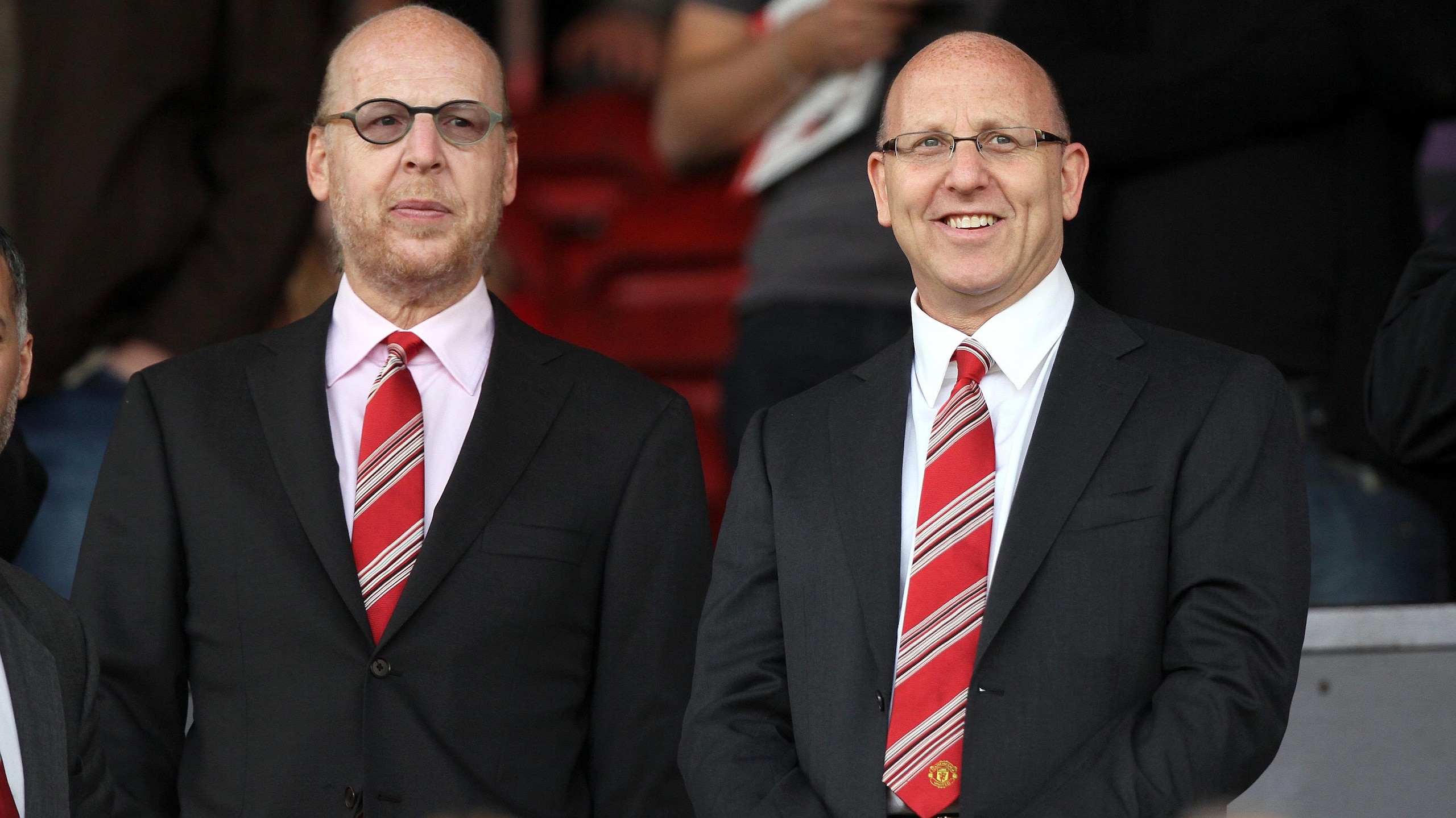
That Dortmund have strength upstairs—via CEO Hans-Joachim Watzke and sporting director Michael Zorc in particular—has rarely been up for debate, and generally speaking, making sure a new head coach is in situ three days after the Champions League final would seem like great planning. Yet there's something about Dortmund's route to Bosz that seems slightly out of kilter.
Tuchel's departure had been on the cards for some time, with discord in the relationship between the coach and the club's influential head scout Sven Mislintat reported by Sport Bild in October (via Deutsche Welle) but pre-dating the story by several months.
By April, when a clear divergence emerged between Tuchel and Watzke over the handling of the rescheduling of the Champions League quarter-final first leg with Monaco after the horrific attack on the team bus, the former Mainz coach's average yield of 2.09 Bundesliga points per game in his two years in charge (a better average than either Jurgen Klopp or Matthias Sammer) had become almost a footnote.
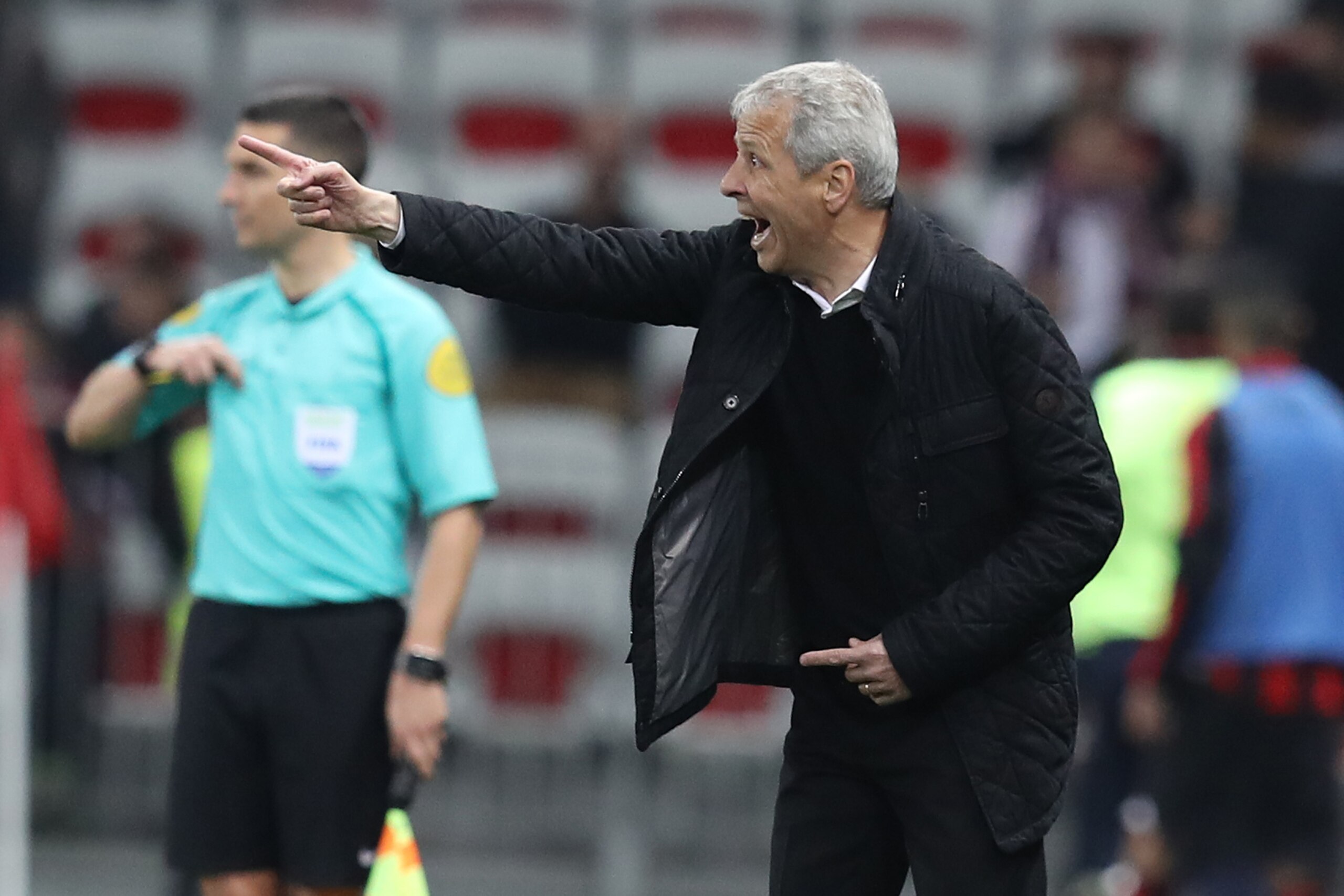
The first-choice replacement had been Nice coach Lucien Favre, coming off the back of a stellar season on the Cote d'Azur and replete with Bundesliga experience with Hertha Berlin and Borussia Monchengladbach. Yet Nice president Jean-Pierre Rivere wasn't just playing hardball for compensation. Les Aiglons kept hold of their man, releasing this statement (in French), which left no doubt over the firmness of their position.
Chasing Bosz, the proponent of a far more frenetic, front-foot style of play, is a departure in terms of thinking. Nevertheless, ESPN FC's Germany correspondent Stephan Uersfeld thinks Dortmund have played a tricky hand well.
"Dortmund had a couple of options," Uersfeld told Bleacher Report, "and Bosz was one of them. Others like Hoffenheim's Julian Nagelsmann were not on the market this summer, and home-grown Hannes Wolf [in charge of Stuttgart] might have been regarded as too inexperienced at the highest level. Overall, the noise of Tuchel's exit overshadowed last week and gave BVB some room to breathe to sort out their issues in the dugout."
What is certain is that Dortmund, and Watzke, really need this appointment to work. "Dortmund have definitely reached a crossroads," Uersfeld told us. "Bosz will be under pressure to show he has what it takes to handle Bundesliga and Champions League from day one. For now, the BVB leadership still has a lot of trust, but given the way Tuchel was shown out of the door this summer—and the current divide among the fans—only sporting success will ensure stability in the new season."
Tuchel has set standards, certainly. Some, short-sightedly, will insist he fell short of expectations, but achieving what he did in '16-17, particularly after having lost Mats Hummels, Henrikh Mkhitaryan and Ilkay Gundogan at the beginning of the season (not to mention the backdrop of the bus attack), was extraordinary.
Yet his impact off the pitch was notable, too. As has previously been noted in this column, many Dortmund fans still yearned for Klopp after his departure, not feeling the same sense of warmth emitting from his successor. Tuchel's very human response to the shock of the bus attack, and his move to shield his players, changed some of those views.
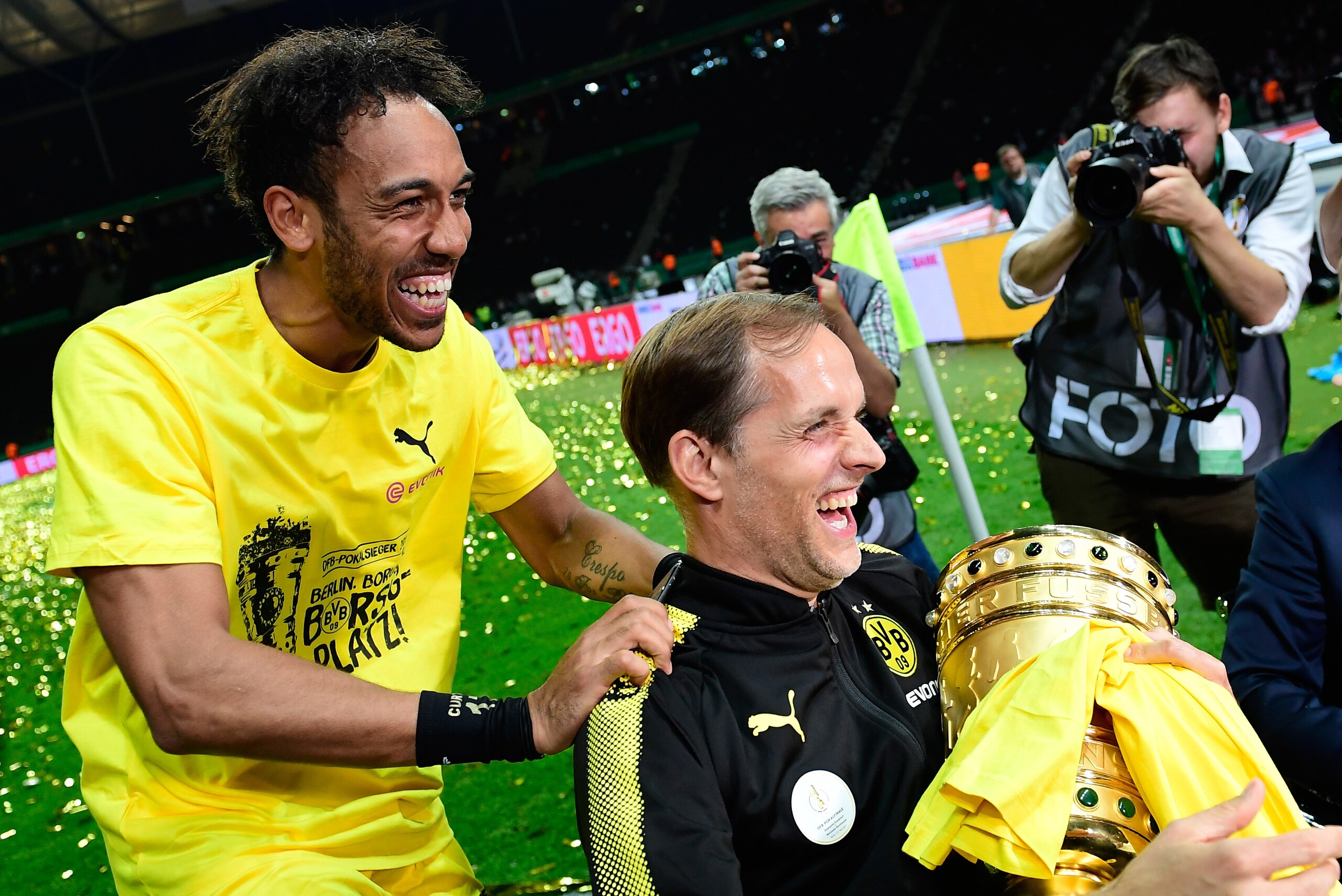
"Tuchel split the BVB fans following the attack," Uersfeld said. "Those nearer to the club in terms of inside knowledge continued to question him, while the majority of the supporters liked the way he protected his team and made his position clear in the aftermath of the attack."
That Tuchel is gone has surprised nobody. His reinvention in the eyes of the public, however, has been an unexpected twist. It has clearly hurt Watzke (who, lest we forget, played a huge part in pulling the club back from the brink of extinction in 2005) to be recast as the bad guy, post-Monaco. So much so, in fact, that he took the unprecedented step of releasing an open letter to the fans on the club's website last week.
In it, Watzke defended the decision to remove Tuchel, pointing to the "protection of trust" as "a key component of the leadership culture" of the club. He underlined that the past relationship with Klopp was not a yardstick for future BVB coaches and finished by nailing his colours to the mast.
"Since I have been working in positions of responsibility at Borussia Dortmund," he wrote, "I have always placed the well-being of BVB over everything else."
While the process of getting Bosz might not appear to have been totally linear (with Bleacher Report's Lars Pollmann tweeting how much of a surprise the move was to the man himself, as relayed in his introductory press conference), there are plenty of indications that his arrival could nurture the squad that Tuchel left behind.
Adapting to life in Germany shouldn't be an issue for the new man, who speaks fluent German and spent a short time playing for Hansa Rostock in the 1997-98 season. During that spell, he even played in Rostock's winning 3-1 win over Nevio Scala's struggling European champions, with current sporting director Zorc in the Dortmund XI on that day in April 1998. He also spent three years with Toulon and speaks French, which is handy in terms of relating to the team's rising star, Ousmane Dembele.
Bosz's ability to connect with young players in general is the biggest reason to believe he can succeed. His fielding of the youngest team in Eredivisie history in Ajax's final game of the season at Willem II (at 20 years and 139 days) is already the stuff of legend, while the XI that played in the Europa League final against Manchester United were comparative veterans, at an average of 22.5 years each.
Dembele and Christian Pulisic will continue to drive Dortmund, while teenagers Alexander Isak and Dan-Axel Zagadou—the latter freshly arrived from Paris Saint-Germain—will get their chances, too. They will enjoy themselves, being expected to pass and press and get the ball back straight away if they lose it. "Barcelona have a three-second rule," Bosz said to the Telegraph's Charlie Eccleshare before the Stockholm final. "We're not Barcelona, so I put two seconds on."
That margin of patience is likely to quickly diminish at a club based on youth but which is, as Bosz recognised at his presentation, one of Europe's biggest. However Dortmund got here, they are looking in a good direction. The question is whether they are going at the right speed to keep everyone happy.


.jpg?w=2560 "Raiders Could Start Mendoza")
.jpg?w=2560 "Rodgers Iced Out on Plane 💎")

.jpg?w=2560 "🚨 Week 8 AP Top 25 Poll")