

Gianluigi Donnarumma at Crossroads on Path to Greatness
Christian Abbiati started to come but suddenly appeared stricken with doubt. It was as though the enormity of having been thrust in goal for AC Milan aged 21, just a month after being plucked from Italy's lower leagues, had hit him all at once.
As Francesco Totti's spinning cross arced into his goalmouth, the Milan goalkeeper checked his advance and, caught in neither one place nor another, fell on to his backside, as Roma's Paulo Sergio nipped in to flick the winning goal beyond his flailing reach. The date was February 26, 1999.
The previous day, 100 or so miles south-east of Rome's Stadio Olympico, a boy named Gianluigi had been born into a well-to-do family in Naples, marking the first stroke of what was to become an extraordinary story arc in Italian football.

Some 16 years later, Gianluigi Donnarumma would usurp Milan's goalkeeping hierarchy to claim the No. 1 jersey at this grand old club, with the 38-year-old Abbiati watching from the sidelines. In Milan, they would call this il cerchio della vita.
It seems scarcely plausible. The day the rookie 21-year-old Abbiati had floundered in the Olympico, his eventual successor in the Milan goal was barely out of the weighing scales. But there is exponentially more than simply eye-catching serendipity to the story of Gianluigi Donnarumma.
Another quirk of the story tells of the day a scout from Milan arrived in Naples to finalise the signing of Gianluigi's older brother, Antonio, also a goalkeeper. "Are you a goalie too?" the Milan official joshed with the five-year-old. "Si," came the reply.
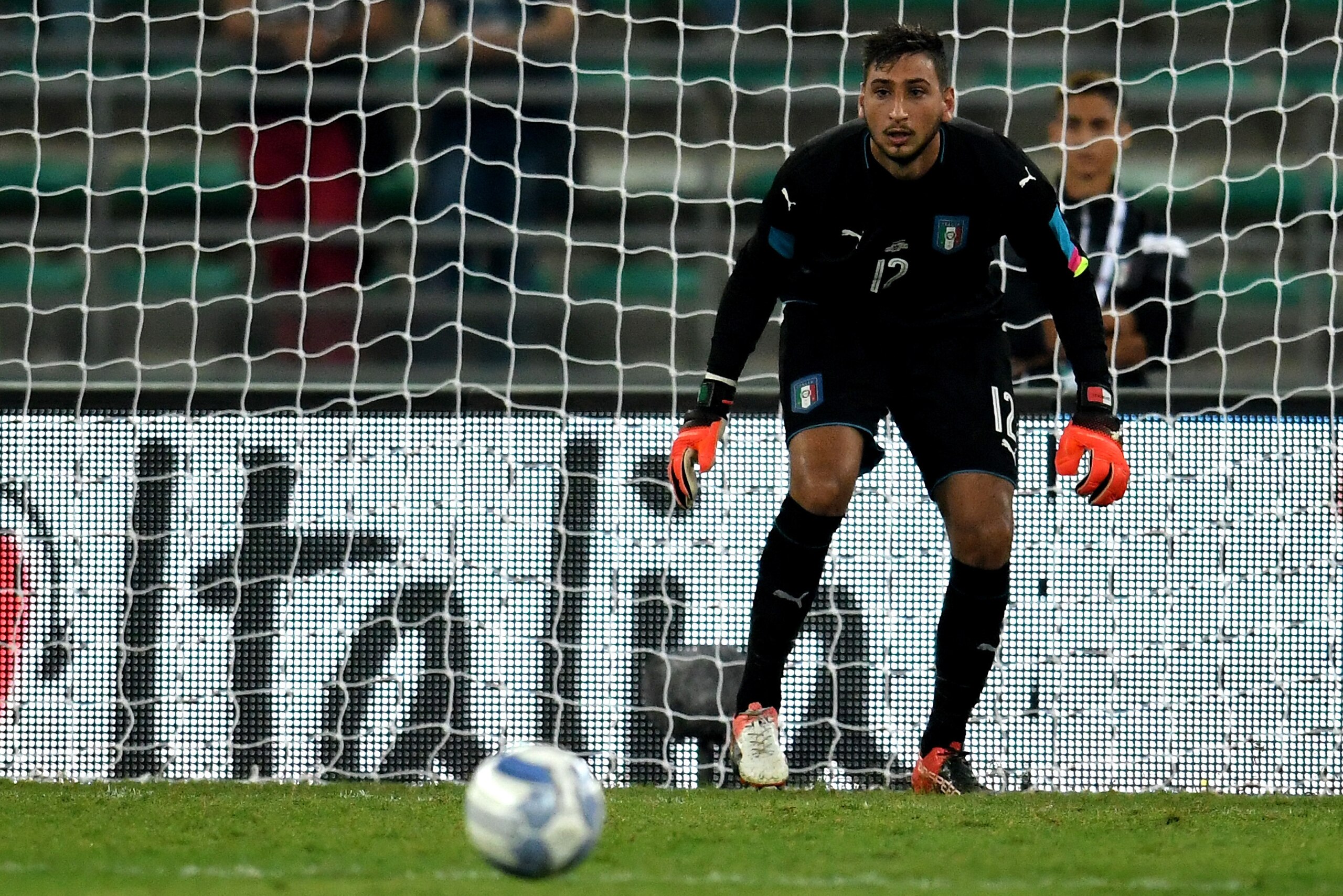
Still, no-one could have called it; that Donnarumma Jnr would, just over a decade later, make history as the youngest goalkeeper to start a match in Serie A nor that he would become the youngest 'keeper to represent Italy, aged 17 years and 189 days, when coming on as a substitute against France on September 1, 2016.
Donnarumma's age is something that won't go away in this story; how could it, when he's become an automatic pick at one of Europe's greatest clubs before completing his high school education? Further, and whilst it is possibly apocryphal the adage that goalkeepers don't reach their prime until the back end of their careers, there is no denying the attributes that make the men between the posts successful can only be refined over a lengthy, colourful spell in the game.
Anticipation, judgement, positioning, organisation; these are not raw attributes, like speed or balance, that underpin the skillset of a striker or a central defender, rather they are psychological qualities that are acquired in the mind, collected and refined over years of dedication to the craft of keeping goal.
"Donnarumma's remarkably assured for someone so young," says Italian sports writer Scott Fleming, who has observed the rise of Milan's goalkeeping prodigy from up close. "He doesn't seem remotely overawed by the situation or starstruck by the big names he's playing with and against, nor does he appear to be in any doubt that he is where he deserves to be.
"On the other hand, he can at times seem a little too keen to impress, to rush out of his goal frequently and involve himself in games, and it can be a risky policy."
This is fair. He resembles Manuel Neuer a little in this respect, though the assurance that the German No. 1 brings with his sweeper play isn't always there with Donnarumma—yet. But isn't that just part of the pummelling, unforgiving harshness of being a goalkeeper, that their mistakes are remembered just as much, if not more so, than their good work? No, not with Donnarumma. "Errors are so few from Donnarumma, and that's remarkable really given how much they've struggled," Fleming said.
Things had gotten off to a rickety start. Against Sassuolo at the San Siro in October 2015, the day he set the Serie A record, he misjudged a Domenico Berardi free-kick that swung in past him at his far post. It was the smallest error, a step to his left as Berardi struck the ball, meaning he couldn't make up the ground to his right. In this arena of fine margins and great expectations, though, Donnarumma was culpable.
Milan recovered to win 2-1, but the narrative has changed since then. Now it is much more likely to find Donnarumma digging his team out of a hole than vice versa.
Four days later against Chievo, Milan kept their first clean sheet in eight months, and despite a change of management at the San Siro, the club haven't looked back as far as Donnarumma is concerned.
In the summer of 2015, Milan sacked Filippo Inzaghi and appointed Sinisa Mihajlovic. By the close of that transfer window, the board had shelled out €86 mllion to try and resuscitate a team that had finished a dismal 10th in May, but the results didn't come for Mihajlovic, and the mood turned from sour to apocalyptic.
On October 4, Milan lost 4-0 at home to Napoli, and there followed an unmistakable butting of heads between the manager and his goalkeeper, the former Real Madrid No. 1 Diego Lopez. On both a personal and professional level, the two were incompatible, and the Spaniard was subsequently frozen out. But when the announcement was made several days prior to the Sassuolo game that Donnarumma would start in Lopez's place, it came as a huge surprise.
It was widely assumed that Mihajlovic was seeking to make a statement, not just to his ousted goalkeeper but to the squad at large. The message was that it was not enough simply to pull on the red-and-black stripes, trot about the San Siro for 90 minutes and bank a hefty wage. The inclusion of this 16-year-old boy would show all of Milan that the manager was serious about radical change.
"He didn't break into the Milan team as a last resort, because of illness or an injury crisis or anything like that," says Fleming. "He came in at the expense of a world-class 'keeper in the form of Diego Lopez. Lopez had made one or two errors but wasn't exactly a total liability. It was still a very bold call from Mihajlovic, and one that the coach has not benefited from but the club certainly has."
After Sassuolo, Mihajlovic was questioned by a reporter about his goalkeeper's performance. "What were you doing when you were 16?" the manager replied. The retort was the perfect fit.
Donnarumma had actually been training with the first team since the previous season when Inzaghi, with whom he had worked with during the latter's spell in charge of the youth set-up, drafted him in as an unused substitute against Cesena. That had been three days before his 16th birthday, a move that had required special dispensation from Serie A.
"Talk about having a good head on your shoulders," says Italian football pundit Susy Campanale. "He was asked about a contract renewal and noted: ‘Why? I'm not old enough to buy a car yet.' He is a pretty normal teenager, very level-headed."
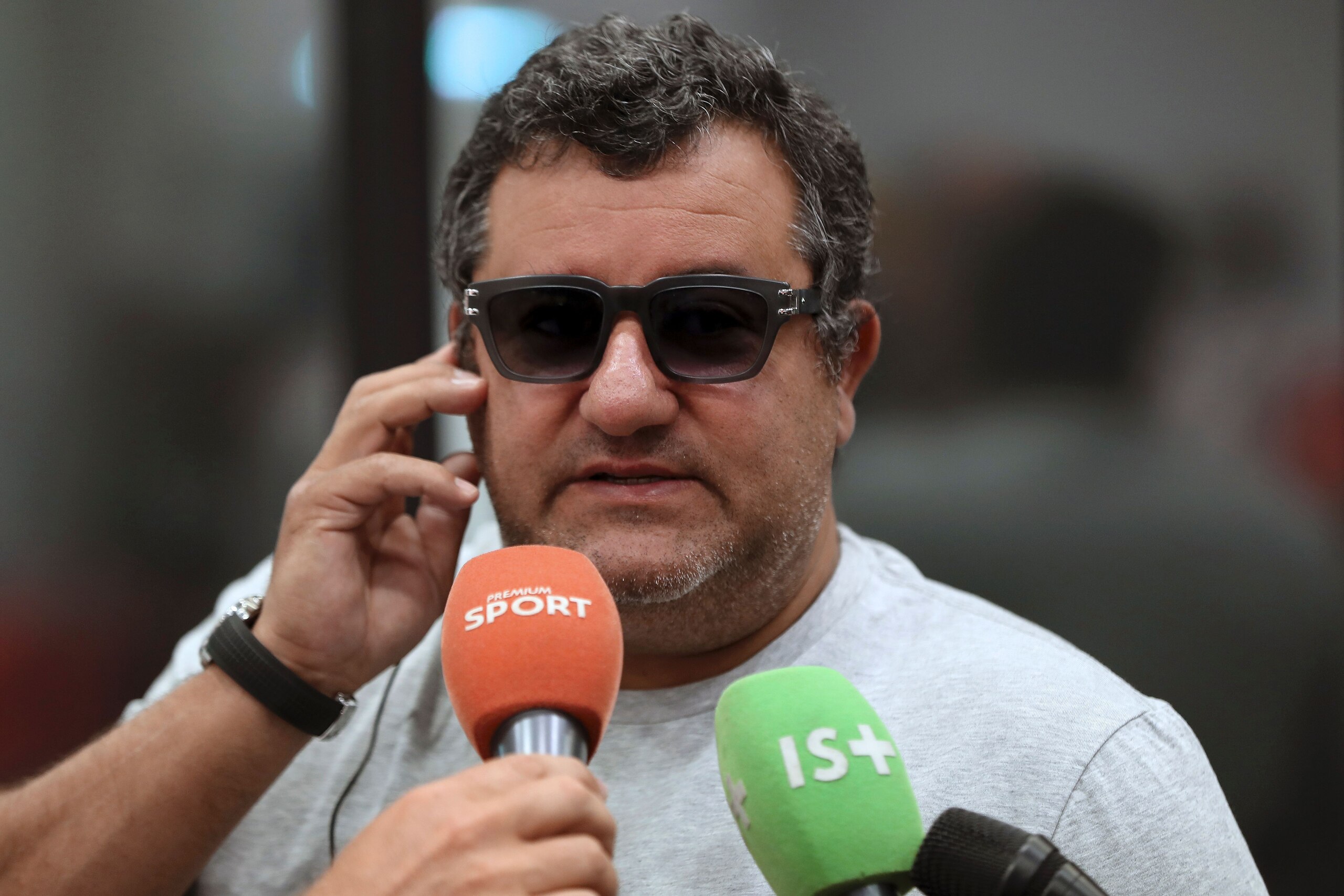
With Mino Raiola now managing the player's affairs and talk of mega transfers circling, the mood could change, but the hope is that Donnarumma will keep himself grounded.
Donnarumma missed a portion of Milan's pre-season preparations last summer in order to sit the last of his high-school exams. This is a teenager, remember, barely even on the cusp of adulthood, yet who had the presence of mind to keep himself in school even after he began training with the first team.
He is kept grounded by his family. A solid, stable family life isn't something that can be taken for granted in the part of Naples that Donnarumma hails from, but he has been blessed with having never had to navigate the difficulties of a broken home, and his parents never struggled to provide for their children. Much can be said, too, of the influence of his older brother, who paved the way for the young Gianluigi with his own fledgling goalkeeping career.
"He has said that he's learned so much about the sport by watching his brother, who is now 26, at the Milan youth academy," says Campanale. "He always wanted to be a goalkeeper and never thought about any other position."
That brother, Antonio, progressed through the Milan youth system himself before going out on loan and ultimately failing to make a first-team impact, either at Milan or elsewhere in Serie A—he is now at Greek side Asteras Tripolis. But he trod the ground first, softening it and making the mistakes that Gianluigi would subsequently know to avoid. It's one of many similarities the Milan prodigy shares with goalkeeping Adonis Gianluigi Buffon. The long-time Italy No. 1's parents had been strong athletes, too.
The comparisons with Buffon are another inevitable part of the script, especially with the Juventus stalwart coming to the end of his tenure in the Italy goal. "They're both excellent shot-stoppers," says Fleming, "and Donnarumma is also showing signs of developing the kind of big on-field personality that's always been a part of Buffon's game."
It's clear from watching his game develop that Donnarumma is making the effort to become a proactive goalkeeper; hardly surprising when one thinks of the current climate. Neuer and, to a lesser extent, Hugo Lloris have contributed hugely to a change in attitudes towards goalkeeping. This can be seen most clearly in the case of Joe Hart, who paid for his under-developed ball-playing skills with his place in Manchester City's team, and there is a new pressure on goalkeepers to take on more responsibility in the way that their teams play tactically. Donnarumma recognises this.
"He is very proactive and does seem to go a-wandering more than Buffon, but that's his style and it's clearly something he's worked on," says Fleming.
Campanale observes that he still has some way to go before he is as competent with his feet as Buffon, but there is more than enough to Donnarumma's game to justify his continued selection in the Milan goal and in the national team squad.
"He seems remarkably unfazed by anything, be it a packed San Siro or facing a penalty in the last kick of the game [as he did, successfully, against Torino in August]. That's the kind of character trait you cannot teach and is especially valuable for a goalkeeper."
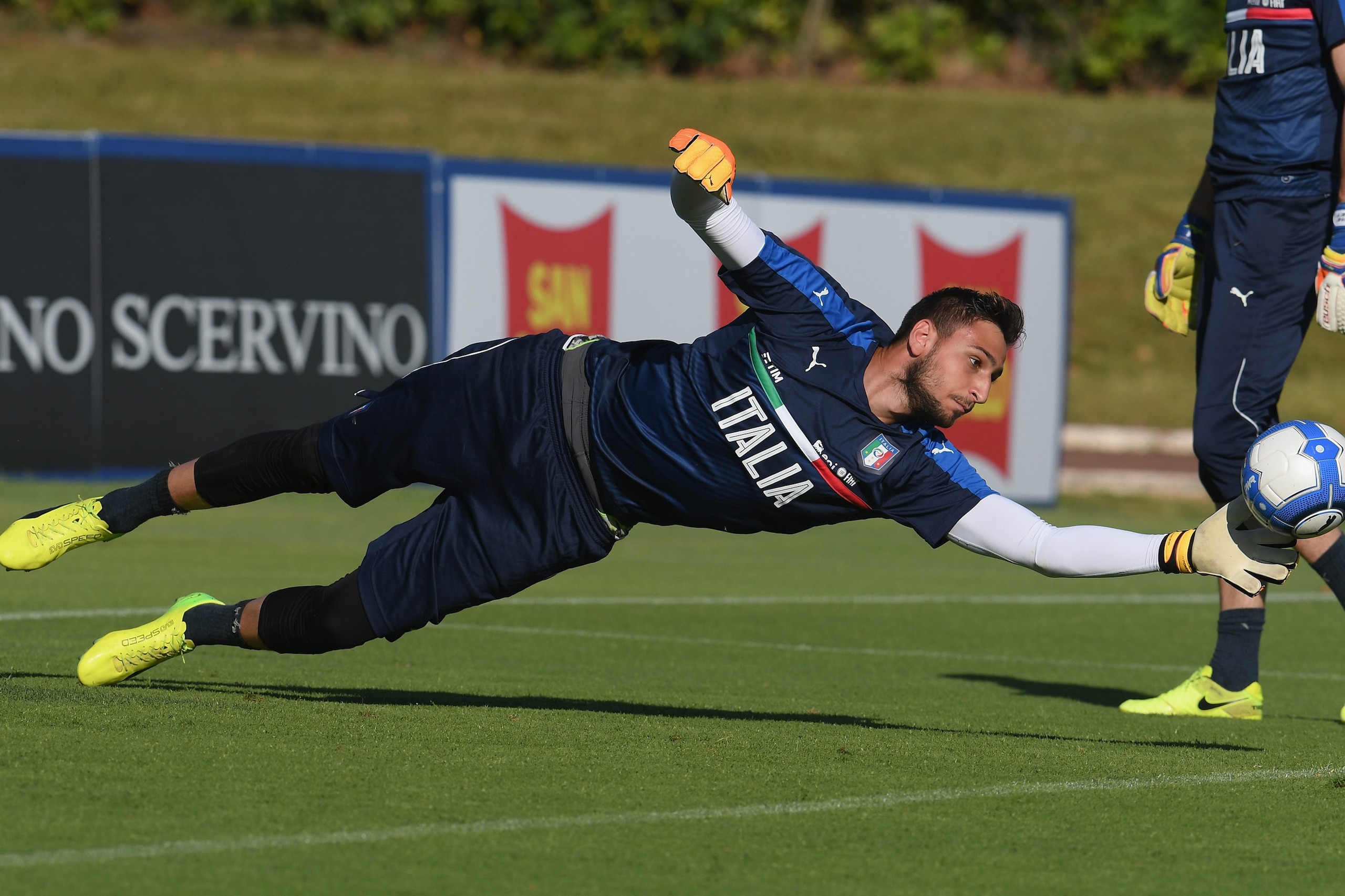
Donnarumma keeps goal like a giant. His size means it doesn't take much for him to cover his goal, and some of his saves are made to look incredibly straightforward. Against Atalanta at the San Siro and away at Verona last season, he demonstrated via two outstanding performances exactly why Milan trust in his physical attributes and why Italy boss Gian Piero Ventura has made him a part of his short- and long-term plans.
He moves like Neuer—his reach is huge, and every movement towards the ball is deliberate and aggressive—but there is also a stoicism about Donnarumma that recalls the lithe, almost balletic Edwin van der Sar.
He is a mature player, in every sense; playing, behaving and speaking as though he's done and seen it all before. He has fantastic grounding, and that could prove invaluable in terms of what comes next in his young career.
Donnarumma may be a mere 18 years old, but he is reaching a crossroads. Milan look like a team on the up again, they have new owners seemingly willing to invest and finished the season in sixth place in Serie A. There is a platform to spring from, but Raiola has been putting his client's name out in the media and only last week claimed in an interview with Corrierre dello Sport (h/t ESPN) "that there are 11 top clubs interested in him."
It's likely to be Raiola's way of extricating maximum value out of contract negotiations with Milan, but it highlights the regard the teenager is held in and how far he can go—both for club and country.
"The question of who will succeed Buffon has been asked for a long time in Italy," says Fleming. "There is actually a decent crop of young Italian keepers on the go already, guys like Mattia Perin and Nicola Leali, but there's a definite sense that Donnarumma has jumped the queue."
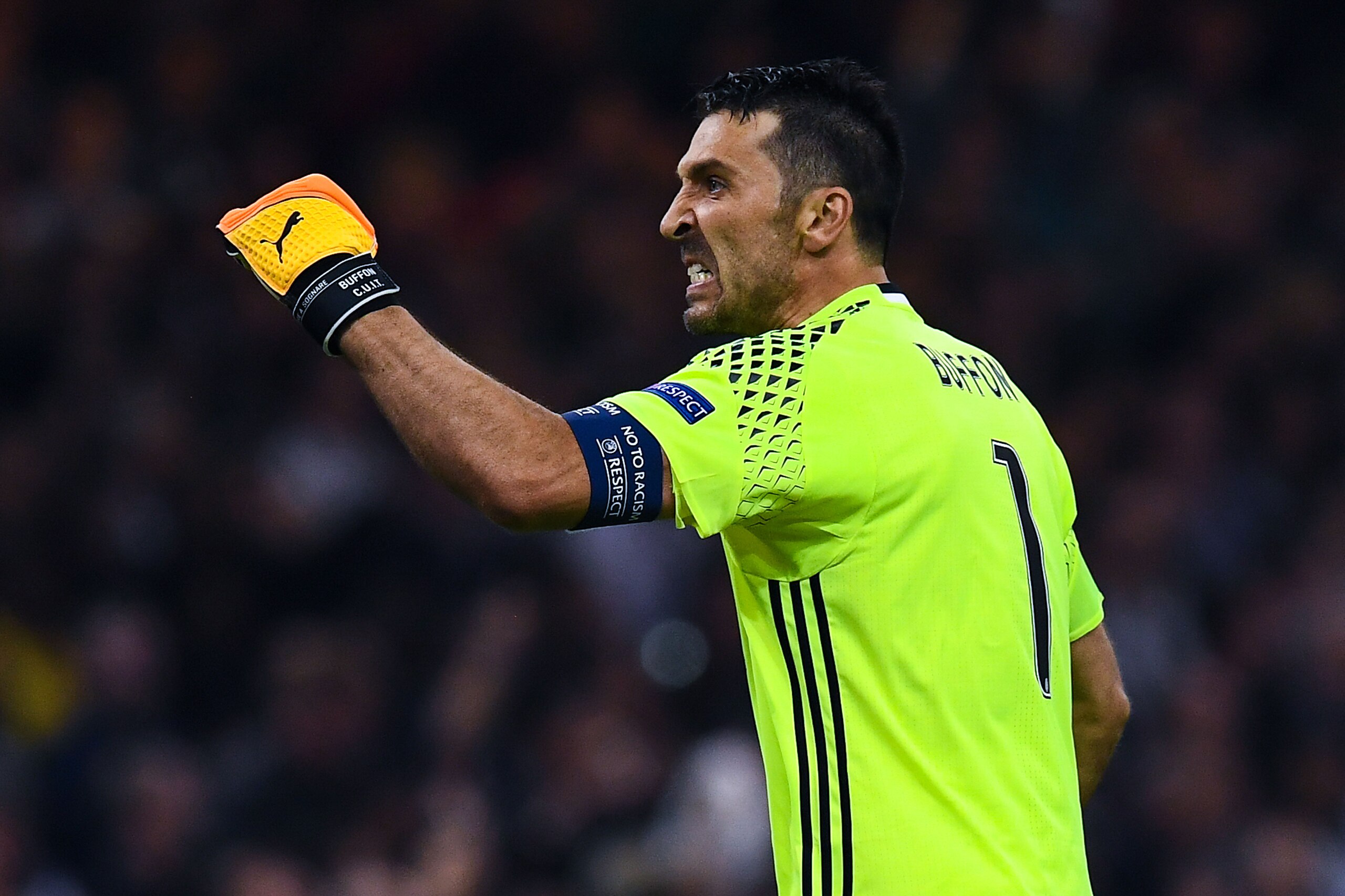
Experience tells us the No. 1 goalkeeper position for Italy is a long-term gig. Prior to Buffon's stint, the Azzurri had 15 years of Dino Zoff and a largely uninterrupted 58-cap run from Walter Zenga. This habit has had a tendency to freeze out competition for the role—Juventus' Stefano Taconi won every club honour going in a distinguished career but clocked up just seven international caps, and capable goalkeepers have suffered the same fate since.
Whether Donnarumma will be ready to assume the mantel from Buffon when the latter steps down in 2018 remains to be seen. This is a totally unpredictable time, one where a goalkeeper can find himself replaced by a boy who wasn't born when he made his debut. Abbiati has already found that out. Buffon might well be next.
*All quotes and information obtained firsthand unless otherwise indicated.


.jpg?w=2560 "Raiders Could Start Mendoza")
.jpg?w=2560 "Rodgers Iced Out on Plane 💎")

.jpg?w=2560 "🚨 Week 8 AP Top 25 Poll")

