

Boom-or-bust NBA draft prospects present both enticing upside and worrisome risk.
The latter typically stems from limited production, experience or skills. Regardless, they're in the first-round discussion anyway thanks to standout physical tools or next-level athleticism.
The following five prospects will draw interest from teams drafting in the teens and 20s, but unorthodox backgrounds, settings or styles make them difficult to fully buy into. Each player appears to possess both an NBA-starter ceiling and a low floor on par with end-of-the-bench reserves, journeymen or castoffs.
Harry Giles III (Duke, PF, Freshman)
1 of 4
Before the season, some scouts expected Harry Giles to go first overall in the 2017 draft. That's how high his ceiling looked prior to him arriving at Duke.
A preseason knee surgery—his third in five years—was a game-changer, despite being considered minor relative to the two previous operations he underwent to repair torn ACLs.
That minor setback cost Giles the first 11 games, forcing him to play catchup behind a deep group. He never fully broke into the already successful, talented rotation, averaging just 3.9 points in 11.5 minutes during his one-and-done freshman year.
Even when on the floor, he failed to stand out. Outside of converting easy finishes, putbacks and the occasional jump hook, Giles looked mostly limited offensively and vulnerable on defense, where he averaged 7.7 fouls per 40 minutes.
The fact that only 11 prospects at the NBA combine finished with lower max verticals (32 ½") doesn't help convince scouts his bounce has returned, either.
Now NBA teams are left to decide how to value an obvious 19-year-old talent with little experience, minimal production and a lengthy injury history. Giles still has plenty of time to build up his strength, confidence, skills and IQ. But in a strong draft, the risk may be too overwhelming for most teams in the mid-first round.
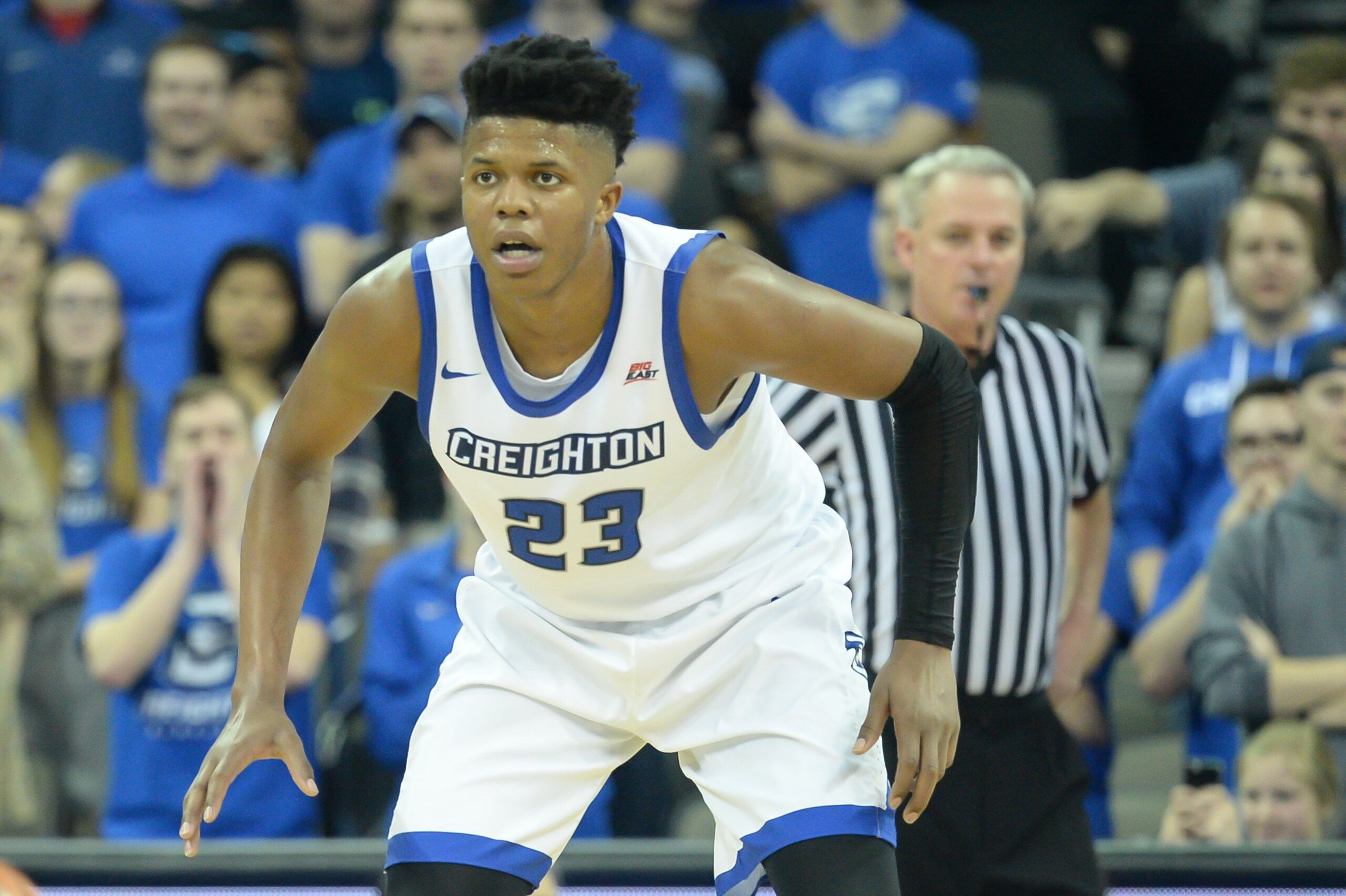
Justin Patton (Creighton, C, Freshman)
2 of 4
It didn't take long for Justin Patton to stand out with his 6'11" size, 7'3" length and 9'3 ½" reach, which consistently led to easy buckets that Big East defenders had no chance of stopping. Flashes of post moves, passing and shooting range helped him slowly climb the draft board.
But these were just flashes, as 168 of his 200 made field goals came right at the rim. A whopping 72 percent of those buckets were assisted.
Otherwise, Patton shot 27 percent on jump shots, per Josh Riddell of DraftExpress, and 51.7 percent from the foul line. Meanwhile, his poor 13.8 total rebound percentage and 2.5 free-throw attempts per game highlighted questionable toughness inside.
With a good chance to make a statement against Rhode Island in the NCAA tournament, Patton had his worst game of the year, missing 9-of-12 shots and fouling out in 21 minutes.
There is obvious upside tied to his tools, athleticism and offensive versatility. But there is also the chance Patton is just another lengthy center without any definitive go-to skills or strengths.
Jonathan Jeanne (France, C, 1997)
3 of 4
With 7'2" size, 7'6 ½" length and a 9'5 ½" reach, Jonathan Jeanne hasn't needed to produce overseas to draw attention. Unique measurements and mobility have been the driving forces behind his perceived potential and draft stock.
But Jeanne only averaged 3.0 points in 10.4 minutes this year and played mostly for Le Mans' developmental team in 2015-16. He's had little experience competing at high levels. And despite being the tallest player at the NBA combine, he weighed just 207.4 pounds, 21.6 pounds less than Justin Patton, the second-lightest center there.
Jeanne did have some impressive flashes in Chicago, mostly as a finisher and rim protector. His reach extends way above traffic and the basket. Some teams are bound to eye Jeanne in the first round, hoping his 19-year-old body continues to fill out.
But there is risk tied to his limited experience and lack of strength that raises questions as to whether he's physically built for the NBA's paint.

Terrance Ferguson (Adelaide 36ers, SG/SF, 1998)
4 of 4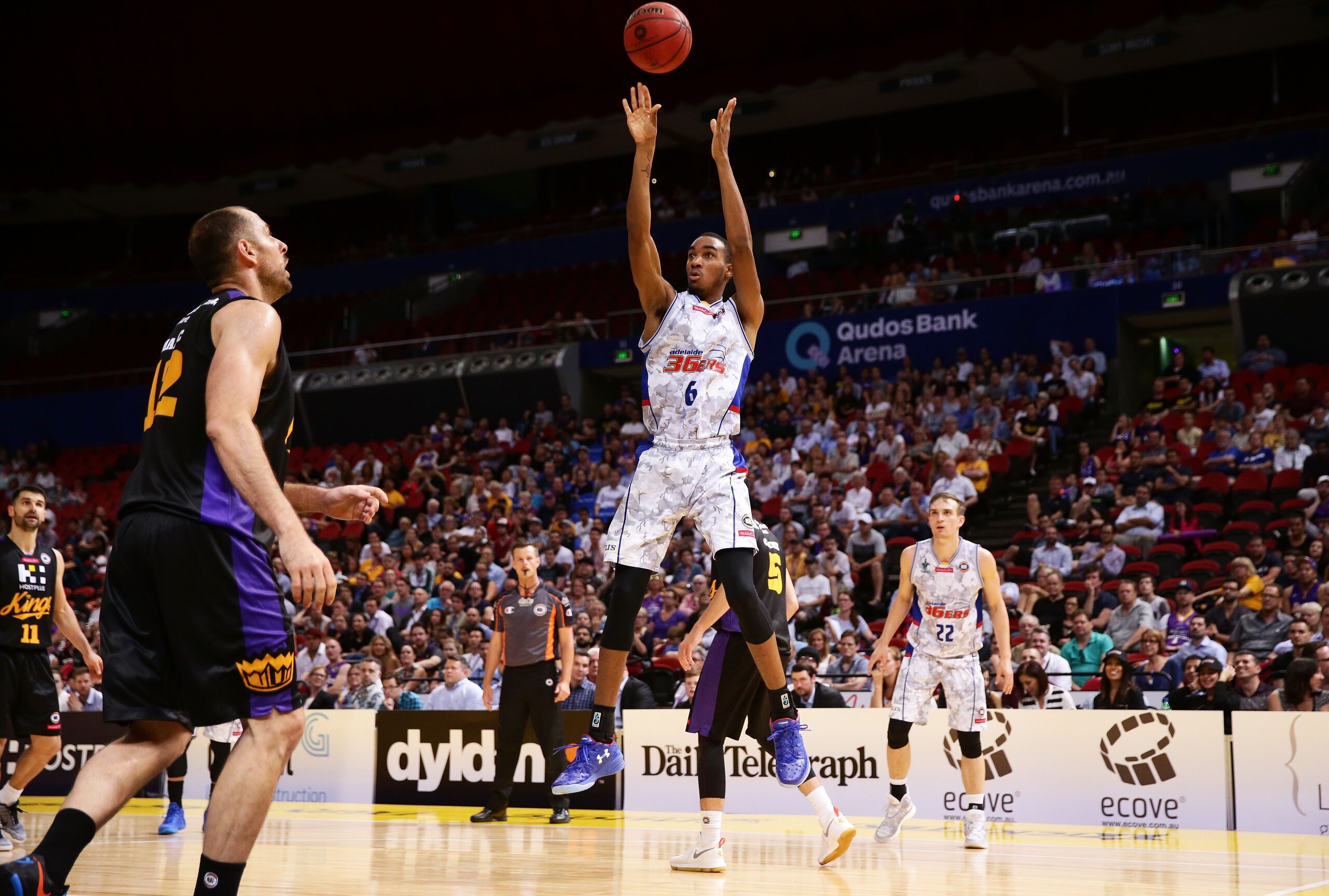
Terrance Ferguson's decision to bypass college for Australia's National Basketball League didn't make things easy for scouts. After entering the season as one of the top prospects in the 2016 recruiting class, he averaged just 4.6 points in 15.2 minutes per game.
Ferguson skipped five-on-fives at the combine, presumably expecting to be a first-round lock. He'll earn consideration from teams in the teens and 20s, given his age (19) and the increasing league-wide importance of three-and-D wings.
But Ferguson didn't look above-average in either department with the Adelaide 36ers, having shot 31.3 percent from three and 60 percent at the line. Given his limitations elsewhere, he may not stick in the league long term if he can't improve his shooting accuracy.
Ferguson struggles to create his own shot and barely offers any playmaking, having averaged 1.1 assists through 57 combined games (since 2013) between FIBA tournaments, adidas Nations and NBL play.
The 19-year-old remains intriguing based on his athleticism, projectable stroke and quickness. But while competing against pros over the past year, he didn't do anything to suggest he has a skill or strength he can hang his hat on.
Using a first-round pick on Ferguson would mean putting all one's stock into his high school performance— and ignoring almost everything from his 2016-17 season.
Stats via ESPN.com, RealGM.com, NBA.com, Hoop-Math.com and Sports Reference unless otherwise noted.

.jpg?w=2560 "Mahomes Told Teammate to Leave Meeting")
.jpg?w=2560 "🚨 Week 8 AP Top 25 Poll")
.jpg?w=2560 "Baker Gets Glove From Rays 🧤")
.jpg?w=2560 "5 Teams Eyeing Jonathan Taylor")
.jpg?w=2560 "Steelers Roll Saints in Paris")
.jpg?w=2560 "NFL investigating Eagles")
.jpg?w=2560 "Updates from EVERY Game")