


The 2017 NBA draft won't lack playmakers. We could potentially see four go top in the 10 and five total in the first round.
Playmaking isn't just about passing; rather, it's the art of creating something from nothing and converting dribbles into easy baskets.
Assists in college don't necessarily reflect playmaking potential, which is driven by speed, explosiveness and ball-handling ability, as well as the vision to capitalize on one's elusiveness.
Here, we are ranking playmaking in a vacuum, not each prospect's overall NBA outlook. These rankings are based on future projections, not solely stats from the previous season.
5. Lonzo Ball (UCLA, PG, Freshman)
1 of 5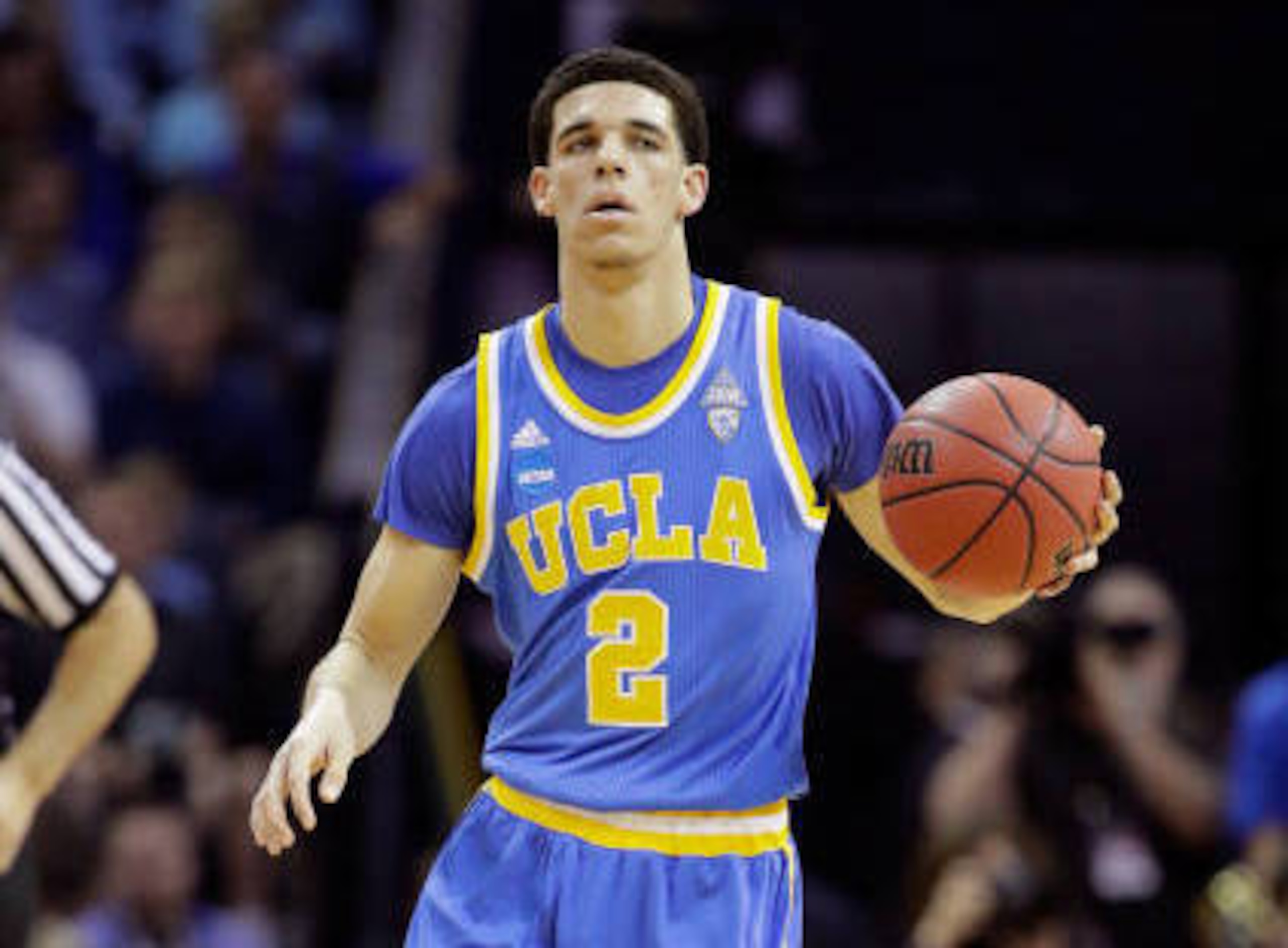
Lonzo Ball's identity revolves around advanced passing and point guard instincts.
He's not the flashiest playmaker, though, without an explosive first step or the sharpest handle. He could stand to improve in pick-and-roll sets, a situation UCLA rarely used Ball in compared to others.
He's at his best pushing the break and finding the open man in transition, with 39.1 percent of his 274 assists coming within the first 10 seconds of the shot clock. He sees the floor as well as anyone. Smart, quick decisions lead to open shots for teammates, whether it's off a deep outlet, pass back to the trailer or skip across the floor.
He puts pressure on the defense in the open floor by weaving through traffic and getting into the paint.
Ball is a threat as a ball-screen facilitator and passer on the move. His basketball IQ and vision are just too good, and he is the likely favorite to lead all rookies in assists.
He'd be ranked higher in the playmaking department if he had stronger blow-by jets to create in the half court.
4. Dennis Smith Jr. (North Carolina State, PG, Freshman)
2 of 5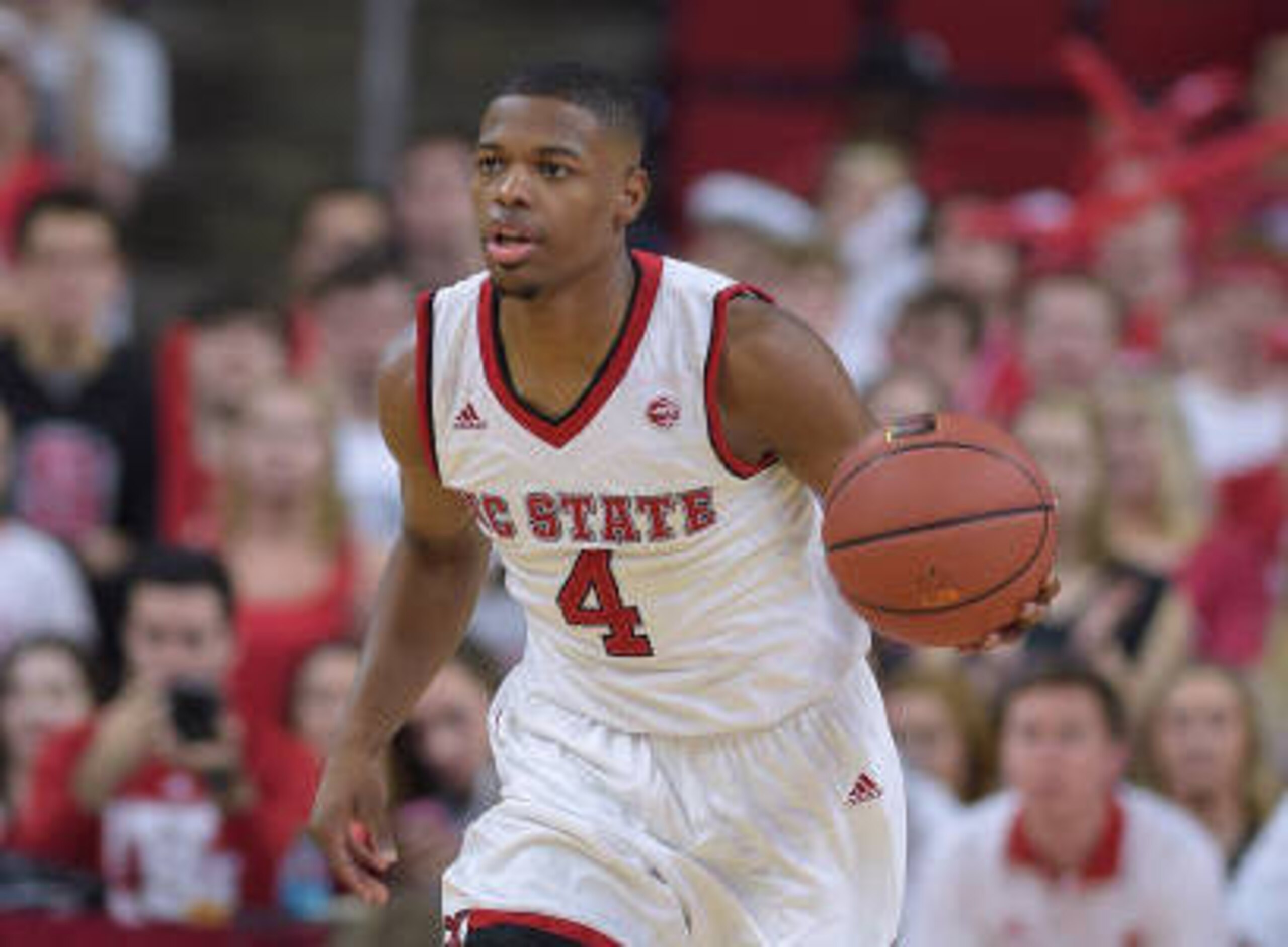
Dennis Smith Jr.'s NBA label will always read scoring point guard, but playmaking for teammates is part of the package as well.
A rhythm player fueled by confidence, Smith gets into grooves as a passer. He had four games of at least 11 assists las year and averaged 6.2 per game. Smith looked most comfortable dishing and kicking off first steps and dribble drives.
Quick and shifty with strong ball-handling skills, Smith's ability to make things happen off the dribble should carry over.
He could stand to improve facilitating out of pick-and-roll situations, but he's still a threat to find the open man with high-level passes, some of which he makes using abrupt one-handers that get through crowds and catch defenses off guard.
A best-case projection for Smith has him mirroring lead guards like Eric Bledsoe and Damian Lillard, who'll score in volume and rank middle-of-the-pack in assists.
3. De'Aaron Fox (Kentucky, PG, Freshman)
3 of 5
Kentucky needed De'Aaron Fox to score, but early in his NBA career, his setup skills could hold the most value.
Dangerous in space, his speed should continue translating to open looks and easy baskets in transition, where he dished out 35.2 percent of his assists.
In the half court, his first step and shiftiness off the dribble frequently led to playmaking opportunities. He spits screens and blows by closing defenders, drawing help. And he's a willing and capable facilitator off penetration, with pick-and-roll bounce passes, lobs, dump downs and kickouts all in Fox's bag.
His 4.6 assists per game were relatively low, though Fox's explosiveness often made hard drives to the basket for layups the better play.
Consistently scoring in the pros will require his perimeter shooting and range to improve. In the meantime, Fox's game should revolve around breaking down defenses and creating for others.

2. Jawun Evans (Oklahoma State, PG, Sophomore)
4 of 5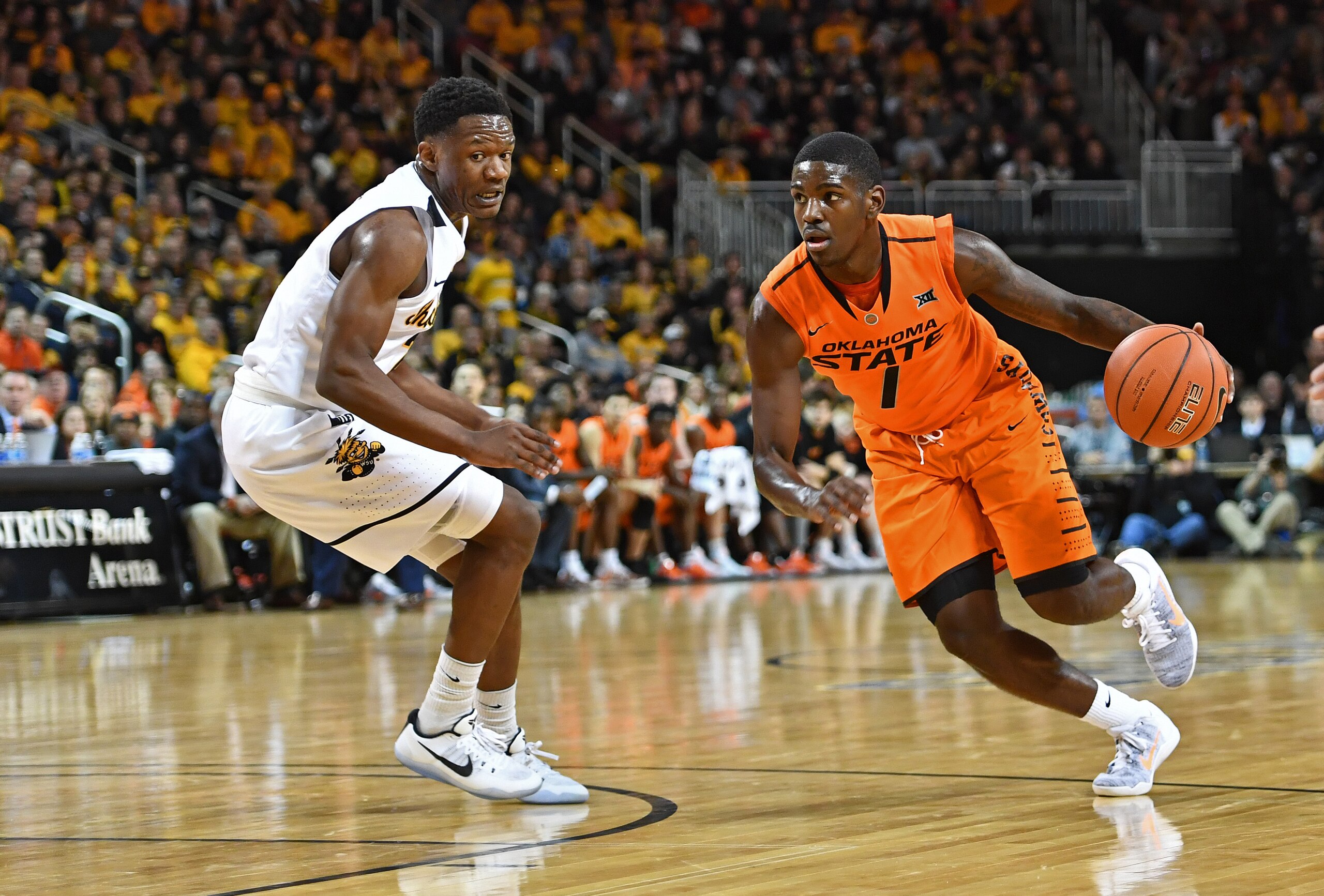
Jawun Evans won't be the third point guard taken, with size and athletic limitations to blame. But teams will still see value in the likelihood of Evans' playmaking carrying over, even if it's in a backup role.
He finished as one of two players this year to average at least 19 points and six assists, while his 43.6 assist percentage ranked second in the nation.
And nobody among power conference schools was more productive running pick-and-rolls, per Synergy Sports. His ball-screen offense alone could keep him afloat. Quick and shifty off the bounce, Evans should remain a high threat turning the corner with hesitation moves to freeze the defense and the vision to find the open man.
He sets the table off drive-and-kicks as well. With his quickness and nifty handle, his dribble penetration and breakdown ability will translate in a more open NBA game.
Evans didn't take too many jumpers and struggled to finish around the rim, which raised questions over his upside as a scorer. Instead, he'll look to follow in the footsteps of an Ish Smith-type playmaker, who's valued for his facilitating.
1. Markelle Fultz (Washington, PG/SG, Freshman)
5 of 5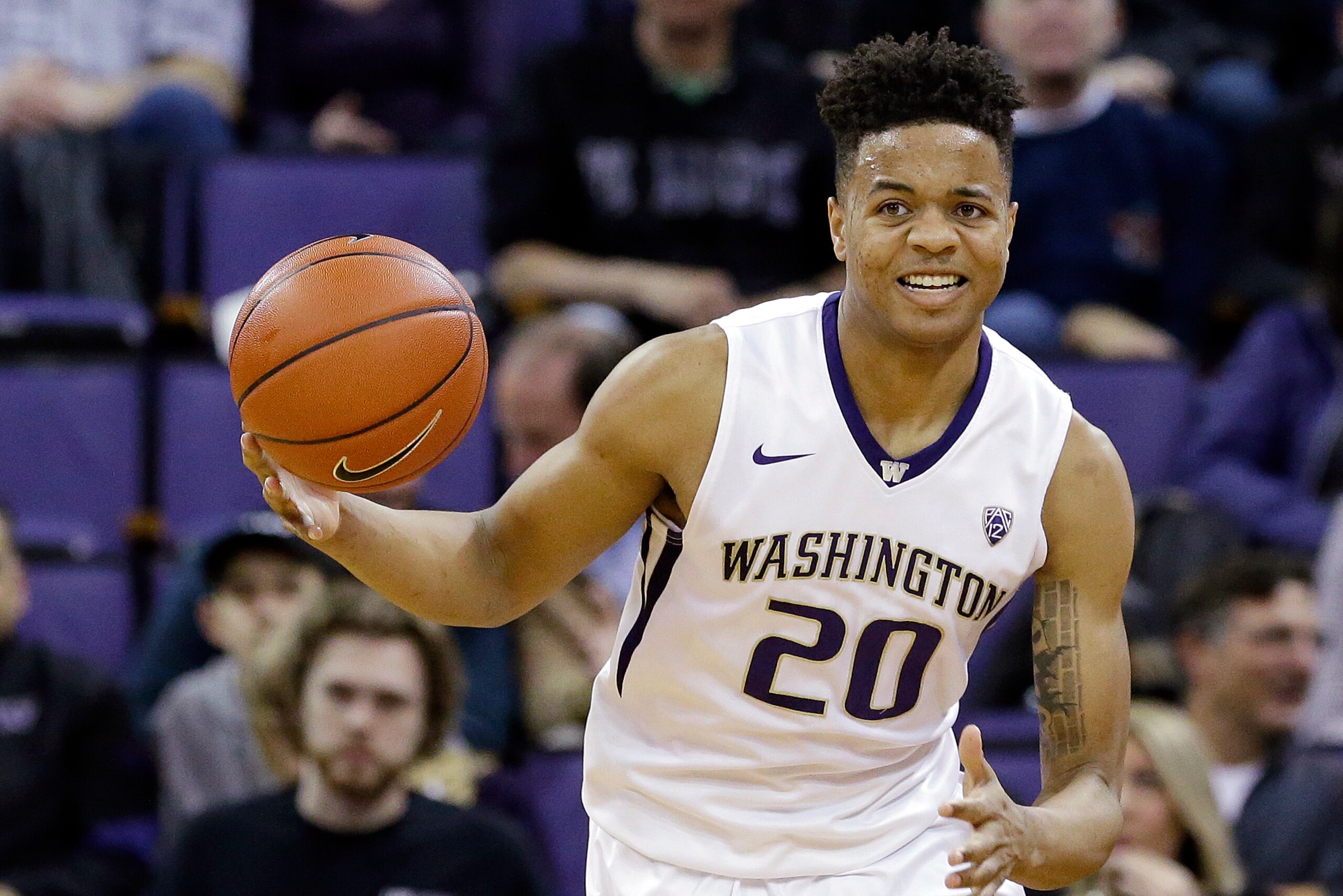
Though known more for scoring, Markelle Fultz is equally effective playmaking for others. And it's that dual-threat offensive attack that should draw No. 1 overall interest and James Harden comparisons.
Without much help, Fultz dished out 5.9 assists in a role that called for him to shoot first.
With 4.4 defensive rebounds per game, he has the ability to push the secondary break off misses and create open looks early in the shot clock. And he was the second-most productive pick-and-roll operator among power conference guards, per Synergy Sports.
A crafty ball-handler, Fultz effortlessly splits screens. And once inside the arc, he can thread the needle with advanced passes or drop-off dimes to finishers. He also uses his vision and size to find and cleanly hit shooters across the floor.
Only five NBA guards racked up at least 20 double-doubles during the 2016-17 season. Bank on Fultz joining that club every season once he's settled into a lead role.
Stats courtesy of Sports-Reference.com and Hoop-Math.com. Wingspans courtesy of DraftExpress.com

.jpg?w=2560 "Mahomes Told Teammate to Leave Meeting")
.jpg?w=2560 "🚨 Week 8 AP Top 25 Poll")
.jpg?w=2560 "Baker Gets Glove From Rays 🧤")
.jpg?w=2560 "Steelers Roll Saints in Paris")
.jpg?w=2560 "NFL investigating Eagles")
.jpg?w=2560 "Updates from EVERY Game")
.jpg?w=2560 "5 Teams Eyeing Jonathan Taylor")