

NFL Draft 2017: Final Team-by-Team Needs and Fits
The eve of the 2017 NFL draft is a reality check for teams that have been working thousands of hours to improve their franchise this offseason. In free agency, many needs were filled, while new holes were opened for others. The draft is the most common way to acquire impact talent.
While many debate the merits of drafting based on need versus purely the most talented players, it’s important to always factor in the current roster weaknesses and how they can be addressed. Significant deficiencies will always come back to haunt contenders because the games are often decided by matchups and specific positional advantages. But it’s also impossible to have a high-caliber player at each position because of salary-cap limitations and the parity in the league.
For all 32 teams, we look at the three most important holes that have to be addressed in some fashion— whether it be for the long term or short term—and provide a handful of potential fits, courtesy of CBS Sports.
Arizona Cardinals
1 of 32
Cornerback
Simply put, there’s no way the Arizona Cardinals can afford to trot out either Brandon Williams or Harlan Miller as a starting cornerback in 2017 and expect to make the playoffs. This is a veteran team that needs an instant starter, and fortunately, it’s a deep draft for it. If the Cardinals pass on quarterback at No. 13 overall, they must go corner.
Ohio State’s Gareon Conley, Florida’s Quincy Wilson and LSU’s Tre’Davious White all fit Arizona’s man-heavy scheme, though teams won’t only be considering fit with Conley, who was recently accused of rape and presents significant off-field concern and uncertainty with the investigation in the early stages.
The class depth plays into Arizona’s advantage, and taking one in the second round could bring a good value, such as Colorado’s Chidobe Awuzie or Clemson’s Cordrea Tankersley. Look for a corner with length and reliable press technique to be the target.
Quarterback
Although Carson Palmer played relatively well in 2016, and most of the Cardinals’ issues were with his surrounding cast, there’s no question Palmer struggled at times. His age (37) is an issue, as injuries and consistency are concerns. The Cardinals must consider a quarterback in the first two rounds if they want a replacement option for the 2018 season.
The two best fits are Texas Tech's Patrick Mahomes and Notre Dame’s DeShone Kizer. Mahomes may not last until 12, and Kizer may be available in a trade-down scenario. If they miss on both, Davis Webb from Cal would also be a natural fit in Bruce Arians’ downfield assault. The sleeper in the middle rounds is Jerod Evans from Virginia Tech.
Right Guard
The Cardinals offensive line is set at left guard and both tackle spots. 2016 fourth-round pick Evan Boehm could take over for A.Q. Shipley at center. But there’s still one opening after the Cardinals lost Evan Mathis to retirement. Maybe the Cardinals have great confidence in 2016 fifth-rounder Cole Toner, but there’s reason to add depth here early.
A stout, pass-blocking guard could be a nice piece to add as competition to Toner in the middle rounds. San Diego State’s Nico Siragusa and Temple’s Dion Dawkins are the powerful bodies that this offense will favor in one-on-one situations. Michigan’s Ben Braden could also be a late-round depth option if the Cardinals are in love with Toner’s ability to play in 2017.
Atlanta Falcons
2 of 32
Edge-Rusher
The Atlanta Falcons nailed their 2016 draft haul by adding speed and physicality to their back seven on defense. This year, to repeat their NFC crown, they must continue adding to the defensive front. The unit ranked just 27th and 25th in points and yards allowed, respectively.
There’s not a consistent edge-rusher besides Vic Beasley. Pairing Beasley with a dynamic end to take some pressure off him and further maximize the depth on the line is priority No. 1. There should be plenty of talent on the board in the first two rounds, including Wisconsin’s T.J. Watt, Auburn’s Carl Lawson, UCLA’s Takkarist McKinley and Michigan’s Taco Charlton.
Right Guard
Losing offensive coordinator Kyle Shanahan will likely cause offensive growing pains, but one way to mitigate them is to keep the talent level replenished for new coordinator Steve Sarkisian. The lone major need on the unit is at right guard, which was a weak spot in 2016. With Hugh Thornton penciled in as a starter, it would likely continue to be a problem area in 2017.
Day 2 of the draft should be fruitful for Atlanta’s need. Indiana’s Dan Feeney would be perfect as a plug-and-play guard. The talent then drops a little bit with tackles moving into guard, but Dion Dawkins of Temple, Nico Siragusa of San Diego State and Jordan Morgan of Kutztown all offer upside between Rounds 2 and 4.
Free Safety
While incumbent free safety Ricardo Allen wasn’t bad enough to need replacing, the Falcons likely want to be more of a threat to force turnovers in their Cover 3 scheme. Allen is a fine, rotational third-caliber safety. Finding more of a single-high threat could transform this defense even more, especially considering the talent at cornerback and strong safety.
This draft is flush with speed and range at the position. Texas A&M’s Justin Evans, Utah’s Marcus Williams and Washington’s Budda Baker are all Day 2 guys who would fit excellently. If the Falcons are unable to snatch one of them, then a sleeper like Auburn’s Johnathan Ford, Michigan’s Delano Hill or Miami’s Rayshawn Jenkins on Day 3 could challenge Allen and be more of the third safety early on.
Baltimore Ravens
3 of 32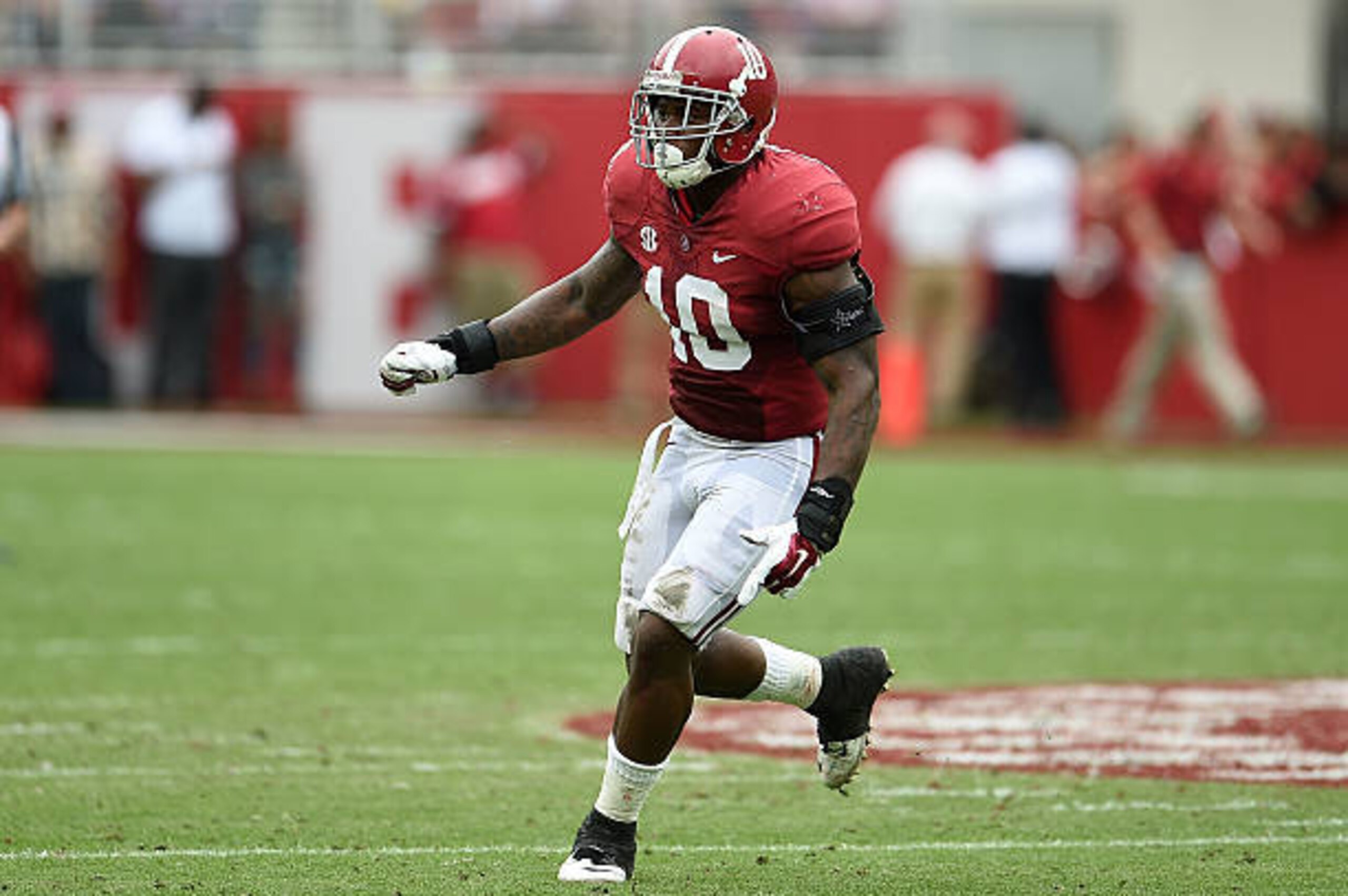
Wide Receiver
It seems as though the Baltimore Ravens have needed another go-to wide receiver for years, but the team is continually adding more complementary pieces than anything. 2015 first-round pick Breshad Perriman is a solid but unspectacular intermediate threat, and Mike Wallace had a nice bounce-back 2016 campaign but is still limited. Quarterback Joe Flacco still needs one more piece in this group.
Expect Baltimore to take a receiver with one of its first three picks. Western Michigan’s Corey Davis would be perfect, as he can win on all three levels, but he shines as a possession receiver who can create post-catch. On Day 2, Alabama’s ArDarius Stewart, Penn State’s Chris Godwin and East Carolina’s Zay Jones are good athletes who can also challenge defenses, especially on contested catches.
Inside Linebacker
A strong interior linebacker duo has been a constant throughout the Ravens’ long-standing success. Having reliable tacklers who can make impact plays at or behind the line of scrimmage is one of their calling cards. C.J. Mosley fits the bill, but the other inside linebacker spot is lacking.
2016 second-round pick Kamalei Correa can play inside or outside, and this may depend on what the Ravens can get at the position. Alabama’s Reuben Foster would be perfect to pair with Mosley if the team is comfortable with his injury history. If not, Day 2 options could include Anthony Walker Jr. from Northwestern, Jarrad Davis of Florida or Zach Cunningham of Vanderbilt.
Right Tackle
The lone eyesore on the offensive line right now is at right tackle. James Hurst recently signed his free-agent tender, but the one-year deal means little for his future. Getting a plan for the future at the position has to be a priority.
Potential first-round options could be Wisconsin’s Ryan Ramczyk and Utah’s Garett Bolles, as both fit the Ravens’ zone scheme well. If the Ravens address other needs instead, Day 2 options are limited but intriguing. Taylor Moton of Western Michigan is a personal favorite at the position, and Will Holden of Vanderbilt is a sleeper to become an early starter.
.jpg?w=2560 "Colts Football")
.jpg?w=2560 "Chiefs Giants Football")
.jpg?w=2560 "Titans Colts Football")
Buffalo Bills
4 of 32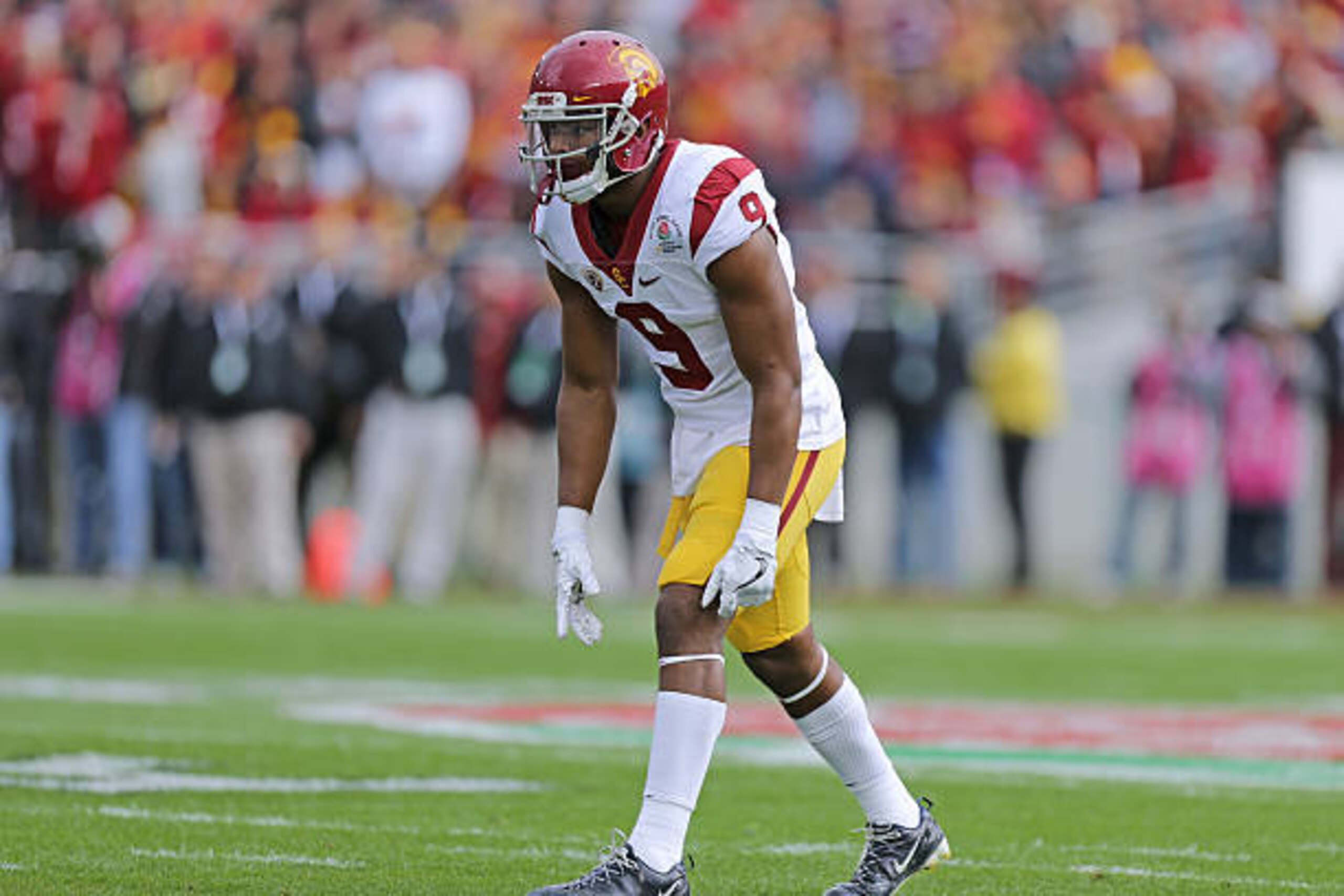
Wide Receiver
Sixty-nine receptions, 832 yards and six touchdowns. Those are the combined 2016 numbers of the Buffalo Bills’ top three receivers entering this coming season. It’s safe to say the Bills have to add more receiving talent around Sammy Watkins, whose own injury issues have left his future with the team in doubt.
Buffalo will be tempted and likely have a chance to go quarterback in Round 1. If they don’t go quarterback, then Clemson’s Mike Williams might be the only fit at the 10th overall pick. Day 2 should be more fruitful, with JuJu Smith-Schuster of USC, East Carolina’s Zay Jones and Eastern Washington’s Cooper Kupp being great possession receiver fits for this offense.
Cornerback
Losing Stephon Gilmore was a tough blow to the Buffalo Bills defense, even if it was expected considering his asking price and his struggles last year. The depth beyond incumbent Ronald Darby is next to nothing. Kevon Seymour gained little experience in 2016 as a rookie, and Marcus Roberson and Charles Gaines are unproven journeymen.
Ohio State’s Gareon Conley would have been an ideal pick for his on-field talent, but with news of the rape allegation, Buffalo may opt for Florida’s Quincy Wilson or Alabama’s Marlon Humphrey, who also fit head coach Sean McDermott’s Cover 2 scheme perfectly. Adding a slot corner in the middle rounds, such as Michigan’s Jourdan Lewis or Miami’s Corn Elder would also shore up the position.
Safety
If the Bills take after the Carolina Panthers’ formula for secondary play, McDermott is more likely to favor more physical safety play than what free-agent pickup Jordan Poyer will give as a starter. Poyer has some value as a third safety and special teamer, but the Browns have arguably the worst safeties in the league, so it’s telling they let him walk.
Buffalo needs to take advantage of this class depth and find a better long-term fit next to the versatile Micah Hyde. A split-field safety can be found early on Day 2 or in the middle of Day 3. Players expected to be in that range include Michigan’s Jabrill Peppers, NC State’s Josh Jones, Louisiana Tech’s Xavier Woods and Nebraska’s Nathan Gerry.
Carolina Panthers
5 of 32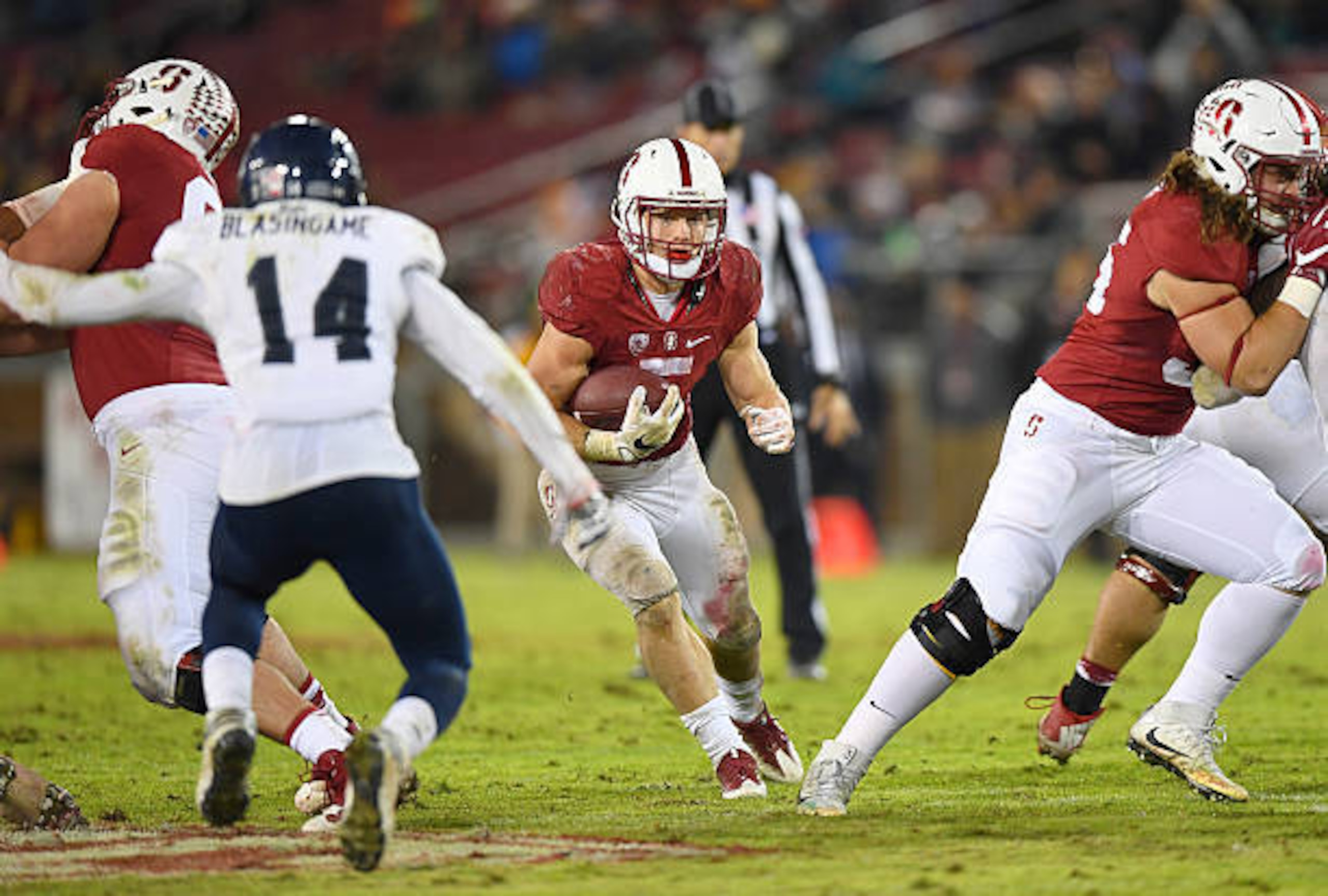
Wide Receiver
A common complaint among fans over the last several years has been the lack of consistent playmakers available to quarterback Cam Newton. It’s easy to see why. Young receivers Kelvin Benjamin and Devin Funchess are talented, but they have yet to become efficient enough to be considered No. 1 material. Adding a more consistent playmaker to the position would maximize these two.
The best fit would be Western Michigan’s Corey Davis, who, unlike Benjamin and Funchess, plays like a smaller receiver, creating after the catch. John Ross of Washington would also be fantastic as a deep threat. If the Panthers can’t get either in the second-round, Curtis Samuel of Ohio State and Louisiana Tech’s Carlos Henderson should also be considered, as their explosiveness would complement what the Panthers have already in place.
Running Back
The Panthers have been linked to the draft’s top running backs throughout the draft process for good reason. Jonathan Stewart signed a one-year extension this offseason, but he also hit 30 years old. With no future starting back behind him, the Panthers should take advantage of their draft spot and the rare running back talent in the class.
Stanford’s Christian McCaffrey would be the ideal fit, in part because he is a great back, but he’s also a good enough receiver to help the Panthers’ need at that position as well. Moving McCaffrey into the slot when Stewart is in the backfield is a way to get four downs out of McCaffrey, including special teams. If for some reason the Panthers cannot acquire him, then Oklahoma’s Joe Mixon would be the next-best option, if the team is at peace with his off-field incident.
Edge-Rusher
There’s not another team in the league with their two primary pass-rushers as old as the Panthers. The franchise drafted the duo of Julius Peppers and Charles Johnson in 2002 and 2007, respectively. Even with Mario Addison as a backup, this defense needs to find the next franchise pass-rusher. Day 2 fits include Michigan’s Taco Charlton, Ohio’s Tarell Basham, Texas A&M’s Daeshon Hall and Florida Atlantic’s Trey Hendrickson.
Chicago Bears
6 of 32
Cornerback
Of all team needs that exist league-wide, one of the biggest if we were to combine them all, would be the need for a talented cornerback in the Chicago Bears’ secondary. Even with the acquisition of Prince Amukamara, the highest-graded corner on the team in the NFL1000 project was slot corner Bryce Callahan, who finished 80th out of 133 corners. They need to add a real No. 1 corner badly.
Fortunately for Chicago, they should be able to grab one with the third overall pick. Ohio State’s Marshon Lattimore is the premier corner in the class with his blend of size, technique and athleticism. If they wait until Round 2, then they could miss out on the top seven or so corners, but Alabama’s Marlon Humphrey and Washington’s Kevin King would be intriguing.
Safety
Chicago’s secondary problems aren’t just at corner. The safety position was also one of the worst in the league last year, and their primary upgrade in Quintin Demps won’t help much. Demps and incumbent Adrian Amos ranked as bottom-two starters at their respective safety positions in NFL1000. Defensive coordinator Vic Fangio is good, but he has to overcome too many talent deficiencies.
It’s a deep safety class with elite talent at the top as well, allowing the Bears to have a few directions to choose from. Ohio State’s Malik Hooker or LSU’s Jamal Adams would be major upgrades at No. 3, or the Bears may be able to wait and select Washington’s Budda Baker, Michigan’s Jabrill Peppers or Alabama’s Eddie Jackson on Day 2.
Pass-Rusher
As bad as the back end of the Bears’ defense is, the front seven has significant talent in it, especially if linebacker Danny Trevathan is healthy, which is not a given. If one more star-level talent can be added at either outside linebacker or defensive end, the unit will be loaded with quality depth. This would likely mean using the third overall pick on the need.
Alabama defensive end Jonathan Allen has concerns with his shoulders but is still one of the most dominant players in the class, making him a natural fit across from Akiem Hicks. Stanford’s Solomon Thomas is also a great potential five-technique prospect, so if the Bears prefer his upside and health, he’d instantly be an impact pick as well. The San Francisco 49ers could take Thomas, but continuing to add to the defense is a strategy that can’t be criticized too much.
Cincinnati Bengals
7 of 32
Edge-Rusher
Since 2009, the Cincinnati Bengals have consistently had a top-10 defense, with few stumbles along the way. They’ve achieved this by having great pass-rush presence along the defensive line, hard-hitting linebackers and talented cornerbacks who smother receivers in their friendly-scheme. But that deteriorated more in 2016 in large part to the pass-rush declining.
The issue is at defensive end, where 30-year-old Michael Johnson has never been close to the 2012 version of him, when he had 11.5 sacks. He’s had just 8.5 total since returning to the Bengals, and it’s now time to add competition to the mix. First-round options should include Derek Barnett from Tennessee and Michigan’s Taco Charlton. On Day 2, watch for Ohio’s Tarell Basham and Jordan Willis of Kansas State.
Running Back
The Jeremy Hill-era started strongly but has come to a difficult crossroads in his fourth season. He’s had 222, 223 and 222 carries in his first three years, and nine, 11 and nine touchdowns in those respective years. But his yards per carry the last two seasons has been an unacceptable 3.6 and 3.8 yards. The Bengals need him to be more than a short-yardage and goal-line back.
Luckily for the Bengals, this is a great class to find a star to help quarterback Andy Dalton. LSU’s Leonard Fournette won’t be available, but in Round 2, Florida State’s Dalvin Cook and Oklahoma’s Joe Mixon may be. Round 3 could have the electric Marlon Mack on the board, too, in case the Bengals want the best value.
Wide Receiver
As soon as the Bengals failed to adequately replace both Marvin Jones and Mohamed Sanu, Dalton’s margin for error became tiny. Then A.J. Green missed the last six games, and the Bengals’ season was effectively over. The Bengals can’t create another scenario where Brandon LaFell is the team’s go-to receiver again.
The ninth overall pick is a good potential landing spot for the draft’s top-three receivers. Clemson’s Mike Williams, Washington’s John Ross and Western Michigan’s Corey Davis each have different skill sets, giving the Bengals a lot of freedom in finding a worthy No. 2 receiver. Ross would be a spark to the offense and create a good four-receiver package with Ross, Green, LaFell and second-year slot man Tyler Boyd.
Cleveland Browns
8 of 32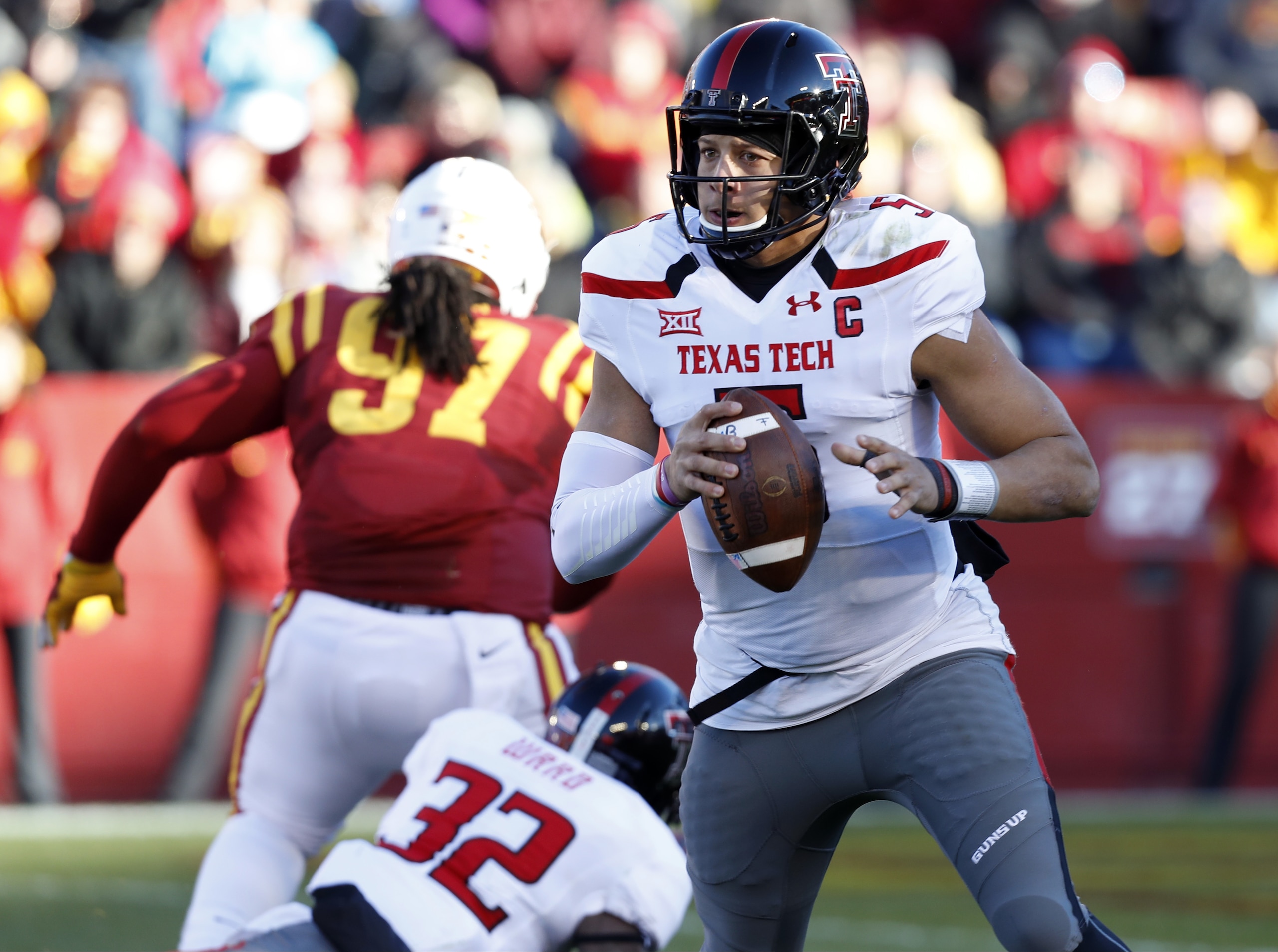
Quarterback
The Cleveland Browns’ misery will continue until they find even an average NFL quarterback. With all of the offensive talent now in-house, including head coach Hue Jackson, the Browns are ready-made for a quality signal-caller to step in to lead the team. Armed with the No. 1 and No. 12 overall picks and more ammunition to move up, the Browns can’t afford to pass on taking one they like.
Taking defensive end Myles Garrett first overall seems to be the overwhelmingly likely selection, leaving the Browns to use that No. 12 pick in a trade up or trusting the board will fall favorably.
All of the top-four quarterbacks have an argument for and against, but North Carolina’s Mitchell Trubisky and Texas Tech’s Patrick Mahomes are the two most interesting for the Browns. Trubisky is a more mobile and naturally accurate version of a former Jackson protege, Andy Dalton, while Mahomes is an uber-talented downfield passer, similar to Carson Palmer. Jackson’s had success with both styles, so where he’ll choose to invest will be fascinating.
Safety
The worst safety depth chart in the NFL likely belongs to the Browns. Recent draft picks Ibraheim Campbell and Ed Reynolds showed almost no starting potential last year, taking horrible angles and missing tackles far too often. Each graded in the 40’s as free safeties in NFL1000. The best safety on the roster might be Tyvis Powell, who was a solid player at Ohio State but was released by the Seattle Seahawks.
Cleveland has to add two bodies to the position, and fortunately, it’s a great draft to do so. Washington’s Budda Baker, UConn’s Obi Melifonwu, Michigan’s Jabrill Peppers, Utah’s Marcus Williams and Florida’s Marcus Maye should all be targets on Day 2. Day 3, the Browns should double-dip by looking at Delano Hill of Michigan and Xavier Woods of Louisiana Tech.
Edge-Rusher
Cleveland’s added nice rotational rushers like Joe Schobert, Nate Orchard and Xavier Cooper to their front seven in recent years, but they still need an alpha on the unit. Fortunately for them, they have the easiest path to get one and will likely take him first overall. Texas A&M’s Myles Garrett is perfect for the Browns. If the Browns love a quarterback instead and take him at one, then Tennessee’s Derek Barnett would be a solid addition at No. 12.
Dallas Cowboys
9 of 32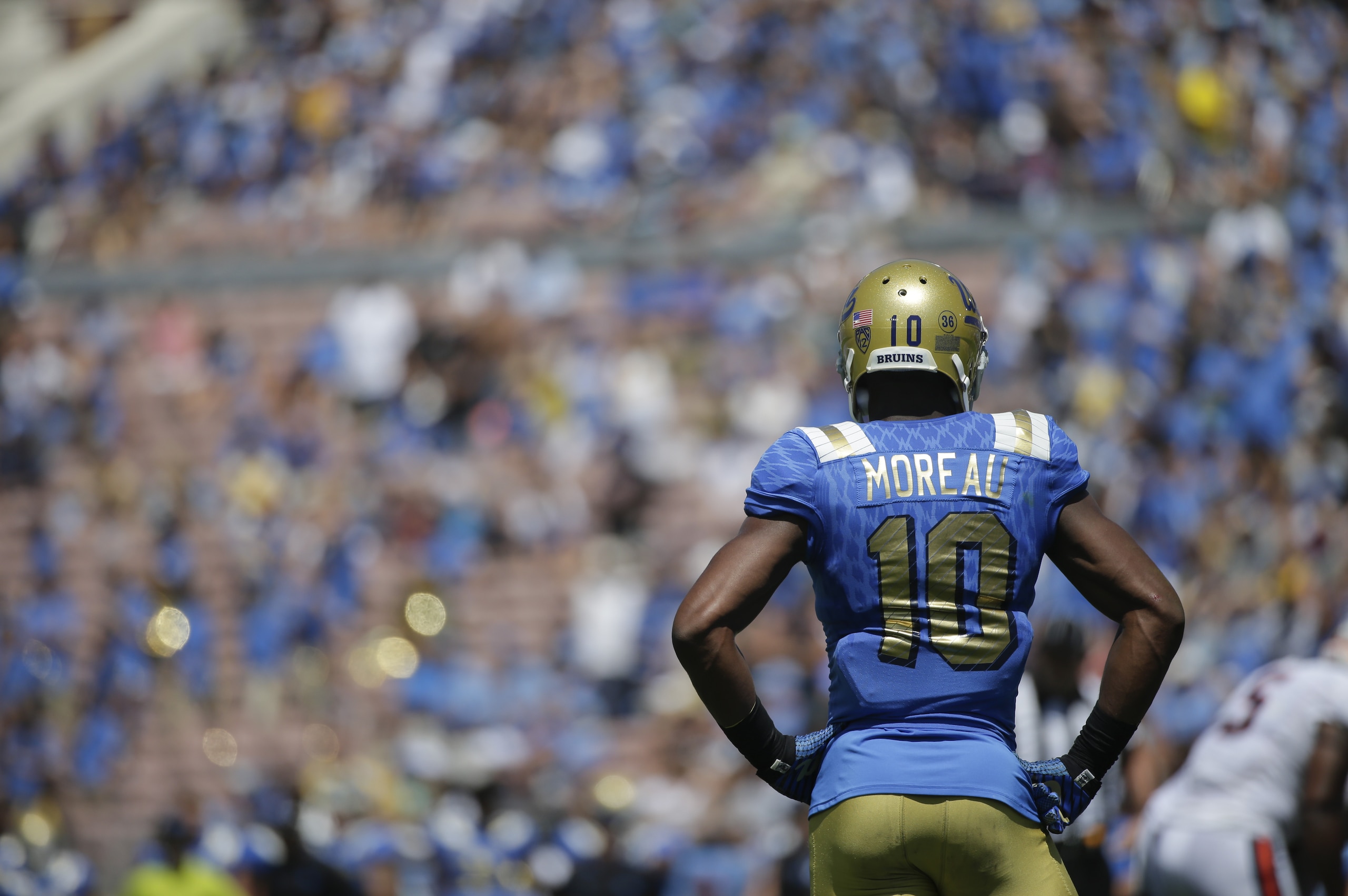
Cornerback
Halfway through 2016, it had seemed as though the Dallas Cowboys had finally reaped the rewards of sticking with cornerback Morris Claiborne. Claiborne played his best football, but eventually a groin injury caused him to miss more time. The Cowboys moved on to a more reliable but less talented option in Nolan Carroll, meaning the Cowboys have a major need for long-term talent at the position.
The end of the first-round should have good options available, but the Cowboys might be more willing to wait until the second day and benefit from the class’ depth. Second-round options include Clemson’s Cordrea Tankersley, UCLA’s Fabian Moreau, Washington’s Sidney Jones and Alabama’s Marlon Humphrey.
Linebacker
Hopefully 2016 second-round pick Jaylon Smith will be ready to play in 2017 after he spent the last season rehabbing his injured knee. Even if he’s back, the Cowboys have to find another capable body at linebacker, whether it be inside or outside. A versatile player who can rush the passer on occasion and drop into coverage would be ideal.
The end of the first round might be the sweet spot for Dallas. Both Wisconsin linebacker T.J. Watt and Houston’s Tyus Bowser have been big risers after their combine performances, and they figure to be late-first-round considerations. The other option is to grab a middle linebacker, as it’s possible Alabama star Reuben Foster falls into the Cowboys’ range after a rough draft process.
Wide Receiver
Even after re-signing Terrance Williams, the Cowboys would be wise to add a developmental talent at the receiver position. Dez Bryant, Cole Beasley and Williams all play specific roles, with Bryant as the alpha male, but unearthing a more dynamic No. 2 would be a nice boost to the unit. It’s a deep receiver class, meaning Dallas can wait on the position to maximize value.
In terms of potentially skilled route-runners with athleticism to continue improving, Michigan’s Amara Darboh, Tennessee’s Josh Malone and Josh Reynolds, a local product from Texas A&M, would be solid picks in round three or four. With little pressure to perform in a major role this year, each would benefit from a rotational responsibility early on.
Denver Broncos
10 of 32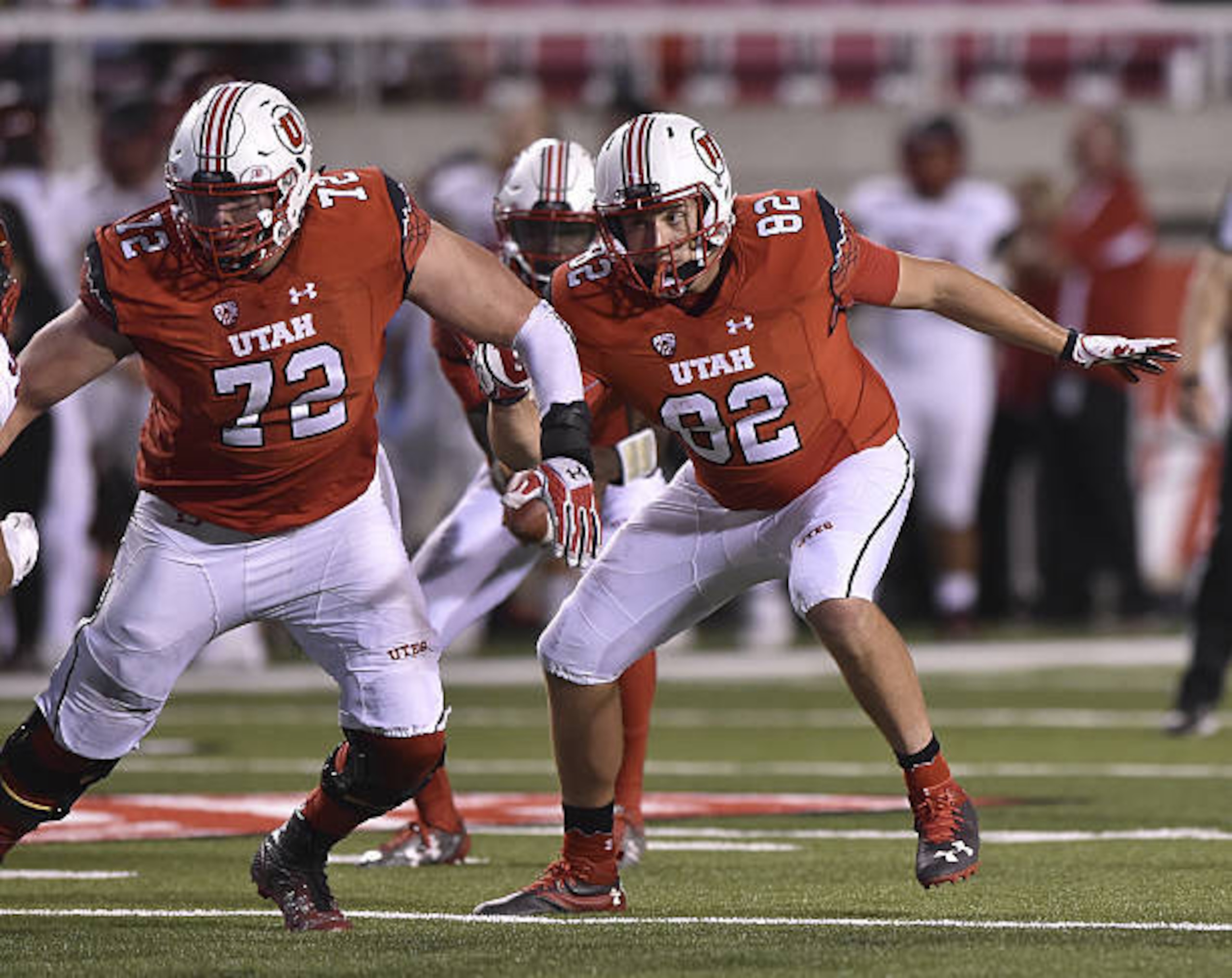
Offensive Tackle
The current situation at the offensive tackle for the Denver Broncos is arguably the worst in the NFL. Two of the following three would be in line to start if the season started without any draft additions: Donald Stephenson, Ty Sambrailo and Menelik Watson. If that doesn’t change, it won’t matter who starts at quarterback this season, as they’ll have no opportunity to succeed.
Barring a trade up, the Broncos are in a good position to get a starter despite sitting with the 20th overall pick. The class depth is nonexistent outside of the top-five tackles, but three figure to be first-round picks for good reason. The Broncos should be happy to land Wisconsin's Ryan Ramczyk, Utah’s Garett Bolles or Alabama’s Cam Robinson, whoever is left on the board for their pick.
Nose Tackle
Losing Sylvester Williams wasn’t the biggest headline of the offseason for Denver, but it created a hole that needs to be addressed now. Veteran signee Domata Peko aged poorly with the Bengals, so leaning on him to be more than a rotational block-eater would be troublesome. Finding a Day 2 value at the position would inject youth and value.
Alabama’s Dalvin Tomlinson and Iowa’s Jaleel Johnson could each be second-round picks and are among the best nose tackles in the class. Each is tremendously strong at the point of attack and hold blockers close to their body. If the Broncos want a Day 3 sleeper, 6’4”, 327-pound tackle Grover Stewart from Albany State would be perfect.
Wide Receiver/Tight End
Having one of the top receiving duos in the NFL is a major reason why the Broncos’ offense has created explosive plays despite mediocre quarterback play the last two seasons. But more help is needed around Demaryius Thomas and Emmanuel Sanders. Either a possession receiver or tight end could use a major boost.
USC receiver JuJu Schuster-Smith would be an ideal slot man who can also play outside with his great hands and ability to create after the catch. The tight end class is loaded, too, which means Miami’s David Njoku could be a great value in the first round. If the Broncos wait until Round 2, Evan Engram is more of a slot receiver than tight end, essentially making him a perfect fit and value. If Engram’s off the board, then South Alabama’s Gerald Everett or Ashland’s Adam Shaheen would offer great receiving talent in Round 3.
Detroit Lions
11 of 32
Edge-Rusher
The Detroit Lions desperately need a second pass-rusher, even with Ezekiel Ansah becoming a star at defensive end. With Devin Taylor still on the free-agent market, Detroit has to pump a more dynamic player opposite Ansah. Fortunately, it’s a deep crop of pass-rushers to select from.
Missouri’s Charles Harris and Tennessee's Derek Barnett would be fantastic additions if available in the first round, and if not, then Auburn’s Carl Lawson would bring a deep pass-rush arsenal to the Lions. Day 2 could bring better value if the team looks to fill another hole first. Ohio’s Tarell Basham and Youngstown State star Derek Rivers are each terrific athletes, making them perfect for development.
Linebacker
Detroit had one of the most dynamic linebacker units in the league prior to injuries and age taking over, and last year, the Lions had arguably the worst core in the NFL. Tahir Whitehead is the best of the bunch, but he’s extremely inconsistent in his own right. This team desperately needs two linebackers.
Temple’s Haason Reddick would be an excellent outside linebacker, if he’s available at 21. Adding another Day 2 player like Houston’s Tyus Bowser or Vanderbilt’s Zach Cunningham would be a wise decision to help shore up the talent. Middle linebacker options in Alabama’s Reuben Foster and Ohio State’s Raekwon McMillan must also be considerations to move Whitehead to the weak-side role.
Wide Receiver
The Lions’ two top receivers, Golden Tate and Marvin Jones, are solid options for quarterback Matthew Stafford, but more depth and explosiveness is needed. In such a deep class with a variety of flavors, selecting two value players with specialized skill sets would make sense. Even waiting until Day 3 can lead to a talent upgrade.
North Carolina’s Ryan Switzer and Western Kentucky’s Taywan Taylor would bring speed, short-area agility and reliability to the depth of the unit. Switzer is the ideal slot prospect, winning like Wes Welker. Taylor, on the other hand, has great downfield speed and route-running upside, able to move inside and out.
Green Bay Packers
12 of 32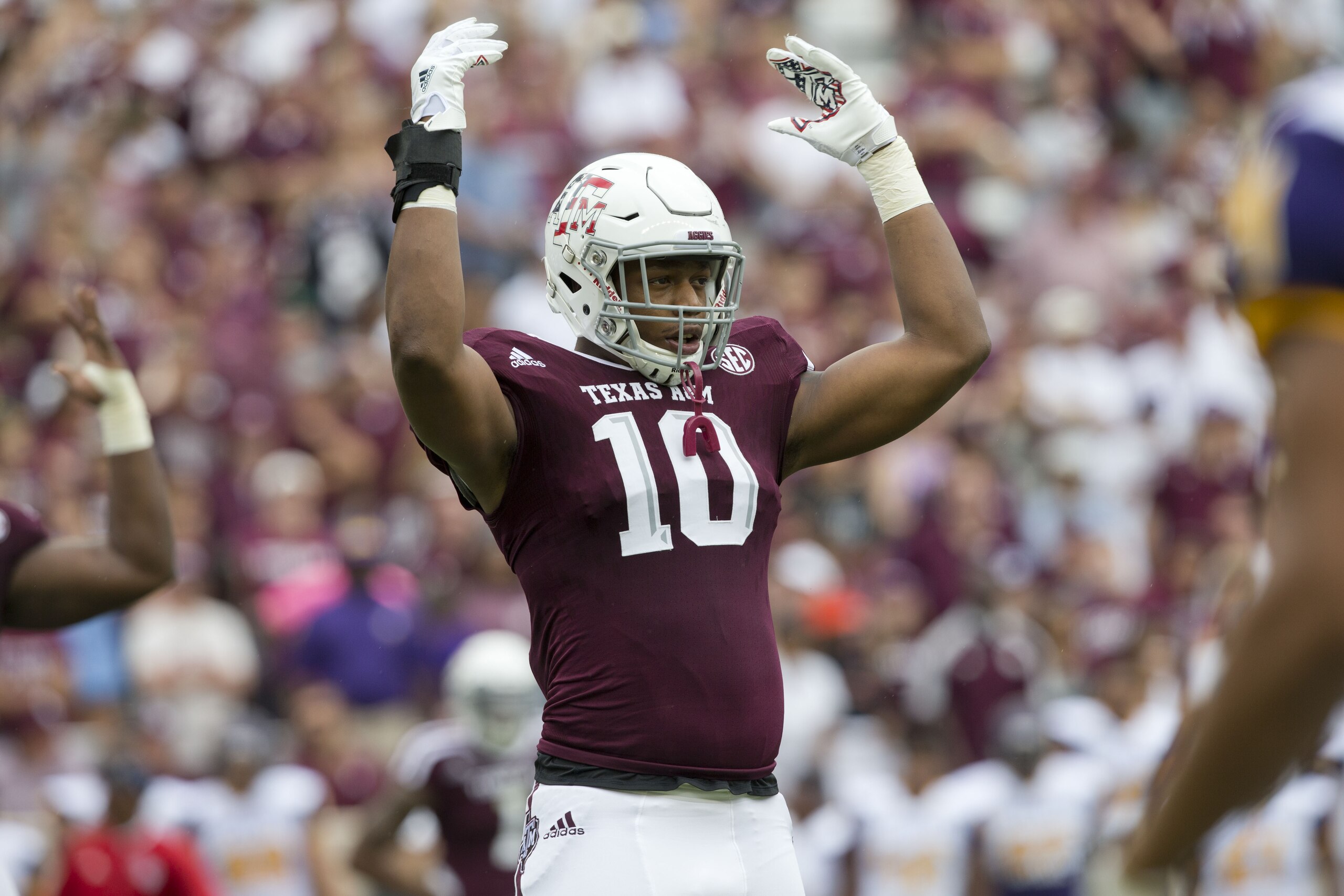
Edge-Rusher
The Green Bay Packers’ defense took a step forward due to their improved defensive front-seven play last year. Continuing that momentum by keeping the pressure on opposing quarterbacks is the best way to maximize quarterback Aaron Rodgers’ window to win. Adding one more edge-rusher to complement Nick Perry and Clay Matthews is a must.
Local product T.J. Watt makes a lot of sense, as he can be eased into a bigger role over the first few years of his career, while specializing as a pass-rusher early on. Day 2 options like Daeshon Hall and Joe Mathis would also be solid picks, but for opposite reasons. Hall is unrefined but fast and athletic. Mathis is a throwback power-rusher who was greatly effective when healthy. Both would bolster this defense immediately.
Offensive Guard
Losing Josh Sutton and T.J. Lang as interior guards could be crushing to the Packers’ offense this coming season. Just one year ago, this was a top-five line in the NFL. Now it has two major question marks next to center Corey Linsley.
Unfortunately, this isn’t a great draft to resolve that issue. Day 2 options like Dion Dawkins, Dorian Johnson and Nico Siragusa fit the Packers’ prototype but have significant flaws that could make them struggle early on. It would take some luck or a trade, but Indiana’s Dan Feeney would be the ideal target in the early second-round.
Cornerback
It’s hard to keep investing at one particular position, but the Packers cannot stand pat at cornerback despite recent drafts bringing in new bodies. Ladarius Gunter and Quinten Rollins were disastrous last season, and Damarious Randall couldn’t find a consistent level of play. There needs to be more competition to push these young players.
The class is deep, and that’ll help the Packers get value. UCLA’s Fabian Moreau, UCF’s Shaquill Griffin and Utah’s Brian Allen represent some potential upside picks who could play right away and bring size and speed to the secondary.
Houston Texans
13 of 32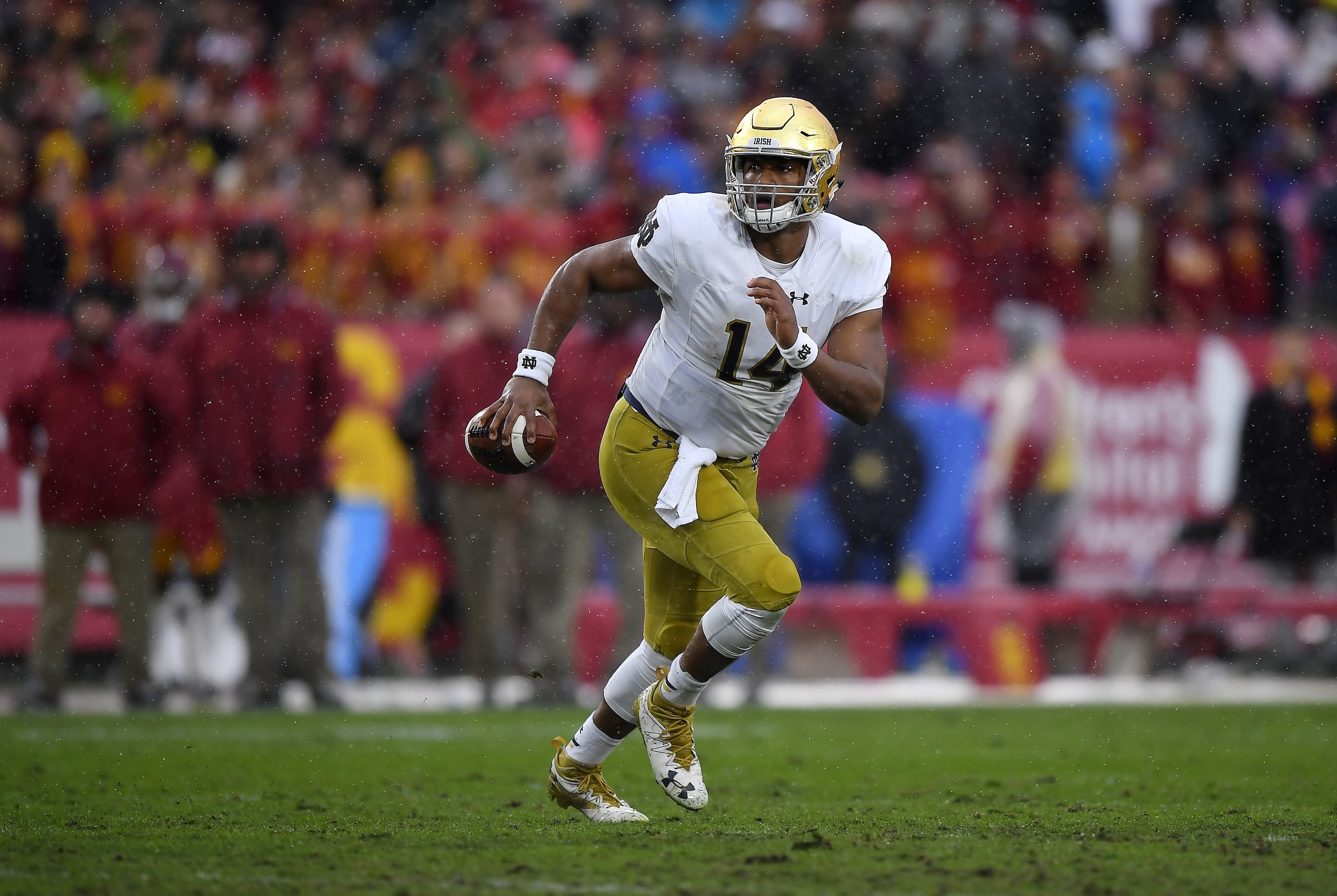
Quarterback
The Houston Texans were so desperate to rid themselves of Brock Osweiler that they moved a 2018 second-round pick to do it. That move seems rash now, considering they haven’t yet landed a veteran who will unlock their upside, such as Tony Romo or even Jay Cutler. Maybe they will in training camp, but right now, the team has to look hard at quarterback in the first round.
The options at 25 might be limited if the quarterback run starts early. Clemson’s Deshaun Watson and Notre Dame’s DeShone Kizer would be terrific fits with Bill O’Brien, but they might be stuck with Cal’s Davis Webb. They’re potentially set up for a tough position to upgrade the most valuable player on the field unless they catch a break with a falling talent.
Guard
Houston’s situation at guard last year was nothing short of a disaster. 2014 second-round pick Xavier Su’a-Filo has been a bust, and free-agent signing Jeff Allen was even worse. They finished 2016 as NFL1000’s 44th- and 64th-rated guards, which equates to low-end starters.
This isn’t the class to need an instant boost at the position, meaning the Texans will want to invest early. Western Michigan’s Taylor Moton is a potential tackle convert to right guard in the second-round. Other mid-round options include Isaac Asiata and Tennessee State’s Jessamen Dunker.
Safety
With all of the talent this unit has at cornerback, they desperately need more help at safety. A playmaker at the position could help this unit force more turnovers and become more deadly. Class depth will finally favor Houston here.
Florida’s Marcus Maye and N.C. State’s Josh Jones are especially intriguing Day 2 talents in this class. Someone will fall lower than they should in this class, and these two might be available late in Round 3 or into Day 3. Boston College’s John Johnson is a top sleeper for Day 3 as well, possessing great size and finishing ability as a box player.
Indianapolis Colts
14 of 32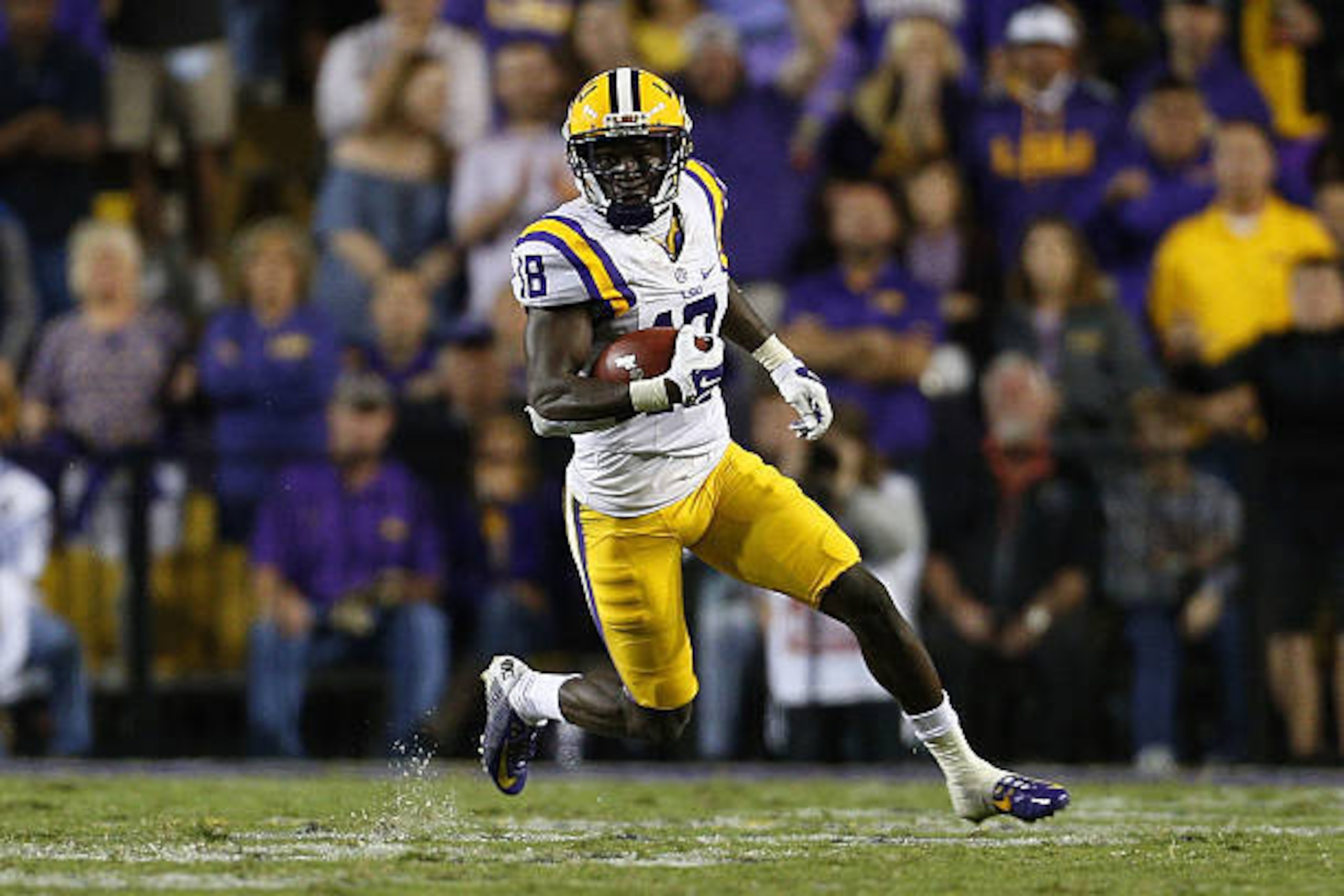
Inside Linebacker
New general manager Chris Ballard has done a good job adding to the trenches for the Indianapolis Colts in his first offseason, but more work is needed. The defense has zero reliable inside linebackers, which is a major issue for a base defense that will have two on the field. This is a good class to address this, though.
Taking a linebacker 15th overall might be too high, but Alabama’s Reuben Foster might be too tempting to pass over. Waiting until Day 2 could bear better value, though, especially if Raekwon McMillan, a tackling machine from Ohio State, is there. Florida’s Jarrad Davis and Northwestern’s versatile Anthony Walker Jr. are both guys who would make an impact early on as well.
Cornerback
Sans Vontae Davis, there’s not a team with a worse cornerback depth chart than the Colts. Ballard will have the opportunity to pick from the deepest corner class in many years, and he has to take advantage of the depth by taking at least two. One boundary and one slot corner is the bare minimum to walk away with.
The 15th overall pick is a great spot to take one. LSU’s Tre’Davious White and Florida’s Quincy Wilson would represent solid, ready-to-play options, while Kevin King of Washington and Adoree’ Jackson from USC are more explosive and less refined. On Day 2, Colorado’s Ahkello Witherspoon and Tennessee’s Cameron Sutton would be excellent additions as well.
Edge-Rusher
The signings of Jabaal Sheard and John Simon were a great way to inject more efficiency and effectiveness into the defense’s most vital position. But more help is needed, both at defensive end and outside linebacker. By the end of Round 3, the Colts must add a talented, athletic pass-rusher.
Auburn’s Carl Lawson would be perfect in round two if he’s available, with his experience, pass-rush moves and quick burst being big assets. UCLA’s Takkarist McKinley and Alabama’s Tim Williams should also be in the conversation. Round 3, Wisconsin’s Vince Biegel and Utah’s Hunter Dimick can offer versatility and athleticism to develop.
Jacksonville Jaguars
15 of 32
Tight End
After ridding themselves of Julius Thomas, or at least what was left of Thomas after injuries and weight gain, the Jacksonville Jaguars are still in need of a dominant tight end. This is arguably the deepest position in the class, and it has a headlining talent in O.J. Howard, but pulling the trigger at four might be too rich. The Jaguars could trade down to get Howard, or wait to get the best value possible in middle rounds.
If they wait, then Arkansas' Jeremy Sprinkle and Clemson’s Jordan Leggett should be atop their late Day 2 targets. Sprinkle is more of a traditional inline tight end, but he has the athleticism to be a solid role player. Leggett is a slot-receiving tight end and would complement this talented receiving corps because of that.
Running Back
It’s possible that the best available talent is a running back when the Jaguars are on the clock with the fourth-overall pick. Whether they move down to collect assets or take LSU tailback Leonard Fournette might be the biggest decision the team will make in this class. Fournette, a devastating downhill runner, would be a great fit, but it’s debatable whether he’s the right value for this roster.
Waiting until Day 2 could lead to Alvin Kamara of Tennessee, Samaje Perine of Oklahoma or D’Onta Foreman being in consideration. Kamara’s versatility and receiving ability would be a new asset to the offense, while Perine and Foreman are more of the workhorse types. Perine is a bruiser with some shiftiness, while Forman is a faster downhill runner in comparison, but both have the size to be the lead back.
Edge-Rusher
The signing of Calais Campbell not only gave the Jaguars a versatile defensive front, but in nickel fronts, they will have a devastating trio of Malik Jackson, Yannick Ngakoue and Campbell. 2015 first-round pick Dante Fowler Jr. has the pedigree to create excitement, but he struggled as a rookie to show any type of explosion or upside. Even at Florida, he was more of an effort player than someone who won when isolated on the edge. The Jaguars shouldn’t let Fowler stop them from adding more talent here.
Stanford’s Solomon Thomas, if there at No. 4, is a similar project as Ezekiel Ansah once was as a prospect, and he would be a high-upside pick. Day 2 could bring more depth, though it’s unlikely such an athlete would be unearthed. Some later prospects would include Trey Hendrickson of Florida Atlantic and Derek Rivers from Youngstown State.
Kansas City Chiefs
16 of 32
Quarterback
As well as the Kansas City Chiefs have done to win at least nine games in each of the last four seasons, they’ve hit a ceiling in the playoffs in large part due to their limitations at quarterback. Alex Smith is a fine, efficient player, but he is not good enough to overcome Tom Brady and the New England Patriots. With Smith’s contract having an out after 2017, when he’ll also be turning 34, the Chiefs need to address the position now.
The Chiefs may need to get lucky, aggressive, or a mixture of both, to find their signal-caller of the future. Clemson’s Watson and Texas Tech’s Mahomes are complete opposites as players, but head coach Andy Reid may want to go with the higher-upside player in Mahomes. If not, then Watson’s character, consistency and big-game performances would still be an intriguing option.
Inside Linebacker
Finding the next great linebacker to eventually take over for Derrick Johnson has been a challenge in recent years. Ramik Wilson hasn’t grasped the position yet through two years, and Johnson’s injuries are piling up as each year passes. Addressing the position early should be a priority this year.
If quarterback at No. 26 doesn’t work out, then nabbing one of the top linebackers is a great decision. It’s not the best value, but locking down the position for a decade makes it an easier choice. Ohio State’s Raekwon McMillan and Vanderbilt’s Zach Cunningham would surely be top candidates. Later-round options include LSU’s Duke Riley, UCLA’s Jayon Brown and Ohio’s Blair Brown.
Defensive End
The release of talented defensive end Jaye Howard clarified his health status and created a certain new hole as the team decided he wasn’t going to fully recover to their liking. Even with Chris Jones and Bennie Logan in the mix, more depth is needed at the position. 3-4 ends rarely cost a premium pick, which is perfect for the Chiefs’ situation.
In the event the Chiefs do want to invest into a highly talented player, there might be none better than Malik McDowell of Notre Dame on the board, though he does have character concerns that must be acceptable for this veteran coaching staff. If waiting until Day 2 and 3, then Nazair Jones of North Carolina, Carlos Watkins of Clemson and Eddie Vanderdoes of UCLA each should be appealing.
Los Angeles Chargers
17 of 32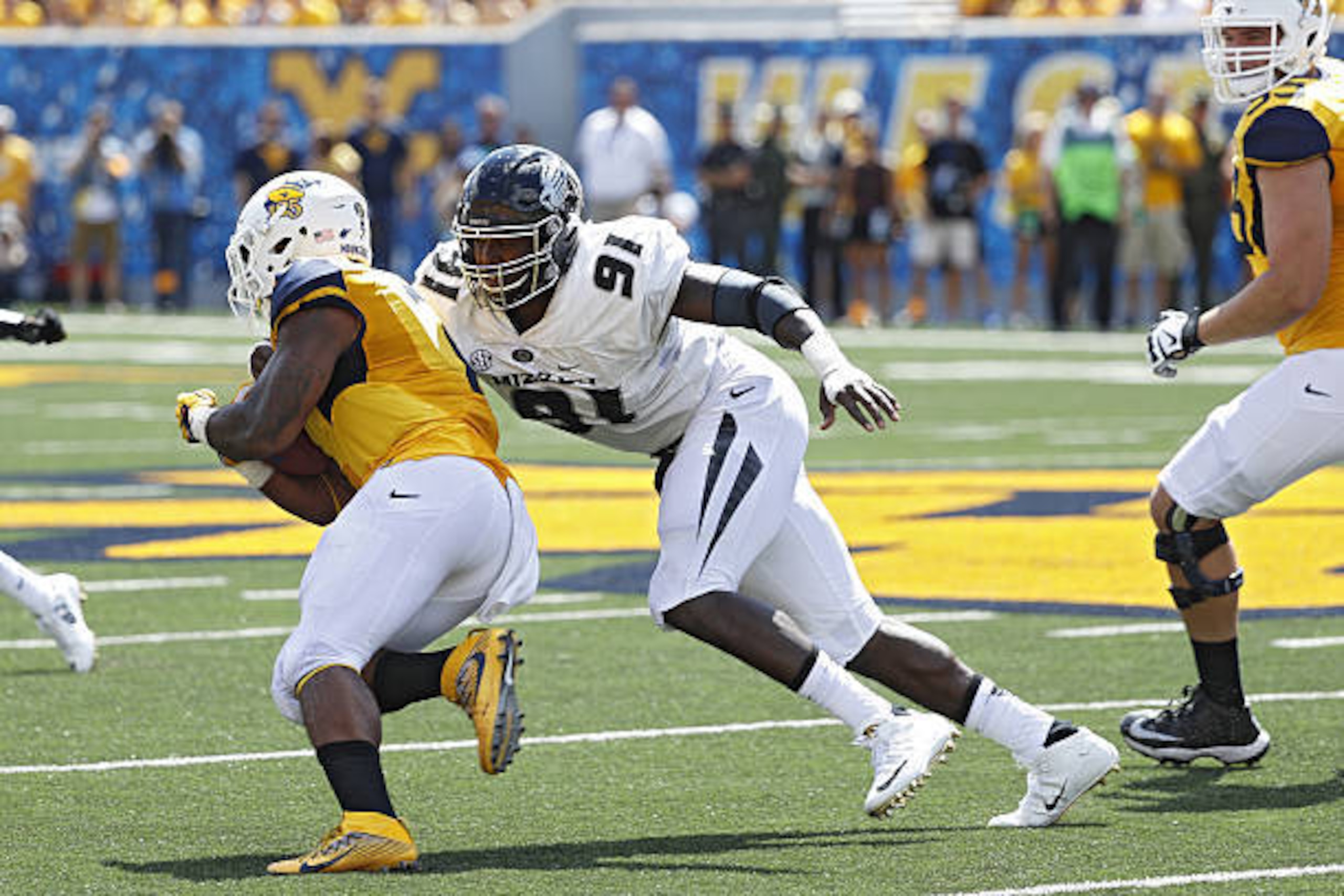
Edge-Rusher
Amid a slew of injuries, leading to another disappointing season, the Los Angeles Chargers quietly have a talented roster. With a few upgrades, especially in the trenches, and some injury luck, they could be a surprising 2017 campaign. A top need for them to invest into is the outside linebacker pass-rusher role.
Third-year linebacker Jeremiah Attaochu hasn’t been the second-fiddle to Melvin Ingram as he was expected to be, so adding competition must be a top priority. Sitting at No. 7, Missouri’s Charles Harris and Stanford’s Solomon Thomas must be atop the Chargers’ board. Harris isn’t as freaky-athletic, but would fit perfectly as a weak-side rusher. Thomas would challenge Corey Liuget, who struggled badly last year, and replace Liuget on passing downs.
Safety
The Chargers have been linked to a safety all offseason, and for good reason. Malik Hooker from Ohio State is a legitimately rare playmaker in the mold of Earl Thomas, and Jamal Adams from LSU is a jack-of-all-trades, high-floor prospect. With Dwight Lowery and Jahleel Addae not producing like a game-changer would, it’s expected the Chargers explore other options.
Hooker would instantly transform the back-end’s capabilities, but if the Chargers pass on his talent or don’t get the opportunity to take him, there are going to be players who can give similar skill sets on Day 2. Alabama’s Eddie Jackson, Utah’s Marcus Williams and Colorado’s Tedric Thompson all fit the mold, even if they’re only 85 percent of what Hooker is. That value for a potential starter in a Cover 3 defense is much better than taking one top-seven.
Offensive Guard
Dump-trucking assets into the offensive line over the last few years was a noble but fruitless effort, leaving the offensive guard situation in shambles for quarterback Philip Rivers. Orlando Franklin hasn’t lived up to his free-agent deal, and there’s not a clear starter-worthy talent at right guard on the roster. Their early second-round pick would be the ideal spot to identify their starter for the future.
Ohio State’s Pat Elflein and Western Michigan’s Taylor Moton would be excellent candidates to consider in the second round. Both are powerful and can be trusted to win on an island in pass-protections, freeing center Matt Slauson to slide over to help Franklin. A late-round name to watch for the Chargers as a developmental talent is Sean Harlow from Oregon State, a tackle convert to guard with solid athleticism.
Los Angeles Rams
18 of 32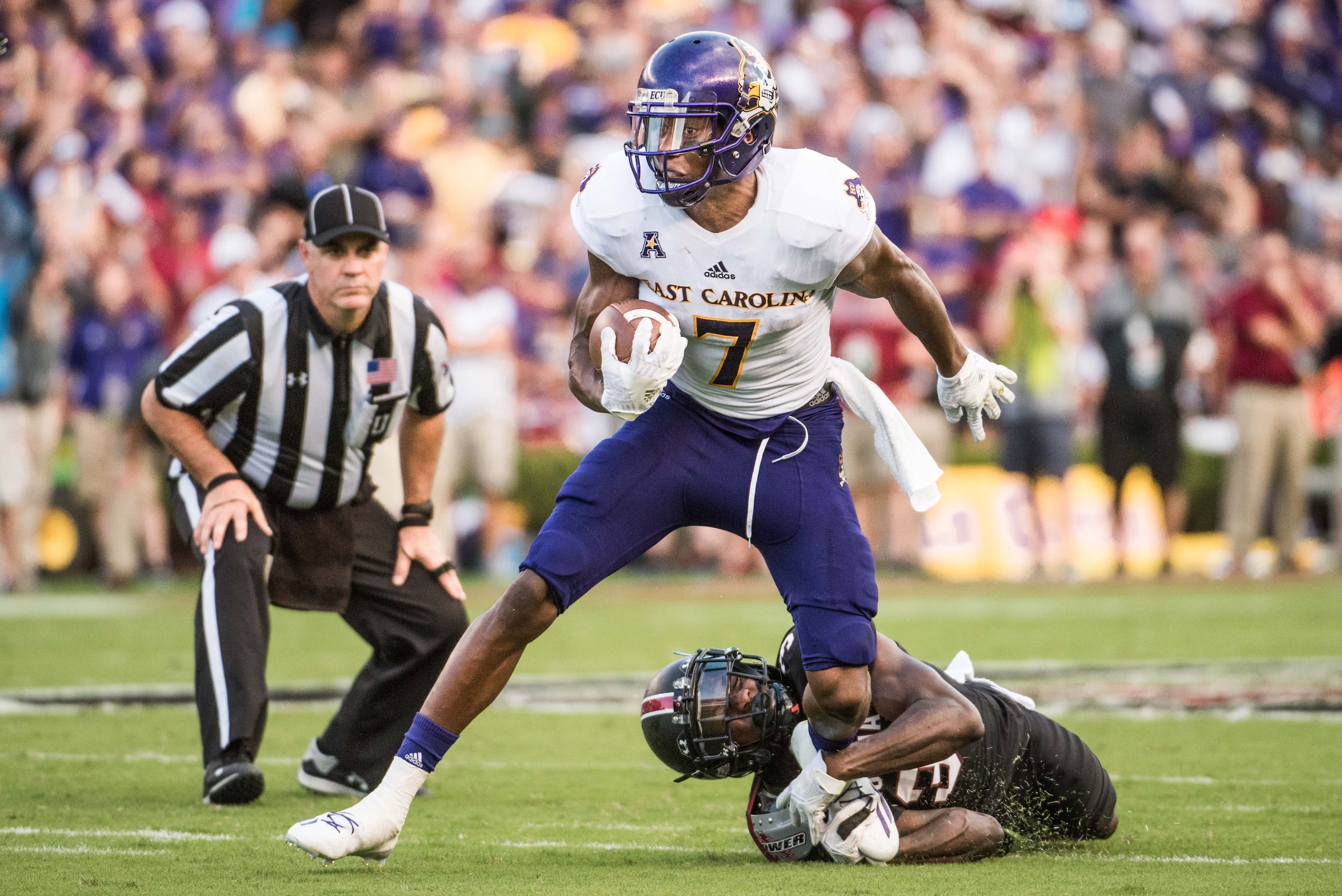
Cornerback
The long-term future of Trumaine Johnson in Los Angeles is just one of a few factors that led to the cornerback spot being an eyesore for the Rams. While Johnson will fit much better into Wade Phillips’ aggressive man scheme, the rest of the corner talent is well below average. E.J. Gaines is an off-ball corner only, and even in that scheme last year finished 129th out of 133 corners in NFL1000. The Rams have to add a more dynamic player as a boundary corner.
Without a first-round pick and still having to invest around quarterback Jared Goff, the third round might be when the Rams get that player. Washington’s Sidney Jones would be an interesting injury risk as he comes off his torn Achilles, as he was regarded as a top-three corner prospect prior to that. Colorado’s Ahkello Witherspoon and West Virginia’s Rasul Douglas are other long corners that may draw Phillips’ interest.
Wide Receiver
For all of the receivers the Rams added last year in the late-rounds of the draft, none really looked to have long-term sustainability as a rookie. That could certainly change in a more friendly offensive scheme, but a more dominant talent is needed for Goff. The team’s first pick, the No. 37 selection, should be used on a receiver.
If Corey Davis of Western Michigan is somehow on the board, he’s the easy decision, but it’s unclear if he’d fall that far. If not, then Zay Jones of East Carolina and Chris Godwin of Penn State would each offer athleticism, size and great hands to this receiving core. With one of those three, Tavon Austin and Robert Woods, Goff would have a fighting chance of recovering from a tough rookie season.
Edge-Rusher
The depth at the defensive end spot for the Rams has deteriorated quickly, and it’s time for the franchise to replenish in this deep class. A Day 2 pick would be ideal, especially since the team owns a third-round compensatory pick. Targeting a well-rounded end who can spell Ethan Westbrooks and develop into a starter would be an excellent catch.
Illinois end Dawuane Smoot and Arkansas Deatrich Wise Jr. each are stout run defenders with pass-rush prowess as power-reliant talents. With their ready-made frames, it’s going to come down to the technical aspect to get the most out of their natural talent. Another late-round name to watch is Keionta Davis of Chattanooga, who is more of a raw athlete.
Miami Dolphins
19 of 32
Offensive Guard
As well as the Miami Dolphins have done to rebuild a once-woeful offense, there are two massive holes on the interior line because the team ignored the position in free agency. Right now, it’s likely Ted Larsen and Jermon Bushrod would be starting guards. Larsen and Bushrod finished 2016 as NFL1000’s 62nd- and 68th-ranked guards, which means they shouldn’t be starting in 2017 as they continue to age.
The dream acquisition for the Dolphins is for Forrest Lamp to fall to 22nd overall, allowing them to move him to left guard and have the veterans battle for just one spot. But if Lamp is gone, then waiting until round two might be the best move. Indiana’s Dan Feeney, Ohio State’s Pat Elflein and Pittsburgh’s Dorian Johnson would each likely be able to claim a starting job quickly and maximize this team’s terrific run game.
Edge-Rusher
If Lamp’s not available at No. 22, then this pick should be spent in the trenches. The lack of reliable pass-rush behind Cameron Wake has left this team vulnerable. Getting a real protege under Wake has to happen from this class. Miami would likely prefer an experienced player who can step in right away and be a part of their rotation.
Auburn’s Carl Lawson, Kansas State’s Jordan Willis and Tennessee’s Derek Barnett are likely targets. Lawson and Willis are better targets, but Lawson’s injury history could be an issue for Miami. If Miami has to wait until Round 2, then Derek Rivers of Youngstown State and Tyus Bowser from Houston will likely garner interest.
Cornerback
Outside of veteran Byron Maxwell, none of the Dolphins’ cornerbacks scored well enough in NFL1000 to feel confident in their role entering 2017. An impact slot corner would likely easily displace incumbent Bobby McCain, and it won’t be too hard to upgrade over second-year corner Xavien Howard if this class proves to be as deep as expected. Even fourth cornerback Tony Lippett is someone who could benefit from competition this year.
If Miami’s first two rounds go as they hope, corner can be addressed in Round 3. Cameron Sutton of Tennessee, Miami’s Corn Elder and Utah’s Brian Allen would fit their profile of corners they’d like. If there’s a surprise talent on the board, Miami shouldn’t hesitate in adding their services to the roster since there are few long-term answers currently.
Minnesota Vikings
20 of 32
Running Back
The Minnesota Vikings attempted to build one of the most athletic backfields in the NFL by signing Latavius Murray to pair with Jerick McKinnon, but how much they’ll produce despite their physical gifts is a concern. Neither has proved to read running lanes and have a natural feel for the position. Running back must be viewed as a huge need for this offense to improve, even if an incoming rookie won’t have to be forced to play early.
Lacking a first-round pick, the Vikings can afford to grab a falling stud in Round 3 or 4. The 86th or even 120th overall picks would be ideal to grab Wyoming’s Brian Hill or Boise State’s Jeremy McNichols. Hill’s a consistent, athletic and experienced back who would be less of a wildcard compared to the other two in place for the Vikings. McNichols would be a little more similar to McKinnon, but he came from a system that showed he’s more than just a pure athlete.
Defensive Tackle
Once a deep group that has been put into question due to injuries, including Sharrif Floyd and Tom Johnson, the Vikings can’t ignore the position and hope for the best. Investing one of their third-round picks is a real possibility, especially since the class appears to lose a lot of value on Day 3. This pick wouldn’t necessarily have to play right away but being able to spell a starter for some time would be helpful.
Michigan’s Chris Wormley and Charlotte’s Larry Ogunjobi are great athletes who need to be refined and were older prospects who may struggle against the jump in physicality. If they’re both gone, then Tulane’s Tanzel Smart and Vincent Taylor of Oklahoma State are intriguing backup-types with tools worth investing time into.
Right Guard
If the Vikings’ offensive line fails to be good in 2017 again, it’s not for a lack of effort and resources put into it. Right tackle Riley Reiff should be a massive improvement, and left tackle Mike Remmers might be a draw when compared to Matt Kalil, but at least he’s been healthier. The Vikings still need to add a right guard, though.
It’s possible the team will view this as their biggest need and continue to rebuild the unit. Using their second-round pick to fill the hole there would be wise if the right player is on the board. Ohio State’s Pat Elflein, Indiana’s Dan Feeney and San Diego State’s Nico Siragusa would be perfect, plug-and-play starters. If they can’t land one of them, then Utah’s Isaac Asiata is a possibility as a power blocker.
New England Patriots
21 of 32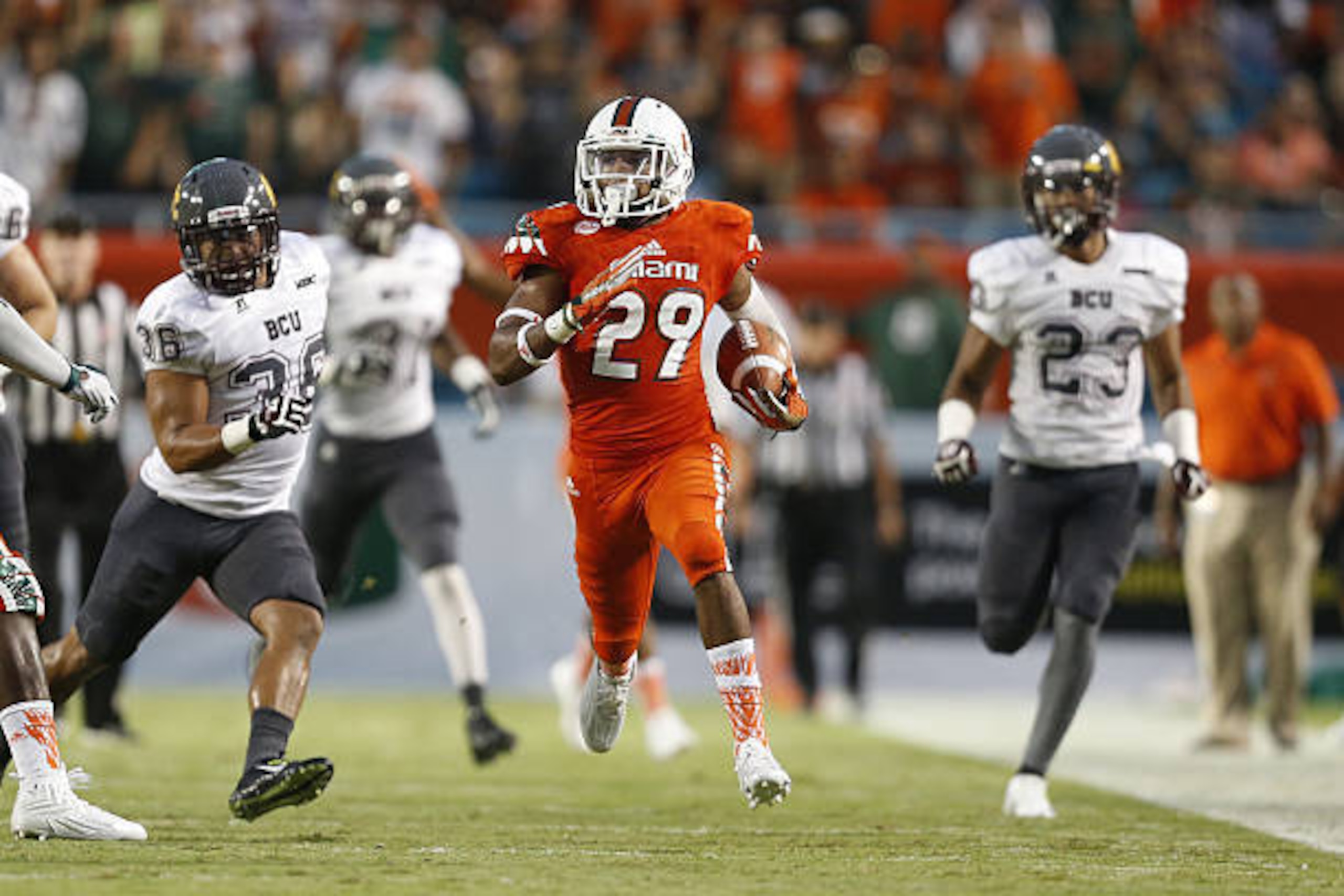
Edge-Rusher
Even after trading some spare parts for Carolina Panthers defensive end Kony Ealy, the New England Patriots lack a second edge-rusher young enough to be viewed as a future solution at the position. Ends Trey Flowers and Rob Ninkovich are effective players, but they are at their best when moving around. The Patriots could afford to take another edge player to develop into a potential star.
Day 2 won’t have a sure-fire star, but there are some players projected to be there who fit the Patriots’ size and versatility requirements. Florida State’s DeMarcus Walker, Villanova’s Tanoh Kpassagnon and Illinois’ Dawuane Smoot are different-style rushers, but they should draw interest from head coach Bill Belichick. Walker and Smoot are play-now, well-built competitors who can play in a nickel 4-3 and slide along the defensive line and linebacker role in their base 3-4 front they unveil.
Cornerback
Per NFL Network Insider Ian Rapoport, the Patriots and New Orleans Saints are unlikely to strike a trade agreement for cornerback Malcolm Butler. The trade would make sense for the Saints, but the Patriots, who appear to be all-in and loading up with significant talent for 2017, would need a huge return to lose Butler now. If Butler’s not going to be back, the Patriots need another corner to go with Stephon Gilmore and Eric Rowe.
Rowe was solid on the boundary last season, ranking 27th out of 133 corners in NFL1000, but there’s no reliable slot corner to be found. Miami’s Corn Elder, Michigan’s Jourdan Lewis and Iowa’s Desmond King each bring physicality and quickness as potential slot fits for the Patriots. None should go before the Patriots’ two third-round picks.
Tight End
Thanks to a trade with the Indianapolis Colts to grab Dwayne Allen, the Patriots don’t have a major need at tight end. But that could change quickly if superstar Rob Gronkowski doesn’t recover from his latest injury, or he suffers more. With this impressive class, the Patriots should spend one of their mid-round picks on a value tight end.
Michigan’s Jake Butt, Arkansas’ Jeremy Sprinkle and Iowa’s George Kittle bring varying skill sets that quarterback Tom Brady would love. Butt is the quintessential possession man underneath coverages. Sprinkle and Kittle are little more explosive athletically and are better blockers inline, making them earlier targets, and both can move around formations as H-backs.
New Orleans Saints
22 of 32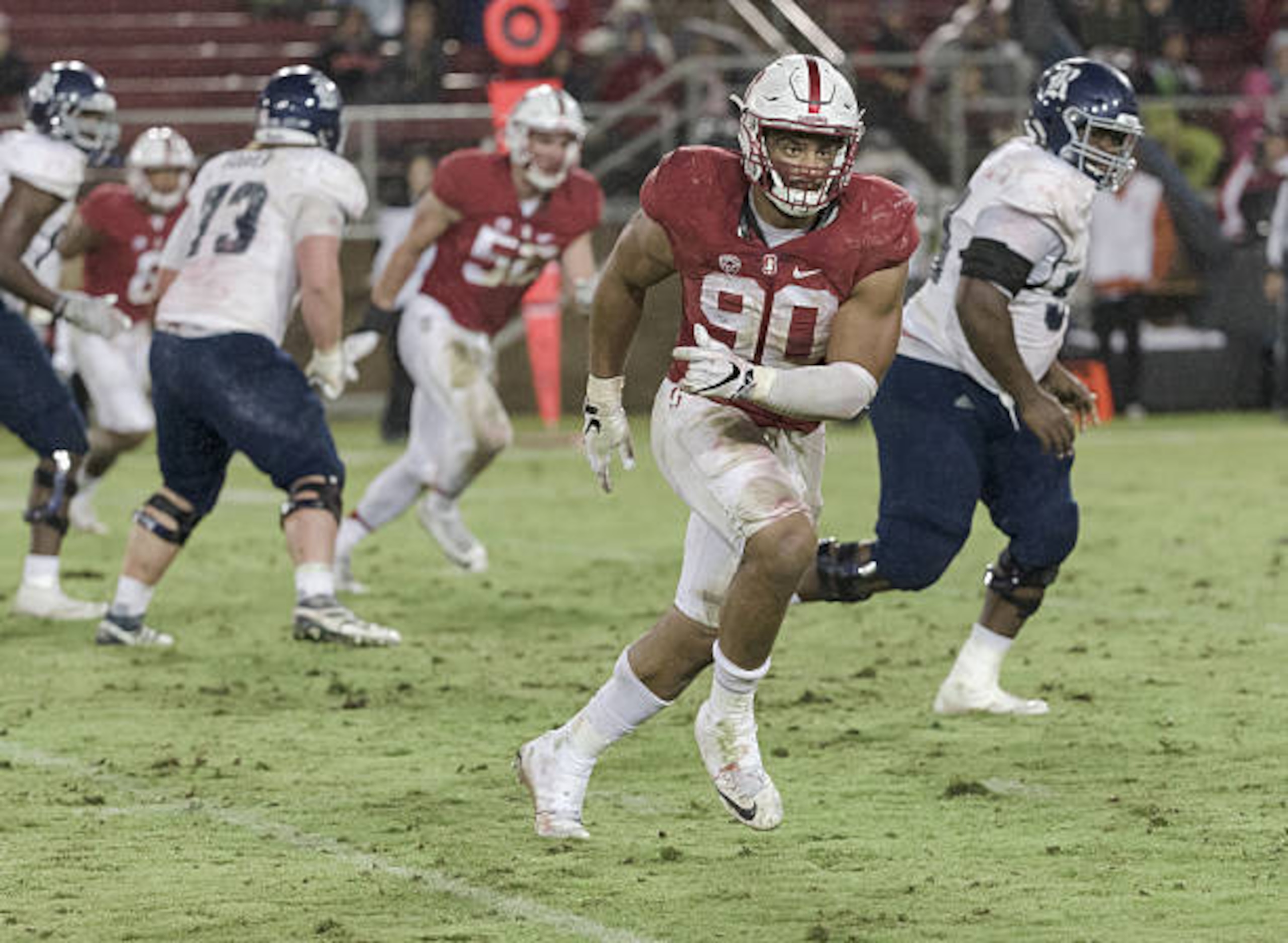
Edge-Rusher
The New Orleans Saints have been aggressive in addressing their defense the last year-plus, trying to invest heavily to help take advantage of their explosive offensive personnel. Unloading receiver Brandin Cooks for a first-round pick was the latest move, and it should greatly help their efforts. Fortunately, it’s a great class to add an impact pass-rusher, which is by far the biggest need for the team.
There should be plenty of potential targets to choose from at No. 11 overall. Michigan’s Taco Charlton, Tennessee’s Derek Barnett and Missouri’s Charles Harris have to be considered favorites to be the pick if any is still available because of their ability to step into their lineup right away. The Saints would likely love to see Solomon Thomas fall to them at 11, too, but that might be too much of a pipe dream, as the Stanford product could go much higher.
Cornerback
The Saints’ interest in Patriots’ cornerback Malcolm Butler is a clear sign the team doesn’t yet have full faith in their corner depth, and for good reason. Delvin Breaux and P.J. Williams have flashed talent but injuries have limited each of them, and Breaux never looked fully recovered last season after returning from his leg injury. Another playmaker is needed in the secondary, and it’s likely they’ll be taken in the Saints’ top three picks.
Alabama’s Marlon Humphrey would be an ideal zone fit for the Saints at No. 32 with his physicality. Two other zone fits, both from the Pac-12, are Kevin King of Washington and Chidobe Awuzie of Colorado. Both tested to be great athletes, and while they don’t play as fluid as measured, there’s a clear athletic upside there and each is talented as is, reducing their risk of not contributing.
Right Tackle
Finding the next right tackle to eventually replace Zach Strief will likely be a topic the Saints explore this draft class. Streif was great last season, finishing as the fifth-best right tackle in NFL1000. But he’s also turning 34 years old this season, and Father Time is undefeated.
This is a good draft to uncover a diamond needing refinement. Vanderbilt’s Will Holden, Florida’s David Sharpe and Julie’n Davenport are all projected late Day 2 and early Day 3 picks and for good reason. Each is athletic at the tackle position but needs work, and the Saints have the perfect situation to maximize the talent they have for a potential starting job in 2018.
New York Giants
23 of 32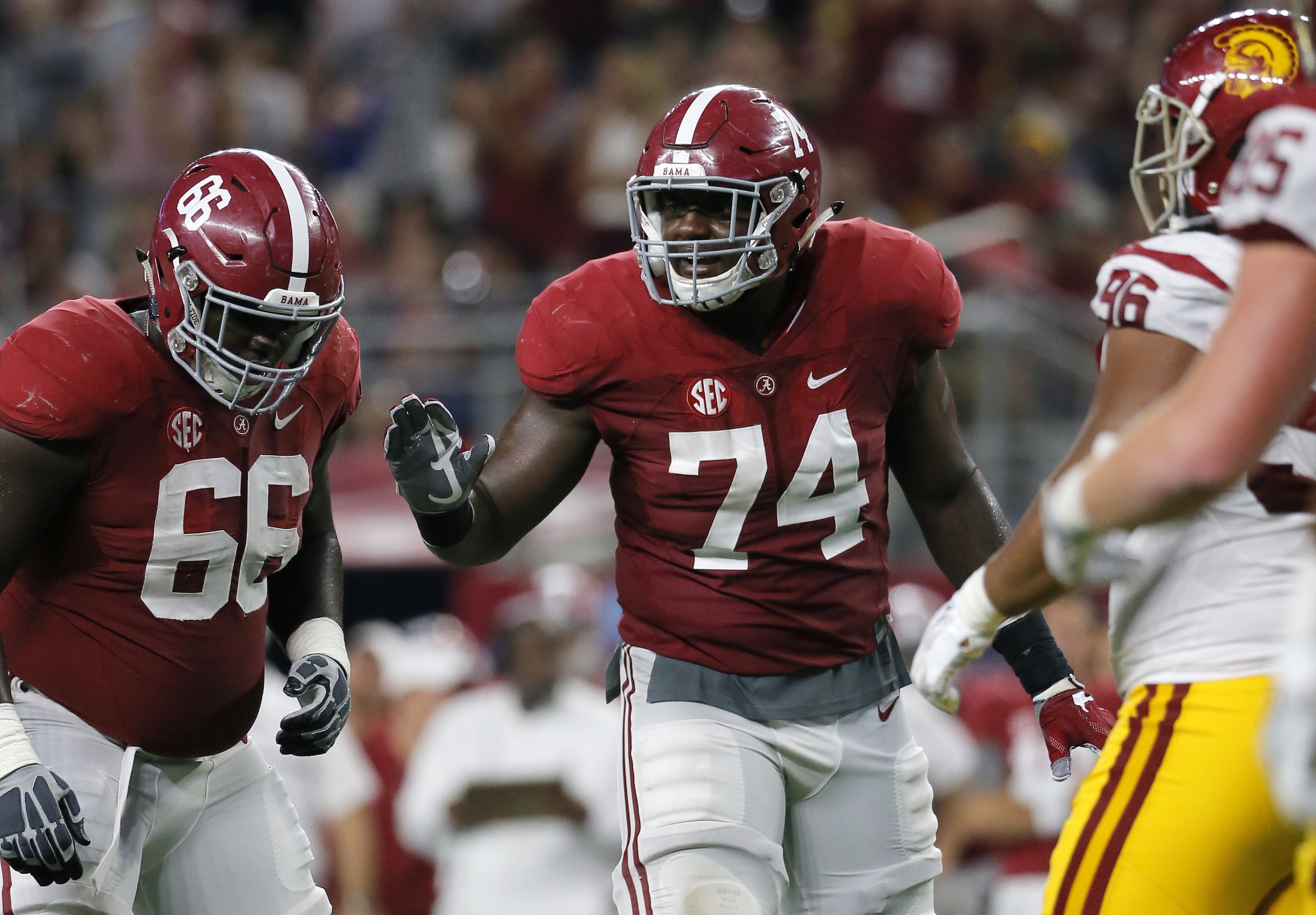
Offensive Tackle
Sitting with the 23rd overall pick, the New York Giants could possibly be picking from the scrap heaps as far as the offensive tackle position is concerned. With Bobby Hart ranking as the 29th right tackle in NFL1000 last year, the Giants still have to prioritize getting a tackle, and then decide whether the rookie or Ereck Flowers will play on the left side. Flowers would ideally slide over, allowing the newcomer to be the more natural pass protector on Eli Manning’s blindside.
Utah’s Garett Bolles would be ideal but is unlikely to last that long, meaning either Wisconsin’s Ryan Ramczyk or Alabama’s Cam Robinson are the next-best alternatives. Ramczyk is a better zone fit, but the Giants may not be able to be too picky, and taking the best talent at the position isn’t a bad mindset. If they’re set on making Flowers a left tackle, right tackle prospect Western Michigan‘s Taylor Moton would potentially be a second-round pick, but he’s a fantastic athlete and pass-blocker.
Linebacker
The Giants sit with one of the worst linebacker corps in the league, lacking a true man in the middle to be a dominating force, and their outside linebackers both lack turnover-creativity and man-coverage skills. This is a limited group that needs to be overhauled.
At middle linebacker, either Alabama’s Reuben Foster, if available, Ohio State’s Raekwon McMillan and Florida’s Jarrad Davis should be major targets in the late first-round. Considering the league’s epidemic, it’s unlikely either would be there when the Giants pick in the second-round. Later options could include Northwestern’s Anthony Walker Jr., Michigan’s Ben Gedeon and Blair Brown of Ohio.
The outside linebacker spots should be cheaper and easier to fill. LSU’s Duke Riley and Kansas State’s Elijah Lee would be fantastic fits on each side, bringing coverage ability and physical upside to continue improvement. Neither should be picked before the third round.
Tight End
For years, the Giants have tried to get away using mediocre but athletic tight ends for Eli Manning, and the results have been predictably uneven. The value of a late-round or undrafted free-agent contributor is often a nice bonus, but capped upside has its own price in terms of opportunity cost. The Giants should want to take advantage of this class and get a premium tight end if the board falls their way.
If they miss on a tackle early, then Miami’s David Njoku would be a perfect fit for the offense, as his size and creation ability post-catch is rare. Day 2 options like Evan Engram and Bucky Hodges are more like pure receivers but would give Manning unique downfield options at the position to utilize along with his deep receiver corps.
New York Jets
24 of 32
Quarterback
We can already scratch the New York Jets off the list of potential playoff contenders if they choose to enter the 2017 season with Josh McCown as their starting quarterback. There’s no upside in starting him, and from what has been seen of Bryce Petty, and what remains to be seen with Christian Hackenberg, nobody would blame the Jets for scrapping their recent investments and taking a true franchise-caliber quarterback with the sixth overall pick. They may have their choice of all four if the board falls right.
With North Carolina’s Mitch Trubisky and Clemson’s Deshaun Watson, each would immediately seize the starting job, both boasting polish and experience in a West Coast scheme. Even Day 2 options like Nathan Peterman from Pittsburgh and Brad Kaaya of Miami are limited-upside guys but have the tools to find success in the right situation, and they would allow the Jets to shore up some of the weaknesses around the quarterback.
Offensive Tackle
There’s no question the Jets must work to retool an offensive line that was patched together for much of 2016 due to injuries and age. Even after bringing Kelvin Beachum into the fold, the team lacks a clear starter at right tackle, and if Brandon Shell doesn’t develop, the Jets will be disastrous at the position. Adding a quality tackle prospect will benefit them long-term, if not short-term as well.
If the team is as skeptical about Shell as I am, then Garett Bolles would be an excellent addition to the unit, as he’s an elite athlete and refined pass-blocker despite his limited experience at Utah. If not, then Temple’s Dion Dawkins and Troy’s Antonio Garcia would be longer-term prospects that need some time to develop but would be expected to be competing as soon as 2018.
Outside Linebacker
Unlike most teams, Jets head coach Todd Bowles prefers to have his outside linebackers drop into coverage as opposed to rushing on every play, providing his corners with support inside. This is a great class to add to the group he has, which is a limited group athletically. The best part is that it shouldn’t cost him a premium pick unless the Jets want the best prospects in the class for the role.
If they’re on the board in the second round, Wisconsin’s T.J. Watt and Houston’s Tyus Bowser would be the right mix of rushing ability and drop-back coverage fluidity. As for value, Watt’s teammate Vince Biegel and UCLA’s Jayon Brown are great round-three candidates. Biegel is more of a rusher than Brown, but Brown is dynamic like Darron Lee in coverage, allowing specific matchup decisions.
Oakland Raiders
25 of 32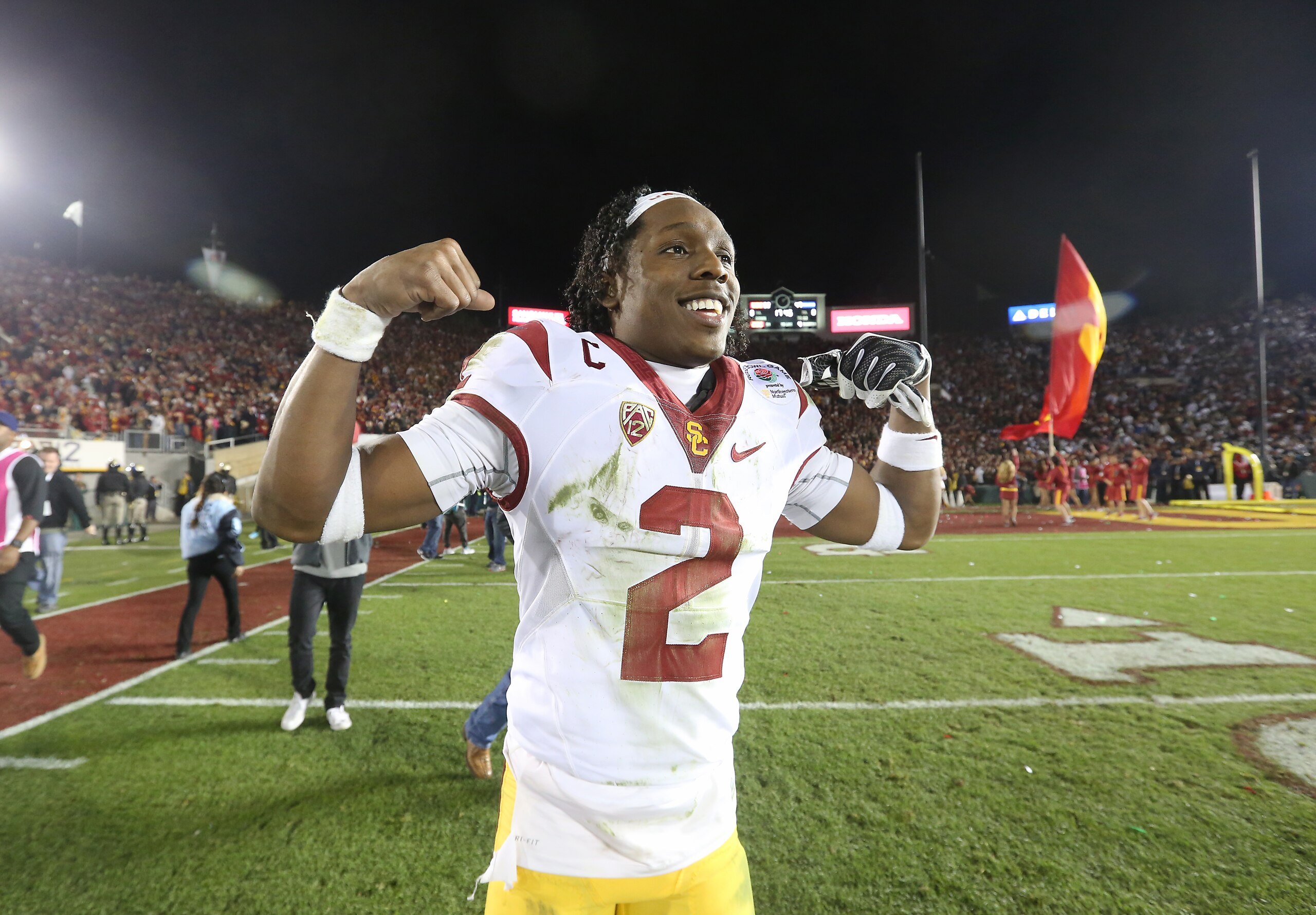
Linebacker
Even after investing multiple late-round picks in recent drafts to the linebacker position, the Oakland Raiders still lack a clear starter at the middle linebacker position. Entering 2017 with Ben Heeney as the undisputed starter is a recipe for disaster if last year was a good indicator of what he’ll constantly do. Heeney is reckless and misses too many tackles right now.
Three intriguing options could be sitting on the board for the Raiders at No. 24. Alabama’s Reuben Foster could fall based on his draft process missteps, marking him as a tremendous on-field value and obvious decision. If not, then the Raiders could opt to wait for value, or look at the two next-best in Florida’s Jarrad Davis, who is a little reckless and inconsistent but more effective like Heeney, or the rock-solid but limited-upside player in Raekwon McMillan from Ohio State.
Defensive Tackle
An impact pass-rusher on the interior of this defensive front could be an acquisition that proves to alter the entire unit. The current defensive tackle rotation is uninspiring, needing a more explosive presence to complement their other edge players. There are potentially a few options in the first two rounds who could address this issue.
Notre Dame’s Malik McDowell is tremendously talented but needs to focus and hone in every game. If he’s there at 24, there’s not a better upside play. But if the Raiders don’t believe in him as a person, then getting Michigan’s Chris Wormley, Charlotte’s Larry Ogunjobi or UCLA’s Eddie Vanderdoes late in Round 2 could be the answer. Each is an athletic pass-rusher who needs to improve their overall hand usage and play strength, but the raw talent shows quickness and an ability to shoot gaps.
Cornerback
It’s hard to stop offenses with cornerbacks who can’t turn and run, and for much of last year, neither Sean Smith nor David Amerson couldn’t stop any receiver close to being considered an above-average player. Smith evened out eventually, but he’s turning 30 this summer, and another drop off in speed could be devastating for the press specialist. A young body is badly needed, if not two to upgrade the slot as well.
USC’s Adoree’ Jackson, a local product, would instantly boost the athleticism in the group and fit in the slot. UCLA’s Fabian Moreau, longer and fast but not quite as explosive, could be a second-round option for Oakland as well, though he figures to be an outside corner. In the slot, someone like Minnesota’s Jalen Myrick or San Diego State’s Damontae Kazee should be available early Day 3 and compete with T.J. Carrie.
Philadelphia Eagles
26 of 32
Cornerback
The decision to pass over the top cornerback free agents may or may not ultimately prove to be foolish, but the Philadelphia Eagles were able to snag an under-the-radar player at the position they desperately need talent at in Patrick Robinson. Robinson finished 2016 as the 59th-best corner in NFL1000, good enough to finish as a decent starter and slot option. But at least one or two more bodies are needed to make this is a viable playoff group of corners.
This is the class if any for the Eagles to double-dip at the position. There may not be an obvious first-round fit, allowing the Eagles to look elsewhere at another position and address corner in the second and third round. Clemson’s Cordrea Tankersley and LSU’s Tre’Davious White would be early starters considering their length and consistency in coverage. In Round 3, Ahkello Witherspoon from Colorado and Cameron Sutton from Tennessee offer different skill sets. Witherspoon would battle with Jalen Mills to start and allow Robinson to move to the slot, while Sutton would possibly take the slot spot himself.
Outside Linebacker
As outside linebacker Mychal Kendricks has lost his role with the team in 2016, it’s obvious the Eagles will need to address that position this year. Nigel Bradham is an excellent coverage man, but the weak-side is open for competition if Kendricks is indeed traded eventually. Sitting at No. 14, the Eagles could have the opportunity to grab the premier one in the class, Temple’s Haason Reddick.
Reddick has limited experience in the role, but he’s an elite athlete with incredible range for his size. There’s a chance he'll already be off the board, though, which would then put the Eagles in a position to wait for Zach Cunningham in Round 2, or Alex Anzalone or Jayon Brown in Round 3.
Running Back
Unfortunately for the Eagles, it’s likely they’re just out of range for the two top running backs in the class, LSU’s Leonard Fournette and Stanford’s Christian McCaffrey. Each is expected to be gone in the top nine picks, and at 14, the Eagles might be forcing a pick on a player with injury and character question marks or one with a major off-field incident in his past. Those two are Florida State’s Dalvin Cook and Oklahoma’s Joe Mixon, respectively.
That may be too much of a reach for the Eagles to feel comfortable with, and waiting until Round 2 could allow them to get a similar talent. Alvin Kamara of Tennessee would fit the West Coast, zone-based scheme extremely well, and he is a cleaner prospect than both. Another option is finding a mid-round value like Toledo’s Kareem Hunt or South Florida’s Marlon Mack. There are plenty of good scheme fits who could instantly contribute to this backfield.
Pittsburgh Steelers
27 of 32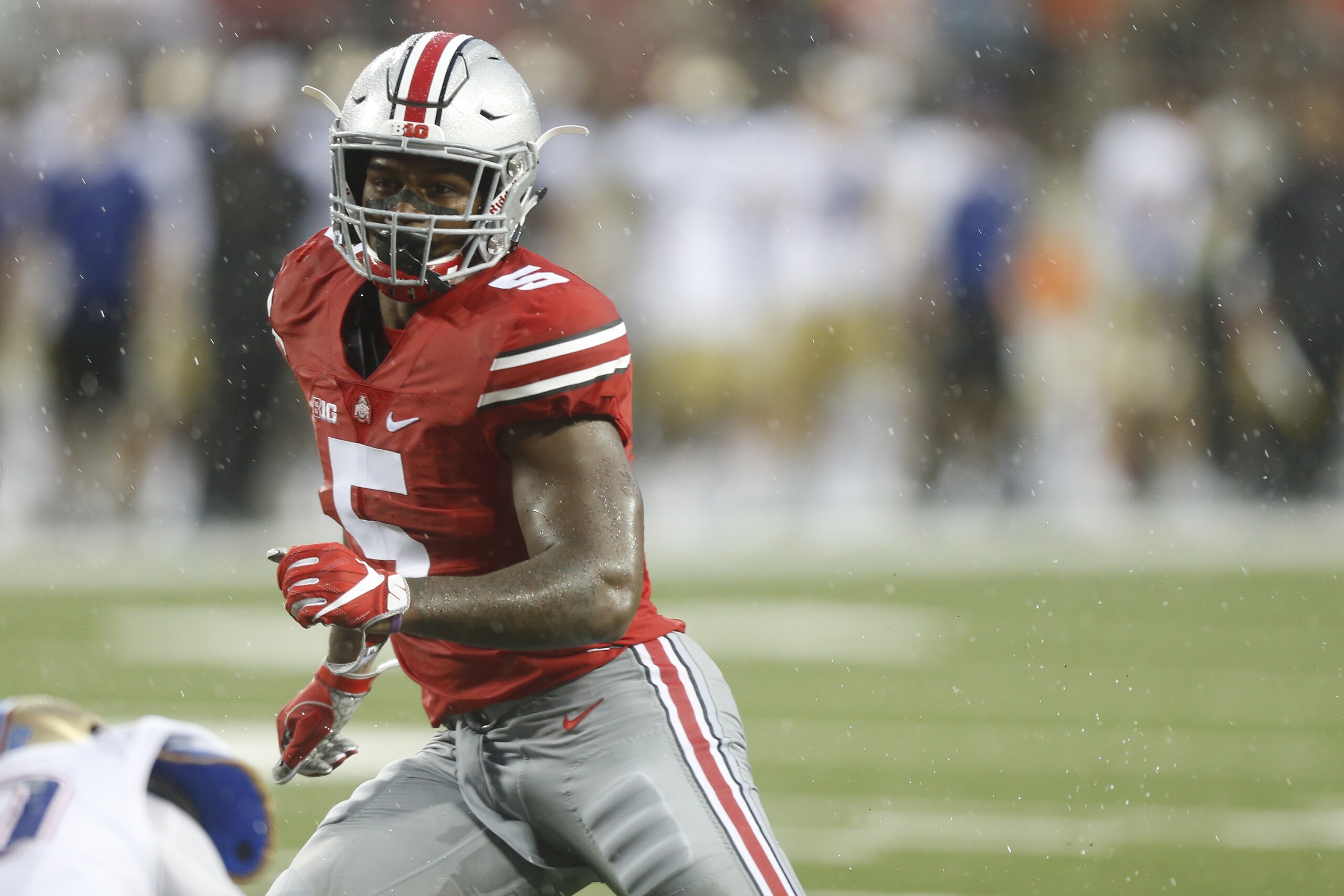
Edge-Rusher
2015 first-round pick Bud Dupree showed signs of development down the final stretch of 2016, which was one of the first encouraging steps of Dupree’s career thus far. The terrific athlete hasn’t yet found out how to maximize his gifts and forgets to use his hands much too often. Add in that James Harrison remains the best pass-rusher on the team despite being 39 years old in May, and it’s easy to see why the team needs to continue pumping talent into the position to help the defense.
Sitting with the 30th overall pick isn’t the best spot to be in because so much else is out of their control, but it’s a good place to grab a value pick. An athlete like Kansas State’s Jordan Willis would make a perfect pairing, as Willis is ready to play right now, while still having the athleticism to project improvement. Auburn’s Carl Lawson would also fit, as well Joe Mathis of Washington, though Mathis is a likely a Day 2 pick.
Inside Linebacker
Losing Lawrence Timmons was a shock, but probably not a devastating one considering what the results were when Pittsburgh asked him to play in man coverage so often. The bigger issue is now replacing Timmons, and it’s not clear that backup Vince Williams is ready for the responsibility. Williams has just 197 career tackles, meaning he’s as much of a projection as a rookie.
The late-first might be too early for the Steelers to add another piece next to star Ryan Shazier, but it might be hard to pass on Florida’s Jarrad Davis. If Pittsburgh wants to wait, there’s good options, such as Northwestern’s Anthony Walker Jr., Lindenwood’s Connor Harris, Boise State’s Tanner Vallejo and poised to be late Day 2 to early Day 3 picks.
Quarterback
Eventually, Ben Roethlisberger will have had enough of the beating his body has taken and call it a career. The 35-year-old has missed seven starts over the last two seasons, which isn’t bad, but it also doesn’t count the numerous games he’s played hurt or had to leave early. It’s time for the Steelers to properly prepare a replacement.
Either Notre Dame’s DeShone Kizer or Cal’s Davis Webb could be the downfield passer that the team covets to continue the offense’s style. Kizer is a late-first consideration, while Webb shouldn’t be considered until at least one round later. The best value could come early Day 3 though, where Virginia Tech’s Jerod Evans looks to be a worthwhile project with significant physical traits.
San Francisco 49ers
28 of 32
Quarterback
One benefit of having a general manager and head coach with new six-year contracts is it affords them to build the team as they see fit, without pressure to win right away. The San Francisco 49ers are a difficult team to get a read on because the roster is one of the worst in the league, if not the worst, so it’s feasible that general manager John Lynch chooses to pass over taking a quarterback early to solidify the roster elsewhere. Eventually, though, Lynch and Kyle Shanahan will have to address the elephant in the room with the lack of quarterback talent on the roster.
Armed with the second and 34th overall picks, the 49ers have the ammunition to do whatever they please at the position. North Carolina’s Mitchell Trubisky would make sense at No. 2, but so would waiting for any of the top-four quarterbacks to slide to No. 34. If none does, this regime can claim they’re waiting for next year. Selecting a mid-rounder like Miami’s Brad Kaaya would give them a high-floor, low-ceiling backup to work with in the meantime.
Edge-Rusher
With the roster under a new staff and regime, the talent must continue to flow to the trenches to help make this a viable team. Once the inside is built up, the outside will have more margin for error. That starts defensively on the edges and defensive end.
It’ll be tempting to take Solomon Thomas No. 2 overall, as he’s a raw, moldable but physically overwhelming force who would fit perfectly in a 4-3 end role. If the 49ers can trade down or decide to wait, then more options become more reasonable, such as Charles Harris of Missouri, Tarell Basham of Ohio or Daeshon Hall of Texas A&M. Either way, the 49ers shouldn’t go long without addressing such an important piece to their defense.
Wide Receiver
It didn’t take long for Shanahan to get his hands on some talented receivers who will play specific roles in this offense. Both Marquise Goodwin and Aldrick Robinson will be fun, moveable downfield pieces to create explosive plays. Pierre Garcon will be the possession receiver to help whoever is at quarterback. But a more dominant threat is needed still.
Trading down might allow them to take Clemson’s Mike Williams, but it’s more likely the 49ers look for better value than that. On Day 2, Penn State’s Chris Godwin, East Carolina’s Zay Jones and Alabama’s ArDarius Stewart would each bring a different skill set and body type to this group. This is key for Shanahan as he maximizes offensive roles and plays to strengths.
Seattle Seahawks
29 of 32
Offensive Guard
The offensive line continues to be the focus for the Seattle Seahawks, and unfortunately for them, it’s not a great interior line class. With question marks at both guard spots, the Seahawks need to prioritize protecting quarterback Russell Wilson more and creating a more effective running game. That’s only achievable through competent guard play.
Mid-round values like Doran Johnson of Pittsburgh, San Diego State’s Nico Siragusa, Miami’s Danny Isidora and Jordan Morgan of Kutztown aren’t guaranteed to win a starting role, but they can push incumbent Mark Glowinski and for the right guard job. Offensive line coach Tom Cable needs real talent to work with, not just athletes.
Cornerback
Last year was the first time the Seahawks’ secondary looked vulnerable despite still having Richard Sherman and Kam Chancellor. This was, of course, in part due to the absence of Earl Thomas, but also a statement about the second and third cornerback spots. Neither DeShawn Shead nor Jeremy Lane played well enough to have a guaranteed role in 2017.
Length is going to be the primary focus for Seattle, and it’s a formula that’s largely worked for this defense. That means Washington’s Kevin King and Sidney Jones are potential targets and excellent fits, as are Clemson’s Cordrea Tankersley and potentially Ohio State’s Gareon Conley, though, as already mentioned, Seattle will now be considering the recent allegation in any decision it makes. Slot options to compete with Lane include Teez Tabor from Florida and Brendan Langley from Lamar.
Defensive Tackle
One of the most underrated strengths on the Seahawks’ defense for years was their incredible depth along the front. They could throw out seven bodies throughout the game and dominate the trenches. That’s declined in recent years and needs to be re-established.
It shouldn’t take a premium pick to accomplish this, as the Seahawks are going to look for big, strong bodies who can be developed in the meantime. North Carolina’s Nazair Jones, Florida’s Caleb Brantley and Notre Dame’s Jarron Jones could be Day 3 picks, giving value for a role that likely will be a rotational piece on this defense.
Tampa Bay Buccaneers
30 of 32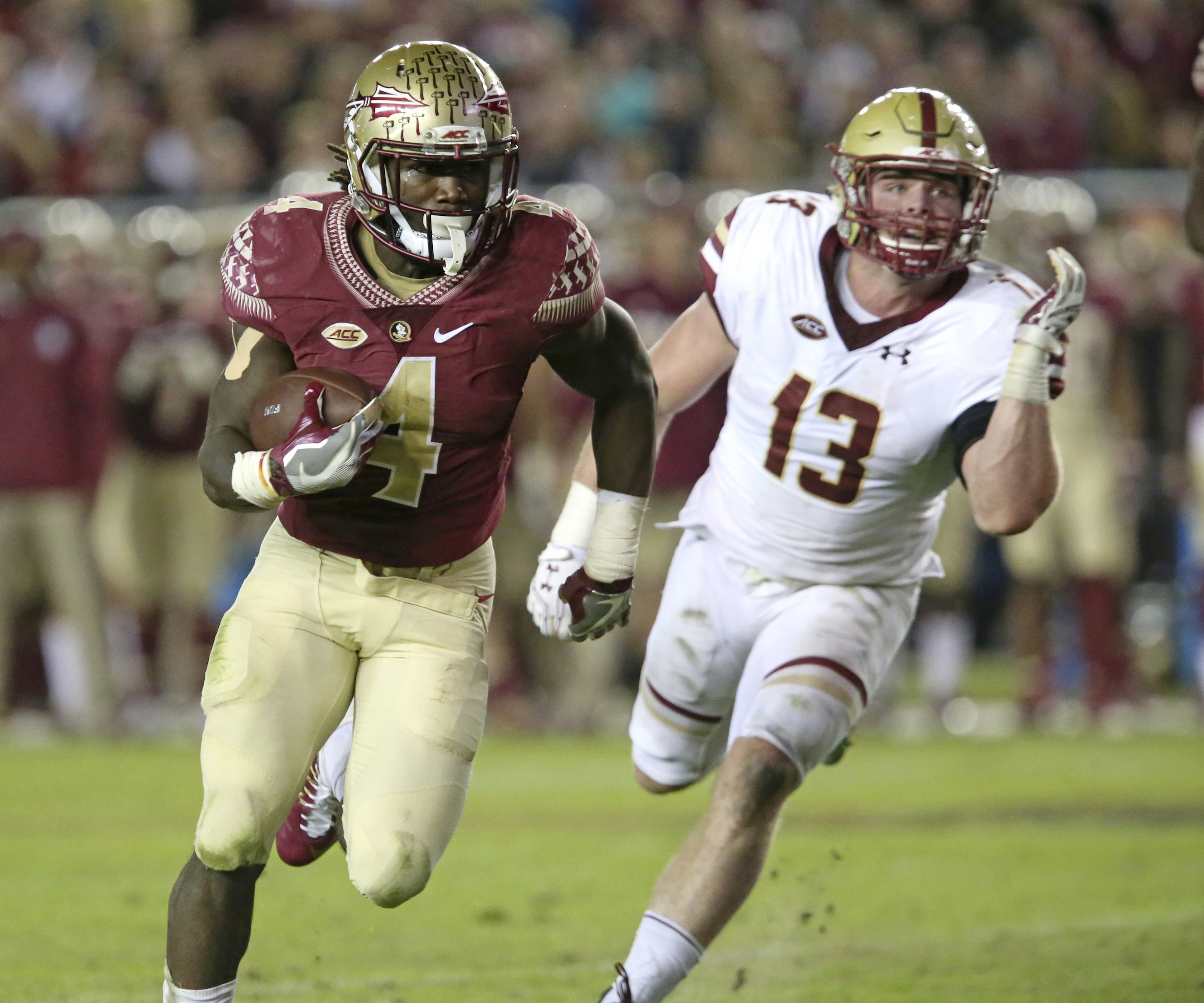
Running Back
It would be one thing if the Tampa Bay Buccaneers just had to deal with Doug Martin’s suspension, but Martin is also coming off a terrible season, where he averaged just 2.92 yards per carry. A bad offensive line or not, that shouldn't have happened. It’s clear that Martin’s days are numbered in Tampa Bay.
With the 19th overall pick, the Buccaneers might be able to snag a star running back in either Joe Mixon of Oklahoma or Dalvin Cook of Florida State. Both have off-field issues that need to be investigated, but they’re so good on the field that it may not matter. Pairing one of these two would give the team one of the youngest and most talented quarterback, running back and receiver trios in Jameis Winston, Mike Evans and whichever back they select.
Wide Receiver
Even with stars DeSean Jackson and Evans, the rest of the surrounding cast at receiver for Winston is limited. Adding a third, reliable pass-catcher, either a shifty, traditional slot receiver, or a more versatile downfield threat would bring a new dynamic to the position. The right third piece would allow this offense to become nearly unguardable when Winston is playing well.
Ohio State’s Curtis Samuel would be an excellent second-round value, with his blazing downfield speed and ability to line up in the slot or as a running back. He separates with ease to find open field and would benefit from Jackson’s ability to draw the safety over the top. The other potential fit that makes sense is North Carolina’s Ryan Switzer, who could be an underneath, chain-moving monster in this offense.
Center
It’s not a great center draft, but the Buccaneers have to continue pumping in talent on the offensive side of the ball for Winston to maximize his potential. Incumbent starter Joe Hawley was the worst-graded starter in NFL1000, finishing 32nd of 38 total centers graded. That cannot be considered acceptable.
With the skill positions likely taking earlier picks, the Buccaneers can afford to wait until their third-round pick to look at center. An athletic but effective player like West Virginia’s Tyler Orlosky or Kyle Fuller of Baylor would be ideal. Neither is going to blow defenders off the ball, but they’re consistently winning with technique and leverage, which is the important aspect of the position. A late-round value could be Wyoming’s Chase Roullier if the Buccaneers only want depth at this point.
Tennessee Titans
31 of 32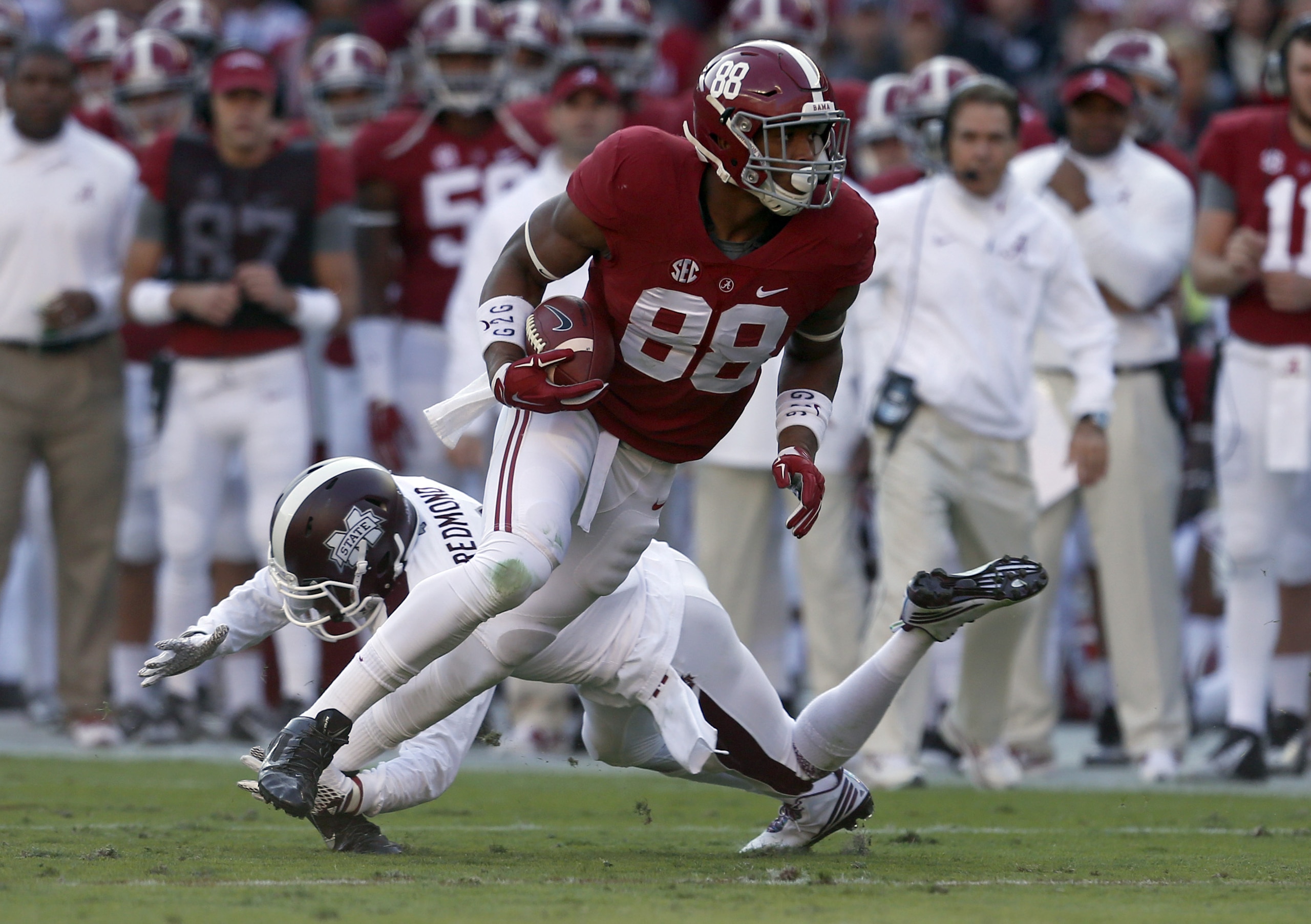
Cornerback
The surprising release of the team’s best cornerback and longest-tenured member, Jason McCourty was a shocking move that turned a newly developed strength of the team into a position of need. Filling McCourty’s shoes may not take long, but it will cost a significant asset. Pairing one of their two first-round picks with Logan Ryan and LeShaun Sims will create a young, versatile and talented trio.
The best cornerback in the draft is easily Marshon Lattimore. His hamstring history is a concern, but when he’s on the field, he’s reminiscent of Desmond Trufant with better ball skills. Should the Titans wait to take a corner until No. 18, then Washington’s Kevin King, Alabama’s Marlon Humphrey and USC’s Adoree’ Jackson are potential fits.
Wide Receiver
While the Titans have solid talent at wide receiver, it’s a collective position that lacks elite traits and standout abilities. Quarterback Marcus Mariota’s margin for error is usually tiny with this group because they don’t separate effectively. That can be changed in the first round of this class.
Either Washington’s John Ross or Western Michigan’s Corey Davis would be ideal instead of Mike Williams of Clemson, as Williams doesn’t create separation with his 4.56 speed either. Injecting Ross’ 4.22 speed or Davis’ smooth route-running and post-catch talent would immediately create a boost to the offense and give it a new look. The fifth overall pick is too high for any of these receivers, but the No. 18 pick would be a good mixture of filling a need with value.
Tight End
The alternative to taking a receiver early would be to double down at a position that’s already a strength for the Titans. Incumbent Delanie Walker is fantastic, but the Titans love to use two tight ends, and there are two potential superstars who will be first-round picks at the top of this class. Taking one of those players could replicate what was just discussed with the receivers.
Though tight end isn’t a major need, considering how good this class is and how that fits with the Titans, it would make a lot of sense. Alabama’s O.J. Howard is a generational tight end prospect with almost no concerns to his physical talents. He’d likely cost the fifth-overall pick, but can be an All-Pro talent. The other name to watch is Miami’s David Njoku, who may still be available at No. 18.
Washington Redskins
32 of 32
Defensive Tackle
The loss of Chris Baker will prove to be a painful, difficult hole that won’t be easy to fill through the draft. Unless the Washington Redskins want to take a character risk with the 17th overall pick on Malik McDowell of Notre Dame, this isn’t a great year to need a penetrating defensive tackle. Opting for a more limited player on Day 2 will bring value, but it’s more of a limited return possibility.
Nose tackle could be upgraded with Dalvin Tomlinson of Alabama, Jaleel Johnson of Iowa or Montravius Adams of Auburn. At end, Michigan’s Chris Wormley and UCLA’s Eddie Vanderdoes stand out as excellent scheme fits. As a late-round player, Charles Walker of Oklahoma and Clemson’s Carlos Watkins could see early playing time as they have limited upside but plenty of polish.
Inside Linebacker
The addition of Zach Brown was a tremendous one for the Redskins, especially as late in free agency and at the cost they snagged him for. But that’s just one of two starting spots, and Mason Foster’s a liability when he’s on the field. Finding a better long-term partner for Brown should be a goal in this draft.
If looking for a thumper, LSU’s Kendell Beckwith and Michigan’s Ben Gedeon should be available in the late third- to fourth-round range. A more athletic, dynamic type like Zach Cunningham of Vanderbilt or Duke Riley of LSU can be found earlier on Day 2, with Cunningham being an especially intriguing option. Both Cunningham and Riley excel in coverage, which would help bring the Redskins’ defense into a more modern mold than they’re in.
Quarterback
Ultimately, the Redskins have to look themselves in the face and decide what they want to do with quarterback Kirk Cousins. It doesn’t appear that Cousins wants to stay with the team long-term, and even if he does, his limitations have overcome his gaudy production in each of the past two seasons. Replacing him with a rookie would be cost-effective and allow the team to collect more assets for Cousins via trade.
It would be gutsy, but if Clemson’s Watson, Texas Tech’s Mahomes or Notre Dame’s Kizer are on the board at No. 17, Washington should think hard about taking one to develop. If they prefer to add a similar player to Cousins, they should be able to get either Pittsburgh’s Nathan Peterman or Miami’s Kaaya on Day 2 of the draft..jpg?w=2560)
.jpg?w=2560 "Cardinals Giants Football")







