

NCAA Tournament 2017: Everything You Need to Know About the Sweet 16
The first weekend of the 2017 NCAA tournament began slowly, with minimal chaos during the first round, before going into full-on madness mode on Saturday and Sunday. What we're left with is a Sweet 16 mostly made up of teams we expected to be there as well as a few surprise survivors.
And for all of them, the work is just beginning.
Reaching the Sweet 16 is a notable achievement, but it only means those teams have made it one-third of the way toward their ultimate goal. The stakes only get bigger from here, starting with the regional semifinals set for Thursday and Friday.
To get you prepared, we've broken down each Sweet 16 contest to point out the players and matchups to watch, the most notable facts and the X-factors that are most likely to determine the outcomes.
Schedule and TV Info
1 of 13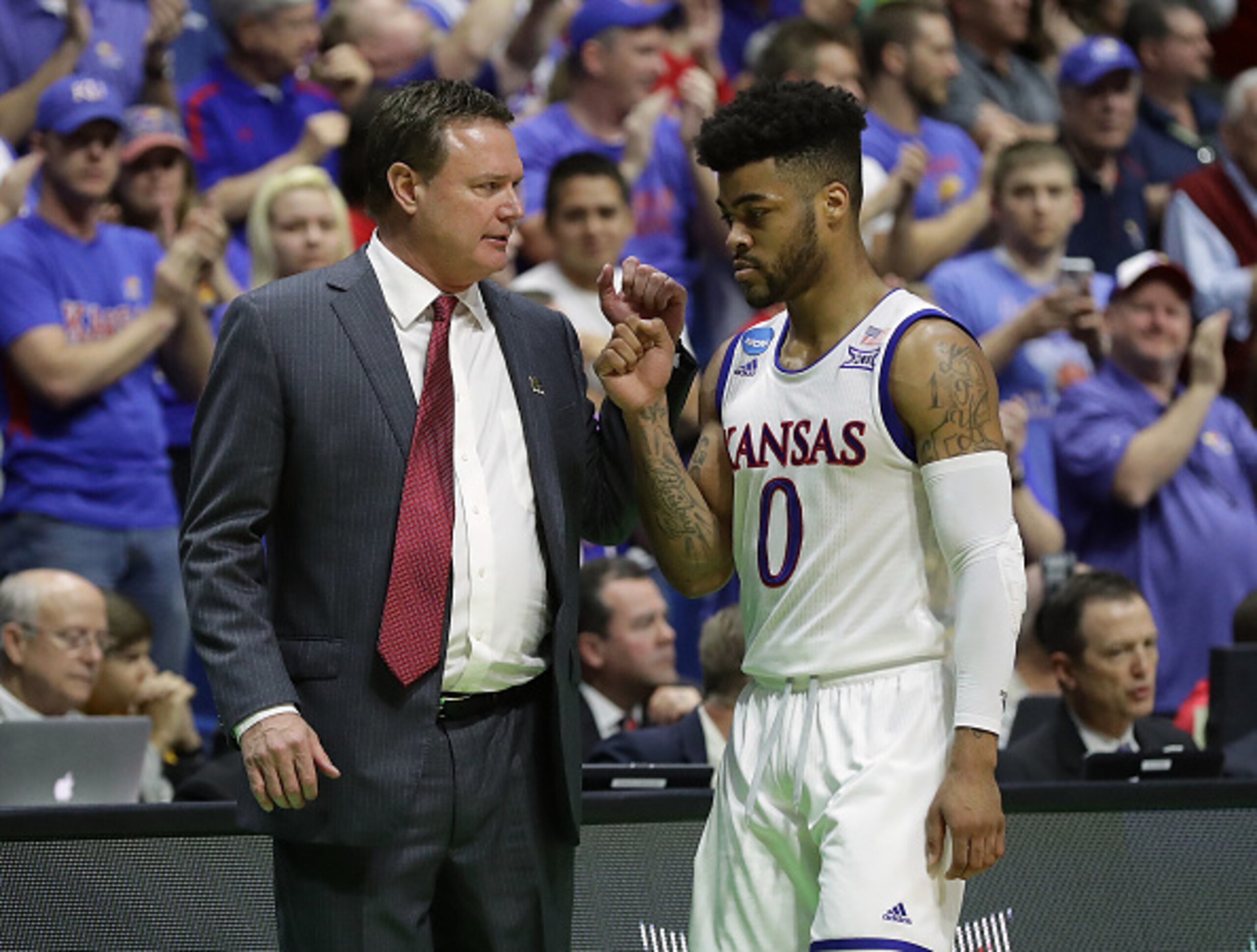
Thursday, March 23
- No. 7 Michigan (26-11) vs. No. 3 Oregon (31-5), 7:09 p.m. ET (CBS)
- No. 4 West Virginia (28-8) vs. No. 1 Gonzaga (34-1), 7:39 p.m. ET (TBS)
- No. 4 Purdue (27-7) vs. No. 1 Kansas (30-4), 9:39 p.m. ET (CBS)
- No. 11 Xavier (23-13) vs. No. 2 Arizona (32-4), 10:09 p.m. ET (TBS)
Friday, March 24
- No. 4 Butler (25-8) vs. No. 1 North Carolina (29-7), 7:09 p.m. ET (CBS)
- No. 7 South Carolina (24-10) vs. No. 3 Baylor (27-7), 7:29 p.m. ET (TBS)
- No. 3 UCLA (31-4) vs. No. 2 Kentucky (31-5), 9:39 p.m. ET (CBS)
- No. 8 Wisconsin (27-9) vs. No. 4 Florida (26-8), 9:59 p.m. ET (TBS)
No. 7 Michigan vs. No. 3 Oregon
2 of 13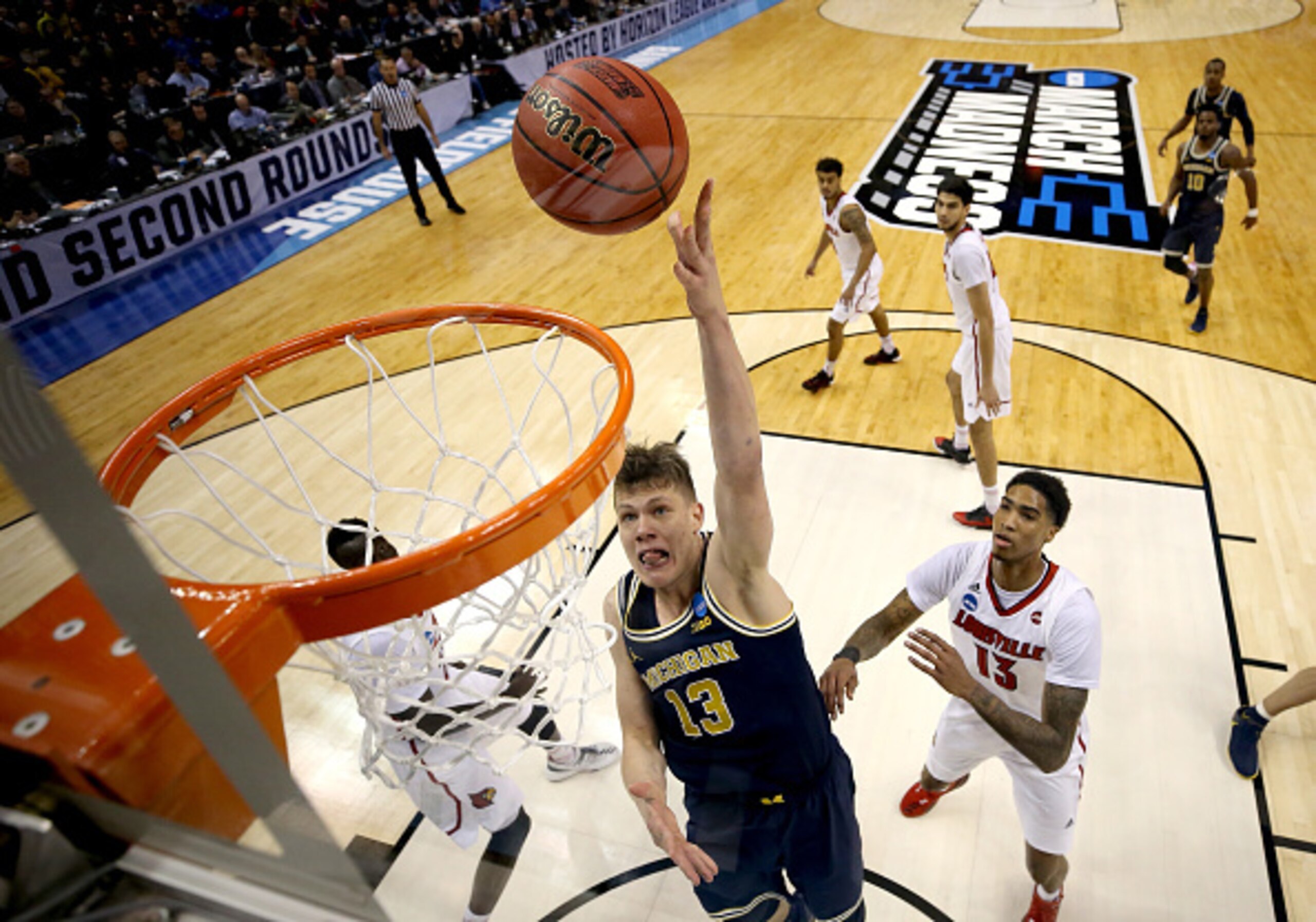
How They Got Here
Michigan carried over the momentum it built during the Big Ten tournament, where it won four games in four days as the No. 8 seed, by knocking off No. 10 seed Oklahoma State and then upsetting second-seeded Louisville to run its winning streak to seven games. Oregon downed No. 14 Iona before having to rally to beat No. 11 Rhode Island.
Individual Battle to Watch: Derrick Walton Jr. vs. Tyler Dorsey
Michigan's Walton is doing what seniors are supposed to do and has put his team on his shoulders, the guard averaging 19.4 points, 4.6 rebounds and 8.3 assists with 22 three-pointers in the Wolverines' last seven games. On the other side is Dorsey, a sophomore guard who has taken his game to another place since the postseason began. Dorsey has scored 20 or more in five straight contests and is shooting 64.6 percent (42-of-65) in that span.
Upset Potential: High
Michigan is hotter than any squad in the country and is the last opponent most teams left in the field want to face. The Wolverines offense has been unstoppable of late, draining 16 threes against Oklahoma State and then shooting 49.1 percent against Louisville's stout defense with only 10 combined turnovers in those games. Oregon is still figuring out how to defend without rim protector Chris Boucher, who tore his ACL in the Pac-12 semifinals, and it has been torched on two-point shots in his absence.
No. 4 West Virginia vs. No. 1 Gonzaga
3 of 13
How They Got Here
Both teams took care of business against lower-seeded opponents, though West Virginia had an easier go of it. The Mountaineers' 86-80 win over No. 13 Bucknell was easier than the score indicated and they led throughout against No. 5 Notre Dame, while Gonzaga struggled early with No. 16 South Dakota State before pulling away and then nearly blowing a big lead against eighth-seeded Northwestern.
Individual Battle to Watch: Jevon Carter vs. Nigel Williams-Goss
On a team that regularly goes 10 players deep, it's Carter who is on the court most often for West Virginia, and much of that time he's tasked with trying to disrupt the opponent's top ball-handler. He averages 2.5 steals per game and will try to blanket Gonzaga's Williams-Goss to either force him to give up the ball or take bad shots. Williams-Goss is a 50.4 percent shooter but is 10-of-32 from the field and just 1-of-7 on three-pointers in the NCAA tourney.
Upset Potential: Medium
All the pressure is on Gonzaga to justify its No. 1 seed, much as it was in 2013, but the Bulldogs have already gone further than that round-of-32 loss. West Virginia has been one of those teams that looks like it could beat anyone or get beat by most foes depending on how its pressing defense performs, but last time out against Notre Dame, it was the Mountaineers' half-court offense that was most impressive.

.jpg?w=2560 "Rams Raiders Football")
No. 4 Purdue vs. No. 1 Kansas
4 of 13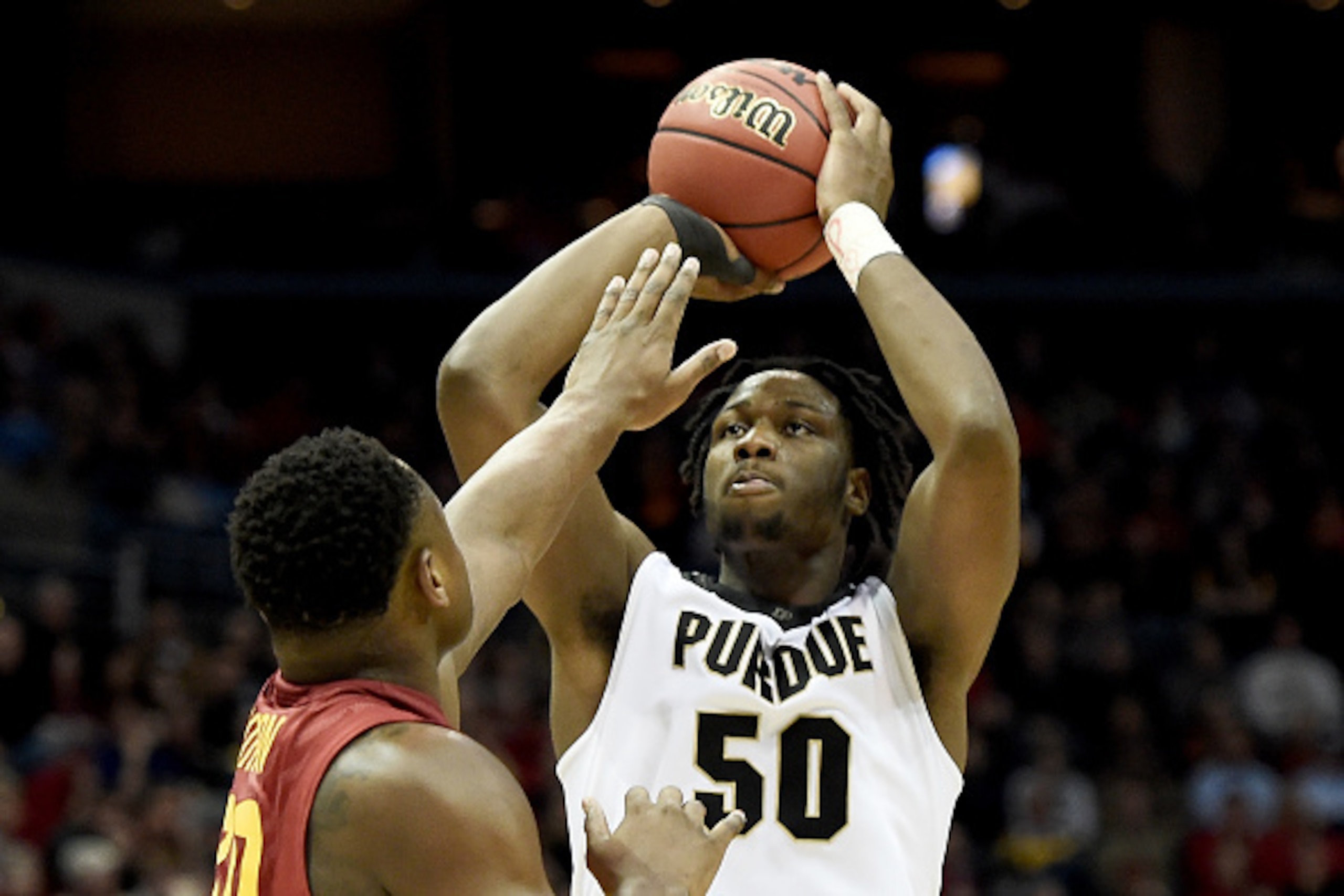
How They Got Here
Purdue got back on track after an early exit from the Big Ten tournament by taking down No. 13 Vermont and No. 5 Iowa State. Although, in the latter, it blew a 19-point lead before composing itself down the stretch. Kansas won its two NCAA tournament games by an average of 29 points, turning a nip-and-tuck game with No. 9 Michigan State into a 20-point victory by ending on a 21-6 run.
Individual Battle to Watch: Caleb Swanigan vs. Landen Lucas
Lucas is rarely higher than the fifth option for Kansas on offense, but he may be asked to show more aggressiveness in that area in an effort to draw fouls on Swanigan, who figures to have a sizable advantage down low with his rebounding acumen. The Jayhawks can't double Biggie because his passing is strong and the Boilermakers will often have 7'2" Isaac Haas on the court next to him, so Lucas will have to continue his recent trend of three straight double-digit rebound games.
Upset Potential: Medium
These are both regular-season conference champions who fell in the first game of their league tournaments, but each has looked at its best since the NCAA tourney began. Purdue's size advantage on the inside gives it a great shot to control the tempo if it can get second-chance opportunities, but Kansas has allowed only 12 offensive rebounds in the last two games, with Michigan State getting only four.
No. 11 Xavier vs. No. 2 Arizona
5 of 13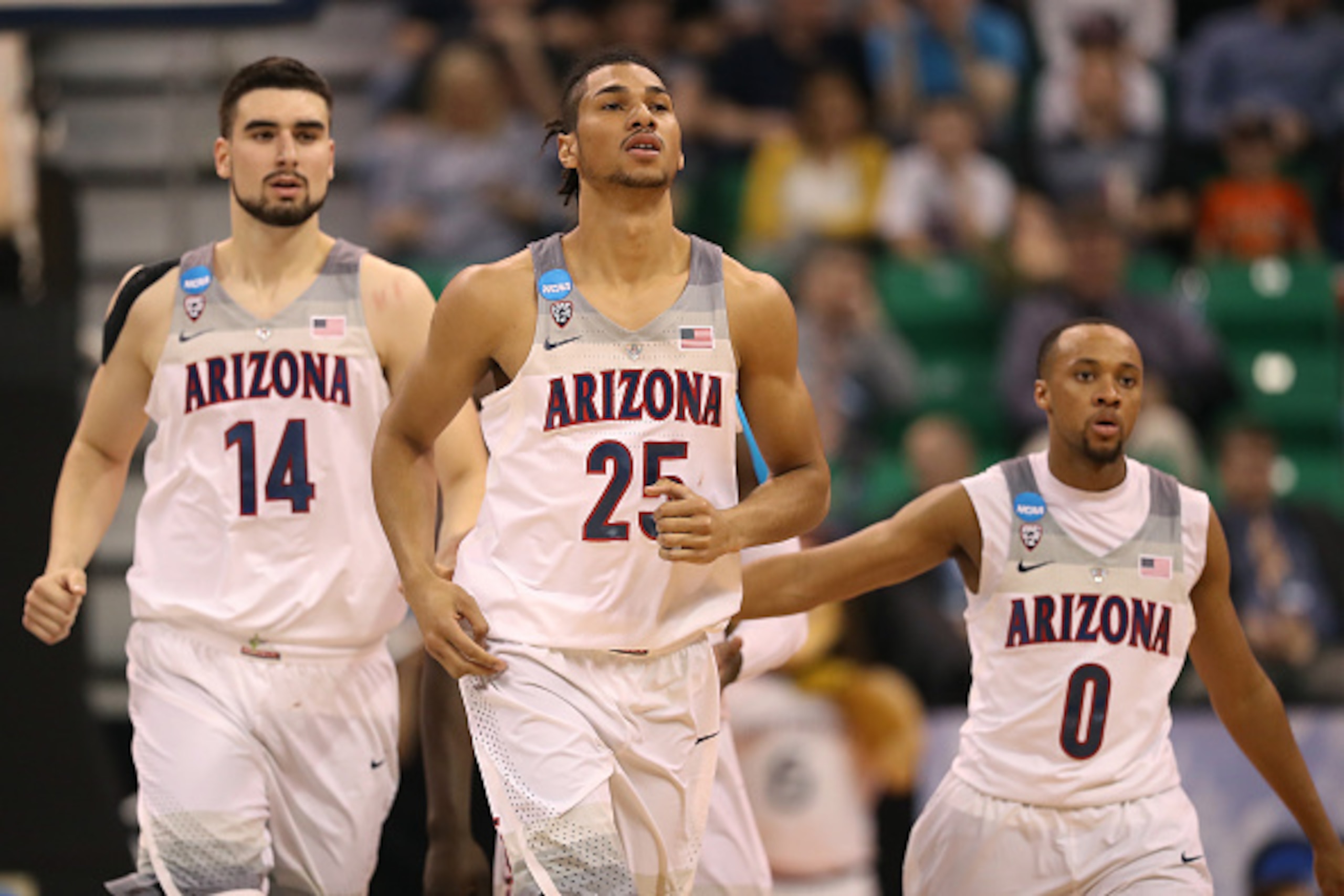
How They Got Here
Xavier is the lowest-seeded team left in the field, taking down No. 6 Maryland before blowing out No. 3 Florida State by 25. This is the Musketeers' third Sweet 16 in the last five years and second as a double-digit seed. Arizona hit triple digits against No. 15 North Dakota, then had to deal with a much slower pace in downing No. 7 Saint Mary's 69-60.
Individual Battle to Watch: Trevon Bluiett vs. Allonzo Trier
Bluiett has had to take on even more responsibility since Xavier lost point guard Edmond Sumner to an ACL tear midway through the season. The junior has responded with seven 20-point efforts in the 14 games without Sumner, averaging 21.6 points in the Big East and NCAA tournaments. Trier, who didn't debut with Arizona until late January because of a 19-game performance-enhancing drug suspension, is averaging 17.1 points per game since his return.
Upset Potential: Low
Bleacher Report's Kerry Miller wrote it would be a "documentary-worthy story" if Xavier could pull off a third straight upset. The eight-point spread (per OddsShark) is the largest of any Sweet 16 matchup and reflects Arizona's talent advantage at almost every position.
No. 4 Butler vs. No. 1 North Carolina
6 of 13
How They Got Here
Butler has had one of the easier routes of any Sweet 16 qualifier, beating a pair of double-digit seeds (No. 13 Winthrop and No. 12 Middle Tennessee) by a combined 21 points. North Carolina romped over No. 16 Texas Southern before getting a hard challenge from eighth-seeded Arkansas, trailing late before closing on a 12-0 run to win by seven.
Individual Battle to Watch: Kelan Martin vs. Justin Jackson
Butler and UNC's leading scorers are junior wings who get their points in similar ways, at least in terms of shot selection, but when it comes to when they do so is quite different.
Martin, who averages 16 points per game, has been coming off the bench the past 10 contests and, after an adjustment period, has returned to his potent scoring ways, including 22 in a February win at Villanova. Jackson, who scores 18.1 per game, plays the most minutes on the Tar Heels (31.5 per game), and his 529 field-goal attempts are second-most among players still in the NCAA tourney.
Upset Potential: Medium
Butler's defensive intensity has been key to its NCAA tournament wins and was the case earlier in the season in beating Villanova twice as well as Arizona. That should bode well in trying to contain North Carolina's seventh-rated offense, though a lot will depend on being able to deal with the Tar Heels' major size advantage inside.
No. 7 South Carolina vs. No. 3 Baylor
7 of 13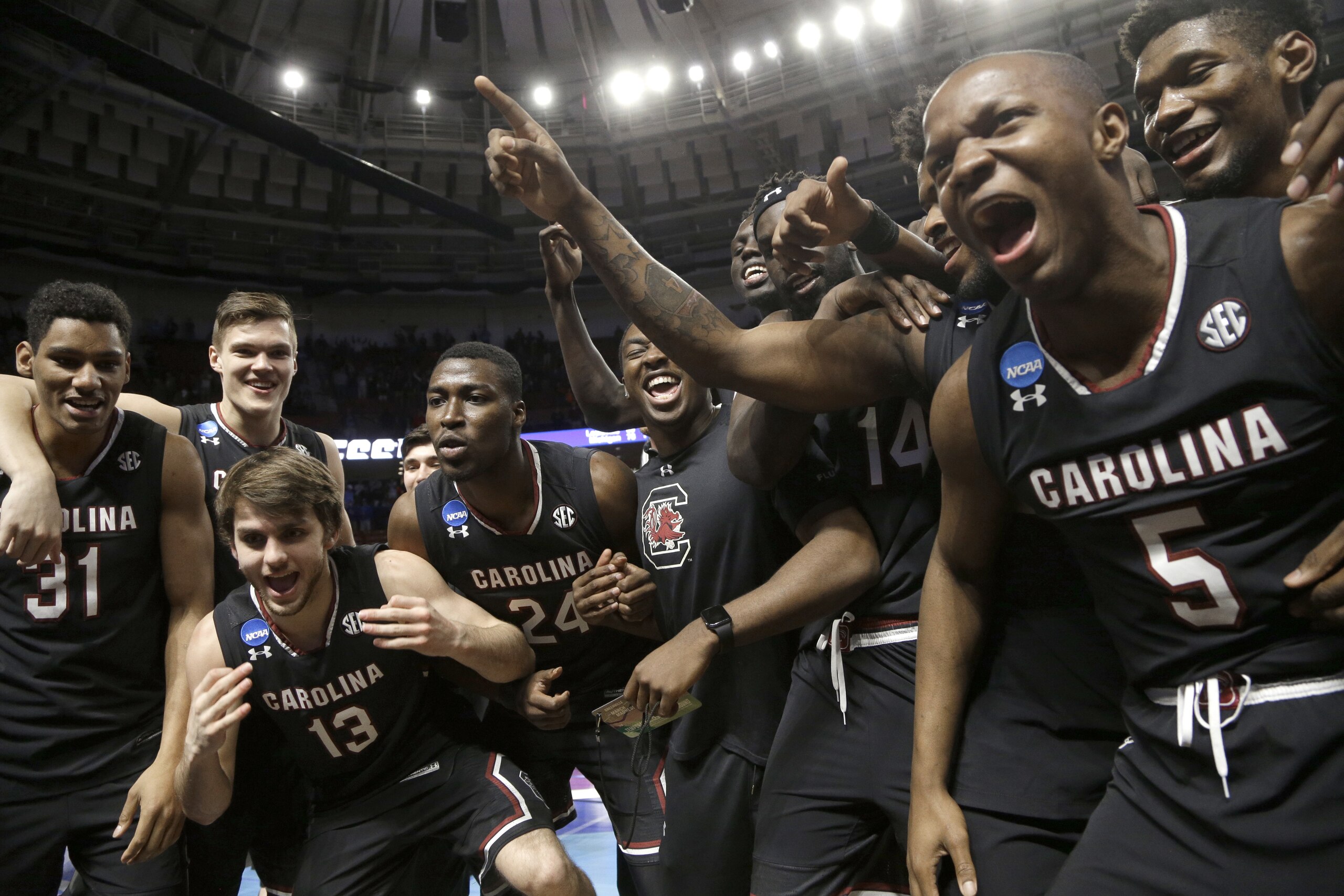
How They Got Here
South Carolina appeared in the Sweet 16 on only 1.8 percent of ESPN Tournament Challenge brackets, fewest of all the teams still alive. Despite playing close to home in Greenville, the Gamecocks weren't given a great shot against either No. 10 Marquette or No. 2 Duke, but somehow they figured out how to score after a season's worth of stagnant offense. Baylor fought off two upset-minded foes in No. 14 New Mexico State and No. 11 USC with strong second halves.
Individual Battle to Watch: Sindarius Thornwell vs. T.J. Maston
It's been a while since anyone has managed to slow down Thornwell, let alone stop him. South Carolina's senior guard has scored at least 20 in nine of the last 11 games, and he's averaged 26.5 points per contest in the NCAA tournament. Maston's only limitation has been playing time, with his consecutive 19-point, nine-rebound postseason performances coming in 48 minutes of action after he played 28 minutes in the previous five games.
Upset Potential: Medium
South Carolina scored 65 points and shot 71 percent in the second half against Duke after going for 93 against Marquette, suddenly becoming an offensive juggernaut after entering the tourney shooting 41.5 percent.
No. 3 UCLA vs. No. 2 Kentucky
8 of 13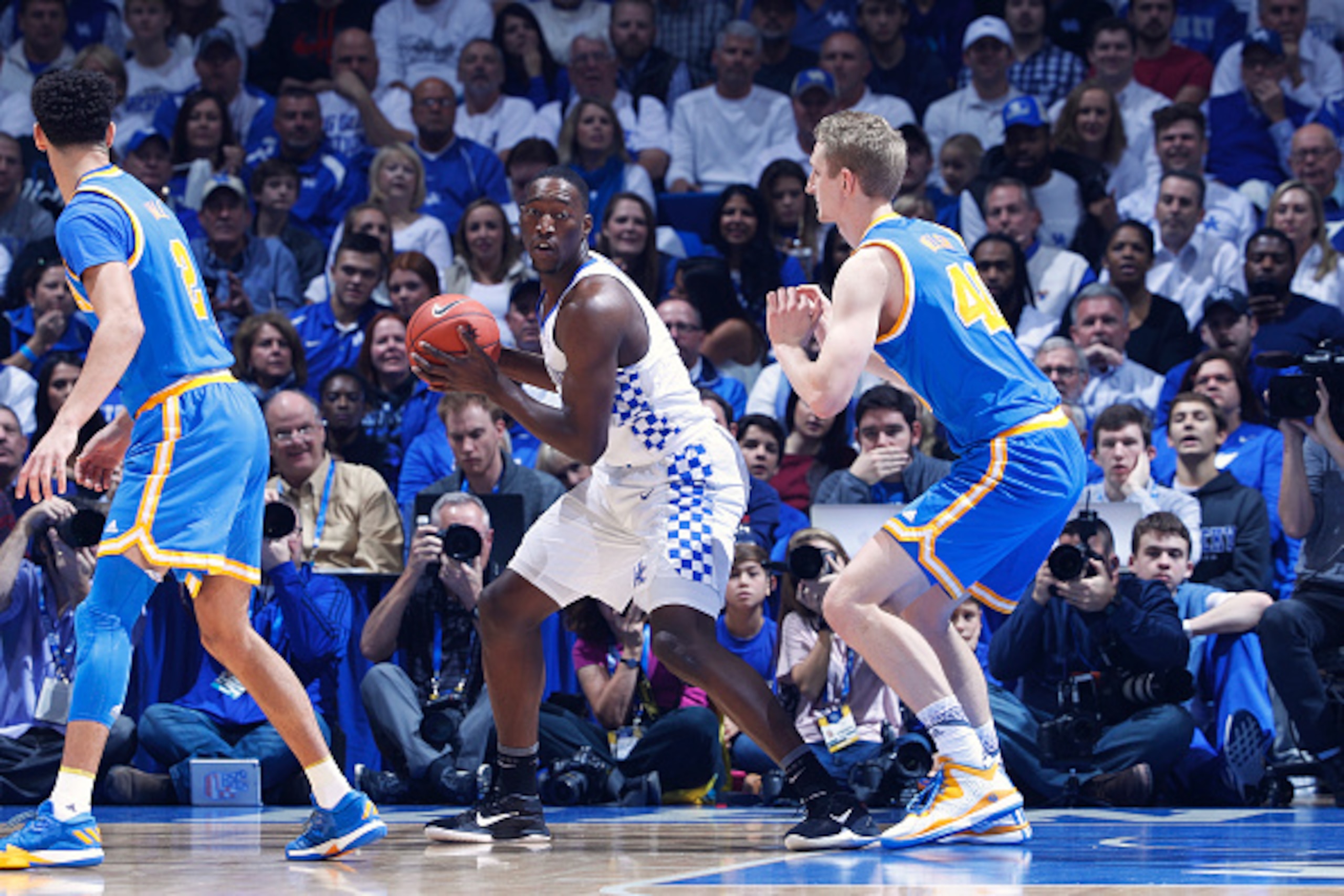
How They Got Here
UCLA beat No. 14 Kent State and No. 6 Cincinnati by a combined 29 points but trailed the Bearcats at the half in the second round before its explosive offense caught fire. Kentucky struggled to shake No. 15 Northern Kentucky and needed every ounce of effort to get past under-seeded No. 10 Wichita State. Now the Bruins and Wildcats get to face off for the second time this season, the first of which UCLA won in Lexington.
Individual Battle to Watch: Lonzo Ball vs. De'Aaron Fox
Two of the top three NBA draft prospects left in the tourney (per DraftExpress) just happen to play the same position. The point guards are also their teams' best perimeter defenders in addition to being the main facilitators; that may mean they won't be matched up against each other that often, since Ball will probably cover Malik Monk and Fox could blanket Bryce Alford. Neither of those shooters have been particularly hot of late, though, so Ball and Fox have ended up doing more scoring than normal.
Upset Potential: Low
We're grading the possibility of an upset this way because a No. 3 beating a No. 2 doesn't really qualify as that shocking, especially when UCLA already has a win over Kentucky. And that was at Rupp Arena, so the likelihood the Wildcats will have a crowd advantage (the game is being played in Memphis, Tennessee) won't have much impact. Both teams are capable of winning it all, and this could be their toughest game of the entire tourney.
No. 8 Wisconsin vs. No. 4 Florida
9 of 13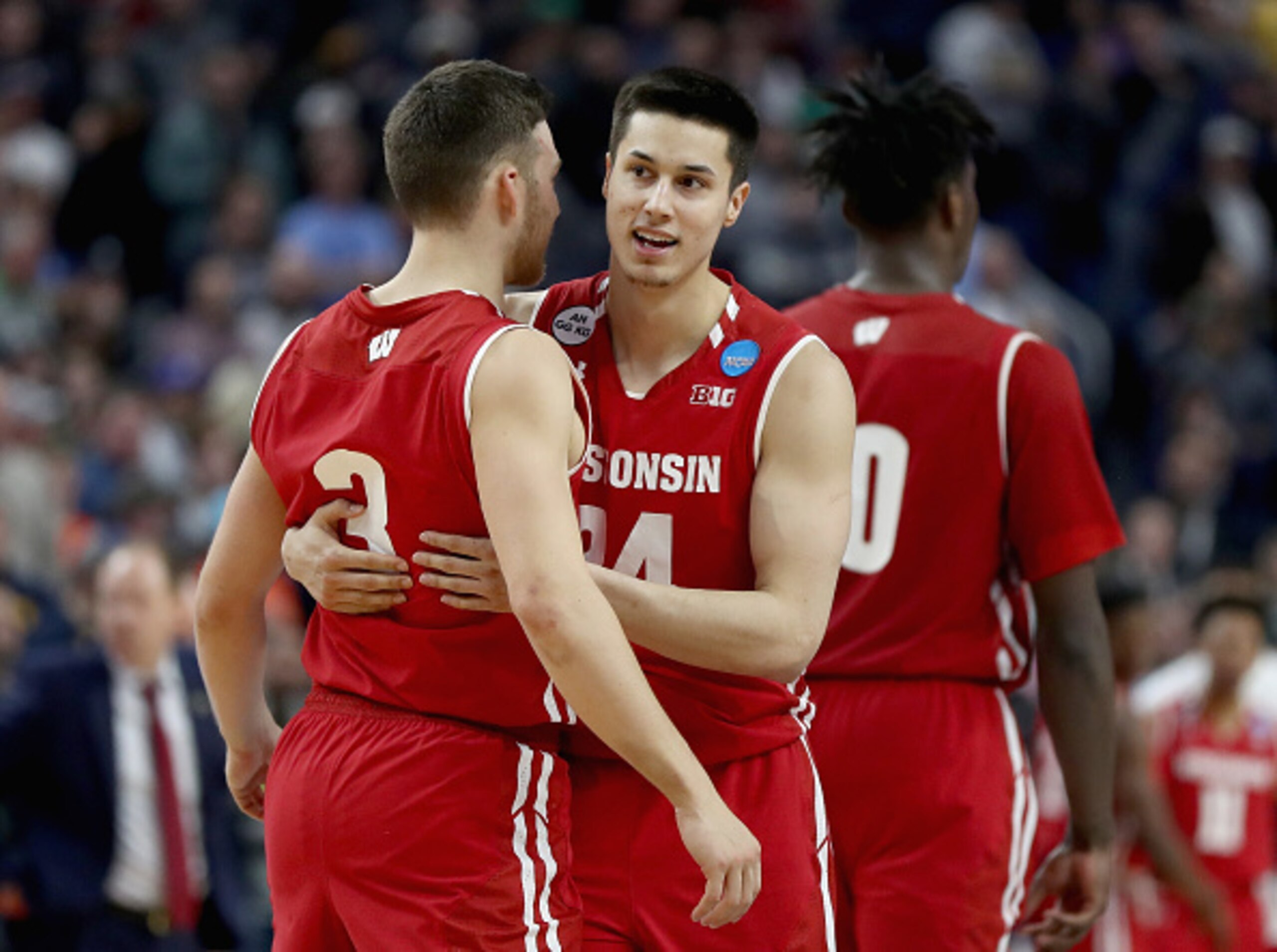
How They Got Here
Wisconsin tapped into its vast amount of NCAA tournament experience—several players were on the court for the Badgers' consecutive Final Four trips in 2014 and 2015—to make its fourth straight Sweet 16 with wins over No. 9 Virginia Tech and top overall seed Villanova. Florida won its games over No. 13 East Tennessee State and No. 5 Virginia by a combined 41 points, two more than it yielded in the second-round victory.
Individual Battle to Watch: Ethan Happ vs. Kevarrius Hayes
Persistent foul trouble has caused Happ to tail off in the second half of the season after being a major stat-stuffer in the first half, but when he's avoids the whistles, the 6'10" sophomore is still a matchup nightmare. Same goes for Hayes, a 6'9" sophomore who has started seven of the last eight games but has had four fouls in five of those and only plays 17.4 minutes per game. Florida needs Hayes to stay on the floor to guard Happ, and Wisconsin needs Happ to play smart.
Upset Potential: High
Wisconsin had lost six of 10 entering the NCAA tourney but showed no signs of its late-year slide against Villanova. Florida had dropped three of four before turning into a defensive juggernaut. Each team is playing its best basketball at the perfect time, so experience could be the tipping point—and the Badgers have a major edge in that category. Kasey Hill is the only Gator who had played in the tournament before 2017, compared to all five of the Badgers' starters.
Biggest Storylines
10 of 13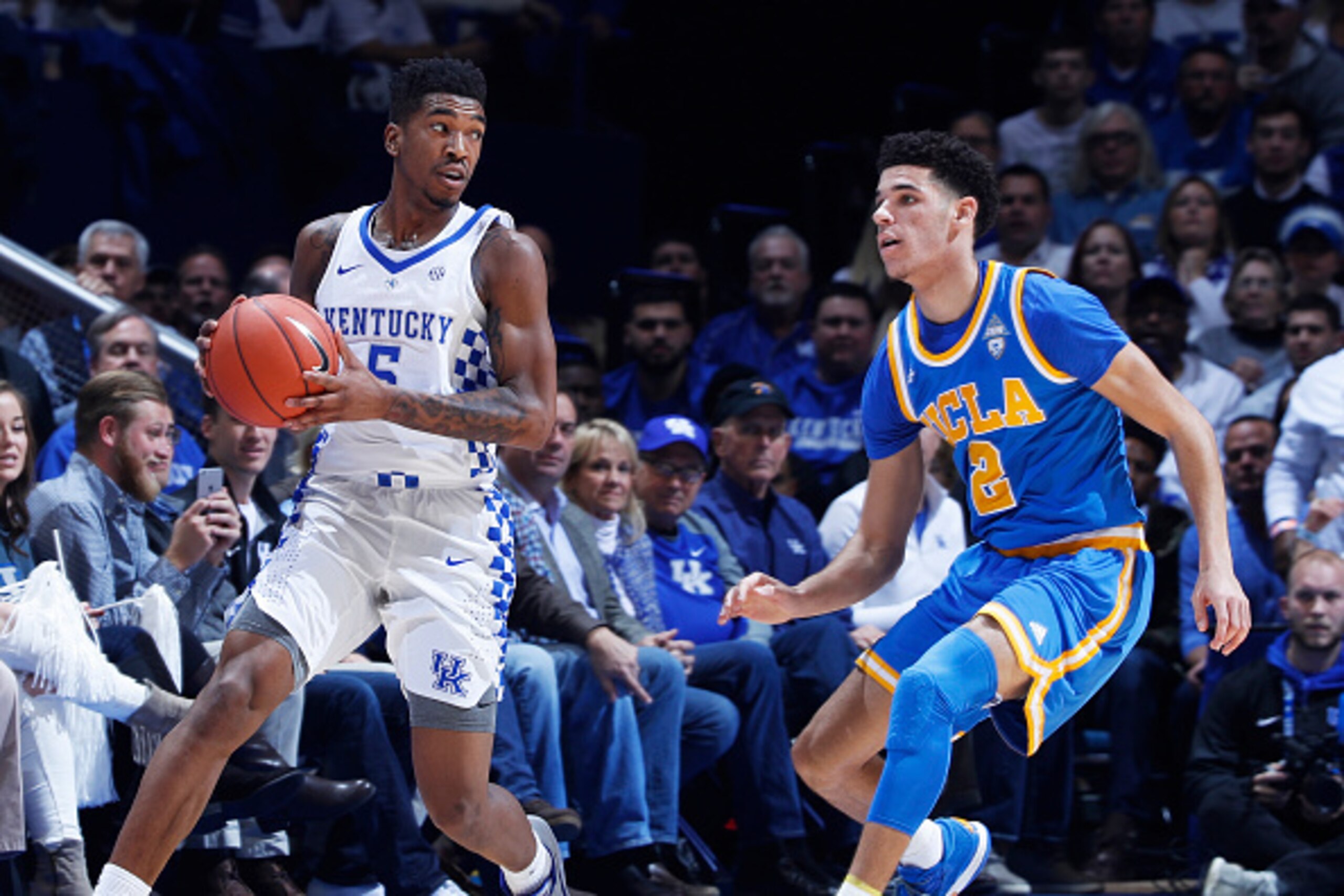
Is Michigan the Team of Destiny?
The Wolverines averted disaster when their plane headed to the Big Ten tournament earlier this month skidding off a runway in Michigan because of high winds. That caused them to arrive in Washington, D.C., just hours before their first game, and they had to play in practice jerseys because their equipment was stuck under the plane. The near-death experience appears to have ignited something in Michigan, which is playing with a renewed focus and perspective and not taking the game too seriously.
Will the East Region Remain Bonkers?
It featured the No. 1 overall seed (Villanova, also the defending champion) and a No. 2 seed (Duke) that came into the NCAA tournament playing better than it had all season. But when the dust settled from the first weekend, nothing but chaos was left.
No. 3 Baylor, No. 4 Florida, No. 7 South Carolina and No. 8 Wisconsin make for a regional that hardly anyone could have predicted and one of the most unique in tourney history. Per Troy Machir of Comcast SportsNet Mid-Atlantic, it's only the fourth time neither the No. 1 or No. 2 made it to the Sweet 16 from one region.
All other regions have either their No. 1 or No. 2 seeds (or both) still alive, which means whoever makes it out of the East has the best chance to be the unofficial Cinderella of the Final Four.
Kentucky-UCLA, The Rematch
When UCLA went into Rupp Arena in December and came out with a 97-92 win, it was the first indication the Bruins were legit. They ended Kentucky's 42-game home win streak and scored the most points against a John Calipari-coached Wildcats squad, the first of what is now 11 times they allowed more than a point per possession this season.
But only one of those times has come since mid-February as Kentucky has put more effort into defense, something that will come in handy against UCLA and its No. 1 scoring offense. Their first clash had the feeling of a Final Four or national title preview, and the rematch should be just as intense despite it coming a few rounds earlier than expected.
Stars to Watch
11 of 13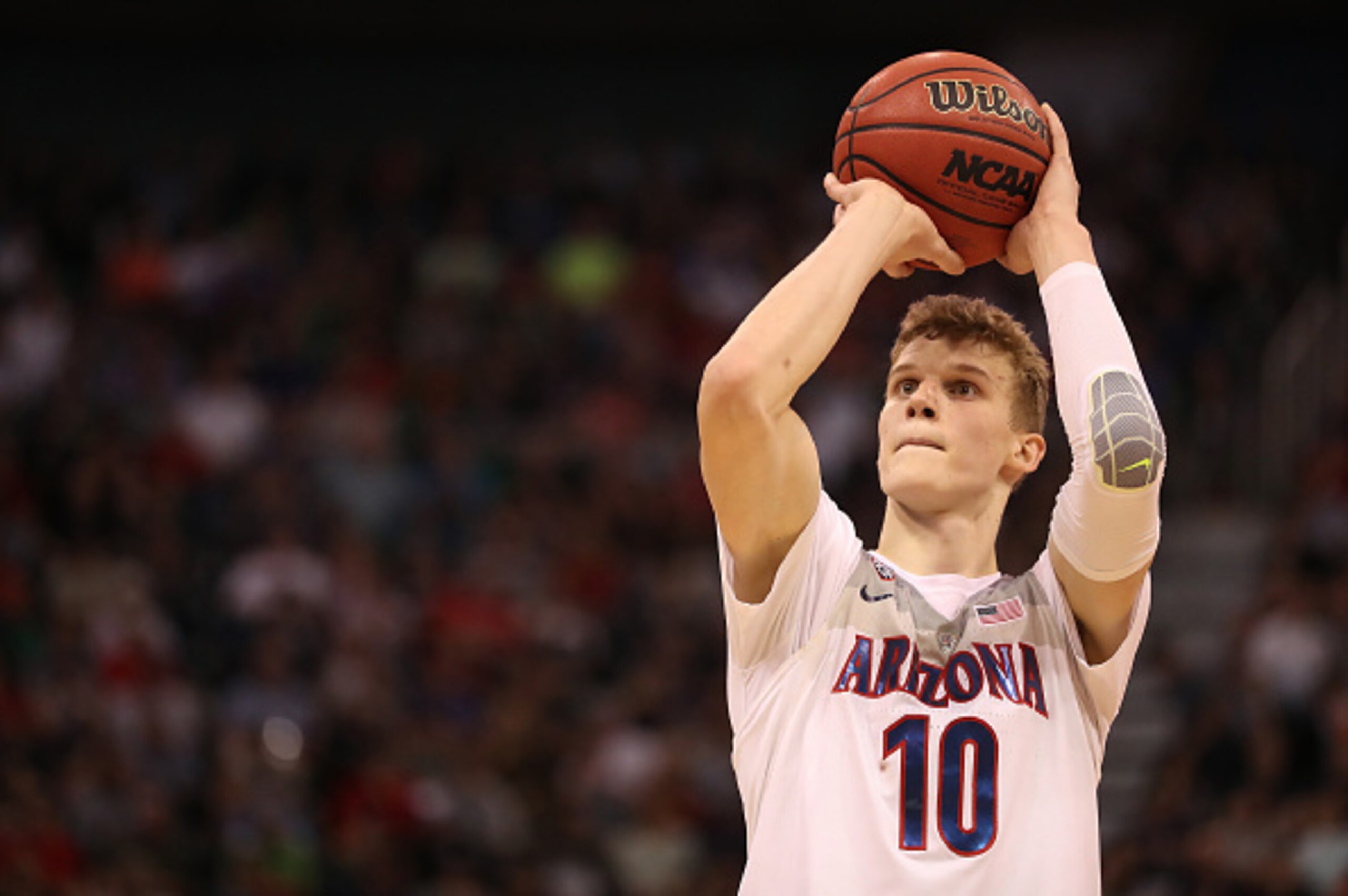
Lonzo Ball, UCLA
He's not just the top freshman left in the NCAA tournament—he might be the best overall player, too. Ball is a national player of the year finalist and the main reason the Bruins are in the Sweet 16 a season after going 15-17. He leads the nation in assists per game (7.6), shoots 42 percent from three and hits 73.1 percent of his twos.
Frank Mason III, Kansas
The senior point guard showed some wear at times late in the regular season, with the stress of more than 36 minutes per game getting the best of him, yet he's continued to produce. He averages 20.8 points, 4.1 rebounds and 5.2 assists per game, one of three players in the country with those numbers and the first one in Big 12 history. His 47.2 percent three-point rate is best among remaining NCAA tourney players.
Lauri Markkanen, Arizona
It's a short list of players in college basketball who lead their team in both rebounding and three-point shooting. The 7'0" freshman averages 7.2 rebounds per game and shoots 43.3 percent from outside, with his 68 made threes being 24 more than any other Wildcat. And he's Arizona's most effective foul-shooter, going 83.3 percent from the line, including 13-of-14 in the NCAA tournament.
Malik Monk, Kentucky
Few players in the country have the ability to go off like Monk, who has scored 20 or more in half of Kentucky's 36 games, including four 30-point games and a 47-point outburst against North Carolina in December. He's hit at least four three-pointers 13 times, but in his past six games (all away from home) he's 5-of-26 from deep.
Caleb Swanigan, Purdue
The 6'9", 250-pound sophomore is a double-double machine, doing so in 28 of the Boilermakers' 34 games, including both NCAA tournament contests. He's tallied 36 points and 26 rebounds (along with 11 assists and four blocks) in the past two games, but his shooting numbers are on the decline. At 52.7 percent for the season, Swanigan has shot 45.5 percent or below in five of the past seven contests.
Sindarius Thornwell, South Carolina
The SEC Player of the Year is averaging 21.4 points per game, the best of any player left in the NCAA tournament, and in South Carolina's last two wins, he's averaged 26.5 points, 8.5 rebounds, 3.5 assists and 2.0 steals. The 6'5" senior guard is also single-handedly putting opponents in foul trouble, taking at least 10 foul shots 10 times this season and making 82.8 percent.
Nigel Williams-Goss, Gonzaga
Williams-Goss watched from the bench last year when the Bulldogs reached the Sweet 16 as a No. 11 seed, having to sit out following his transfer from Washington. The guard's poise in the backcourt has lifted Gonzaga to great heights with 16.7 points, 5.8 rebounds and 4.7 assists per game, though he's struggled so far in the NCAA tournament.
Underrated Players to Watch
12 of 13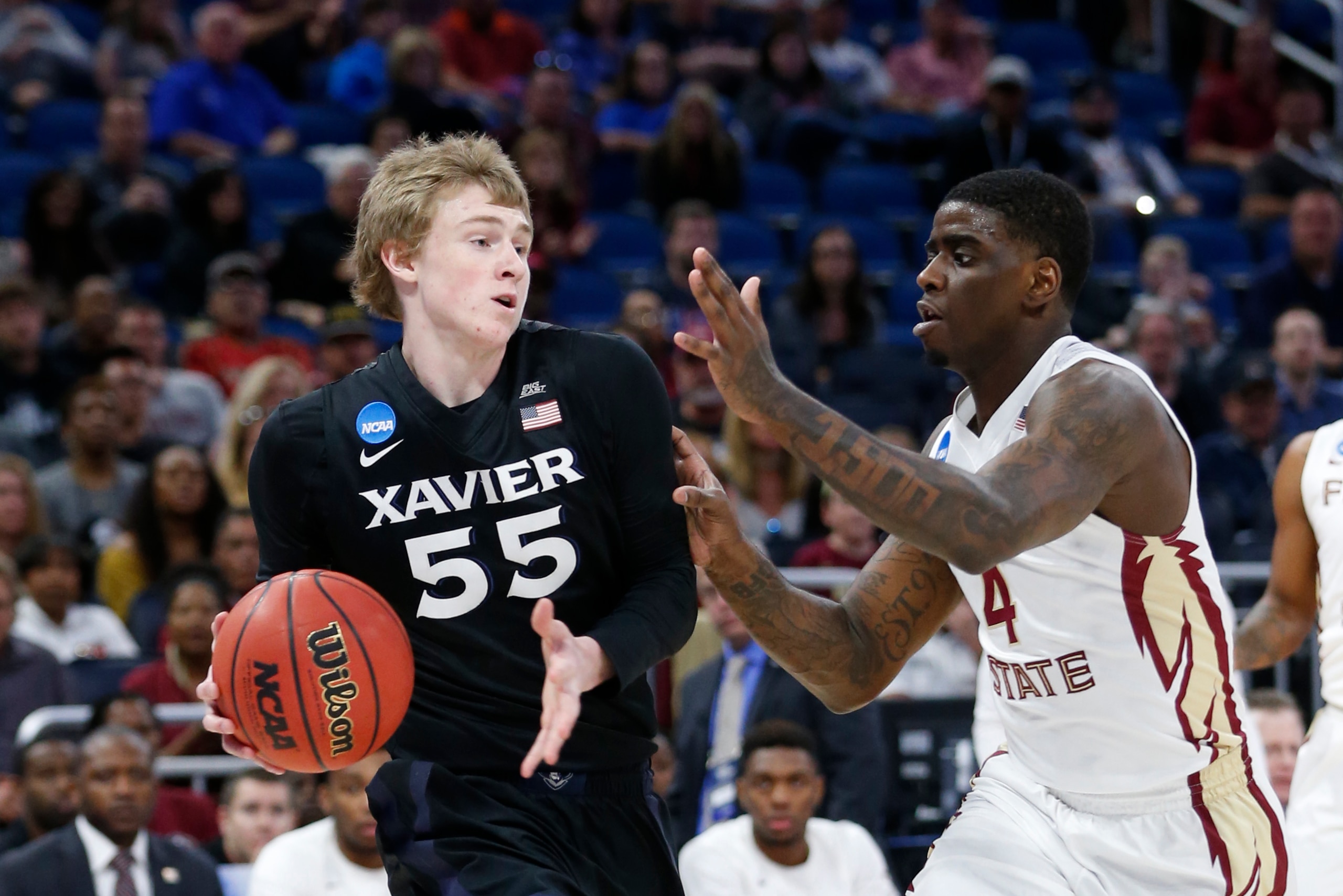
Vince Edwards, Purdue
The 6'8" junior forward scored 21 points in each of the Boilermakers' NCAA tourney games, making 19 of 30 shots in the process. He's a 42.5 percent three-point shooter, but he's been more aggressive of late, with five of his nine field goals in the second round against Iowa State coming on dunks or layups. He's also the catalyst of a teamwide ball-sharing approach that has produced assists on 65.2 percent of made baskets.
Bronson Koenig, Wisconsin
No player (other than teammate Nigel Hayes) has more NCAA tourney experience than Koenig, though he trumps his fellow Badger when it comes to clutch postseason play. The senior point guard was a driving force in Wisconsin's run to the national title game in 2015, hit the game-winning shot to beat Xavier in last year's second round and is 11-of-23 from three-point range in this tournament. If Wisconsin needs a big shot late against Florida, there's no doubt who'll take it.
J.P. Macura, Xavier
With Duke (and Grayson Allen) out of the tourney, the moniker of most hated player in the country might fall to Macura. The 6'5" junior guard's overall numbers aren't tremendous, but he somehow manages to have big games out of nowhere. He was 6-of-11 from three-point range in the Big East semifinals, the last of six 20-point games.
Moritz Wagner, Michigan
Derrick Walton Jr. remains the focus, but Wagner is quickly becoming just as important to Michigan's attack. His 26 points on 11-of-14 shooting were integral to the second-round upset of Louisville, the fifth straight win for the Wolverines when the 6'11" sophomore forward takes at least 10 shots. He also provides plenty of emotion, the kind his teammates can feed off and opponents can get flustered by.
Biggest X-Factors
13 of 13
Michigan vs. Oregon: Rebounding
It's a good thing Michigan's offense has been so efficient because it's not very good at getting second chances. The Wolverines have been out-rebounded in four straight games and rank last among remaining NCAA tournament teams in total (47.9) and offensive rebounding (24.6) percentage. Oregon is 54th and 66th nationally, respectively, in those categories and is 21-1 when winning the rebounding battle.
West Virginia vs. Gonzaga: Turnovers
Gonzaga's turnover rate (14 percent) ranks 29th in the nation, but it's yet to face a team that presses and disrupts as much as West Virginia. The Mountaineers force a turnover on 24.1 percent of possessions, tops in the country, and record 10.2 steals per game. Second-round opponent Notre Dame was the best in Division I at taking care of the ball, but it gave it away 14 times.
Purdue vs. Kansas: Three-Point Shooting
At 40.4 and 40.6 percent, respectively, Purdue and Kansas are top-10 in the country from three-point range. Kansas has three players with at least 66 made threes, while five of Purdue's top seven scorers shoot at least 40 percent from deep. Where they differ, though, is how they defend the perimeter shot: The Boilermakers hold opponents to 32.4 percent, while Kansas' foes shoot 35.2 percent.
Xavier vs. Arizona: Defense
Arizona allows 65.8 points per game and holds opponents to 30.9 percent three-point shooting, but five of its worst defensive performances (in terms of points per possession) have come in its last seven games. Xavier is coming off its best offensive effort of the season, shooting 55.6 percent overall and making 11 of 17 threes, and its defense has ramped up of late.
Butler vs. North Carolina: Rebounding
It's not necessary to beat North Carolina on the boards to win, but it sure helps. The Tar Heels, who rank No. 1 nationally in total (58.8) and offensive rebounding (42.2) percentage, have lost just once when pulling down at least 56 percent of missed shots, and that was against Duke in the ACC title game. Butler has been outrebounded 13 times.
South Carolina vs. Baylor: Pace
The Gamecocks and Bears are two of the slower-paced teams left in the NCAA tournament, yet each tends to do just as well when things get sped up. South Carolina went 8-0 in games with 75 or more possessions (compared to 4-4 in ones with fewer than 68) while Baylor won seven of its eight highest-tempo games and lost two of its three slowest. Which team dictates the pace and which direction that ends up could be the deciding factor.
UCLA vs. Kentucky: Free-Throw Rate
There's boundless athleticism on both rosters, but how they use it differs quite a bit, particularly when it comes to drawing contact on offense and making contact on defense. UCLA takes 17.4 free throws per game, and its .269 free throw rate (foul shots attempted per field-goal attempt) is 10th-worst in the country, while Kentucky's 944 foul shots are the most in Division I. Kentucky is also more willing to send someone to the line, as its opponents take 20.4 free throws per game, compared to 16.7 for UCLA's foes.
Wisconsin vs. Florida: Foul-Shooting
At 64.3 percent, Wisconsin is the worst shooting team from the line left in the NCAA tourney and among the least accurate on free throws in the country. The Badgers somehow managed to rally to beat defending champ Villanova despite going 7-of-16 from the line, the fifth time they've shot worse than 50 percent this season. Florida is much better, at 72.6 percent, and gets to the line much more as well.
All statistics courtesy of Sports Reference, unless otherwise noted. All recruiting information courtesy of Scout.com, unless otherwise noted.
Follow Brian J. Pedersen on Twitter at @realBJP.



.jpg?w=2560 "Rodgers Iced Out on Plane 💎")

.jpg?w=2560 "🚨 Week 8 AP Top 25 Poll")