
Last-Minute Predictions for the 2017 NCAA Tournament
Time's up, pencils down! If you haven't figured out what's going to happen during the NCAA tournament by now, you're never going to.
By this point, you've had a few days to pore over the 2017 bracket. That means you've spent far too much time looking at Vermont's rebounding, how often Winthrop turns the ball over and whether this year's Princeton team is anything like the Tigers squads of the past that were perennial stress-inducers. Some coins were likely flipped, and no doubt a few selections were made using a patented system that only you can comprehend.
Whatever works. Just understand that most of it will be for naught, as by the end of the first round on Friday night, the majority of our brackets will either be heavily marked with red ink or crumpled up in a ball in the corner after clanging off the side of the wastebasket.
We feel your pain, which is why we've come up with some last-minute predictions in case you're still on the fence about what's going to go down between Thursday and April 3. Some are general and some are specific, but all of them have one thing in common: They're bold and made with utter madness in mind.
Not the full-on hysteria that would come from the chaos bracket Bleacher Report's Kerry Miller suggested, but still enough to ensure the 2017 NCAA tournament is as wild as all others have been.
Two Games Will End on Buzzer Beaters Within the Same Minute
1 of 8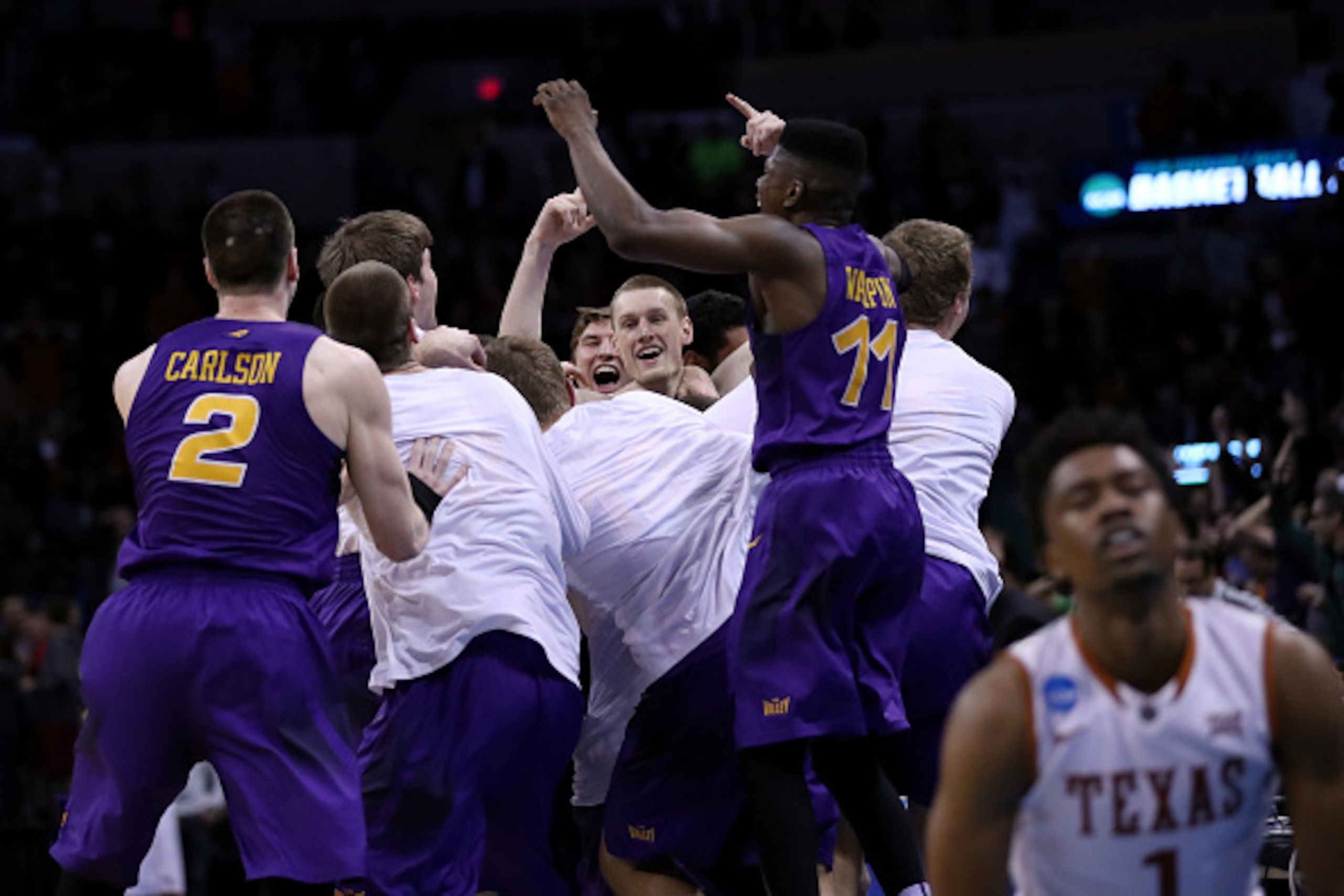
The NCAA tournament, particularly during the first weekend, requires either great channel-flipping skills or (better yet) multiple screens to watch all the games. Though tipoff times are staggered throughout the day, there inevitably comes a time where two or more close games come down to the wire and you can't turn away from any of them.
And just to make sure you don't, there's going to be a point in this tourney—most likely on Thursday or Friday, when as many as four games are going at once—a pair will end at the same time in the same thrilling way: with a buzzer beater.
And we don't mean within seconds of each other, we might see them at exactly the same time. Seriously. Someone on the Internet will sync up the real-time footage, complete with time stamps, and the game-winning shots will go through the net simultaneously.
One will result in an upset of mild significance while the other will prevent a highly regarded team (possibly a Final Four favorite?) from getting tripped up before its postseason gets started. And adding to the drama will be that extremely close call that ends up serving as a catalyst for a squad to make a deep run.
Someone Will Get His First Career Triple-Double
2 of 8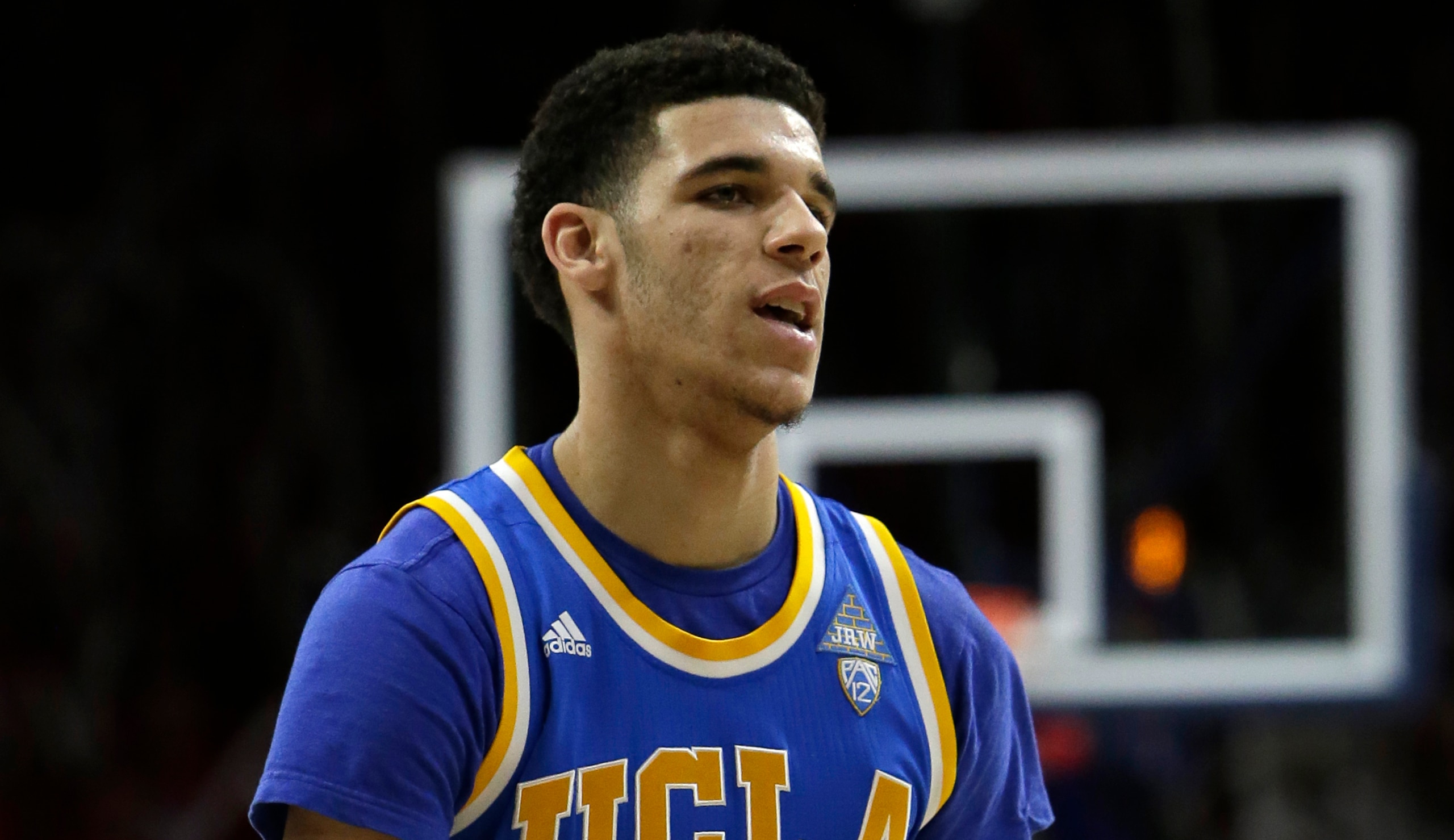
While the triple-double has become commonplace in the NBA, it's still relatively rare in college. There have been only 26 involving players from the 351 Division I schools this season and none since T.J. Cline had 19 points, 11 rebounds and 12 assists in Richmond's regular-season finale on March 4.
These accomplishments are even less prevalent in the NCAA tournament, with just eight recorded since 1987 when the NCAA recognized all of the stats that commonly make up triple-doubles. There's never been more than one in any NCAA tournament, and only former Michigan State star Draymond Green has gotten there twice, the last coming in the first round of the 2012 tourney against LIU-Brooklyn.
Nine of the triple-doubles recorded this season have been by players on teams that made the current NCAA tournament, including notables like Florida's Chris Chiozza, Iowa State's Monte Morris, Villanova's Josh Hart and Kentucky standouts De'Aaron Fox and Isaiah Briscoe. They're all capable of repeating that feat, but if it happens this month, it's going to be from someone who's never done it before.
Not just this season, but at any time in his college career. Maybe that means UCLA freshman Lonzo Ball, who leads the nation in assists and has come close a few times—he had eight or more rebounds and assists on three occasions—could use college basketball's biggest stage to achieve something he'll no doubt do quite often at the next level.
A Single-Game Record Will Be Broken
3 of 8
When Kansas scored 105 points in its first-round win over Austin Peay last year, it marked the highest point total for a team in the NCAA tournament in 2008. It was also a long ways away from the single-game tourney record of 149 by Loyola Marymount in 1990, with Tennessee (121) the only team since then to even get to 120 points.
Rules changes have helped increase scoring in recent years, but not to the point that we should expect anyone to come close to LMU's record. But other records, both team and individual, are much more attainable, and some could get broken.
Kentucky set the single-game blocks record last season with 15 against Stony Brook, and Louisville's 20 steals against North Carolina A&T in 2013 remains the benchmark (with Russ Smith's eight himself tying the single-game best). All other individual records were achieved in 1992 or earlier.
Some possible casualties? Three-pointers by one player, the record being 11 by LMU's Jeff Fryer in 1990, or maybe the team threes mark of 21 set by LMU that same year. And if a particularly physical game breaks out, then Arizona's records of 43 made free throws and 56 attempts (both from 2001) could get challenged.

.jpg?w=2560 "Rams Raiders Football")
The ACC Will Win as Many Games as the Big Ten, Big 12 and SEC Combined
4 of 8
With nine teams—well, eight after Wake Forest was booted in the First Four on Tuesday—in the NCAA tournament, the ACC showed it was head and shoulders above all other conferences in the country. It means a lot more, though, if the teams can replicate that success in the postseason.
That means putting together a collective record that doesn't just have more NCAA tourney wins than any other league, but one that blows the rest of the field away.
When the Big East set the record for most teams in the tournament with 11 in 2011, it only saw two of those squads get to the Sweet 16. Yes, Connecticut won the national title. But outside of the Huskies, the league didn't fare well as the Big East finished with an overall mark of 13-10.
To compare, last year the ACC won 19 games despite only having seven tourney entrants.
With seven of its remaining eight teams seeded eighth or better, and four seeded fourth or better, the path is clear for the ACC to blow away the rest of the power leagues. Expect at least 15 combined victories, which is also our prediction for the number tallied collectively by the 20 qualifiers from the Big Ten, Big 12 and SEC.
Orlando Will Be the Most Lit of Any Regional Site
5 of 8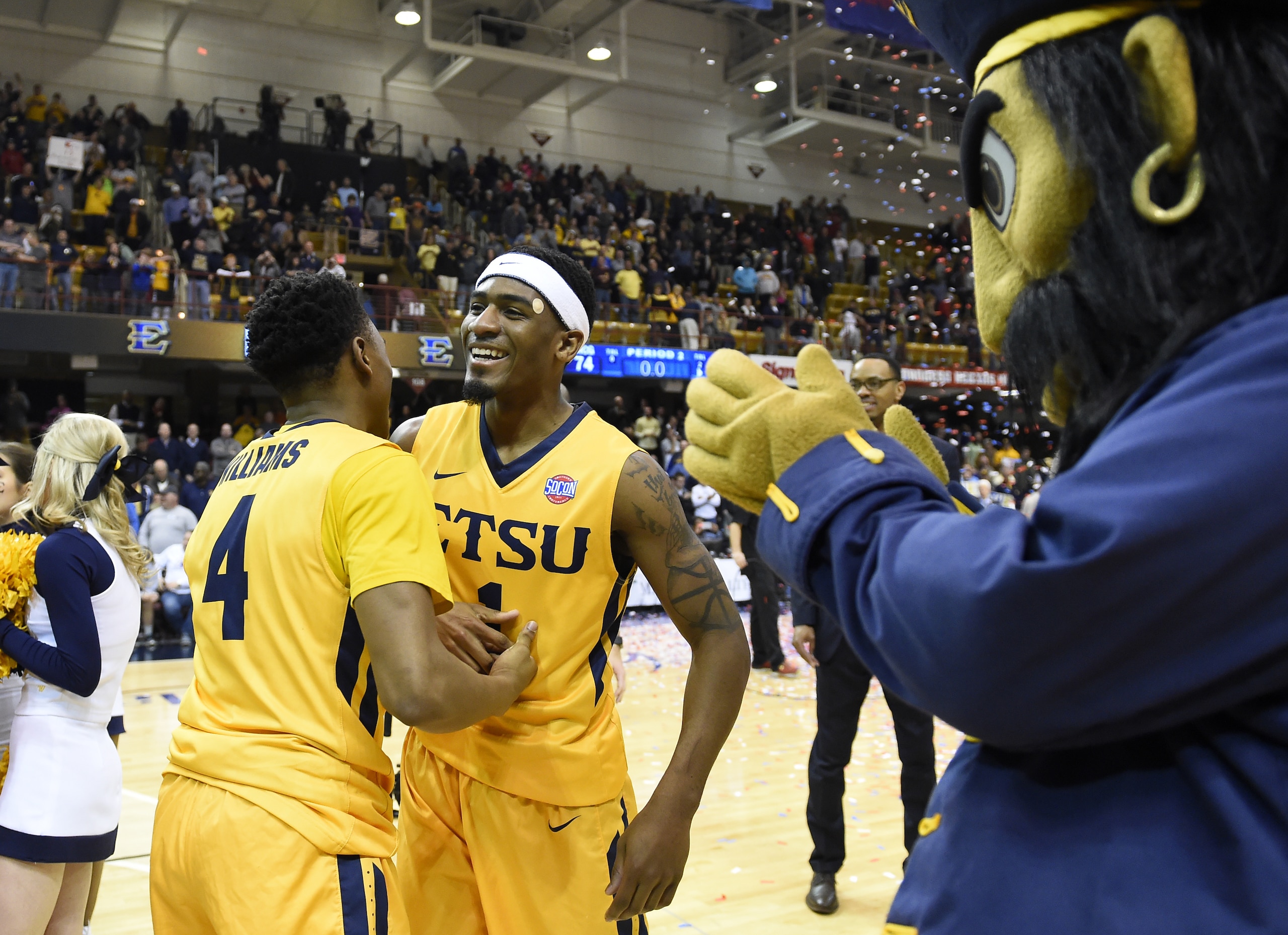
The opening weekend is reserved for close games, buzzer beaters and, ideally, shocking upsets. After we get to the Sweet 16, we look for the cream to rise to the top, but early on, the majority of the excitement comes from lower-seeded teams trying to make a splash.
With that in mind, the Amway Center in Orlando should end up providing the most excitement of any regional pod.
One of three sites that won't feature either a No. 1 or No. 2 seed, along with Milwaukee and Sacramento, the central Florida city has a legitimate shot of seeing all four first-round games won by double-digit seeds on Thursday. No. 11 Xavier (against No. 6 Maryland), No. 12 UNC-Wilmington (vs. No. 5 Virginia), No. 13 East Tennessee State (No. 4 Florida) and No. 14 Florida Gulf Coast (No. 3 Florida State) are all trendy upset picks, and if Virginia opens things by getting knocked off, it could create a domino effect.
At the very least, we can expect Orlando's games to be devoid of any lopsided results like you're going to see at sites where 15th- or 16th-seeded teams have no realistic shot of winning.
A Power-Conference Coach Will Leave For Another Job After Losing in 1st Round
6 of 8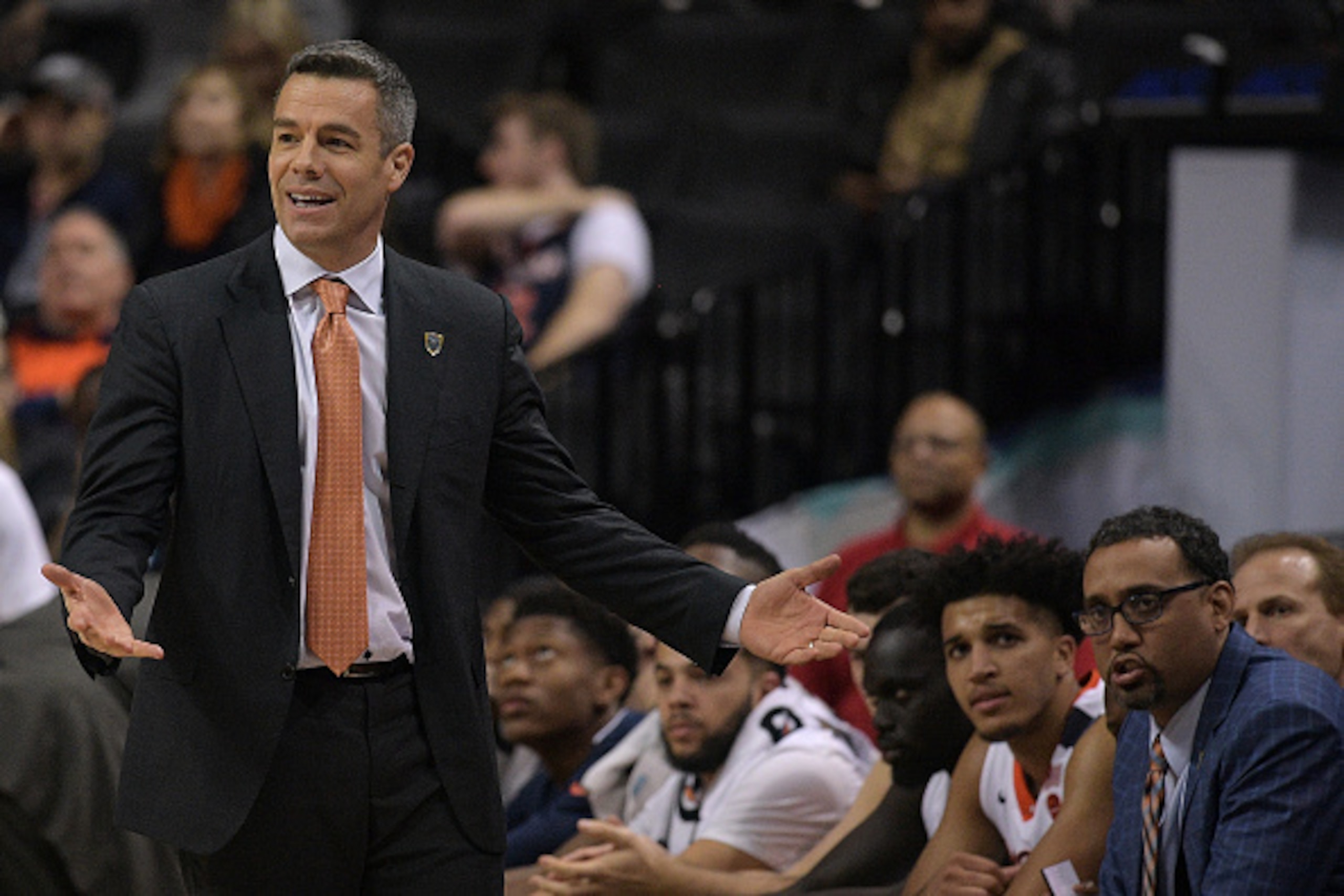
If we were making predictions for the NIT, this one would have already come true. Less than 24 hours after California was beaten at home by Cal State-Bakersfield on Tuesday, its coach—Cuonzo Martin—had resigned to "pursue other opportunities." That ended up being Missouri, where Martin was announced as coach on Wednesday.
Expect a similarly quick departure after an early exit from another power-conference coach, this one with a team in the NCAA tournament.
It happened three times last year, with Pittsburgh seeing Jamie Dixon leave for TCU after the Panthers were bounced in the first round and Vandy watching Kevin Stallings leave for that Pitt opening not long after the Commodores were eliminated in the First Four. Also, Tubby Smith didn't stick around at Texas Tech long after getting the Red Raiders to their first NCAA tourney since 2007 as he was hired at Memphis soon after falling to Butler in the first round.
It's one thing for a coach from a mid-major, win or lose, to parlay an NCAA bid into a better job. What turns heads is when someone at a high-profile program looks for a better situation despite having success in his current gig.
A No. 12 Seed Plays for a Spot in the Final Four
7 of 8
Last year Syracuse became the first No. 10 seed to make the Final Four and the fourth of the double-digit variety to get that far. Plenty of 10th- and 11th-seeded teams have reached the Elite Eight, but never one higher than that, which is surprising considering how prevalent the first-round upsets from No. 12 seeds have been.
That could end this year, as someone from the latest quartet of 12s—Middle Tennessee, Nevada, Princeton or UNC-Wilmington—won't just pull off one or two shockers, they'll knock off a third team to get to the brink of college basketball royalty. It most likely will mean that program's coming-out party since only one (Princeton) has made it past the Sweet 16 before, and two (MTSU/UNCW) have never advanced beyond the round of 32.
Wondering why this seed has had such little success after the first weekend? Well, consider where it sits in the bracket—destined to meet its region's No. 1 seed in the Sweet 16. Knocking off fifth- and fourth-seeded teams in the first two rounds is one thing, but having to take down one of the perceived four best teams in the field is a horse of a different color.
What would help that cause would be not having to play the No. 1 seed at all. That's how Missouri became the only No. 12 to reach the Elite Eight, doing so in 2002 when it fell to eighth-seeded UCLA after the Bruins outlasted top-seeded Cincinnati 105-101 in the second round.
At Least One Western Team Makes It to Glendale
8 of 8
It's the first Final Four played west of Texas in 21 years, so it only makes sense that someone from that part of the country earns a trip to Glendale, Arizona. But which one, or could multiple western teams make it?
Only 13 percent (nine of 68) of the field hails from the Mountain or Pacific time zones, two fewer teams than in 2016 if you also include Hawaii. Last year didn't see any of those schools make it to Houston, with the last Western team in the Final Four being UCLA in 2007, while the last national champion from that side of the country was Arizona in 1997.
But it's been a while since the West has had such a strong group of contenders. Gonzaga is a No. 1 seed after making it to the NCAA tournament with just one loss, while three-fourths of the Pac-12's four bids earned No. 2 (Arizona) or No. 3 (Oregon, UCLA) seeds. There's also seventh-seeded Saint Mary's, which lost only four times all year, as well as 12th-seeded Nevada, who has been a trendy pick to pull a first-round upset and maybe reach the Sweet 16 or beyond.
It might not seem that much of a reach to suggest at least one of these teams will end up in the Final Four, especially with Gonzaga and Arizona the top two seeds in the West Region. But those teams also don't have recent history on their side; Gonzaga is 0-2 in Elite Eight games while Arizona has fallen a win shy of the Final Four three times since 2011. The pressure on each to break through will grow with each round.
All statistics courtesy of Sports-Reference.com, unless otherwise noted. All recruiting information courtesy of Scout.com, unless otherwise noted.
Follow Brian J. Pedersen on Twitter at @realBJP.



.jpg?w=2560 "Rodgers Iced Out on Plane 💎")

.jpg?w=2560 "🚨 Week 8 AP Top 25 Poll")