

Beware of the Bubble: Teams Sneaking into NCAA Tourney Are as Dangerous as Ever
For all the talk over the past few months about how weak the NCAA tournament bubble is, a lot of the teams that sneak into the field are serious threats to leave your bracket in shambles by the end of the first weekend.
First and foremost, that "weakest bubble" talk?
It's not true, and you only need look at one program to see that.

.jpg?w=2560)

USC is a bubble team this year with great wins over UCLA and SMU. The Trojans almost beat the Bruins for a second time in the Pac-12 tournament. They started 14-0 and—despite losing key big man Bennie Boatwright for 17 games to a knee injury—played enough defense and turnover-averse offense to go 24-9. They only suffered one "bad" loss, and losing by one at Arizona State isn't that terrible.
Six years ago, USC got in with one of the worst at-large resumes ever. Those Trojans went 19-15 and suffered six bad losses, including three to teams outside the RPI Top 200. It was hardly a surprise when they scored 46 points to get eliminated in the First Four.
There were a lot of questionable teams discussed over the past few weeks, but if you transplanted the 2011 USC resume into this year's mix, we would have thrown it out long ago. So, the next time someone tries to tell you this is the weakest bubble ever, kindly point them to the dreck that made it in 2011 and 2012.
But USC is just the tip of the iceberg, because the Trojans were arguably one of the least dangerous teams on this year's bubble.

The issue everyone has had is that there are just too many doggone losses. Teams like Clemson and TCU hung around the bubble forever, despite going 6-12 in their respective conferences. Others like Providence, Marquette and Syracuse did well in conference play, but they still had a lot of losses and a handful of bad ones.
Over the past five years, there was an average of just two at-large teams with at least 13 losses. The last time a 14-loss team got an at-large bid was the aforementioned USC squad in 2011. Yet, virtually every major-conference squad on this year's bubble had at least a dozen losses, including Michigan State and Vanderbilt getting in with 14 and 15, respectively.
It's not because the bar has been lowered, though. It's because most of the teams on the bubble finally got the memo that you need to schedule aggressively in order to avoid the wrath of the selection committee.
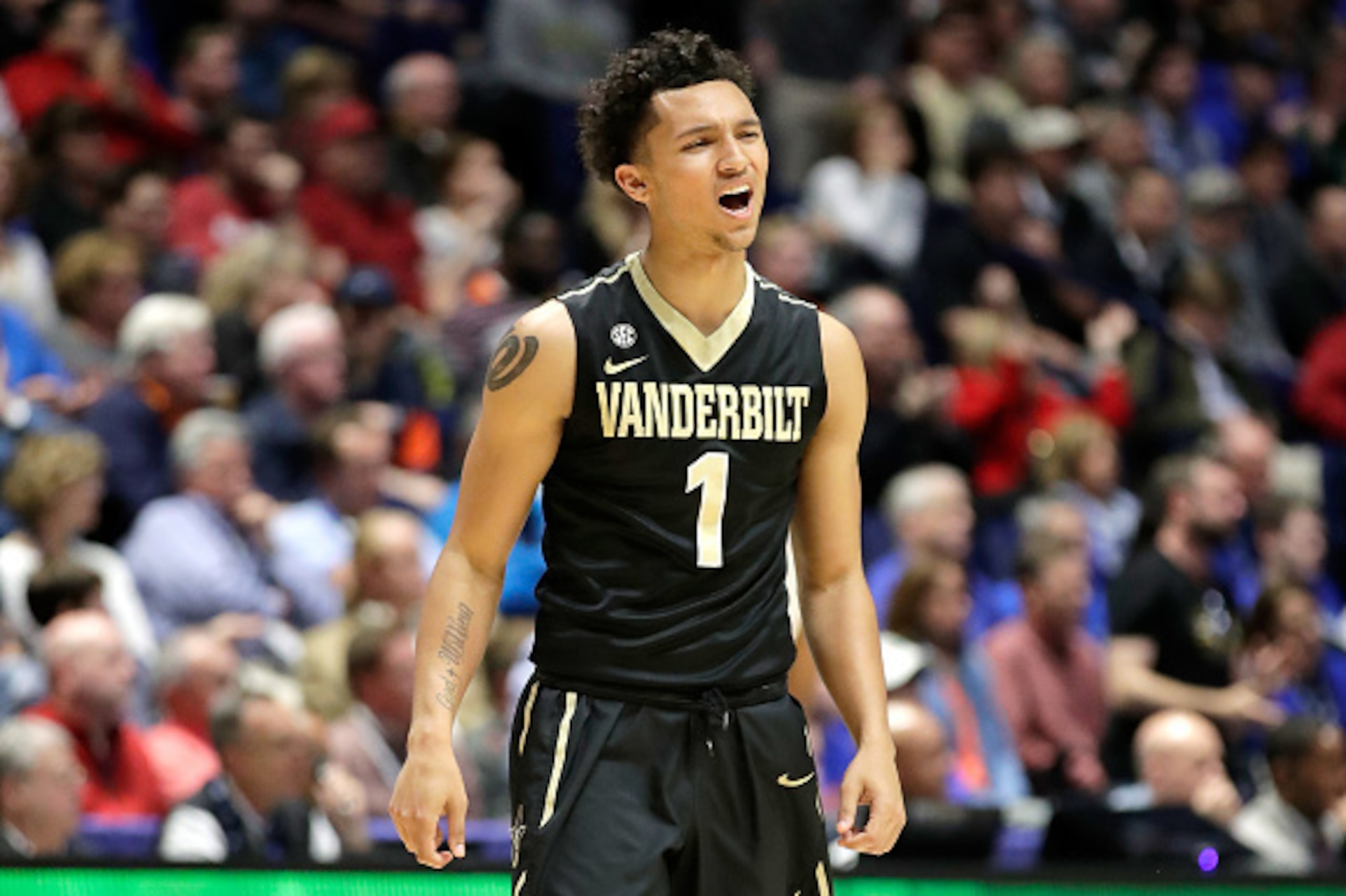
Vanderbilt had the best strength of schedule in the country and won three games against Florida. Michigan State, Oklahoma State, Xavier and Wake Forest each ranked in the top 20 in SOS. Even sexy sleeper Middle Tennessee went out of its way to face the 15th-toughest nonconference schedule, beating the likes of Vanderbilt, Ole Miss, Belmont and UNC-Wilmington to prove it deserved an at-large bid, if necessary.
Of the 80 teams in the past five years to receive a seed in the Nos. 8-11 range, only seven entered the tournament with at least 11 RPI Top 100 wins. In each of the past two years, only one team fit that description. (No. 8 USC in 2016 and No. 9 LSU in 2015.) But this year alone, I have five teams with at least 11 RPI Top 100 wins projected for the Nos. 8-11 seed range, and a few others that are either just outside that projected seed range or ended up with 10 such victories.
This bubble isn't weak because everyone has a bunch of losses.
This bubble is more dangerous than ever because it has spent the entire season preparing to face the caliber of opponent it will draw in the Big Dance.
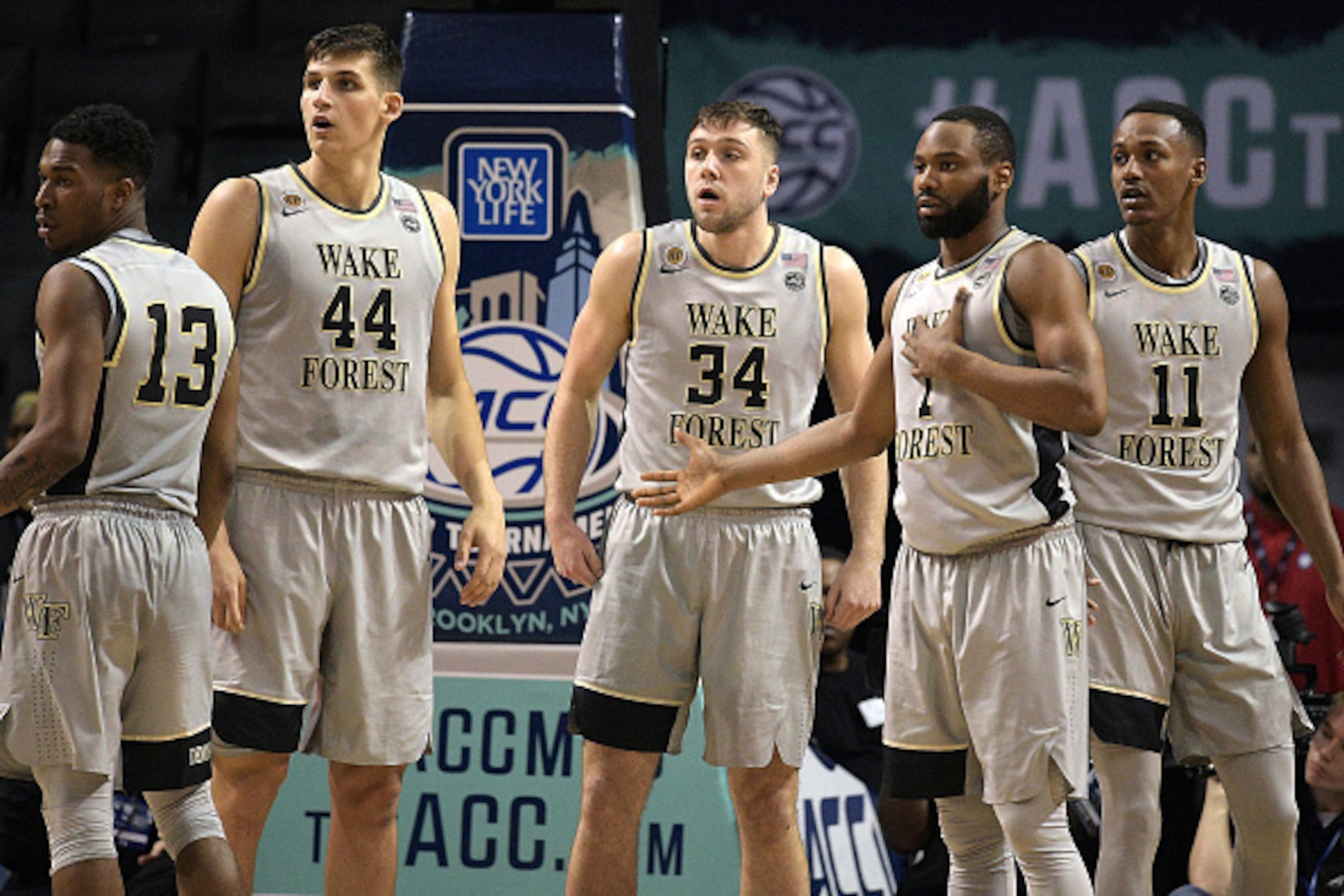
And if you'll permit me a closing tangent about who those bubble teams would face in the second round, is there anyone this year that you trust?
Let's say someone made you an offer before the field was announced. Pick one team you think is a guarantee to reach the Sweet 16. If you're right, you get $50,000. If you're wrong, you lose a limb.
If you're taking that bet, you have a severe gambling problem, because every single team in the country has lost at least one game this season to a team that was unranked at the time. Moreover, in each of the past seven years, at least two of the eight No. 1 and No. 2 seeds have failed to reach the Sweet 16.
Factor in the upset potential of this year's bubble and the first Saturday and Sunday of the 2017 NCAA tournament may well be the most chaotic we have ever witnessed.
I'm not saying this will be the first time since Villanova in 1985 that a No. 8 seed or worse wins the national championship, but it does seem more likely than usual. At any rate, a prop bet on a double-digit seed reaching the Final Four could be a good investment.
Stats are courtesy of WarrenNolan.com, KenPom.com and Sports-Reference.com and are current through start of play Saturday, March 11. Win-loss records only include games played against D-I opponents.
Kerry Miller covers college basketball for Bleacher Report. You can follow him on Twitter: @kerrancejames.
.jpg?w=2560 "Viral Rams Coach Vid 🖕")


.jpg?w=2560 "Injury-stricken Seahawks signing veteran RB")
