The Biggest X-Factor for Top College Basketball Contenders in 2016-17
Who will make the difference? What will be the determining factor? And will it be enough to go all the way?
The NCAA tournament is just around the corner, and while the majority of teams who will be involved in the 68-team extravaganza still aren't assured of a bid, the same can't be said for the top contenders. Those are the ones that are not only a lock for an invite but are vying for one of the highest seeds, which come with an easier path early on in the tourney but also greater expectations.
For those teams, now isn't about making sure they get into the field but making sure they have all the pieces necessary to challenge for a title. And for each, there's one player, circumstance or aspect of their game that will be the greatest determining factor.
Using the top 12 teams in Bleacher Report bracketologist Kerry Miller's latest projected bracket, here's a look at who or what will be most important for college basketball's top teams to be able to make a deep NCAA tournament run.
No. 12 Florida State
1 of 12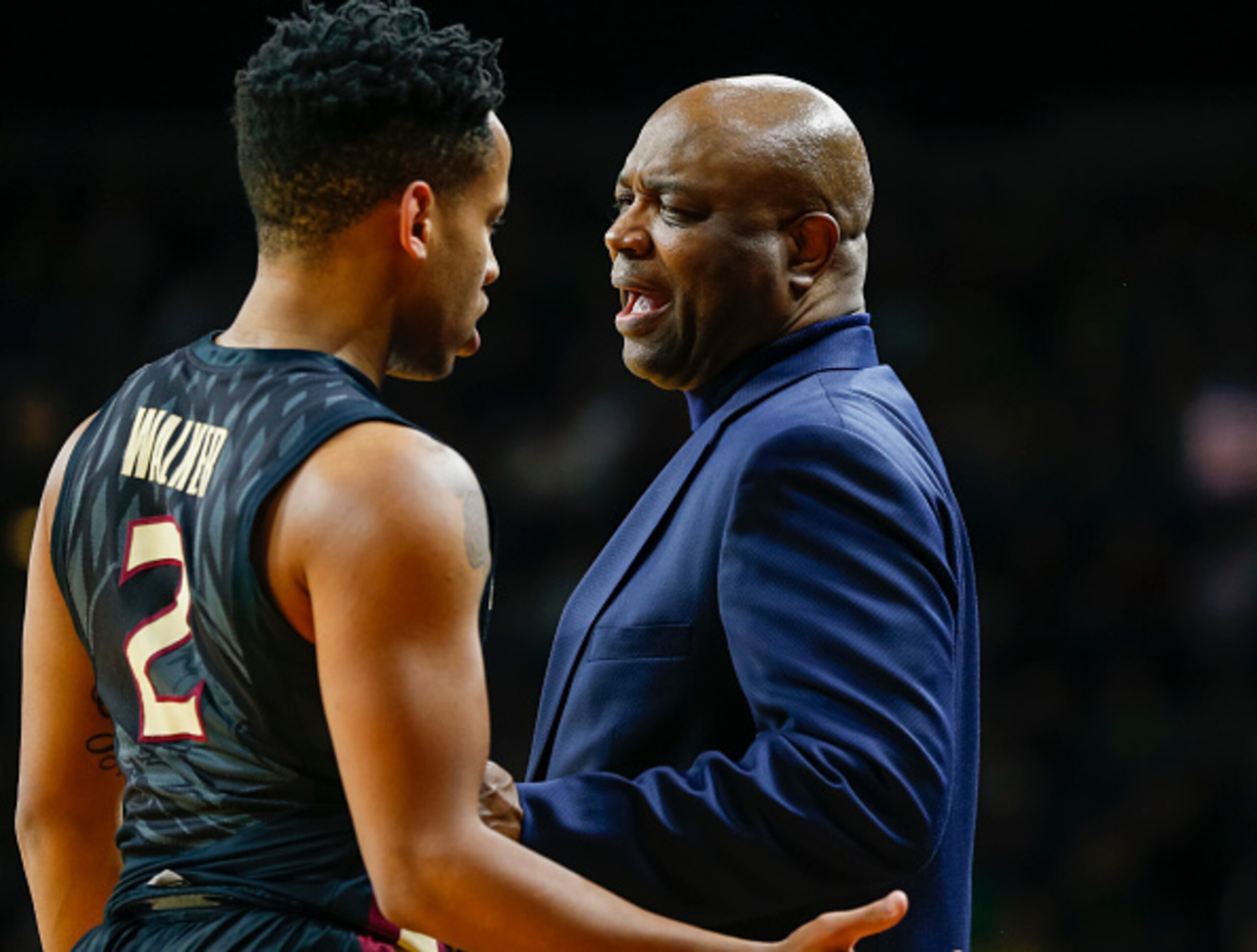
Playing On the Road
It's too bad Florida State only has one home game left on its schedule since that's the only place it has seemed to play well on a consistent basis. In fact, the disparity between how the Seminoles perform at the Donald L. Tucker Center compared to anywhere else is staggering.
"FSU would be lights out if the ACC or NCAA tournament was in Tallahassee," Joe Giglio of the News & Observer tweeted during the Noles' 104-72 home win over Boston College on Monday, a game that saw them shoot 54 percent and hit 12 three-pointers.
FSU is 17-0 at home compared to 5-6 outside of Tallahassee including 2-5 in true road games. It has lost five of six on the road, each setback by at least 10 points, and it still must play Saturday at Clemson and Tuesday at Duke in addition to the ACC tournament in New York City as well as wherever the Noles are sent for the NCAA tourney.
No. 11 Arizona
2 of 12
Lauri Markkanen
He's a 7-footer who leads Arizona in scoring and rebounding and is also his team's best three-point shooter. Managing to be all of those things in the same game could make him the difference between the Wildcats making their first Final Four since 2001 or coming up short once again.
The freshman from Finland averages 15.6 points and 7.5 rebounds per game and is shooting 45.4 percent from deep, his 59 three-pointers 24 more than any other Wildcat. Yet his 11 points in Thursday's win over USC didn't include a perimeter basket, the second consecutive game that's happened and only fourth time he's going without a three this season.
Instead, Markkanen has turned more toward being an interior offensive presence of late, going 19-of-33 on two-pointers the last three games. He's also had 15 offensive rebounds in that stretch.
No. 10 Kentucky
3 of 12
Three-Point Shooting
Villanova shot 36.2 percent from three-point range last season en route to the national title, aided by five players who made at least one three per game. Kentucky's accuracy isn't that far behind, at 35.3 percent, but that's where the comparisons between these Wildcats and the ones that are defending champions ends.
Kentucky makes just over 7.3 threes per game with freshman guard Malik Monk accounting for 85 of the 205 triples at a 40.9 percent clip. Mychal Mulder shoots 40.5 percent, and Derek Willis is a 38.4 percent shooter, but they've combined for just 63 threes.
Monk has the ability to explode from the perimeter, making at least four threes in 12 games, with seven or more on three occasions, but he also has 11 games in which he's shot 25 percent or worse from outside. In Kentucky's five losses, Monk is 13-of-43 (30.2 percent) from three while the rest of the Wildcats are 20-of-65 (30.8 percent).
.jpg?w=2560 "Cardinals Giants Football")
No. 9 Florida
4 of 12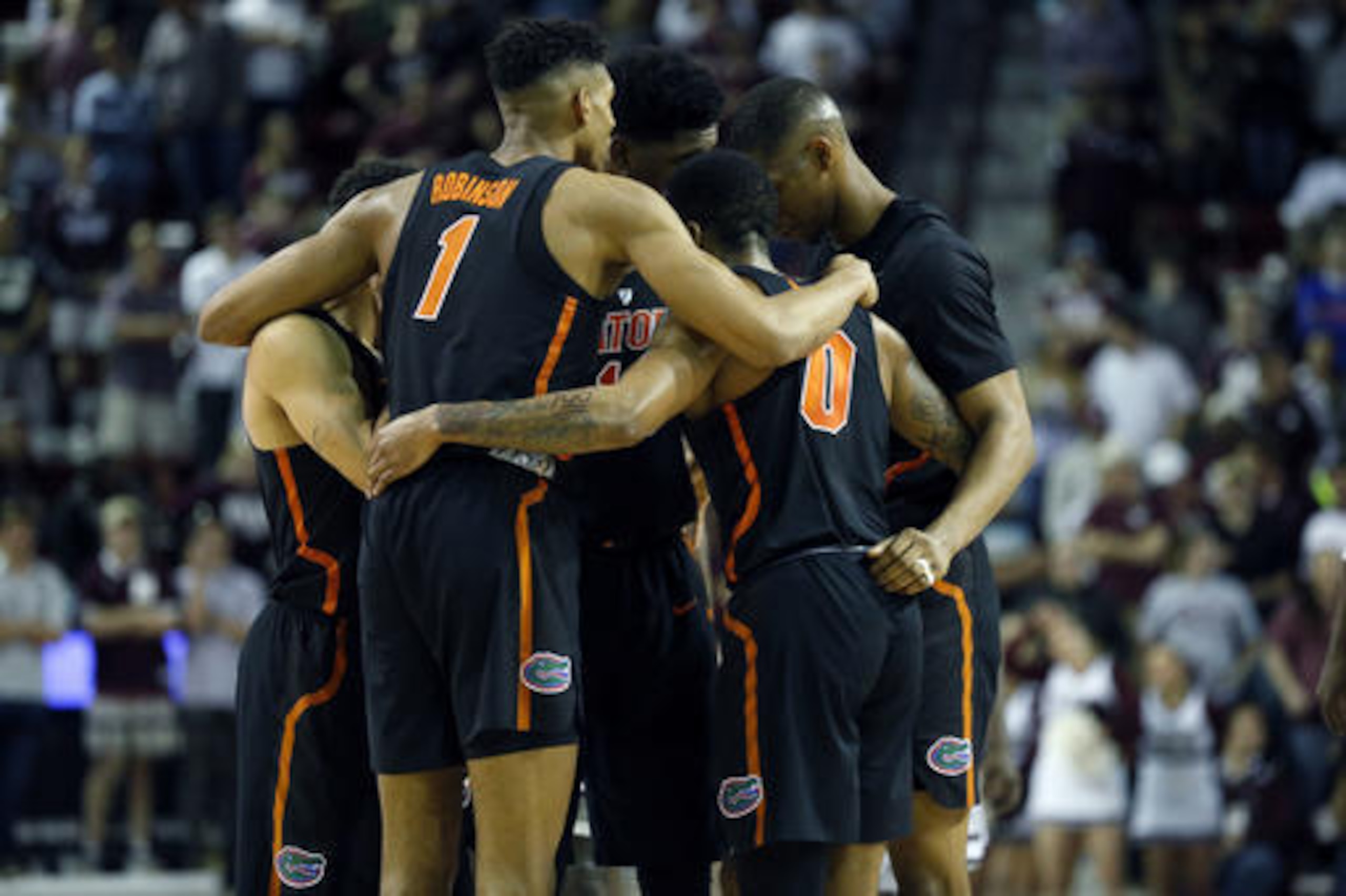
Road Experience
Unlike in-state rival Florida State, Florida has had no problem playing on the road this season. The Gators were forced to learn how to deal with the challenges that come with travel and unfamiliar venues because their home court was getting renovated and didn't become available until mid-December.
Of its 28 games, 19 have been on the road or at neutral sites. Florida went 8-3 in such games to start the season, and since SEC play has begun, it is 7-1 on the road with wins at Arkansas and Georgia as well as at Oklahoma in the Big 12/SEC Challenge. On Saturday, the Gators visit Kentucky on Saturday in a game that will decide the regular-season title and they end the regular season March 4 at Vanderbilt.
Having dealt with so many hostile environments and unfriendly crowds, Florida should be well prepared in the postseason. It may not win at Rupp Arena, but that experience will only further its cause.
No. 8 Oregon
5 of 12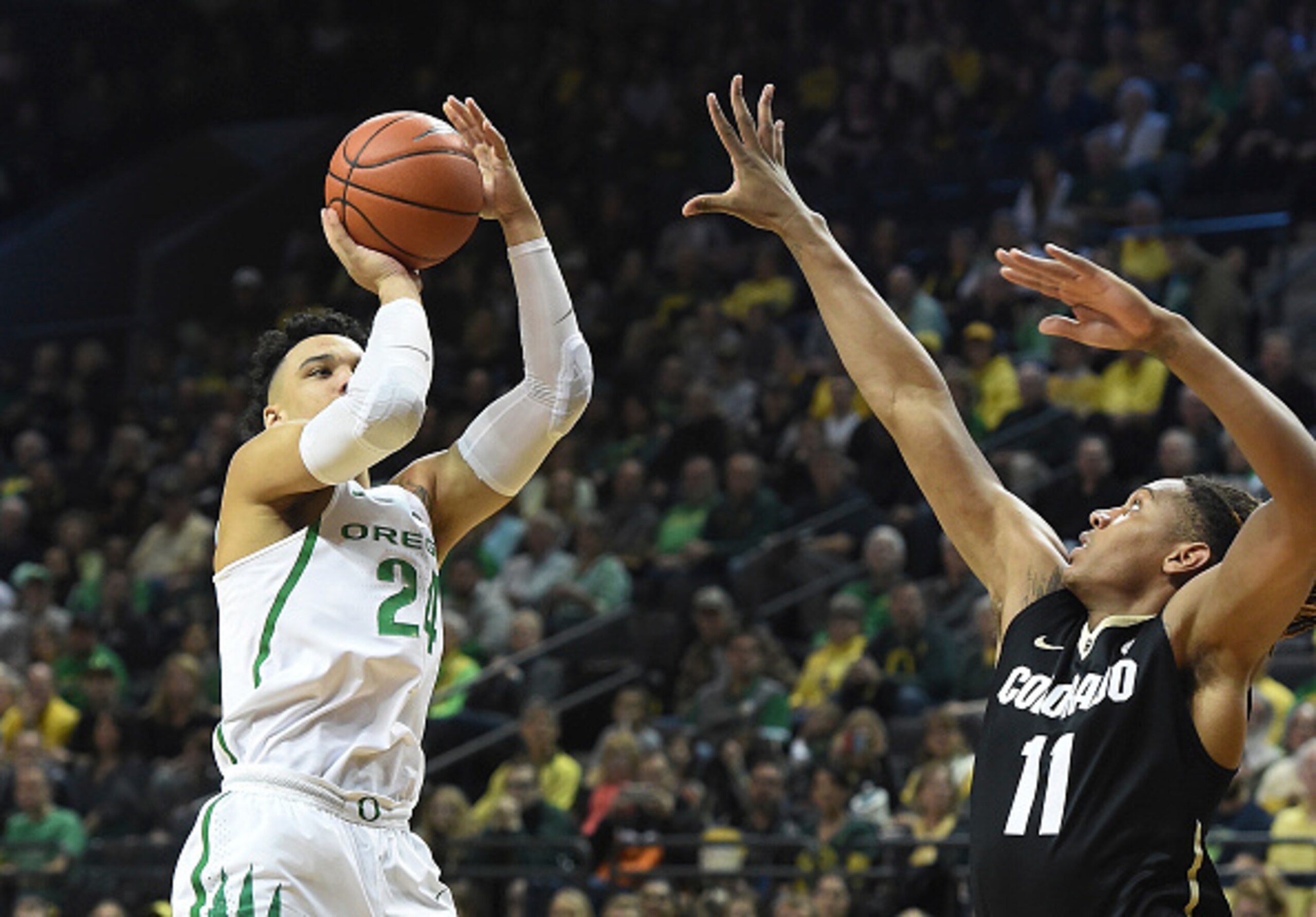
Dillon Brooks
When Oregon found itself trailing by 14 and scoring just 16 first-half points on Wednesday at California, there were a lot of reasons for the struggles. None were more prevalent than the fact Dillon Brooks was 2-of-7 from the field and had only five points during the first 20 minutes.
He missed his first shot of the second half but then made seven of the next 10, including the game-winning three-pointer with 0.5 seconds left. He finished with 22 points, 17 in the second half, as the Ducks remained in the hunt for a second consecutive Pac-12 regular-season title.
Oregon isn't a one-man team, but it does its best when Brooks is available and playing well. He missed the Ducks' first three games this season recovering from foot surgery, and he reached double figures in scoring just once in his first four contests, but since then, he's averaged 16.8 points and shot 53.8 percent.
That includes a pair of game-winning threes, the one on Wednesday and in the Pac-12 opener against then-unbeaten UCLA. The 6'5” junior is the one Oregon turns to for clutch shots, and he's come through.
No. 7 Duke
6 of 12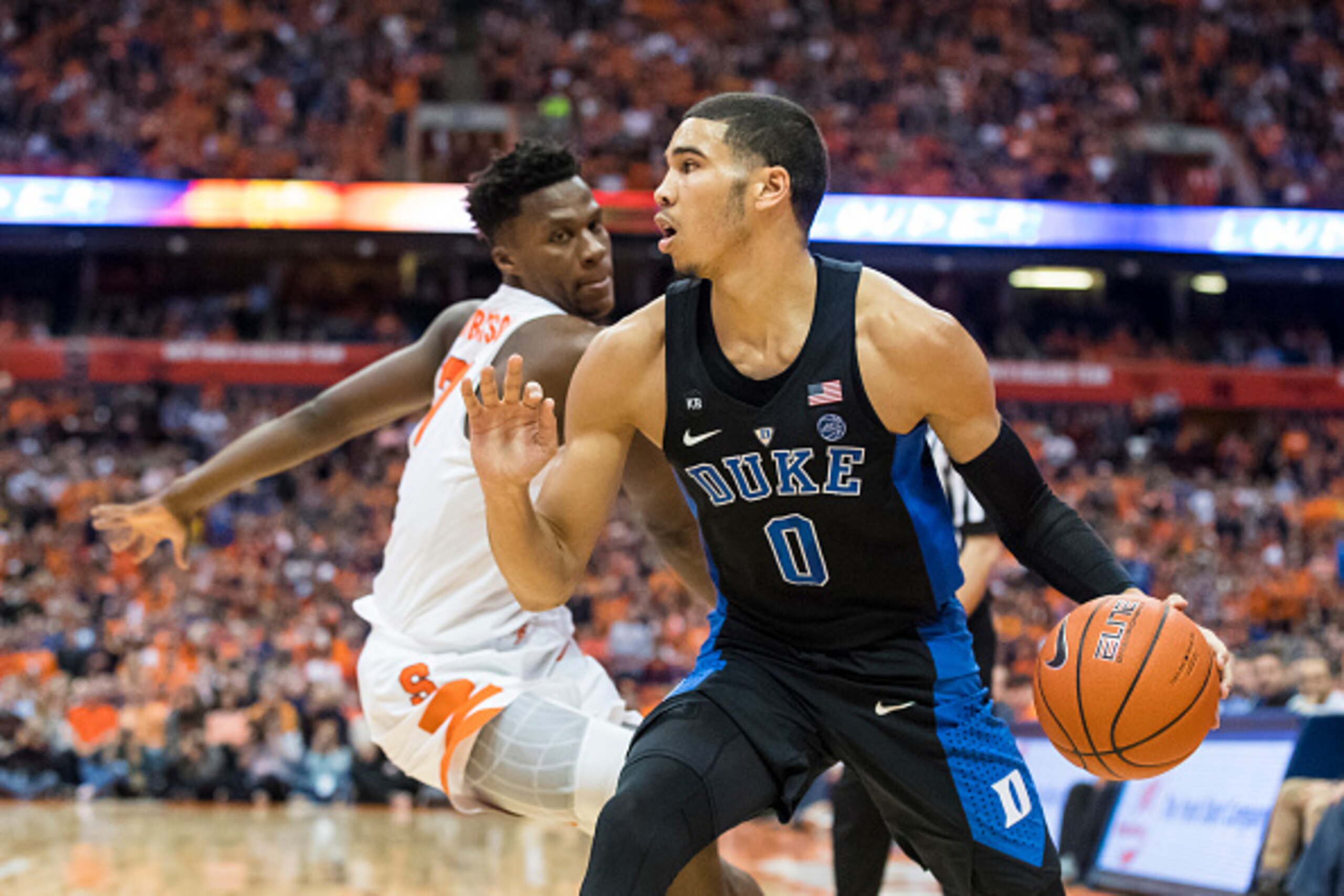
Jayson Tatum
Duke wouldn't have gotten this far without the play of Luke Kennard, the sophomore guard who more or less carried the team during the first half of a season filled with injuries, suspensions and the absence of its head coach. Kennard continues to be an integral piece for the Blue Devils and will be important during the NCAA tournament, but with each game, he's ceding more and more power to Jayson Tatum.
The 6'8” freshman forward didn't make his debut until mid-December, but in his second game—a neutral-site victory over Florida—he erupted for 22 points and eight rebounds. He's topped the 20-point mark three other times, most recently on Feb. 15 when the Blue Devils won at Virginia behind Tatum's 28 points and nine rebounds.
For the year, Tatum is averaging 16.6 points and 7.4 rebounds, both second-best on the team, while shooting 45.5 percent overall and 39.2 percent from three as well as 87 percent on free throws. His usage percentage is a team-high 26.7 percent, just behind the 26.8 percent usage guard Grayson Allen had in 2015-16.
No. 6 Baylor
7 of 12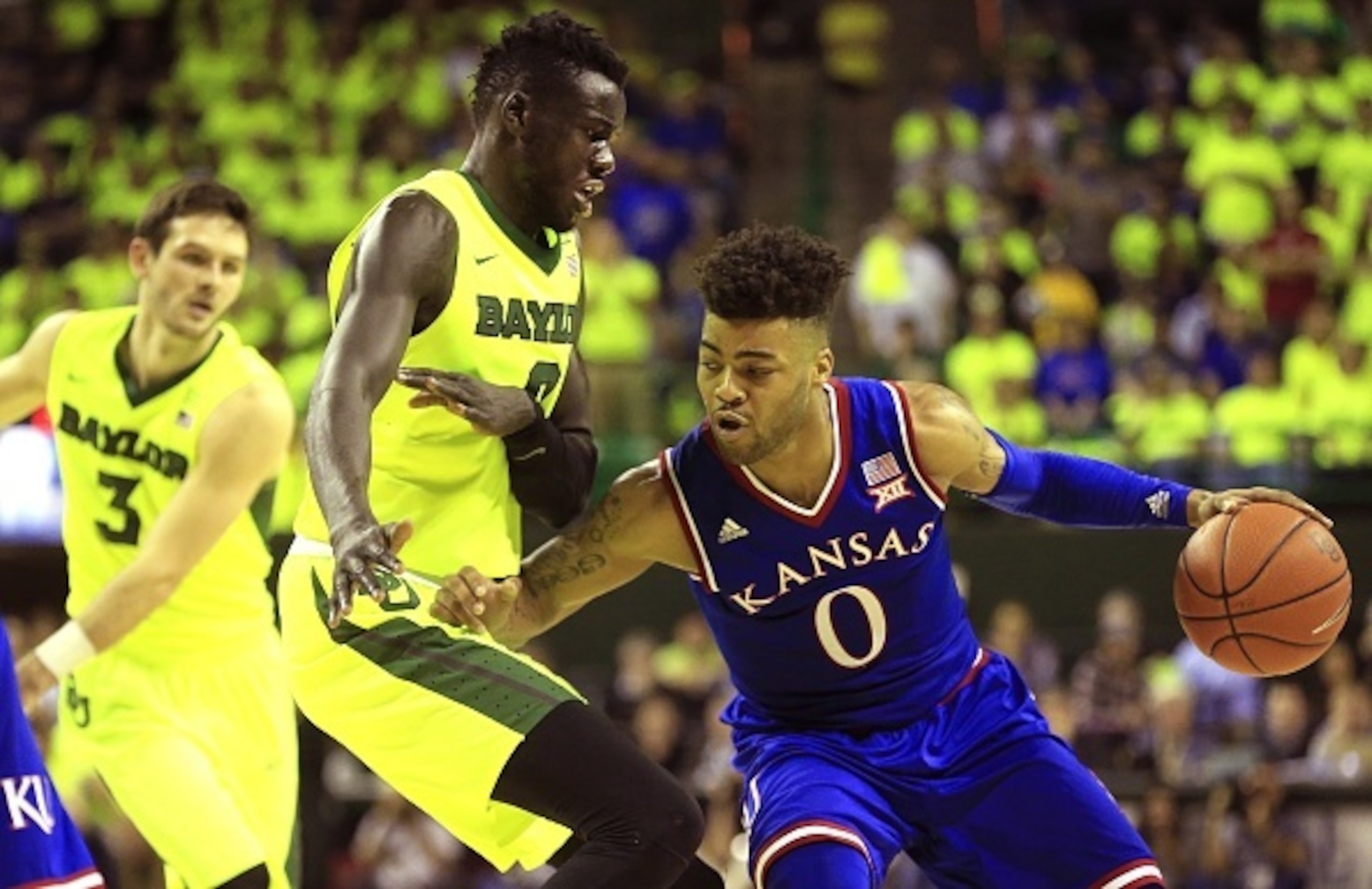
Jo Lual-Acuil Jr.
Baylor's consecutive first-round NCAA tournament exits are sure to get brought up quite a bit over the next few weeks leading up to this year's tourney, which is understandable. But in fairness to those previous Bears teams, they didn't have Jo Lual-Acuil Jr. patrolling the interior.
The 7-footer was part of last year's team after transferring from Neosho Community College in Kansas, but a heart issue caused him to take a medical redshirt. That delayed his debut for a season, but the wait has been worth it, particularly in the form of his help protecting the rim via 78 blocked shots
Lual-Acuil ranks sixth nationally in block percentage, swatting 11.8 percent of shots when he's on the court, enabling Baylor to already surpass last season's block total. He's also pulling down 6.8 rebounds per game in addition to shooting 56.5 percent.
No. 5 North Carolina
8 of 12
Rebounding
How did North Carolina break open what for most of the night had been a close game against Louisville on Wednesday? Look no further than the rebounding numbers, which almost all season have leaned in the Tar Heels' favor.
UNC outrebounded the Cardinals 41-29, including a 14-8 edge on offensive boards, to win the rebounding battle for the 25th time in 29 games this season. The Heels are 0-4 when getting outrebounded, their only loss when winning that statistic coming via a 33.3 percent shooting performance in the ACC opener at Georgia Tech.
Ranked first nationally in total and offensive rebound rate, Carolina's secret is that everyone contributes to the cause. Senior forward Kennedy Meeks' 9.1 rebounds per game ranks fourth in the ACC, but after that, it's a group effort, with seven other players averaging between 3.2 and 5.6 rebounds. And using per-40 numbers, three of UNC's four big men average at least 11.1 boards, and five others are at 6.0 or better.
No. 4 Louisville
9 of 12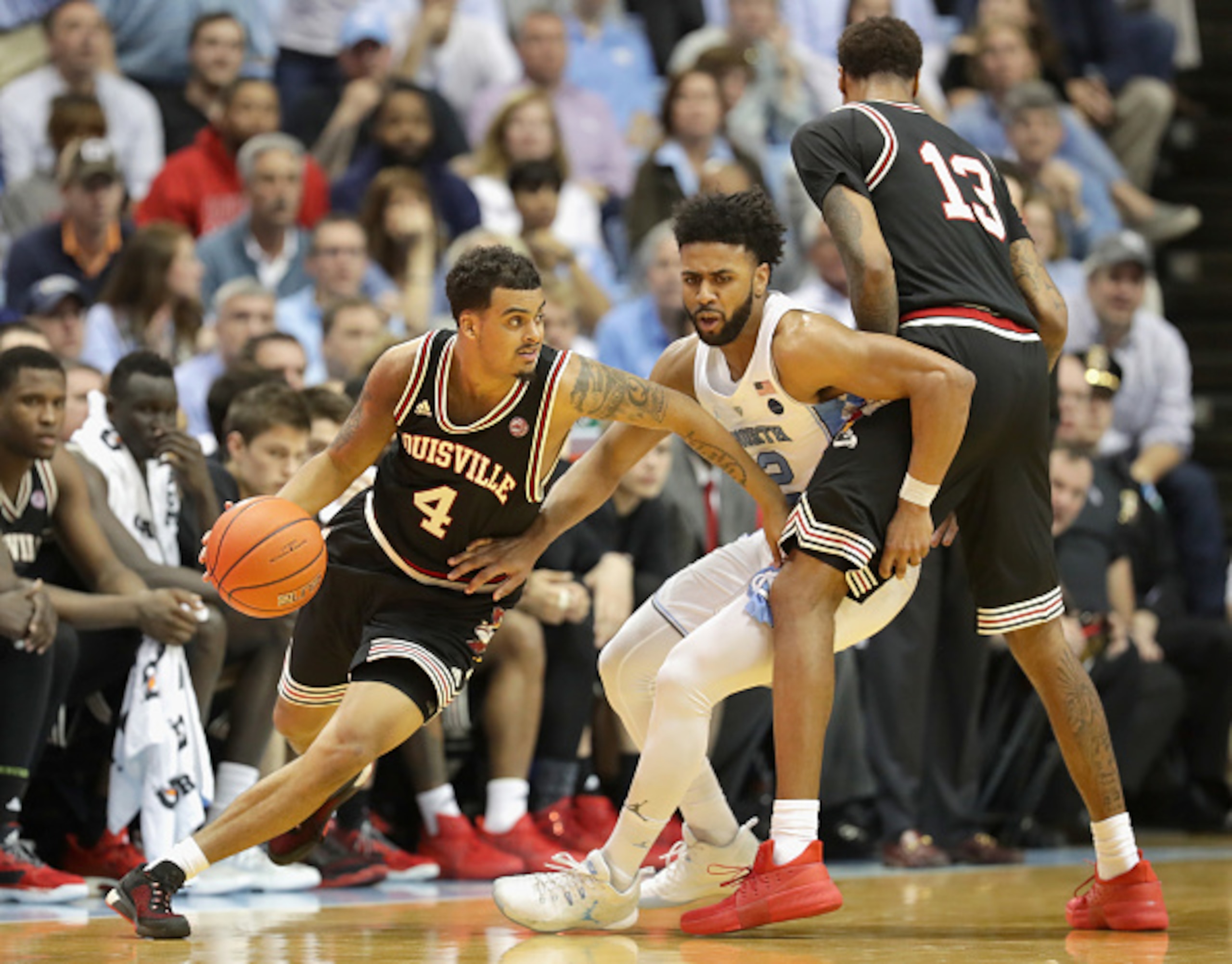
Quentin Snider
He didn't have a particularly good game on Wednesday, scoring nine points on 3-of-9 shooting in the loss at North Carolina, but there's no denying Louisville is better when Quentin Snider is in the lineup. When he missed six games because of a hip injury his absence was evident, and since returning he's helping the Cardinals mesh better.
The 6'2” junior guard averages 12.4 points and 4.0 rebounds and shoots 38.3 percent from three-point range, second only to V.J. King's 44.4 percent (on far fewer attempts). Louisville shoots 36.2 percent from three as a team, and while it had some good outings from deep when Snider missed time, the Cardinals had their four lowest assist rates because he wasn't there to find the open man.
Louisville is a team that is best known for its defensive intensity, holding opponents to 39.2 percent shooting and 64.5 points per game, but it has the talent and athleticism to explode on offense. This is especially true when Snider is available and looking for the best shots for himself and others.
No. 3 Gonzaga
10 of 12
Adversity
Gonzaga has taken on all challengers, those required by its league schedule and those willing to take it on during nonconference play, with nary a blemish. Thursday's 96-38 win at San Diego ran the Bulldogs' record to 29-0 as the only unbeaten team in the country, with no opponent since early December able to play them closer than 10 points.
The easy way—and probably the right way—to explain this is that Gonzaga has been significantly better than everyone it's faced so far. But it could also be said it hasn't played many tough teams, at least not recently, with only a pair of wins over West Coast Conference rival Saint Mary's of any note since mid-December. And because they haven't been challenged they haven't really experienced a stressful situation.
And time is running out to do so before having a bad night can prove not just disastrous but would cause a great season to end far too early.
At this point, Gonzaga is almost a lock to be the No. 1 seed in the West. What isn't certain, though, is how it will be able to deal with an adverse situation if one ever presents itself.
No. 2 Kansas
11 of 12
Foul Shooting
Kansas hasn't made the Final Four since 2012. If the Jayhawks expect to get back, there they're going to need to make their free throws, something that's been a problem all season.
At 65.5 percent, Kansas is among the bottom 50 teams in effectiveness at the line. That number was much worse a few weeks ago, but in its last three games, it has made 68 of 91 shots (74.7 percent) including going 16-of-20 from the line in a two-point win at Baylor on Feb. 18.
Guards Devonte' Graham (76.9) and Frank Mason (77.3) have been strong at the line, with Mason's 185 attempts most on the team, but after that, there's a significant dip. Most troubling is the free-throw rate for freshman Josh Jackson, who is at 56.1 percent while attempting 5.3 foul shots per game.
Kansas does its best to make sure the ball is in Graham and Mason's hands when trying to hold a lead late, but in close contests or ones when the Jayhawks trail, they will need everyone to make their free throws to come out on top.
No. 1 Villanova
12 of 12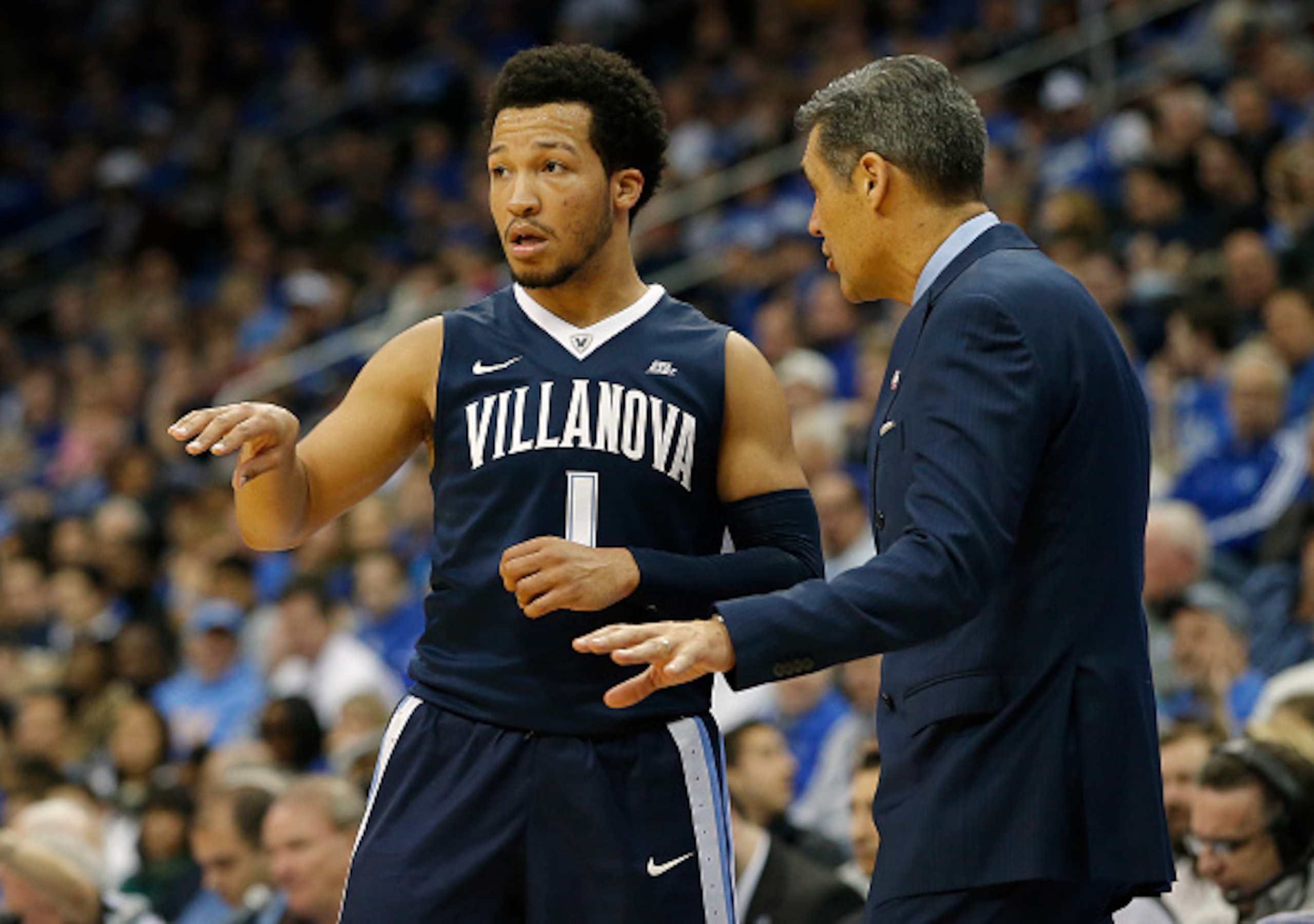
Fatigue
The defending national champions have a lineup that's equipped to make a serious run to repeat, something that hasn't happened in a decade. All that matters is whether Villanova's players can hang on for another month-plus with the number of minutes they're playing.
In Wednesday's home loss to Butler, the Wildcats used only six players—other than freshman forward Dylan Painter getting one minute—and each logged at least 28 minutes of action. Guards Mikal Bridges, Jalen Brunson and Josh Hart each played 37, which has been par for the course lately because of a thin rotation made even more so by Darryl Reynolds missing the last four games with a rib injury.
Villanova had won the previous three without the 6'8” forward, but the added minutes are starting to show on its starters. Guard Donte DiVincenzo is the only bench contributor, and while Reynolds should return soon, the same can't be said for junior guard Phil Booth, who hasn't played since November because of a knee injury.
The Wildcats have four players averaging 30 minutes. Last season, they had two.
All statistics courtesy of Sports-Reference.com, unless otherwise noted. All recruiting information courtesy of Scout.com, unless otherwise noted.
Follow Brian J. Pedersen on Twitter at @realBJP.
.jpg?w=2560 "Titans Giants Football")
.jpg?w=2560 "Dolphins Bills Football")
.jpg?w=2560 "Report: Chiefs Contact Hill's Agent")