
LA Dodgers' Bullpen, Offensive Patience Key to Game One Victory
Chris Carpenter entered the game not only as the Majors’ regular season ERA leader, but also holding a 5-0 record with a 2.20 ERA in his career against the Dodgers.
Someone forgot to tell the Los Angeles Dodgers about his credentials.
On just his third offering of the game, the St. Louis Cardinals’ ace allowed a long home run to Matt Kemp that erased Carpenter’s 1-0 lead and set the tone offensively for the Boys in Blue.
TOP NEWS
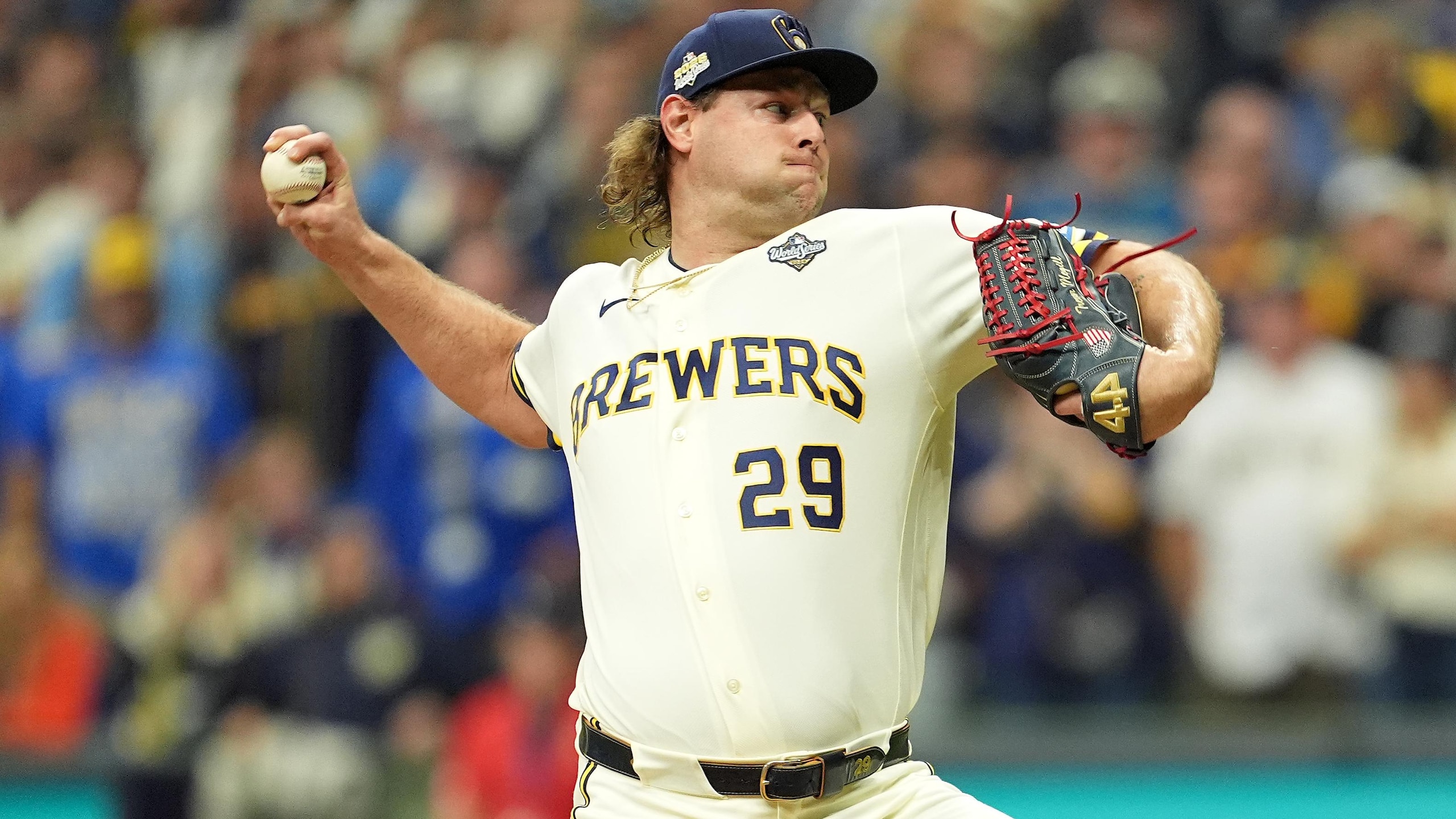
Brewers Closer Blasts Tropicana Field Roof

Latest MLB Trade Rumors 👂
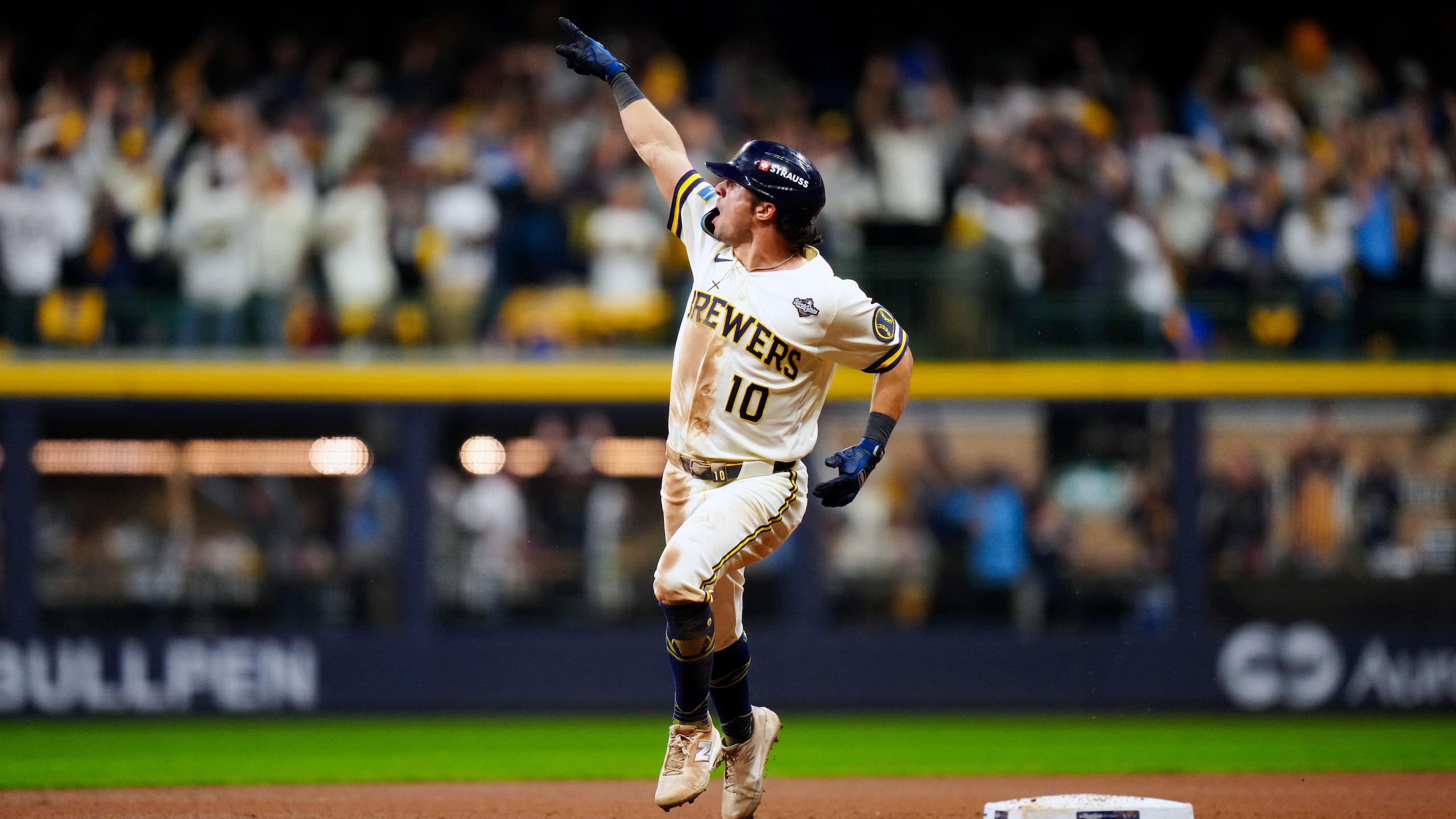
Tying HR Had Bauers Emotional
It was clear from the first pitch that Carpenter didn’t have his best stuff, as Rafael Furcal led off the game by slapping a single into left field, and Kemp followed by drilling the first pitch he saw over the center field wall.
The two hits to begin the game showed the solid approach of the Dodgers’ lineup, which was staying behind the ball and capitalizing on rare mistakes by Carpenter.
Gaining the early advantage was enormous for Los Angeles, who was able to settle in and work Carpenter into deep counts throughout the night. Instead of having to scrap from behind for the rest of the game with pressure mounting every inning, holding the lead allowed them to stay patient and find pitches to drive the other way.
The overall patience of the Dodgers’ batters can be seen in a comparison of total pitches seen per at-bat to that of the Cardinals, as captured in the table below.
| No. of at-bats | Total pitches seen | Pitches per at-bat |
St. Louis | 36 | 161 | 4.47 |
Los Angeles | 33 | 168 | 5.09 |
That means Dodgers’ hitters, on average, were seeing half a pitch more per at-bat than the Cardinals. This is why they were able to chase Carpenter after just five innings, because they didn’t allow him to work any quick innings.
Compare the number of pitches the Dodgers saw per at-bat (5.09) to the Colorado Rockies, who were stymied by a complete game one-run effort from Cliff Lee of the Phillies.
The Rockies saw 113 pitches over 32 at-bats, which is good for only 3.53 pitches per at-bat.
Through these numbers, it’s easy to see why Lee was able to navigate the entire game, while Carpenter couldn’t find a rhythm the entire night.
One interesting note: When Kemp hit the first inning home run, TBS showed a replay of the Dodgers’ dugout watching the ball leave the yard. On the replay, the first Dodger on the bench you can see is Orlando Hudson, who sprinted from one side to the other to be the first player to greet Kemp at the top of the steps.
This comes from a guy who, after making the All-Star game in July, was relegated to the bench for Game One. Hudson watched Ronnie Belliard make the start at second base, even after Belliard missed four games in the final week of the season with a groin injury.
But Hudson’s actions speak volumes not only about him as a professional and a man, but also about the togetherness of this club in general.
These men win as a team, and they lose as a team.
There was an interesting play on the Cardinals' side of things that showed what appeared to be the opposite occurring within their squad.
In the fifth inning, with no outs and runners on first and second base, pinch hitter Juan Pierre came to the plate. Everyone in the park knew he was about to lay down a sacrifice bunt, and Tony La Russa came out from the Redbirds dugout to discuss bunt coverage with his infield.
When the bunt went down, shortstop Brendan Ryan took off in a sprint to third base.
This is usually called a “wheel play,” because it effectively wheels around the infield, making the shortstop cover third base in order to cut off the lead runner.
Pierre laid down the bunt just in front of home plate, and Yadier Molina fielded it on a quick bounce, with plenty of time to throw out Belliard trying to advance to third.
Yet with Ryan already heading to cover third, third baseman Mark DeRosa also stayed back to cover the bag and didn’t charge the ball like he should on a wheel play.
This caused both men to be covering the base when Molina turned to throw to the bag, and he had to eat the ball and take the out at first.
The interesting thing, in addition to the botched bunt coverage, was Molina’s reaction to the play. During the replay, you can see him visibly upset when he was unable to make the throw to third base because of the bad coverage.
Also, Furcal followed that bunt with a sacrifice fly to right field that pushed the Dodgers in front 4-2; had the Cardinals executed the bunt coverage correctly, they could have cut down the runner heading to third and avoided the sacrifice fly.
It just goes to show how a simple thing like bunt coverage can affect a game, and possibly a playoff series.
However, as far as simplicity goes, getting hits with runners in scoring position was anything but that on Wednesday night.
Both teams combined for 23 hits and also left 30 runners on base, the most ever in a nine-inning playoff game.
Despite leaving some opportunities on the base paths, as the Dodgers left 16 men on base, the overall flow of the game had to be just what Joe Torre was wishing for—early LA runs, a low-scoring affair, and a battle of the bullpens.
Torre had a simple plan heading into Game One of the National League Division Series: Keep the game close and win it with a strong performance from his bullpen.
He pulled the right strings as the right time, calling on Jeff Weaver to quell a bases-loaded jam in the fourth inning, resulting in a Ryan Ludwick ground out with two outs to preserve the Dodgers' 3-2 lead.
Weaver would work a scoreless fifth before turning the ball over to a cast of dominant arms, each one displaying his own unique punch, but all combining for five-and-one-third innings of one-run baseball in an important Game One win.
Now, the teams will meet for an afternoon contest today at Chavez Ravine, and since last night’s game didn’t finish until after 10 P.M., it will be a quick turnaround for both clubs.
Even though each club enjoyed back-to-back days off on Monday and Tuesday, they will each feel the fatigue of playing two games in less than 24 hours at the tail end of a 162-game season.


.jpg?w=2560 "Raiders Could Start Mendoza")


.jpg?w=2560 "Rodgers Iced Out on Plane 💎")
.jpg?w=2560 "Packers Safety Slams Refs 🤬")

.jpg?w=2560 "🚨 Week 8 AP Top 25 Poll")
