Was Criticism of Manchester United Chief Ed Woodward Wide of the Mark All Along?
If they are valued at over £30 million, chances are Manchester United have been linked with a move for them at some point over the past three years. The Old Trafford club has become a staple of the transfer window gossip column.
With January upon us, the rumour mill has started churning once again.
Enough time has elapsed for Man Utd’s signings in the summer transfer window to be reflected upon. In the region £150 million was splurged on three players—Paul Pogba, Henrikh Mkhitaryan and Eric Bailly, while Zlatan Ibrahimovic arrived on a free—and with such hefty price tags come hefty expectations.



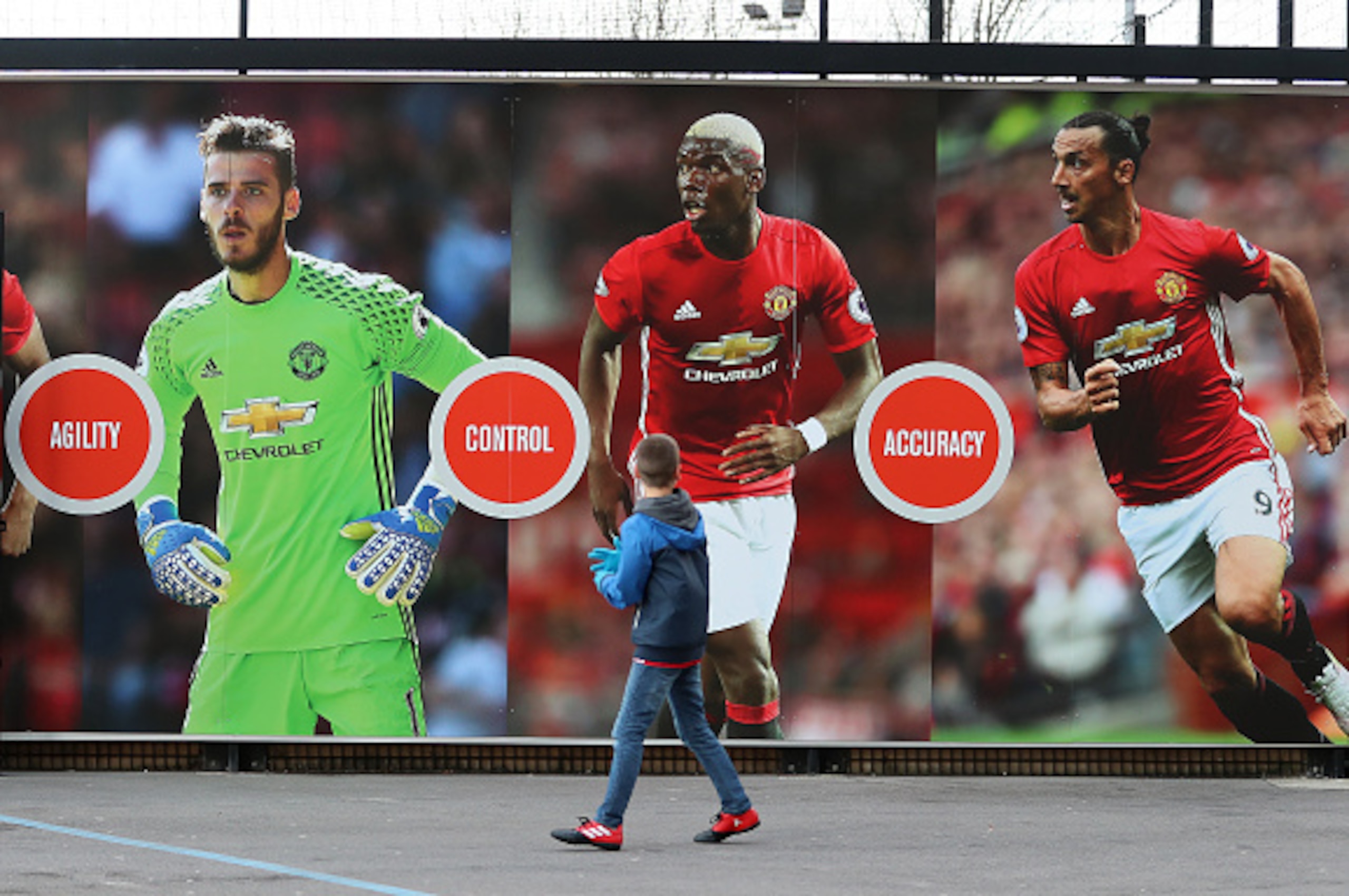
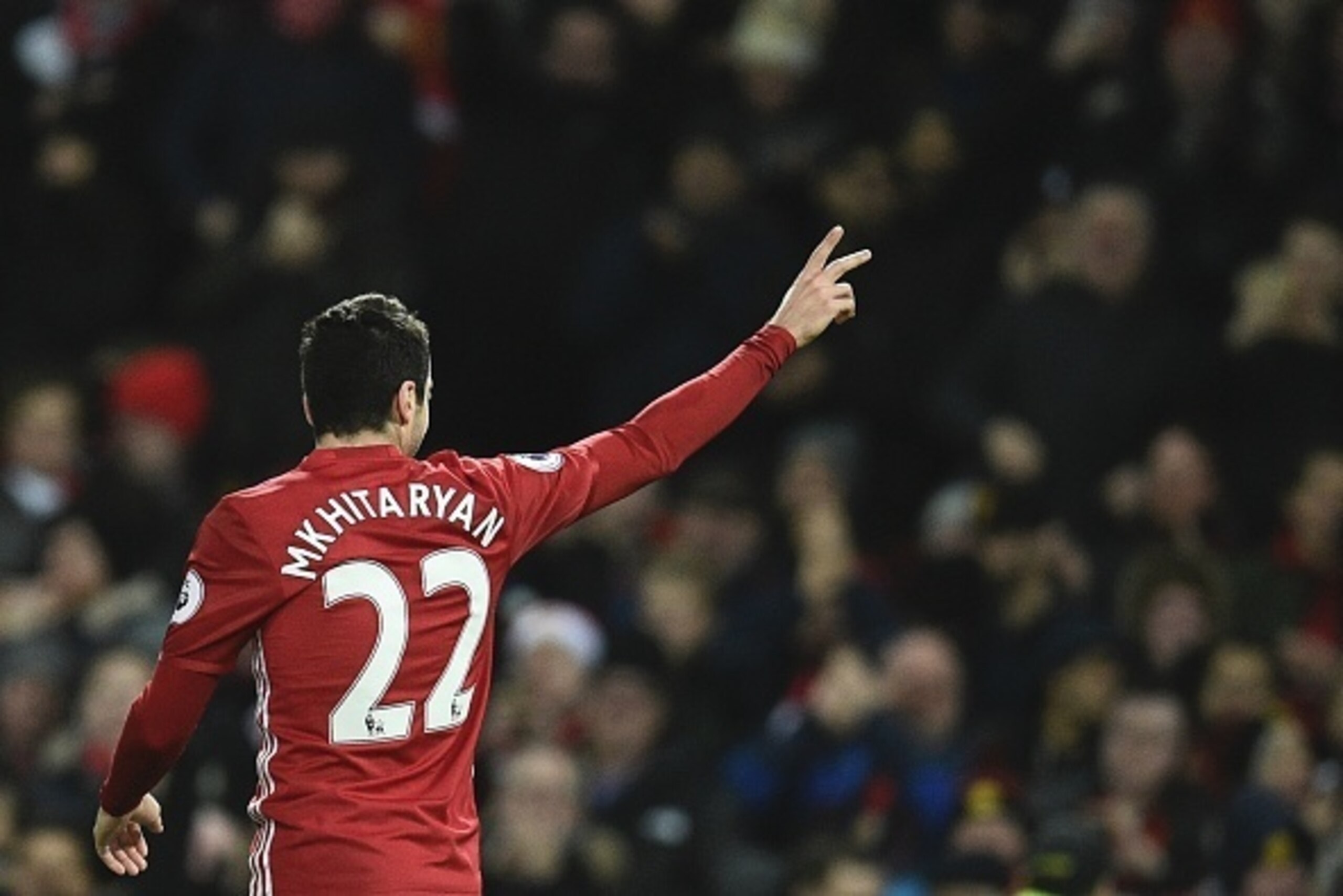
The players have justified the money spent on them, though. Ibrahimovic has scored 17 goals for the club, with Pogba key to United’s recent turnaround, Mkhitaryan finally finding his groove and Bailly already a natural leader at the back. It's a stark contrast to the club’s transfer window fortunes in recent years.
In the post-Sir Alex Ferguson age, United became the epitome of the Premier League’s waste culture, splashing cash on players without much in the way of an overriding strategy. Angel Di Maria arrived as the most expensive signing in English football history in August 2014, then left just one season later. Marouane Fellaini was signed on summer deadline day in 2013 for £27.5 million after a summer of missing out on top targets. Radamel Falcao was another signed to a big contract, albeit on loan, only to leave as a big failure.
Time and time again, they got it horribly wrong in the transfer market.
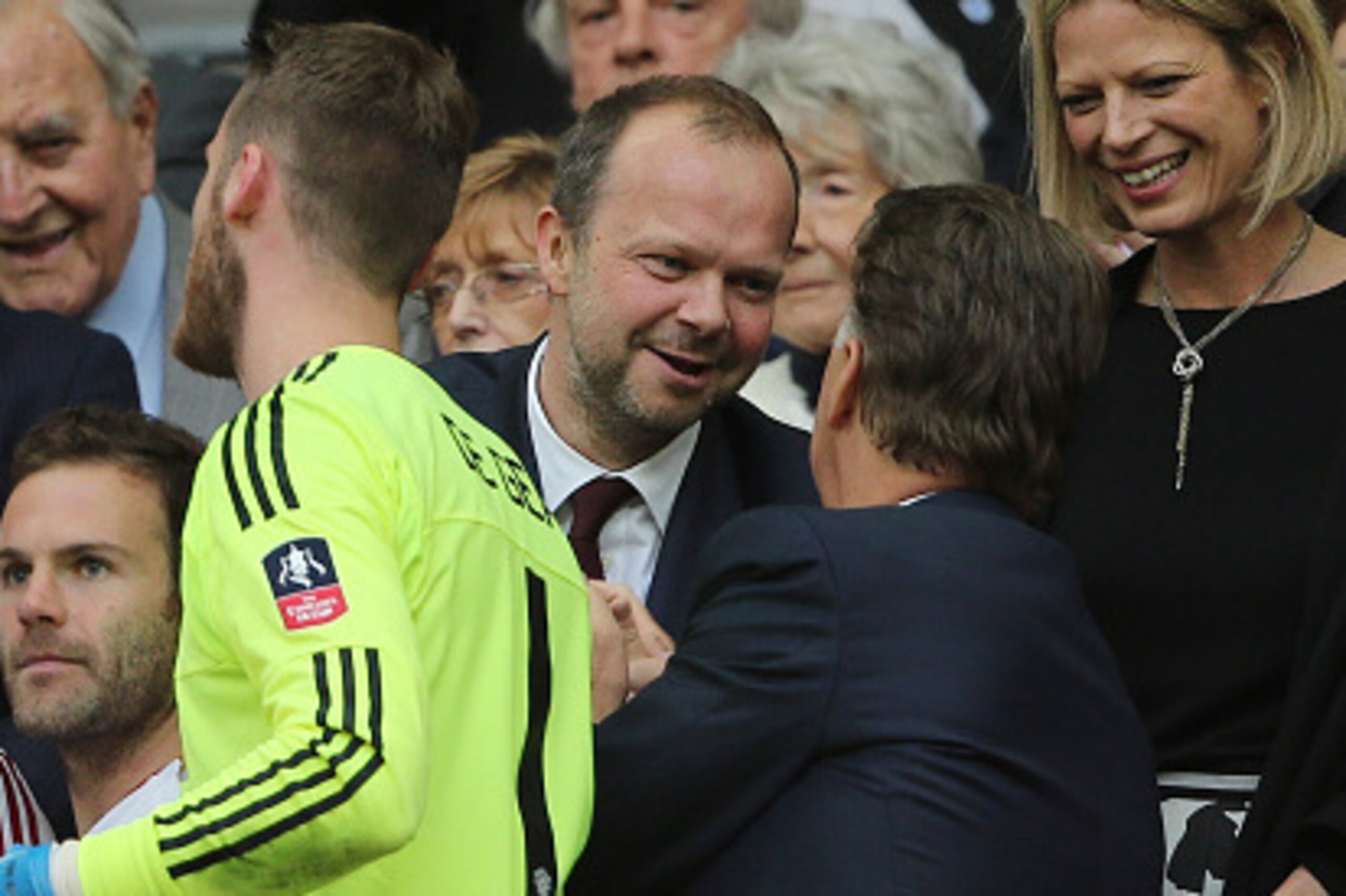
Executive vice-chairman Ed Woodward bore the brunt of the frustration over United’s wastefulness in the transfer market. He is the man charged with pushing through transfers at Old Trafford, so when the right signings failed to materialise, he was the one to blame. But was that entirely fair? Does their glowing success in the 2016 summer transfer window prove Woodward wasn’t to blame?
The transfer market success enjoyed under Mourinho suggests it is down to the manager rather than Woodward to do what is required to recruit the right players. Ibrahimovic, Pogba and Bailly are all classic Mourinho players. They have the hallmark of the Portuguese coach, so it would seem Woodward is simply charged with leading the process of signing players rather than the process of identifying them, as has been previously hinted.
In some instances, Woodward delivered new signings without much say from the manager. Ander Herrera and Luke Shaw, for instance, were both lined up before Louis van Gaal took charge. The Dutchman could have vetoed both deals, just as he did with the one to bring in Toni Kroos, but neither was his player, so to speak.
Woodward is essentially a yes man. That is what differentiates him from a general manager or director of football. He has no philosophy or strategy of his own; he is simply there to facilitate whichever manager sits on the hot seat at any given time. That means Woodward is only as good in the transfer market as the manager he takes orders from.
This is perhaps where Mourinho has made the biggest impact at Manchester United in the short time he has been at the club. He, much more than David Moyes or Van Gaal, has a plan and targeted players who would help him fulfil it. Although Moyes recently made some compelling remarks precisely about transfer strategy during his time at Old Trafford.
“I wasn’t going out to bring in seven, eight players because we had a squad who had just won the league,” he said, per Jason Burt of The Daily Telegraph. He continued:
"I wanted to give those players a chance to show what they could do and gradually make changes as I went along, not make wholesale changes.
Toni Kroos was agreed to come in the summer. I had agreed it with Toni himself and his agent. When I first went in my real target was Gareth Bale. I felt all along that Gareth Bale was a Manchester United player. I fought right until the last minute. We actually offered a bigger deal than Real Madrid, but Gareth had his mind made up on going to Real Madrid. That was, in my mind, the player I really wanted to bring to Manchester United.
The other one was Cesc Fabregas, who we thought we would get right up until the last minute. Sometimes you don’t get deals done. Gareth Bale we were probably behind all along, Real Madrid were well in for it. The Cesc one was disappointing. It was very close. And Toni Kroos came up in January, it was done. And I remember when I first met Sir Alex and he always said there was a chance Ronaldo might come back. So that was the level we were targeting.
"
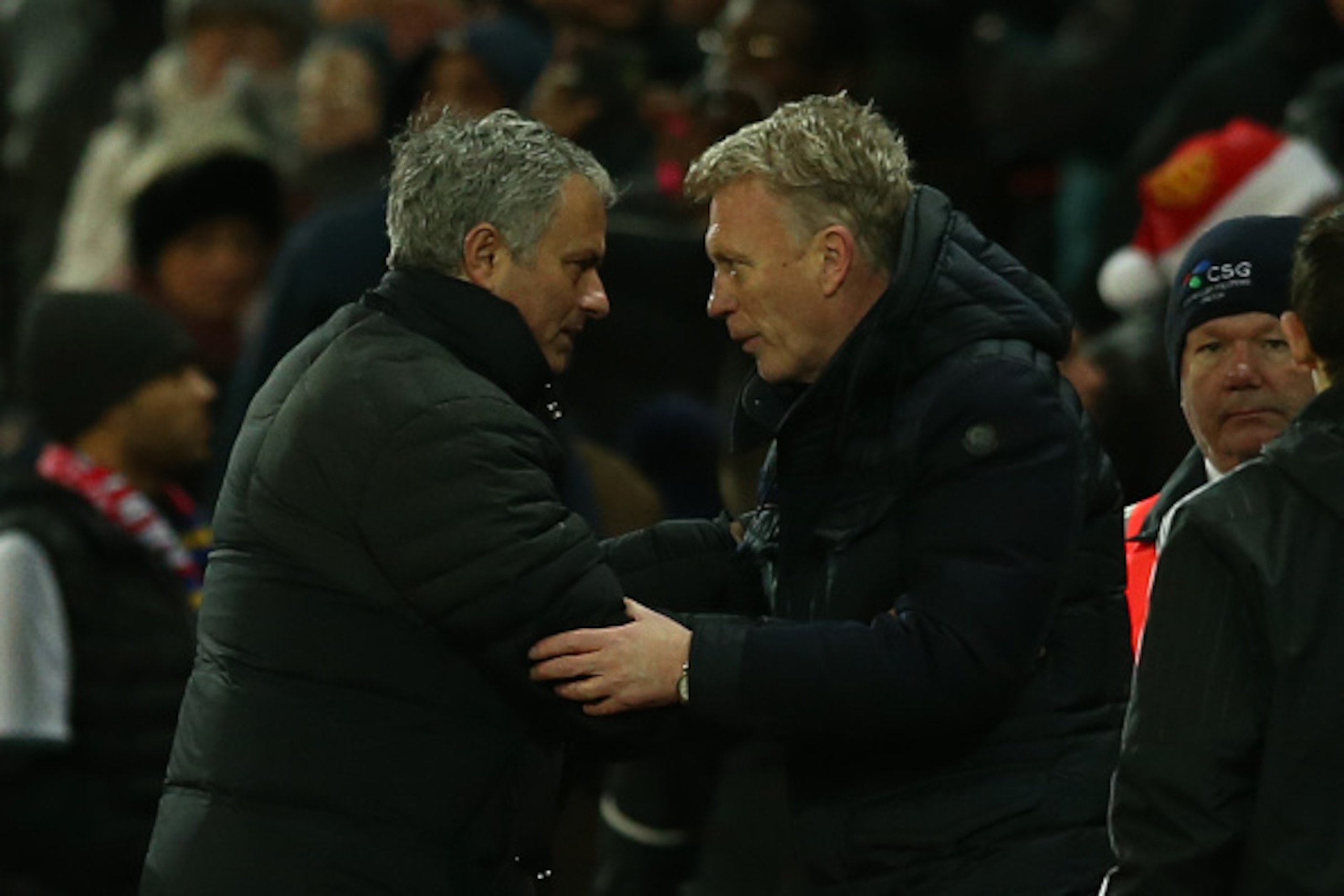
In a way, Moyes’ comments point the finger firmly at Woodward for the failure to sign the necessary players during the Scot’s short-lived stint at the club. But is it the fault of the executive vice-chairman that he was handed a list of unrealistic targets? Was Woodward to blame for failing to deliver a wishlist that would seem far-fetched in a game of Football Manager?
Part of the problem Woodward faces is one of ill definition. Nobody is quite sure of his exact role at United. Is he a commercial figurehead for the club, or the man charged with overseeing things on the football side of the organisation? The truth is likely somewhere in the middle, but football doesn’t tend to do nuance well.
Woodward has a lot to answer for. As a senior figure for one of the biggest clubs and brands in world sport, he should know better than to enter the transfer window blinded by the guidance of his club's manager. He must be smarter. That much is certainly true. But the past six months have shown how much of the criticism angled at Woodward beforehand was wide of the mark.
.jpg?w=2560)



.jpg?w=2560 "Nabers' Recent IG Post 👀")