

Pep Guardiola's Approach Costing City Points with His Players Not Up to the Job
Manchester City’s performance in their 4-2 defeat to Leicester City was an insult to every one of the travelling supporters on Saturday evening. The reigning champions, who have been nothing short of ordinary since they donned their gold badges and the Premier League resumed in August, barely had to break a sweat to beat Pep Guardiola’s team.
What a damning indictment that is of the side that ended September as most people’s tip to replace the Foxes as defending champions. How the Catalan must be wishing he could go back to the start of October, when he was unbeaten in England and everything was still looking rosy. It’s anything but rosy now.
TOP NEWS

Final Men's Ballon d'Or Rankings 📊
World Football Moments 🍿

Unranked CFB teams cause chaos in Week 8
Instead, it’s looking increasingly clear that City will be scrapping again to make it into the Champions League places this season, unless something is done quickly to sort out the major problems that have been present for roughly two years but are still yet to be addressed.
There was nothing complicated about Leicester’s attacks: Hit a quick ball into space and have a pacey forward chase it. But still Guardiola’s team managed to make it look like they were being taken apart by one of world football’s biggest forces rather than a club that could become the first reigning champions to be relegated in nearly 80 years.
The defending was laughable at best, though nobody in the away end on Saturday found it remotely amusing. At worst, it was an embarrassment—the kind of play befitting of Alan Ball’s ramshackle side that was relegated in 1996, not one that has invested hundreds of millions into its team in the last eight years.
Something has to change for City. It’s all well and good Guardiola having some of the most innovative ideas and tactical set-ups, but using the advanced settings with players that are struggling to do the basics is now causing more problems than it’s solving.
In the early days of the campaign, the inverted fullbacks were a novelty that undid Sunderland and Stoke City. It was exciting watching the defenders keep the ball under pressure and break through the lines to create goalscoring opportunities at Swansea City or in beating Bournemouth at the Etihad. In the long term, that could indeed be the best way for City to play under Guardiola.
However, with defensive options that are not up to it, past it, or bang out of form—or a combination of all three in some cases—Guardiola needs to be more pragmatic with the tools he has available. There’s a reason the defenders are continually making mistakes when they’ve been put under pressure in possession and it’s because they’re not as sure on the ball as the players at the Catalan’s previous two clubs.
The majority of that criticism has to fall to the manager, but some responsibility needs to be on the hierarchy above him. One of City’s biggest issues has been in their recruitment of players. The club made no secret of the fact they’d been courting Guardiola since sacking Roberto Mancini and went as far as saying talks had been held in 2012 when releasing a statement, per BBC Sport, announcing the latest managerial appointment in February 2016.
Director of football Txiki Begiristain is more than familiar with how Guardiola wants his teams to play having worked with him at Barcelona. He has also had a major input in which players the club targets in the transfer market. So how on earth has there been so much money spent on the defence and yet it’s still such a weak area of the team unable to cope with the Catalan’s methods?
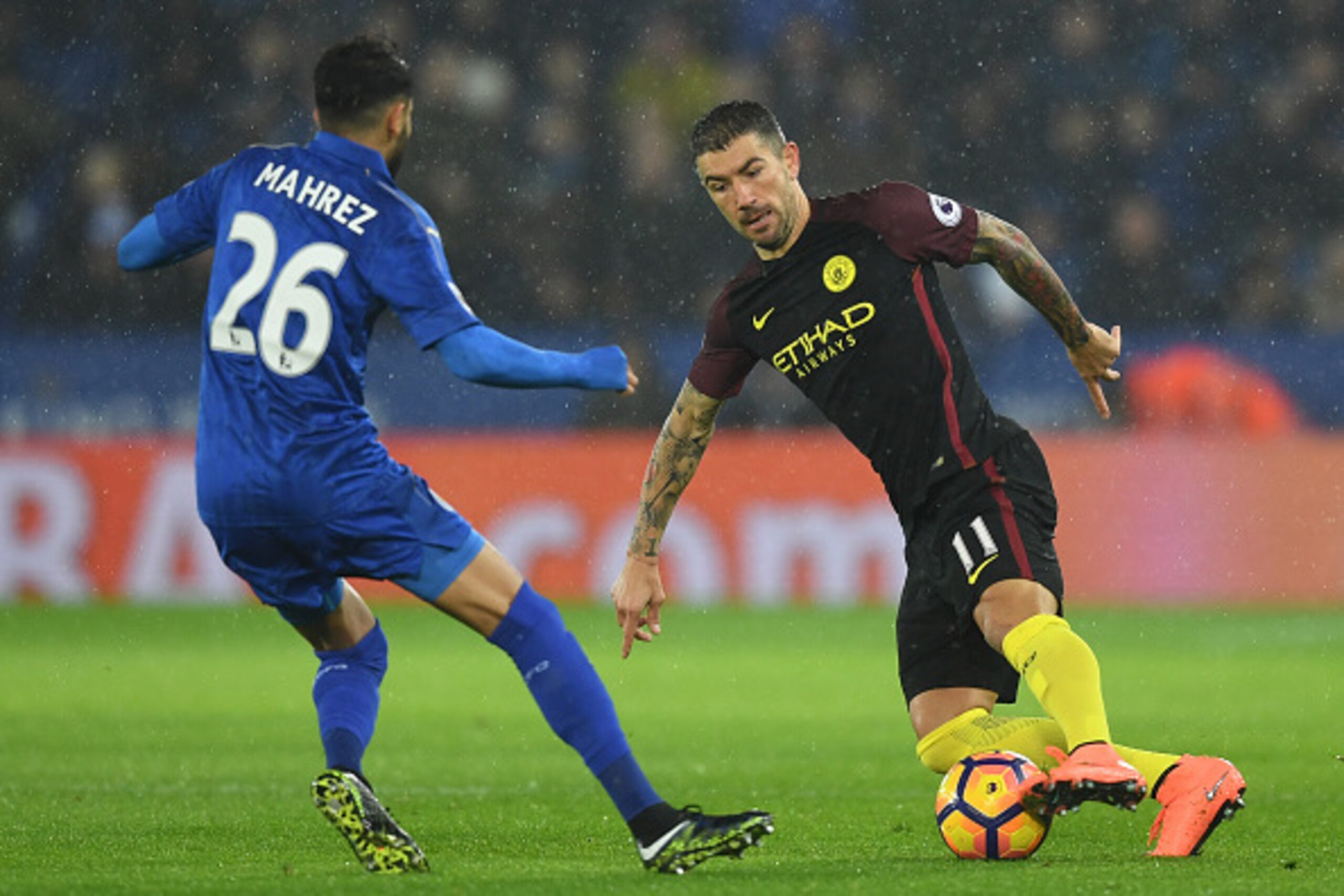
Not one of the fullbacks is up to the job of what Guardiola wants from that position. He’s resorted to moving one of them—Aleksandar Kolarov—into central defence as an attempt to make up for the shortcomings of his colleagues, but that’s an experiment that has been less than successful. Even the previously reliable Pablo Zabaleta is flagging, having already been on the wane for a season.
While Guardiola should know better than asking players to do jobs they continually prove they can’t do, he could have been forgiven for thinking he’d be walking into a job where the foundations of his style had been prepared given it had all been in the pipeline for four years.
The manager can’t know what his best defence is. He’s made more changes to his starting line-up than any other boss in the Premier League and that inconsistency could be throwing huge elements of doubt into his players’ minds. How can they possibly be sure of what they should do if they’ve got different colleagues and a different setup every week?
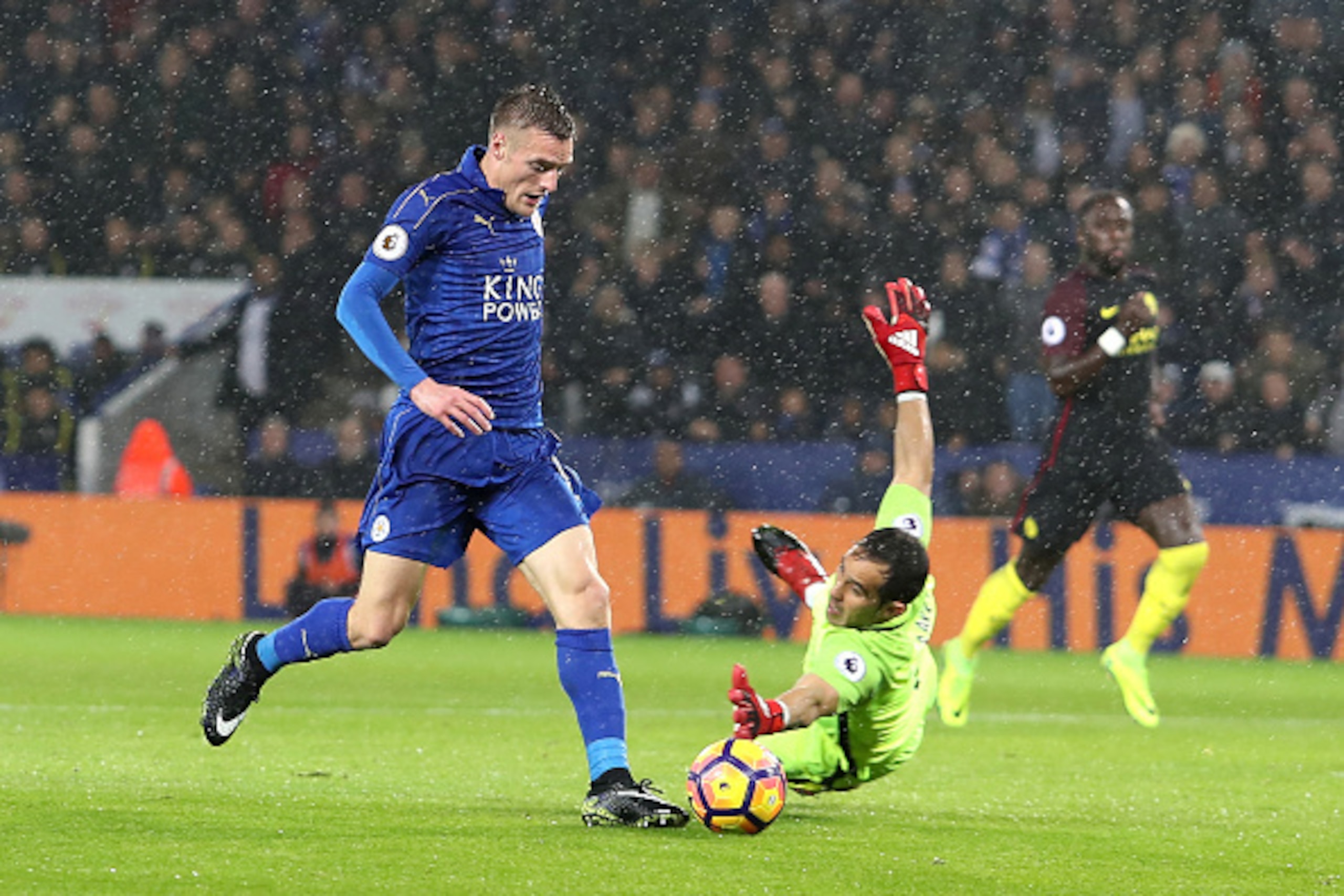
What’s worse is that they’re playing in front of a goalkeeper who is comfortable with the footwork side of things but seems to struggle with making the sort of world-class saves that his predecessor, Joe Hart—sent out on loan by the new manager—was adept at flicking around the post.
Some fans have gone in two-footed on Claudio Bravo since he arrived, still pining for the now-departed Englishman. While it’s not accurate to pin the blame on the new signing as often as has been done, he’s certainly looking like a downgrade in all but one area of his game—his passing.
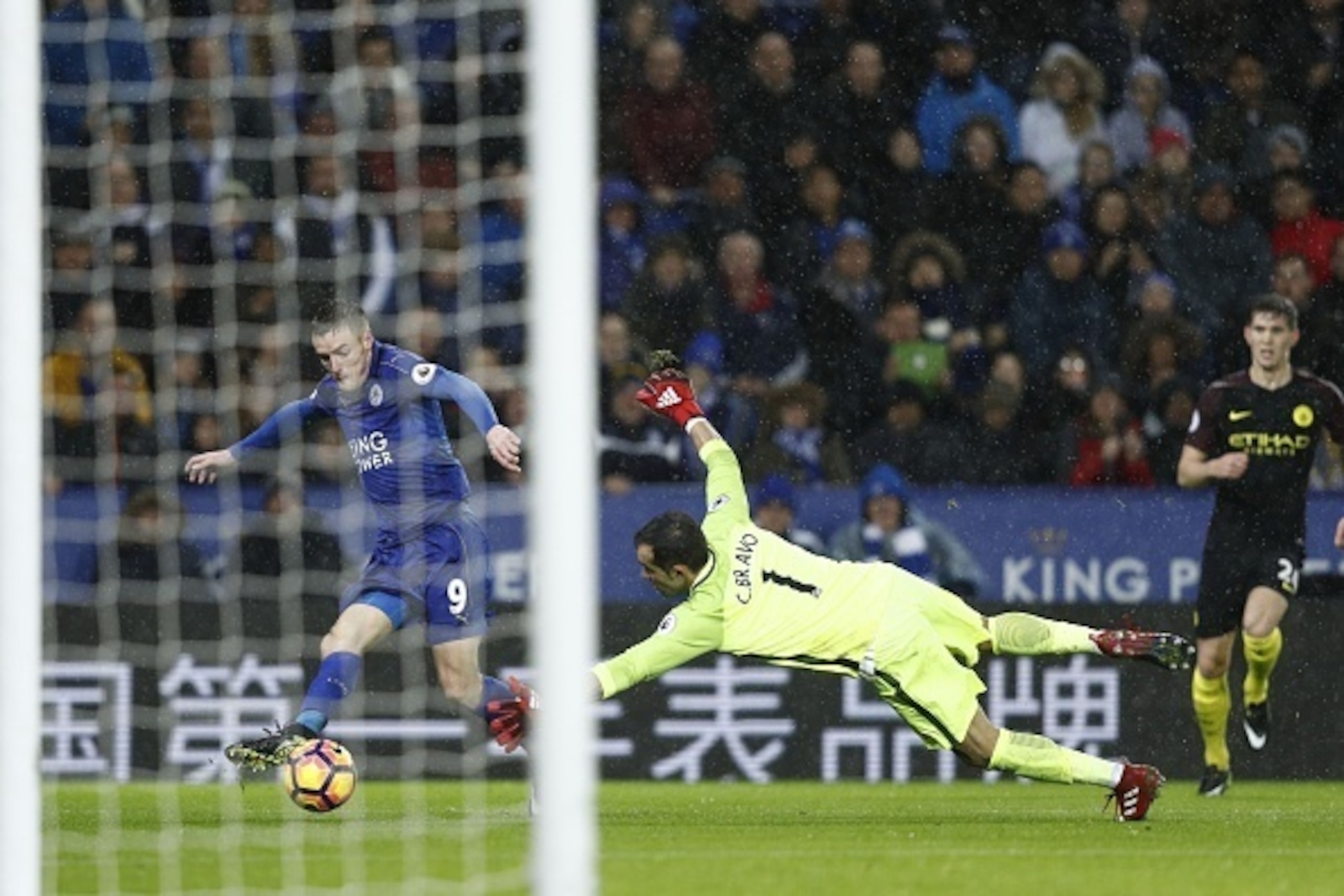
Could he have saved Andy King’s thunderbolt? Probably—but it wasn’t a glaring goalkeeper error, while Zabaleta, Kolarov and David Silva didn’t cover themselves in glory in the build-up either. And saying “Hart would have kept it out” doesn’t help the situation. He’s not coming back and he was good for a howler now and again, too.
It’s hard not to wonder how different City’s defensive performances would have been if the club had secured more of their summer targets and managed to bring in the likes of Marc-Andre ter Stegen, Leonardo Bonucci and Aymeric Laporte.
As laughable as it was, though, City’s defence wasn’t the only problem in the loss at Leicester. It’s true that conceding twice early on changed the shape of the match, but the visitors weren’t able to test Ron-Robert Zieler until late in the game, as they twice netted consolation goals in the closing stages.
Their first shot on target was in the final 10 minutes, when they were down 4-0.
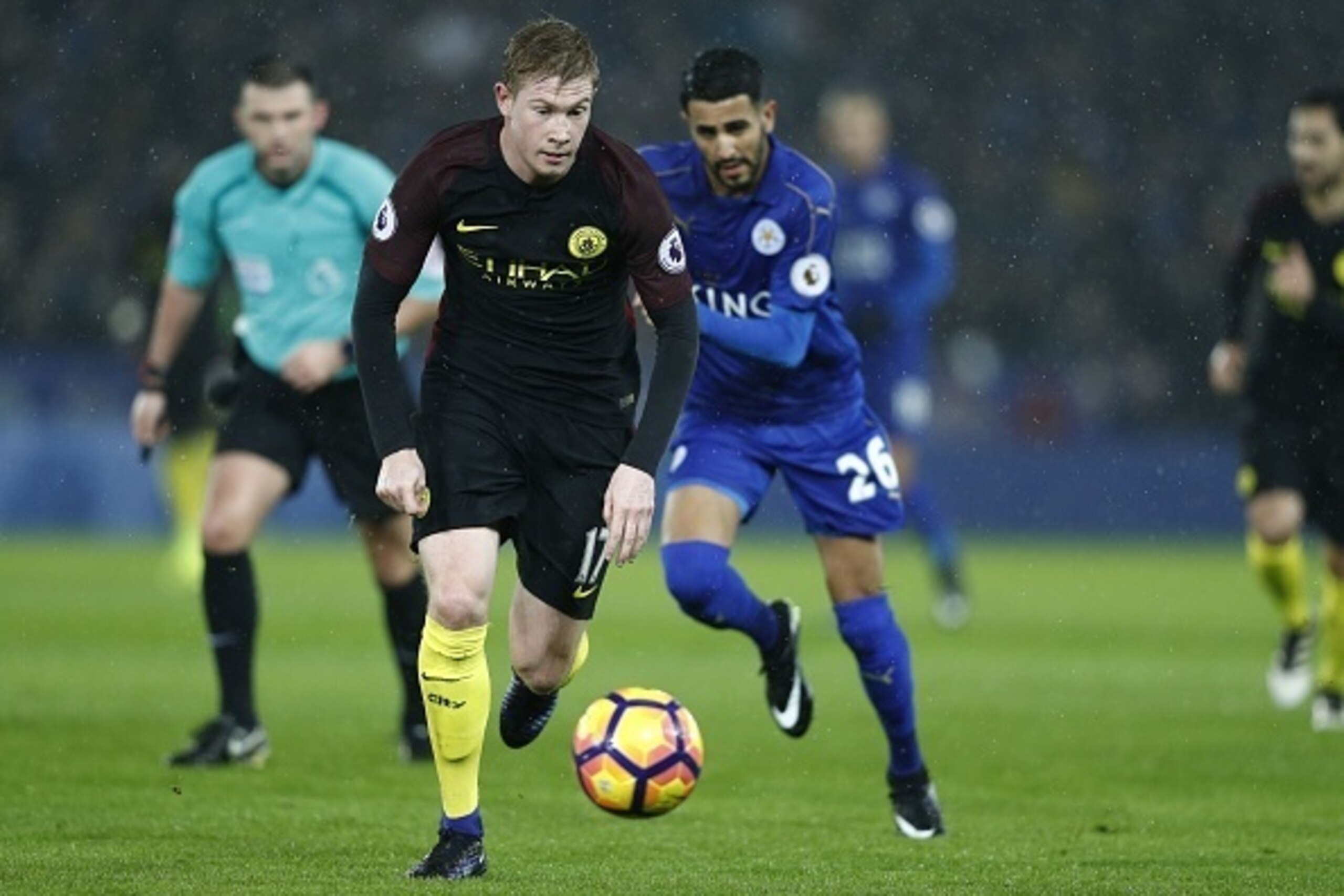
Despite a wealth of attacking talent, with the likes of Silva, Jesus Navas and Kevin De Bruyne on the pitch, the home side was never any less than comfortable with City’s build-up play. Of course, they could afford to sit in and let Guardiola’s team have possession having had a two-goal lead inside four minutes, but it was all sideways and backwards from the losing side.
Once again, there was no movement or penetration; there was no trouble for the Leicester defence, which has itself been a shambles all season. Yet for 80 minutes it was a shining example more down to City’s inefficiencies than its own stability.
At this stage in the campaign, City’s record is pretty much the same as it was last season. They’re a point better off, they’ve scored two more goals and they’ve let in an extra three. For all of Guardiola’s ideas, the results have continued on the same trend. Perhaps he’s trying to change too much too soon or perhaps the squad he’s got isn’t ready for what he’s trying to get them to do.
Either way, it just isn’t working right now. City need a regular team, a settled system and some consistency—otherwise Guardiola might end up making good on his promise to “go home” if his style doesn’t work in England sooner than he’d have been anticipating.


.jpg?w=2560 "Jonathan Taylor Landing Spots 📍")





