

Monaco Magic as Tottenham's Conquerors Become Europe's Entertainers
Nobody in France, or Portugal for that matter, expected anything quite like this.
For the second time in three years, coach Leonardo Jardim is making waves in the Champions League. Having already beaten Tottenham Hotspur home and away—and deservedly so, in both cases—Monaco will finish their group-stage campaign as winners of Group E no matter what happens on Wednesday night against Bayer Leverkusen.
Jardim has left a clutch of his starters—including Bernardo Silva and Radamel Falcao—at home for a rest ahead of Saturday’s trip to Bordeaux, where a win would take them top of Ligue 1 ahead of leaders Nice’s visit to reigning champions Paris Saint-Germain on Sunday night.
TOP NEWS

Final Men's Ballon d'Or Rankings 📊

Carrick Replacement Options 📝

Unranked CFB teams cause chaos in Week 8
Yet such is the firepower and versatility at Jardim’s disposal at the moment that Leverkusen can be grateful that they too are already assured of safe passage to the last 16.
Monaco have scored 49 times in the first 16 Ligue 1 games of the season, following Saturday night’s 5-0 demolition of Bastia. The collective goalscoring threat they possess is underlined by the fact that they don’t have a player in the top three of Ligue 1’s individual goal charts, with the resurgent Falcao and Guido Carrillo tied on seven apiece.
It is a tribute to Jardim, who arrived from Sporting Clube de Portugal in 2014 a couple of months before his 40th birthday, already with an impressive smattering of experiences and achievements but also with a lot to prove.
His reputation was as a safety-first coach, and he was replacing a very popular figure in Claudio Ranieri, who had guided Monaco from the bottom of the second tier to second place behind PSG, albeit with a good deal of investment behind him from billionaire owner Dmitry Rybolovlev.
The new man was quickly in trouble. Monaco lost their opening two matches in Ligue 1 under Jardim, the second of them a 4-1 hiding at Bordeaux after they had led and looked comfortable at half-time. After five games, they were second-last in the table, and the talk was that Jardim had misjudged the pace and physicality of French football. There were even suggestions that he could lose his job already.
The appointment was already under close scrutiny, inside and outside the club, which had made a considerable investment in the young Portuguese.
Many considered Ranieri’s removal needless—he walked out the front door at the Stade Louis II with his head held high, in similar circumstances to the one in which he left Chelsea—and expensive. As France Football wrote at the time (h/t Foot Mercato, in French), Monaco agreed a €4.5 million payoff to Ranieri and had to spend another €3 million to meet the release clause in Jardim’s Sporting contract.
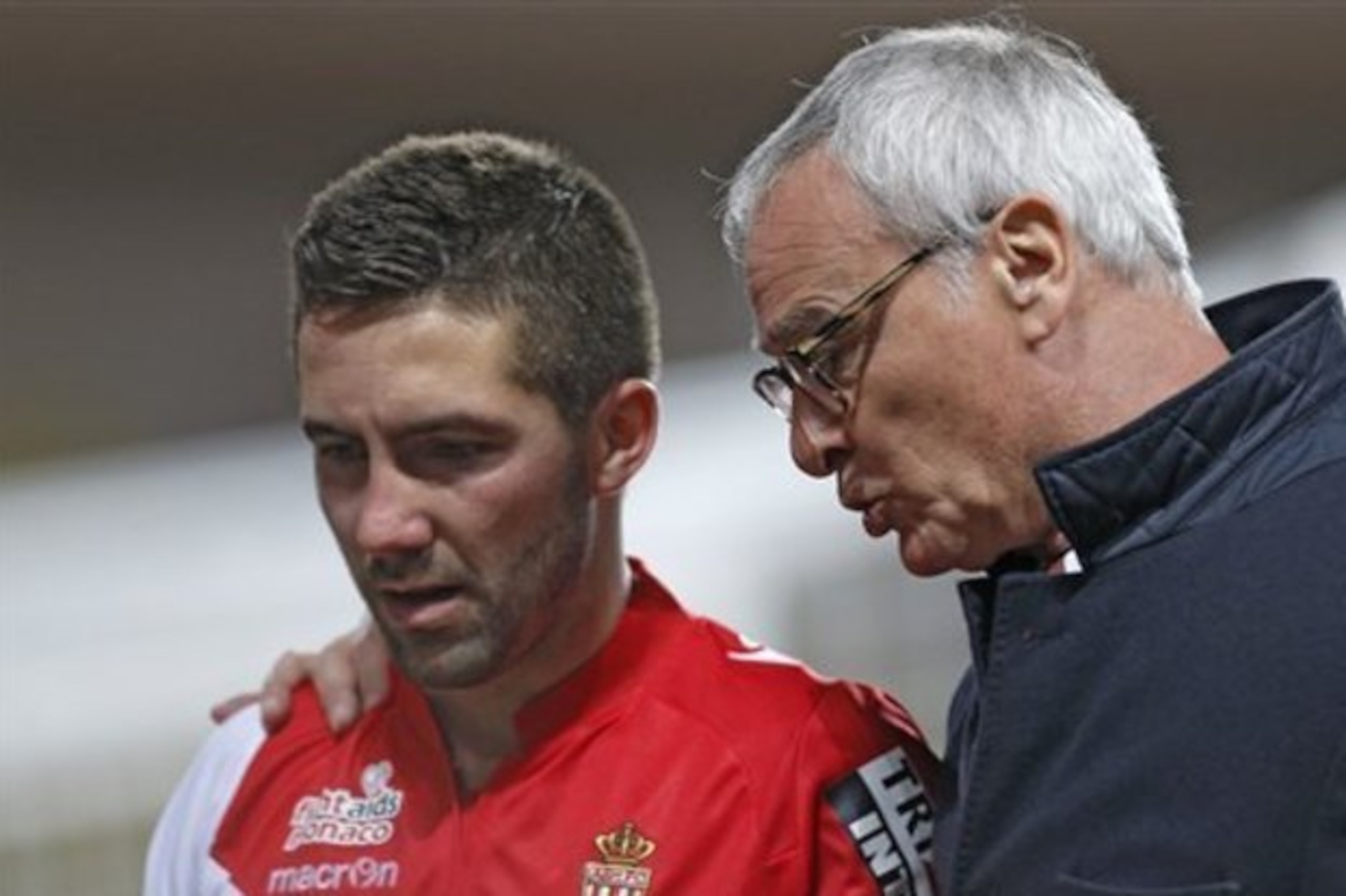
It put Monaco in a spot. The players initially loved his ball-focussed training sessions (wouldn’t any player?), but when it came to the matches, it seemed that they were short of the required stamina in one of Europe’s more physical leagues. By the end of November, and 15 games into the Ligue 1 season, they were 10th and going nowhere.
Then, Jardim’s toughness emerged and began to fully transmit to his team.
In the 11 league games that followed, Monaco conceded just once, at Guingamp. Overall, they conceded just eight times in their 23 Ligue 1 matches from December onwards. They had used the Champions League almost as a training arena to perfect this stifling approach. Their soak-and-counter method helped them concede just once in six group matches and was a springboard to their spectacular elimination of Arsenal, before running eventual finalists Juventus close in the quarters.
Yet there was extensive chatter about Jardim’s position at the end of last season, too.
There is no other way of describing the coda to Monaco’s 2015-16 season than as an implosion. At the end of February, with 11 games to go, they had an eight-point cushion in second place (synonymous with the second automatic Champions League qualification spot), and were 10 clear of Lyon, the previous season’s runners-up.
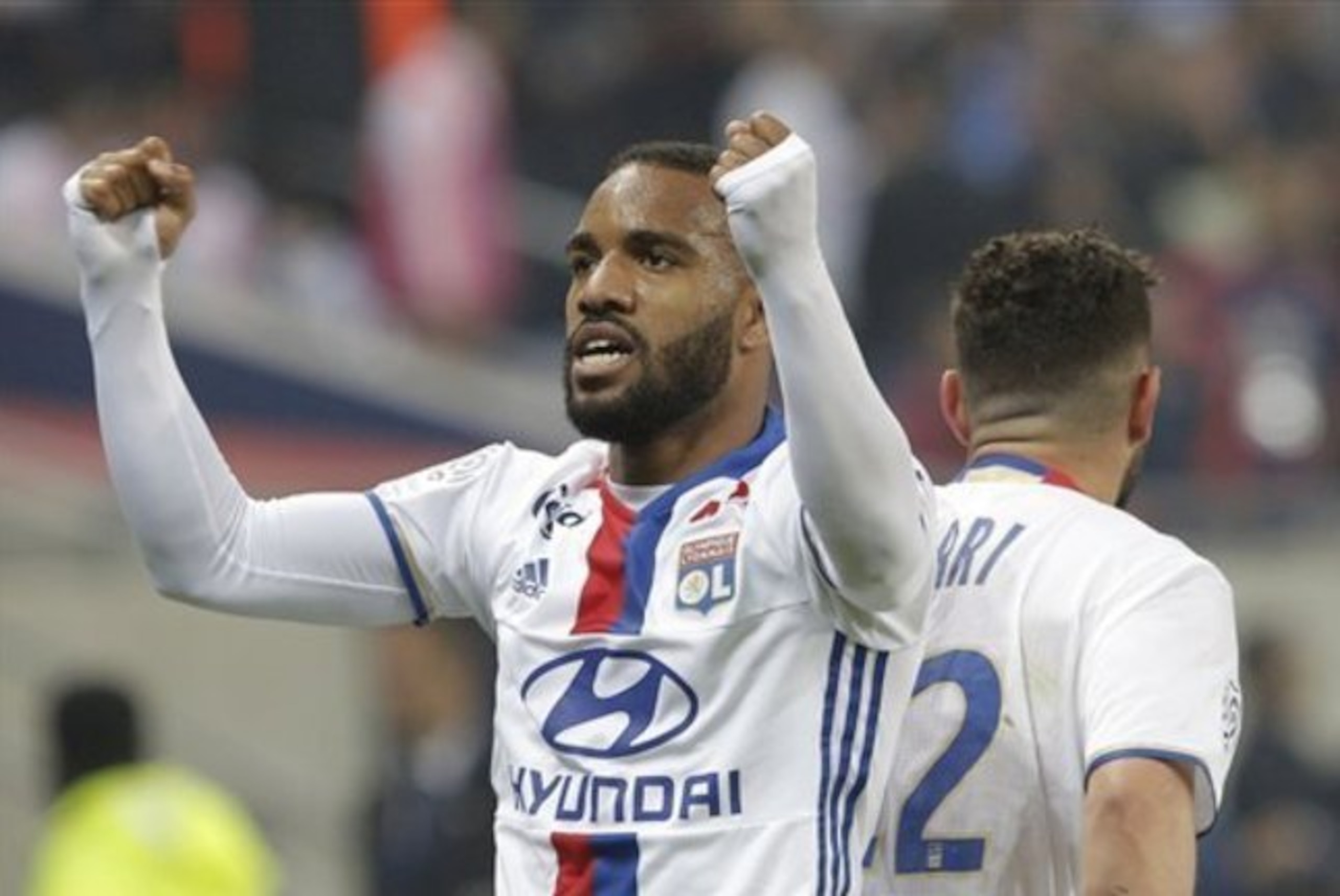
Lyon leapfrogged Monaco, definitively, on the penultimate game of the league season, flaming their rivals 6-1 in what was effectively a Champions League playoff, with Alexandre Lacazette netting a hat-trick.
It was brutal, but it had been coming. The sturdy defending that had been one of the team’s main characteristics under Jardim had gone out the window. They conceded 50 goals in Ligue 1 last season in all, having let in just 26 in 2014-15.
Much of the summer investment set about fixing this creaking defence, with full-backs Djibril Sidibe and Bernard Mendy joining Poland centre-back Kamil Glik—surely the bargain of the summer at €8 million from Torino—on Le Rocher. Sidibe and Mendy have both been excellent, but their arrival also freed right-back Fabinho to permanently take up the post of midfield sentinel, a crucial difference in Monaco’s shape.



It’s this base that has allowed them to be so bold in the front half of the pitch. For several weeks, Jardim has been playing a 4-4-2 with Bernardo and Thomas Lemar—gifted midfielders who would be straight-up playmakers in many other sides—as nominal wide men.
They are free to drift in, alternately sprinkling their magic and supporting the central two, while the full-backs dart outside to great effect—as when Mendy set up Sidibe for the opener in November’s win over Spurs.
One of the main beneficiaries has been Falcao. His imperiously taken brace against Bastia recalled El Tigre of old.
The raw numbers tell you that he has only started six times in Ligue 1, but his influence has run through the whole season, beginning with his role in the first leg of the Champions League's third qualifying round with Fenerbahce. His partnership with Valere Germain (who was also loaned out last season) clicked immediately, and persuaded Jardim that 4-4-2 really was a goer.
Incidentally, Ranieri never really seemed convinced that the Colombian could flourish in his own interpretation of the same shape.
As with the 2014-15 team, the pieces are interchangeable in the system, with fringe figures like Gabriel Boschiglia pitching in.
Carrillo, having looked set for a short and inglorious career in Monaco given his poor start after arriving from Estudiantes in 2015, is also profiting from the team’s change in style. Having scored once every 11.3 shots (or every 399 minutes) in his debut campaign, the Argentinian is finding the back of the net every 77 minutes this season (2.7 shots per goal), per WhoScored.com.

This, then, is the second good side that Jardim has brought together at Monaco. The guts—and much of the bright future—of those Champions League quarter-finalists were ripped out pretty quickly, with Yannick Ferreira Carrasco, Layvin Kurzawa, Aymen Abdennour, Geoffrey Kondogbia and Anthony Martial all sold in the summer transfer window of 2015.
The club cut him some slack over last season’s collapse in the light of that and has been rewarded.
Jardim may have changed tack, but has never really deviated from his core principles—that footballers should train with the ball. “It's a bit like a pianist,” he told me in October at the club’s La Turbie training centre (published on uefa.com). “He isn't running around the piano. He plays.”
The joie de vivre of that philosophy is seeping out apace now. Dare we say it even recalls Didier Deschamps’ swashbuckling Monegasques that went all the way to the 2004 final before falling to Jose Mourinho’s Porto?
Watch this space.



.jpg?w=2560 "Jonathan Taylor Landing Spots 📍")

.jpg?w=2560 "Why Josh Simmons Was Told to Leave Meeting by Mahomes, Reid Revealed in New Chiefs Rumors")


