

Breaking Down the New York Rangers' Surprising Success in 2016-17
The New York Rangers looked like a spent force last spring. After two deep playoff runs in the preceding years, the Rangers lasted just five games against a vastly superior Pittsburgh Penguins team. Given the age of some of their key players, that series loss could have been taken as a harbinger of things to come.
Instead, New York has looked like a team reborn in the early part of 2016-17.
The improvement has been across the board:
.jpg?w=2560 "NHL Trade Grades Connor Hellebuyck")
- The club’s score-adjusted Corsi rating is up two full percentage points from last year (from 48 to 50 percent), meaning that the Rangers are doing a better job of winning the territorial battle.
- The Rangers are averaging 4.1 goals per game and allowing just 2.3 goals against per game. This compares to last season where those numbers were 2.8 and 2.6, respectively. While it’s unrealistic to expect New York to maintain this torrid pace, an improvement on last year’s season-end totals seems probable.
- The penalty kill has improved dramatically, going from a 78 percent success rate last season to nearly 84 percent this year. The growth has been driven by massive progress in shot suppression. In 2015-16, the Rangers allowed 98 shot attempts against per hour in 5-on-4 scenarios; in 2016-17, that number is down to just 84 attempts against, one of the best totals in the NHL.
- The power play has gotten better, too. Not only are the Rangers shooting the puck more, but the team’s efficiency rating has gone from 18.6 to 21.6 percent.
Those are impressive figures, and while there’s an element of lightning in the bottle to some of New York’s early success, there also appear to be substantive improvements that should stand the test of an 82-game campaign.
We should probably start with the big item powering the team’s run which won’t be sustainable.
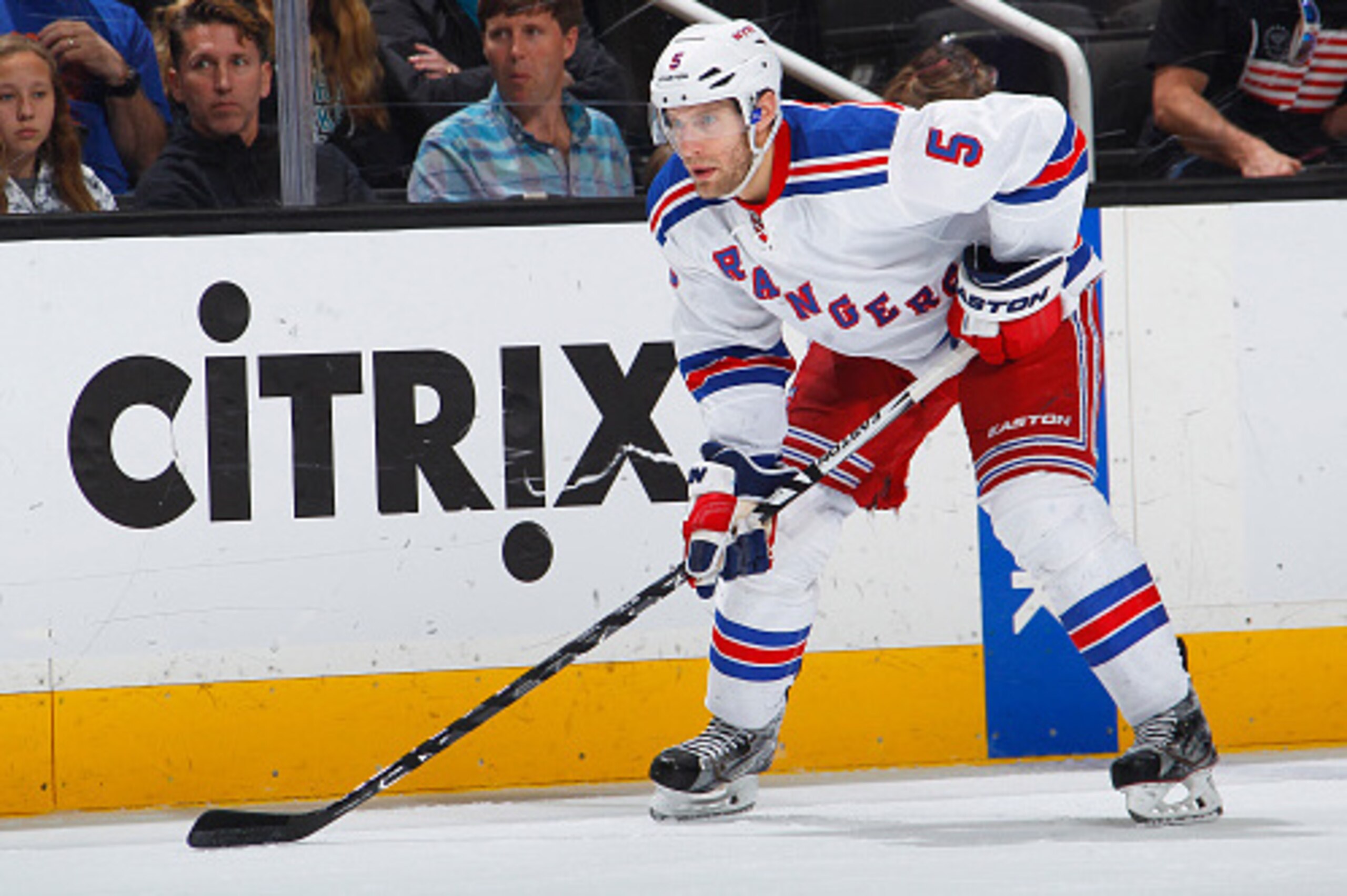
New York’s shooting percentage at five-on-five is a glorious 12.3 percent. That will not last. Only one team in the analytics era (since 2007-08) has played 82 games and hit double-digits in shooting percentage. The Rangers led the NHL last season at just under 9.0 percent in that category. Going forward, we can reasonably expect them to score three fewer goals for every 100 shots they take than they have so far.
However, a lot of other positives are going to stay.
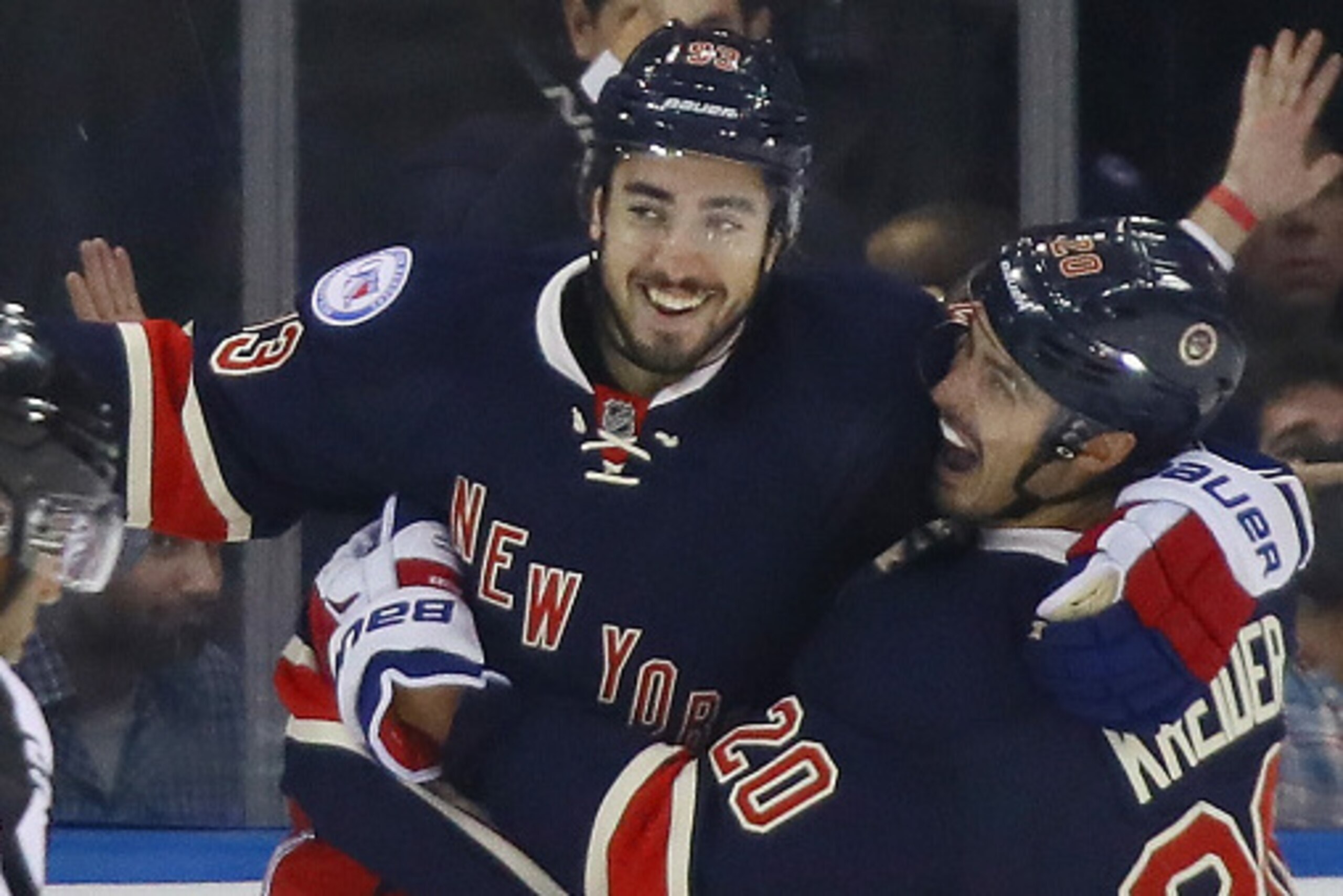
The addition of Mika Zibanejad over the summer was inspired. The 23-year-old leads all Rangers centers in even-strength ice time, and although he’s been used sparingly on the penalty kill, he’s an all-situations player. His line—the only New York forward unit that won’t be hurt at all when shooting percentage normalizes—is winning the battle on the shot clock and by scoring chances while playing tough minutes.
High-profile free agent Jimmy Vesey has also been a quality addition. Although Vesey’s underlying numbers aren’t all that exceptional, he’s a capable scorer. More importantly, he’s on his entry-level deal, and in a salary-cap world, a competent middle-six scorer on a cheap contract is incredibly valuable.
Behind those lines, New York has an incredibly productive bottom-six, made up of a combination of quality young players and dirt-cheap free agents. Michael Grabner and Brandon Pirri have a combined cap hit of less than $3 million this year, and the two have already combined for 14 goals and 22 points. Those two are playing with a quartet of under-25 players, all of which should continue to improve as they approach their peak production years.

Defense remains an area of serious concern, the club’s Achilles’ heel. Head coach Alain Vigneault’s approach to the problem seems to be to take the same tack that Pittsburgh took last season: Play one guy a ton and lean on the forwards to push the balance of play in the right direction. It worked for Kris Letang and the Penguins, and so far it’s been effective for Ryan McDonagh and the Rangers.
The strength of the Rangers’ forwards has allowed the team to thrive despite not only a suspect blue line, but also through a slow start from cornerstone goaltender Henrik Lundqvist. Lundqvist, who in the early going has been outplayed by backup Antti Raanta, will come around, as he has after slow starts in past seasons.
Things are going well for New York, too well to continue at this level. Nevertheless, this season’s edition is a vast improvement over 2015-16. Not only does it do a better job of tilting the ice in its favor, but it has four lines capable of finishing off the chances they get.
Once Lundqvist gets back to being Lundqvist, that should be enough to keep them a legitimate contender in the competitive Metropolitan division.
Statistical information courtesy of Corsica.Hockey, Stats.HockeyAnalysis.com and Hockey-Reference.com.
Jonathan Willis covers the NHL for Bleacher Report. Follow him on Twitter for more of his work.




.jpg?w=2560 "Jonathan Taylor Landing Spots 📍")





