

Manchester City Their Own Worst Enemy as They Struggle for Form
It had all been looking rosy for Manchester City toward the end of September. Pep Guardiola’s side had beaten every opponent they’d faced, and despite one or two difficult moments in matches, they had been putting in great performances and were tipped as runaway title-winners.
It didn’t matter that they’d played only 10 games in all competitions; onlookers were impressed with what the manager had done in such a short space of time.
Imagine what would happen when the team were starting to better understand the Catalan’s ideas.
TOP NEWS

Sullivan, Hall Lead USMNT to Big Win 💥
Int'l Break Goals and Highlights 🔥
.jpg?w=2560 "Saints Lions Football")
Rap: Lions, LaPorta End Contract Talks
Unfortunately for City fans, football doesn’t work like that.
The judgement was far too premature, and City are facing a battle to regain top spot in the Premier League. They’re out of the EFL Cup, admittedly their fourth-choice competition this season, and needed to put in perhaps their best display in a generation when they beat Barcelona to regain a sense of control in the Champions League.
City weren’t especially lucky throughout their opening 10 games, but at times, fortune was on their side. It perhaps hasn't been since. Despite dominating against Sunderland in the first match of the season, they were only able to win through a last-gasp own goal after creating few chances.
Referee Mike Dean could have awarded Stoke City another penalty at a crucial time in the fixture that City eventually won 4-1 at the Bet365 Stadium in August—and it could have been a much different outcome.
Sergio Aguero should have been sent off in the home win over West Ham United too.
None of this is to suggest that City were undeserving of their victories in that time—they were absolutely on top of their matches—but rather demonstrate that they were getting the bounce of the ball, something that seemingly dried up through October and the start of November.
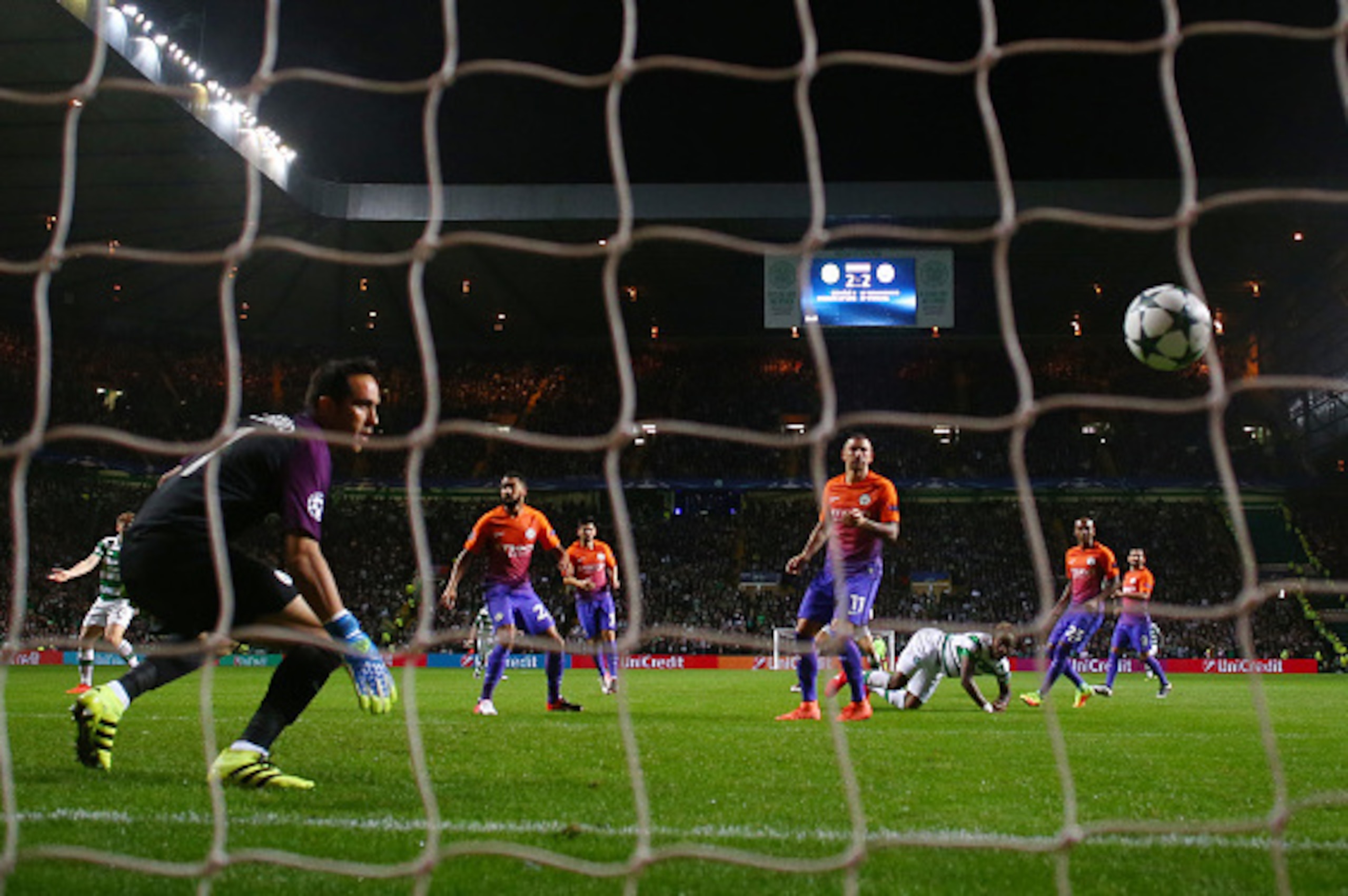
Guardiola’s side can’t catch a break, and every error is being punished. It began with some loose defending in the Champions League match with Celtic, as City failed to win for the first time this season as the Scottish side held them to a 3-3 draw. That result seemed to be a knock to the confidence, and barely a match has gone by since without a mistake or a mishap.
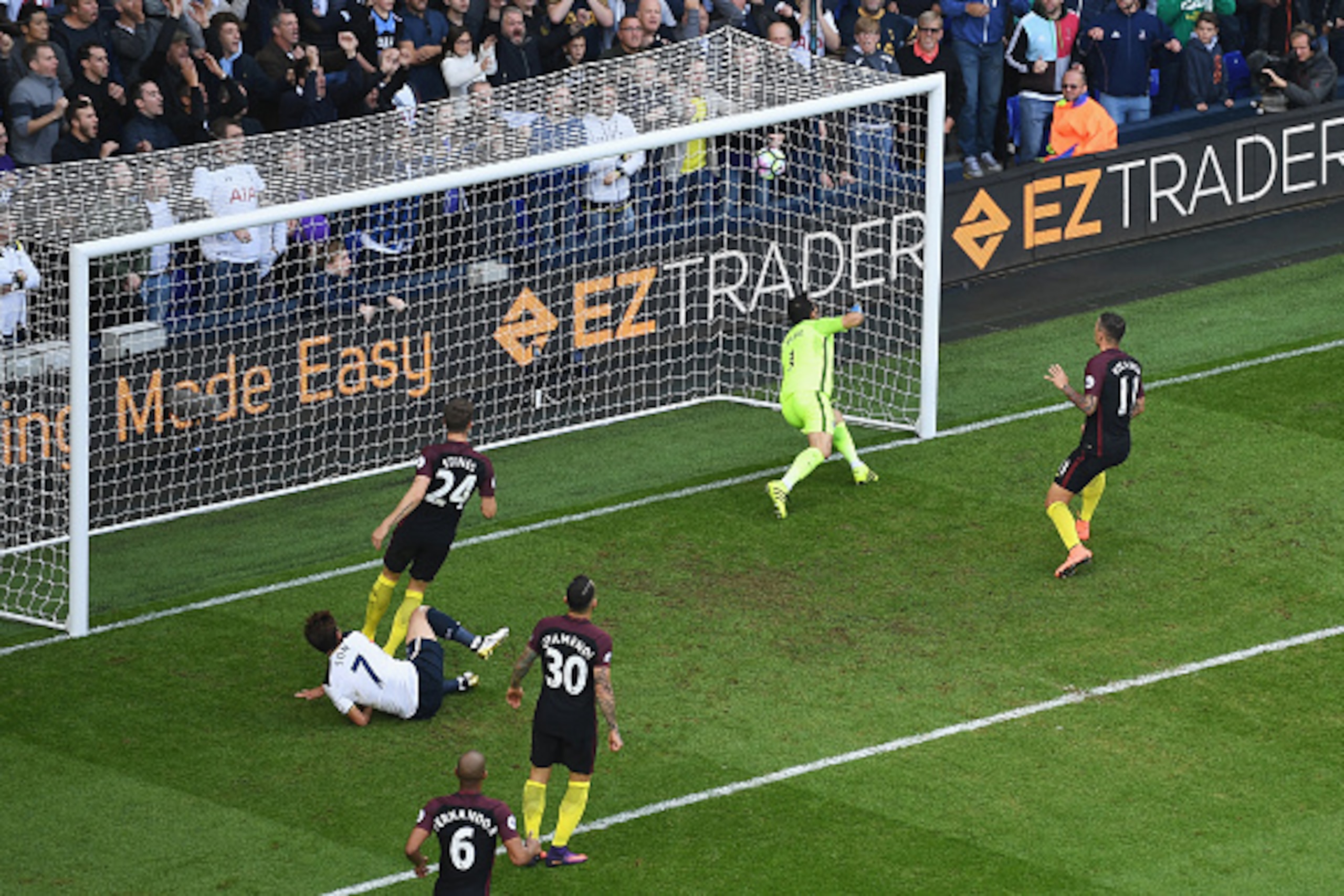
The good form immediately disappeared, and results took a turn for the worse. A defeat at Tottenham Hotspur was followed up by league draws with Everton and Southampton, with a Champions League loss to Barcelona wedged in the middle. In each of them, City were the architects of their own downfall.
Aleksandar Kolarov had time to do plenty of things with a cross heading his way at White Hart Lane, but he ended up putting the ball into his own goal. It had been an even contest in the early stages, but City never got going after falling behind.
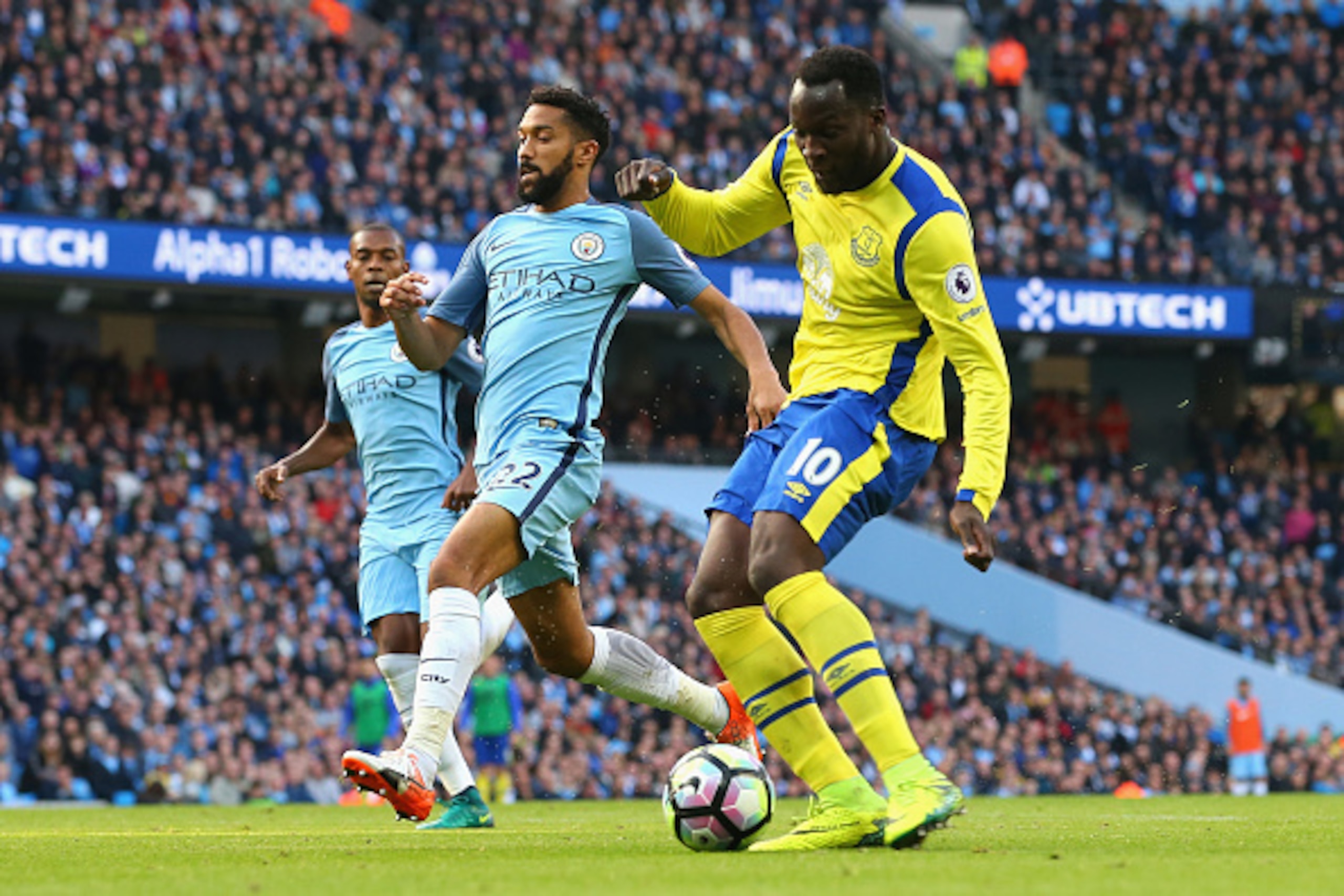
A defensive disaster, as Nicolas Otamendi went wandering, John Stones dived in and Gael Clichy showed Romelu Lukaku on to his strongest side, allowed Everton to take the lead at the Etihad Stadium.
Stones went one better in the fixture with Southampton, as he didn’t bother checking whether Vincent Kompany was in position to receive a pass and ended up playing Nathan Redmond clean through for a one-on-one with Claudio Bravo.
The goalkeeper’s mistake, which resulted in his red card at Barcelona, has also been well documented.
It meant City went on a six-game winless run, the longest such spell of Guardiola’s managerial career, and it seemed to bring the club’s season crashing down. Less than a third of the way through the campaign, that’s clearly still a premature judgement. However, the new manager is now finding that the air of invincibility is difficult to regain once it’s been lost in the Premier League.
Under Roberto Mancini, as the Italian took charge of the first great Sheikh Mansour-era City team, the supporters rarely went to the Etihad feeling like the opposition would be a tough test. Unless it was one of the top flight’s big guns or a match in the Champions League, a competition Mancini never cracked at City, the fans could be confident of winning with relative ease.
The same could be said of Manuel Pellegrini’s first season in charge—though he quickly found that below-par performances at home would lead to opponents putting up more of a fight. There were plenty of times in 2015-16 when supporters went to Eastlands justifiably worrying about a defeat.

Guardiola changed that when he arrived, but the blip he recently suffered might be opening doors for opponents. Where there was confidence at the beginning of the season, supporters still remain sceptical that their side can go through 90 minutes without shooting themselves in the foot—most of City’s draws and defeats this season have come through their own errors, after all.
When Mancini and Pellegrini had control of the team, the defence wasn’t obliged to play from the back, as neither manager used it as a means of building an attack. For Guardiola, drawing the opposition out is the best way to create space—so keeping the ball under pressure with the back four, instead of putting it safely into the stands, is key.
By definition, that will create more opportunities for mistakes—though the theory is that it opens up many more shooting opportunities for City when it’s done properly.
As mistakes became more frequent, the manager was regularly questioned as to whether he’d change his style, and he continually said he felt it was the best option for the team. That’s music to the ears of any opposing team in a tight match—they only need to keep the score close because, the way City’s luck is at the moment, they’re going to get a chance and will probably take it.
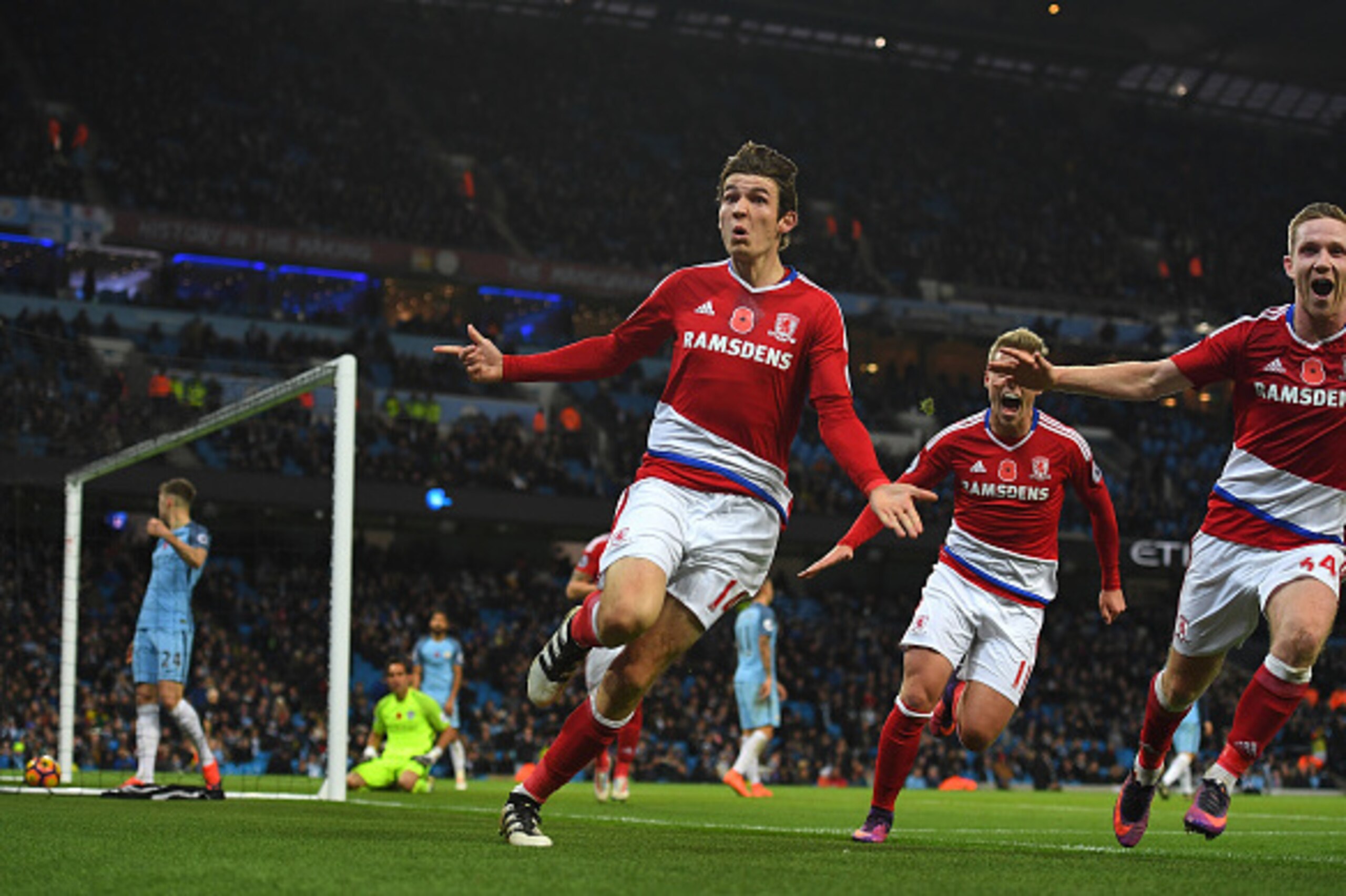
Middlesbrough left their box twice in the recent 1-1 draw at the Etihad. Their game plan worked a treat, as even after City opened the scoring, the Teessiders kept things tight and only began to take more risks as the game neared its end. With Guardiola’s side not killing the match off, they capitalised on a cross not being closed down by Pablo Zabaleta and a poor jump from Clichy to equalise in stoppage time.
It perhaps underlines just how much work Guardiola has to do at his new club. Moulding this team into his style will be no easy task, and the first 10 matches of the campaign probably gave everybody a false sense of what he was going to get out of the players, though the next nine didn’t do them justice, either.
As is the way with most things, the truth lies somewhere in the middle.
With title rivals Chelsea, Liverpool and Arsenal seemingly getting better week on week, it’s important that City shore up and stop being the architects of their own downfall. It’s the tightest Premier League at this stage of the season since 1996, so someone is likely to punish the club if they continue to drop points.
It’s fine to not win games, and it will sometimes be that their opposition are just good on the day—but Tottenham aside, has that happened this season, or have City been too guilty of gifting points away?
They’re a work in progress under a manager whose style is different to anything the club has seen before. Guardiola often says he and the team are still learning, but the mistakes that are costing City points are occurring far too frequently, and it could leave them with too much work to do after Christmas.
If the Catalan doesn’t win the title this season, will he be looking back at the draws with Everton, Southampton and Middlesbrough—three games his team should have won—as the biggest opportunities lost?
.jpg?w=2560 "Report: Baker May Miss Up to 6 Weeks")
.jpg?w=2560 "EVERY Fantasy Football Update")
_0.png?w=2560 "Week 5 Winners & Losers 📊")

