What Do Manchester United Most Need to Address After the International Break?
The international break is not exactly a break for many of Manchester United's players. But while they are jetting around the globe with their national teams—or getting some well-deserved rest in the case of Zlatan Ibrahimovic—manager Jose Mourinho has an opportunity to draw breath and do some planning.
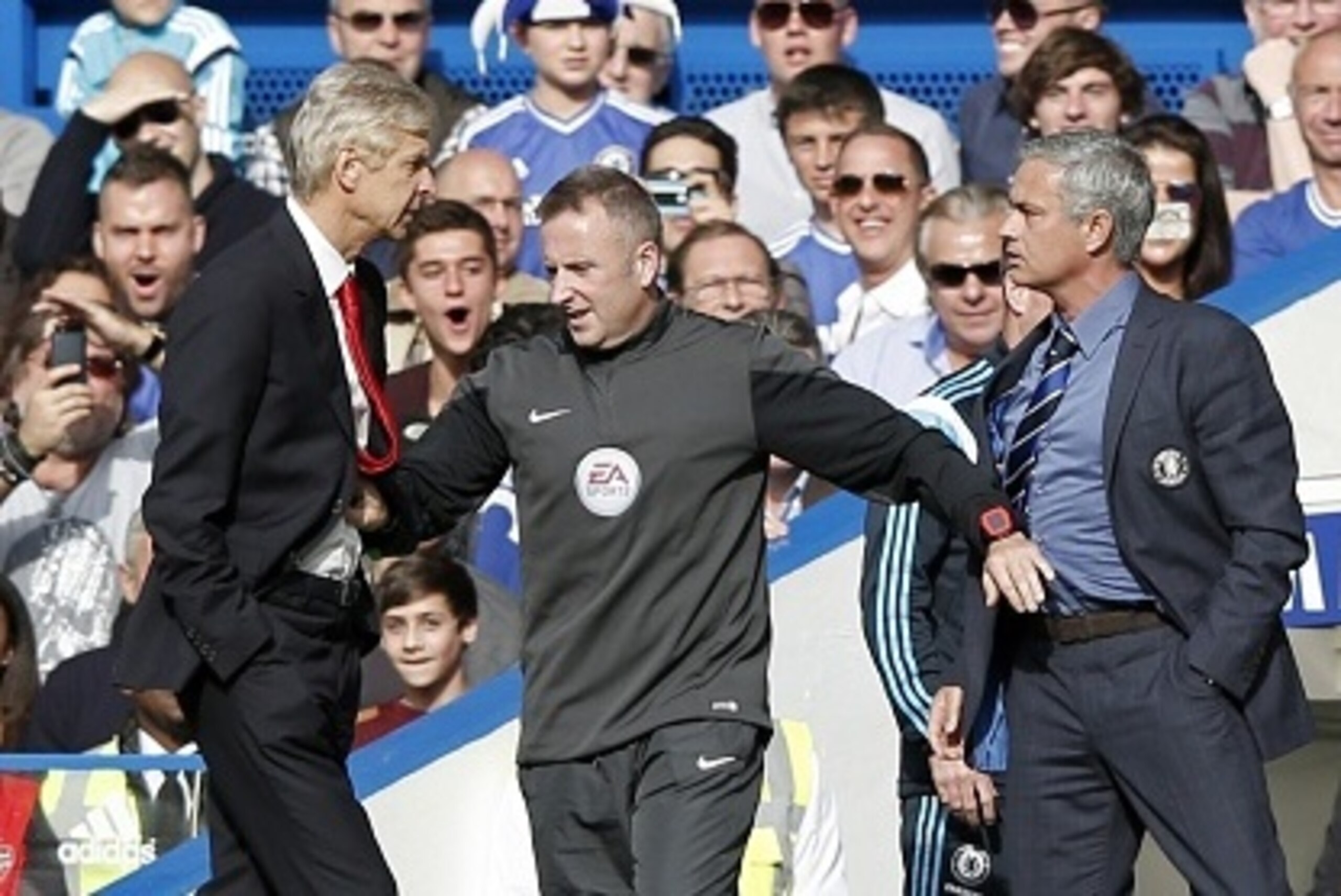
That is timely given the Red Devils' next opponents, Arsenal, are managed by one of Mourinho's old enemies, the man he once dubbed a "specialist in failure," Arsene Wenger. He is going to want to win that one. And frankly, United need to win.
TOP NEWS
Sullivan, Hall Lead USMNT to Big Win 💥
Int'l Break Goals and Highlights 🔥
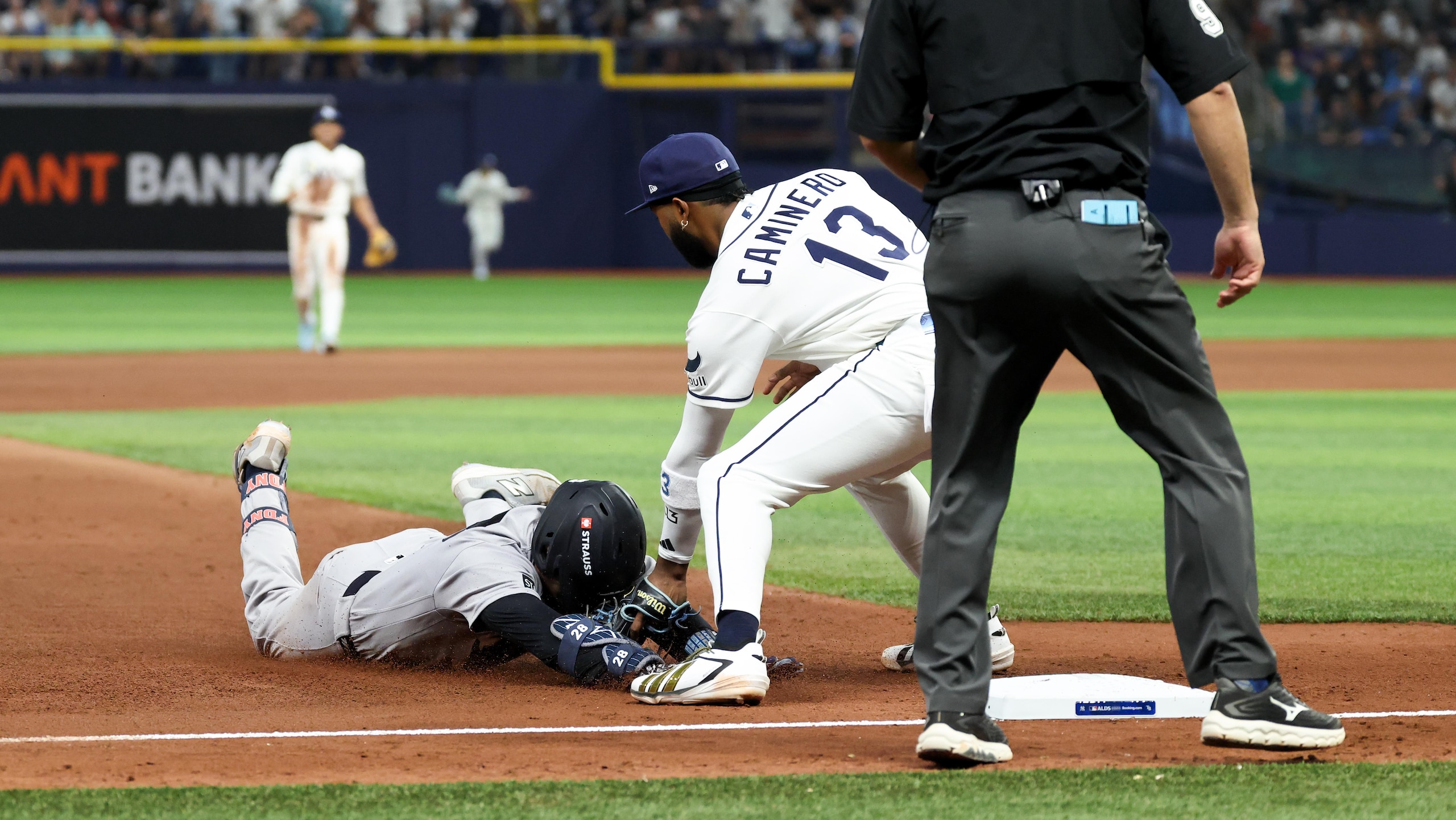
Aaron Boone Calls Out Yankees Catcher 🗣️
Beating the teams above them is, self-evidently, an important way to close the already fairly significant gap between United and the top four. And after a pretty impressive first 45 minutes against Swansea City last time out, Mourinho will be anxious to prove United's upturn in form was not just about the poor quality of opposition.
So what does he need to specifically address? Let's take a look at some of the key issues he is facing.
Consistency: The Europa League Problem
United's lack of consistency is a symptom of the problems at the club rather than the problem itself, but it warrants mentioning because, beyond almost anything, it is what is needed.
United sit in sixth place, three points behind Tottenham Hotspur in fifth and six points behind Arsenal in fourth and Manchester City in third. A draw in the north London derby and City's surprising failure to beat Middlesbrough at home meant United's win in south Wales was particularly timely.
But cranking up the pressure—and keeping it cranked—will require a consistent run. The Red Devils have been unable to win even two games in a row since they beat Northampton Town, Leicester City and Zorya Luhansk at the back end of September.
In their defence, they have not lost two games in a row since losing to Manchester City, Feyenoord and then Watford in the run that immediately preceded the aforementioned victories, but the point stands.
The fixtures that follow Arsenal's visit on Saturday should offer them a chance to demonstrate some consistency given it is the first of four home games in succession—against the Gunners, Feyenoord and then West Ham United in the Premier League and the EFL Cup.
The Europa League has been a specific impediment to the Red Devils' ability to string together positive results. They have managed one decent performance in their four games in the competition so far—against a lacklustre Fenerbahce at Old Trafford. Fortunately, one way or another, this is set to change.
If United fail to qualify from the group, there may be some embarrassment, but few tears would be shed by either supporters or—from the look of their performances—United's playing staff. The second half of the season would see a potentially beneficial lighter schedule.
Even if they do progress, there would first be a winter break from European action, and even when the competition recommences in the new year, it will be with knockout football, something that should focus players' minds. And if it did not, they would soon be out and enjoy that potentially advantageous thinned fixture list.
The group stage has been a mess and a pretty substantial part of United's inconsistency. That painful part of the season is almost over.
Squad Harmony and Cohesion: Sorting Out the Cultural Issues.
Unfortunately, for those outside of the players, staff and their inner circles, the specifics of the relationships between the squad and the manager—and among the players—remain a subject for speculation rather than certainty.
However, it is clear all is not well. In his post-match interview after the Swansea win, the United boss said, per Stuart James of the Guardian: "To compete you have to go to the limits. It’s a cultural thing for some, and that’s not my culture. There is a difference between the brave, who want to be there at any cost, and the ones for whom a little pain can make a difference."
That is a pretty damning indictment of the players who did not make themselves available for selection. Jamie Jackson of the Guardian wrote that Luke Shaw, one of those absent from the clash in south Wales, was "left confused" by the comments.
It has subsequently been reported that Chris Smalling, another player who missed the Swansea game, had a broken toe, per Simon Stone of BBC Sport. If Mourinho was targetting Smalling with his comments when the England man had such a problem, that is surely a little embarrassing for the manager.
Away from the specifics, though, Stone also reported that "Mourinho is investigating all aspects of first-team affairs after being dismayed by the culture he has inherited at the club."
He is said to be "looking at every area in his remit, including travel, pre-season tour planning, fitness, sports science and the general make-up of his squad."
This kind of root-and-branch reform of the club has not happened for a long time. David Moyes sought to revamp the club's scouting system when he took charge in 2013. His successor, Louis van Gaal, tried to make profound changes to the team's style of play. But not since Sir Alex Ferguson's first couple of seasons has anyone taken a new-broom approach to the whole thing.
In truth, fans should probably welcome Mourinho taking the long view in this way. It is abundantly clear that things have not been right since Sir Alex retired in May 2013. Given Ferguson's managerial philosophy, while embracing delegation, was about ensuring profound personal control, it is hardly surprising his absence has proved so catastrophic.
If players do not get onside with the manager's reforms, if they think they can outlast a second or third boss (depending on how long they have been at the club), then short-term squad cohesion and thus consistency could suffer.
But if Mourinho is determined to make those fundamental changes, having appointed him, United's executive staff should ensure they back him to the hilt. The manager should quickly assess which players are on board with the changes and be ruthless with those who are not.
Goals
It is such an odd problem for United to have, but they scored just one league goal in October. Yet when they were scoring four in the first half against Leicester and three in the first 45 against both Fenerbahce and Swansea, it all made sense. This collection of attacking players has such potential.

A big part of the issue has been Ibrahimovic's form. The international break might have been timely in terms of giving the Swede some rest, but it cannot have been helpful for it to arrive immediately after he broke his long dry spell. That, combined with suspension from the Arsenal game, means it will be a while before we see what impact his goals in south Wales will have on his overall form.
Will he come back reinvigorated and ready for action or will some ring rust develop during his absence? Mourinho needs to ensure his star striker's legendary confidence is brimming when he returns to action.
In the meantime, the teams needs more goals from elsewhere. Paul Pogba's magnificent strike against Swansea was another step in the right direction from him, but players such as Anthony Martial and Marcus Rashford need to find a way to contribute.
There is a lot of uncertainty around United, but that does not mean there is no room for optimism. When the international break ends, the Arsenal game will give further pointers as to how the Mourinho project is going.
If he can engineer some consistency while taking action to address the underlying culture of the club and get his team scoring more regularly, there will be plenty of cause for hope.
It probably will not all happen at once, though, and United fans will have to be patient as they wait for his work to bear fruit.
.jpg?w=2560 "Saints Lions Football")
.jpg?w=2560 "Titans Giants Football")

.jpg?w=2560 "Report: Baker May Miss Up to 6 Weeks")
.jpg?w=2560 "EVERY Fantasy Football Update")