

Issues the NHL Must Solve to Prevent Another Lockout
On Sept. 6, NHL Deputy Commissioner Bill Daly told Sirius XM NHL Radio Network (h/t Chris Nichols of Today's Slapshot) the league was happy with the current collective bargaining agreement. “It’s early, but I don’t see any storm clouds on the horizon—at least yet," said Daly.
But during an Oct. 14 appearance on Sirius XM (h/t Nichols), NHL analyst Bob McKenzie speculated player contract lengths and escrow could become contentious labor issues. He suggested those points could trigger another lockout, perhaps as early as 2020.
The present CBA between the NHL and NHL Players Association is due to expire on Sept. 15, 2022. However, each side has the opportunity in September 2019 to exercise their respective opt-out clauses. Should one side do so, the CBA would expire on Sept. 15, 2020.
Here's a look at several key issues the NHL must resolve in their next round of collective bargaining (in 2020 or 2022) to avoid another lockout. You can express your views on this topic in the comments section below.
Trading Dead Salary-Cap Space
1 of 6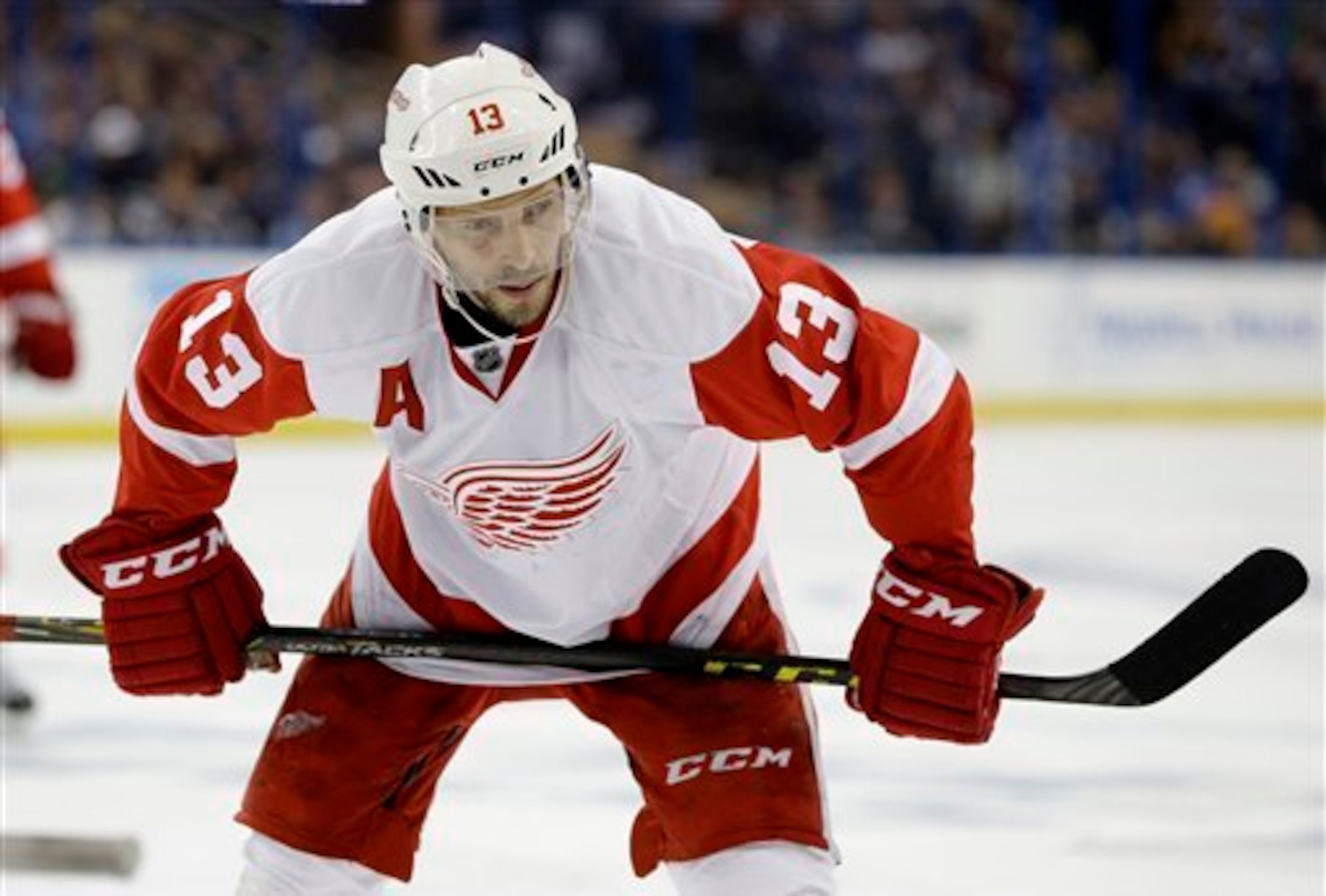
On June 25, the Arizona Coyotes dealt two draft picks and center Joe Vitale to the Detroit Red Wings in exchange for the rights to center Pavel Datsyuk and the 16th overall selection (defenseman Jakob Chychrun) in the 2016 NHL draft. With Datsyuk retiring to Russia, the Red Wings dealt the remaining year on his contract to the Coyotes to clear his $7.5 million cap hit from their books.
In recent years, several cap-strapped teams bundled the contracts of inactive players with a draft pick or an active player to clubs with the cap room willing to absorb them. Those contracts tend to belong to players on permanent long-term injury reserve or those on a 35-plus contract (such as Datsyuk) who retire before their deal expires.
These moves help a club with limited cap room shed what is essentially dead cap space. Some team owners and general managers could frown upon this practice, considering it a loophole in allowing their rivals to legally circumvent the salary-cap rules. They could attempt to close this off in the next round of collective bargaining.
Signing Bonuses
2 of 6
On June 29, 2016, the Tampa Bay Lightning re-signed center Steven Stamkos to an eight-year, $68 million contract. However, $60 million is paid out in signing bonuses. This is lockout security for Stamkos, ensuring he'll receive salary in the event of another work stoppage.
Under this CBA, player signing bonuses are paid on July 1. This year, Stamkos received $8.5 million of his $9.5 million in actual salary via this method. For the next three years, he'll receive similar payments every July 1. In 2021, it drops to $6.5 million, followed by $5.5 million in 2022 and 2023.
Should there be another lockout in 2020 or 2022, players won't receive their salaries until there's a new bargaining agreement. For Stamkos, the signing bonuses ensures he still receives most of his salary.
His deal is also virtually buyout proof. Because he's receiving only $1 million annually in actual salary, the Lightning wouldn't see any notable cap savings if they attempted to buy him out.
Stamkos isn't the only notable star whose contract is structured that way. In recent years, Chicago Blackhawks forwards Patrick Kane and Jonathan Toews, as well as Buffalo Sabres center Ryan O'Reilly, also receive a considerable chunk of their annual salaries in signing bonuses.
While some GMs are willing to sign these stars to those deals, others could frown upon the practice. For such hardliners, these deals could become a point of contention in the next round of collective bargaining.
No-Trade and No-Movement Clauses
3 of 6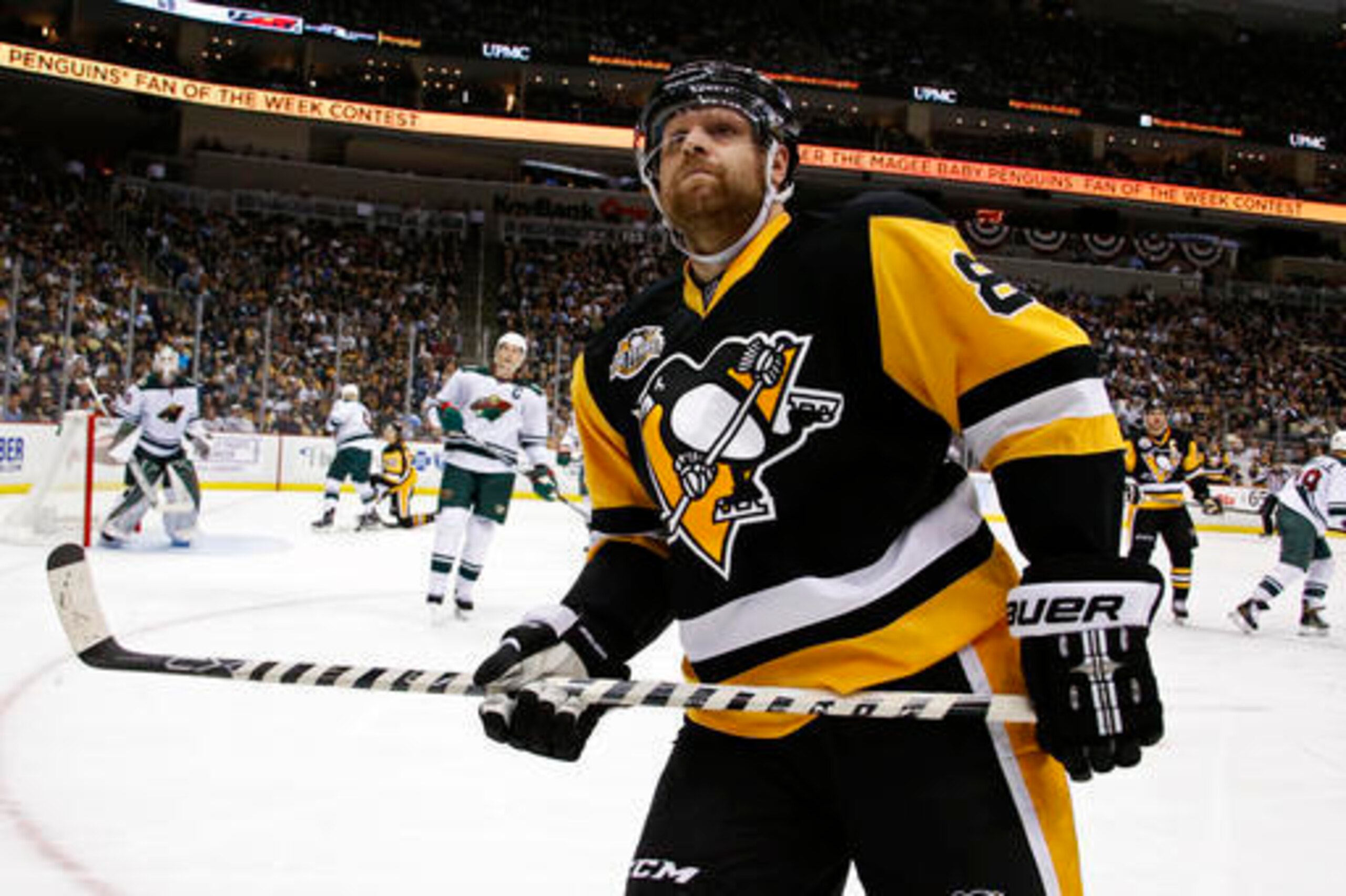
On Dec. 19, 2015, Mike Brophy of the Hockey News lamented how no-trade and no-movement clauses have negatively affected the NHL trade market. Citing the limited return the Toronto Maple Leafs received from the Pittsburgh Penguins for Phil Kessel (who has a modified no-trade clause), Brophy suggested the clause limited the Leafs' efforts to find a decent deal.
Brophy also pointed out how such clauses put small-market clubs at a disadvantage. "Do you think there is any chance in hell that Kessel would have consented to a trade to Edmonton or Winnipeg? Two of the greatest hockey cities on the planet had no chance whatsoever of acquiring the gifted, albeit inconsistent, scorer from Toronto."
Players become eligible to have no-trade or no-movement clauses included in their contracts in the years after they qualify for Group 3 unrestricted free agency. That's at age 27 or after seven accrued NHL seasons.
A no-trade clause prevents a player from being dealt without his consent. Modified or limited no-trades mean a player can select a certain number of teams as acceptable trade destinations. A no-movement clause prevents him from being traded or demoted without his permission.
Because these clauses can impede where a team can trade a player, his value in the trade market can be adversely affected. As Brophy suggested, the clauses could hamper a team's attempts to get the best possible return.
Team owners and GMs could push to abolish these clauses, but the players will likely stifle such efforts. Instead, the league could pursue certain restrictions. They could attempt to raise the eligibility age or impose limits on the number of teams a player would consider unacceptable trade destinations.

Amnesty Contract Buyouts
4 of 6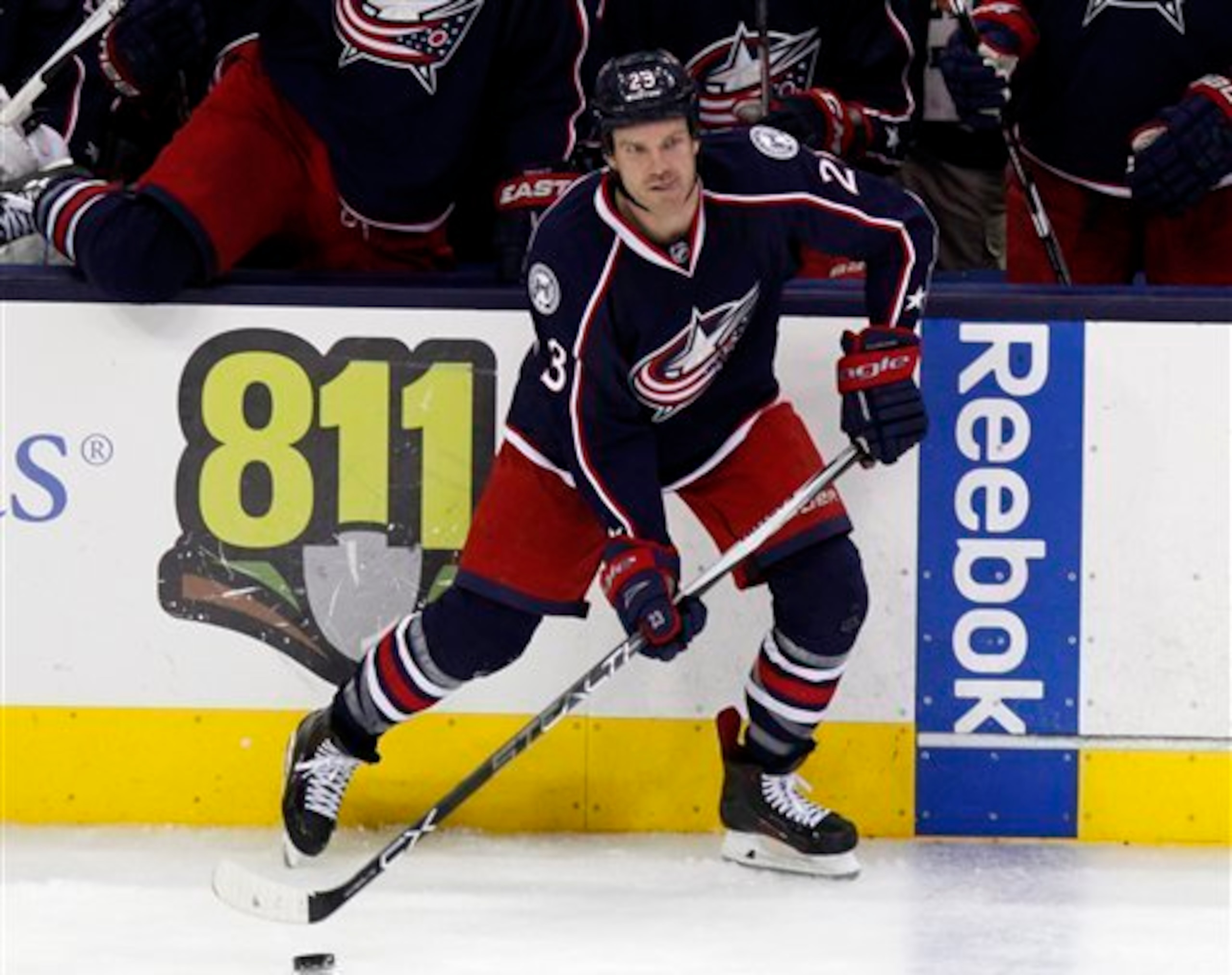
The combination of the salary-cap system and guaranteed player contracts leave NHL GMs with little room for error in managing their cap payrolls. The argument can be made that a team shouldn't be unduly punished for an unforeseen decline in a player's performance. That could set the stage for teams to seek amnesty buyouts of bad contracts in the next CBA.
One example of a bad contract is the seven-year, $36.75 million deal of Columbus Blue Jackets left wing David Clarkson. Originally signed by the Toronto Maple Leafs as an unrestricted free agent on July 5, 2013, Clarkson never played up to expectations.
Under this CBA, there's several ways for a team to get out of a bad contract. They can try to trade it away, as the Leafs did with Clarkson. Such moves, however, can be difficult to make. They can also buy out the contract at two-thirds the remaining value over twice the remaining contract length, or one-third if the player is 26 or younger.
If the player commits breach of contract, the team can terminate the deal. On June 30, 2015, Forbes' Eric Macramalla provided a detailed list of what constitutes breach of contract when explaining the Los Angeles Kings' decision to end the contract of center Mike Richards.
Contract termination under those circumstances comes with the risk of the NHLPA grieving the decision on the player's behalf. That's what happened in the Richards' case, resulting in a settlement on Oct. 9, 2015.
Player retirement can also end the contract. However, if the player was 35 or older when he signed the deal, the team won't receive cap relief.
When this CBA was implemented, teams were allowed two compliance buyouts in the first two years (2013 and 2014) of the agreement. Buyouts were calculated under the usual formula but didn't count against the team's salary cap.
Compliance buyouts proved a popular method to shed bad contracts, with 26 players bought out over the two-year period. GMs could welcome a return of this measure annually throughout the tenure of the next CBA.
Escrow Clawback from Players' Salaries
5 of 6
On Oct. 22, TSN's Frank Seravalli reported the NHL and NHLPA agreed to set the escrow withholding rate for players at 15.5 percent for the first quarter of 2016-17. That rate was based on early revenue projections.
"That means every NHL player will have 15.5 percent of salary deducted from his paycheque and put aside until after all of the 2016-17 season’s hockey-related revenue is counted to ensure a perfect 50-50 revenue split with owners," Seravalli wrote.
Under this CBA, the players have a percentage of their salaries set aside in escrow. If revenue exceeds projections, the players get the money back with interest. If not, it goes to the owners.
Seravalli pointed out that, based on past returns, it's unlikely the players will get their money back in full after this season. He cited Montreal Canadiens defenseman Shea Weber as an example. "Shea Weber was the highest-paid player in the NHL in 2014-15 at $14 million. He lost more than $1.8 million to escrow withholding in 2014-15, to illustrate the point."
That's because the recent decline in the value of the Canadian dollar has become a drag on the growth of league revenue. Seravalli called escrow "the dirtiest word in hockey dressing rooms." Should this trend continue, it will become a significant issue for the players in the next round of collective bargaining.
Length of Standard Player Contract
6 of 6
During an Oct. 14 interview with SiriusXM NHL Network Radio (h/t to Chris Nichols of Today's Slapshot), TSN analyst Bob McKenzie speculated contract lengths could become a contentious issue for NHL teams. He suggested it could lead to another NHL lockout in 2020.
The subject was raised as a result of the Anaheim Ducks re-signing center Rickard Rakell to a six-year contract. In recent years, there's been an increase in long-term contracts, especially for restricted free agents. Players on entry-level contracts are the exception, as those deals are already capped at no more than three years.
Under this CBA, a cap was placed upon the length of the standard player contract. The term was limited to seven years, with teams allowed to sign their own players for eight years. This was to prevent teams from signing players to the extremely long, heavily front-loaded contracts allowable under the previous agreement.
McKenzie said teams use long-term contracts as a means of keeping costs down and making the deals more affordable. He noted that practice worked fine when the salary cap was rising by $5 million annually. The recent decline in the value of the Canadian dollar, however, has significantly slowed the cap increases.
Should NHL salary-cap growth remain sluggish leading up to 2019-20, those lengthy contracts could become a sticky issue for team owners and GMs. They could pursue a maximum of four years for unrestricted free agents and five years for re-signings. The players, however, could be reluctant to give up those lucrative long-term contracts.
Salary and CBA info via Cap Friendly.

.jpg?w=2560 "Rap: Lions, LaPorta End Contract Talks")

.jpg?w=2560 "Report: Baker May Miss Up to 6 Weeks")
.jpg?w=2560 "EVERY Fantasy Football Update")
_0.png?w=2560 "Week 5 Winners & Losers 📊")

.jpg?w=2560 "Commanders May Change Logo 👀")