Breaking Down the Perceptions of Real Madrid's Stars on the International Scene
With club football in the midst of another interruption thanks to the international break, top sides around Europe find their training grounds bereft of regular members, with all points of Earth bearing witness to their talents instead in 2018 World Cup qualifiers.
Real Madrid have no shortage of internationals in their squad, and this break is like any other when countries come calling, with the key players heading off to form parts of nine different national squads.
Most of them are as key for their countries as they are at club level for Los Blancos, but the perceptions of players for club and country don't always match up. So who is more highly regarded at one level than the other, and what do the players offer their nations that they aren't appreciated for at Madrid?


Germany: Kroos
At Real Madrid, Toni Kroos rules the centre of the park and is manager Zinedine Zidane's must-have man on the pitch—except he won't have him for a while as the German recovers from a foot injury that will keep him sidelined for the rest of the year. A World Cup winner, famed for his abilities on the ball, he's just as revered in his homeland as you might expect him to be.
B/R's Borussia Dortmund writer and German national Lars Pollmann gave us the lowdown on how he is seen in the national team setup.
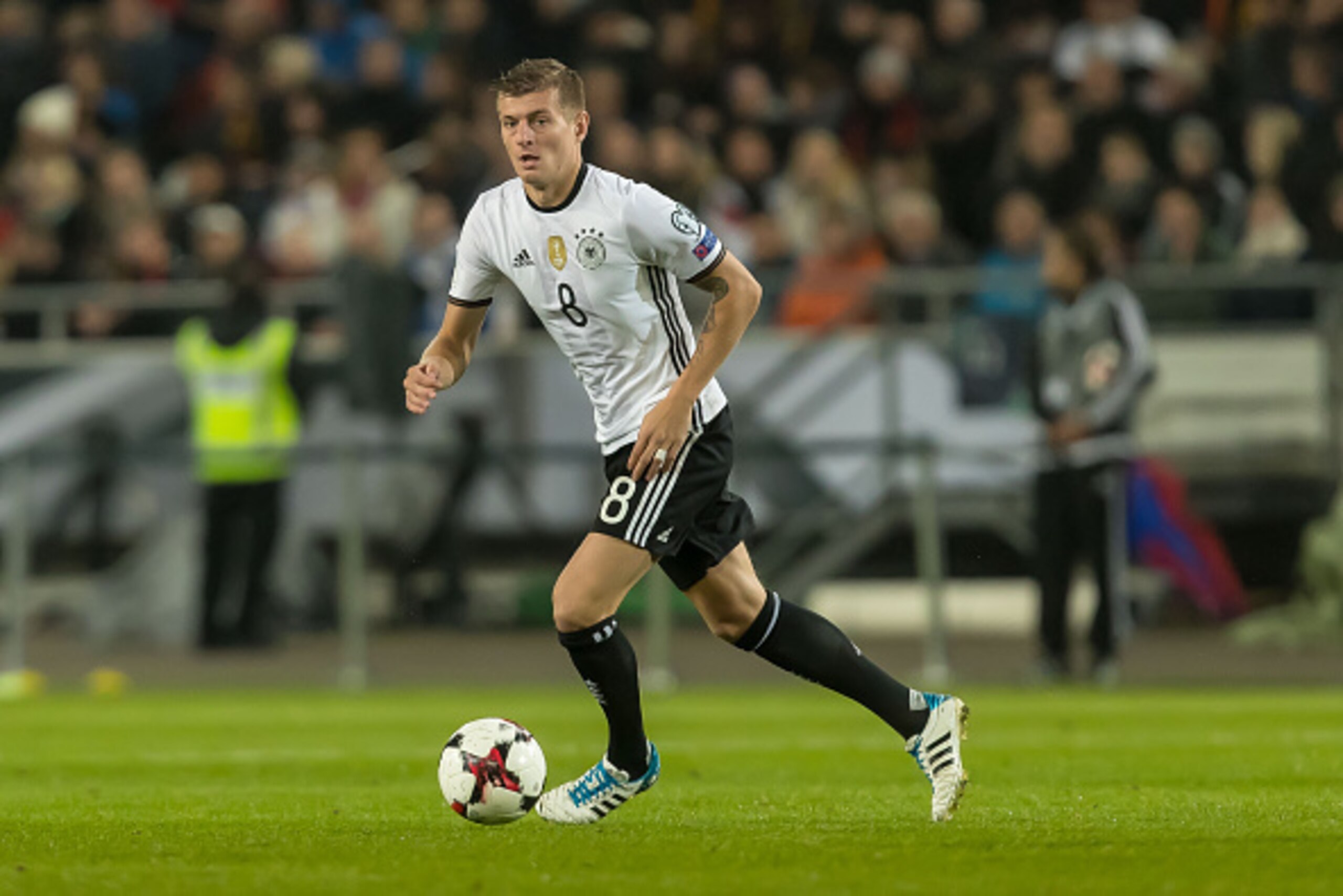
"Toni Kroos is the masterful conductor of Germany's every attacking move," Pollmann said. "He dictates the pace of the team's play. When Kroos plays well, Germany usually play well too. Even though he is not considered a hugely spectacular player, the midfielder has started to receive his due recognition over the last few years.
"The move away from the Bundesliga has helped in that regard, as has perhaps the long line of Germans excelling for Los Blancos. Analysts and commentators who do not want to embarrass themselves talk glowingly about Kroos.
"His showings both at the 2014 FIFA World Cup and at Euro 2016 in the summer elevated Kroos into the highest standing. Alongside only Manuel Neuer and Jerome Boateng, Kroos is one of the bosses on the pitch, and there is no question who is the anchor in Germany's midfield.
"There are a number of incredibly talented youngsters—Julian Weigl, Joshua Kimmich, Mahmoud Dahoud and Leon Goretzka to name but a few—and proven veteran players, such as Ilkay Gundogan, but the question is always how they can play next to Kroos and not instead of him."
Given his innate abilities, his key position on the pitch and how often he has proved himself by winning the biggest trophies, it's no surprise to see Kroos as highly regarded with Germany as he is at Real Madrid in spite of a downturn in form last season.
The same cannot be said for all of Kroos' Madrid team-mates, though.
France: Varane and Benzema
Two players who are on the teamsheet for Los Blancos more often than not—when fit—who don't always play to their best are Raphael Varane and Karim Benzema. While the latter forms part of the first-choice BBC attack, that Varane is still not an undisputed starter every week is testament to his dips in both form and fitness.
Long regarded as a top centre-back in the making, one of Europe's finest, Varane has weeks when he looks every inch the part, then spells when his frustrating decision-making process is clearly in need of further fine-tuning.
Both are first-teamers at Real, but neither, particularly this year, makes most fans' top picks. Paris-based Jonathan Johnson, a highly regarded authority on French football, told us how those opinions differ on the international stage.
"Varane is seen as one of the cornerstones of Didier Deschamps' France squad, and even though his form has suffered since he made his breakthrough, he is as good as indispensable for Les Bleus," Johnson said. "He has even captained the side, and he is only 23. That is how convinced Deschamps is of his quality. Varane is seen as the present and the future, a fixture in the starting XI for years to come.
"As for Benzema, few people are really missing him. He remains a quality player but many see him as an invitation to unwanted and unnecessary controversy at this time."
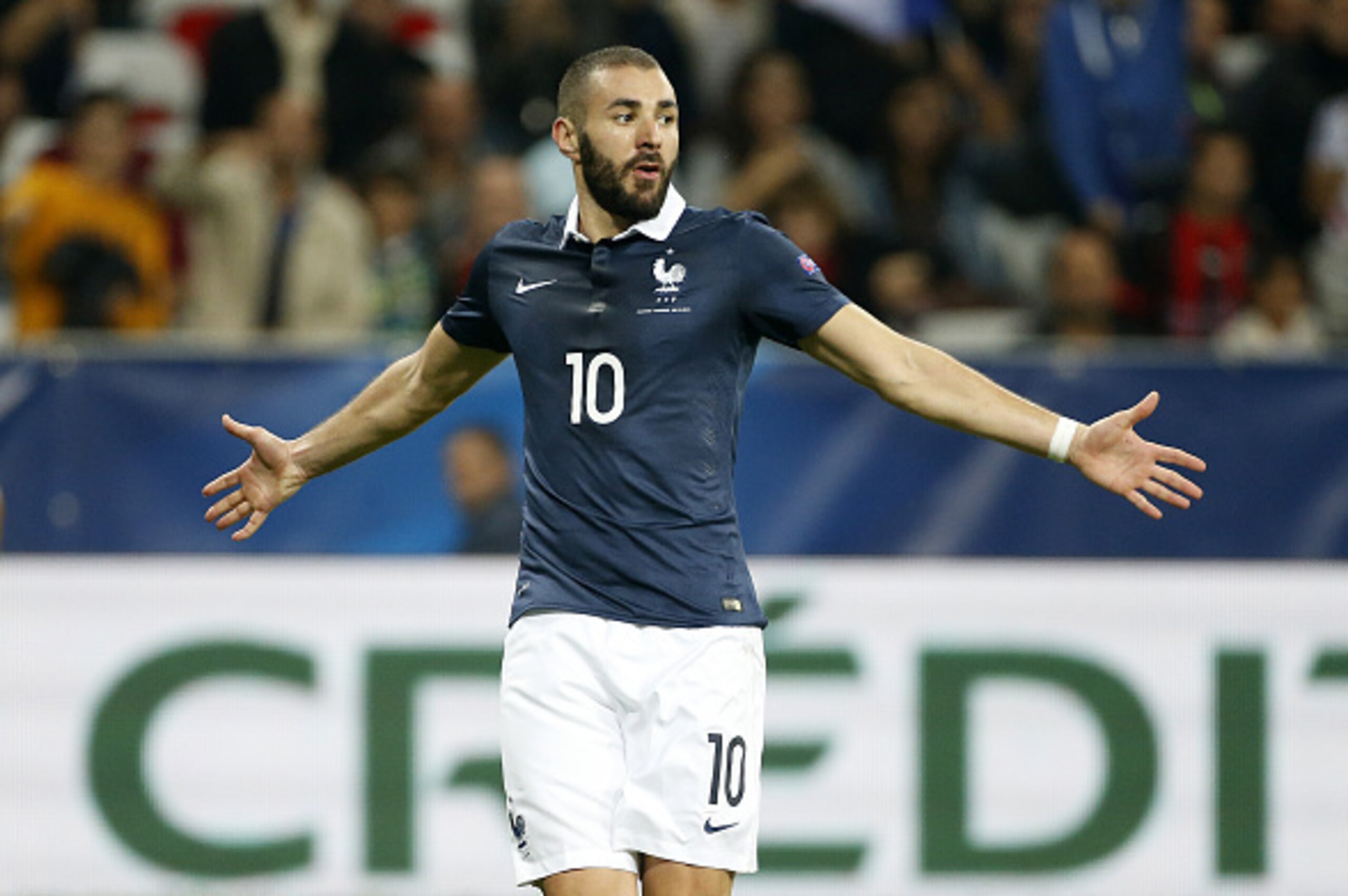
If picked purely on form, France might not be looking at Benzema this year, even if he wasn't an outcast from the national side. With Alvaro Morata—the top scorer in the squad and a homegrown player to boot—showing a better all-around offering to Madrid, the centre-forward role is up for grabs despite Benzema's strike rate of previous seasons.
Varane is different. Everybody rates him and everybody wants him to be the best player he can be. But it just doesn't quite happen often enough. He has time, though, and it's a safe bet that both club and country—and supporters of both—will afford him every opportunity to become the star he should be.
Croatia: Modric and Kovacic
Two of Madrid's key men in the early stage of the season have seen their importance displayed for different reasons: one because he has been absent through injury, and the other in his ability to step up and showcase his abilities.
That's Croatian pair Luka Modric, only just returned from an eight-game absence, and Mateo Kovacic, who has been vital in filling in for both Modric and Casemiro this term yet still isn't regarded a first-choice player in the centre of the park.
Croatian football writer Aleksandar Holiga told us how the midfielders have a mirrored role on the international scene.

"Modric is considered absolutely essential for Croatia, and there’s little doubt in anyone’s mind that he’s our best player," Holiga said. "The team is just not the same without him. One of the biggest tactical issues has been how to use both him and Ivan Rakitic at the same time in a complementary way. Modric is the captain now and hopefully he still has a few good years in him.
"Kovacic is not considered a starter at the moment. He never really was, having an undefined ideal position/role in the team, but also because Croatia generally need someone who is closer to the mould of a classic holding midfielder to accompany the playmaking duo of Modric and Rakitic. For the moment, he’s mainly considered an alternative to either Modric or Rakitic—the three don’t usually play together against serious opponents."
Along with Kroos, Modric has been a mainstay of the recent Madrid midfield, and he makes the team tick—just as he does on the international scene, meaning the fans and Croatia view him just as importantly.
Kovacic still has work to do to solidify a position of his own within both setups, and given the competition in his role, it will be just as hard to manage at either level. Perhaps diversification of his primary position will be key if he wants to be more than the man who fills in as needed.
Spain: Ramos, Carvajal, Isco, Lucas, Nacho, Asensio and Morata
The biggest Real Madrid international group, of course, represents Spain. And the numbers in the national team from Los Blancos have swelled over the past few seasons. They range from indispensable to rare appearances at the Santiago Bernabeu. As Yahoo Spanish football writer Andrew Gaffney explained, their inclusions can span the same opinion range at international level.
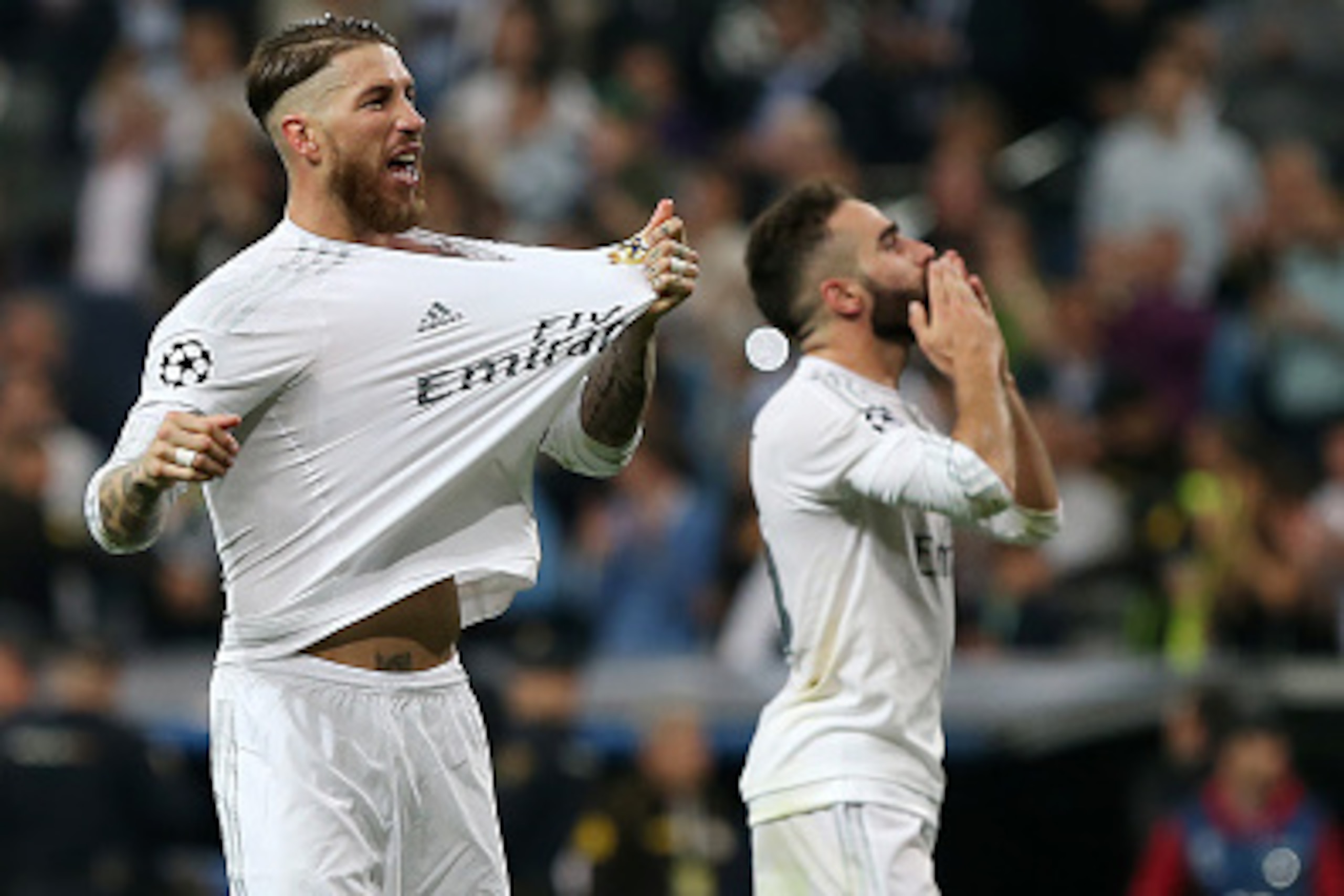
"Sergio Ramos is seen by most as a certain starter when fit," Gaffney noted. "Obviously, he has had a dip in quality over the last 12 months, but almost every Spaniard would have him in the first XI. Alongside him in defence, Dani Carvajal has established him as one of the best right-backs around. Hector Bellerin gets a lot of love from the British press, but over here in Spain, Carvajal (and Juanfran) rule.
"Isco is talented, and most fans like him but wouldn't have him in their first XI. He is still benefiting from his reputation and the club he plays for rather than what he has shown on the pitch. A bit like when Isco initially arrived on the scene, people are excited by Marco Asensio. When everyone's fit he won't start but is definitely a good option to have off the bench.
"Lucas Vazquez really burst on to the scene last year and impressed as an impact sub, a bit like a younger Pedro. He's a grafter. And while Nacho has actually played a bit more recently (and looked good), he's only in squads because of the team he plays for. If he was at Alaves, he wouldn't be there."
Much like Spain overall, then, Ramos has great quality—but translating that to successful performances has waned significantly over the past year and more. He and Morata are perhaps the keys to Spain's immediate return to challenging for trophies, but Asensio could certainly play a big part in future too, just as fans of Los Blancos hope will be the case for them.
Costa Rica: Navas
San Jose resident and Costa Rica fan Esteban Fumero provided the insight on Keylor Navas—and nobody will be surprised to hear how highly regarded the goalkeeper is in his homeland.
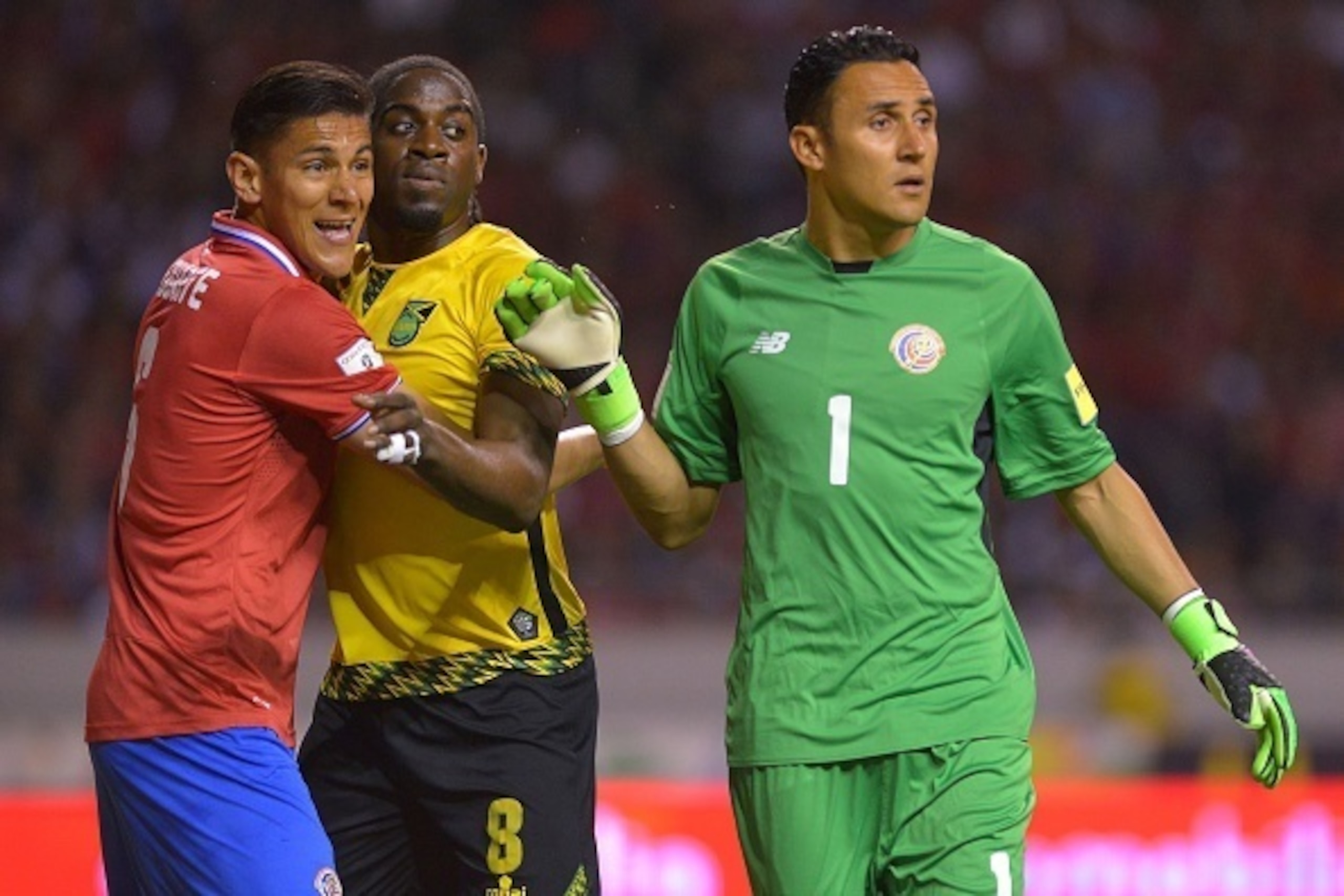
"Keylor is by far the best goalkeeping talent," Fumero said. "He is an idol here and highly regarded as world-class. He is seen as a leader of the squad, along with captain Bryan Ruiz. His presence makes the fans believe the squad can go further than expected, especially since he won the Champions League."
Easily the biggest name on the Costa Rica squad list, his heroics in La Liga and on the international scene were what first attracted Madrid to him. Navas is one of the few who enjoy a far bigger status with their country than at club level; even if he's the No. 1 at the Bernabeu, he's not viewed as irreplaceable in the event that another star 'keeper became available. Understudy Kiko Casilla has also played his share of games.
Navas is not the only one who is larger than life at international level compared to their status in Madrid.
Colombia: James
Step forward James Rodriguez, one of the most talked-about and divisive figures at the club. Some feel he should be a guaranteed starter. Some feel he should be sold on or simply kept in reserve, a backup when needed but not a star on the level of Modric or Cristiano Ronaldo.
Bogota-based journalist Carl Worswick explained how it's the complete reverse in Colombia, with a nation united on James' importance and ability.
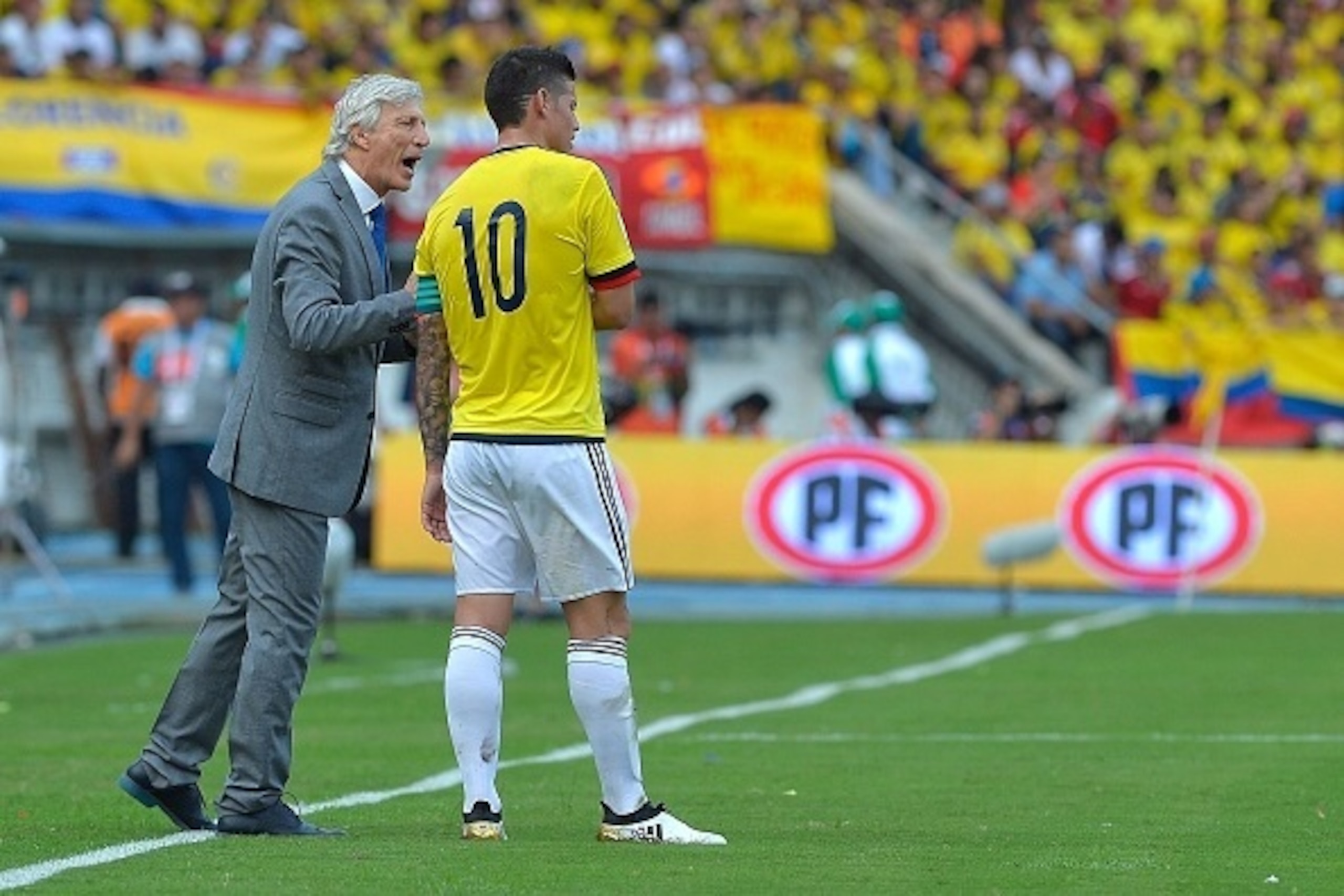
"Manager Jose Pekerman made him the country’s youngest-ever captain, aged 23, shortly after the 2014 World Cup, and he’s now considered the team’s leader, given the tactical freedom to play his own game, and Colombia have become slightly dependent on James to produce the spark," Worswick stated.
"Most Colombians aren’t happy with Zidane—or previous Real boss Rafa Benitez—but they are still clearly proud to have a player at one of the world’s biggest teams. James is already considered one of the greatest Colombian players of all time alongside Carlos Valderrama."
The debate about James will rage on.
When he plays, he invariably makes things happen for Real Madrid in the final third. But tactically, he doesn't quite fit the preferred lineup, and his work rate has been questioned.
There's little doubt as to his overall quality, but the comparisons to team-mates and positional rivals in that regard are different when with Madrid and with Colombia.
Portugal: Ronaldo, Pepe and Coentrao
It's much more straightforward for some players, though.
The genuinely top-tier talents of football are recognised as such, while others—experienced, dependable and reliable—have a big role to play too. Portugal count one of each from Real Madrid in Cristiano Ronaldo and Pepe, but left-back Fabio Coentrao might yet come back into the equation, as Portuguese podcaster Marco Lopes explained.
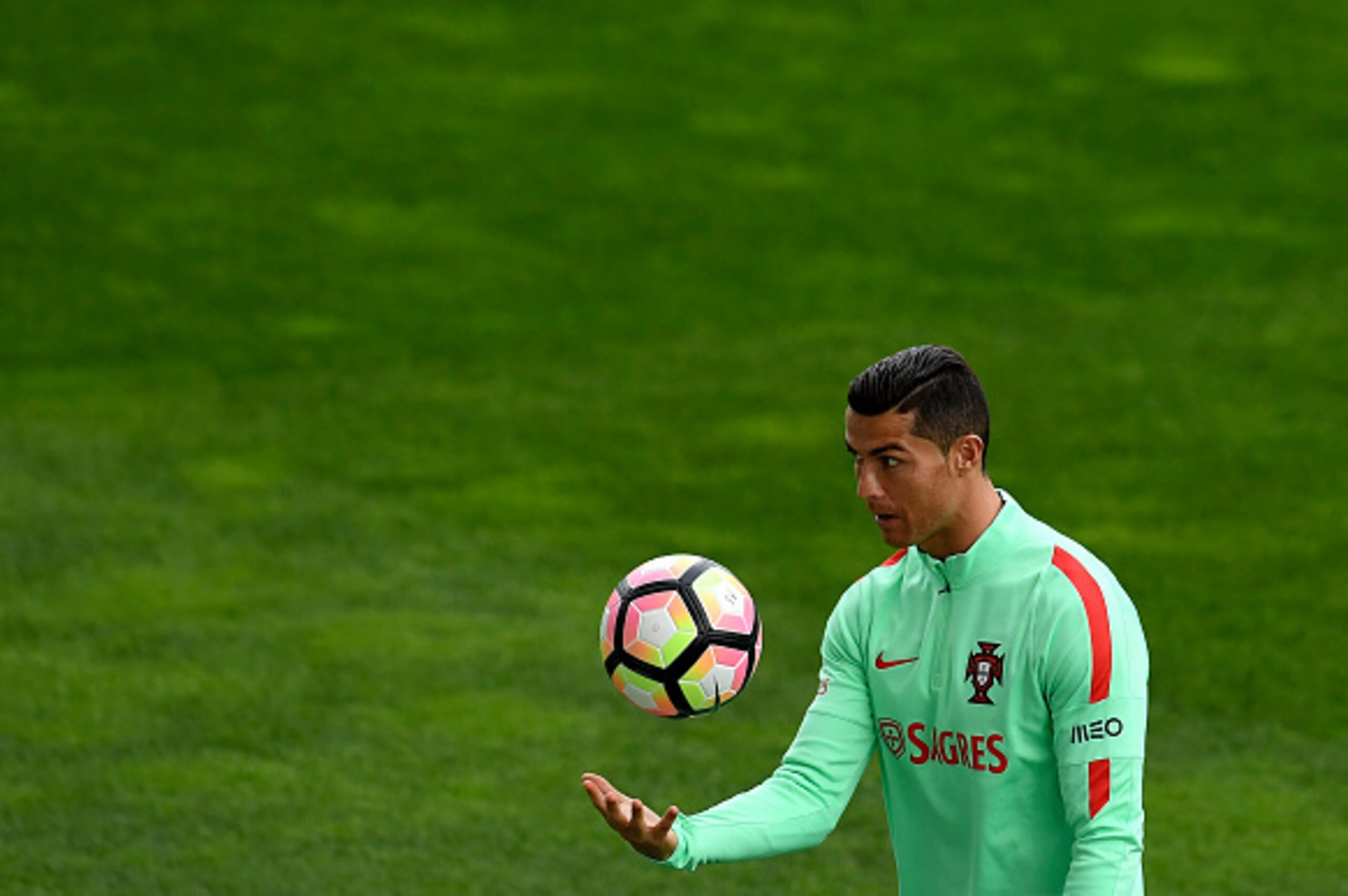
"Ronaldo's importance to the national team cannot be understated," Lopes said. "It’s not to underplay the irony of Portugal winning the final largely without him on the pitch but more to realise that his role in the team is bigger than just the goal threat. Having hit his 30s, though, the focus is on trying to accommodate him rather than building around him. It’s hard to envisage a Portugal without him, and it's conceivable that he could lead the country’s defence of the European Championship in 2020.
"Pepe divides opinions, but there’s little debate that he remains the best centre-back Portugal can call on. The late blooming of Jose Fonte as Pepe’s centre-back partner should remain the case for the foreseeable future.
"It’s unclear what value Portugal coach Fernando Santos places on experienced left-back Fabio Coentrao. Even if Coentrao recaptures the form and fitness that allowed him the chance to cement him place in Portugal’s first XI in 2010, it’s unlikely that he’ll force out young Raphael Guerreiro anytime soon."
Coentrao has his work cut out just to get game time at club level, but having finally recovered from his long-term thigh injury, he's at least back on the road to recovery—but with a particularly big obstacle in the way.
Brazil: Marcelo and Casemiro
That obstacle is Marcelo. He and Casemiro have regular spots in the Brazil squad, but the country's press and fanbase are notoriously difficult to please and have extremely strong views on what constitutes a success—and even of who deserves to make the cut for the Selecao.
Paulo Freitas, football writer and Brazilian head researcher for the Football Manager series, talked about just how much both players have had to go through to gain respect and admiration.
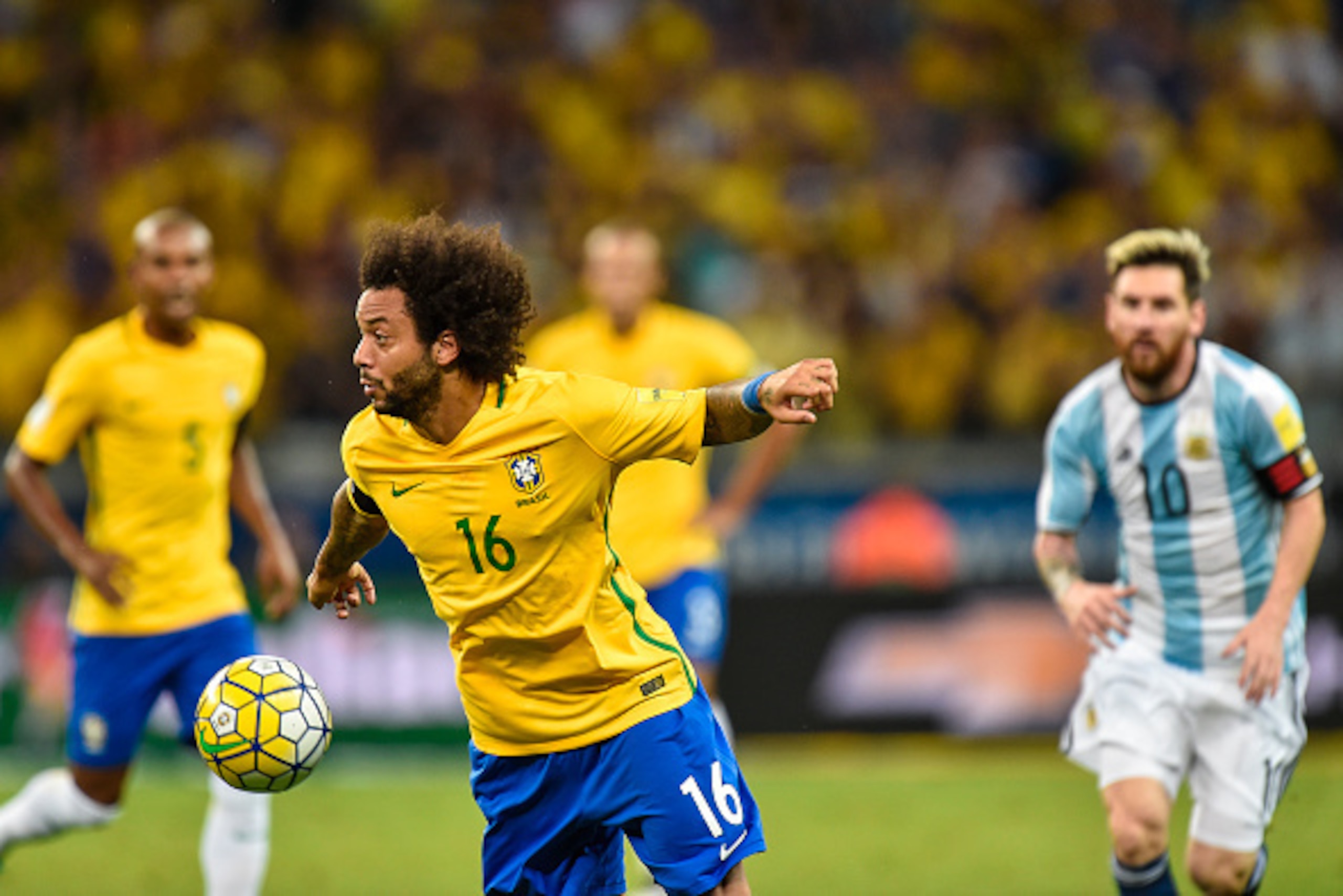
"Marcelo is widely respected here despite having left Brazil very early, which has had a negative effect on a player's reputation in Brazil in other cases," Freitas noted. "Marcelo is often regarded here as one of the best attacking left-backs in the world. He is pretty safe in the XI now that Tite is the coach, having only missed games when he was injured or suspended.
"Casemiro has a more complicated situation, as he was unimpressive and somewhat unprofessional at Sao Paulo's senior team, so he is not rated as highly in Brazil as he is abroad, and there are people who still doubt his talent or commitment. Slowly, he'll improve his reputation as he establishes himself at Real Madrid. The other options for his position, such as Fernandinho, are not considered too convincing, either, though, but there is a good chance he does succeed in becoming a regular starter eventually."
The defensive midfielder has taken his time to win a place at Real Madrid, including a loan move away to Porto and then waiting to be recognised for his importance on the pitch last year, even after he had played a significant amount under Benitez.
He is no stranger to having to win over supporters, and it's unlikely he'll stop now as he bids to reach the top of his game—but Marcelo is already there and clearly as admired by Brazil fans as those in Madrid.
All quotes received firsthand. Thanks to Lars, Aleksandar, Jonathan, Andrew, Esteban, Marco, Paulo and Carl for their time and insight.

.jpg?w=2560 "NFL Paris Football")
.jpg?w=2560 "Trevon Diggs Cut by Seahawks")