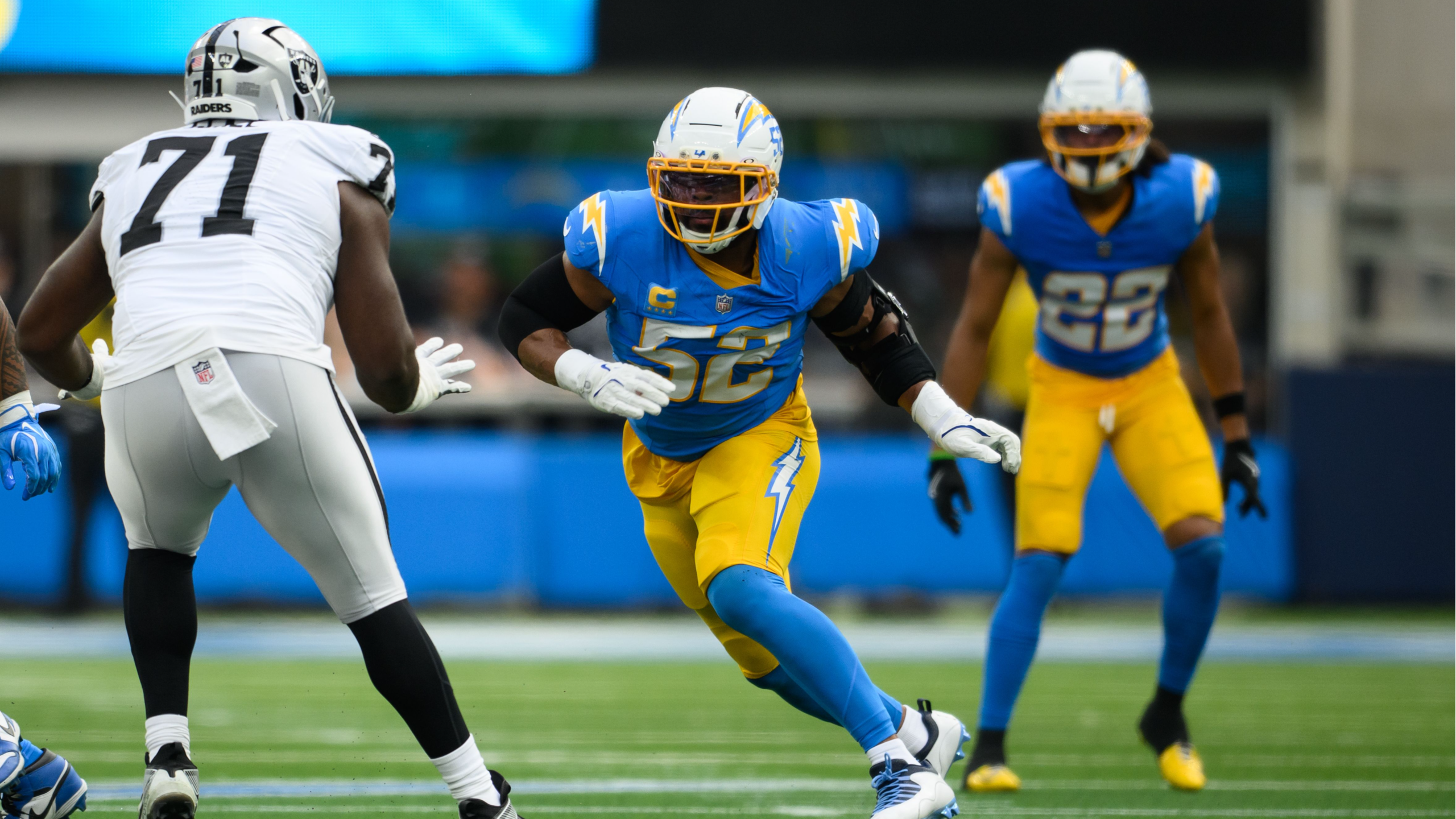
Mauricio Pochettino Still Working out How to Keep His Tottenham Philosophy Fresh
A Tottenham Hotspur starting XI can be a deceptive thing. Recent precedent in the use of specific players and conventional wisdom in how certain opponents should be approached can make you examine manager Mauricio Pochettino's selections simplistically.
His team for the early October win over Manchester City was one such example. Tottenham's social media team listed Dele Alli as playing in central midfield proper. Up against Pep Guardiola's vibrant attacking outfit, a switch back to a more cautious 4-2-3-1 after weeks using something closer to 4-1-4-1 seemed a reasonable call and assumption.
TOP NEWS

Sullivan, Hall Lead USMNT to Big Win 💥
Int'l Break Goals and Highlights 🔥
Aaron Boone Calls Out Yankees Catcher 🗣️
The north Londoners stuck with the latter. Alli scored twice in a 2-0 win that saw him and his team-mates take the game to City, overwhelming them at times with their positive game plan.
The lineup for Tottenham's 1-1 draw with rivals Arsenal similarly required a nuanced view.
Again, going by the club's Twitter listing of their XI, it looked like Pochettino might have gone with Eric Dier in midfield. Centre-back Kevin Wimmer was starting, and the use of the versatile England international as part of a defensive-midfield shield with Victor Wanyama made sense against a team featuring the brilliant attacking minds of Mesut Ozil and Alexis Sanchez.
That there was more to Pochettino's team soon became apparent (the manager's preference for naturally sided players on either side of the central defensive pairing was the indicator that using two left-siders in Wimmer and Jan Vertonghen was unlikely).
The 3-5-2/5-3-2—depending on how exactly you viewed the use of wide-men Danny Rose and Kyle Walker—Spurs utilised in arguably their best performance since beating Man City was in keeping with the thinking of a football mind that should not be underestimated.
It is easy to do that at times with the Argentinian. Especially off the back of a run of form that was drab by the Lilywhites' high standards under his management.
In his time in charge, he has focused on a message that, in such disappointing runs of form, can feel like the be-all and end-all of the coaching staff's thinking.
Though it is less commonly referenced now, since taking over at Spurs in 2014, Pochettino has often talked about this footballing philosophy. For the way he hammered it home to his players and got the message out publicly, "doctrine" was perhaps the better word.
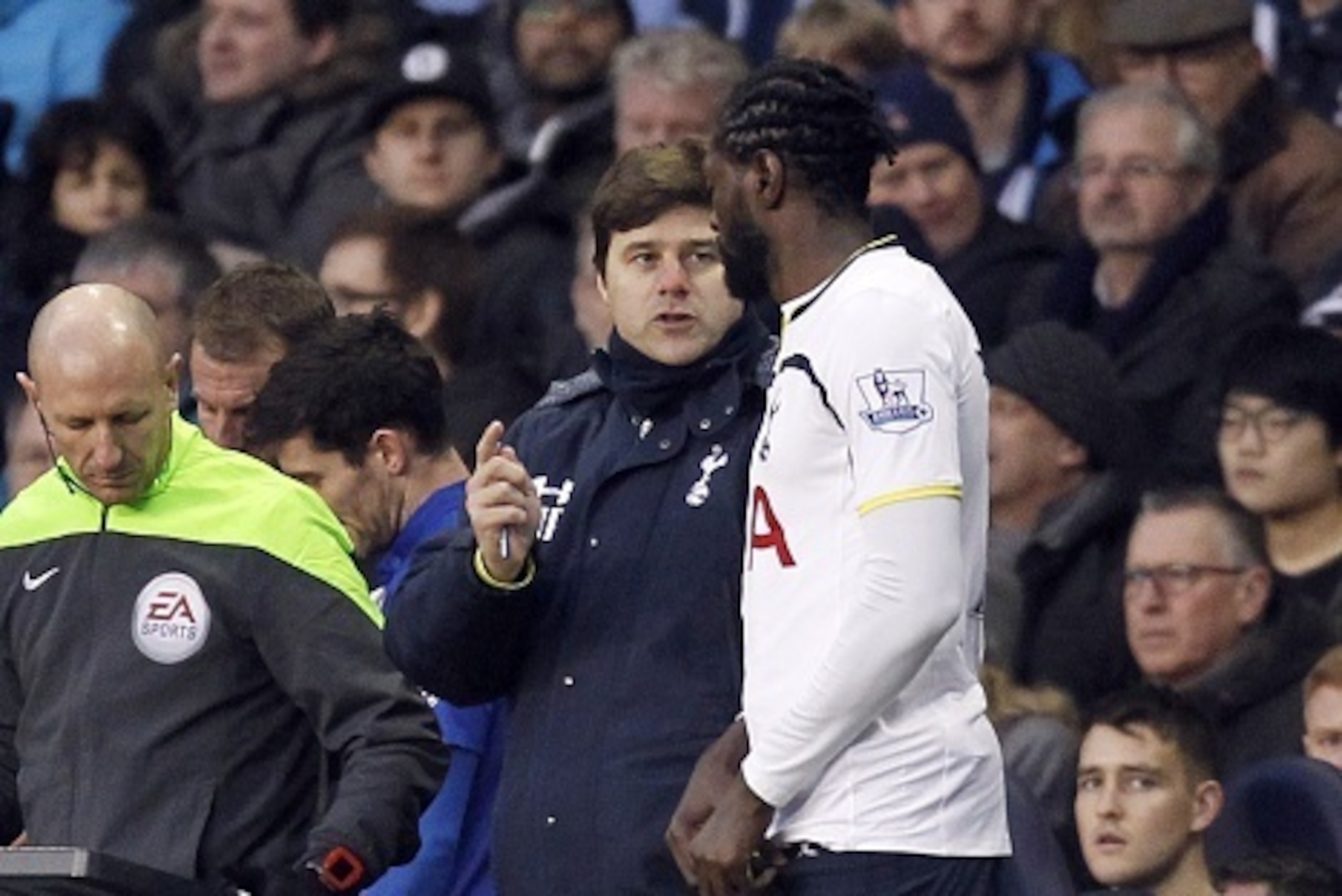
This was not something so wishy-washy as a principle he would use in guiding his team. It was the principle.
Play this way, or risk his ire. Modern religion may be less about hellfire and brimstone, but even a benevolent God ensures disobedience and a lack of faith has consequences.
The process of transforming Tottenham into an offensively aggressive and defensively bold group naturally did not happen overnight. Look back at his first year in charge and, while you will see some signposts of the direction Pochettino was taking the team—notably big derby wins over Chelsea and Arsenal—they were still some way off becoming what we have seen since.
That season, Pochettino mostly veered between 4-2-3-1 and 4-4-2 as he figured who was suitable to his style out of the squad he inherited and from the few signings he made that first summer. There were to be casualties of both as more youthful (and some would say more pliable) players, both bought and developed by the club, were preferred in taking things forward.
All the while, Pochettino continued to stress the importance of his "philosophy," how it taking hold was intrinsic to the team's development and health. Spurs were decent enough in 2014-15, finishing a commendable fifth, but the public pronouncements served to placate supporters in rougher patches that a better time was ahead.
The reliance on the word "philosophy" was also likely a partial product of Pochettino's more limited English. But even as his vocabulary has expanded, the general theme of gradual progress under his direction has still been there.
In Tottenham's Premier League title challenge in 2015-16, it expanded to include acknowledgements of the team's youth. Recognising the good work that players such as Alli and Harry Kane did in implementing his style, Pochettino also cautioned against overburdening them (admittedly, he would pick and choose when to emphasise this youth, with other times him making a point of also highlighting the experience provided by players like captain Hugo Lloris and Vertonghen).
The 44-year-old was talking big-picture stuff around the time of the Man City win last month. But even amid musings on the challenges and possibilities of fulfilling Tottenham's grand ambitions, it went back to that general mantra.
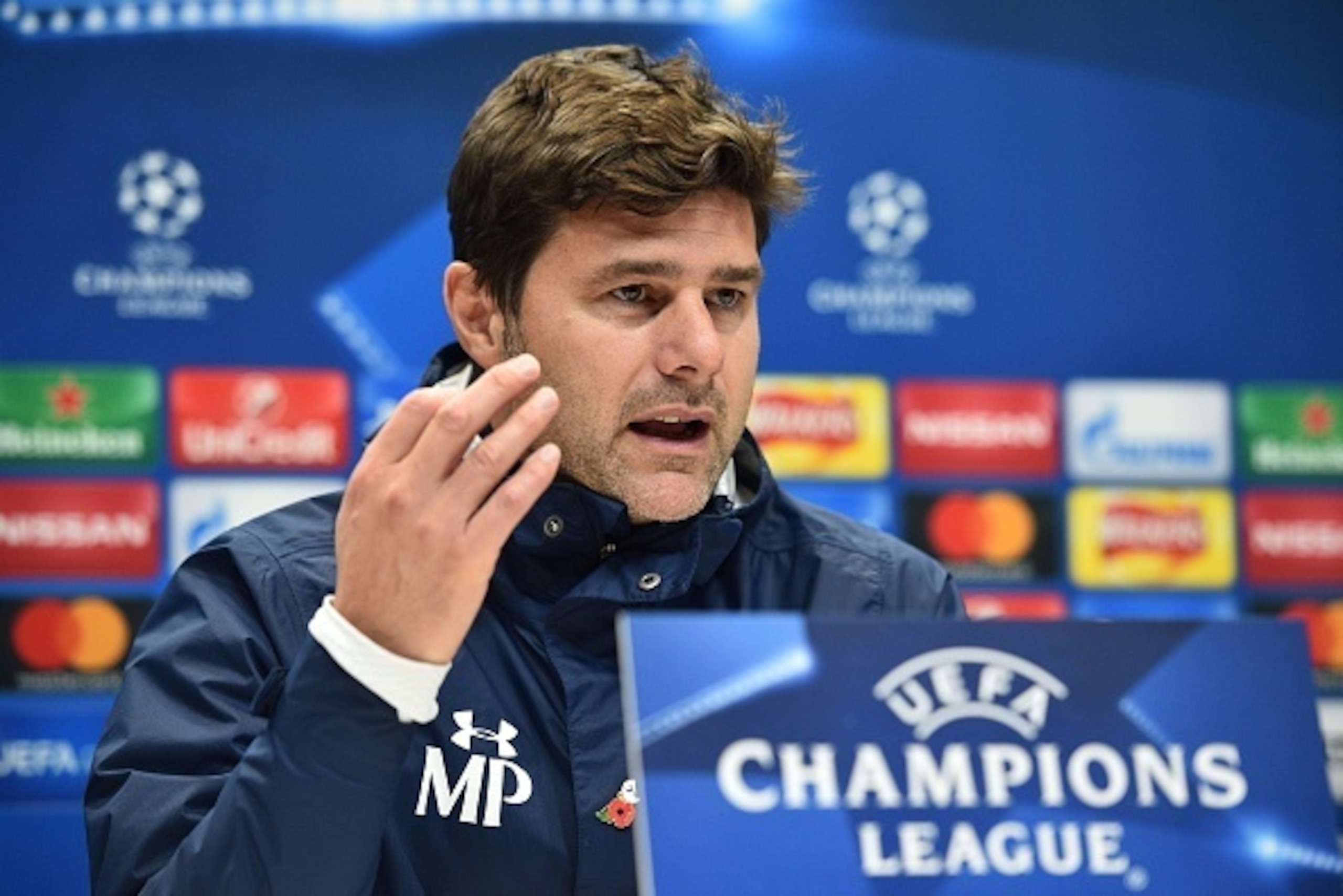
That word "philosophy" was used to highlight the difference of Spurs' project to their rivals, chiefly their comparative lack of financial clout. It was deployed discussing the requirements any players coming into his squad—homegrown or otherwise—need to have.
"We need to bring players that can settle quick in our philosophy, in Tottenham philosophy, and that is very important," he said.
Now in the third year of Pochettino's tenure and coming off the back of a well-fought but ultimately disappointing title challenge, generic talk around a particular mindset can feel desultory in the midst of a slump. Especially one that has its roots in better-prepared opponents stifling its key tenets.
In fairness, the Spurs boss has not been talking much about these things during the winless sequence dating back to the Man City game (four draws maintaining their unbeaten league record and lofty position but another tie and two defeats hurting their cup prospects). Nevertheless, as their attack in particular has struggled during this period, the lack of on-pitch ideas could be interpreted as a team thinking just going through the motions in terms of harrying and on-ball engagements of opponents would suffice.
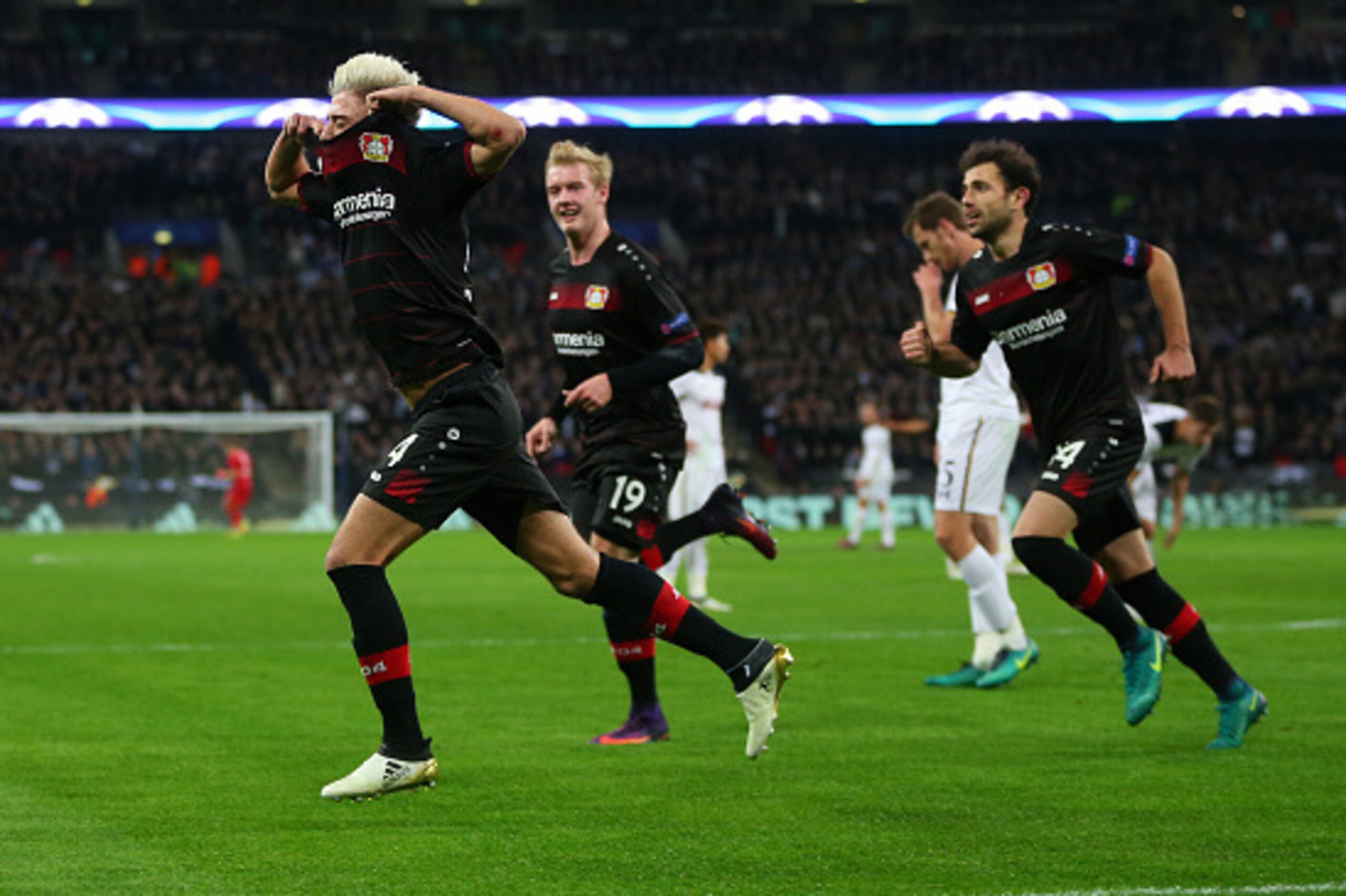
Bournemouth caught Tottenham off-guard in a stalemate in October; they were less content to let Spurs play their usual game than they were in two defeats a season earlier. Leicester City put in one of their more convincing defensive displays since winning the league to earn a hard-fought point of their own. In the Champions League, Bayer Leverkusen took the best of both those performances to unsettle and expose Spurs at either end of the pitch.
Improvements were needed, something Pochettino was well aware of in his pre-Arsenal press conference.
He does not always go into detail about his team, and this was hardly a pinpoint examination. But hearing/reading him talking about the thought process of figuring out Spurs' struggles, to know he understood they had to"change something and to find the better way to play now" should have been heartening for Spurs supporters.
"Maybe the problem is not in front, is because maybe we are not building in a very good way from the back and the ball arrives in the last third in a different condition," he said in one point that, in hindsight, was revealing. "That is a very complex job for us to analyse why."
In truth, Pochettino has already talked more this season about expanding the way Spurs played. It was just that the contradictions in their performances throughout October were a little concerning.
"I think that it is important when we are in a project after two years to try to improve when all the values and concepts are settled, to try to play in a different way too in different games," he said prior to one such frustrating performance, the 1-1 draw away at West Bromwich Albion. "Always with the same concept and value but [trying things] in different positions on the pitch I think always is important, is good for us and for sometimes is very complicated for the opponent."
The changes he implemented against Arsenal were in line with the campaign's effective earlier switch to a 4-1-4-1 catching out opponents (then the injury absences of midfielders Mousa Dembele and Dier facilitated an even more aggressive system with Victor Wanyama serving as the central one). It also acted as a reminder even before this season there has been more to his instructions than pressing, passing out from the back and trusting in his team's talented players to make it all sing in perfect harmony.
In the aforementioned pre-match analysis of Pochettino's team at the Emirates Stadium, his use of three centre-backs against Watford last December (Dier dropping back between Toby Alderweireld and Vertonghen) certainly slipped this writer's mind.
Back then, it was used to contain the Hornets' strike pair of Troy Deeney and Odion Ighalo. The change worked reasonably well, and the team's full-backs having more license to get forward led to Kieran Trippier setting up Heung-Min Son's late winner.
Against Arsenal, the extra man at the back did not contain Ozil, Sanchez and others. But it did ensure there was someone often on hand to intervene or clear when the Gunners did breach their lines.
The front two of Kane and Son did not cause Arsenal too many problems directly (the former's equaliser coming from the penalty spot). However, their intent in buildup and the final third was sufficient that their presences created space for Dembele and Eriksen to exploit centrally, and Rose and Walker on the flanks.
It did not produce the win Tottenham wanted, but an improved performance against a rival and one of the division's in-form sides is not to be sniffed at. As their winger Theo Walcott admitted to BT Sport's Des Kelly (see above), the tactical alteration caught Arsenal out.
"The system worked very well, the defence felt very strong and we just needed a bit more luck, but we can be positive today," Vertonghen told Tottenham's official website. "It's something to keep in mind."
"We played that system at Watford last season and it's about flexibility to try to find the right solution, to try to score goals and win games," Pochettino told the club site. "It's important to have different options."
Tottenham have them. Continuing to work out how he can best utilise such ideas and permutations moving forward can ensure Pochettino's philosophy stays fresh.
Quotes obtained firsthand unless otherwise noted.
.jpg?w=2560 "Saints Lions Football")
.jpg?w=2560 "Titans Giants Football")

.jpg?w=2560 "Report: Baker May Miss Up to 6 Weeks")
.jpg?w=2560 "EVERY Fantasy Football Update")