

College basketball and the 2017 NBA draft are both set to benefit from an injection of exciting freshman talent. Thus, missing the playoffs this year won't be so terrible for franchises that have kept the rights to their first-round picks.
Point guard-needy lottery teams should be able to fill their biggest holes with special players. This list of top 10 overall prospects features four impressive lead ball-handlers, including one who continues to build a case for himself overseas.
Only one returning college player cracks this year's preseason top 10, but he'll have a real chance to mirror Providence product Kris Dunn's rise into 2016's top five.
These rankings are based on NBA potential, which is determined by a combination of physical tools, athleticism, skills, intangibles, age and production. However, this is not necessarily a reflection of where I believe each prospect will be drafted.
10. Marques Bolden (Duke, C, 6'11", Freshman)
1 of 10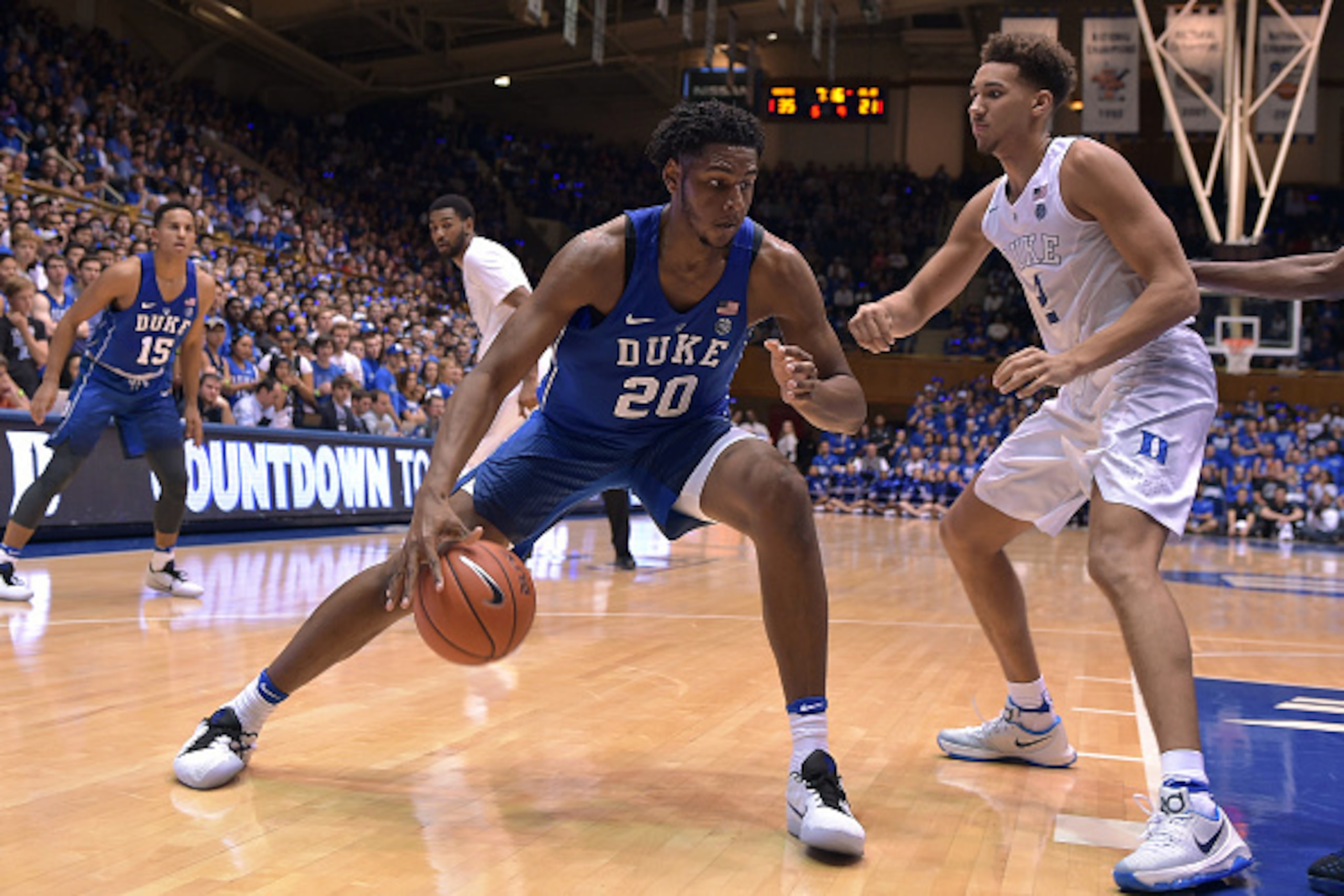
Identity: Post Scorer/Physical Interior Presence
Marques Bolden brings an NBA body to college, where his 6'11", 245-pound size and 7'6" wingspan won't be difficult to spot.
A monster in the paint, he uses his strength to carve out space and his length to finish, track down loose balls and block shots. Bolden isn't explosive, but he's coordinated, mobile and can elevate for easy buckets above the rim.
At this stage, he'll mostly lean on pick-and-rolls, catch-and-dunks and putbacks for offense. Bolden should also emerge as a strong rebounder, particularly under the offensive boards.
Though still raw, he has a post game brewing, having flashed glimpses of shot-creating with nifty footwork and effortless jump hooks. He won't average a ton of points for Duke, but he has scoring potential for his future NBA coaches to unlock.
He'll never win Defensive Player of the Year either, yet he can still make an impact. His length naturally translates to rejections, and he covers ground and airspace around the basket.
Questions
Bolden doesn't have any shooting range, and without the ability to guard 4s, he offers little versatility.
Can he switch in pick-and-rolls? Given his limited offense, developing into a defensive asset becomes a must. Considering he doesn't play away from the basket, how will his lack of explosiveness affect his inside game?
Keys to Maxing Stock/Potential
- Protect the rim and avoid foul trouble
- Continue to develop post game
- Scoring efficiency
- Dominate under the boards
9. Frank Ntilikina (France, PG, 6'5", 1998)
2 of 10Identity: Facilitator/Defender
Frank Ntilikina has used FIBA tournaments, Basketball Without Borders Global Camp and flashes during LNB Pro A play to earn scouts' attention. At 18 years old, he now has a regular role in France's top division, and he's off to an efficient start, having hit 13 of his first 19 shots.
With 6'5" size and long arms, Ntilikina has excellent physical tools for a point guard. He isn't explosive, but he does an effective job of mixing his quickness, body control and adequate bounce.
Poised and unselfish, he's a natural facilitator with strong pick-and-roll instincts, timing and vision. Though not a blow-by athlete, Ntilikina changes speed to create separation or beat his man off the dribble. A savvy passer on the move, he's also a threat to pull up, toss up a floater or finish at the rim.
Ntilikina's shooting continues to improve, and he's made nine of his first 18 threes (combined LNB Pro A and Basketball Champions League).
His defense is a selling point as well. Ntilikina, who guards both backcourt positions, forces turnovers with his quick hands, his length and his lateral speed.
Questions
Some may view him as too passive and quiet on the floor. Does he have a killer mentality?
He's performing well in a small role, but during 71 logged games between FIBA, LNB Pro A, EuroCup, Euroleague, Leaders Cup and BCL, he's shot 39.4 percent. Does Ntilikina play with the physicality and burst to score and finish in the NBA?
His shooting mechanics aren't convincing, either; Ntilikina has somewhat of a slow delivery and push motion. How will it translate to a deeper arc?
Keys to Maxing Stock/Potential
- Continue shooting well
- Scoring efficiency
- Flash playmaking when given opportunity to create
8. Jonathan Isaac (Florida State, SF/PF, 6'10", Freshman)
3 of 10Identity: Scorer
As much as Jonathan Isaac stands out because of his NBA-ready physical tools, his attached skill set is what makes him so intriguing.
At 6'10" with a 7'1 ¼" wingspan and wing-like agility, he's a ball-handler, face-up scorer and capable three-point shooter. He'll become a mismatch—too big for 3s and quick for 4s—if he can eventually tie everything together.
Isaac has flashed the ability to create jumpers for himself as well as layups off shifty drives. Shooting isn't a strength yet, but his stroke looks clean and extends out to the arc. And he's demonstrated the shot-making to knock down specialty looks such as step-backs and fallaways out of the post.
His scoring potential is as great as any non-point guard in the projected 2017 field.
Foot speed, height and length also translate to defensive versatility.
Questions
Just 210 pounds, Isaac lacks strength. Slight contact can easily bump him off track, which hurts when he's turning the corner, finishing, carving out space and rebounding.
Will he prove to be versatile? Or is he a tweener without the bulk to play down low or proficiency around the perimeter? For a player his size, Isaac settles too often for low-percentage shots.
"Does he pass?" one scout asked. If Isaac isn't passing or rebounding, his scoring and shooting must be extra sharp.
Keys to Maxing Stock/Potential
- Improve shooting
- Build body/toughness
- Offensive efficiency (exploit the mismatch, clean up shot selection)
- Defend with intensity

7. De'Aaron Fox (Kentucky, PG, 6'3", Freshman)
4 of 10
Identity: Two-way Playmaker
Kentucky has three big-name guards, but De'Aaron Fox projects as the primary ball-handler.
He'll immediately captivate with speed and quickness, which he uses to make plays at both ends of the floor. He forces turnovers with pressure and fast, snapping hands that are bound to rack up steals.
Smooth and athletic, Fox is also dangerous offensively in transition, capable of weaving through traffic and finishing above the rim. He's a crafty setup man in the half court, where he uses ball screens and hesitation dribbles to freeze the defense and create scoring chances for teammates.
He'll get himself buckets off change-of-speed drives, advanced layups, floaters around the key and the occasional pull-up jumper.
Questions
Fox can hit threes, but his shooting must improve to become a reliable weapon. Given his blow-by burst, defenders will likely sag back until he can make them pay around the arc.
Fox can also struggle to create high-percentage looks for himself once the game slows down.
Will he be able to score consistently without a dependable jumper or strong one-on-one game?
Keys to Maxing Stock/Potential
- Further develop perimeter game, both in terms of shot-creating and shot-making
- Run the offense with efficiency and limit the turnovers
6. Jayson Tatum (Duke, SF, 6'8", Freshman)
5 of 10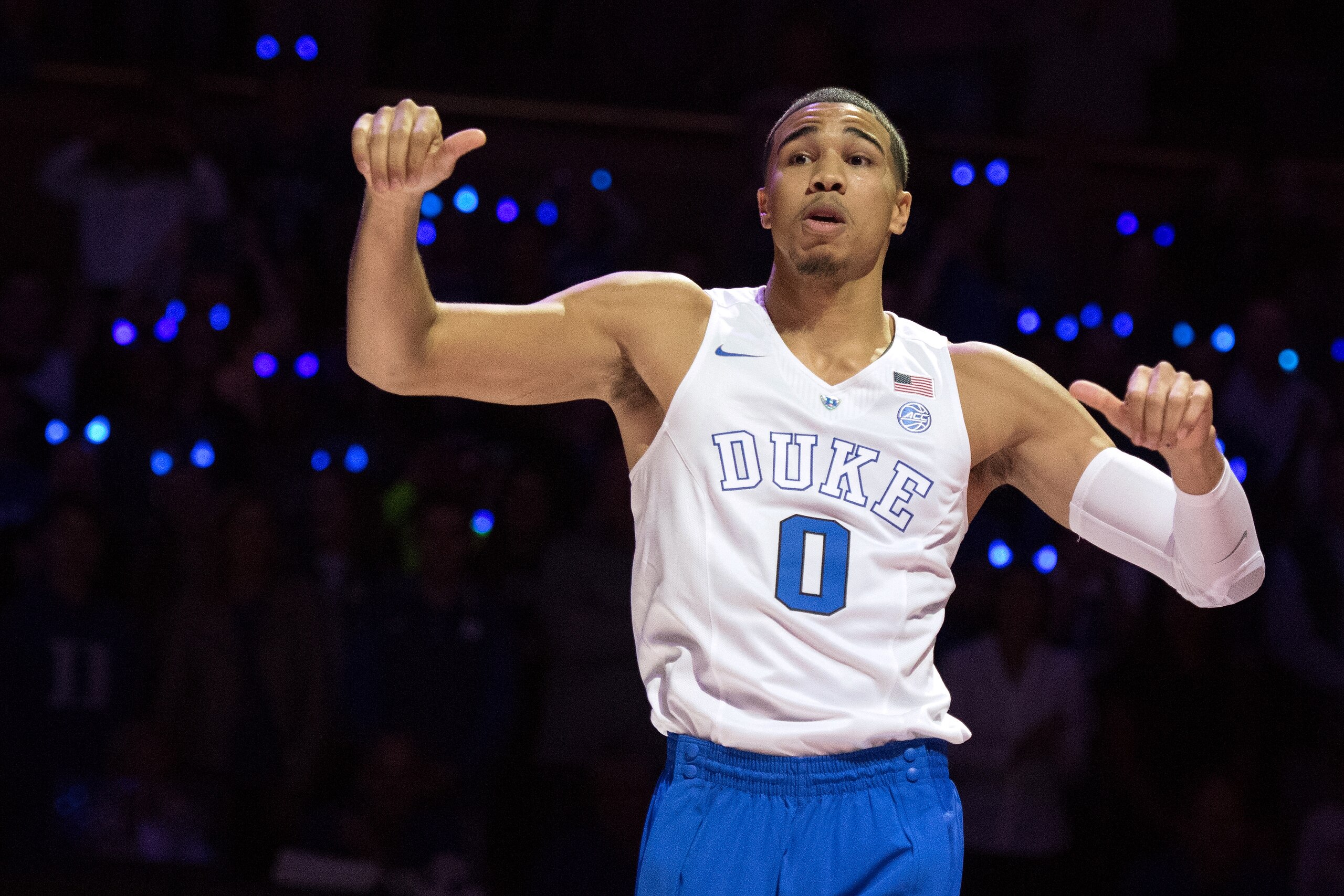
Identity: Scorer
Though Jayson Tatum is an incoming freshman, NBA scouts have been watching him develop for years because of his ties to USA basketball since 2012.
At 6'8", Tatum is an impressive athlete, possesses a textbook small forward body and has highly advanced skills. He's a scorer—an option coaches can isolate or run pick-and-rolls through in the half court.
Tatum shines as a one-on-one shot creator with next-level footwork, ball-handling and crafty shot-making ability. He uses step-backs, abrupt pull-ups and jab steps to separate into balanced jumpers. He can hit from deep, though the mid-range is his office. Tatum passes the eye test with the look of a versatile, top-option scorer, both physically and fundamentally.
Defensively, his tools and quickness are appealing as well. It's unclear how effectively he'll use them in the long run, but his potential to become a two-way player exists.
Questions
Questions focus on Tatum's efficiency.
Can he play off the ball? Tatum isn't known for his spot-up shooting. And with the ball, he's shown little playmaking instincts over the years. Will he make his teammates better?
How will his shot selection, heavy on two-point jumpers, translate? Tatum takes a lot of difficult attempts and isn't as effective around the rim as his skills and his tools suggest.
Keys to Maxing Stock/Potential
- Look comfortable from behind the arc
- Scoring efficiency (shot selection, get to the line)
- Surprise with secondary playmaking
- Defend with intensity
5. Harry Giles (Duke, PF, 6'10", Freshman)
6 of 10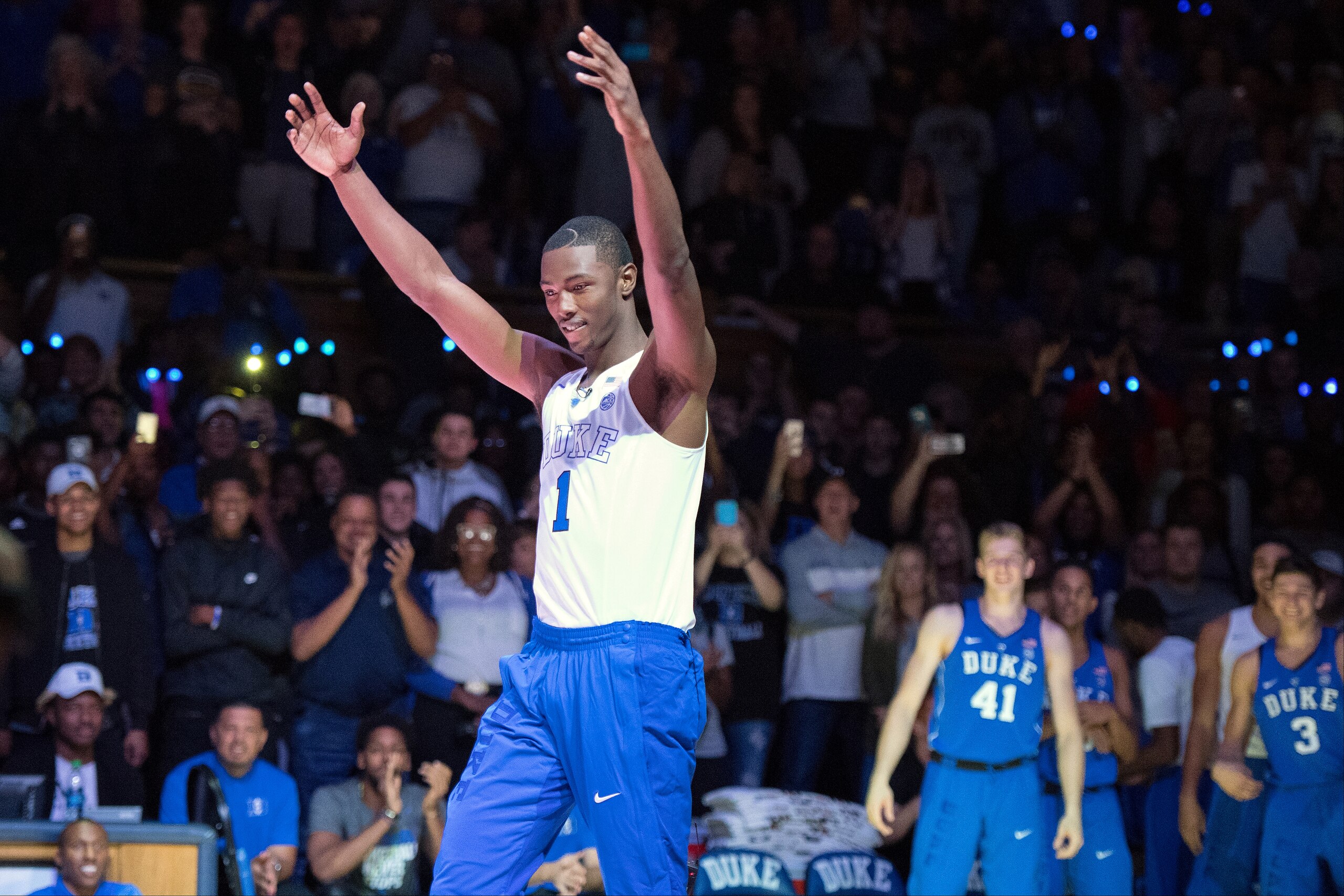
Identity: Upside Big Man
Though Harry Giles is a well-documented, high-upside talent, any scouting discussion about him must start with his injury history, which features two torn ACLs and a third procedure expected to cost him early-season games.
On the other hand, Giles' potential is through the roof. He already has an eye-opening NBA body (6'10", 7'3" wingspan, 240 lbs), and you won't find many bigs who are more athletic. An explosive, big-time leaper, Giles' bounce produces finishes that make the hoop appear nine feet high.
He generates offense just by running the floor and putting pressure on the interior defense. He's an elite transition weapon for a power forward or center, and his half-court scoring comes mostly in the form of catch-and-finishes along with second-chance points on the offensive glass. But with some ball-handling ability and a developing post game, he'll occasionally wow via back-to-the-basket jump hooks and spins as well as coast-to-coast takes and face-up drives.
High energy, length and a nose for the ball fuel Giles' relentless presence under the boards. He projects as a double-double machine at every level.
Defensively, he offers versatility, with the length and hops to block shots and the quickness to contain smaller forwards around the perimeter.
Questions
How much stock should scouts put into his injury history? There is some risk here even if he returns this year and plays well.
Giles isn't a polished scorer or shot creator either. Can he develop into a featured option? He isn't right now and must become one to ever justify top-three overall value.
Keys to Maxing Stock/Potential
- Durability
- Continue to improve offense/skills, from post game to jumper
4. Ivan Rabb (California, PF, 6'11", Sophomore)
7 of 10
Identity: Skilled Rebounder
Of all the high-profile big-men prospects, Ivan Rabb looks poised for the biggest season, having already put together a strong freshman year and NBA draft case.
He used his 6'11" size, his quickness and his budding skills to average 17.5 points and 11.9 rebounds per 40 minutes on 61.5 percent shooting. Now the likely focal point of California's offense after the Golden Bears lost Tyrone Wallace, Jaylen Brown and Jordan Mathews—their top three scorers—Rabb returns to an ideal setting as the team's top option.
His core strengths are finishing and rebounding. Thanks to an effective mix of size, length, motor, instincts and incredible hands, Rabb tracks down, catches and converts practically everything around the rim.
But with excellent footwork, body control and some touch, he's also flashed intriguing glimpses of post scoring. Up-and-unders, fallaways, short-corner face-ups, jump hooks, spins—they're all in the arsenal. He's looked comfortable knocking down the mid-range jumper as well.
Tough defensively, at the least, Rabb has shown he'll compete in the paint.
Questions
At 220 pounds, Rabb's frame isn't powerful for a center. It's also difficult to envision him guarding hybrid small-ball 4s around the perimeter. He'll require his future NBA coach to pair him with a specific type of big, most likely one who can stretch the floor.
At this stage, Rabb is skilled but not polished. How much will he sharpen his scoring attack from here? Are we talking about a go-to player or "just" an energizer?
Keys to Maxing Stock/Potential
- Improve one-on-one moves in the post
- Turn mid-range jumper into consistent weapon and raise free-throw percentage (66.9 percent)
- Avoid being exposed defensively, both outside and inside
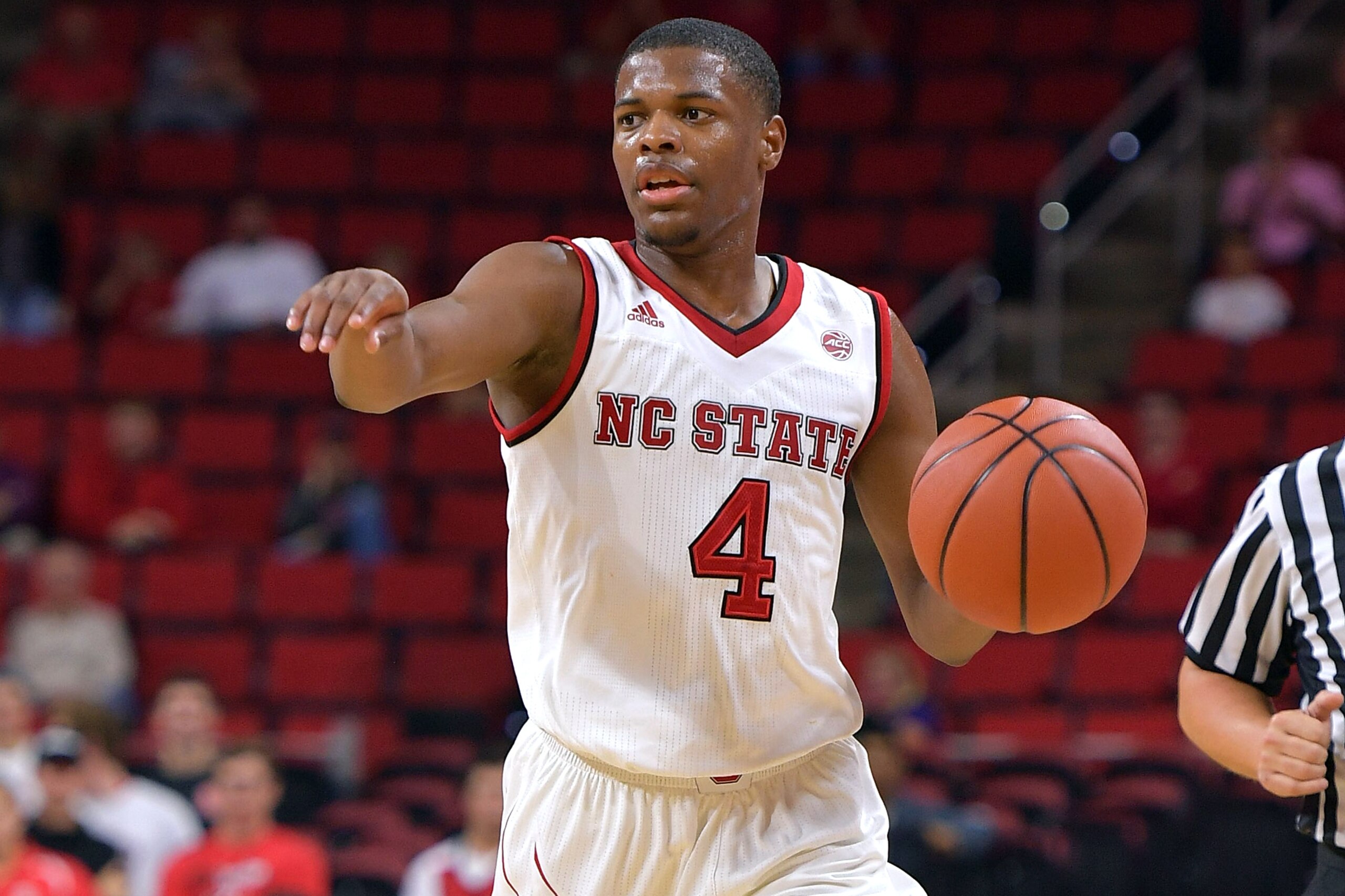
3. Dennis Smith Jr. (North Carolina State, PG, 6'3", Freshman)
8 of 10
Identity: Scoring Point Guard (Lead Guard)
Explosiveness separates Dennis Smith Jr. from other point guard prospects. The 18-year-old elevates with extreme power and speed, and he shakes defenders using quickness and shiftiness.
Smith ultimately falls under the category of scoring point guard. With an exceptional handle and the ability to sharply change direction and speed, the 6'3" freshman effortlessly creates shots, mostly off drives and runners around the key. He also demonstrates the ability to make tough looks, which helps fuel his one-on-one game and scoring potential.
His passing isn't as effective as the rest of his offense, but Smith will always remain a playmaking threat thanks to elusiveness that translates to drive-and-dish (or kick) assists.
Defensively, Smith can turn up the pressure and dig into his man. He has the potential to be an effective point guard defender.
Questions
Smith's jumper lacks range and overall consistency; His shot selection and approach can also appear careless.
Can he make enough outside shots once defenders sag to take away the drive? And will he effectively balance scoring with distributing?
If he's a starting-caliber point guard, how will his short arms (6'3" wingspan) affect his finishing, separation and defense?
Keys to Maxing Stock/Potential
- Tighten shot selection
- Run the offense with efficiency
- Improve shooting
- Keep intensity high
2. Josh Jackson (Kansas, SF, 6'8", Freshman)
9 of 10
Identity: Two-Way Wing
Josh Jackson's identity revolves around versatility and defense.
At 6'8", his size for a wing and high-flying athleticism immediately stand out under the NBA lens. They're routinely highlighted during transition opportunities, cuts and follow-ups at the rim. For most of his offense, Jackson relies on his agility, jets and body control to pick up easy buckets off action toward the basket.
But he's also shown some wiggle off the dribble, with the ability to initiate the break or cross his man up in isolation. He scores with hard drives, runners around the key and occasional fallaways in the mid-range. And he's a good bet to dish out a few assists per game with willing vision on the move.
Off the ball, he's developed into a capable three-point shooter when left open; The 19-year-old does a nice job of staying active, which leads to catch-and-finish scoring chances.
Jackson's defense is just as exciting. Tough and competitive, with extreme quickness and a live motor, he's flashed lockdown potential and the foot speed to guard ball-handlers and both forward positions.
Questions
Jackson isn't an advanced shot creator. He could have trouble offensively on days when the fast-break and easy-bucket opportunities are limited.
At this stage, he's also still a below-average shooter, having hit just 28.2 percent of his threes during 24 logged games since 2013.
How does it affect his half-court offense if he struggles to create and shoot?
Keys to Maxing Stock/Potential
- Make the open spot-up threes
- Create offense in the half court
1. Markelle Fultz (Washington, PG, 6'4", Freshman)
10 of 10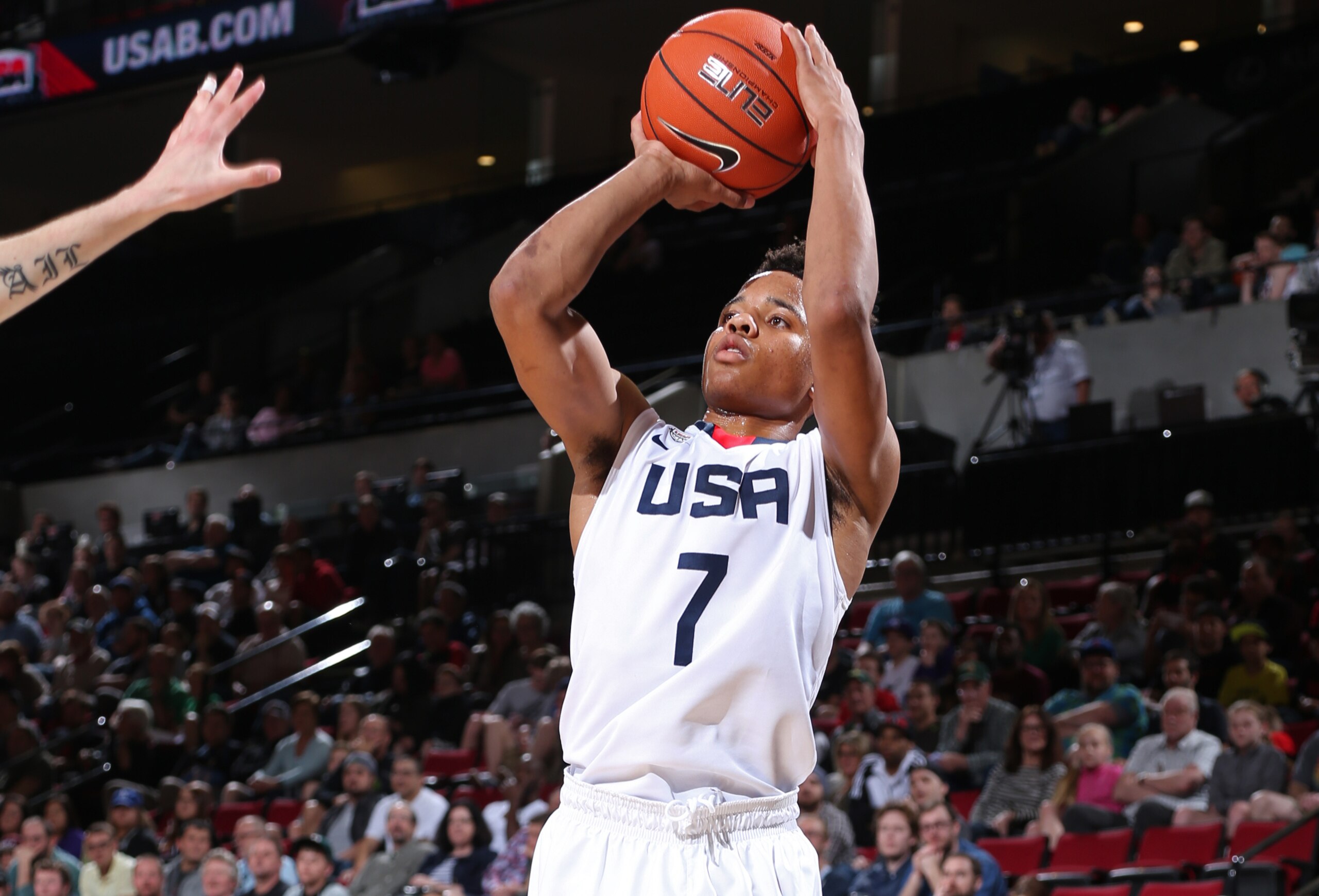
Identity: Scoring Playmaker (Lead Guard)
Markelle Fultz wasn't in any discussions about being the 2017 No. 1 pick at this time last year. Nobody has risen further or higher.
He's looked better at each event, from April's Nike Hoop Summit to July's FIBA Americas U18 Championship. The rapid development he continues to show factors into his ranking. Everything about the improvement suggests there is only more to come.
He'll now take over a Washington Huskies squad that lost its starting backcourt.
At 6'4", 195 pounds with 6'9 ¾" length, Fultz's measurements are nearly identical to John Wall's at the 2010 NBA Draft Combine. He's an exciting athlete as well, capable of bouncing above the rim in traffic.
But it's his skill level that still separates him from the pack. A slick ball-handler, Fultz creates shots left and right. He can separate into—as well as convert—off-balance jumpers or runners one-on-one. And despite his ability to score in bunches from all over the floor, he's unselfish, willing and capable of setting up teammates as the offense's facilitator.
Defensively, Fultz causes problems with fast hands, quick feet, length and strong instincts. He's a steal machine—given his size and long arms—he should offer the versatility to guard 2s as well as 1s.
Questions
A maxed-out Fultz offers high-level scoring, playmaking and defense at the lead guard spot. Dangerous shot-creating ability leads to a lot of tough jumpers, so he has the tendency to settle for hero step-backs instead of using the dribble to attack the rim.
Fultz rarely gets himself free points at the line either. He took five free throws in 109 minutes during the FIBA Americas.
Can he stay efficient as a primary decision-maker?
Keys to Maxing Stock/Potential
- Scoring efficiency
- Keep intensity high
- Lead team to wins

.jpg?w=2560 "NFL House in Paris Closes for Protests")
.jpg?w=2560 "Trevon Diggs Cut by Seahawks")

.jpg?w=2560 "Jonathan Taylor Landing Spots")