

Liverpool Are Still Manchester United's Most Disliked Rivals
Manchester United play Liverpool on Monday night, a fixture that raises the hackles of both sets of supporters.
In the buildup to the Manchester derby, the attention of the whole football world focused in on the new battleground for the club-hopping clash between Jose Mourinho and Pep Guardiola. United, of course, lost that one fairly convincingly. It was frustrating. It was a little embarrassing. It might yet end up being costly in terms of the title race.
But it was not as bad as losing to Liverpool.

.jpg?w=2560)
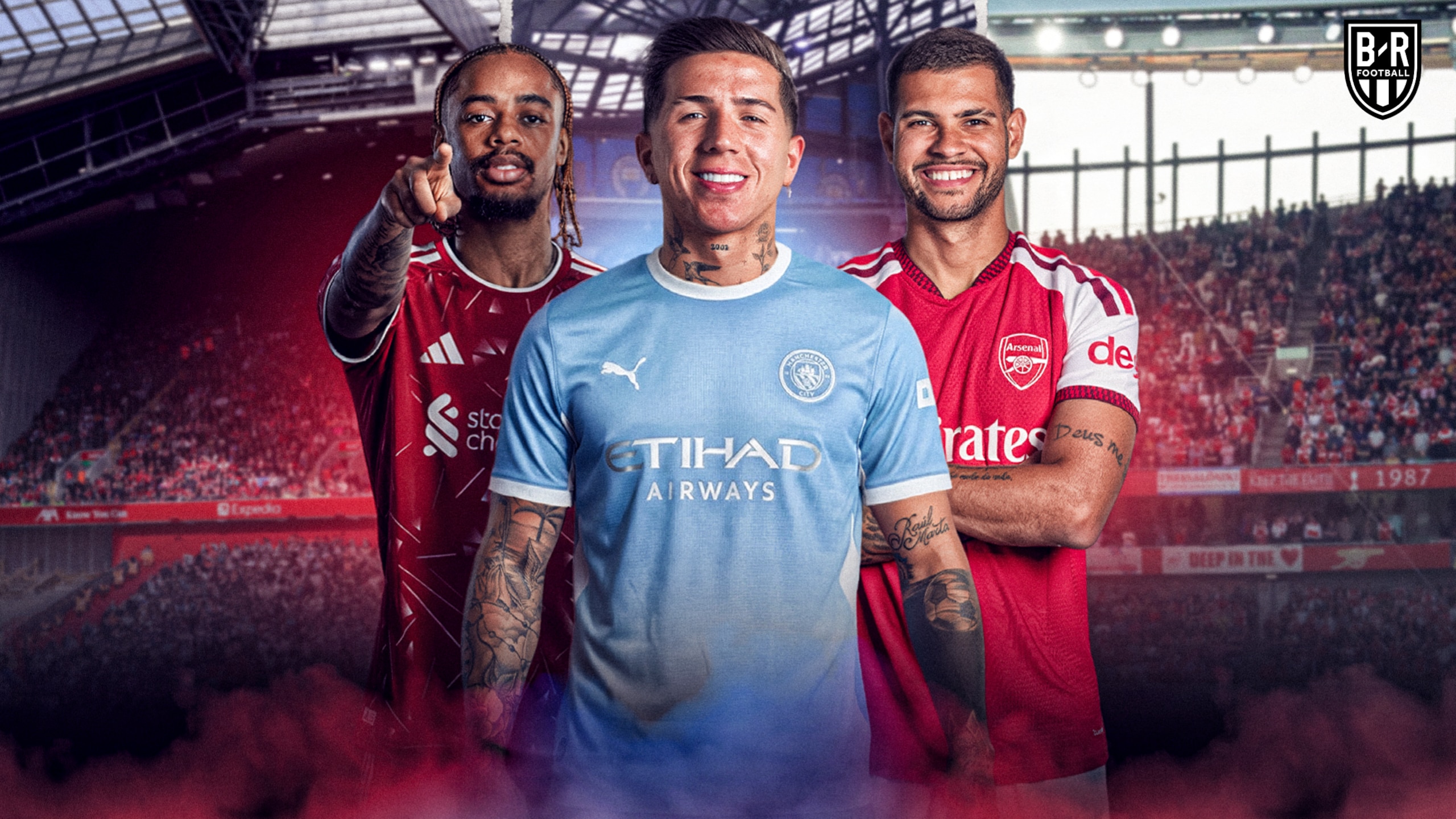
"United fans; which rivalry means more to you?
— Paul (@UtdRantcast) October 12, 2016"
When this poll began, it seemed reasonable to expect that Liverpool would win comfortably. What has come as a slight surprise is the sheer dominance of the victory.
Of course, it is not even close to being a true scientific measure. There are a number of obvious mitigating factors that could skew the result. The first is the immediacy of the Liverpool game. Everyone knows it is coming, so it is a little more present in the minds of supporters.
The second is that there might be a little denial around just how much the Manchester City clash is starting to mean. At least one United fan confessed ahead of the derby in whispered tones that while they would never admit it, it was a fixture that was beginning to overtake the Liverpool clash in terms of significance.
But it will take a long time for that to seep into mainstream acceptability among United fans. For several generations of supporters, City are new arrivals at the top table. For all the mitigation, that poll captures the accurate mood of plenty of fans.
The oft-cited accusation that the Citizens are a club without history is, of course, a total nonsense. City pipped United to the title in 1968, though Sir Matt Busby's men got over the pain by winning the European Cup.
However, it is obvious that City's long fallow spell in the 1970s, '80s and '90s, which coincided with Liverpool's utter dominance in the first two of those decades, has left a mark on fans' feelings that will take a long time to shift.
And while there may be tectonic sociological plates moving under the surface, altering the landscape over time, for now it is clear that Liverpool are the team United fans most want their team to beat.
The Manchester and Liverpool rivalry is not just a football thing. Some cite the building of the Manchester Ship Canal as being a central factor in its history. Liverpool was a port city, of course, with access to the sea that Manchester did not share. The Ship Canal changed all that.

As the BBC wrote in 2010, ahead of the broadcast of its programme A Tale of Two Rival Cities:
"Liverpool, thanks to its creation of the first wet dock, had become one of the world's leading ports. Meanwhile, sparked by the Industrial Revolution, Manchester mills were capturing the trade in cotton.
Raw cotton imported to the UK was spun in the mills of Manchester, it was said that Manchester clothed a quarter of the world.
The invention of the spinning jenny and Arkwright's water frame were just two of the innovations that turned Manchester into a world leading production centre, but the material all had to come from over 30 miles away through Liverpool.
The Port of Liverpool set high charges on the importation of the raw materials destined for Manchester's cotton mills, and this provoked Manchester into action.
The city decided to simply bypass Liverpool and in building the Manchester Ship Canal was able to bring goods in direct to Salford at a stroke avoiding the import charges of the Port of Liverpool.
When the Manchester Ship Canal opened in 1894 the rivalry between Liverpool and Manchester was sealed.
"
By the time the not-yet-knighted Alex Ferguson claimed knocking Liverpool off their perch as his greatest achievement, 19th-century trade disagreements were not forefront in the mind of either sets of supporters.
City had become a competitive irrelevance—hated by a subset of supporters for their geographic proximity but not a pressing concern. Liverpool, though, had become the all-conquering dominant force in English and European football.
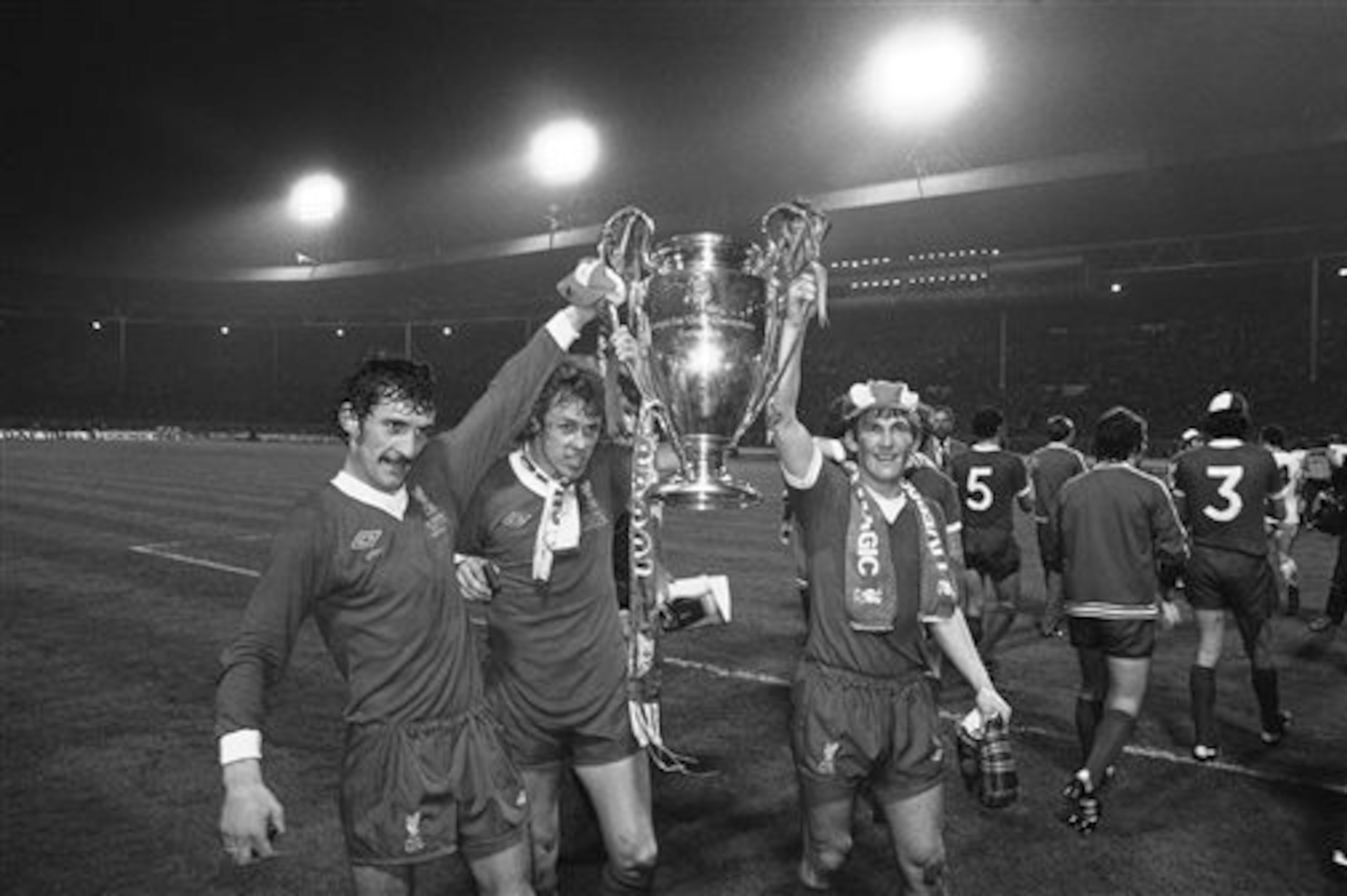
In the 17 years between the 1972/73 season and the 1989/90 seasons, they won 11 league titles, three FA Cups, three League Cups, four European Cups and two UEFA Cups. United won four FA Cups during that period, more silverware than many teams, but the gap between the two sides seemed insurmountable.
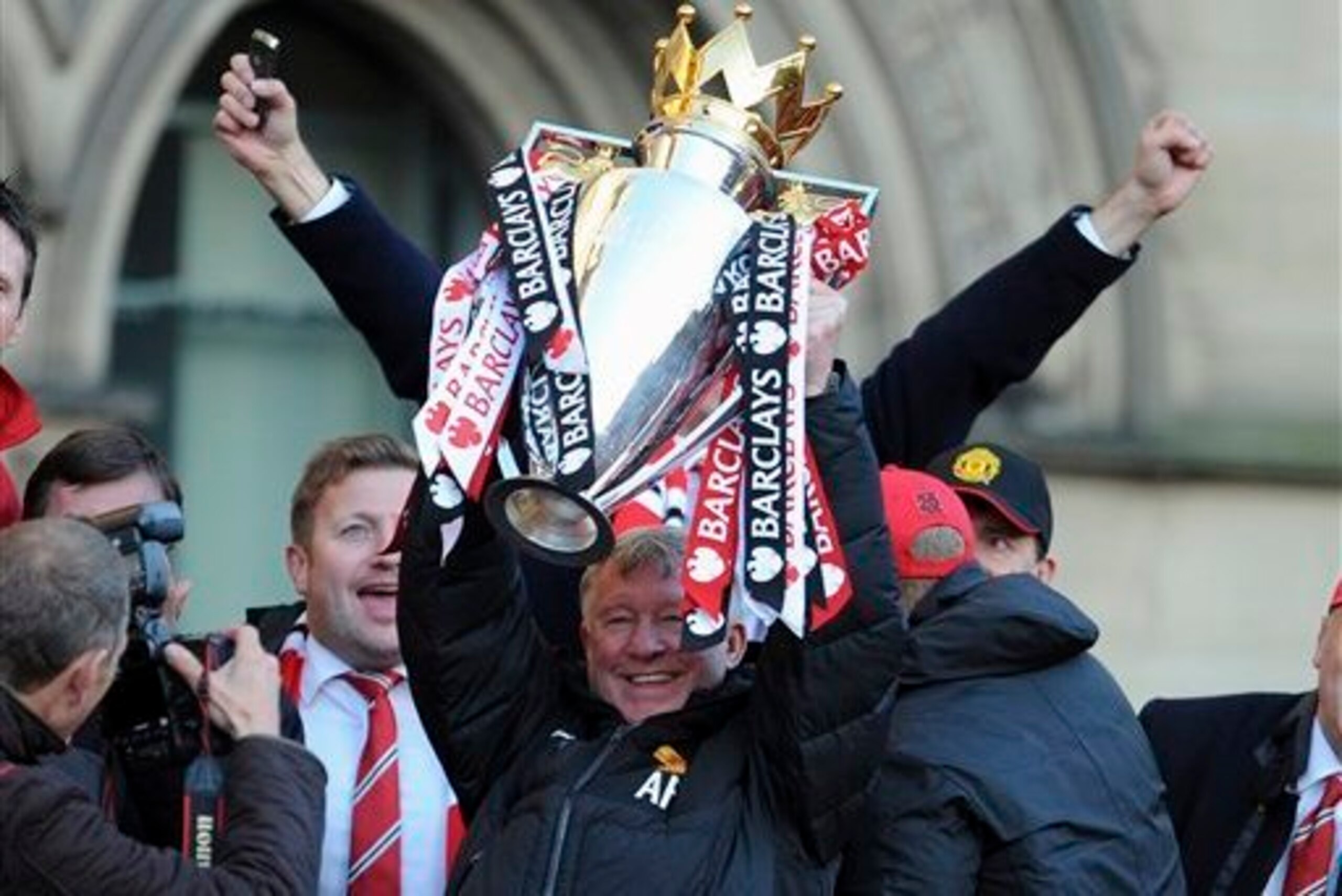
Of course, witnessing the Sir Alex era would have been sweet for any fan of any team, but for those Red Devils who had lived through Liverpool's glory days, it was manna from heaven. Because not only did United sweep all before them, they did so at Liverpool's expense: 1990 was the last time Liverpool won the league.
And if anyone doubted whether United fans as a collective care more about Liverpool not winning than City, the reaction to City's title win in 2013/14 should act as proof.
United finished seventh that season, as David Moyes fell flat on his face after taking the baton Ferguson had handed him. Liverpool won the home and away fixtures at a canter, smashing United 3-0 at Old Trafford in humiliating fashion for Moyes' men—though in truth they did not much seem to care.
But none of that mattered in the end, because Liverpool provided a pure dose of schadenfreude for United fans that will be sung about for a long time to come.
"You nearly won the league, you nearly won the league," went the chant, before it moves on to an unflattering reference to Steven Gerrard's involvement in the title slipping out of Liverpool's grasp.
The significance here is that the event was widely celebrated in spite of the fact that City were the beneficiaries. Liverpool not winning the league was much more important to United fans than City winning it.
Mourinho versus Guardiola is obviously the rivalry that most fascinates the global football industry. If at any time when they are both in situ there is a genuine title race that goes down to the wire, there will be reams of coverage and huge interest.
United fans will, of course, want their team to win that particular race a little more than if it was against, say, Leicester City. But that would be the case with any of their "Tier Two" rivals—Arsenal, Chelsea or Leeds United, say.
Liverpool are different. The Liverpool-United rivalry is the rivalry of two clubs who look at each other and see a kind of mirror image of themselves. The balance of power has shifted over time, but the rivalry has never diminished. It is too ingrained. It might change over the coming decades, but for now Liverpool are still the "enemy."
Losing on Monday night would hurt more than losing to City ever does. Winning would feel that bit sweeter, too.

.jpg?w=2560 "Viral Rams Coach Vid 🖕")

.jpg?w=2560 "Injury-stricken Seahawks signing veteran RB")

