

Zinedine Zidane Must Show His Tactical Ability to Get Real Madrid Back on Track
After four consecutive draws and a frustrating international break, Real Madrid and their fans find themselves without having been able to celebrate a victory in almost a full month—almost an unheard-of event outside of the close-season.
For manager Zinedine Zidane, even a legend must know he will come under increasing scrutiny the longer the wait for three points, and as several managers have found out along the way at the Santiago Bernabeu, trophies are no guarantee of keeping a job—even a few short months after delivering.
The French boss faces a run of games against Real Betis, Legia Warsaw, Athletic Club and Deportivo Alaves in the next few weeks. All those games must be considered not just winnable matches, but must-win fixtures, as Los Blancos bid to get back on track and show they can overcome the first serious wobble in Zidane's tenure.

.jpg?w=2560)

Most of all, it is Zidane who must show he has the strength, authority and tactical insight to change what needs altering after recent games and get the balance of his team right once again.
Early days
In the opening matches of the season, Real's XI looked strong, had plenty of depth with some key names out injured and had one or two faces putting in strong performances, which suggested they intended to fight for their places despite not being first-choice previously.
One of the big factors of those first victories in La Liga this term was an altered midfield line, with Madrid going 4-1-4-1 off the ball to make use of their extra midfielders instead of Cristiano Ronaldo and Gareth Bale as genuine wide forwards.
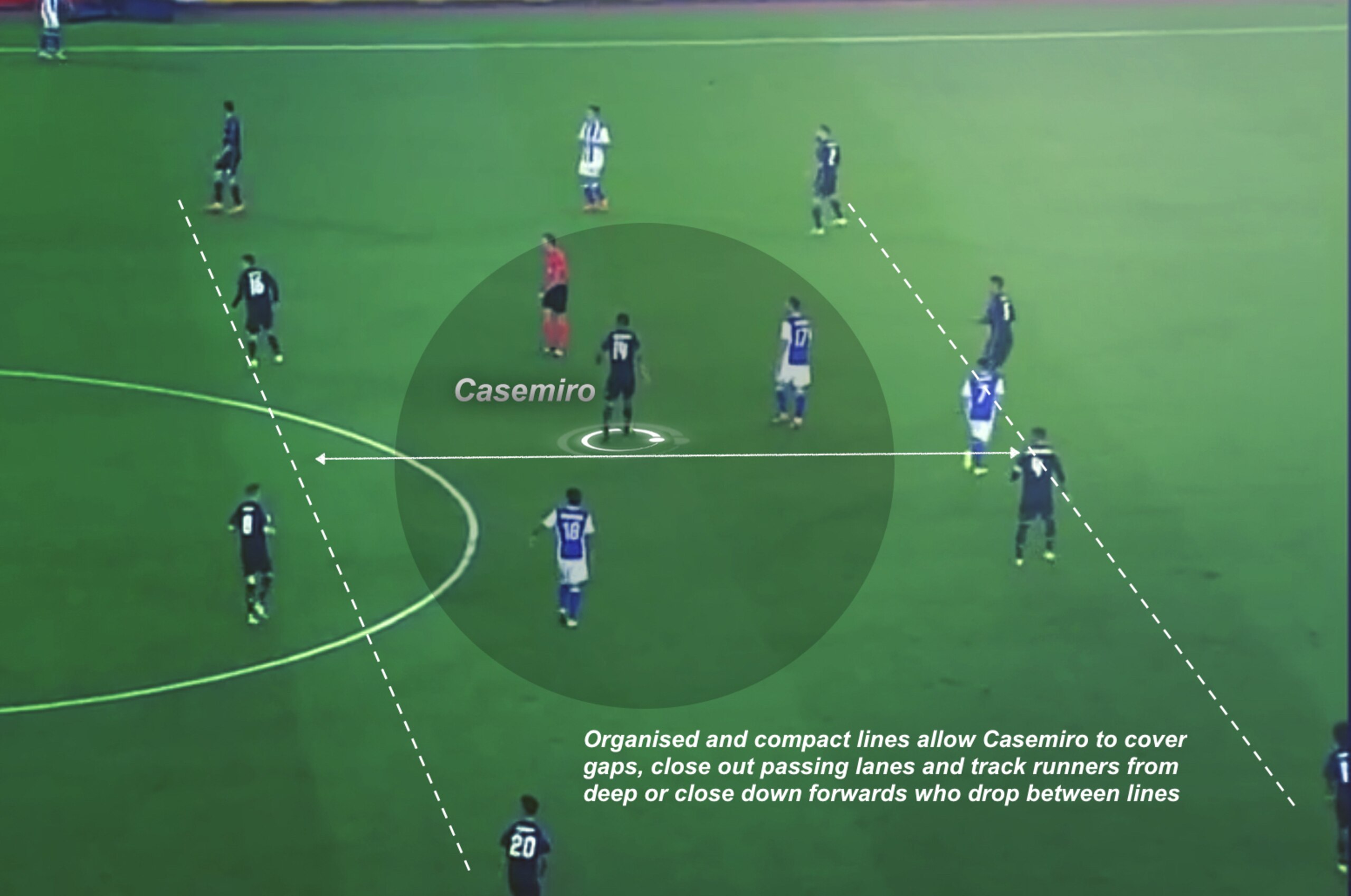
With Mateo Kovacic in particularly pleasing form centrally, there was still room for creativity and attacking impetus from a rotating cast of Marco Asensio, Isco and Lucas Vazquez, most of whom showed the aggression and defensive work rate required from a midfield quartet as well as their natural offensive instincts.
Madrid were not scintillating in some of those fixtures, yet won with a rugged determination and inevitable force in the final third that made up for the individual defensive errors that have plagued this season and last.
Against Osasuna, when Cristiano Ronaldo returned and scored within five minutes, it seemed that Zidane could adopt a plug-and-play approach to rotate his team more this term than he did last year, but that fixture, in early September, was the last that his side won with real conviction and fluidity.

It has been a slippery slope since then, with a number of factors involved, which Zidane must work on quickly to overcome and eradicate the negative run of results.
BBC return
Nobody will suggest that the BBC attack—Karim Benzema, Bale and Ronaldo—is poor or detrimental to Madrid's play most of the time, but they can no longer be the all-important aspect of the team.
| 2016/17 season | Matches | Win percentage | Points per game | Goals per game |
| BBC all start | 4 | 25% | 1.5 | 1.5 |
| BBC do not all start | 6 | 83% | 2.7 | 2.8 |
The table above is of an admittedly small sample size, as Real Madrid are only 10 games into the new campaign, but it's hugely indicative of the lack of effectiveness at this moment from the three-pronged attack.
The reason is simple, obvious and rectifiable: They haven't all been fit, and throwing them all back in and expecting the usual output is unrealistic. Tactically, it has unbalanced the team; technically, they are not at their normal high level. The end result is missed opportunities, quiet performances and a lack of sharpness in a key area of the team.
Madrid do not base their success on a solid, unyielding defence.
Numbers in the final third, individual quality and relentless offensive movement is a huge portion of the team's trophy charge every year—opposition defences cannot cope with an onslaught over an extended period of time, while the athleticism of the attack can also kill teams on the counter.
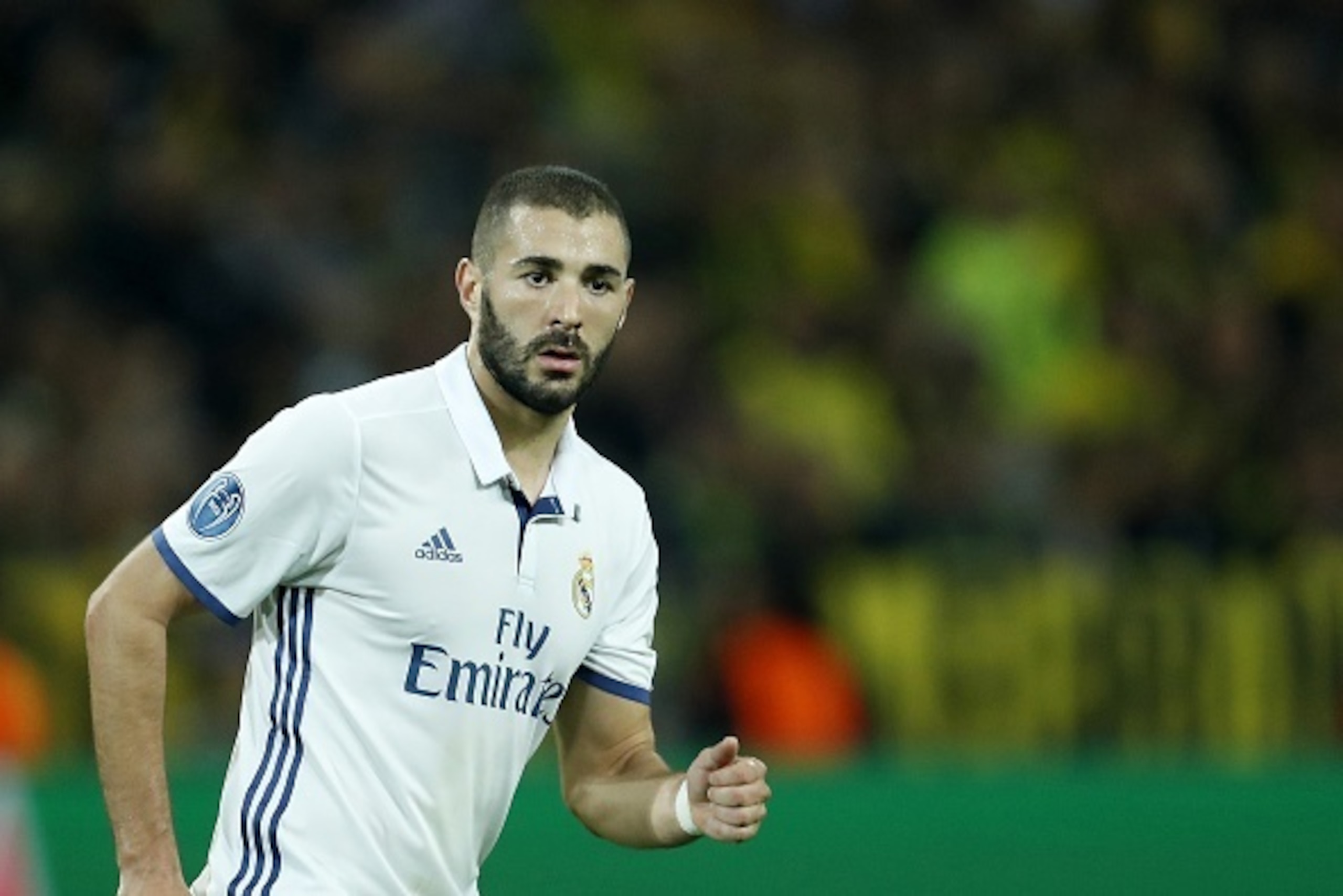
Benzema in particular has been a huge problem since his return from injury. Two weeks' training may have done him some good in the international break, but it is sharpness and his usual instinct and link play around the area that has been missing, and that should not have seen Alvaro Morata replaced so quickly.
Casemiro absence
The front line is not the only problem.
Defensively, there remain question marks over Madrid on an individual and collective level.
Sergio Ramos is now out injured for a month and, while his leadership and aggression are important points in the dressing room and on the pitch, the fact is he has been well below the expected level of him for the best part of a year. A handful of games without his disruptive influence in positional play could benefit Madrid, and perhaps refocus the Spaniard on what is required of him.
Casemiro's injury is another matter.

Toni Kroos had excelled in early games in a more natural No. 8 role, striding from midfield to open gaps, commit defenders and get shots in on goal from range. But moving back to the holding-midfielder role presents two problems: his lack of mobility when teams flood past him, and the lack of a controlling influence higher upfield, given Luka Modric's absence.
Against Eibar, Kroos touched the ball 92 times and made 72 passes with a success rate of 89 per cent, per WhoScored.com, which sounds great—but his effectiveness was close to null in the final third, where his team needed his creative excellence.
Contrast that to the Real Sociedad match where Kroos, as a No. 8, recorded similar base stats: 89 touches, 73 passes, 94 per cent success rate—but was far more important to actual, meaningful structured attacking play, creating three chances, striking the woodwork himself and getting into areas where he could hurt the opposition.
Forward
The options for Zidane remain varied and pleasing: bringing in any of Asensio, Morata or Kovacic is in no way to the detriment of the team, as they have all shown in recent starts.
If Kroos begins as the holding midfielder in the next few weeks, Kovacic must be a near-cert to start given how he has performed both in terms of surging from deep and also helping to win back the ball in the middle. But a curveball for Zidane to consider would be switching Kovacic and Kroos.
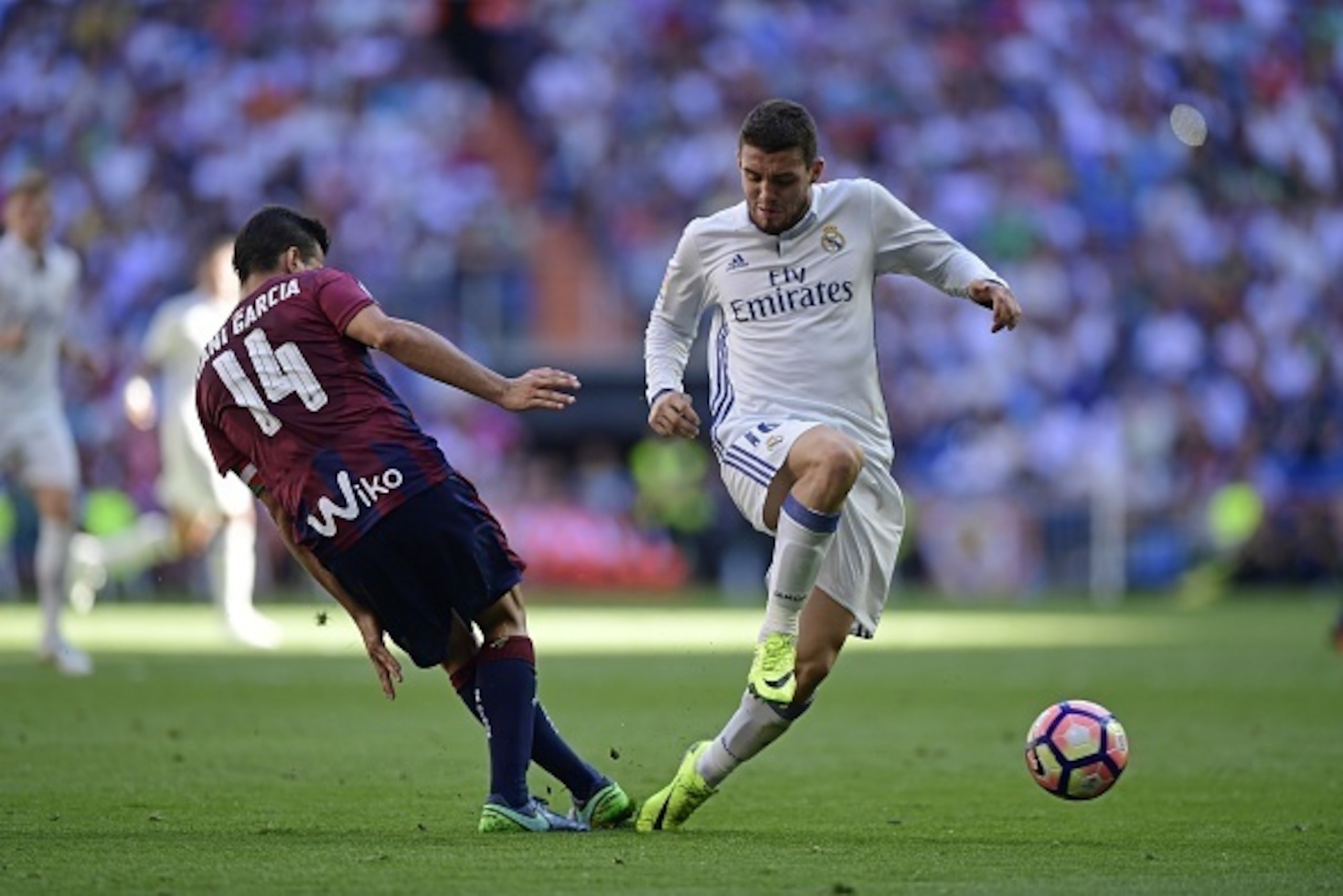
Kovacic played deepest of the midfield trident at Inter Milan at times and does not lack the aggression or mobility to protect the defence, even if his tackling is reckless and poorly timed on occasion. In turn, Kroos would be freed to roam higher upfield and provide the ammunition for the front line.
Most of all, though, regardless of personnel, Zidane needs to rediscover how to get his team set up in the tough-to-break lines when out of possession, even when Ronaldo is playing and even if attacking options such as Isco and James Rodriguez start in central midfield.
No more draws or slip-ups can be tolerated at this point. Of course, the dropped points can be made up at a later stage, but the perception of Zidane and his team is worth more than a victory or two right now, and the manager must quickly overcome his winless streak to avoid losing the aura he created by winning the Champions League last season.
.jpg?w=2560 "Falcons Saints Football")
.jpg?w=2560 "Rams Eagles Football")
.jpg?w=2560 "Injury-stricken Seahawks signing veteran RB")


.jpg?w=2560 "2 NFL Officials Suspended")
