

The Scouting Report That Will Expose Every Top 2016-17 NBA Rookie
All the top NBA rookies have holes, and it won't be long every team's scouting department identify them. Scouts have watched these youngsters develop for years and should already have a good idea of how to expose their weaknesses.
Most of them are correctable, whether it's shaky shooting or a lack of strength. But the fixes better come, because opposing teams will look to pounce on these shortcomings early.
Expect most to suffer from offensive inefficiency in season No. 1. Outside of Ben Simmons, who's out with an injury, only rookies who project to play regular minutes this season were given reports. I listed the knocks on each player and where it will hurt his game.
Only time will tell how much or quickly 2016-17's rookies can adapt and evolve.
The rookies are listed in alphabetical order.
Dragan Bender, Phoenix Suns
1 of 13
Knocks on Dragan Bender
- Lacks strength and explosiveness
- Struggles to create his own shot
Where it hurts him: Scoring, rebounding
Bender covers a lot of ground for a 7'1" big man, but it could take a few years before everything comes to together.
In the meantime, look for NBA bigs to physically expose him around the basket, where his lack of strength and explosiveness will make it difficult for him to score and rebound. The latter issue is well-documented—Bender registered a poor 12.1 percent rebounding percentage last season with Maccabi Tel Aviv.
Offensively, expect flashes of unique versatility, but don't count on efficiency. Bender struggles to create shots for himself in the half court during one-on-one situations.
With Eric Bledsoe, Brandon Knight and Devin Booker doing most of the ball-handling, Bender will spend much of his time floating around the perimeter and waiting for spot-up shooting opportunities. In summer league, 34 of his 51 field-goal attempts came from behind the arc, while 10 of his 17 shots through three preseason games have been threes.
However, though he's more than capable of connecting from deep, he isn't ready to consistently lean on his jumper for offense (9-of-34 from three in summer league, 1-of-10 in preseason). Look for defenses to play up tight and tough with Bender, who'll have trouble separating from his man and knocking down contested shots.
Jaylen Brown, Boston Celtics
2 of 13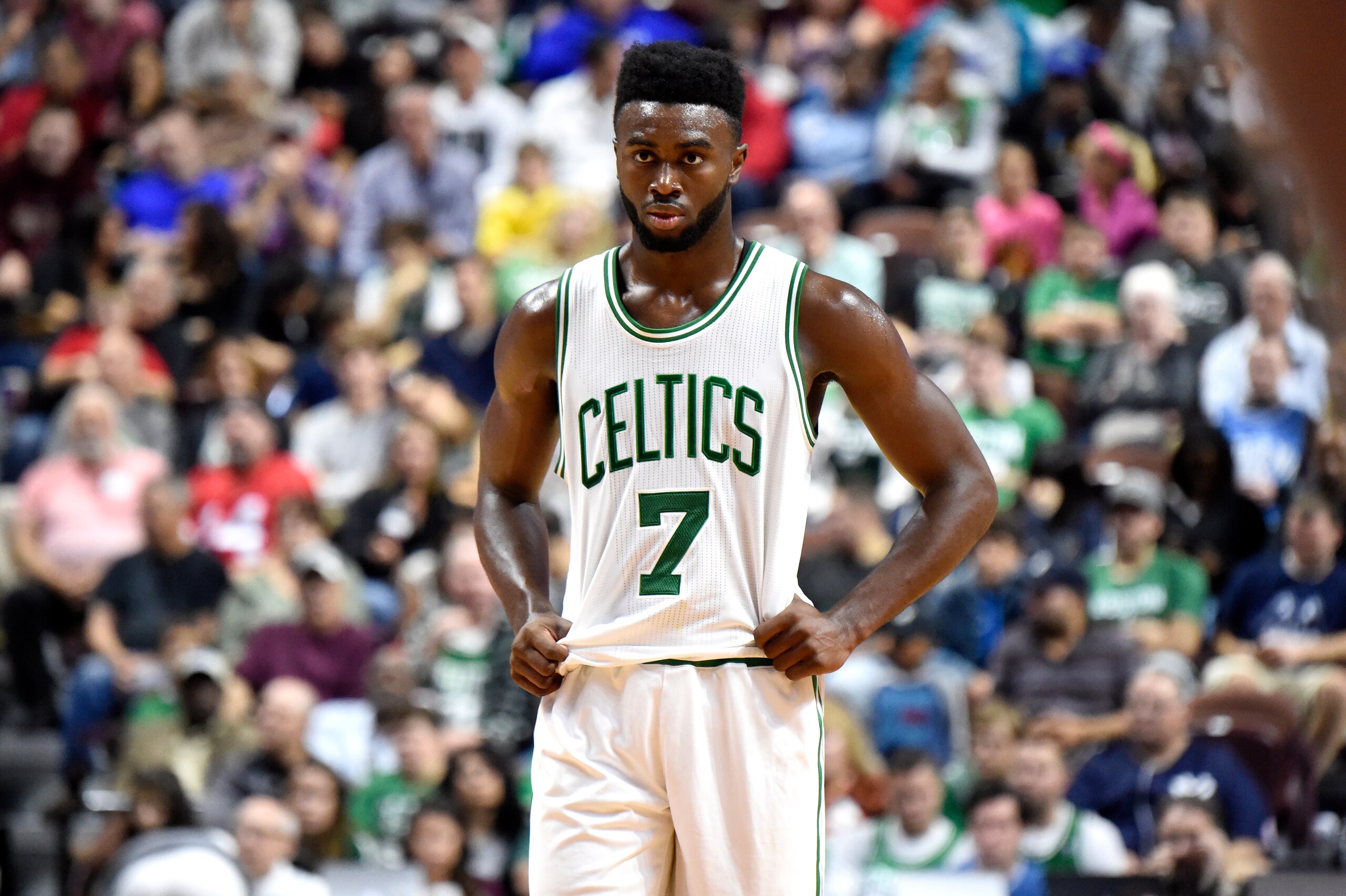
Knocks on Jaylen Brown
- Poor shooter
- Struggles to create high-percentage shots
Where it hurts him: Offensive efficiency/consistency
Brown can hit tough shots, but don't let the occasional fallaway fool you.
He made just 30.1 percent of his two-point jumpers, 29.4 percent of his threes and 65.4 percent of his free throws as a freshman at California. Defenders should be willing to leave Brown open and help, which could hurt the Boston Celtics' spacing.
With the ball, he struggles to create high-percentage looks for himself in the half court, a weakness compounded by the fact his man has the luxury of playing a foot back, given Brown's unconvincing jumper. With more confidence in his physical tools and athleticism than in his shooting stroke, Brown tends to try to plow through traffic and get closer to the rim, which leads to contested or wild shots in crowds.
He's at his best when attacking open lanes and exploding through open floor in transition, so defenses will look to keep Brown around the perimeter, where he lacks shooting consistency and the handle to make things happen off the dribble. Brown ranked 149th in points per possession of college players who saw over 17 possessions per game in 2015-16, per Synergy Sports Technology via DraftExpress' Jonathan Givony.
Marquese Chriss, Phoenix Suns
3 of 13
Knocks on Marquese Chriss
- Lacks toughness and motor
- No go-to skill
- Poor passer
- Defense
Where it hurts him: Rebounding, offensive efficiency
The bounciest NBA rookie, Chriss is arguably the class' worst big-man rebounder. His 10.7 percent boarding percentage at Washington ranked last among bigs taken in the draft.
Look for opposing teams to crash the offensive glass and also go at Chriss in isolation. He just racked up 16 fouls through three summer league games after averaging 6.5 per 40 minutes as a freshman. Chriss has quickness and tools to defend, but to this point, he's vulnerable in space.
Offensively, he's a high-flyer with post moves and shooting touch, but a general lack of polish is evident. Totals of 26 assists (in 34 games) and 69 turnovers at Washington highlight a weak grasp on the game. Outside of using his athleticism at the rim, Chriss doesn't have a go-to skill he can lean on.
Teams should be willing to give him 16- to 24-foot jumpers early (0.6 made threes per game in college, 68.5 percent from the line), especially after seeing finish 0-of-7 from three during summer league. And though he's capable of putting the ball on the floor, he's mostly limited to line drives due to a lack of face-up shot creativity.
Defenses will look to make Chriss a shooter early in his career—anything to keep him away from the rim.


Kris Dunn, Minnesota Timberwolves
4 of 13
Knocks on Kris Dunn
- Shooting
- Decision-making
Where it hurts him: Offensive efficiency
Every opposing locker-room chalkboard and defensive game plan will direct its players to sag back on Dunn. He's never been a consistent shooter (career 0.8 threes made per game in college). Meanwhile, he thrives by attacking the rim, so defenders will go under screens to eliminate the drive and bait him into launching jumpers.
They'll also be looking to locate and pick up Dunn immediately following missed or made shots. He loves to push the ball and weave through traffic in the open floor, but he's not as effective once the game slows down. Along with the erratic shooting, Dunn tends to force the issue with dribbles, passes and off-balance layups among the trees.
He also coughed the ball up 4.3 times per 40 minutes his junior year at Providence, which was actually an improvement from the 4.9 turnovers he averaged (per 40) as a sophomore. And despite possessing ideal quickness, explosiveness and length, his 47.7 percent two-point percentage wasn't overly sharp.
Dunn's passing and playmaking should translate immediately, but until his jumper and decision-making improve, his field-goal percentage and overall efficiency could suffer.
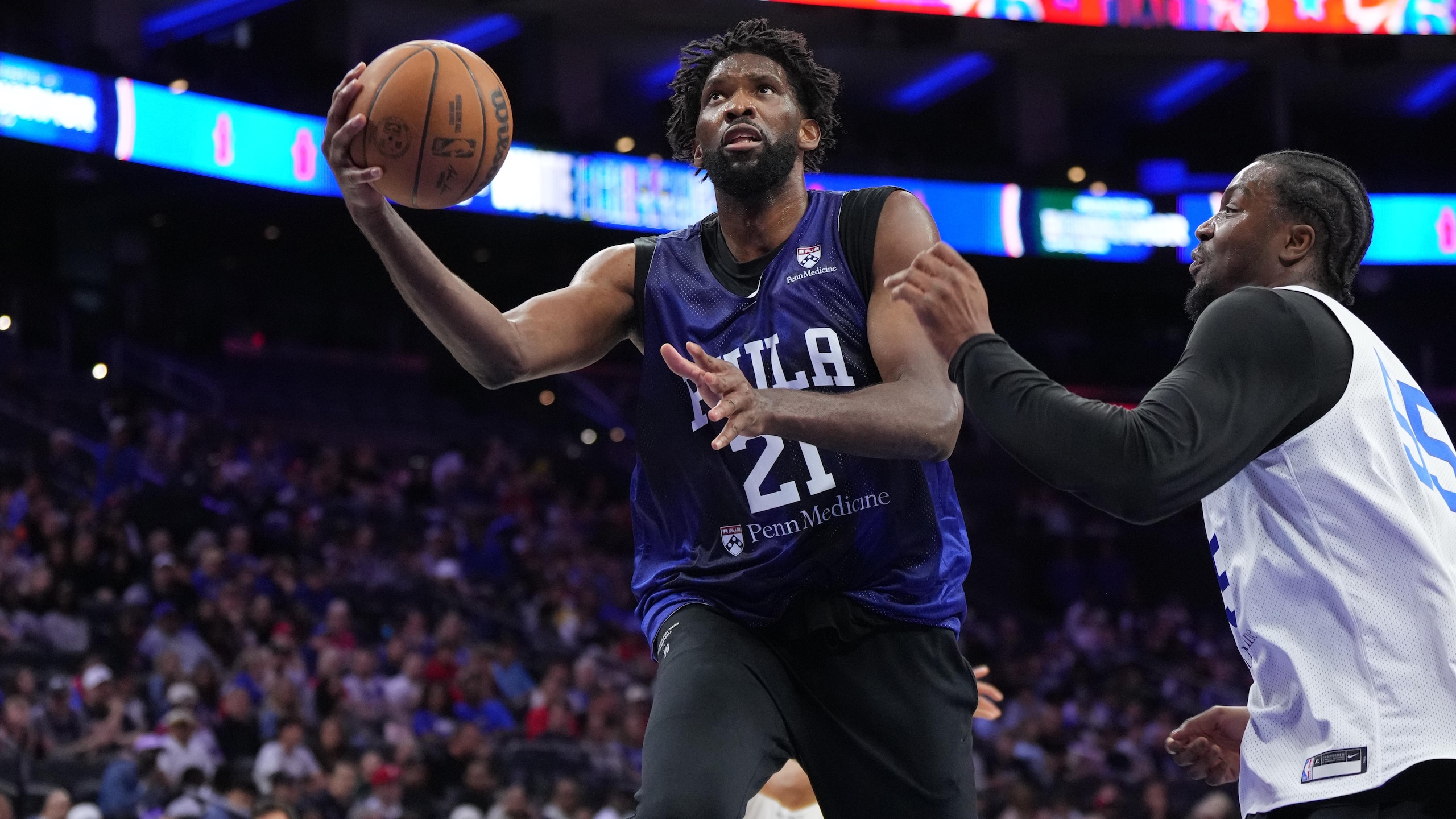
Joel Embiid, Philadelphia 76ers
5 of 13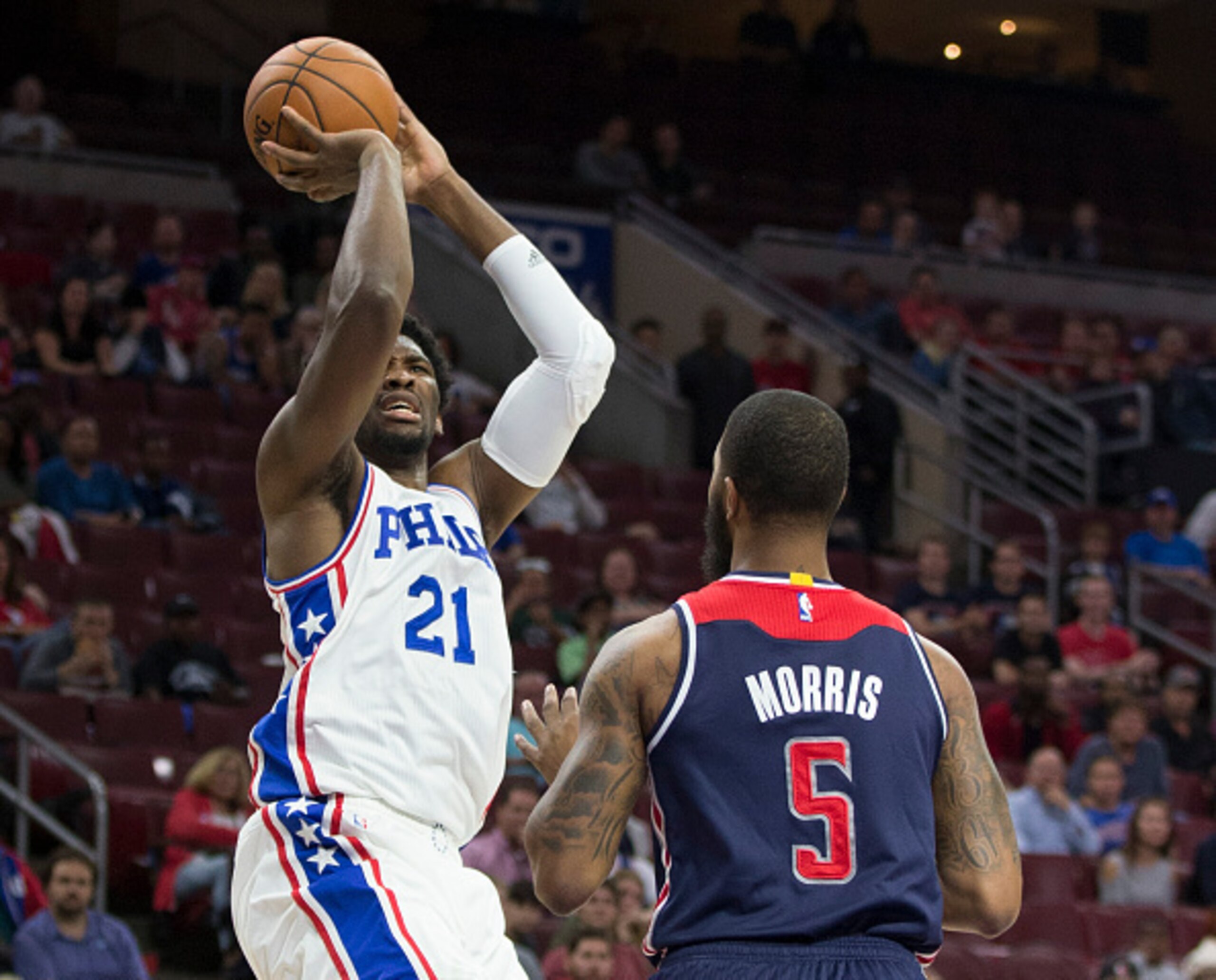
Knocks on Joel Embiid
- Turnover-prone
- Gets caught up in making the hero move
- Foul-prone
Where it hurts him: Maximizing potential, rhythm (foul trouble)
Durability is the only significant concern with Embiid, but a few weaknesses in his game could hold him back if not corrected.
Per Sports-Reference.com, his 21.6 percent turnover rate at Kansas (28 turnovers, 66 games, 23.4 minutes per game) was notably high. It's worth mentioning that through 51 preseason minutes, he's coughed the ball up seven times without registering an assist. He's already been stripped a number of times in the post.
Embiid tends to show the defender the ball while deciding what move to make. Many of the moves rate high in creativity but also in difficulty. He'll occasionally opt for the pretty fallaway over using strength and length, as well as patience, to get a higher-percentage shot.
Defensively, Embiid has the potential to change games with his rim protection and shot-blocking. That shouldn't stop opposing teams from attacking him, though; Embiid, who's aggressive and often looks to make the highlight rejection, averaged 5.8 fouls per 40 minutes at Kansas and already has 10 fouls in preseason (7.8 per 40).
Until he adjusts to the NBA's athleticism and the official's whistle, Embiid is likely to wind up in foul trouble early and often as a rookie.
Buddy Hield, New Orleans Pelicans
6 of 13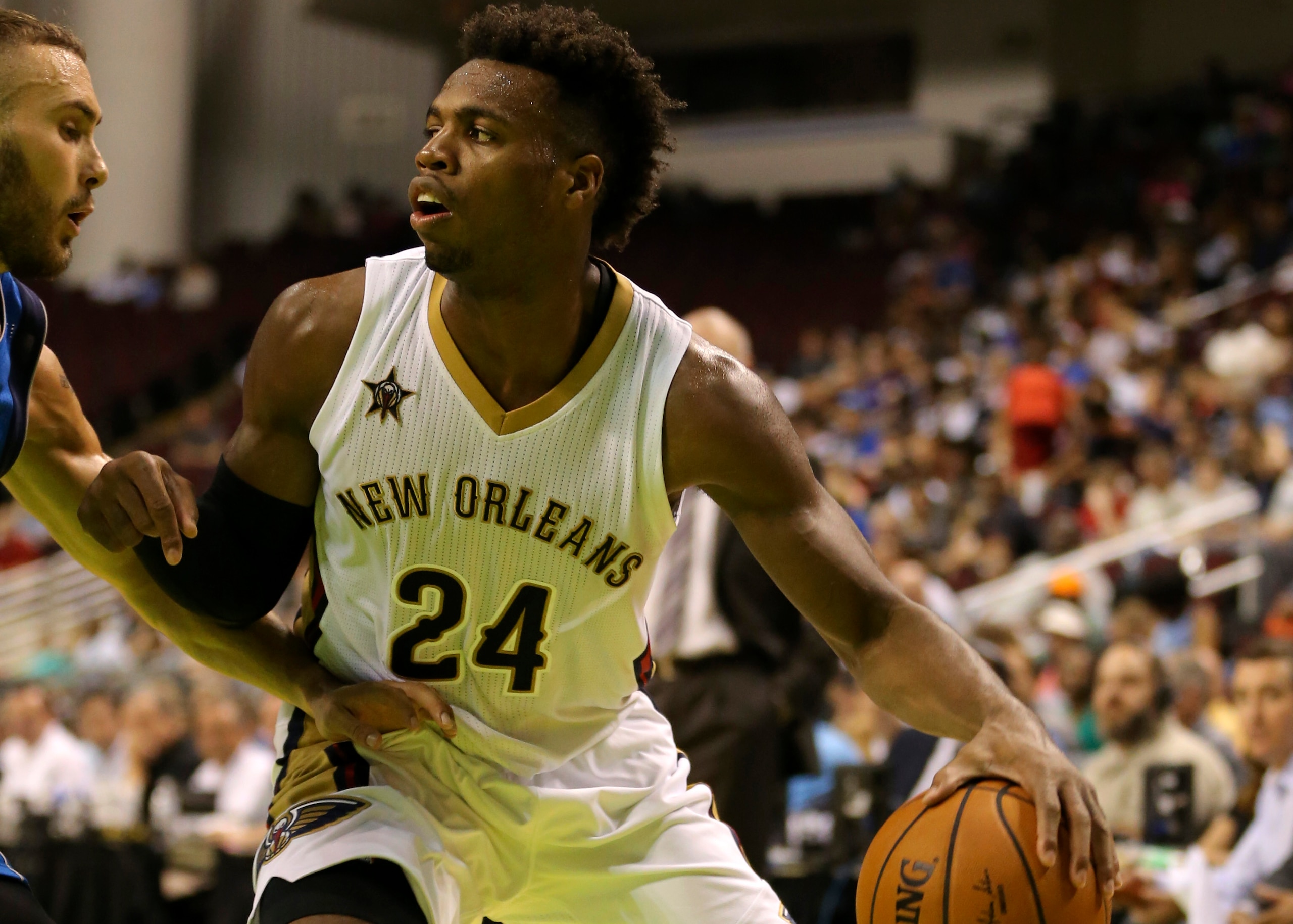
Knocks on Buddy Hield
- Lacks playmaking
- Overly dependent on jumper
Where it hurts him: Margin for error
Though he's a potent scorer and shot-maker, Hield's offensive attack lacks versatility.
He struggles as a playmaker off the dribble, having averaged less than three assists per 40 minutes in all four seasons at Oklahoma. Thus, the New Orleans Pelicans aren't likely to throw Hield into many ball-screen or isolation situations.
Combine his passing limitations with the likelihood of his taking a jumper over a drive, and he becomes both fairly predictable and a little too one-dimensional with the ball.
What happens if Hield's shooting stroke is off? Can he impact the game in other ways?
If defenders can stay attached and do enough to bother his perimeter scoring opportunities, they'll have a chance to take him out of the game.
Brandon Ingram, Los Angeles Lakers
7 of 13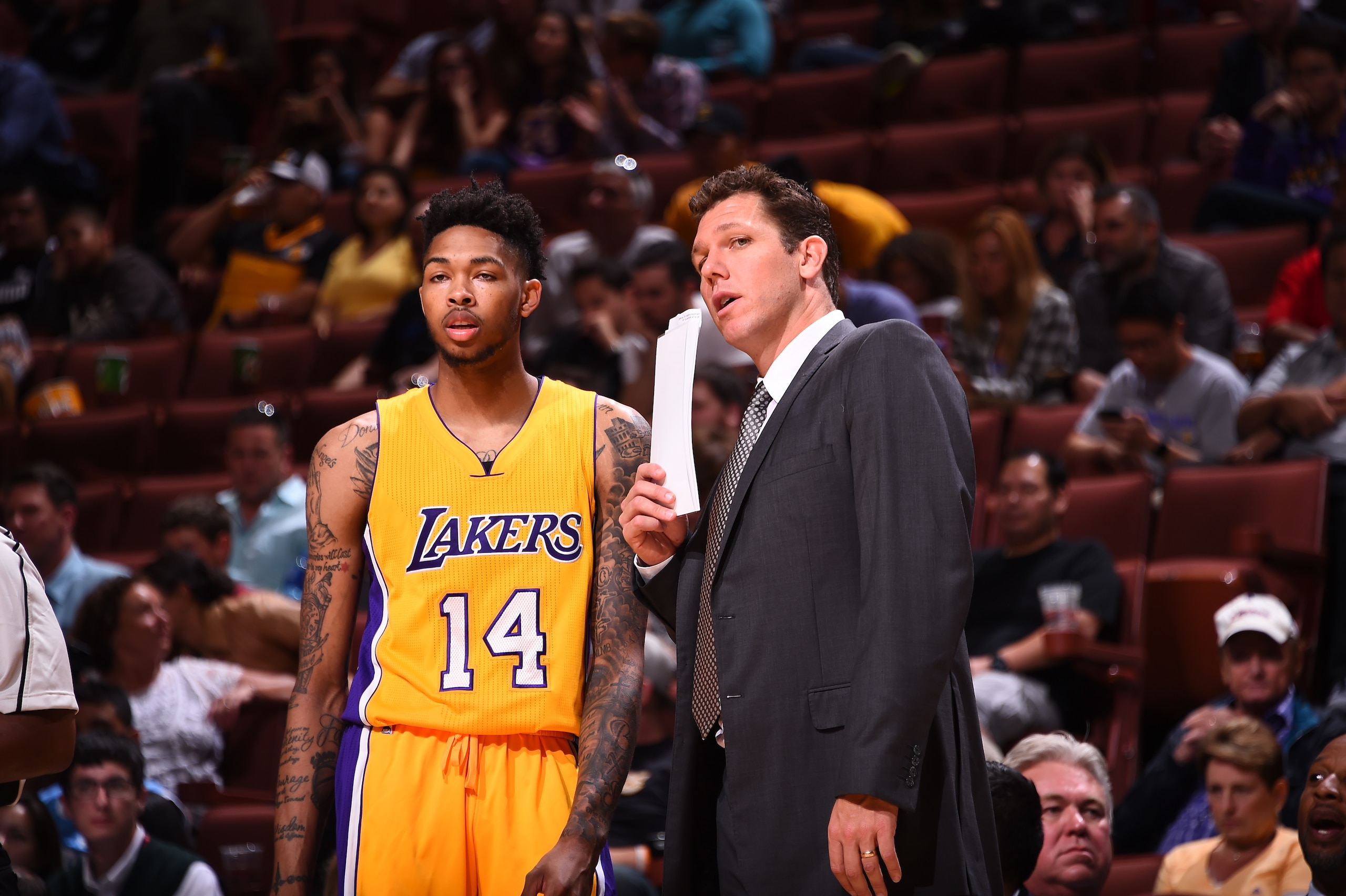
Knocks on Brandon Ingram
- Lacks strength and explosiveness
- Struggles to create shots in one-on-one situations
- Raw
Where it hurts him: Getting to/finishing at the rim, go-to scoring potential
Ingram thrives as a spot-up shooter (42 percent, per DraftExpress' Jonathan Givony) and ball-handler in space, but he's less effective scoring off the dribble in the half court.
He shot 30 percent on pull-ups and doesn't pack the jets or burst to explode toward the hoop off a first step or hesitation. Per Hoop-Math.com, only 24.6 percent of his shots last season came at the rim, which is low for a 6'9" wing or forward.
Once there, he had trouble finishing through contact (shot 48 percent in the paint in the half court), thanks to a lack of upper-body strength and lower-body power.
Defenses should look to force Ingram into putting the ball on the floor from a standstill position, as opposed to letting him shoot spot-up jumpers or catch on the move and slash off momentum.
Considering how raw Ingram is (he just turned 19 years old in September), Los Angeles Lakers fans shouldn't count on consistency or a convincing Rookie of the Year pitch in 2017.
Jamal Murray, Denver Nuggets
8 of 13
Knocks on Jamal Murray
- Average first step, settles for jumpers
- Defense
Where it hurts him: Offensive efficiency, overall value
A dangerous shot-maker and microwave scorer, Murray leans on his jumper. At Kentucky, only 20.4 percent of his field-goal attempts came at the rim, per Hoop-Math.com. With no shortage of confidence and just an average first step, he tends to settle and launch tough shots around the arc.
He lacks the blow-by explosiveness to consistently create downhill drives or free-throw opportunities (4.8 attempts per 40 minutes with a 27.1 percent usage rate at Kentucky, per Sports-Reference.com).
As lethal as he is from outside, can Murray be efficient while living mostly on the perimeter?
The scouting report calls for opposing defenders to apply extra pressure. Murray uses screens to free himself up, which means his man must stay attached at the hip in half-court situations.
Defensive concerns also raise questions about Murray's overall value. Can he regularly cover starting NBA 2-guards for 30 minutes per night? Limited length (6'6 ½" wingspan, per DraftExpress), quickness and production at Kentucky (1.1 steals per 40 minutes) suggest he'll struggle. Murray wasn't difficult to score on as a freshman, and assuming that holds true early on in his career, he'll have a tough time leapfrogging Gary Harris on the Denver Nuggets' depth chart.
Taurean Prince, Atlanta Hawks
9 of 13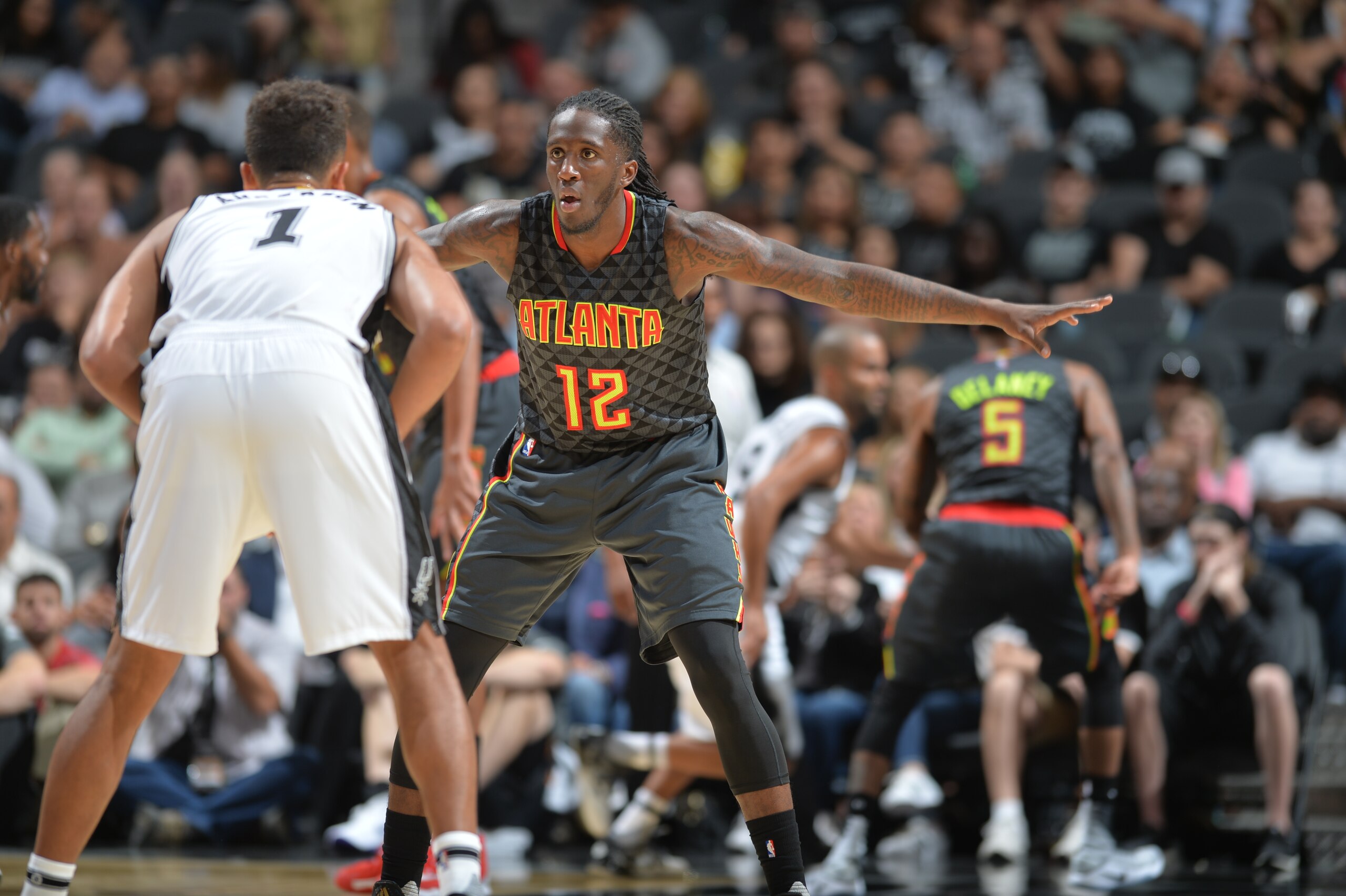
Knocks on Taurean Prince
- Lacks shot-creating and playmaking ability
Where it hurts him: Offensive value, upside
Prince's NBA body, three-point shooting stroke and defensive versatility intrigued the Atlanta Hawks. But unless he makes a dramatic change, his role will only grow so much.
His handle is fairly basic, which limits his shot-creating ability. Prince struggles to separate and make jumpers when forced to score one-on-one with pull-ups and step-backs.
And though he can slice to the rack with line drives and Eurosteps in the open floor, Prince won't get there by shaking and baking off the dribble against a set half-court defense.
Opponents must pressure him around the perimeter and keep him from getting open spot-ups or balanced rhythm jumpers off screens. Taking those away eliminates Prince as a threatening scorer.
Domantas Sabonis, Oklahoma City Thunder
10 of 13
Knocks on Domantas Sabonis
- Lacks bounce and length
- Jumper still a work in progress
- Limited face-up game
- Defensive potential
Where it hurts him: Upside
Per DraftExpress, Sabonis' 6'10 ½" wingspan is short, particularly for a big who lacks bounce and operates mostly around the block. Will he be able to finish as efficiently as he did in college, when he shot over 60 percent from the floor in both years at Gonzaga against mostly mid-major competition?
Post defenders will learn he loves the lefty hook shot and that they can't bite on fakes or nifty footwork he uses to separate and compensate for limited explosiveness.
Sabonis isn't much of a threat to face up and attack, either, and with questions as to how his interior game translates, his shooting development becomes that much more important.
He improved his jumper as a sophomore, but at this stage, he's only building off five total three-point makes.
Otherwise, Sabonis plays hard, competes on defense and shows toughness down low and quickness around the perimeter when he's able to guess right. But athletic, hybrid 4s will give him trouble. And he offers zero rim protection or the ability to force turnovers, having totaled an unusually low 39 steals and 43 blocks through 74 NCAA games.
Dario Saric, Philadelphia 76ers
11 of 13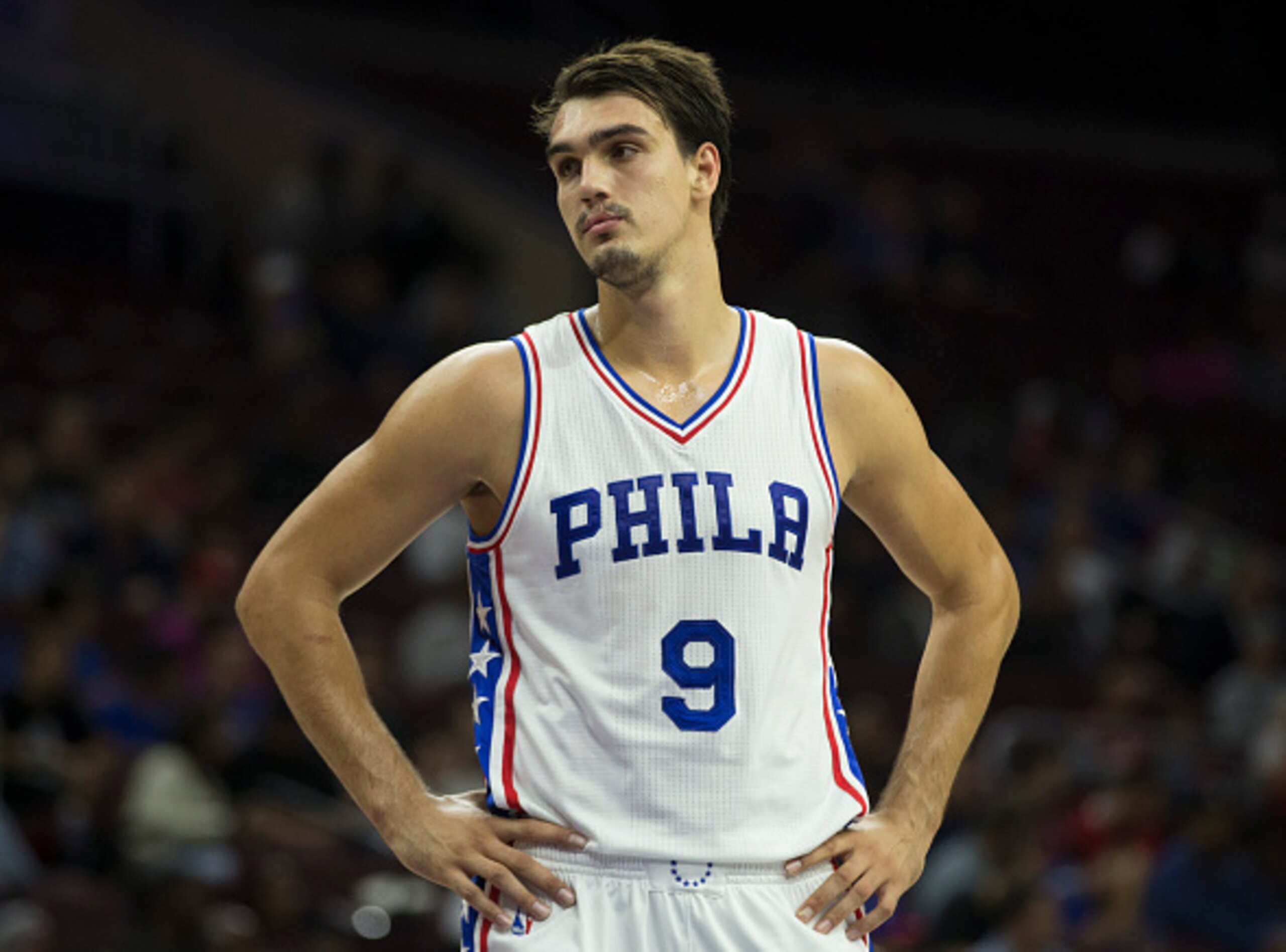
Knocks on Dario Saric
- Master of none
- Lacks one-on-one shot-creating ability
- Defense
Where it hurts him: Scoring consistency, overall value
Defense remains the biggest knock on Saric, who'll have trouble guarding quicker forwards on the perimeter. And given the Philadelphia 76ers' roster is overflowing at the big-man positions, he could be forced into playing minutes at the 3.
On the other hand, with a short 6'10" wingspan, per DraftExpress, Saric doesn't offer much rim protection and could struggle to challenge power forwards around the basket. His 22 blocks and 41 steals in 61 games last year (for Anadolu Efes) implies limited defensive playmaking ability.
Offensively, his versatility and competitiveness should win plenty of praise and support from the coaching staff and fanbase. But without a go-to scoring skill, it wouldn't be surprising to see some inconsistency. Though he's an excellent passer, sneaky facilitator, improving shooter and tough line-drive attacker, he's not a strong post player or face-up shot-creator.
Early on, a poor shooting night from Saric will likely mean little scoring production.
Ben Simmons, Philadelphia 76ers
12 of 13
Knocks on Ben Simmons
- Non-shooting threat
- Defensive effort
Where it hurts him: Scoring in the half court, defensively when guarding aggressive scorers
The whole world knows the scouting report on Simmons, who made one three-pointer at LSU and consistently passed up open jumpers: He'll connect in the mid-range every so often, but Simmons isn't a shooter.
Whoever guards the versatile point forward must keep Simmons in front of him. The goal is to bait him into taking a shot off two feet instead of allowing him to lift and separate off one into layups, runners or one-handers.
Considering his athleticism, strength and ambidexterity around the rim, defenses will immediately pack the paint against Simmons, who doesn't pose nearly as great of a threat from outside as he does around the hoop. It's bound to limit him early as a scorer in the half court, where he doesn't have a reliable spot-up or threatening pull-up to use.
His defensive effort at LSU was also troubling at times. Some of it could be chalked up to a fear of fouling out and the fact the Tigers just couldn't afford for him to sit. But Simmons did little to challenge scorers in his area down low. He also gave shooters space to release around the perimeter, looking disinterested in hard close-outs that would require him to dig in and get low.
Quicker wings and longer, athletic 4s could expose Simmons defensively once he returns from his foot injury.
Denzel Valentine, Chicago Bulls
13 of 13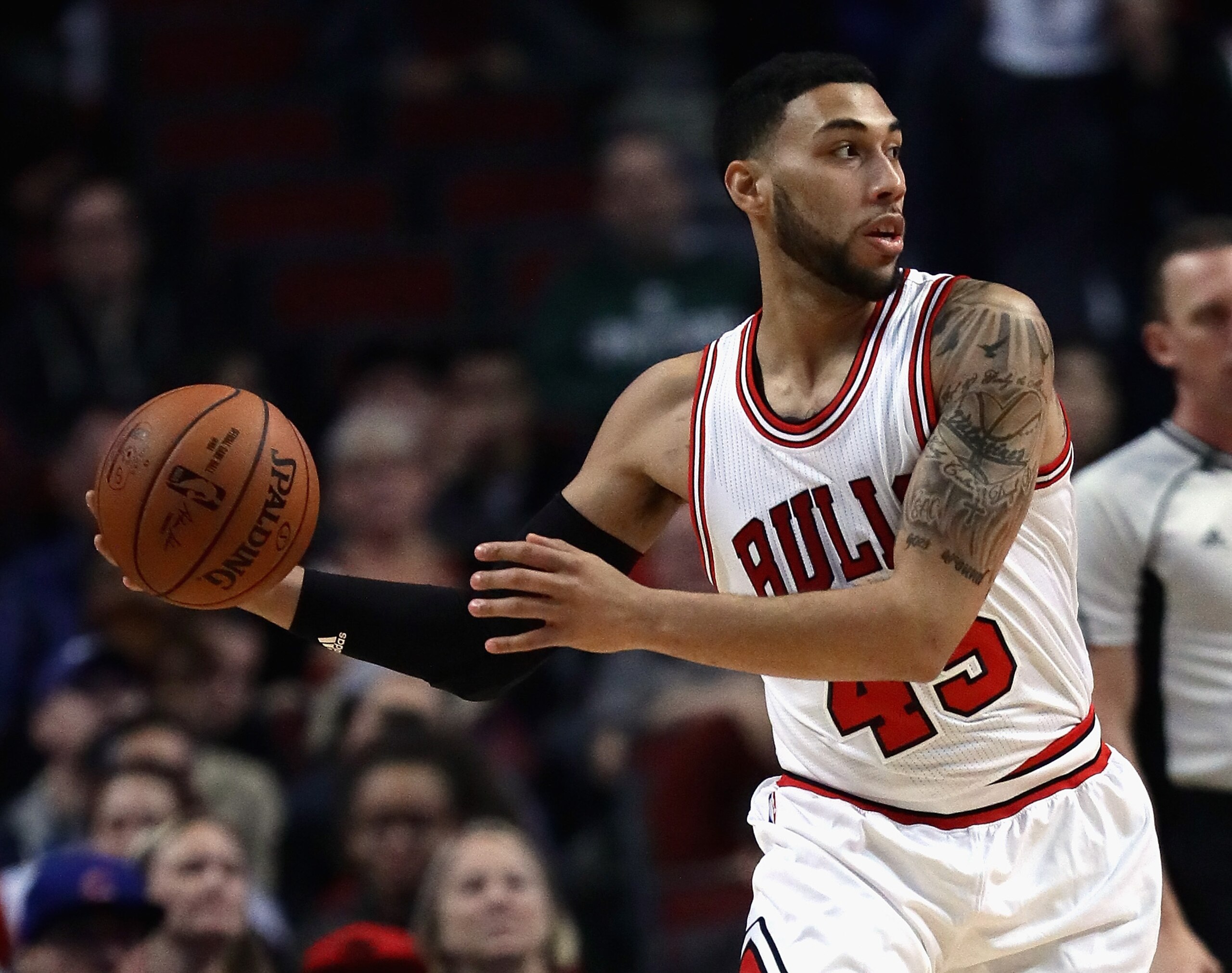
Knocks on Denzel Valentine
- Lacks explosiveness and bounce
- Defense
Where it hurts him: Getting to the rim, finishing at the rim, upside
Every knock on Valentine revolves around below-average athleticism.
He lacks burst, raising questions as to whether he'll be able to blow by defenders at the NBA level. The 3.7 free throws per 40 minutes Valentine took as a senior suggest he won't be much of a threat attacking the rim.
Finishing there will be just as challenging, given Valentine's lack of bounce and explosiveness. Of his 155 made field goals in the half court last year, only 29 came at the rim, per Hoop-Math.com. Given his driving limitations and deadly shooting stroke, there is no need for defenders to give him any room around the perimeter.
For coaches, the most worrisome concerns are his defense and inability to contain dribble penetration. NBA guards' eyes should light up in one-on-one situations with Valentine, who isn't laterally quick or noticeably annoying.
Valentine's jumper and passing instincts are both top-notch, but without the potential to score easy buckets or cover ball-handlers and combos, his ceiling only goes so high.
All advanced stats courtesy of Sports-Reference.com, DraftExpress, Hoop-Math.com and RealGM.com.

.jpg?w=2560 "Grading WWE Raw 🔠")

.jpg?w=2560 "Viral Rams Coach Vid 🖕")
.jpg?w=2560 "Bijan's INSANE 1st Half 🤩")
.jpg?w=2560 "Injury-stricken Seahawks signing veteran RB")

.jpg?w=2560 "2 NFL Officials Suspended")