

Reunion with Chadli Highlights Pochettino's Bold Squad-Shaping at Tottenham
On the opening day of the 2003-04 Premier League season, three recently departed Tottenham Hotspur players scored for their new clubs. The bright starts that Les Ferdinand (Leicester City), Steffen Iversen (Wolverhampton Wanderers) and Teddy Sheringham (Portsmouth) made did little to lift the mood of supporters disappointed by Spurs' 1-0 defeat to Birmingham City, especially as the club's two new strikers—Helder Postiga and Bobby Zamora—did not score.
Nacer Chadli's bright beginning to life at West Bromwich Albion here in the present has not stung quite like those starts of the other ex-Spurs men. Tottenham have started well without him in 2016-17, those remaining or brought in for the attacking-midfield positions ensuring he has not been missed up until now.

.jpg?w=2560)
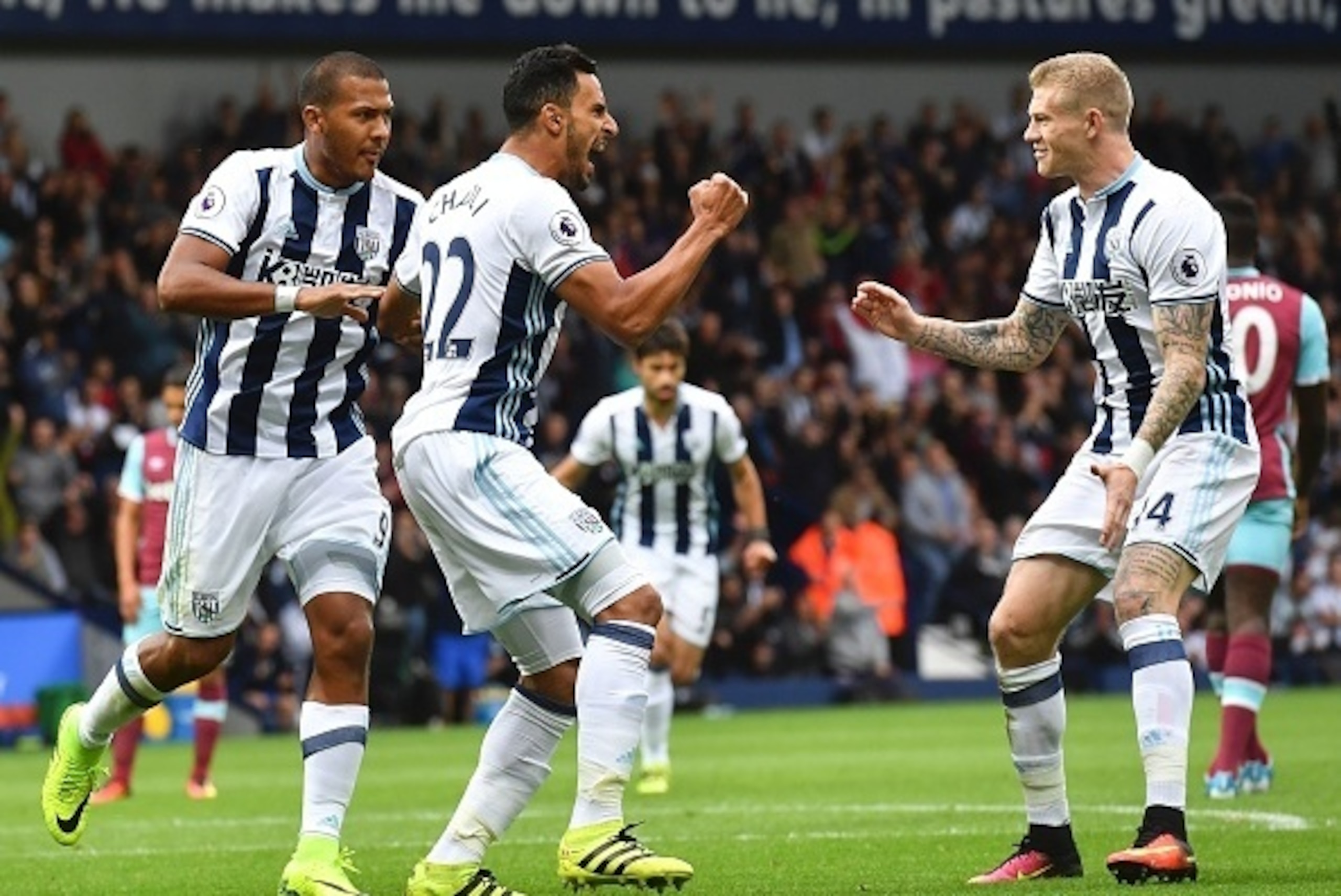
They may rue Chadli's departure if he strikes when the two clubs meet in their first post-international break fixture at The Hawthorns. There is a decent possibility the Belgian will do so, too—he has scored three and set up two more since transferring to a club who twice stifled the north Londoners last season.
Then again, bar it affecting the result itself, Chadli being the one to inflict any punishment on Spurs will be of little consequence to their manager Mauricio Pochettino. His decision to move on the 27-year-old was just one of several tough, arguably bold decisions he has made over previously prominent personnel since being appointed in 2014.
Looking back over that time, these choices have not only shaped his squad but, in their implications, defined the style, attitude and tone of Tottenham.
At the end of his first summer transfer window in September '14, Pochettino told his club's official website he believed "we did not need to make big changes to this squad."
"We believe in these players, they are great professionals and I am convinced of the quality we have in all areas," the new head coach said. "We were always certain that we would only make changes if we believed they would benefit us in the long-term."
The notable players exiting White Hart Lane that summer were Gylfi Sigurdsson, captain Michael Dawson and Sandro. Although not immediately apparent, the former two especially were moved on with the "long-term" that Pochettino spoke of in mind (the Brazilian's struggle with injuries counted against him).
Sigurdsson suffered from there only being so much room in Tottenham's attacking midfield (something Chadli can sympathise with now). Between Chadli, Christian Eriksen, Erik Lamela, Aaron Lennon and Andros Townsend, Spurs were not short of options.

Significant money had been spent on those first three and, after tough first seasons for Chadli and Lamela, at least trying to get a return on that was understandable. Lennon and Townsend provided width and pace the Iceland international could not offer.
Watching what Sigurdsson has gone on to do since returning to Swansea City (he spent time on loan there before his switch to the capital), some may argue Spurs should have kept him. His second debut back then for the Swans after leaving N17 quickly underlined the value of his creativity and finishing touch, as he netted in a 2-1 win over Manchester United.
With considerations for how he wanted to set his team up, too (essentially switching to a 4-2-3-1 formation), Pochettino knew there was little reason to keep two playmakers in Eriksen and Sigurdsson. His predecessors had struggled to accommodate both, and it resulted in either one missing out or playing a more peripheral role.
He opted for Eriksen and continuing to work on the more complementary Lamela. Two years on, with both influential in Spurs' title challenges and with others like Dele Alli and Heung-Min Son bringing even greater variety, it is safe to say the choices paid off.
Dawson's departure saw Pochettino make an immediate mark in regards to the direction he envisioned his team heading style-wise. He wanted increased mobility at centre-back and deemed the longtime servant was not what he had in mind, letting him leave for Hull City and more playing opportunities.
We have since seen this choice come to fruition with the establishment of the strong central-defensive partnership of Toby Alderweireld and Jan Vertonghen. The former's signing has coincided and aided the latter's maturing into a more focused performer. Together, the two have created a balance where timely protective reactions and purposeful use of the ball consistently help facilitate the team's overall offensive play.
"We were keen to strengthen our defence and I have been pleased with the way we have improved across this area," Pochettino said back before all this. But to begin with, that improvement was not apparent.
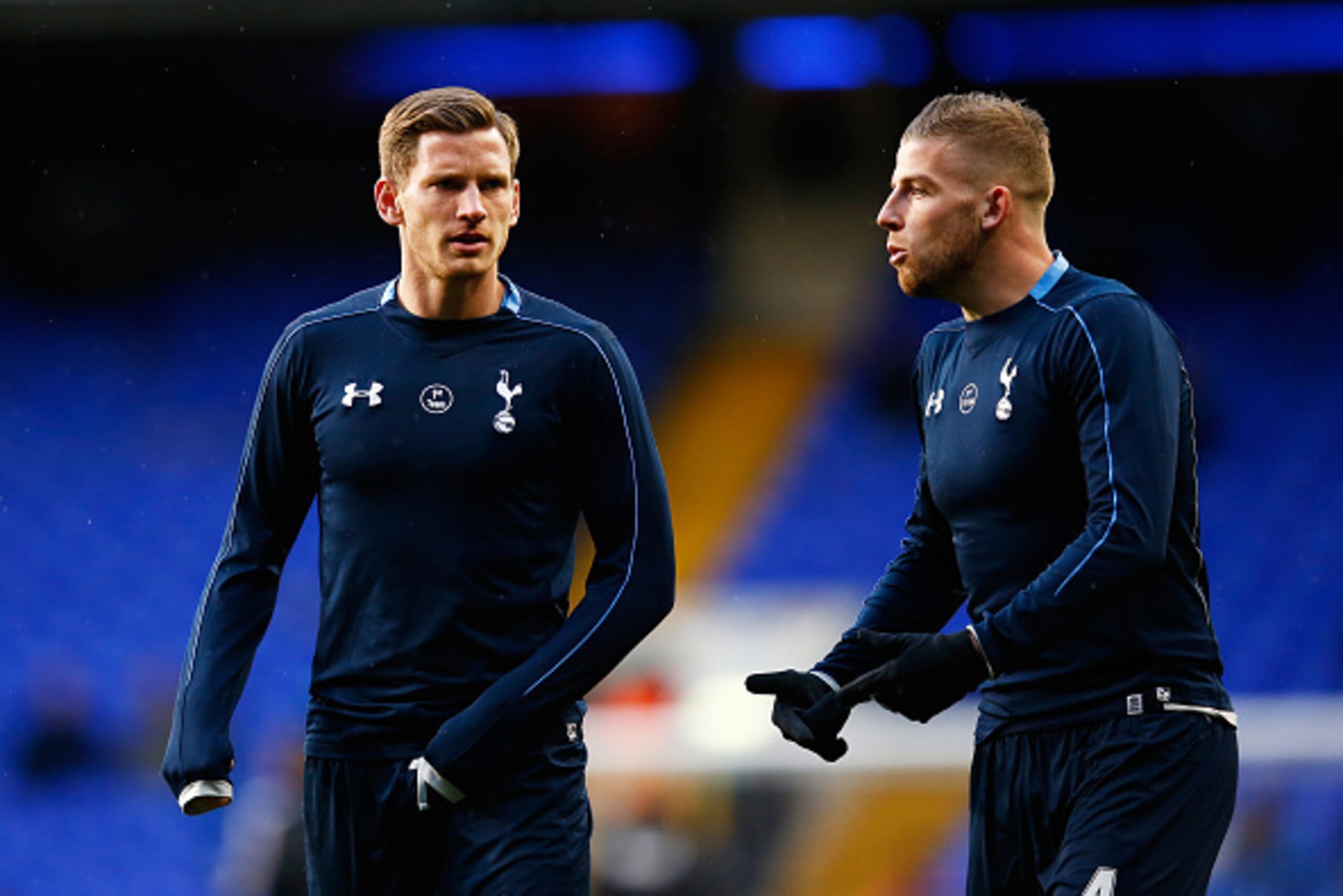
Dawson's successor as captain, Younes Kaboul, did not work out at all and would lose the armband and his place within a few months. Of that summer's two signings, Eric Dier spent as much time at right-back ,while Federico Fazio's need for a run of games to find his feet left him susceptible to iffy performances after a spell out of the team. Vertonghen fared little better as Pochettino frequently rotated and tried to figure it all out, the defence lacking organisation and cohesion.
Even in the midst of this trying period, though, the manager stuck to his guns. Dawson might have initially been missed, but ahead of the two parties' reunion that November—a match the Lilywhites won 2-1—he was adamant Spurs had to move on.
"It is always sad for the people that, for close to 10 years with this person or player, you share a lot of emotion," Pochettino said. "But this is football, this is professional football. When you decide something you need to look forward."
Such conviction was not without deliberation. It is safe to say, however, when Pochettino's mind is made up it is extremely unlikely to be changed.
Over the course of his first season, he gradually removed or sidelined more players when their practical use ran out.
Lennon got more of a chance than his fellow mainstay Dawson, but by Christmas Pochettino decided the winger was not the right fit. He went to Everton on loan in the midseason transfer window and joined permanently the following summer.
Emmanuel Adebayor, Etienne Capoue, Kaboul and even one of Pochettino's own signings in Benjamin Stambouli were also deemed surplus to requirements during the campaign, though they did not leave until after its conclusion. The need for numbers in a heavy schedule meant Vlad Chiriches, Paulinho and Roberto Soldado had to be used longer as stopgaps, but they, too, would be allowed to leave having failed to sufficiently impress.
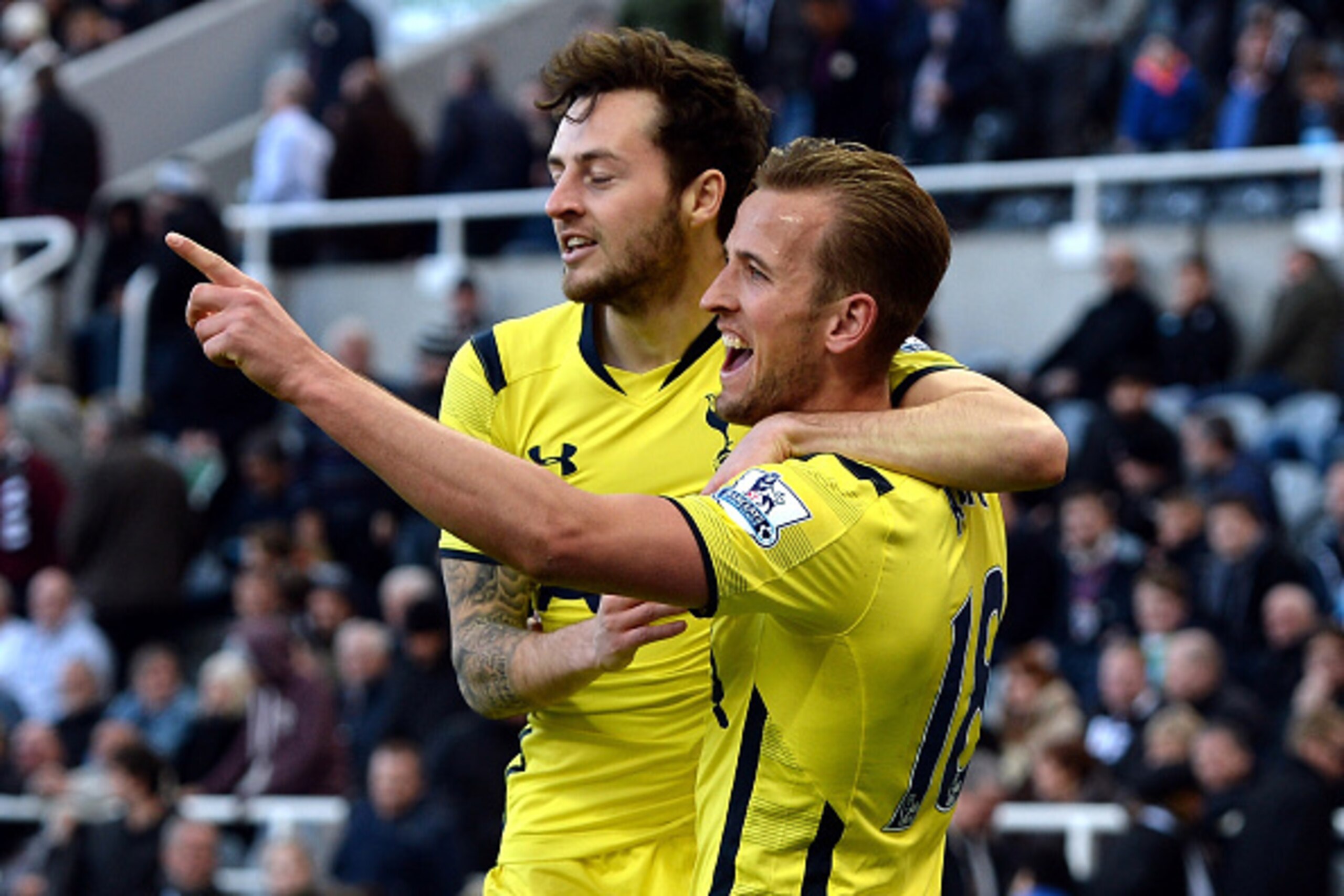
Getting rid of so many senior players was influenced by one of Pochettino's big strategic choices: placing his trust in youth.
Harry Kane outshone the far more experienced Adebayor and Soldado up front. His goal tally surpassed both and his overall mix of selflessness, belief and energy was a much better fit for his manager's high-octane style.
Dier proved a more suitably versatile performer than a Chiriches or Stambouli. Ryan Mason emerged in midfield alongside Nabil Bentaleb and together both offered more determination and unity than those midfielders on whom millions of pounds had been spent.
The two academy-honed midfielders looked set to establish themselves as the first-choice men in the position. Instead, we have come to see that Pochettino's management of his squad is ever-evolving, with no new season beholden to the past.
Both Bentaleb and Mason joined Chadli in leaving Spurs this summer—the Algerian joining Schalke on loan, the Englishman making the permanent move to Hull City. This despite both Mason and Bentaleb signing long-term contracts just over a year earlier.
Tougher seasons followed their strong 2014-15 campaigns. Injuries left them on the treatment table, and the team moved on in their absence.
Whatever the conversations between them and Pochettino were at the tail-end of last season and over the summer (Bentaleb's exclusion from the pre-season tour suggests they no longer saw eye-to-eye at all, Mason was still involved but clearly facing less game time), it is clear there was little-to-no sentimentality involved.
Depth in midfield is still required, but Pochettino felt others could offer more here. It's as simple as that.
In came Victor Wanyama for more steel, and Moussa Sissoko for greater drive and strength. Tom Carroll, Josh Onomah and Harry Winks were prioritised in sustaining the youth-team pipeline, their more intricate blend of quick feet and positive passing deemed a better alternative to the otherwise power-based approach that the likes of Mousa Dembele, Dier and the new men brought.
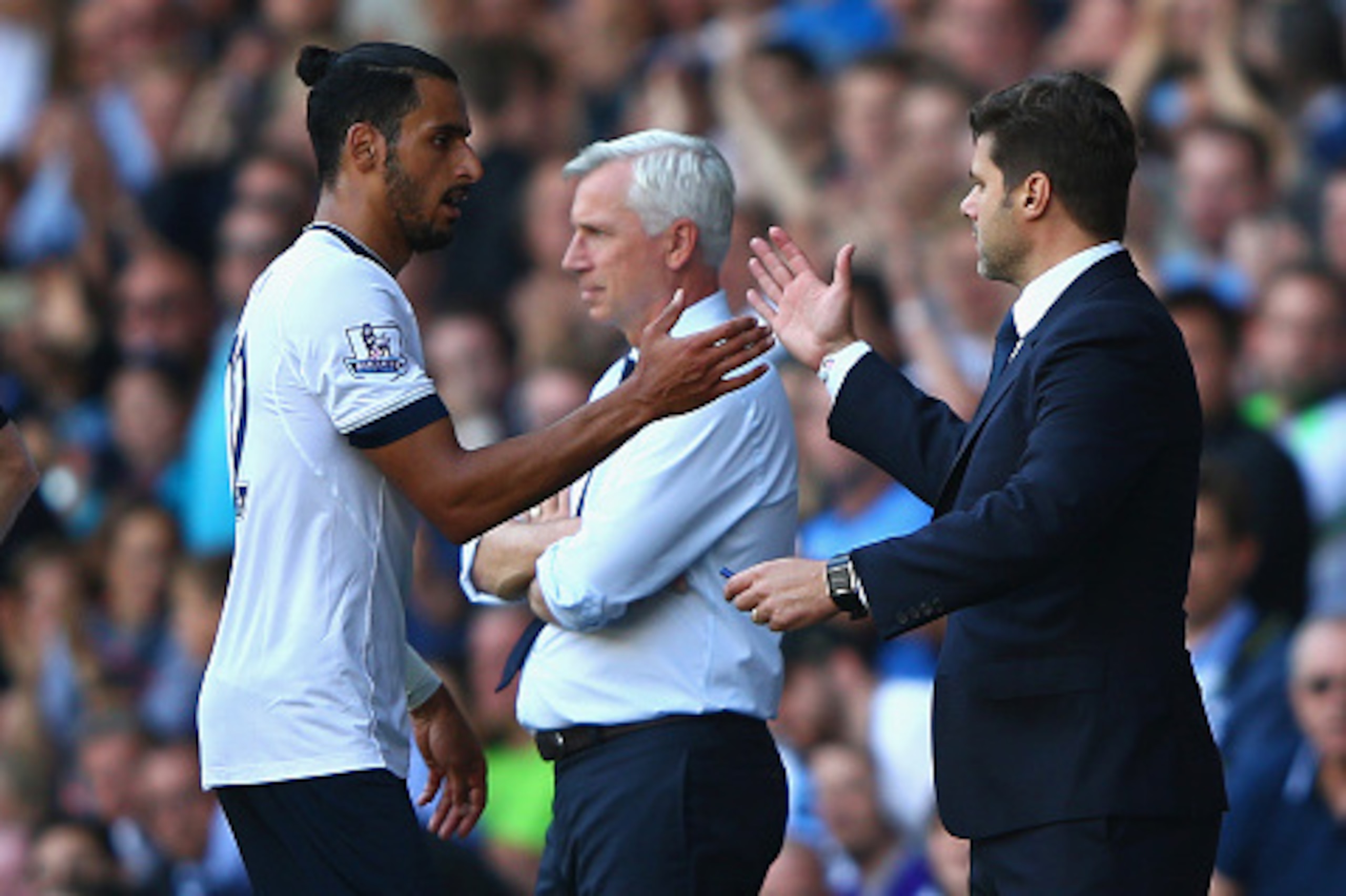
The other side of all these departures is that sometimes it is for the player's best, too. Capoue, Dawson, Sigurdsson and Soldado have done well since leaving.
Chadli stagnated in 2015-16, and while he would still have been a valuable back-up man for Tottenham, infrequent opportunities would have done him little good (he missed out on a place in Belgium's Euro 2016 squad after his up-and-down year).
So far, the signs are he will thrive at West Brom and back up the hopes he expressed upon signing for Tony Pulis' side.
"This is a great challenge and I want to show my quality to the fans and to the club," he told the club's official website. "I just want to help the team win as many games as possible."
If they cross paths during Tottenham's trip up to the west Midlands, you would like to think Pochettino will warmly greet a man who created plenty of memorable moments in the two years spent under his management.
But it will still be a small, largely inconsequential part of the Argentinian's day. Taking priority will be the pressing demand of preparing players whom Chadli's sale was used to help flourish individually, and achieving another result with them that will take them closer to being the Premier League force they aspire to be.


.jpg?w=2560 "2 NFL Officials Suspended")


.jpg?w=2560 "Viral Rams Coach Vid 🖕")