

Does It Matter If AC Milan's Players Are Italian?
Last Sunday, AC Milan came from behind to win 4-3 at home to Sassuolo in what was one of the most thrilling fixtures of this Serie A season so far, as an exhilarating comeback from 3-1 down reinvigorated hope that the Rossoneri might be back on the up.
The result was all the more impressive for it coming against a team widely perceived as a model for all Italian football clubs, Milan included.
Sassuolo won promotion to Serie C1 a decade ago. In the seasons that have followed, they have not only managed to win two more promotions to reach Serie A, but they have established themselves comfortably in Italy's top flight. Last term they achieved a record-high league position, beating Milan into sixth place and securing continental competition in the process.
TOP NEWS

Final Men's Ballon d'Or Rankings 📊

Highlights and Viral Moments 🍿

J-Dub Suffers Gruesome Injury

Perhaps the most remarkable aspect of the Neroverdi rise is not its sheer speed, but the vision underpinning it. Part of their strategy has been a conscious effort to incorporate Italian players.
As Sassuolo patron Giampiero Squinzi would have it, per TV2000 (h/t Football Italia):
"This club represents a model of Italian business in sport that works…and includes many Italians. Out of 26 players we have under contract, 23 are Italian and only three foreign. It's an advantage to have a homogenous group without language barriers who all understand precisely what the coach is telling them.
"
There is something romantic about this ideal that appeals to many larger Serie A outfits, particularly at a time when Italian players aren't quite so visible throughout the league. Indeed, according to ESPN FC's James Horncastle, Italians made up just 45.9 per cent of the league's players in terms of minutes on the field as recently as 2014-15.
Milan president Silvio Berlusconi is a public admirer of similar principles to those of Squinzi and Sassuolo, stating that, "My dream is to have an all-Italian Milan. We've got many young Italians here at the moment," per Sky Sport Italia (h/t Football Italia).
However, is an all-Italian starting lineup feasible for a club like Milan? And, furthermore, would it be a good idea?
On 16 December 1899, the Milan Football and Cricket Club was officially founded. An English businessman by the name of Alfred Edwards was elected as the club's first president, while another Englishman, Herbert Kilpin, took on the role of manager.
Kilpin took the club to three titles but, following his retirement, internal tensions grew regarding the role of foreign players. This reflected the wider debate on the subject that was ongoing at the time atop the Italian footballing organisational structure, something that led to the Italian Football Federation creating two separate championships—one which included foreign players and one which excluded them.
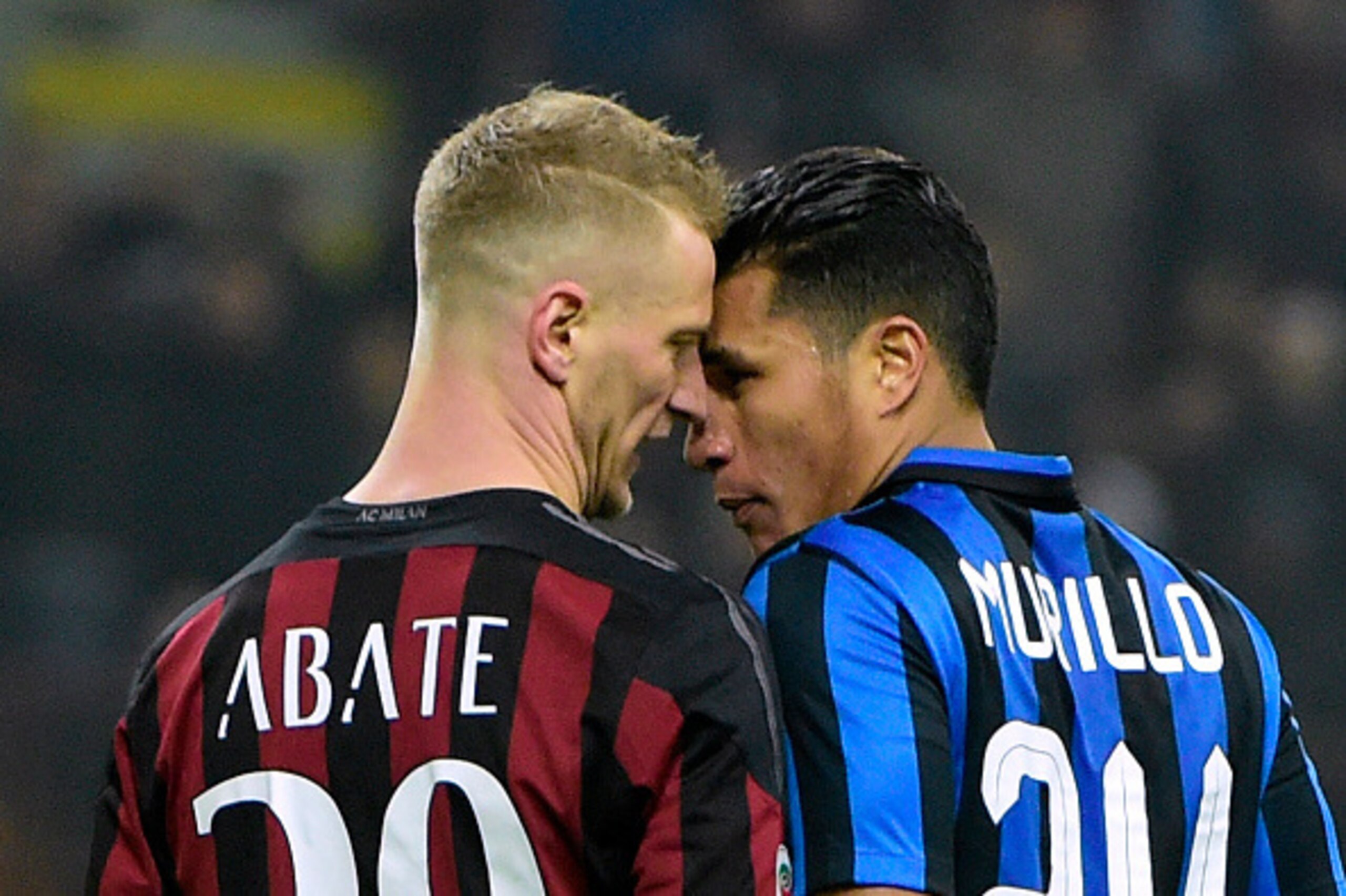
In Milan, a breakaway of members disenchanted by the debate led to the formation of Football Club Internazionale or Inter Milan as they are known today. While Inter, reflecting their name, were founded on internationalist principles and permitted the signing of foreign players, Milan were less enthused.
Evidently, then, Berlusconi's all-Italian ideals are nothing new. However, it is notable that the club didn't appear to benefit from their initial aversion to bringing in foreign players. After their 1907 triumph under Kilpin's auspices, it would be another 44 years until they won the championship again. And when they did, foreigners were at the core of their success.
Milan won the Scudetto in 1951 with an attacking trident made up entirely of Swedish players. Inside forwards Gunnar Gren and Nils Liedholm combined with striker Gunnar Nordahl to form a fearsome trio of skill, creativity and precision.
All three were gone by the time the club won its first European Cup in 1963, though by then other foreign players had taken their place. In Nereo Rocco's lineup for that year's final against Benfica, there were three individuals who had been born outside of Italy; Peruvian midfielder Victor Benitez and two Brazilians in playmaker Dino Sani and finisher Jose Altafini.
In the late 1980s and early 1990s, the iconic Milan sides led by Arrigo Sacchi and Fabio Capello were infused with, and enhanced by, talent from beyond the peninsula.
Sacchi's team was powered by the Dutch trio of Frank Rijkaard, Ruud Gullit and Marco van Basten, while Capello's was built on the hard running of a French ball-winner in Marcel Desailly and a Montenegrin maestro in Dejan Savicevic.
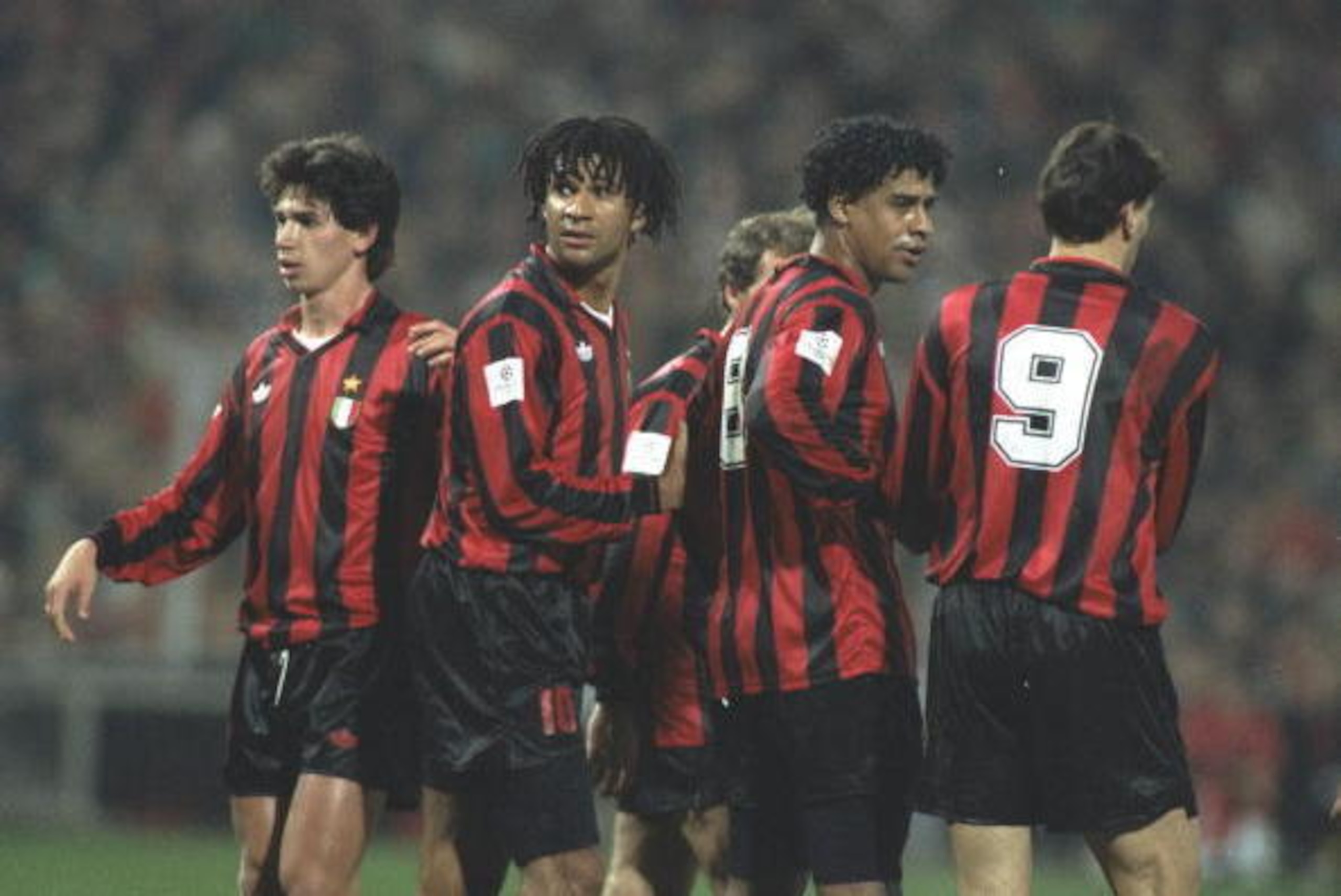
More recently, Milan have been enriched significantly by the contributions of Ukrainian goalscorer Andriy Shevchenko, Brazilian attacker Kaka and centre-back Thiago Silva, versatile Dutch midfielder Clarence Seedorf and Swedish icon Zlatan Ibrahimovic, among others.
Evidently, foreign players have been integral to Milan's success. Indeed, charting the club's history, it is noticeable that the Rossoneri's finest achievements have been punctuated by stars from outside of Italy. The concept of an all-Italian team may not go against the club's origins, but it does go against a fine tradition.

Squinzi may talk of the need for sound communication bolstering Sassuolo's preference for Italian players, though there are inconsistencies to the Neroverdi's model. Last season, for example, three of the team's most important players were Croatian right-back Sime Vrsaljko, Ghanaian midfielder Alfred Duncan and French striker Gregoire Defrel.
And even if Sassuolo did have an all-Italian team, it would not be viable for a club in Milan's position to adopt such a model.
Firstly, there is the issue of needlessly limiting the available talent pool.
Elite Italian players are few and far between these days. Juventus' Claudio Marchisio admitted as much in an interview with So Foot (h/t Football Italia) in February, stating: "We have few champions or pure talents." If Milan want to return to the top of European football, they will have to consider non-Italian players.
Secondly, there are financial concerns with such limitations.
Building an all-Italian lineup would presumably involve completely eschewing the scouting and recruitment of foreign players. As a consequence, Milan would miss out on potentially less expensive transfer targets from other countries—something they can ill afford considering they are enduring a third straight year without lucrative continental competition.
Finally, looking at the club's existing squad, there is no need to enforce an all-Italian ideal.
There is an exciting group of Italian talents, homegrown and otherwise, emerging at Milan this term. Seventeen-year-old goalkeeper Gianluigi Donnarumma, 21-year-old centre-back Alessio Romagnoli, 19-year-old right-back Davide Calabria and 18-year-old midfielder Manuel Locatelli all look set to play vital roles in the club's future.
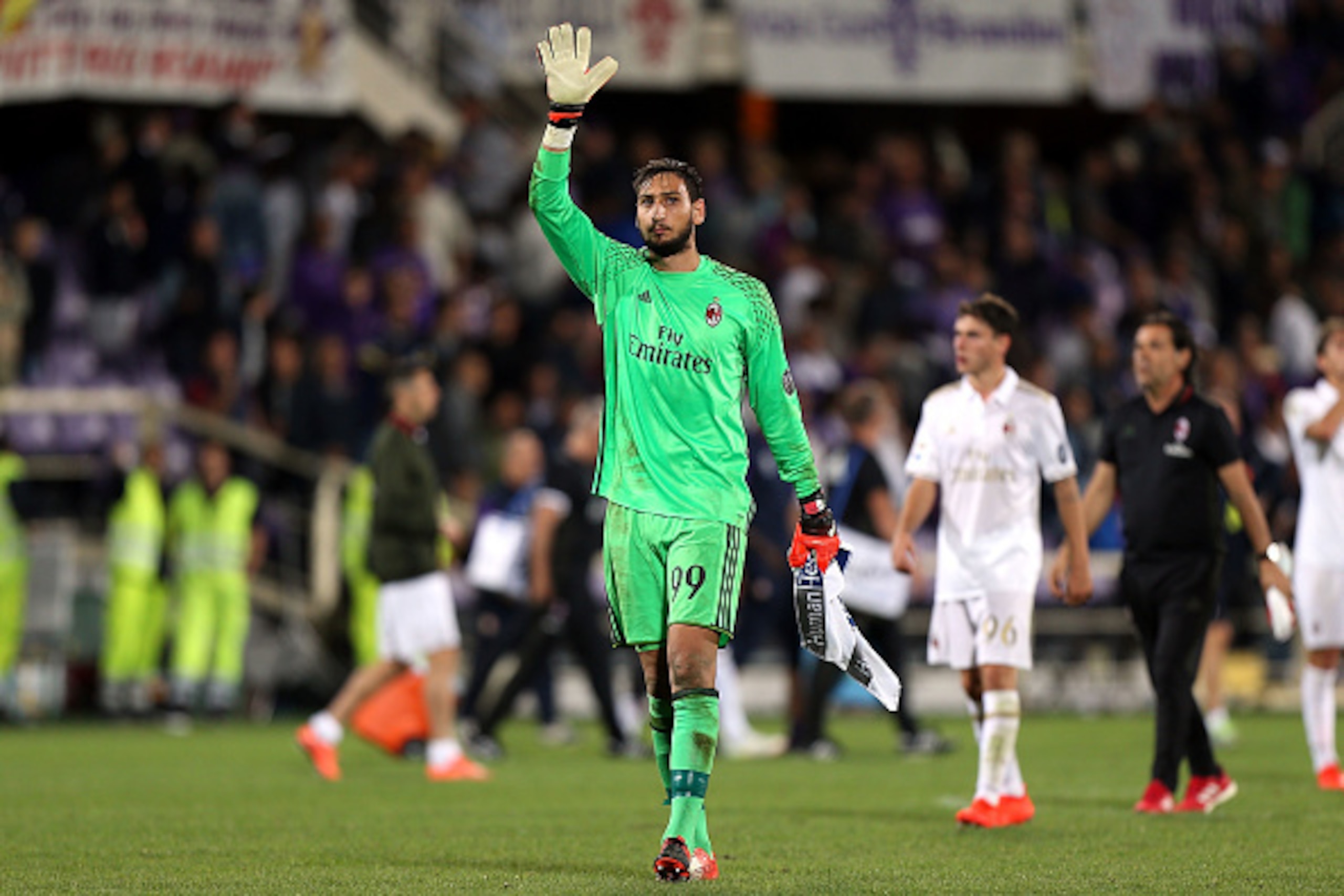
However, the likes of Paraguayan defender Gustavo Gomez, Slovakian midfield dynamo Juraj Kucka, Spanish winger Suso, French forward M'Baye Niang and Colombian striker Carlos Bacca are also important first-team members. And beyond them on the fringes of the starting 11, Argentinian creator Jose Sosa and Japanese attacking midfielder Keisuke Honda provide good competition for places.
While promoting youth-team members with a strategic focus is a positive idea Milan should pursue, it needn't—and shouldn't—come at the cost of including foreign players.
On a football pitch, nationality is irrelevant. More important are the individual traits of sound technique, tactical intelligence, teamwork and organisation. These are sporting attributes that resonate across borders.
Foreign players have played, scored and won for Milan in the past, and they should continue to do so in the future.
.jpg?w=2560 "Rams Raiders Football")



.jpg?w=2560 "Rodgers Iced Out on Plane 💎")

.jpg?w=2560 "🚨 Week 8 AP Top 25 Poll")

.jpg?w=2560 "Packers Safety Slams Refs 🤬")