The Question: Are Psychological Issues Holding AC Milan Back?
There are two things that tend to happen when a discussion of AC Milan breaks out among neutrals these days. One is that there will be hearty amounts of recollection concerning the club’s glorious past, from their great players and outstanding teams to their innovative coaches.
Before the reminiscence begins, however, there will be a general discussion regarding what exactly went wrong. This has been given considerable thought in recent years due to Milan’s disconcertingly speedy descent from European giants to mid-table Serie A outfit.
TOP NEWS

Soccer Stock Check 📈📉

New NFL contenders starting to emerge after Week 4
.jpg?w=2560 "Cardinals Giants Football")
NFL investigating 2 referees for separate viral exchanges
However, in spite of the discussion’s seeming simplicity, it tends not to have a decisive conclusion. Instead, it only leads to multiple complex questions.
In 2011, Milan were crowned champions of Italy for the 18th time. And, as recently as 2013, they finished third in the league, earning qualification for the Champions League as a result. However, in each of their last three seasons, a place in the top six has proved elusive.
Eighth, 10th and seventh-place finishes have left the club outside of continental competition for three straight years, their worst run since a spell in the early 1980s that included two separate relegations to Serie B.
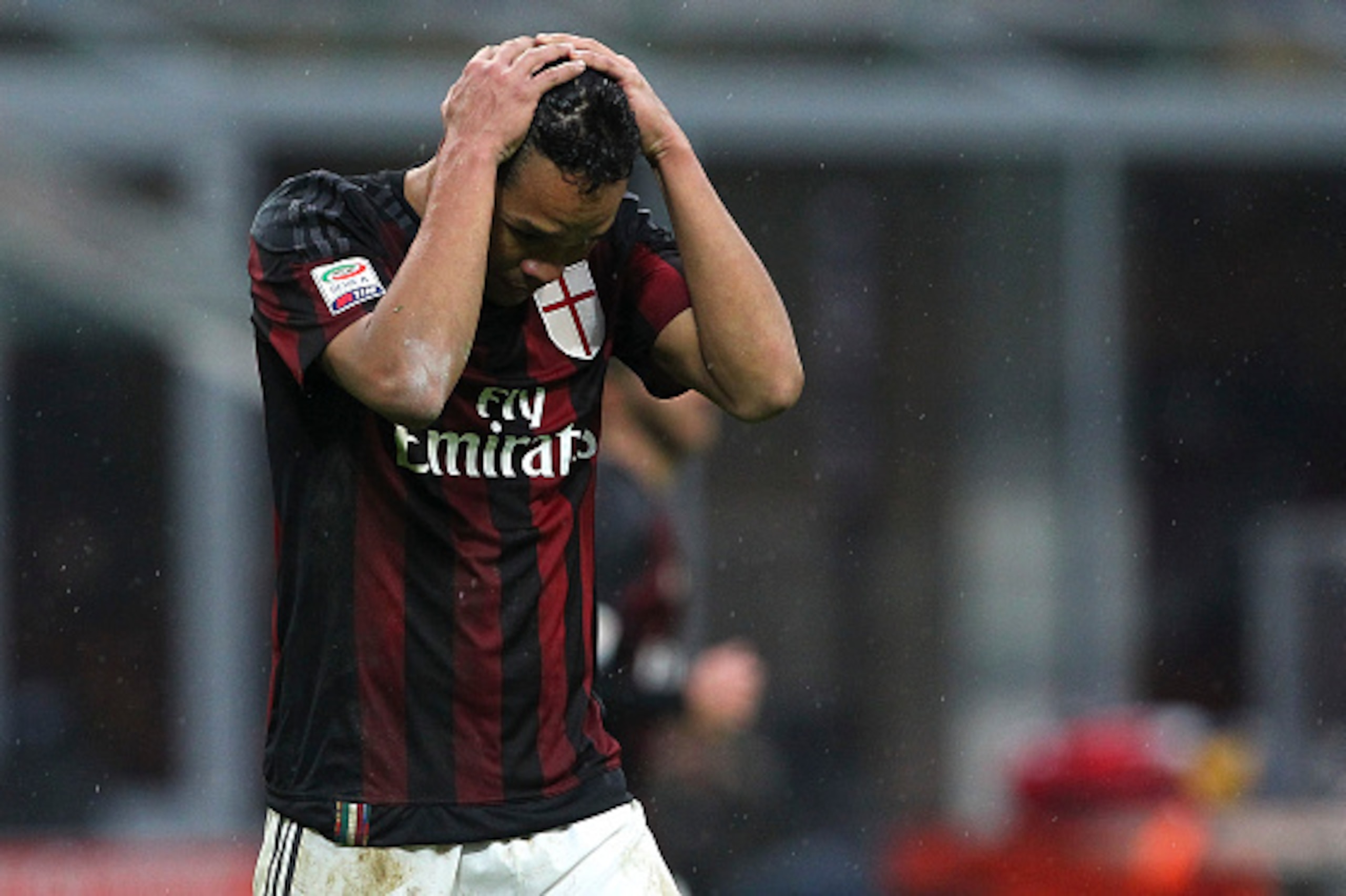
Multiple potential reasons, including problems on and off the pitch, have been explored in order to rationalise Milan’s recent failings. One possibility that hasn’t received quite the same exploration, yet is regularly cited, is the notion of psychological issues within the team.
Here, Bleacher Report, in collaboration with Milan pundits Sumeet Paul of ESPN FC and Isak Moller of SempreMilan, answers the question: Are psychological issues holding the club back?
Before examining supposed psychological frailties, it’s important to take stock of some of the other problems that have set the team back in recent seasons, including tactical difficulties and a questionable strategy in the transfer market.
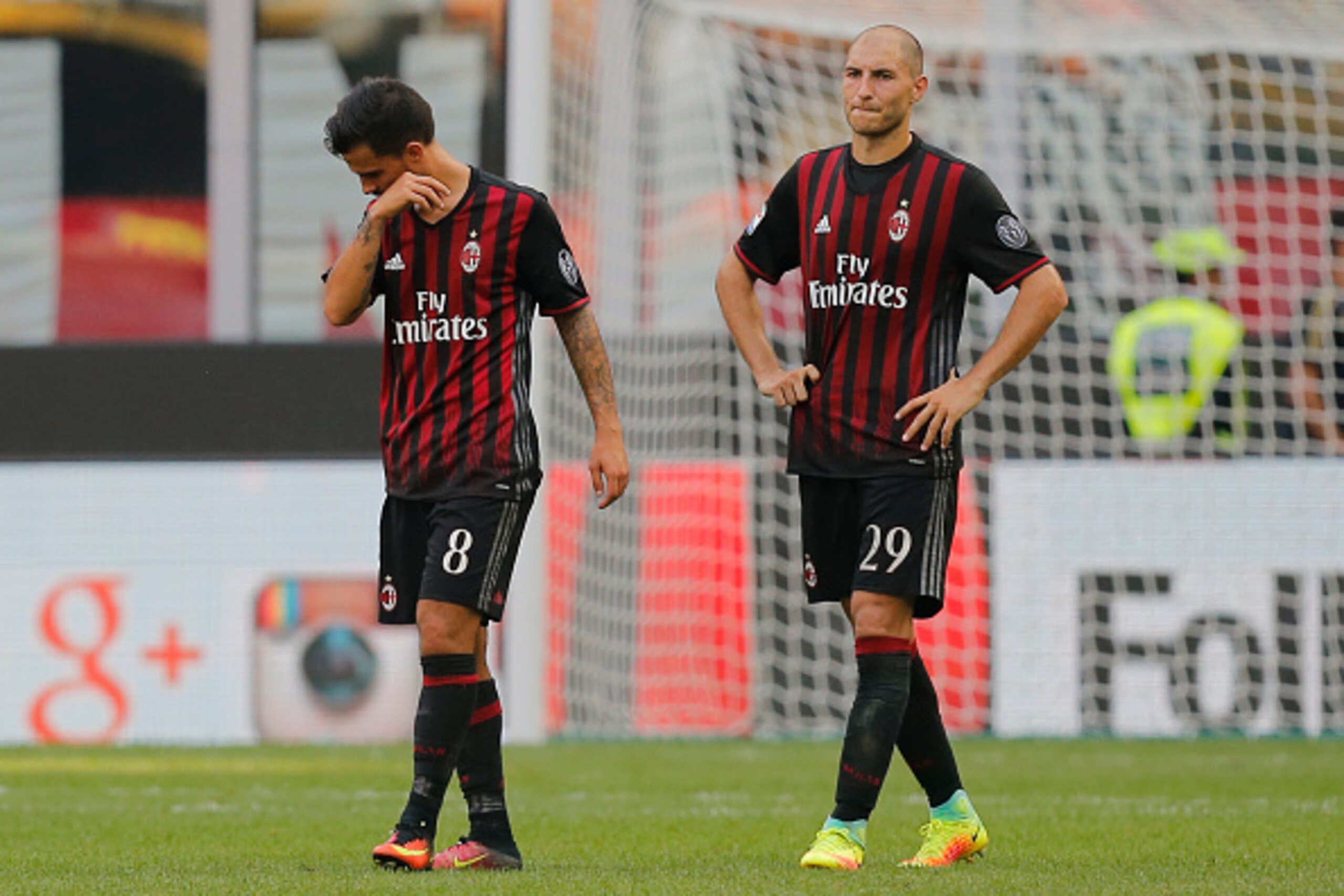
Milan have had seven different head coaches inside the last three years. Since Massimiliano Allegri’s dismissal in January 2014, Mauro Tassotti, Clarence Seedorf, Filippo Inzaghi, Sinisa Mihajlovic, Cristian Brocchi and current incumbent Vincenzo Montella have held the position.
It’s an alarming rate of change that has actively gone against any hopes the club may have had of fostering continuity and a sense of direction, not least because each coach came with their own distinct ideas on what system should be used and what style of play was best.
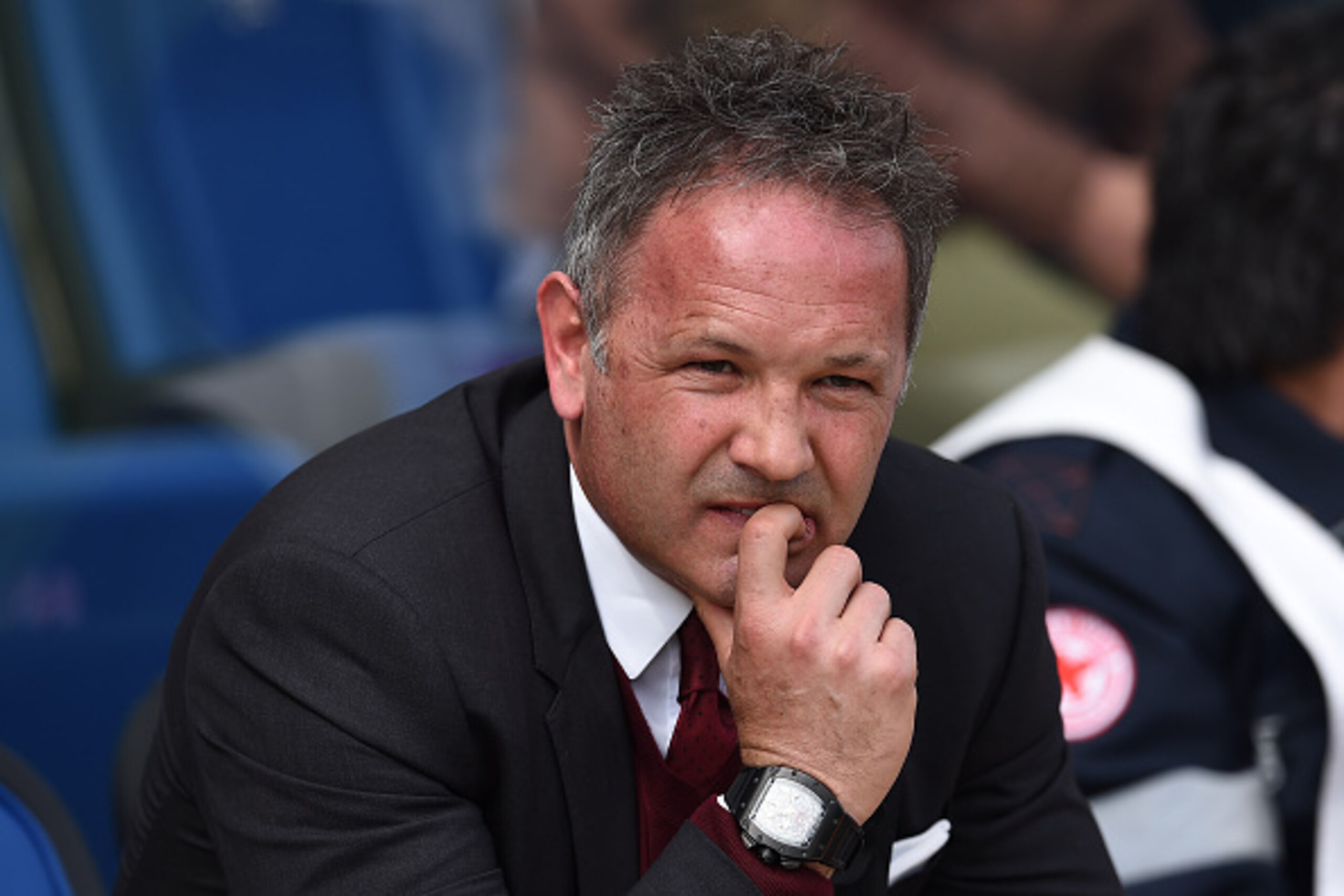
Without clarity from the dugout, it’s no surprise that Milan have frequently appeared lacking in certainty and assuredness on the pitch. Switching from Mihajlovic’s pragmatic win first, ask questions later philosophy to the more proactive possession game of Montella, the playing squad has often appeared to be imbued with an understandable confusion.
Off the pitch, Milan’s transfer policy has been equally wayward.
One thing that cannot be levelled at the club’s hierarchy is an unwillingness to spend. Last summer, the arrivals of precision finisher Carlos Bacca, ball-playing central defender Alessio Romagnoli, midfield creator Andrea Bertolacci, midfield destroyer Juraj Kucka, attacking left-back Luca Antonelli and respected goalscorer Luiz Adriano, among others, cost a total of £77.32 million per Transfermarkt.co.uk.
However, a lack of direction was evident in that the need for central defenders wasn’t—and to an extent still hasn’t been—addressed, with Romagnoli the only addition to fill in that position, followed by Gustavo Gomez earlier this year.
An inability to strengthen in problem areas has led to a qualitative shortfall in certain positions within Milan’s squad, while the failure to give one coach a concerted period of time to implement ideas has led to a predictable lack of tactical identity.
These issues are pertinent, though Paul believes mental frailty has also played an important role in the club’s underwhelming positions of late.
“Tactics and the quality of players are crucial aspects, but if a team has a lack of confidence or even fear, it affects them and can almost negate the good preparation they’ve done for a game,” he told Bleacher Report. “They exacerbate issues when things are going wrong.”
The appointment of Montella in June was expected to come with a new, more entertaining, style of football. However, while he is only months into the job, and three successive clean sheets offers promise, he is clearly having some initial difficulty embedding his vision.
In Milan’s most recent game, a 0-0 draw away to Fiorentina, they didn't come close to controlling the ball, with just 39 per cent of possession, per WhoScored.com. The match showed that the players, perhaps reasonably given the turbulence of the last three years, are tentative when it comes to undertaking their new style.
The coach referenced this afterward, telling Mediaset Premium (h/t Football Italia):
"We lacked a little courage, initiative and confidence.
[...]
Fiorentina had more of the ball, but that was to a degree because we decided to allow them that. I don’t know how we get more courageous if not with experience. When we tried to take the initiative today, we created chances and got to their box, so we need to continue doing more of that.
We were too passive at the start and looked timid.
"
Former Milan goalkeeper Christian Abbiati was also critical of the team’s mentality last term following a 0-0 draw with Chievo. Speaking to Mediaset (h/t ESPN FC), he stated:
"We had an unacceptable attitude right from the start today.
I'm lost for words for that first half an hour. We needed to show far more hunger.
I'm not going to name names, but I'm sick of seeing teammates get offended when you shout at them because they just think you are being mean when in fact you are trying to be constructive.
"
Evidently, for both Montella and Abbiati, Milan’s poor performances in the recent past have been more the result of a psychological deficit—be it lack of confidence or desire—than a shortage of talent or a tactical plan.
The pressure of wearing the Milan shirt can be intense. Doing so includes carrying the immense weight of the team’s historical successes, as well as the high expectations of the club’s owners and fans.
Failure to win is less acceptable when wearing red and black, though this can lead to a self-perpetuating cycle, whereby the pressure exacerbates issues with the team’s tactics and strategy, leading to poor performances that further weaken the team’s mentality.
Paul added: “In recent years, a mental fragility has built up within the squad, masked at times by a run of good results. Though ultimately when they suffer a setback those issues come flooding back.”
However, Montella’s clarity of purpose should lead to greater certainty within the team over time, something that may give the players increased fortitude when dealing with poor results. Indeed, there is already evidence that the coach is beginning to have a positive impact in this respect.
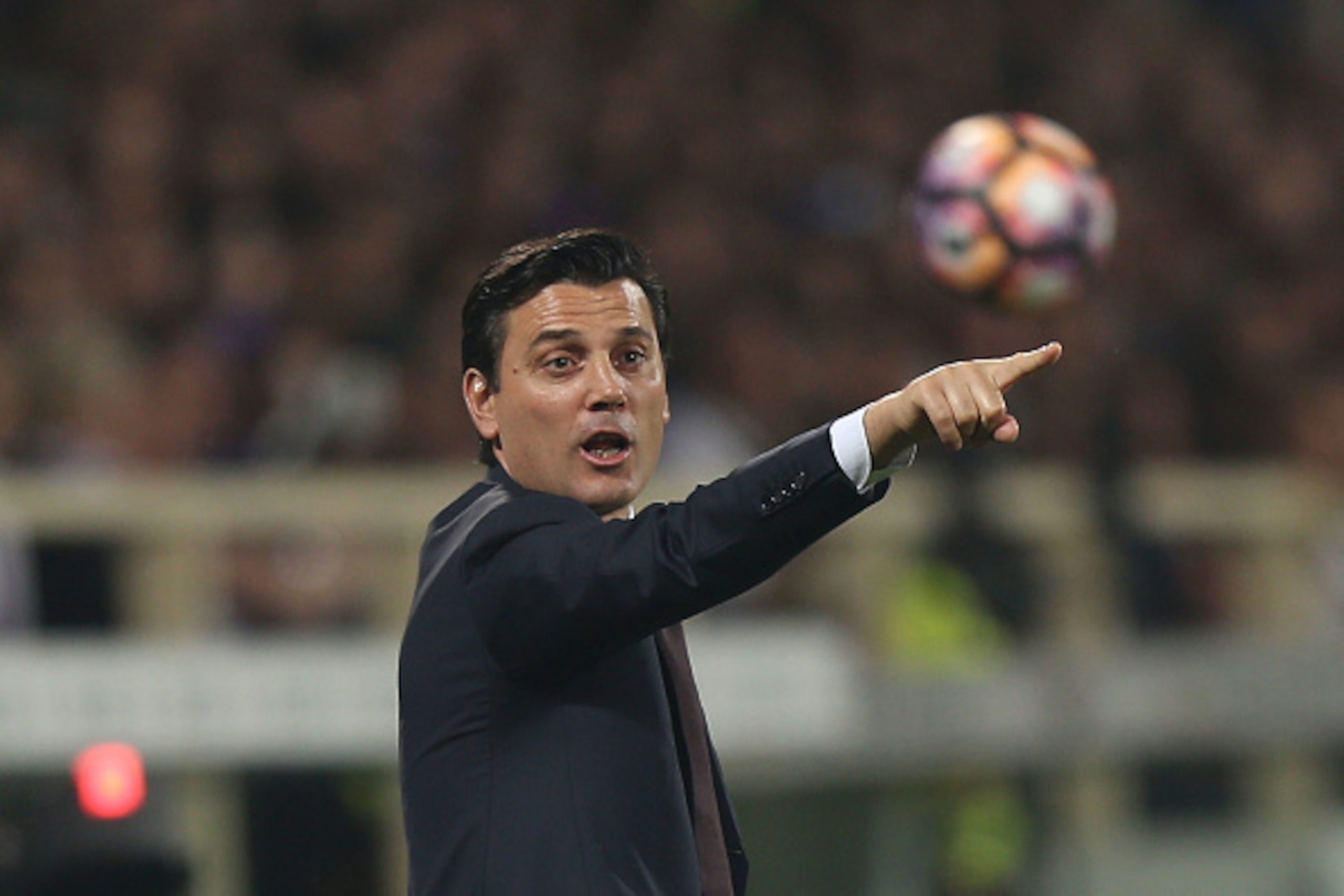
“I wouldn’t say he [Montella] has gotten rid of them [Milan’s psychological issues], but he has managed to lift the team spirit,” Moller said. “It’s important he gets his ideas across to make it as simple as possible for the players.”
Paul agrees, saying that “Montella has built on some of the positive work done last year [under Mihajlovic], however I still think time will tell as to whether or not the team’s mental frailties have been removed permanently.”
It appears that the twin burdens of history and expectation continue to hold Milan back. As a result, it may take some time for the scars of the last three years of indirection and underperformance to heal over.
However, should Montella be given time to implement his football philosophy, certainty should return to the squad. Confidence in his methods should breed improved performances, at which point the team’s winning mentality may finally return.

.jpg?w=2560 "Hill Injury Update Football")
.jpg?w=2560 "OBJ Calls Out Giants 😳")
.jpg?w=2560 "Tyreek makes another cryptic post amid Chiefs rumors")