

Is There a Lesson to Be Learned as Barcelona Crumble Against Minnows Alaves?
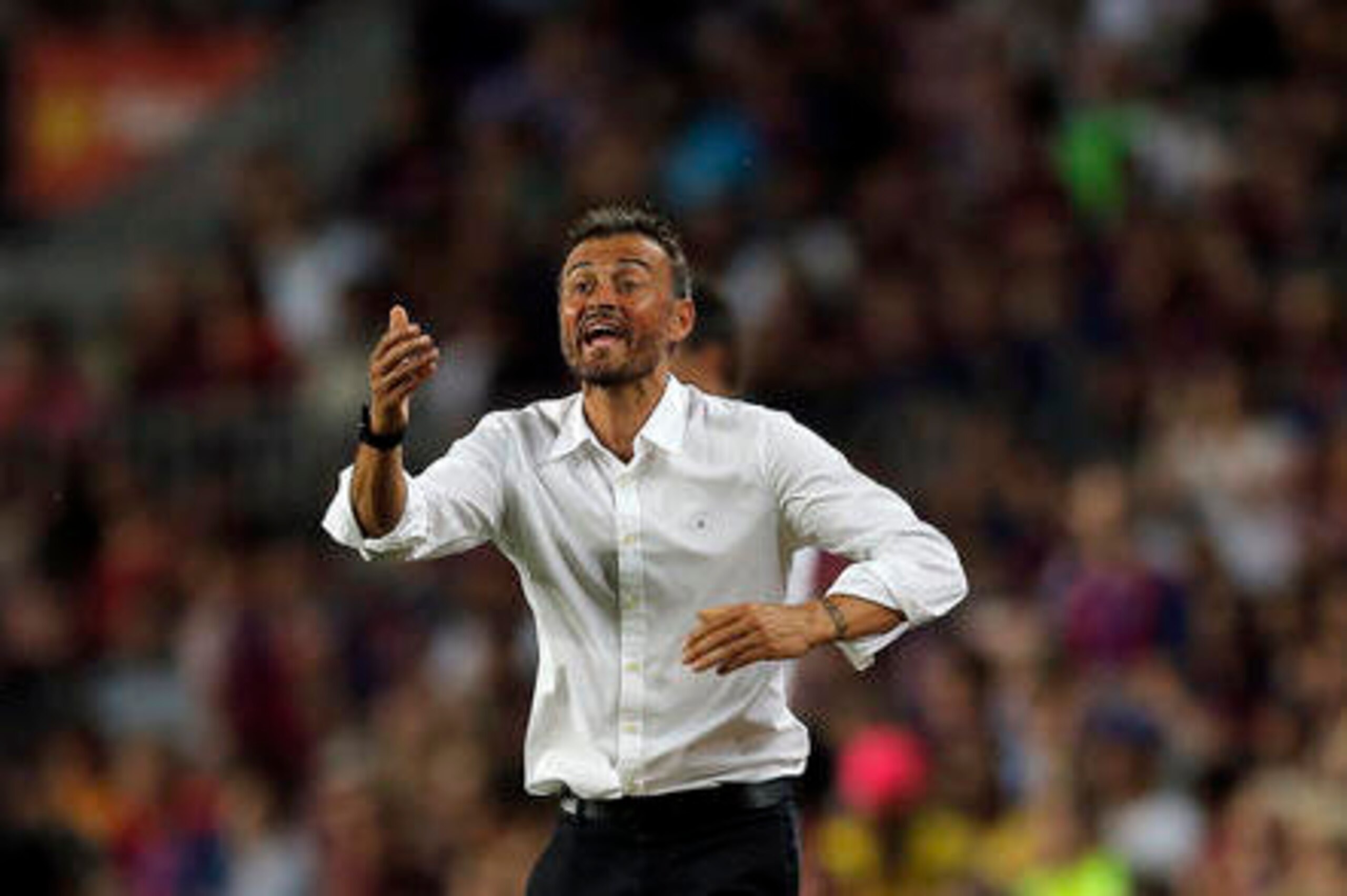
CAMP NOU, Barcelona — Luis Enrique was not angry. In public, anyway. The Asturian conducts himself in a different way behind closed doors.
But when the Barcelona manager entered his post-match press conference following Barcelona’s 2-1 defeat by Alaves on Saturday night, he was calm.
Often, the coach is found in a terse, unfriendly mood. And that’s when Barcelona win games. When they lose, it’s worse. And while he hardly bounded in, wisecracking and shooting the breeze, there was no hint of stress or tension.
TOP NEWS

Soccer Stock Check 📈📉
Billboard Trolls Man City 👀

New NFL contenders starting to emerge after Week 4
Lucho took a seat, noted the bottled water in front of him had been opened—by Alaves coach Mauricio Pellegrino, who had held court before him—looked momentarily frustrated, reached over and swapped it for another bottle.
It was just one more mistake on a night when too many were made.
Analysing the game is difficult. If you only look at the statistics, you would believe Barcelona deserved to win.
Using data from FourFourTwo’s Stats Zone app, Barcelona had 16 shots to Alaves’ five, 75 per cent of possession and 13 corners to none. Perhaps that’s why Sergio Busquets said the result was an injustice.
He started the night with the captain's armband and was the only true Masia graduate in the starting lineup, according to Sport.
Ivan San Antonio of the same newspaper published quotes from the player after the game: “I think it was an unjust defeat because they haven’t done more than us to win, but they have been effective.”
But when you are small team away at the Camp Nou, you know you have to suck up the punishment and try to hit Barcelona on the break, pressing them when you can.

That was Alaves’ game plan, and they executed it perfectly. Two real chances, two goals, three points and back to the Basque Country with grins plastered across their faces, leaving Barcelona to seek some explanation for what happened—and, more importantly, help Barcelona from stopping the same from occurring again.
According to Enrique, he was entirely to blame. The coach said in his press conference: "I’m the most responsible for that and I accept [criticism]. Everything bad that happens is my fault, but it’s easy to criticise with hindsight.”
He is right in that you can pick at everything after the event. If Barcelona had won, he would be praised for picking a virtual reserve team and keeping his men fresh for a busy schedule. This was the first of seven games in 23 days.
And, on paper, the team he put out should have been able to beat Alaves, even though he only fielded three of his strongest first XI if you judge Samuel Umtiti to have risen above Javier Mascherano in the pecking order.
Dutch football coach and fitness expert Raymond Verheijen spoke as part of a sports-analytics conference in Barcelona on Friday, and as one of the leading authorities on the effects of rest, fatigue and rotation on players and teams, I questioned him about Barcelona’s schedule.
He explained the tough situation that sees coaches forced to choose between overplaying their best players and making changes thanks to fixture congestion, saying: "If your players are accumulating fatigue and their performance drops and injuries go up, one way to fight that is rotating your team. You avoid the players accumulating fatigue, but if you rotate the players, you don't play with your strongest team every game.
"The moment you start to rotate your players the team gets weaker, there is more miscommunication and performance problems. Coaches fight the symptoms, but in reality, a new problem happens. It's a difficult situation. Coaches have to choose between two bad things."
Lucho opted for the rotation, and it was a wise choice in many regards.

Lionel Messi was suffering with a groin injury and only received medical clearance to play on the day of the game. He was left on the bench.
So too was Luis Suarez, who returned late in the week from international action with Uruguay and only had one training session before the Alaves game.
And captain Andres Iniesta was sat next to them, with this his first inclusion in a squad since getting injured against Sevilla in the Spanish Super Cup.
Goalkeeper Marc-Andre ter Stegen was also out of action with a hamstring problem, meaning new signing Jasper Cillessen made his bow. He had just three training sessions with his new team-mates before being thrown in.
So with four key players either risks or unable to feature, Barcelona would have to put out a rotated team.
Paco Alcacer was handed his debut up front in place of Suarez, Arda Turan covered Messi and Neymar was brought back into the team after returning from Brazil.
Picking him was a marginal decision—this was his first Barcelona game since the Copa del Rey final in May, and a transatlantic voyage never does a player much good. However, his form for his national team was impressive, so Enrique decided that without the creativity of Messi and Iniesta, the No. 11 was necessary.

Usual starters Sergio Busquets and Ivan Rakitic made up two-thirds of the midfield and were joined by summer signing Denis Suarez, who played in Iniesta’s stead.
If Enrique had stopped there, it would have been enough. More rotations could be made against Celtic on Tuesday and Leganes on Saturday with a view to getting the strongest team ready to face Atletico Madrid on September 21.
The problem was the coach exacerbated the situation. He decided to leave Gerard Pique and Sergi Roberto out of the squad entirely, replacing them with Jeremy Mathieu and Aleix Vidal, while also dropping Jordi Alba for Lucas Digne and picking Mascherano over Umtiti.
That meant the back line in front of Cillessen was Digne, Mathieu, Mascherano and Vidal—a reserve back five that created conditions for an upset when combined with the mostly reserve top half of the team.
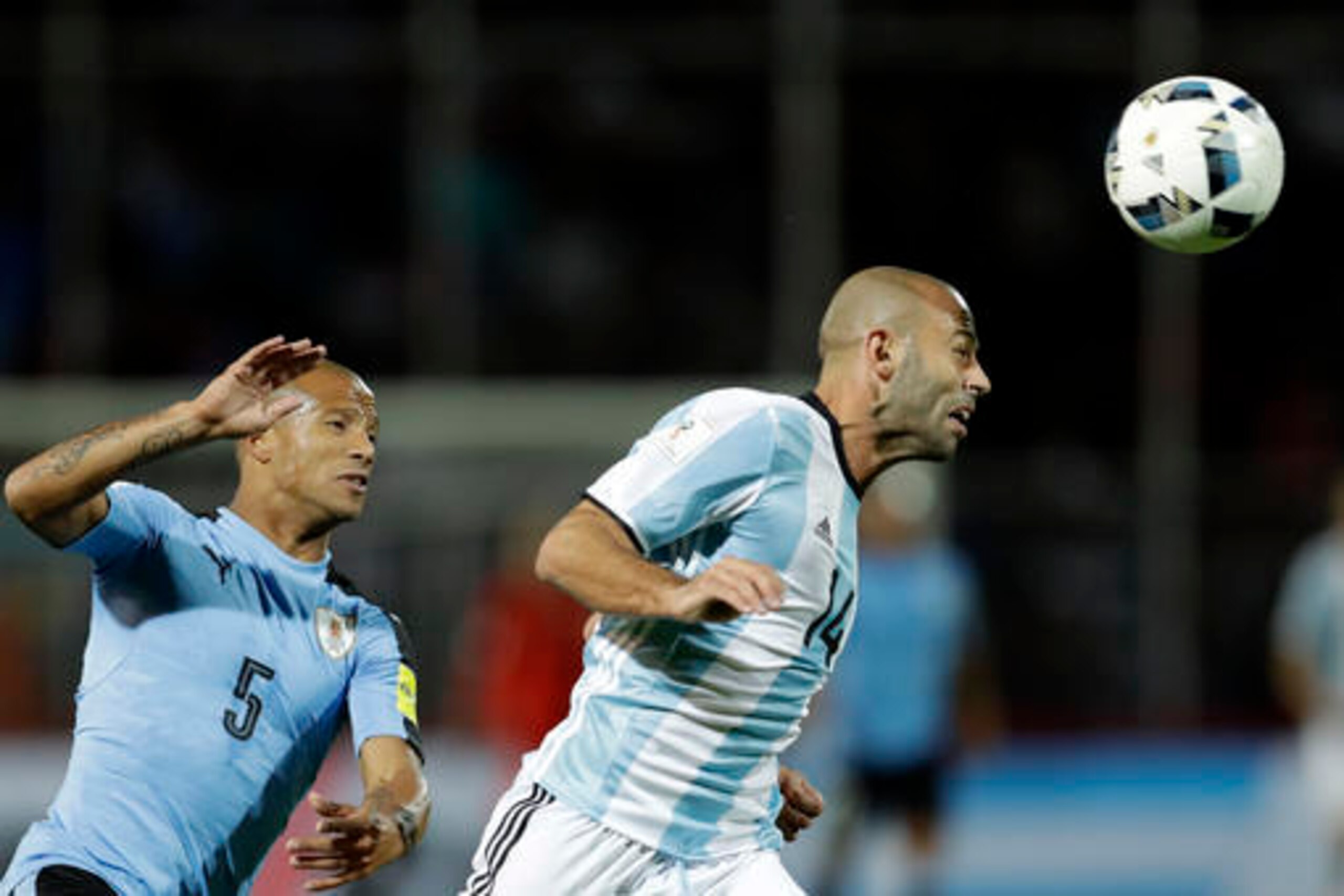
Mascherano made two big mistakes that led to the goals, while Vidal was also at fault for the second, scored by Ibai Gomez, whom he let slip away too easily.

The Argentinian is usually a reliable figure, but having played for his country in South America, perhaps he was tired, both mentally and physically. Which raises the question, why didn’t Pique or Umtiti play? They had both travelled significantly less.
The whole team’s performance was bad, including the few first-teamers and the reinforcements called from the bench, Messi, Iniesta and Suarez.
Part of that is due to the message sent when putting out the reserves. “This isn’t a big game. The opposition are weak and not worthy of respect.” Wrong.
The other part due to the miscommunication and lack of cohesion Verheijen suggested.
Managers also put far too much stock in the early Champions League group games. You would imagine Enrique will pick his full strength team against Celtic. But why? Would it not have been more prudent to split these rotations over the two games?
But there is no need to panic. This is the third gameweek of a long, long season.

The lesson learned isn’t to avoid rotation. If that’s what Barcelona take forward, then they would be making a mistake.
It’s just that on this occasion, Luis Enrique took it too far. Rotation but in moderation.
And even then, it took big mistakes from a usually reliable individual and the effects of international travel for Barcelona to slip up.
And even then, in the last minute, Messi could have equalised, dragging a shot wide.
Enrique could not control the whole situation, but he failed to steer the part he could.
Despite the humiliation, Barcelona will continue on the same course.
“This season, we don’t just move forward with 11 players," the coach added. "We move forward with 22."
The goal is to strengthen the weaker part of the 22, but that’s hard to do when they’re all playing at once. That’s why players such as Denis looked good until Saturday—playing with Messi, working within a well-defined structure and system in which players know their roles.
But when too many changes were made, the team’s dynamic was broken. The Jenga stays upright if you take a few blocks out. But not too many.
Rik Sharma is Bleacher Report's lead Barcelona correspondent. All information and quotes obtained firsthand unless specified. Follow him on Twitter here: @riksharma_.
.jpg?w=2560 "Cardinals Giants Football")

.jpg?w=2560 "Report: Chiefs Contact Hill's Agent")
.jpg?w=2560 "OBJ Calls Out Giants 😳")
.jpg?w=2560 "Tyreek makes another cryptic post amid Chiefs rumors")



