Real Madrid Showing That Life After Cristiano Ronaldo Will Still Be Good
Three games and one international break into the new 2016/17 season and Cristiano Ronaldo has yet to kick a ball for Real Madrid, with his last on-pitch action being to help Portugal win the Euro 2016 final.
His injury in that game ruled him out of all pre-season and his nation's first post-victory fixture—a defeat to Switzerland—but the wide forward is drawing ever closer to a return to action and full training with his club.
The expectation is that he will play some part in the weekend LaLiga game against Osasuna. The UEFA Champions League will start up the week after, and Zinedine Zidane will no doubt be keen to have his star player available once more, despite a strong start to the campaign for his team.
TOP NEWS

Soccer Stock Check 📈📉

New NFL contenders starting to emerge after Week 4
.jpg?w=2560 "Cardinals Giants Football")
NFL investigating 2 referees for separate viral exchanges
"First training with the team, very happy!!!! Enjoy the picture pic.twitter.com/FFGEgqSK4A
— Cristiano Ronaldo (@Cristiano) September 5, 2016"
Ronaldo will once more be pivotal to Real Madrid's success, but perhaps for the first time, people are starting to look to life beyond the Portuguese superstar at the Santiago Bernabeu. And they may be finding that the signs are positive, indicating that a regular absence of the three-time world footballer of the year will not mean an end to the team's success.
Managing return
Ronaldo is set to return to Zidane's team, and when he does it will doubtless be as a starter, but it's undeniable that there is not the same urgency to get him back to fitness as fast as possible as there has been previously.
The emphasis from the club's part is very much on having Ronaldo fit for a long time, rather than rushing him back to fitness and perhaps not addressing the injury's underlying issue as much as they might do, all in the name of getting him on the pitch in the short term. Indeed, Marca report that Zidane has given Ronaldo instructions: He'll play only 60 minutes in his comeback game and only 70 in midweek against Sporting.

Of course, that could change as game management takes precedence, but early overexertion could lead to late-season injuries such as those Ronaldo suffered at the end of last term, which saw him miss the UEFA Champions League semi-finals and several end-of-term LaLiga fixtures.
While managing Ronaldo's game time over the course of the season will be done with the aim of having him available over a greater spread of matches, this term and beyond, the reason Real Madrid are able to do so is the first indication of the future looking promising. The side aren't as reliant on the No. 7 as they have been previously, and other players are taking responsibility for the attacking success of the team.
Emergence
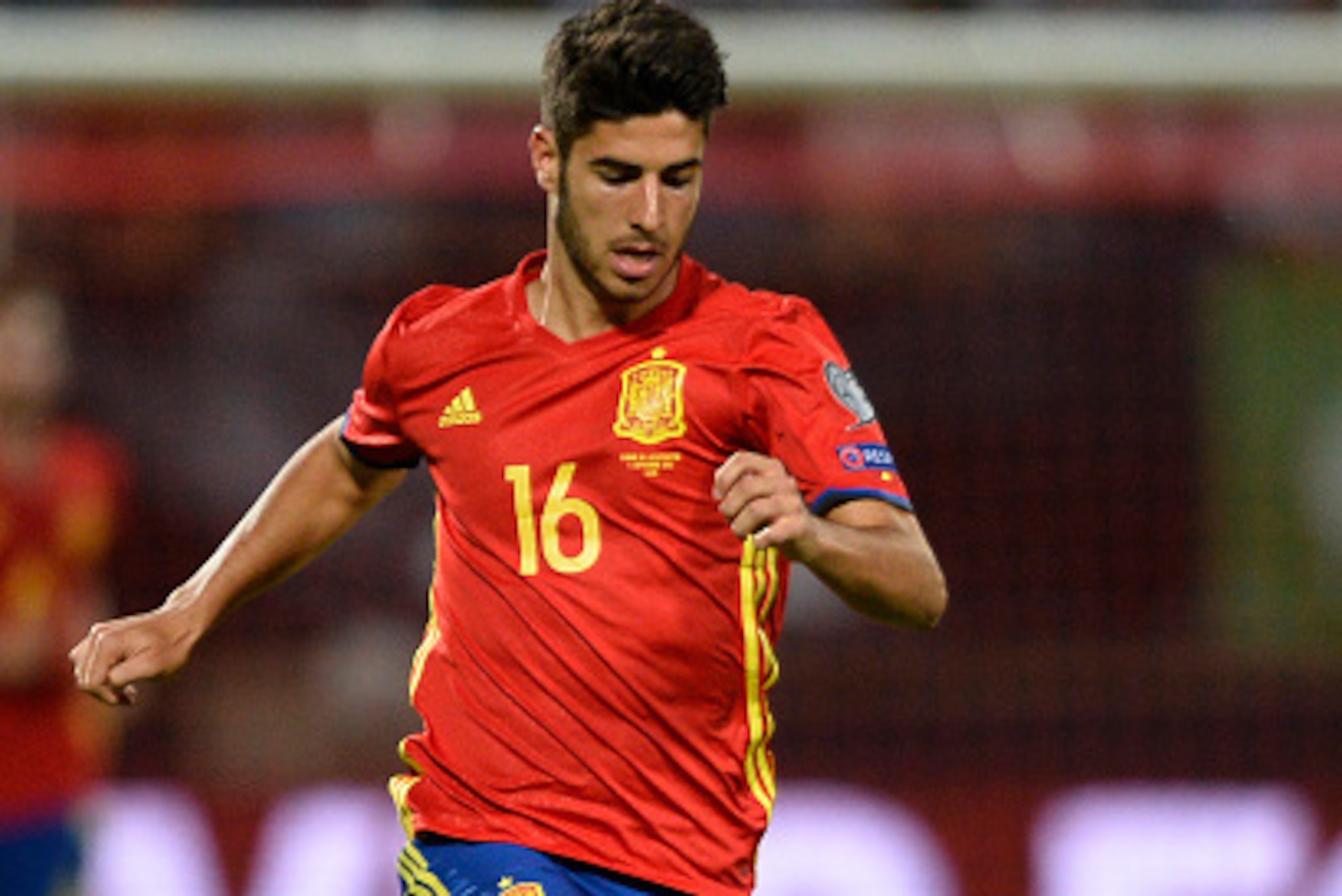
Two wins in LaLiga and the UEFA Super Cup victory over Sevilla mean it's a perfect three-from-three for Real without Ronaldo this term, with one impressive performer taking his place in the starting XI: Marco Asensio, who won the left-sided spot ahead of the likes of Isco and James Rodriguez, or even Lucas Vazquez.
While Asensio is proving he is a different type of player to Ronaldo, they share some traits.
Both, of course, have been the left-sided option in attack for Real Madrid. But while Ronaldo uses the role to take possession in dangerous areas and use pace and power to head directly for goal, Asensio has instead been happy to drop deep, find spaces between the lines and link play rather more patiently.
The zones they love to take possession in are the same, though: the left-hand edge of the box, or between midfield and defensive lines, able to turn directly toward goal.
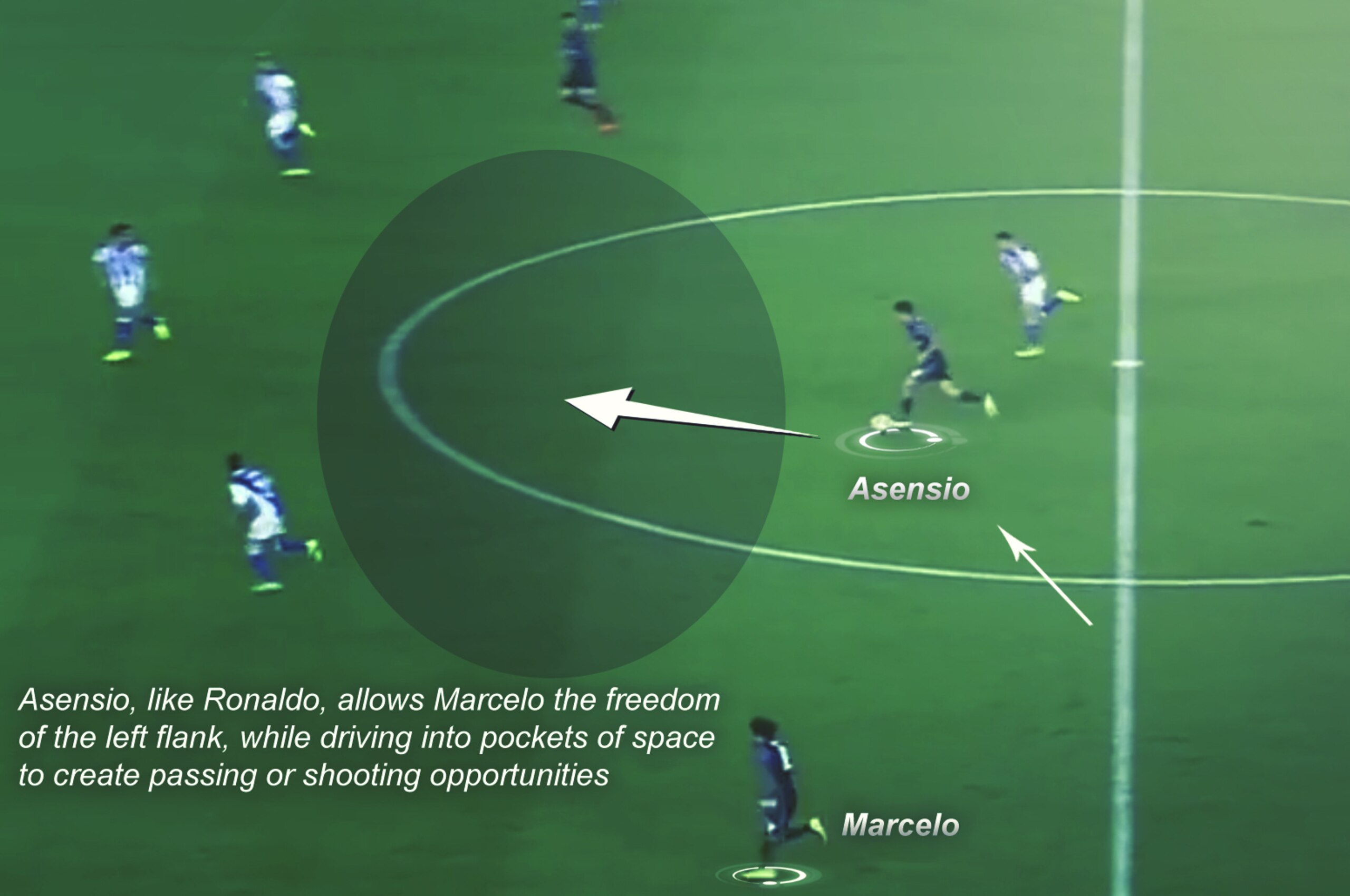
Asensio hasn't been shy about getting shots away either, scoring both in the Super Cup and in LaLiga already.
While it could never be said that Ronaldo hasn't been missed, given the extra quality, relentlessness in the final third and pace he brings to the team, Asensio has been one of the reasons that results have still been positive without the No. 7.
It isn't only Asensio who has emerged this season, though; Zidane is beginning to show how he is developing as a manager, able to pick teams and systems to suit each game and give Madrid the best chance of taking victory. It isn't always about all-out attack, and it isn't always about feeding possession to the star names and letting them do their work.
That alternative approach is imperative to ensure success continues when Ronaldo departs, even if Zidane isn't necessarily the man in the hot seat when that happens.
Star quality
There are ways to cope with the loss of a big player like Ronaldo, be it in the short term due to injury or for a longer period when he finally calls it a day, but the one unavoidable truth for Madrid is that they will require more star names to fill the void.
Not just in terms of quality, but also with regard to being seen as the biggest side, to having an appeal to new fanbases and prospective transfer signings, and also for justifying the ever-increasing sponsorship intakes that they will demand over the coming years to keep pace with Bayern Munich, Barcelona and the Premier League.
There, too, the signs are good.
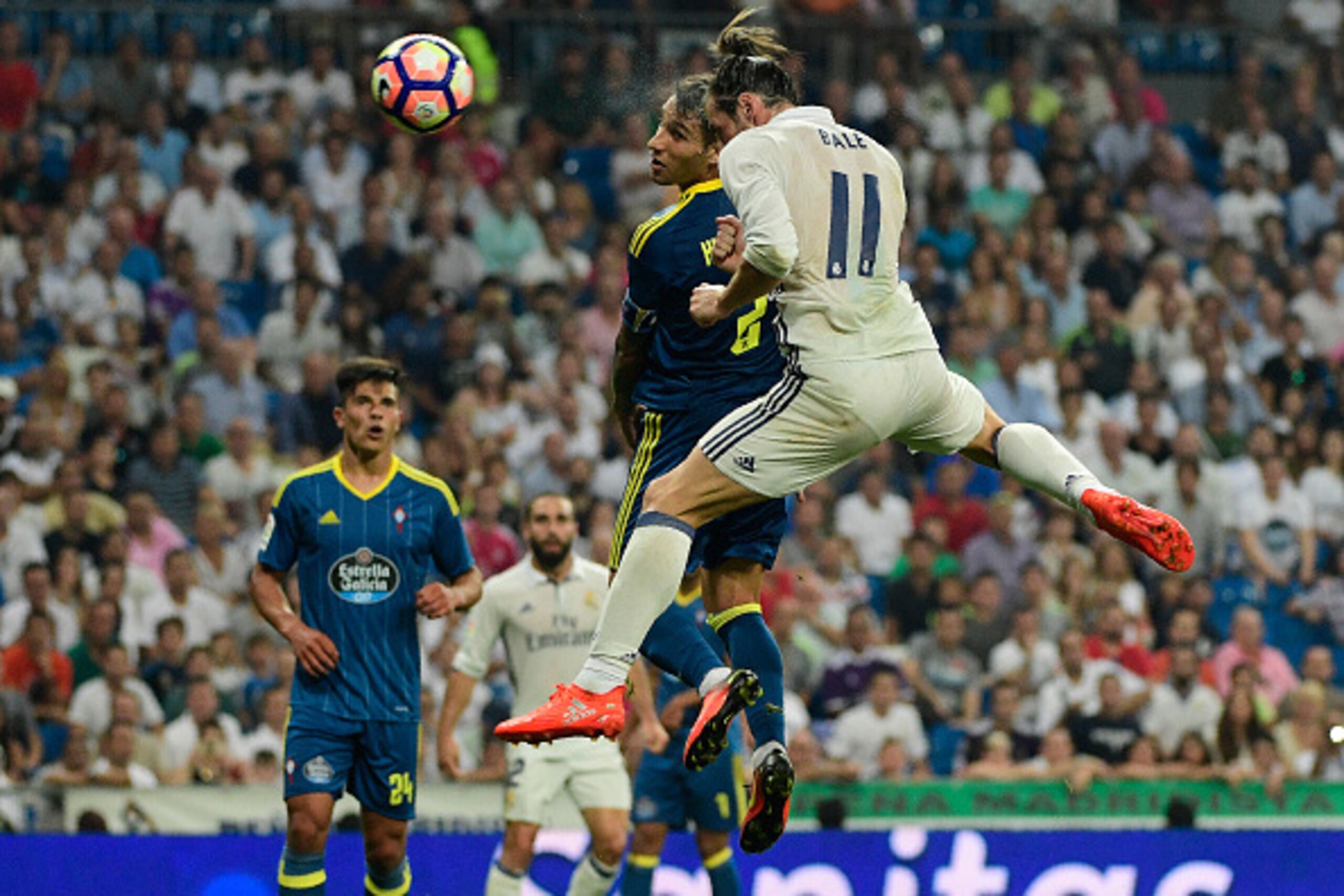
Gareth Bale has undeniably stepped up his game to the point of being trusted by many almost as much as Ronaldo is to come up with the big performances when they are most required.
Will James rediscover a first-team place and showcase his best form, the level of which is Galactico-worthy?
Perhaps Asensio or, in time, Alvaro Morata will reach those same heights, or a new face will be signed to great fanfare and develop a big relationship with the supporters. If that's needed, it won't be a problem in terms of finance after the relatively quiet year or two Madrid have had in the market. If Ronaldo must be replaced by spending, Los Blancos—once their impending transfer ban is over—will have no problem coming up with the cash to do so.
Planning
On the pitch is all that matters for some, but for an entire club, there's a mix of sporting success, economic success and constant growth both on and off the pitch that will ensure Real Madrid stay as one of the world's top clubs over an extended period.
Buying players at the right time is critical to both halves of that, and Madrid have gotten it right more often than not lately—with young signings who have yet to impact on the first team as well as with the likes of more senior players like Morata, Keylor Navas and Bale.
Asensio's rise is testament to the club's approach to scouting and signing talented young players before they arrive on the world scene with other clubs, but he's far from the only one.

As B/R's Tim Collins noted, the "contradiction" of this big-spending club is their current approach to smart planning for the future, with Jesus Vallejo, Sergio Diaz and others all potentially set to break through in years to come.
This summer, there was no spending for the sake of spending, no additions to the squad just to fill the void of LaLiga-less weeks and put another new face at Zidane's disposal, when he was perfectly happy with the ones he already had.
It's a smart approach, and if it remains in place over the long term, the Bernabeu club will have far more good years than bad with player recruitment.
Before Ronaldo ever came onto the scene, Real Madrid was already a club that demanded, and regularly received, top performances from their players and rewards in the form of silverware. Ronaldo's time at the club has coincided with further European success—and the signs are that long after he has departed, the good times will continue to roll.
.jpg?w=2560 "Hill Injury Update Football")
.jpg?w=2560 "OBJ Calls Out Giants 😳")
.jpg?w=2560 "Tyreek makes another cryptic post amid Chiefs rumors")