

The Spectacular Fall and Rise of Manchester City
The difference between history and success is often lost on tribal football supporters. Manchester City are often accused of having none of the former, the insinuation being their existence only truly began to matter once they started being bankrolled by Sheikh Mansour in 2008 and began winning silverware regularly.
It’s a nonsense assessment. City won their first league title back in the 1930s and were hugely successful in the late '60s and early '70s, winning European and domestic honours. They’re one of the oldest teams in football, and one of only 11 English clubs to have won a European trophy, the European Cup Winners' Cup in 1970.
TOP NEWS

Final Men's Ballon d'Or Rankings 📊

Carrick Replacement Options 📝

Unranked CFB teams cause chaos in Week 8
But even during their less successful period in the '90s and '00s, their history was rich—a compelling story of spectacular failure followed by a determined rise. Unrecognisable from the stable, superbly run club we see today, the old City were experts in disaster. It was for somewhat condescending reasons they were many people’s second team—never a threat but interesting to observe from the outside.
In the early '90s, City looked to be on the cusp of success. Peter Reid took charge in November 1990 and led City to two fifth-place finishes and ninth in his third season. However, such was the turbulent nature of City’s ownership at the time, drastic change was never far away.
Reid was sacked after taking just one point from the first 12 available in the 1993/94 season. With Manchester United top and adding further pressure on Reid, and with John Maddock on the board and influencing chairman Peter Swales, it was decided Reid should go despite the fact he signed a new three-year deal just weeks earlier.
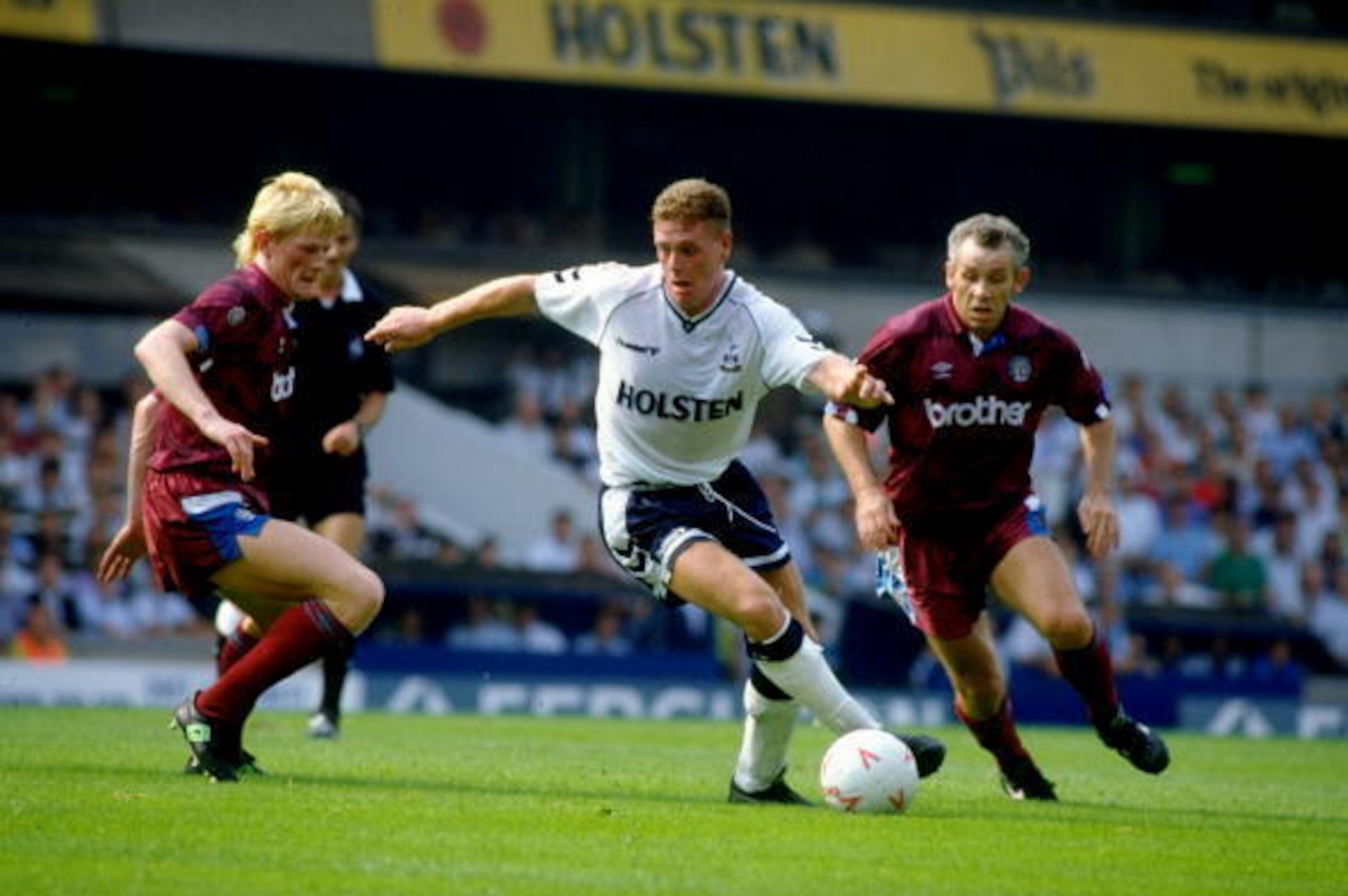
Terry Venables, Steve Coppell and Joe Royle were all linked with the job, but in came Brian Horton, who had just resigned from his post at Oxford United. “Brian who?” was the widespread response. City fans felt they should have been aiming higher than a manager with no top-flight managerial experience.
His first season was a struggle, but Horton brought in Uwe Rosler, Paul Walsh and Peter Beagrie before the end of the season and steered City to safety. He also gave Steve Lomas and Garry Flitcroft more prominent roles, which had added dynamism to City’s midfield, and with Beagrie and Nicky Summerbee on each side, City had genuine width. Walsh, Rosler and Niall Quinn gave City a decent mix of attributes in attack, and hopes for the following season were high.
It proved to be mixed, though. At their best, City were devastating, posting big wins in the first half of the season over West Ham United, Everton and Tottenham Hotspur. Goals were flying in, and the football was free-flowing. The 5-2 win over Spurs is remembered as one of the finest matches ever played at Maine Road.
But City’s squad was small. Andy Hill and Tony Coton suffered injuries, and Horton’s options were stretched. They finished a disappointing 17th and were hammered 5-0 by United in November 1994, leaving new chairman Francis Lee wanting his own man.
And that man was World Cup winner Alan Ball, a distinguished player who was seen as a step up from Horton. However, Ball’s appointment signalled the start of a remarkable decline. A season into his reign, and the days of Horton suddenly seemed halcyon.
Eight straight defeats early in the 1995/96 campaign set the tone. Ball had sold Walsh, Coton, Terry Phelan and Flitcroft, replacing them with substandard players. The one bright spot was the unearthing of Georgi Kinkladze—on the recommendation of Lee, it should be added—who went on to provide brilliance during a bleak period in the club’s history.
City were relegated at the end of the season after a farcical final day that saw them play for time with their game against Liverpool locked at 2-2. Ball was wrongly under the impression a point was enough to guarantee safety. Quinn emerged from the dressing room, having been withdrawn early to tell the players a point wasn’t good enough, but it was too late.
That incident, perhaps more than any other, summed up the “typical City” tag that followed the club, a phrase used to describe their ability to snatch defeat from the jaws of victory with staggering regularity.
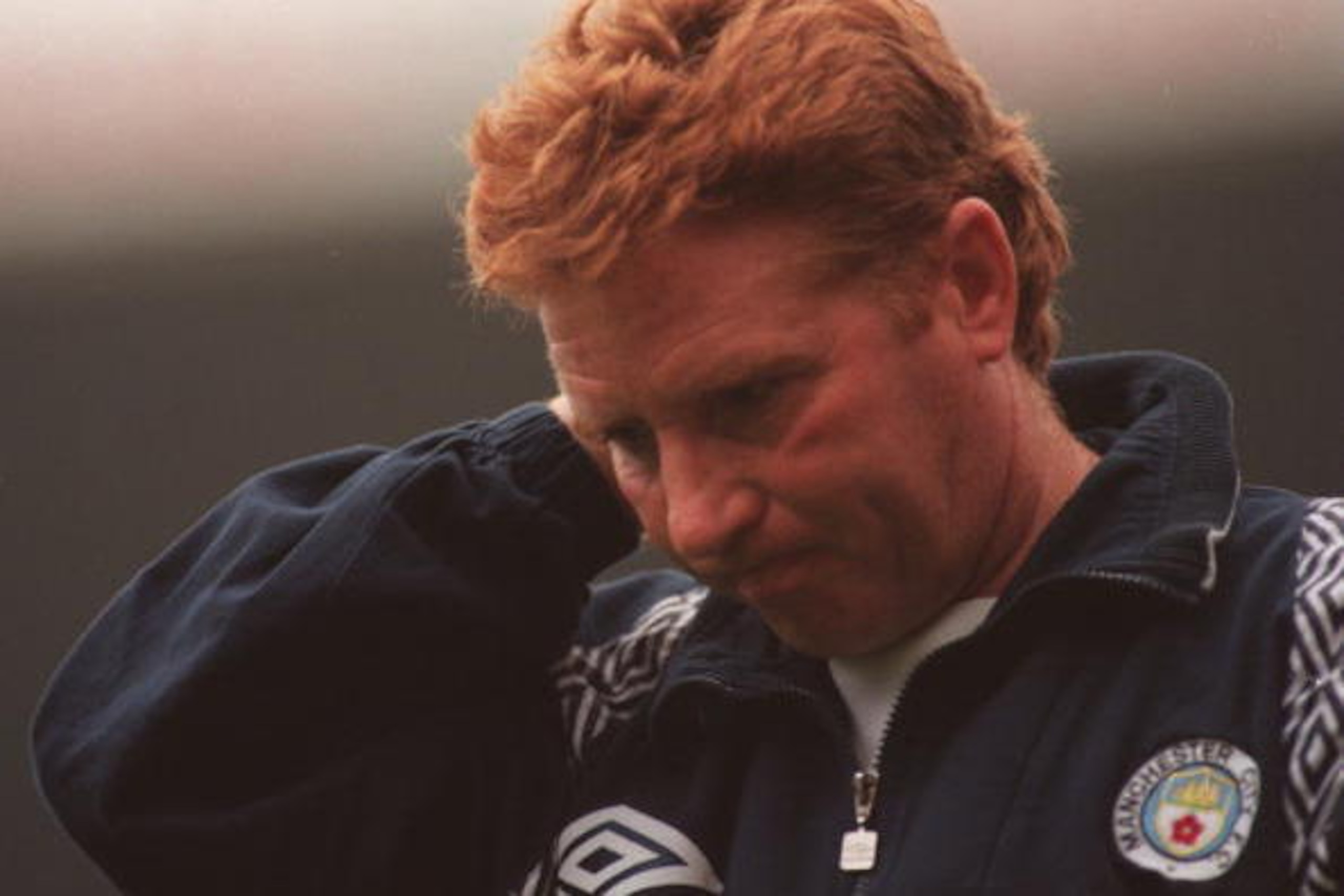
Ball made further changes in the close season but was sacked after a disappointing start to life in the First Division (now the Championship), and so began a succession of managerial changes. Asa Hartford took temporary charge before Coppell was appointed for what turned out to be an ill-fated 33-day tenure, the pressure of the job too much for him. Phil Neal then took charge for 10 games before the club enticed Frank Clark into the role.
City finished their first season in the First Division in 14th place despite starting the campaign as strong favourites for an immediate return to the Premier League. It was clear the club had deep-rooted issues. They were badly run, reactionary in their decision-making, short-termist and lacking a proper infrastructure.
What made things even more difficult was the success being had across town. Alex Ferguson had revolutionised United, a club embracing change and growing at a remarkable rate. They were dominating domestically and set for Champions League success while City were staggering from one catastrophe to another.
Clark lasted until February of the following season, sacked with the club on the brink of another relegation. His 34 per cent win percentage was appalling, and City were staring at the prospect of dropping into the third tier of English football for the first time in their history. This, undoubtedly, was the darkest period City had endured.
But the appointment of Joe Royle changed everything. He couldn’t stop City dropping into Division Two, the damage had already been done by a succession of incompetent managers and boardroom upheaval, but he brought a professionalism and pride that had been sadly lacking. The squad was bloated, and he trimmed it superbly, adding the right players to the mix at the same time. He fostered a wonderful team spirit and put together a side capable of promotion from the Second Division.
David Bernstein replaced Lee as chairman and brought an order and direction that had been absent prior to his arrival. Together, Royle and Bernstein would save the club from ruin.
Things started badly for City in Division Two, but the signing of Andy Morrison proved seismic. He brought leadership and defensive solidity, and City suddenly looked much improved.
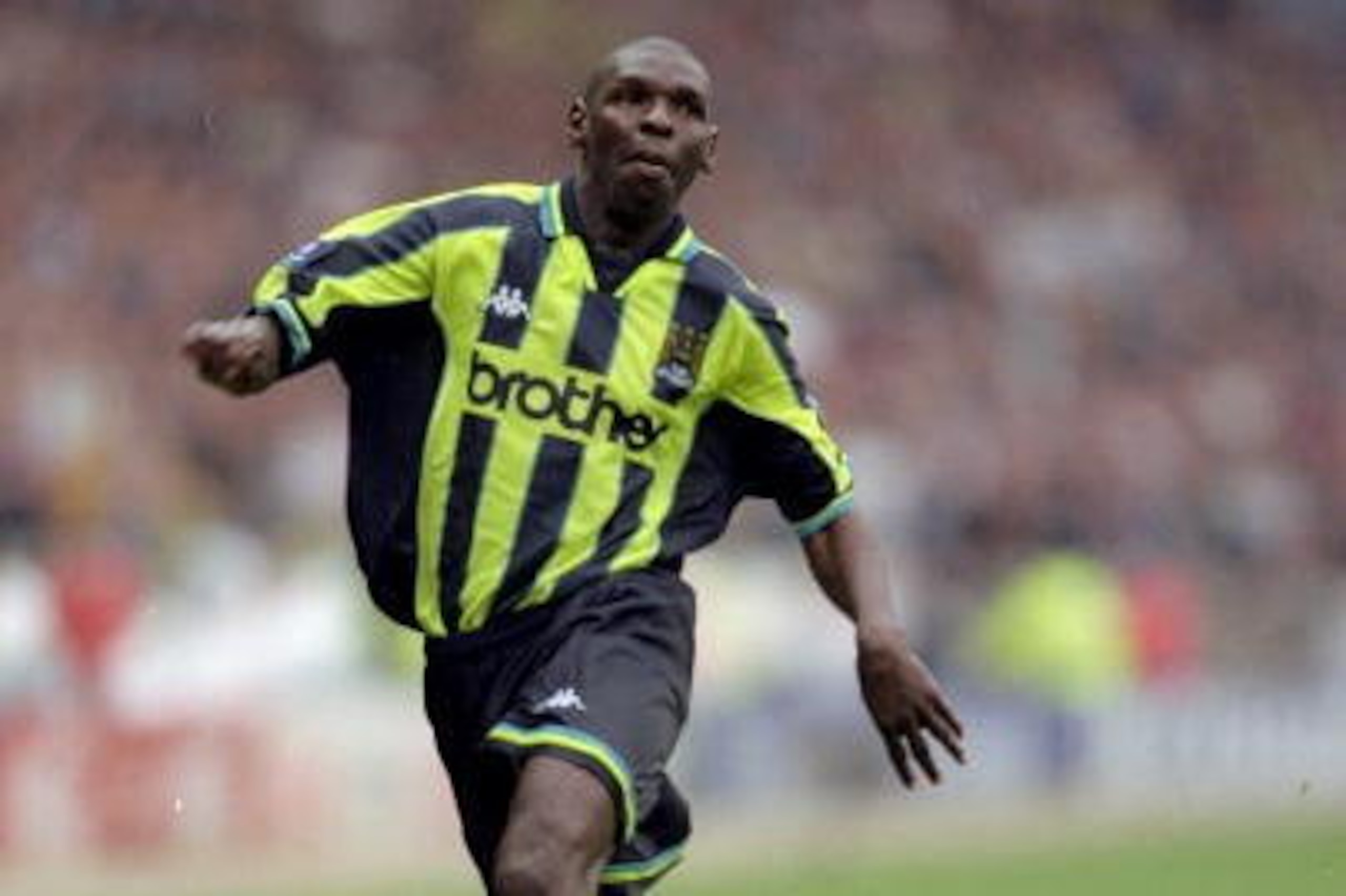
A win away at Wrexham on Boxing Day sparked a dramatic upturn in form. City lost just two of their last 24 matches and made the play-offs. The chance of an immediate return to the First Division was on.
They fought their way past Wigan Athletic rather fortuitously in their play-off semi-final—Shaun Goater’s handball remains a contentious talking point in the north-west—and then faced Tony Pulis’ Gillingham in the final.
United had won the Champions League four days before City’s match at Wembley Stadium, scoring two late goals to seal the win. There must have been something in the Manchester water in May 1999 because City repeated the trick.
They were 2-0 down with 90 minutes gone—but Kevin Horlock and Paul Dickov scored in injury time to save City and keep hopes of promotion alive. A penalty-shootout win saw them go up at the first time of asking despite their poor start to the campaign that had seen them in mid-table at Christmas.
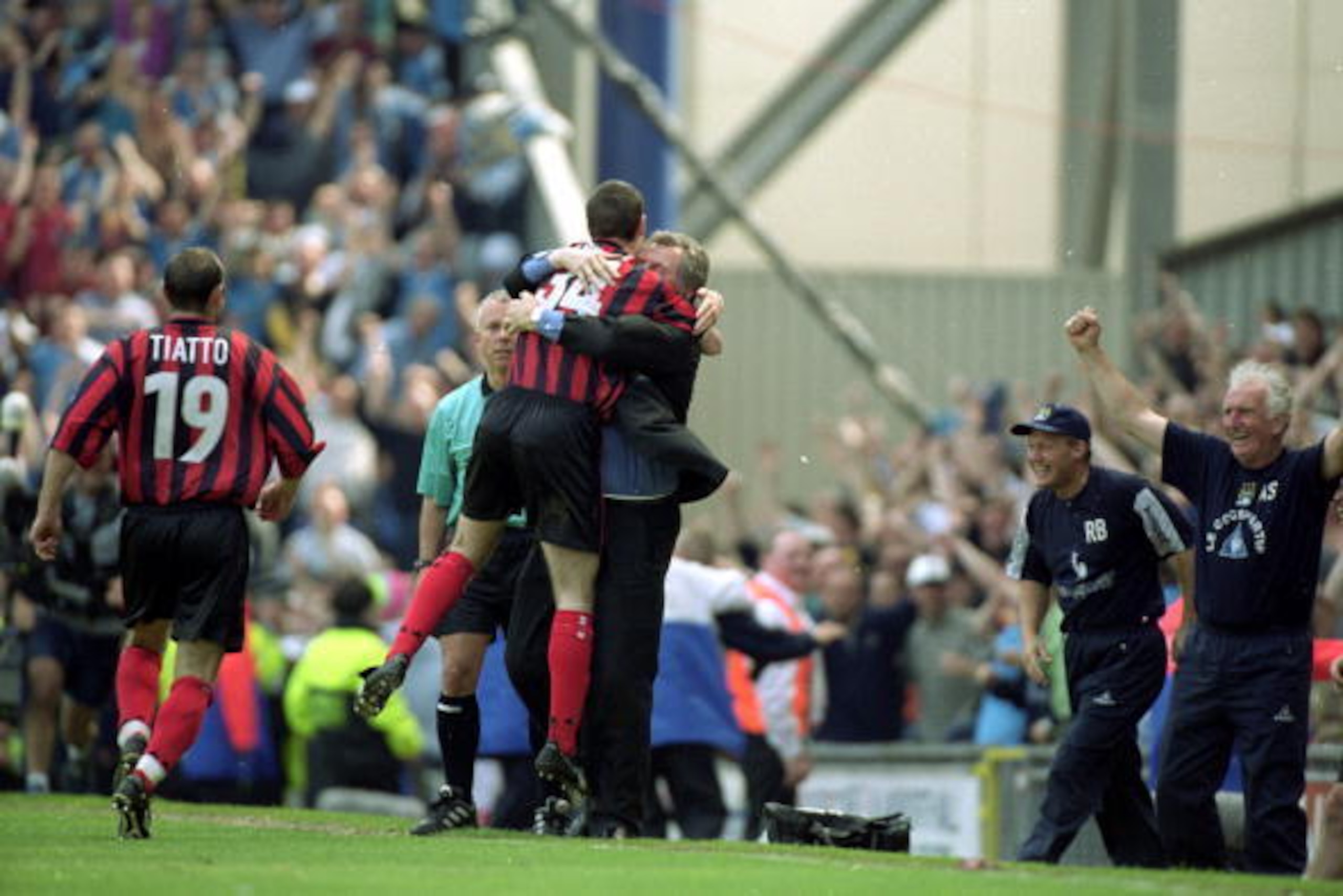
City fans went into the 1999/00 season happy to consolidate. A mid-table finish followed by a promotion push the following year felt achievable, but Royle and his side had other ideas. With Goater bagging 23 league goals and Mark Kennedy offering dazzling wing play on the left, City finished second and sealed their second successive promotion, beating Blackburn Rovers on the final day of the season in one of the most memorable days in the club’s history.
Blackburn, managed by Graeme Souness, hit the woodwork four times. This was City’s day.
However, they were relegated in their first season back in the Premier League, and Royle, somewhat harshly, paid the price—but he left a club in a far healthier state than the one he inherited. Royle’s role in City’s renaissance will never be forgotten. He had his faults and was ultimately limited in how far he could take the club, but make no mistake: His appointment was crucial.
Kevin Keegan replaced him, and he brought a more expansive style of football. He paired Eyal Berkovic and Ali Benarbia in midfield, a bold move by anyone’s standards, and City won the First Division title, scoring 108 goals and finishing 10 points ahead of second-placed West Bromwich Albion.
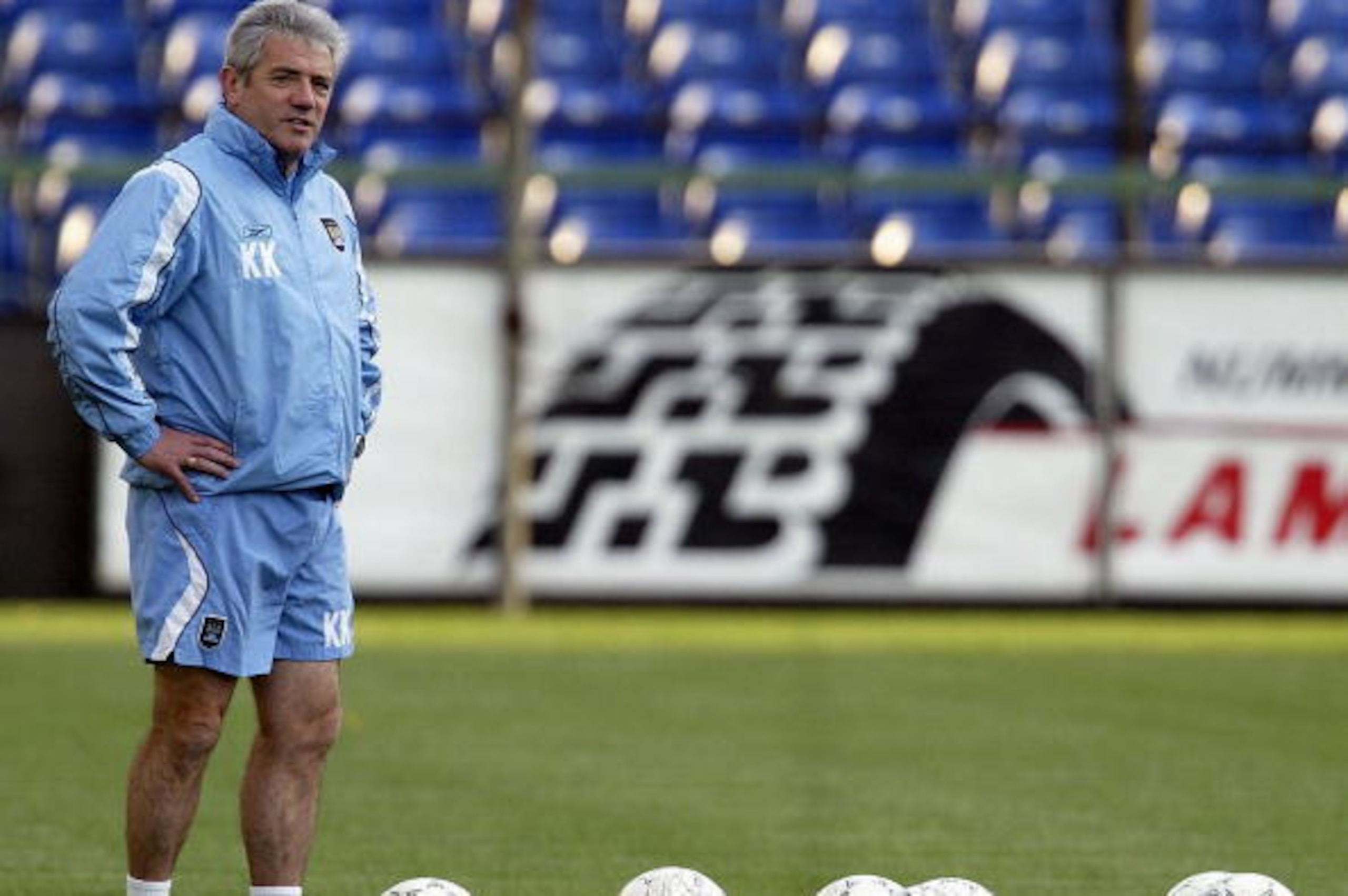
And in the Premier League is where they have remained ever since. City finished ninth on their return to the division, and their status as a top-flight club was secured.
The Royle and Keegan eras were key in stabilising the club and going someway toward returning City to where they had been before their dramatic slide began. It had been painful, maddening and, at times, downright farcical, but City were on their way to a recovery.
Stuart Pearce oversaw a boring two-year period after Keegan left by mutual consent in 2005 before Sven-Goran-Eriksson vastly improved the side after a change of ownership brought Thaksin Shinawatra to the City boardroom. Twelve months later, though, his assets were frozen and City were in need of new investors.
The summer of 2008 saw that much-needed investment arrive. Sheikh Mansour’s Abu Dhabi United Group took control and changed the landscape of the club forever. What has followed has been a period of huge success, with City winning a clean sweep of domestic honours, including the club's third and fourth title wins, and a run to the semi-final of the Champions League.
But without the rescue job performed by Royle and the vast improvements made by Keegan, there may not have been a football club for Mansour to take on.
Rob Pollard is Bleacher Report's lead Manchester City correspondent and follows the club from a Manchester base. All quotes and information were obtained firsthand unless otherwise noted. Follow him on Twitter @RobPollard_.



.jpg?w=2560 "Jonathan Taylor Landing Spots 📍")

.jpg?w=2560 "Mahomes Asked OT to Leave Meeting")


