
PSG Still Fighting for France's Champions League Future Despite UEFA's Changes
It had been a duel in which every point seemed to count. “We’re completely supporting Monaco,” said Lyon president Jean-Michel Aulas before the Principality club’s recent Champions League playoff return leg against Villarreal (h/t L'Equipe, via Le Monde in French). “It’s the year in which French football can make the difference from Portugal and Russia.”
That tense scrap for territory in the metaphorical Europa League spots, if you like, of the UEFA national coefficient table has never been tighter. To such an extent that the ambitious Aulas was happy to take a hit in terms of television-market-pool cash (dividing the group-stage money by three rather than two gives his club around €5 million less) in favour of the bigger picture.


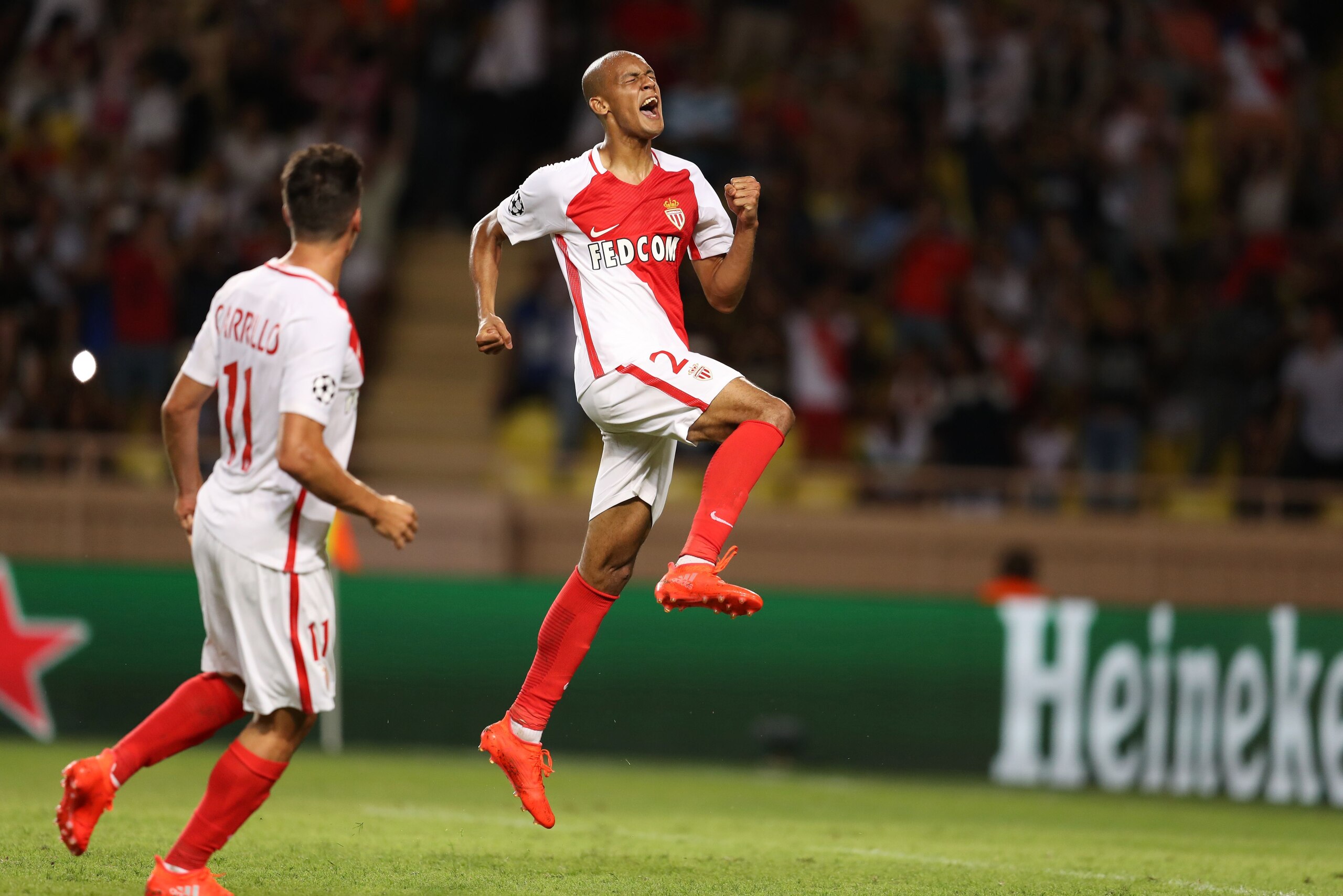
Ever since 2013, when Portugal’s leapfrogging of France in the coefficients meant that the third-placed side in the former rather than the latter went straight into the playoff round, it’s been a national issue. Monaco’s victory over Villarreal was the first time in the four years of Ligue 1 teams having to negotiate two qualifying rounds that the third-placed side had managed it.
What does it mean now, though? France’s move to edge ahead in this three-way tussle—largely aided by Paris Saint-Germain’s three straight quarter-final appearances—was rather put in the shade by Friday’s announcement of the altered qualification format for the Champions League group stages from 2018, confirmed by UEFA. With the top four finishers from each of the four leading nations going straight into the groups, taking half of the 32 places, have France, Russia and Portugal been fighting for nothing?
It feels that way in some quarters. Saint-Etienne co-president Bernard Caiazzo, who is also president of the clubs’ union Premiere Ligue, told L’Equipe last week of his feeling of helplessness after the decision, as reported here by ESPN FC’s Mark Rodden.

"In the way it was done, it's a scandal," said Caiazzo. "There's currently a power vacuum at UEFA and the ECA (European Club Association) and it's been taken advantage of to impose this reform with the help of UEFA apparatchiks.” Naturally, he laid much of the blame at the door of Aulas, the president of Sainte’s regional rivals and an ECA board member.
His words, however, are heavy with the anxiety of a club on the outside looking in. Despite establishing themselves in the top bracket of the table under their excellent coach Christophe Galtier, Les Verts have never broken through into the top three. Caiazzo’s comments have echoes of his warnings to the French media last year that UEFA would have to step in to stop the English Premier League becoming “the NBA of football,” as reported here by the Guardian.
It’s those fears that have largely forced the latest Champions League rejig, in fact. “I do not imagine that UEFA will not react (to the new Premier League television deal),” Caiazzo had said, “but there will be a greater attention if the request comes from Bayern, Real (Madrid), Barcelona or Milan, instead of Saint-Etienne.”
That concern, that participating in English football’s top tier is more lucrative than being a heavy hitter on Europe’s prestige stage, is what has driven the biggest clubs to broker this new deal that Caiazzo lambasts as a closed shop. The BBC’s Richard Conway noted last week that Real Madrid earned £81 million from winning the Champions League last year, which is less than what the club finishing last in this season’s Premier League will bank (£97 million).
In fact, France stands to benefit from this new apparent protectionism. As long as they stay above one of Portugal and Russia (so in coefficient spot No. 5 or No. 6), the third-placed side will only have to play one two-legged playoff to reach the group stages—and they won’t have to face drawing an Italian, Spanish, English or German side, of course, making their task at least theoretically easier.
Bordeaux president Jean-Louis Triaud, whose club are a direct rival to Saint-Etienne, approved the helping hand, again as per L’Equipe and via Mark Rodden’s ESPN FC report.
Finishing third still won’t be a guarantee, of course. Just ask Roma, or any of the other five Italian sides dumped out at the playoff round in the last eight years. Yet even that season-dampener promises to have its benefits.
“The new revenue distribution model,” says the UEFA statement on the post-2018 changes, “guarantees an increase in payments to leagues and clubs who are knocked out in the qualifying phase. In addition, the reduction of the market pool contribution to payments means that all clubs will receive more money for sporting success and less for just being in a large television market.”
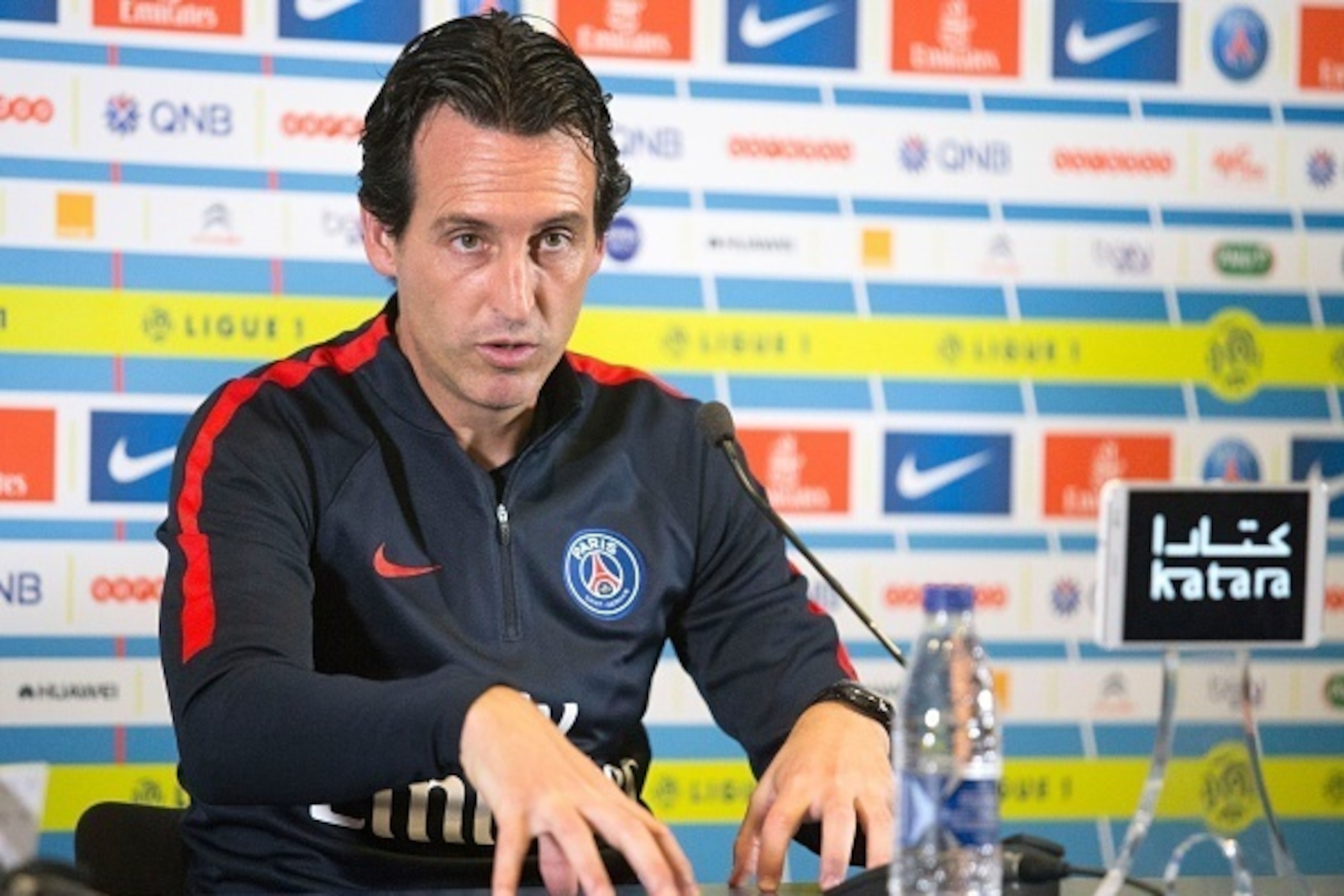
So holding position in the country coefficient table still matters—and PSG, one assumes, will still be batting for France, as the club still most likely to rack up coefficient points in the coming years. With Unai Emery having propelled modest Sevilla into the club coefficient top 10, ahead of Champions League regulars like Arsenal and Porto and a new power in Manchester City, his arrival in the capital should be welcomed beyond the confines of the Ile-de-France region.
That one superpower will always be accused in some quarters of killing the competition, but in this context, their strength works for the greater good, too. Italy’s surge into a clear lead from fifth spot in the coefficient table (as we can see with a flick through the table's history, the gap between Italy in fourth and Portugal in fifth was tight as recently as 2013-14) has mainly been the work of Juventus.
Having made the Europa League semi-final even after falling out of the Champions League group stage in Antonio Conte’s final season in charge, Juve have allowed Italy to pull clear in fourth over the course of the last three seasons.
Portugal might hope Benfica can do something similar—domestic champions for three straight seasons, they are ninth in the club coefficients on the back of long Champions League and Europa League runs in recent campaigns and, when the full detailed "access list" (setting out qualification paths) emerges later this year, could find their status buoyed by historical efforts.
What is already apparent is that jockeying for position, both in terms of maintaining the current status and in reaching towards that apparently impossible fourth place, is still key for this trio of nations. Their competition is still alive.

.jpg?w=2560 "Latest Peyton-Colts Rumors")


.jpg?w=2560 "Landing Spots for Trade Candidates 📍")
.jpg?w=2560 "Ugly Jets Scoring Stat 😳")