English Football Must Learn Lessons from Team GB's Success at Rio Olympics
With every medal hung round the neck of a British athlete in Rio de Janeiro, another entry is surely scrawled into the grand catalogue of notes the Football Association must be taking this summer.
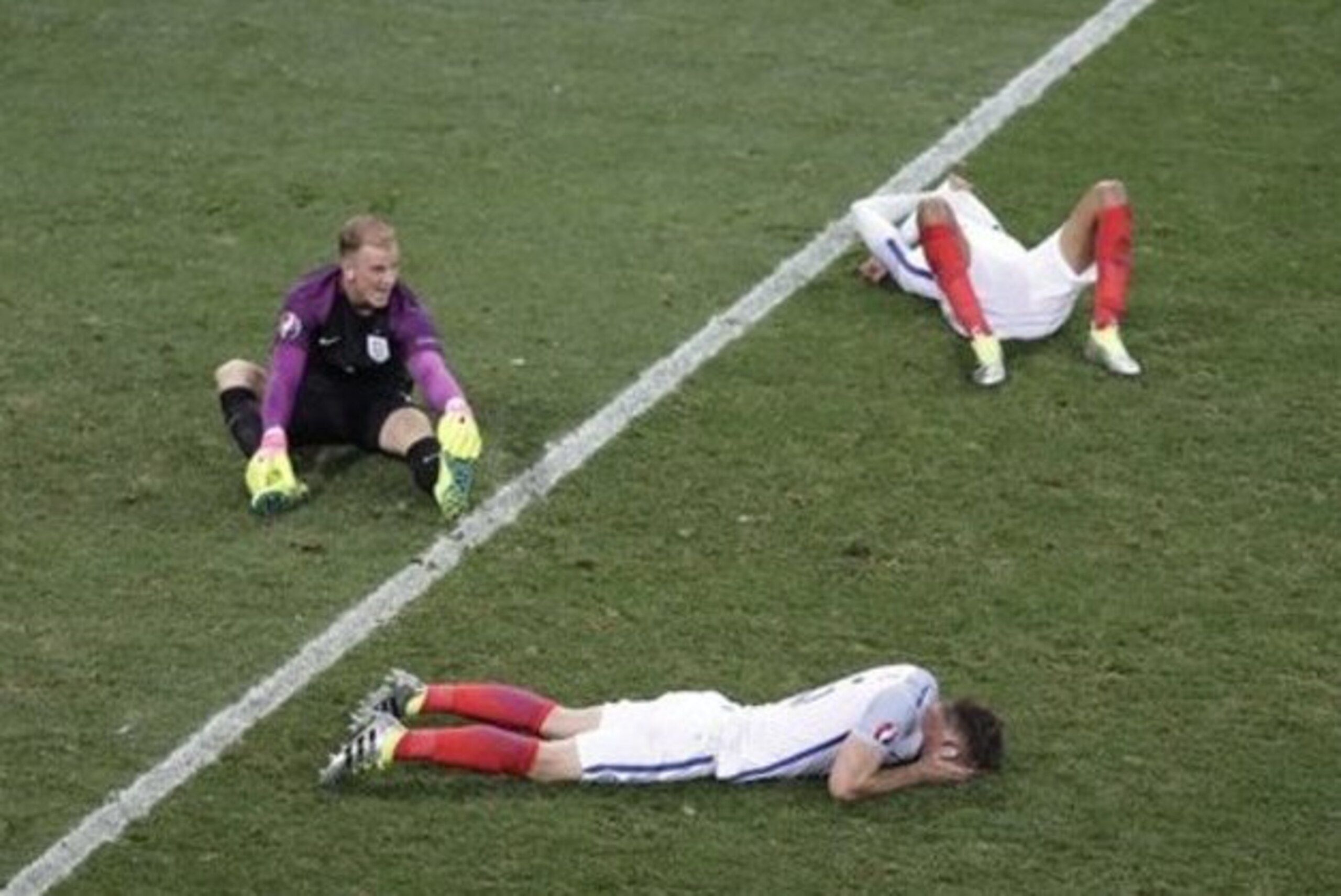
Team GB’s astonishing Olympic success comes directly on the back of another dismal showing by England at a major tournament, so why is one team flourishing while the other is floundering? That is the case study.
Indeed, the contrast between Great Britain’s glittering success in Brazil this summer—Team GB currently sits second in the medal standings—and England’s exit to Iceland at this summer’s European Championship is stark. While one is the scourge of the nation, the other is the pride.



So what is the difference between the two organisations? The FA is one of the best-funded footballing associations in world football, and yet their stewardship of the game in England has been the target of criticism for the past two decades, possibly even longer. What’s the problem?
That question has preoccupied football chiefs and fans alike for decades, and so maybe it’s time to ponder another enquiry. What are others doing right? If the FA and English football as a whole are looking for a precedent to follow, the British Olympic team surely provides the ideal model.
Of course, Team GB encompasses a number of different sporting bodies, with British Cycling a very different and altogether separate organisation to British Athletics. There is not a direct correlation to be made between Team GB, the FA and the English national team, but there are still lessons to be learned from how Britain has performed in Rio this summer.
With £350 million spent over the four-year cycle between Olympics, as per the Sun, Team GB’s budget is significantly lower than the FA’s. Last year saw £117 million invested in the English game by the sport’s governing body, but what exactly did they get for that money? Team GB undoubtedly gets more bang for its buck.
The British Olympic programme is largely funded by the taxpayer through National Lottery contributions. There is subsequently a strong emotional association between the public watching at home and the athletes competing on the other side of the globe. It’s why Olympic sportsmen and women are encouraged to mention lottery funding as often as possible. That sentimental link is important.
It ensures that Team GB doesn’t suffer from the detachment the English national team suffers from in major tournaments. The country feels invested, quite literally, in the success of their Olympians, unlike the multimillionaire footballers who perennially flop every two years. Lottery players can feel that there is at least some sort of correlation between buying a lucky dip and winning medals.
But it’s not as if lottery money is splurged on every Olympic sport. Team GB’s spending is targeted, spending more cash where they have better chances of delivering medals. There’s a formula that allows them to determine where they have their best prospect of finishing on the podium. It’s controversial, with certain sports deprived of funding, but it’s undoubtedly successful and proven.
Perhaps the FA could do a similar thing, not with different sports but with different areas. Certain regions of the country have a better track record of producing footballing talent than others. Spending should be focused on those areas, with better facilities built and more coaches based there to make the most of the talent pool.
The FA has already attempted to ape the Team GB by building St George’s Park. The country’s Olympic programme thrives on the basis of its high-performance system, with a number of elite performance directors designing the model that has served British sport so well over the past decade or so.
There is Sir Dave Brailsford in cycling, Sir David Tanner in rowing and Stephen Park in sailing. These men are responsible for the success enjoyed by British athletes in their respective sports over the past few years, with the blueprint now used across the Olympic system as a whole.
In football, performance directors are widely viewed as a waste of wages. Recent consensus dictates that more coaches are needed on the training pitch rather than more directors in the board room. But Team GB demonstrates that may be too simplistic a standpoint. English football potentially lacks direction because it has nobody to direct it.
The FA might contest that Team GB have reaped the benefits of hosting the Olympics in the last four years, with British sport still feeling the influence of London 2012 in Rio this summer. They may make the point that a World Cup on home shores could have had the same impact on the English national team.
It is true that London 2012 provided Team GB with a golden carrot dangling in front of their nose for everyone to chase, but their success is about much more than just motivation. From talent identification to the cultivation of that talent, there are lessons for the FA to learn from what British sport has achieved in the Olympics over the past eight years.
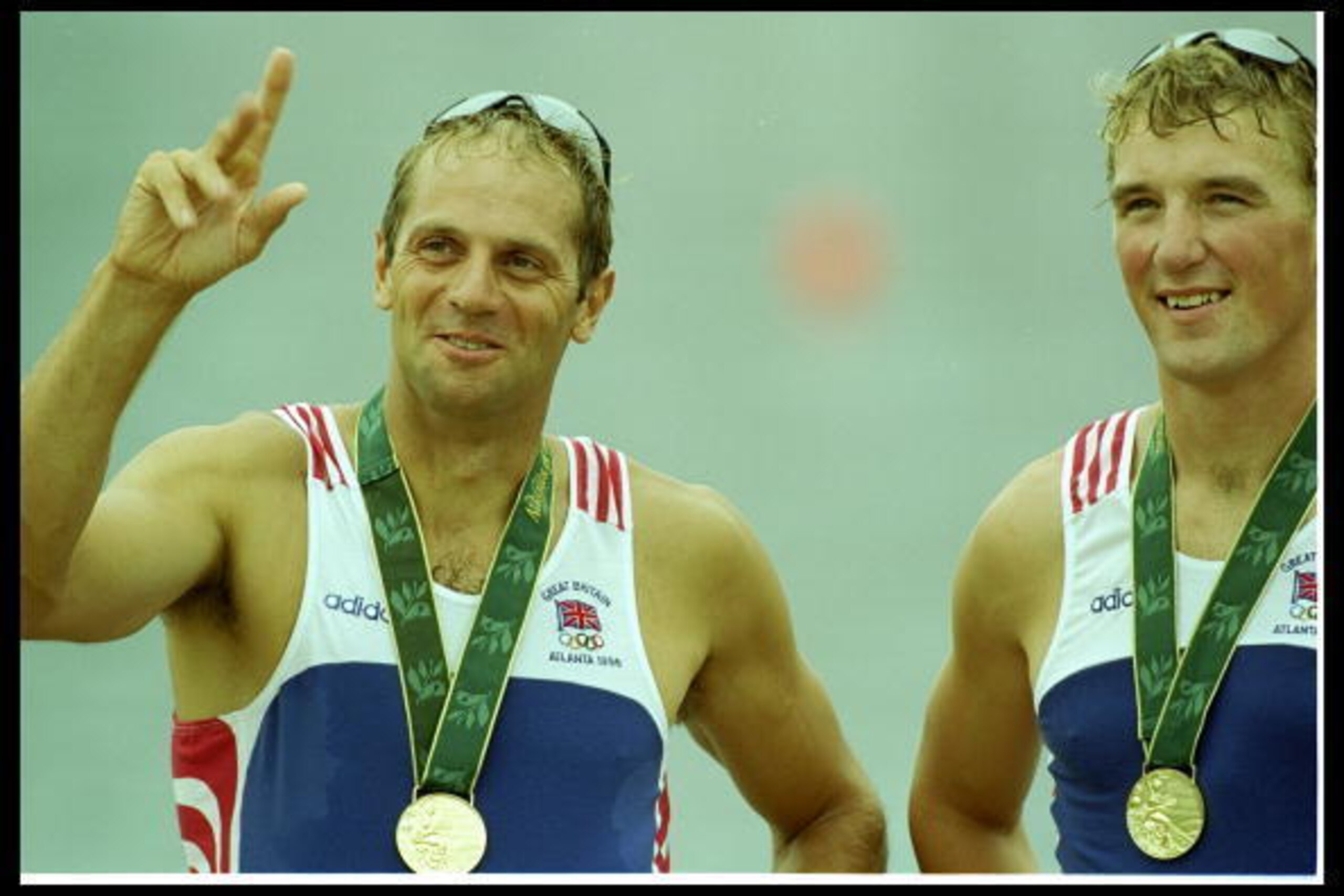
It wasn’t always this way for Team GB. Only one gold medal was won at the 1996 Olympics in Atlanta, putting Britain behind the likes of Kazakhstan and North Korea in the medal standings. That abject failure was enough to prompt change, however, with then-prime minister John Major committing more funding to British sport.
This is why Team GB’s turnaround makes the best precedent for the FA to follow. 2016 is their 1996.
This is the time for a comprehensive overhaul of the English game. Team GB’s success at the Olympics can no longer be written off as little more than a golden generation coming good. This is success by design, with the conveyor belt of elite talent showing no sign of halting. Look at how great Olympians like Chris Hoy and Rebecca Adlington are being succeeded by Laura Trott and Callum Skinner.
Achievement is now ingrained in the culture of Team GB, while the opposite could be said of the FA and England. Success breeds success, and British sport is currently experiencing that. But Team GB’s trajectory since the 1996 Olympics shows that the identity of an entire sporting culture can be changed in the space of two decades.
It’s now time for the FA to learn lessons and start the process of their own resurgence.




.jpg?w=2560 "Latest Peyton-Colts Rumors")
.jpg?w=2560 "Chiefs, Steelers Eye WR Trades")