West Ham Are Primed and Ready to Join the Premier League Elite
There’s more than one way to skin a cat and, as West Ham United have shown, more than one route from the obscurity of the Championship to the cusp of heavyweight status.
If it’s true that there are no favours in Premier League football, then West Ham have pulled off one heck of a coup, landing a lush new home for a song just in time to start banking their share of the mega-millions flooding England’s way this season in television riches.
Those numbers, for clarity; the Hammers have already begun receiving their share of income from the Premier League’s £10.1 billion global media deal set to cover the next three seasons, while the newly renamed London Stadium—despite costing £701 million to erect—has set the club back no more than an upfront fee of £15 million and an annual £2.5 million rent.



To put that into context, the Emirates Stadium cost neighbours Arsenal £390 million, 100 per cent of which was funded by the club at a time when Premier League rights went for a piffling £1.7 billion.
Yes, West Ham have been shrewd about their business.
Arsenal were severely hamstrung by the process of paying off their vast investment in the Emirates project, but the club’s most recent published accounts are a clear indicator of how a few seasons of austerity have bolstered their spending power in the long term, even though the management have chosen to remain prudent about how to execute it.
The new ground upped Arsenal’s home capacity by more than 22,000, and 10 years later, the club have cash reserves of £250 million, the highest in world football, per the Swiss Ramble (h/t Metro).
West Ham, on the other hand, have seen their capacity increased by 25,000 from the cosy days of the Boleyn Ground. And with no debts to service or building work to finance, the rewards will be reaped not in five or 10 years, but now—beginning this season with what must surely be an ambition to reach the UEFA Champions League.
Add to the mix a daring, dashing young manager radiating charisma and everything is in place for West Ham to wrestle their way to superpower status, both at home and abroad.
The 2015/16 season was an enigma for the Hammers. The pre-amble and early weeks were accompanied by a nagging fear of the unthinkable, of how severe the consequences might be if the club were to be relegated at the worst possible moment on the eve of the move.
Thereafter, and once it became clear that manager Slaven Bilic had got his ducks in order and was building a team with some bite, a kind of nostalgic melancholy took over the campaign.
As the final games at the Boleyn Ground were ticked off one by one, the club sometimes felt like it had got itself stuck, not quite in the present and not quite in the past, and their limbo status between homes seemingly distracted from what the team’s good work should have made for a processional parade toward the old ground’s final few days.
West Ham had a chance to storm the Champions League places in the last few weeks of the season and, whether through distraction, inexperience or a combination of both, they blew it.
Between March 19 and April 17 they threw away eight points from winning positions in the final 20 minutes of games, conceding last-minute equalisers at Chelsea and Leicester City, and going six weeks without a win in the process.
Those points alone would have been enough to see them finish third. Even in the final days of the season they had a chance to make amends and claim fourth as Manchester United and Manchester City faltered, but in their penultimate game at Upton Park they were thrashed 4-1 by Swansea City and the chance was lost.
But the club mustn’t see what happened last season as an opportunity spurned, rather as a foundation laid. The squad was strong last term, and it is strong again this term.
Fleet-footed Sofiane Feghouli and Andre Ayew aren’t stellar signings, but they will offer more of the same skill and chic going forward, as well as that often elusive attribute for sides competing on the domestic and European front—strength in depth.
Dimitri Payet’s summer of love at Euro 2016 in France will hardly have made him any less of a world-beater, and Manuel Lanzini, despite some scintillating flashes last season, remains a coiled spring; there is more to come from the Argentinian.
Bilic too, for all his plaudits, feels like a manager still learning the ropes, albeit with unquestioned success so far.
This is a young man in managerial terms, still only 47, but a robust coach who has learned his trade through hard knocks as much as headline victories.
Bilic is the kind of manager who will have absorbed more from his Croatia side’s 5-1 defeat to England at Wembley in 2009 than from the stunning 3-2 win on the same ground two years before.
Remember as well the injury-time heartbreak as Croatia were knocked out of Euro 2008 by Turkey at the quarter-final stage; feel sure that Bilic has, and plenty more besides.
The challenge will be different next season. Playing in front of 35,000 spectators in an old-fashioned, four-sided English ground is not the same as running out to 60,000 at the Olympic London Stadium, but Bilic’s team can use this to their advantage.
All the talk when a club upgrades a stadium is usually of increased financial muscle, but West Ham have just invested in 25,000 extra voices on matchdays.
Elsewhere in the Premier League this has arguably had a countering effect, but crowds only multiply the mood inside them, which is why Arsenal—in decline since 2005—have ended up with a bear pit of a stadium where frustration and recriminations cloud the air. At buoyant West Ham, this shouldn’t be a problem.
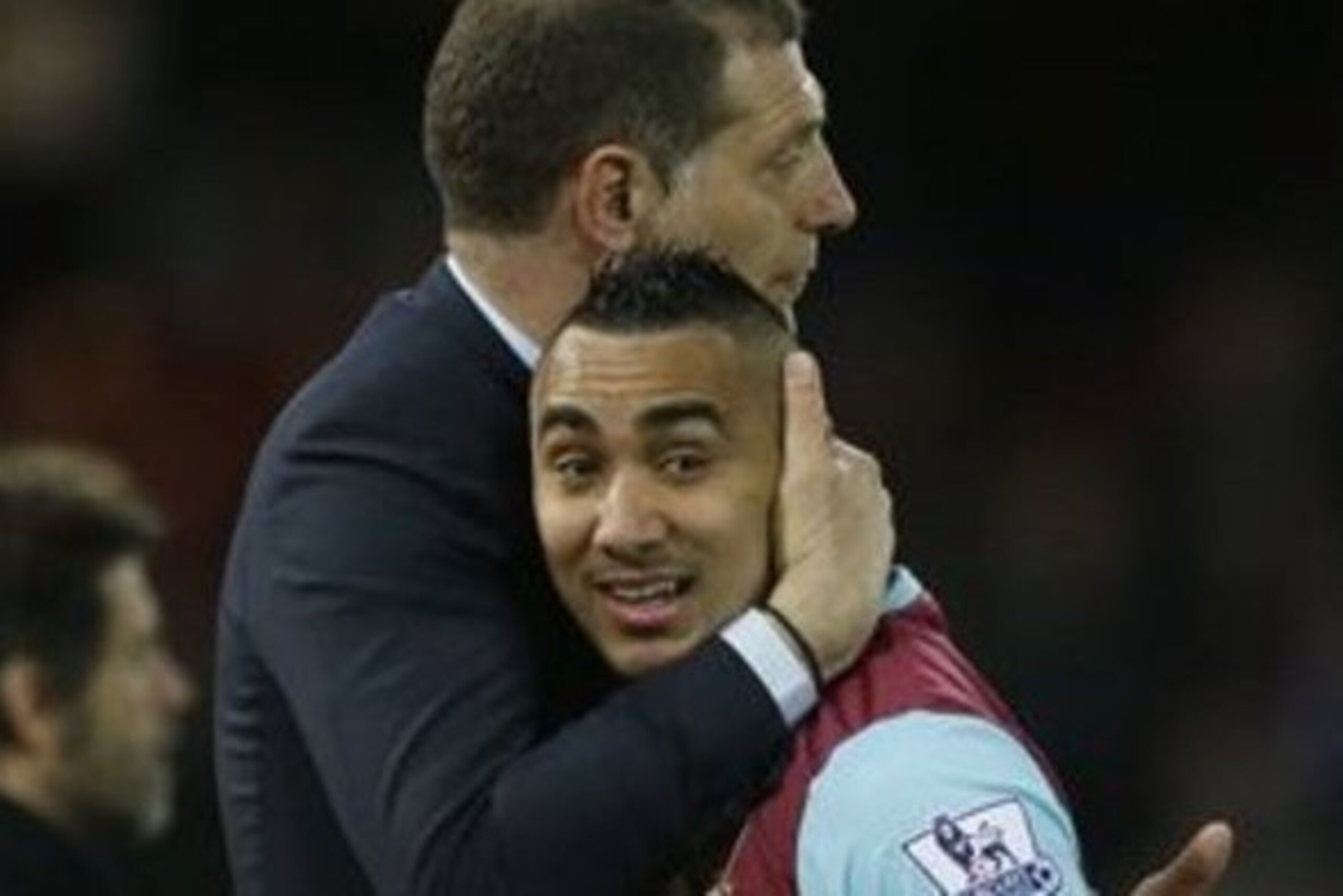
In fact it’s the connection between players and fans, perhaps even more so than the new wealth, that could prove to be the ultimate ace up the sleeve for Bilic.
The Croatian’s predecessor, Sam Allardyce, talked more than once about the way Hammers fans’ expectations were discordant with the realities of the club’s potential. For the supporters, though, they had only ever wanted to see their team playing with ambition and wherever possible with the ball.
It was unfair for Allardyce to be dismissed by fans as the archpragmatist, but his style of play had led to a clear breakdown in communication between the terraces and the dugout.
Bilic’s slick brand of attacking football has brought about a fresh meeting of the minds between the players and the supporters that, once the London Stadium is packed out with 60,000 optimistic Hammers, will whip up a rare kind of intensity.
With 52,000 season tickets sold, West Ham have already gone a long way to ensuring the move won’t end up being the kind of white elephant that their new home nearly became.
It isn’t too broad a contention to say that everything is in place for the club to force their way into the uppermost bracket of English and European football.

.jpg?w=2560 "Seahawks Chiefs Football")



.jpg?w=2560 "Latest Peyton-Colts Rumors")