

Only a handful of prospects get drafted by NBA teams and jump right in as impact players. This year's best bets to immediately contribute include Ben Simmons, Brandon Ingram, Kris Dunn, Buddy Hield, Jamal Murray and Jakob Poeltl.
Otherwise, we're talking about projects a few years away from finding their groove. These prospects need time to sharpen their games and strengthen their bodies.
The following rookies will likely spend much of next year on the bench or in the Development League and are ranked in order of biggest potential payoff versus the developmental investment teams must make. For example, our No. 1 project offers maximum upside but also a high level of risk. Our No. 10 project's ceiling isn't high, but the risk attached to him is much lower.
10. Wade Baldwin IV (Memphis Grizzlies, PG)
1 of 10
By the time Wade Baldwin IV's rookie contract expires after a few years of backing up Mike Conley, we could be talking about a point guard other teams covet for their starting position. But until then, he'll need his skills and decision-making to catch up to his physical tools (6'4" tall, 202 lbs, 6'11 ¼" wingspan) and athleticism.
Baldwin's handle could also stand to get tighter. He beats defenders with change of speed and line drives but lacks advanced moves off the dribble, which he'll need to shake free one-on-one in the pros. He was also an inefficient finisher in college, having converted just 39.3 percent of his shots at the rim in the half court (50.4 percent total at the rim), per Hoop-Math.com.
Throw in the fact he registered at least an 18 percent turnover percentage, per Sports-Reference.com, during each year at Vanderbilt, and it's clear Baldwin will need time.
However, his body and burst remain above-average for the position, and with a career 42.2 percent three-point jumper (199 total attempts), fine passing ability and serious defensive potential, the Memphis Grizzlies get a steal if Baldwin figures things out.
He's low-risk with a ceiling topping out at low-end starter.
9. Timothe Luwawu-Cabarrot (Philadelphia 76ers, SG)
2 of 10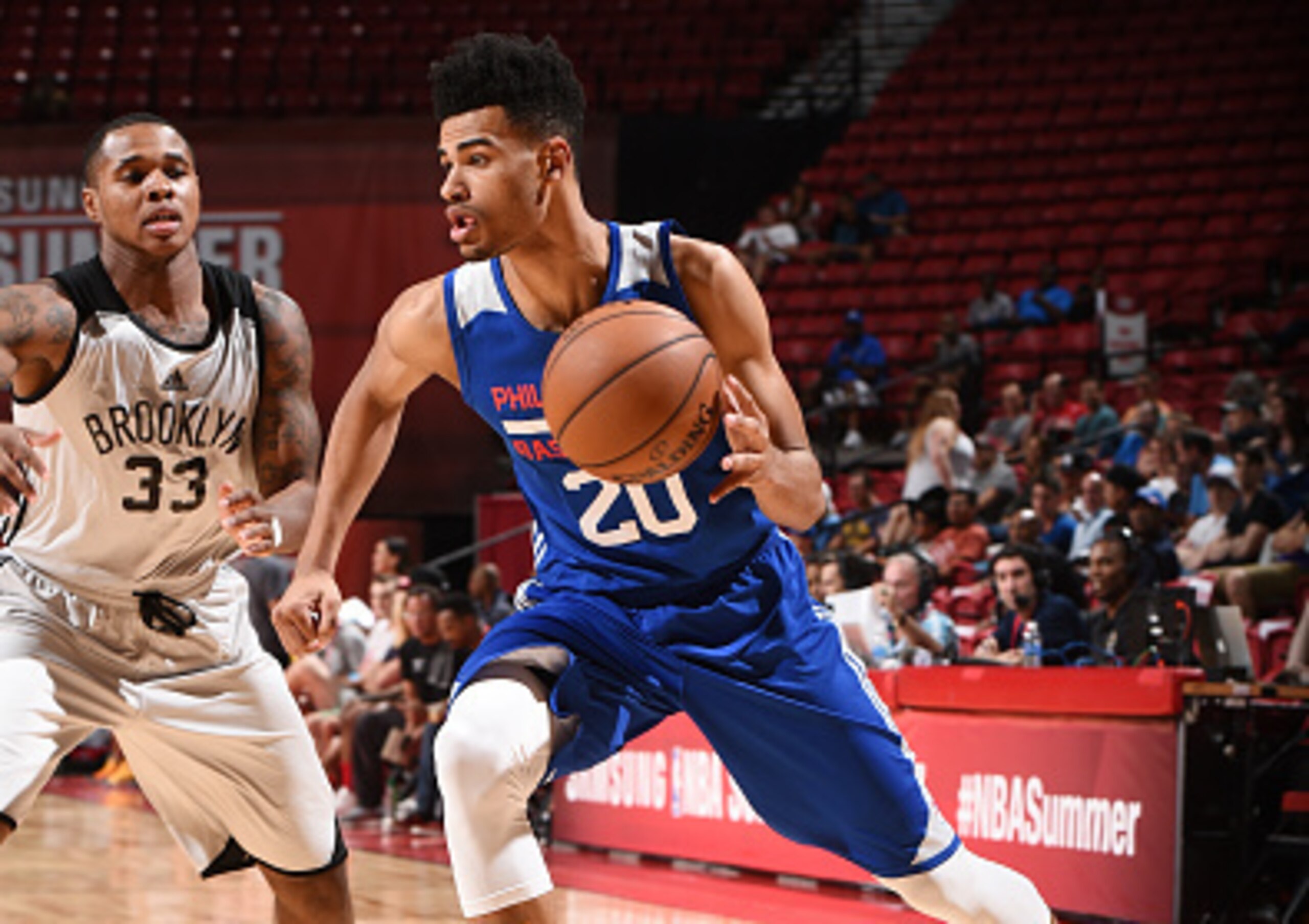
There is only so much one can expect next year from Timothe Luwawu-Cabarrot after watching him shoot 39.8 percent in the Adriatic League and 36.9 percent at summer league. It should also be easy to exercise patience, given his physical tools, athleticism and shot-making ability.
But for now, bank on poor shot selection and inconsistent shooting from Luwawu-Cabarrot, who's streaky from outside and struggles to create high-percentage looks inside the arc. At this stage, he leans on transition, cutting and spot-up opportunities, only the three-point arc in Las Vegas and Salt Lake City looked slightly out of his range (combined 27.8 percent).
Still, the jumper does work and should only get better. And assuming he can find reps in Philadelphia's rotation, he'll have the chance to build his ball-skill level and confidence.
An open-floor weapon and slasher with three-and-D potential, Luwawu has upside to hit. But he won't get there overnight (if ever).
8. Malachi Richardson (Sacramento Kings, SG)
3 of 10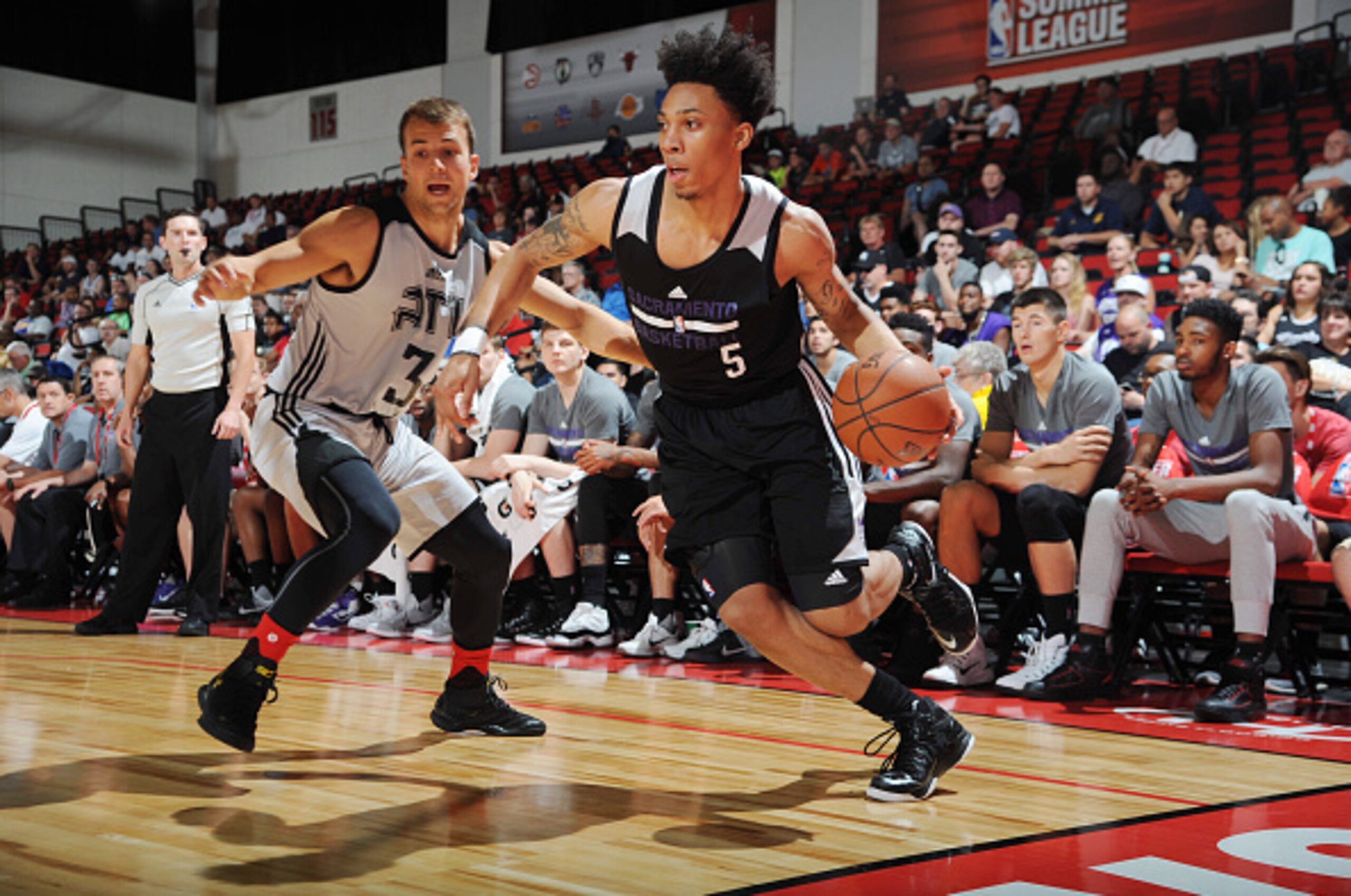
Malachi Richardson was able to sell the Sacramento Kings on flashes, as opposed to steady play and consistent production. He averaged just 13.4 points a game and shot an ugly 37 percent at Syracuse, isn't NBA-ready and should receive most of his reps next year in the Development League.
Despite having a natural-looking jump shot, it's still erratic. And though capable of shaking off the dribble and scoring off drives, he's had trouble finishing through rim protection. Richardson hasn't developed much of an in-between game at all, either, having made just 22.5 percent of his two-point jumpers as a freshman, per Hoop-Math.com.
At this stage, you get an idea of what a best-case scenario will look like: Richardson has textbook tools for the position, as well as confident three-point range and some one-on-one scoring ability. He only shot 36.1 percent in summer league, but in spurts, we saw his offensive game start to click (20 points against the Houston Rockets).
Size, adequate athleticism, shot-making and ball skills equate to starting 2-guard potential. But to get there, it's going to take two to three years of improvement in every facet of his game.

7. Georgios Papagiannis (Sacramento Kings, C)
4 of 10
Nobody could have seen Georgios Papagiannis go in the lottery. He'd played just 12 minutes per game in Greece without having generated much draft buzz or love from scouts.
The Sacramento Kings bought into his 7'2", 240-pound size and touch, but there is just no way they should count on him in 2016-17. He's not a great athlete or defender, showing little rim protection and minimal lateral mobility around the perimeter.
Raw offensively as well, Papagiannis shot just 35.7 percent in summer league, despite his monster frame and soft hands.
However, he has flashed signs of over-the-shoulder post moves and a 12-15-foot jumper. With his body and strength, he shouldn't have trouble getting off quality shots once his footwork and execution improve. And at 19 years old, he has a few seasons to develop before coaches start expecting results.
Even though he doesn't project as a shutdown rim protector, his physical presence in the paint should hold some value as well.
Papagiannis could bust if the NBA game moves too fast and he struggles to adjust, but he'll have a shot at becoming a legitimate pro center with an identity that revolves around both power and finesse.
6. Skal Labissiere (Sacramento Kings, PF/C)
5 of 10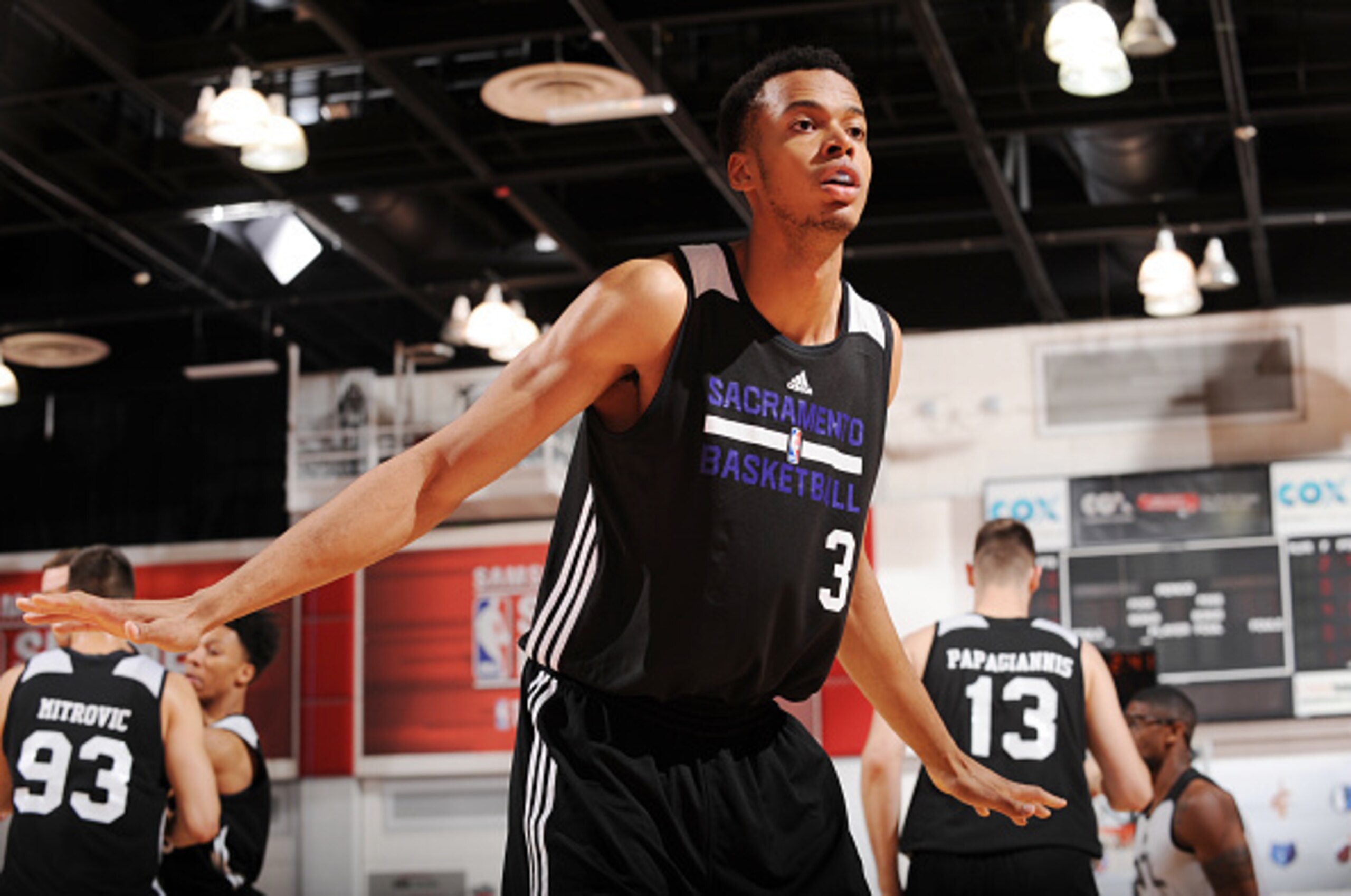
Considering he could barely get off Kentucky's bench, Skal Labissiere won't have much to offer the Sacramento Kings in 2016-17.
He played just 15.8 minutes a game and finished with only five more total rebounds than personal fouls his freshman year. Labissiere's lack of toughness inside at both ends was exposed, as was his questionable feel for the game (7.6 fouls per 40 minutes).
If he were to be given minutes as a rookie, he'd struggle with the physicality of the game, as well as the NBA whistle. He'd be a liability under the boards and at the defensive end, and though skilled offensively, he's not ready to consistently execute against next-level bigs.
However, despite an obvious lack of strength for the interior, Labissiere's jumper looks awfully smooth. He already has soft touch out to 20 feet away, and when given space to operate, he's a threatening post scorer with turnarounds, fallaways and hook shots.
His potential to stretch the floor and pick-and-pop will be valued, but at 6'11" with bounce, he's also a good-looking pick-and-roll target.
He becomes a steal at No. 28 if his back-to-the-basket game takes off.
Labissiere will just have a tough time getting minutes until he proves he can defend and hold his own around the basket.
5. Dejounte Murray (San Antonio Spurs, PG/SG)
6 of 10
Dejounte Murray is one of the few projects with production (16.1 points per game at Washington) to show for his potential.
It's worth noting the Huskies played at the second-fastest tempo in the country, per KenPom.com, and Murray won't have nearly the same freedom in San Antonio, especially when you take into account his decision-making and defense.
He averaged 3.9 turnovers per 40 minutes and shot just 41.6 percent from the floor, numbers that would carry over into summer league (3.7 turnovers per game, 37 percent). Murray can't shoot yet, either, having hit just 28.8 percent from deep as a freshman, making 34 threes in 34 games while averaging 33.5 minutes in each.
He won't see much time with the Spurs early in his career, but eventually, San Antonio will feel enticed to unlock his playmaking potential. With 6'5" size, athleticism and a point guard's handle, he's crafty off the dribble and can slice through tiny gaps in the defense. He's a scoring machine in the lane with a deep arsenal of floaters, runners and layups.
Along with all the points, he also averaged 4.4 assists in college, showing he can create for teammates and hit the open man off penetration. Murray makes things happen with the ball in his hands, and once his jumper starts falling, he's going to become a tough cover at both backcourt positions.
On the other hand, he'll be difficult to play until he starts taking care of the ball and hurting defenses outside the paint.
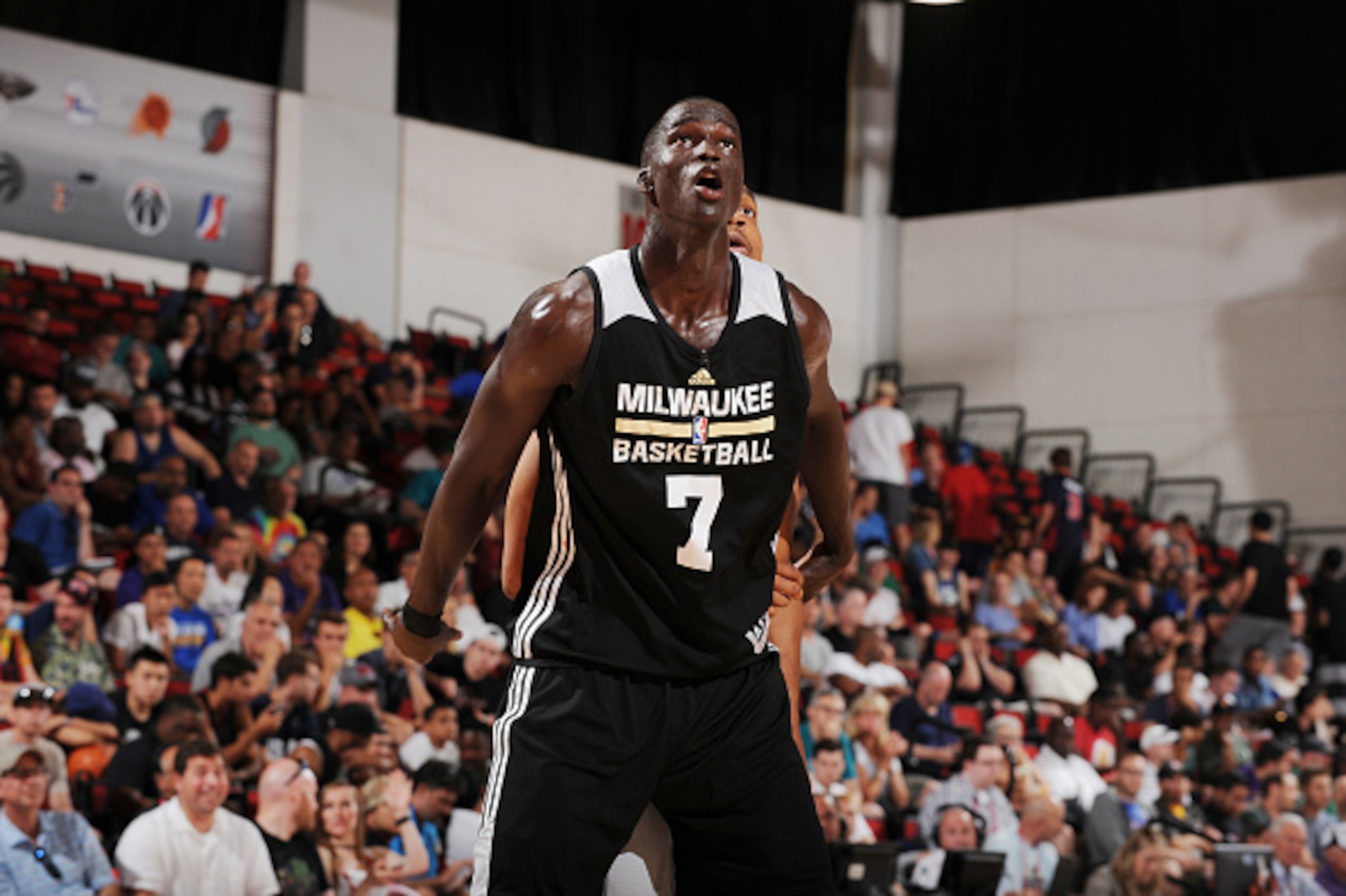
4. Thon Maker (Milwaukee Bucks, PF/C)
7 of 10
With no college experience or any real bulk on that 223-pound frame, Thon Maker needs time.
He did a lot of nice things in summer league but also shot 37.7 percent, a number that highlights a glaring lack of strength. Maker will struggle to get clean separation or fight through and after contact inside. And though capable of making a jump shot, he's far from being able to consistently connect.
Maker also has a long way to go on defense, having just racked up 25 personal fouls through five games in Las Vegas.
On the flip side, there aren't many 7'1" bigs who can match his athleticism and motor. Maker flies around the court and puts constant pressure on the rim and interior defense—he averaged 14.2 points and 9.6 rebounds in summer league by running the floor, crashing the glass and staying active around the basket.
The upside kicks in if Maker's perimeter game ever takes off. He's flashed three-point range and the ability to face up, rise and fire. But there is also plenty of risk attached to his skinny body and underdeveloped stretch-forward skills.
A worst-case scenario envisions him stuck between the 4 and 5, too weak around the basket without a sharp-enough outside game.
3. Dragan Bender (Phoenix Suns, PF)
8 of 10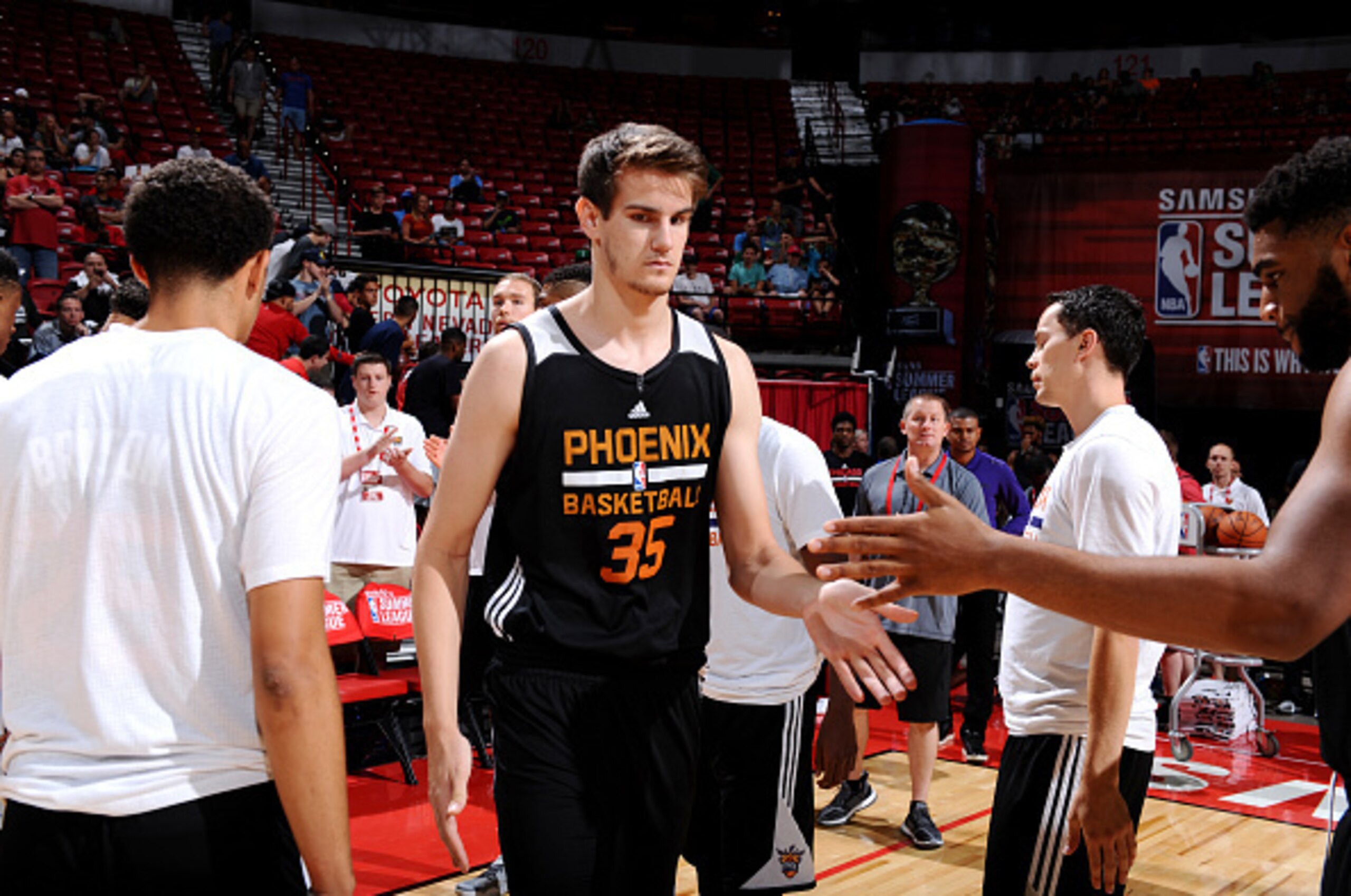
Still 18 years old, having averaged just 12.9 minutes last year overseas, Dragan Bender won't be competing in this year's NBA Rookie of the Year race. His summer league performance was confirmation—Bender looks a few years away from comfortably settling in.
Through five games in Las Vegas, he shot just 27.5 percent, with 34 of his 51 field-goal attempts coming from behind the arc. He's 225 pounds and lacks both the strength and toughness to score in traffic, so spotting up from three is his best bet for an uncontested look—only he isn't a sharp-enough shooter yet to lean on three-balls for offense.
However, though he isn't ready to execute on all cylinders, Bender's skill set covers a ton of ground.
He's a capable shot-maker and ball-handler with touch around the key. And at 7'1" with plenty of foot speed, he possesses the tools and mobility to defend bigs and switch onto smaller forwards or wings. He'll justify No. 4 overall value if he can eventually tie all the versatility together. Bender has high-end, glue-guy potential with the upside to evolve into a star role player, the way Draymond Green did in Golden State.
But at the same time, a lot has to go right over the next few seasons for him to get there.
2. Jaylen Brown (Boston Celtics, SF)
9 of 10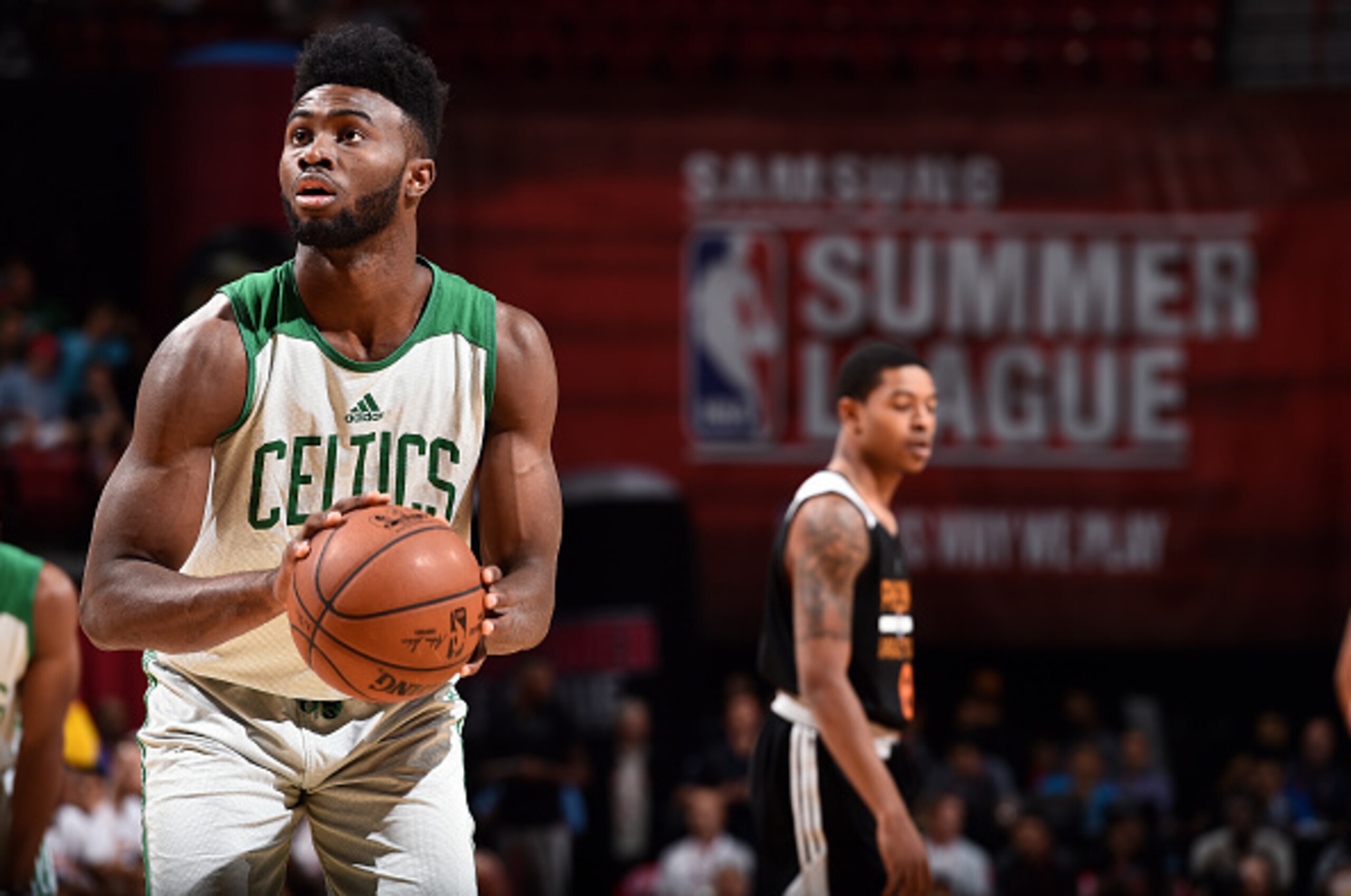
Though physically ready to compete, Jaylen Brown's tools are far ahead of his offensive skills. He shot 32.4 percent through six summer league games, and his handle and shot-creating ability all need work.
Early on, he'll be spending most of his time working off the ball. But Brown isn't a reliable shooter yet, either, having made just 5-of-22 threes in July and 29.4 percent from deep at California. As a rookie, he won't have much to offer the Boston Celtics once the game slows down in the half court.
General manager Danny Ainge took him at No. 3 based on what he could look like years down the road. You can't teach his 6'7", 225-pound size or explosive athleticism, which isn't going anywhere.
Meanwhile, there isn't any reason why Brown's ball skills and jumper can't continuously improve with reps and NBA coaching. He's only 19 years old, and though shaky off the dribble and from behind the arc, he's capable.
If capable ever becomes proficient—like it did for Jimmy Butler—we could be talking about a valuable, high-end, two-way scoring wing.
1. Marquese Chriss (Phoenix Suns, PF)
10 of 10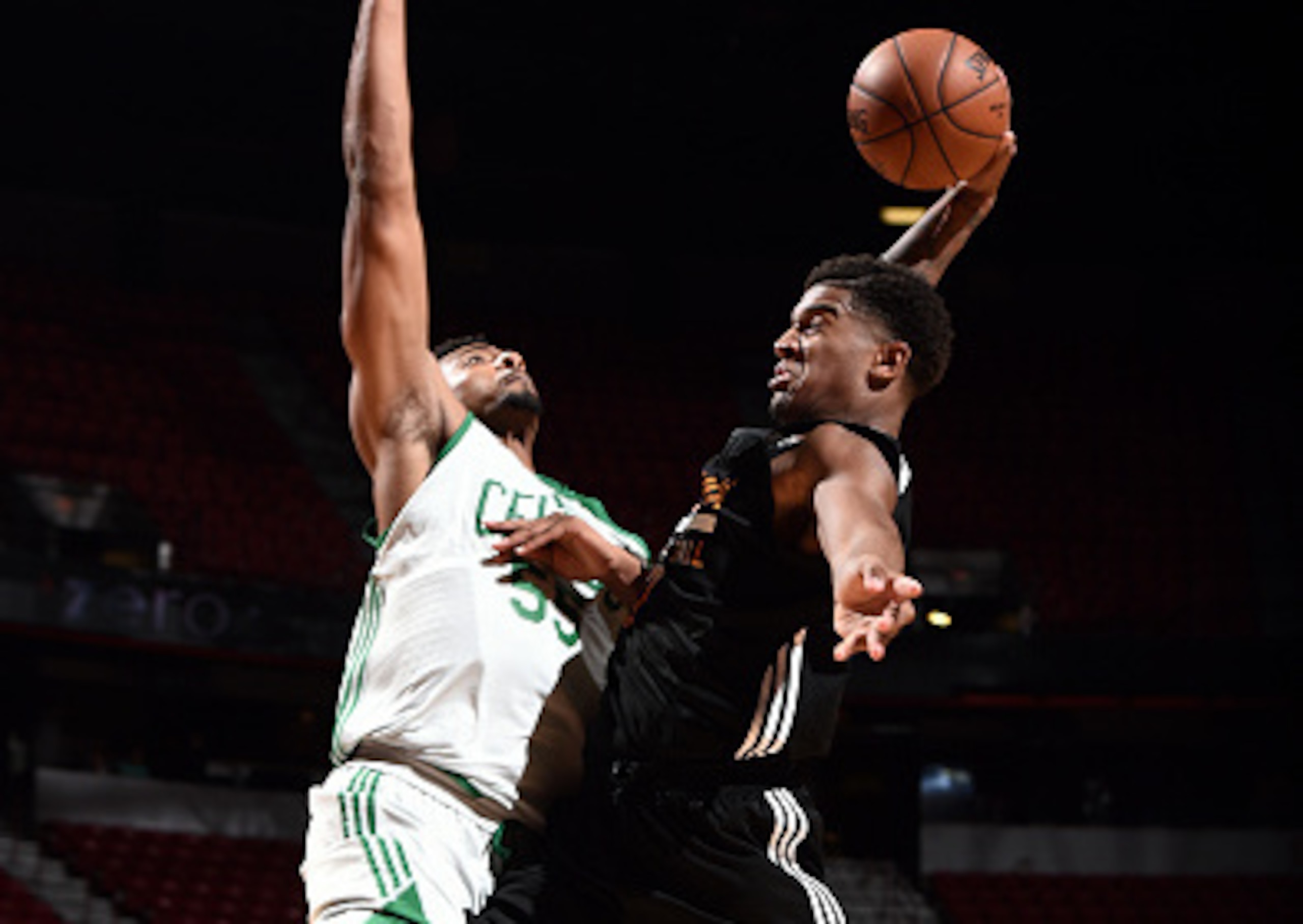
Marquese Chriss was the biggest boom-or-bust prospect in the draft.
The Phoenix Suns shouldn't bank on anything more than flashes in 2016-17 because we saw a lack of toughness around the basket at Washington, where he struggled with contact and only grabbed 8.6 rebounds per 40 minutes.
And though a capable shooter behind the college arc (21 threes in 34 games), NBA range looked too deep for him during summer league (0-of-7). Plus, poor free-throw numbers in both settings (68.5 percent in college, 57.1 at Las Vegas) suggest his jumper needs plenty of work.
Chriss is bound to have trouble early on defense as well, after averaging 6.5 fouls per 40 minutes at Washington and totaling 16 fouls through three games in Las Vegas. He can make the highlight, weak-side block, but challenging one-on-one or holding his ground in the post are different stories.
On the other hand, at 6'10", 233 pounds with elite athleticism, face-up ball skills and post moves, his best-case scenario screams "mismatch." Chriss has easy-bucket bounce but also the potential to stretch the floor, pull up off the dribble and knock down fallaways over his shoulder.
He'll have a quickness and explosiveness edge against most bigs, as well as a size advantage over wings. Yet Chriss will ultimately have to overcome the same challenges that combo forwards like Derrick Williams, Perry Jones III, Anthony Bennett and Michael Beasley each failed.
Though loaded with upside, without a core strength, go-to skill or physical interior presence, he's also a risky Top 10 play.






.jpg?w=2560 "Latest Peyton-Colts Rumors")