Olympic Games Failure Highlights Argentina's Disastrous Grassroots Game
The Argentinian Olympic football dream is no more. A 1-1 draw against Honduras sealed the nation's fate, leaving them marooned in third place in Group D and heading for an early trip home.
And after years of underachievement in the youth game, this latest failure is hardly surprising.
There was a time not long ago when the Albiceleste name was synonymous with success at the junior level. Teams coached by Marcelo Bielsa and Sergio Batista took Argentina to back-to-back Olympic successes in 2004 and 2008, respectively, cementing their reputation.


There was also glory in the under-20 category, with the teams that clinched two FIFA World Cup victories in 2005 and 2007 forming the backbone of the current senior squad. Diego Maradona famously led Argentina to victory in the second FIFA World Youth Championship in 1979, and no other country can match the six titles they have won in the competition.
Those days appear to be over, though. The two most recent triumphs were built on the back of the youth system that Jose Pekerman put in place. The far-seeing coach saw that it was not merely enough to deliver success at the top level, but that it is also necessary to plan for the future with coherent tactics throughout the pyramid.
Pekerman and his assistant, Hugo Tocalli, revamped the way Argentina's junior sides approached the game. But since he left, the decline has been inexorable. The under-20 division became a dumping ground for nepotistic appointments and a way to appease former members of the 1986 World Cup-winning side, few of whom had any coaching experience to speak of.
Batista made a decent fist of the job, despite failing to qualify for the 2009 World Cup. The likes of Walter Perazzo and Marcelo Trobbiani did nothing to impose a coherent style on their team, while the team reached rock bottom with the appointment of Humberto Grondona, the son of the late Argentine Football Association (AFA) president, Julio Grondona.
Humberto was removed from the post in 2015 following an abject World Cup performance, going out at the group stage in the first round without a single win. The under-17 team suffered a similar fate that year after losing all three games, and with this Olympic Games exit, the nation completes an unenviable triple crown.
The institutional chaos that has enveloped the AFA has only heightened the serious problems found at the grassroots.
Olympics coach Julio Olarticoechea only found out less than a month before the Games he would be in charge, following Gerardo Martino's sudden resignation. Beforehand, the under-20 boss had complained his young charges were being starved in training: "In the AFA facilities there is no money to buy spaghetti, the situation is really sad," he had told Radio Continental (via Goal, in Spanish).
In that same interview, he had claimed the biggest domestic clubs, such as Boca Juniors and River Plate, refused to send him players for "political reasons," while youngsters from the interior of the country could not come due to the third-world conditions at base camp.
Those selection dilemmas held for the Olympics: The likes of Paulo Dybala, Luciano Vietto, Matias Kranevitter, Mateo Musacchio, Leandro Paredes, Joaquin Correa and Ramiro Funes Mori were all held back.
Those who answered the Argentina call were thrown into action with little practice, while the AFA hierarchy seemed more intent on pursuing unrealistic candidates for Martino's replacement—such as Jorge Sampaoli and Diego Simeone—than supporting them.
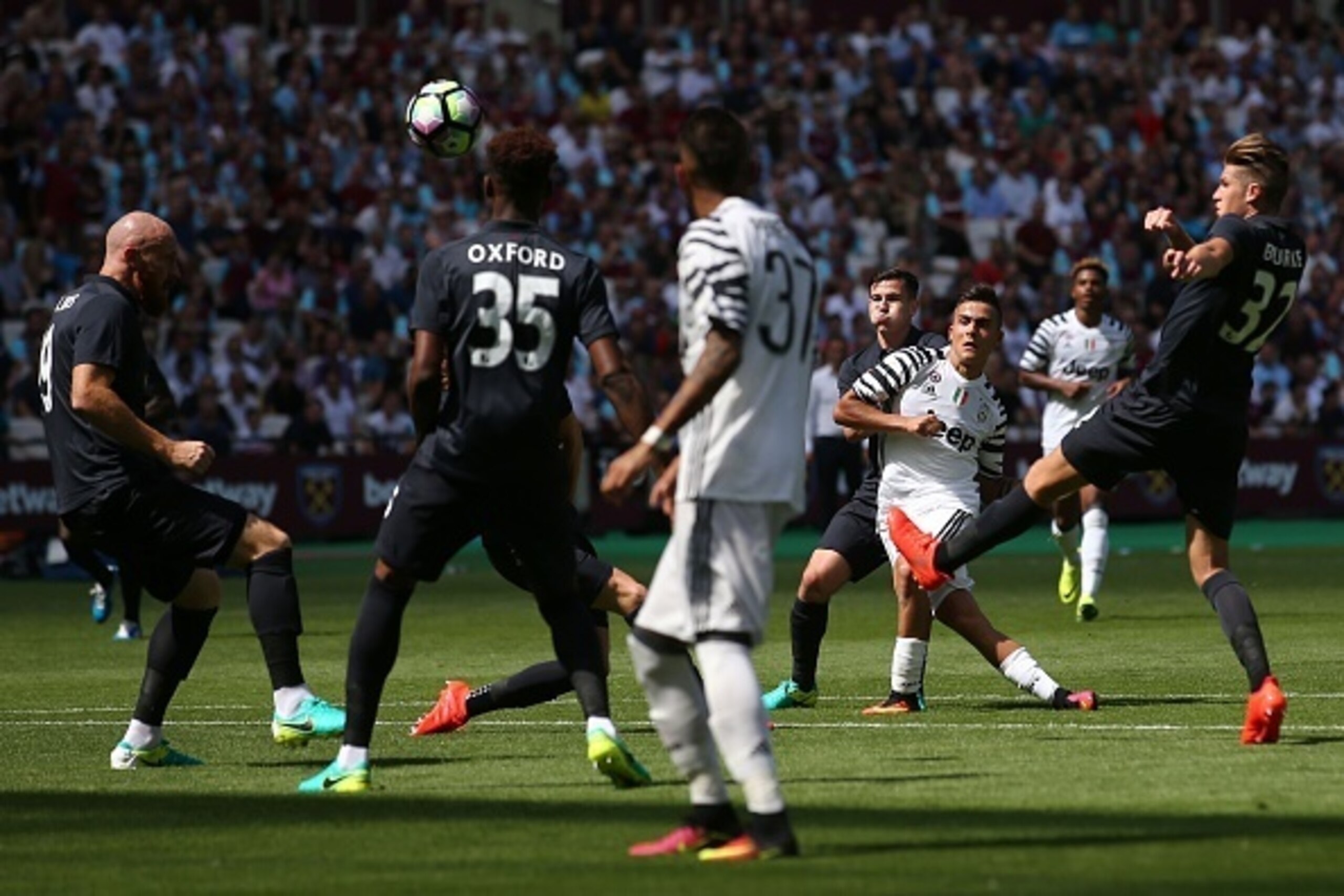
Prior to the Honduras game, Olarticoechea described a tactical exercise, per Ambito (in Spanish): "We put the starting XI out against the six reserves, plus the kitman and his helpers who sometimes fill in. It lasts about 15, 20 minutes." Those tactical limitations were painfully evident against both Portugal and Honduras.
Argentina relied on the individual talents of Angel Correa and Giovani Lo Celso to break through the opposition defences and make something happen in every game.
At the back, meanwhile, goalkeeper Geronimo Rulli was called into action countless times to keep out rapid counters that left the defence in tatters, a clear sign of lack of practice and coordination. If it were not for the Real Sociedad No. 1, the Albiceleste could well have been looking at far less than the meager four-point haul they picked up in Brazil.
Not everything, of course, can be put down to the nation's structural problems. When it most counted, the team's stars failed to deliver. After an excellent performance against Algeria, Correa hit the post from the penalty spot with the game poised at 0-0; if that effort had gone in, Argentina's fortunes may have turned out different.
Jonathan Calleri was once again left ruing a clear miss when he could have put Argentina ahead, while he was also badly off-target against Algeria with a strike that would have been crucial in terms of goal difference. Just as in the finals lost by Argentina in recent years at senior level, those fine margins contributed to their failure as well.
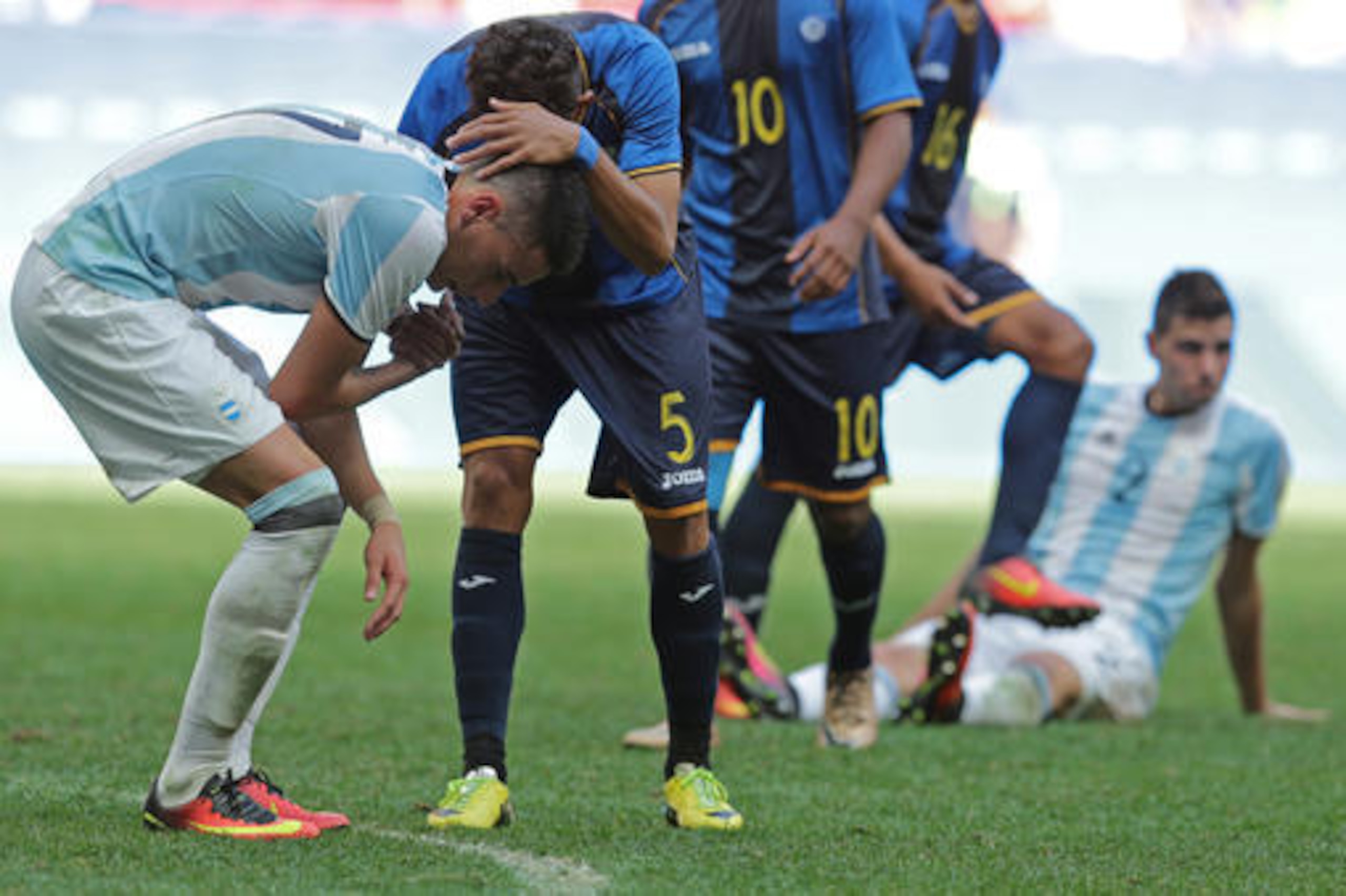
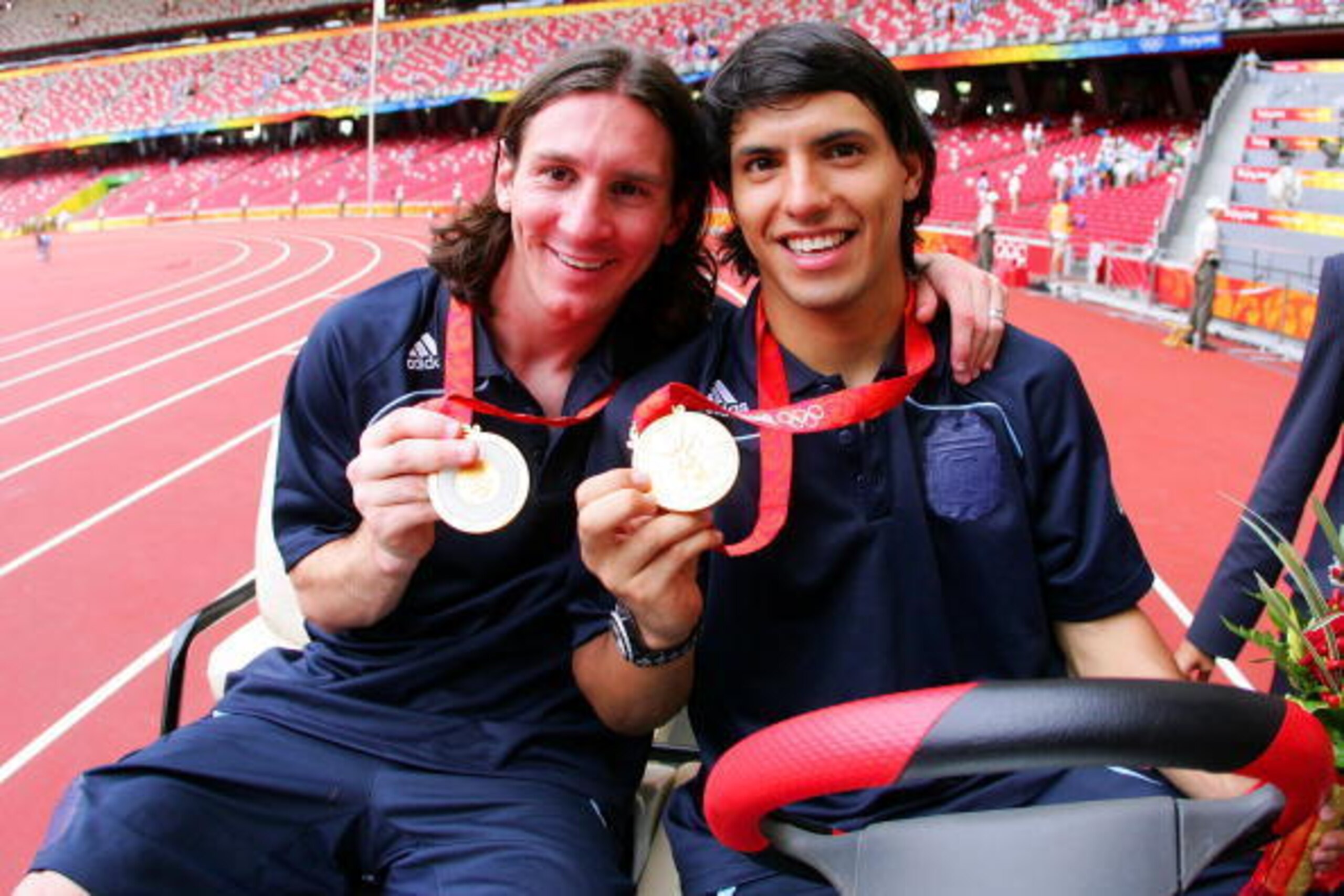
But to find the real culprit, one must look further up the chain of command. In 2008, the Albiceleste—admittedly without the double commitment of a Copa America—were able to convince Lionel Messi, Sergio Aguero, Juan Roman Riquelme, Angel Di Maria and Javier Mascherano and their clubs to join the nation on the other side of the world in Beijing.
Eight years later, the Seleccion was reduced to desperately finding players to fill the gaps, and it is hard to blame either those clubs that refused the call or the men who declined to push for inclusion.
If the AFA can barely take care of the senior team, why would the likes of Dybala sacrifice a month of training to play for a side unable to put out two full XIs for a tactical exercise, or even properly feed its charges?
The talent is still there. Correa, Lo Celso and Rulli are all considered among the brightest young talents in the world, while Estudiantes anchorman Santiago Ascacibar and Boca forward Cristian Pavon also stood out at intervals. But without adequate training and selection structures, a generation of players risks going to waste.
Olympic failure made it three out of three for the Albiceleste after flopping at under-20 and under-17 level; the tournament must now act as a wake-up call to make the changes that the nation's young talents so desperately need.



.jpg?w=2560 "Latest Peyton-Colts Rumors")