
Fantasy Football 2016: Who Are This Year's Riskiest Picks?
Fantasy football is a hobby centered on leveraging risk for reward. With each player we invest in, we must accept the variance of outcomes—from profitable playmaker to devastating disappointment and everything in between.
There are only a few bankable quantities to consider, names like Antonio Brown of the Pittsburgh Steelers or the Atlanta Falcons' Julio Jones. Even with these superstars, availability and durability are difficult elements to project, so we often focus on more predictive measures like a player's past performance or market share of his offense.
Merriam-Webster may sound like the last name of an NFL cornerback, but the dictionary brand includes this definition for risk: "the chance that an investment (as a stock or commodity) will lose value." For this piece, we focus on some of the riskiest fantasy commodities heading into the 2016 season, assessing risk as the chance a player will lose value relative to his average draft position.
We're not advising to steer clear of the players we focus on, but rather to be cognizant of the inherent risks each bears. Some will have great seasons and provide profitable returns, but we found this group particularly risky among their NFL peers.
Did we leave any players off the list? Are you bullish on someone while we appear bearish? Feel free to declare and debate in the comments.
Jaguars' Blake Bortles Due for Touchdown Regression
1 of 6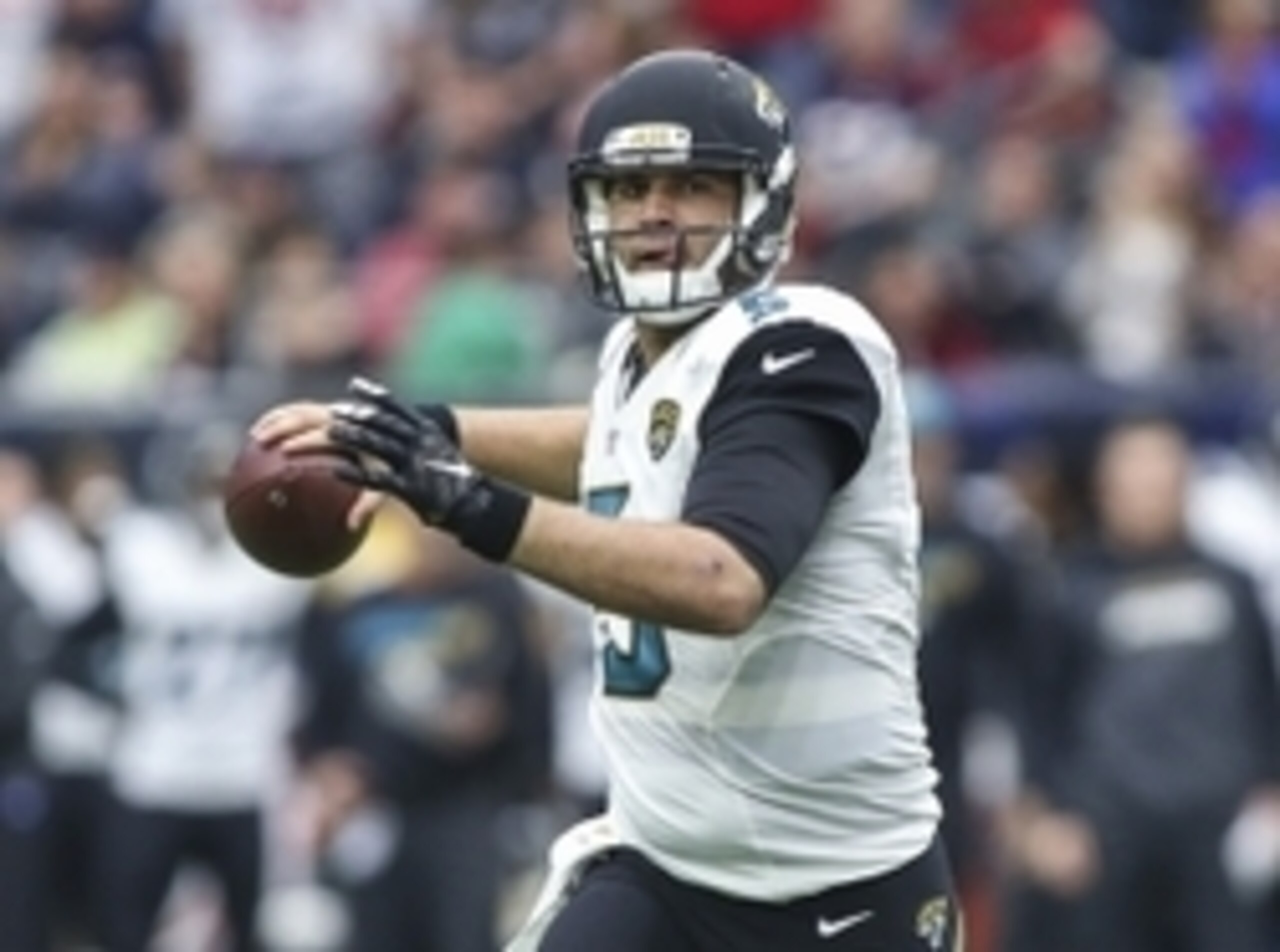
It's not a leap to consider the Jacksonville Jaguars' Blake Bortles a risky fantasy investment. Many industry analysts and fans find it difficult to believe Bortles can repeat his stellar fantasy metrics from last year, which included him finishing fourth at the position in fantasy points (ESPN standard) and tied for second in passing scores (35).
ESPN.com's Matthew Berry detailed Bortles' 2015 campaign in his recent "100 Facts" feature, which points toward regression for the third-year QB:
"Bortles threw 29 touchdown passes (82.9 percent of his season total) when his team was trailing. That was also 38 percent more than the next-highest QB (Eli Manning). …
Bortles' 29 such touchdowns are the most by a QB in a single season during the past decade. …
Bortles also accounted for 15 touchdowns when down by 10 or more points, 25 percent more than any other QB in the league.
"
With massive draft and economic investments on the defensive side of the football, the Jaguars' offensively tilted game script should at least normalize after the team allowed the second-most points in franchise history in 2015. That should result in fewer garbage-time moments for the Jaguars' passing game.
Risks at quarterback aren't nearly as pronounced as with other positions given the depth at signal-caller and the access to replacement-level production on the waiver wire in most leagues. Bortles is going ninth at the position on average, so he's considered a starting asset.
The price isn't absurd, but the returns don't appear to match the inherent risks of regression and the better pricing we can find on vets like Eli Manning or Philip Rivers, players with much larger track records on pass-heavy offenses.
Despite Talent, Sammy Watkins Faces Injury and Production Risks in 2016
2 of 6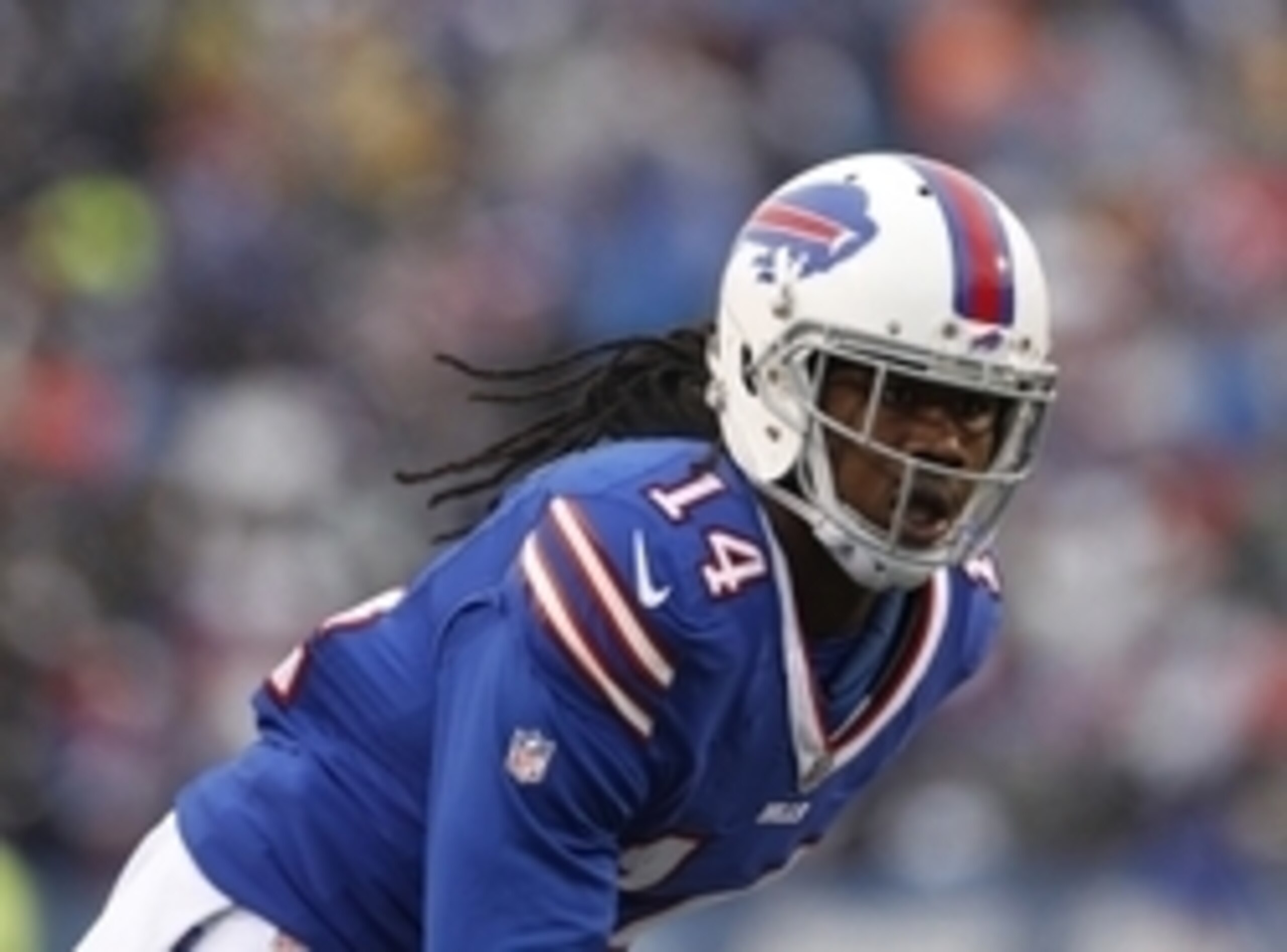
The Buffalo Bills' Sammy Watkins was 12th in receiving yards per game and ninth in fantasy points per game among wideouts last season.
These stats don't tell the full story of Watkins' impressive campaign, as he led the NFL in touchdowns (seven) and fantasy points (using ESPN standard scoring) on targets at least 10 yards past the line of scrimmage.
Watkins was fourth in the league among receivers in fantasy points per deep target—defined as a throw at least 10 yards past the sticks. It's safe to consider Watkins one of the league's premier vertical receivers and an electric big-play threat.
What we find less safe is his ability to return profit on his current third-round draft stock. The risk is a blend of regression on highly variant big plays and durability.
Watkins has played in 29 games in two seasons, but he dealt with limiting injuries in both campaigns. He also underwent surgery in the offseason for a broken foot. On a positive note, Watkins is off the PUP list and competing in training camp, as ESPN's Mike Rodak tweeted.
The Bills were second in rushing attempts, first in rushing yardage and 31st in pass attempts last season, and Watkins only had 95 targets.
Questions to Consider for Bears' Jeremy Langford
3 of 6
Thirty-eight tailbacks compiled at least 125 rushes last season, with the Chicago Bears' Jeremy Langford among them. Of this sample, the Michigan State product ranked 35th in yards per carry with a meager 3.6.
Taken a step further—or maybe a step backward—Langford ranked last in yards per carry against base defensive packages, per Pro Football Focus. Mike Clay, then of PFF, expounded on the rookie's inefficient production pattern:
"Langford forced only seven missed tackles. No back who carried the ball at least 88 times had fewer. Among our aforementioned 44 backs with at least 100 attempts, Langford’s 0.5 missed tackle rate was easily lowest. Our “Elusive Rating” stat analyzes a runner’s success beyond the point of being helped by his blockers. Langford’s 10.3 rating (which includes three forced miss tackles as a receiver) ranks dead last among 51 qualified backs. …
He averaged 1.8 yards after contact per attempt, which was worst among our sample of 100 running backs.
So you say you saw him make a few big plays, eh? Not exactly. Langford managed only two runs of 15-plus yards. That 7.3 rate was worst at the position.
"
The key to Langford's market price as the 20th back off the board is projected and assumed workload.
We've fallen prey to overpricing assumed workloads many times in fantasy football. From Toby Gerhart to Montee Ball and many more, we've paid a premium for roles over results and paid dearly in the end.
Langford has a suspect production pattern and viable competition in rookie Jordan Howard, who is going late in drafts as the 58th back on average.

Touchdown Machine Tyler Eifert Faces Regression and Injury Risk in 2016
4 of 6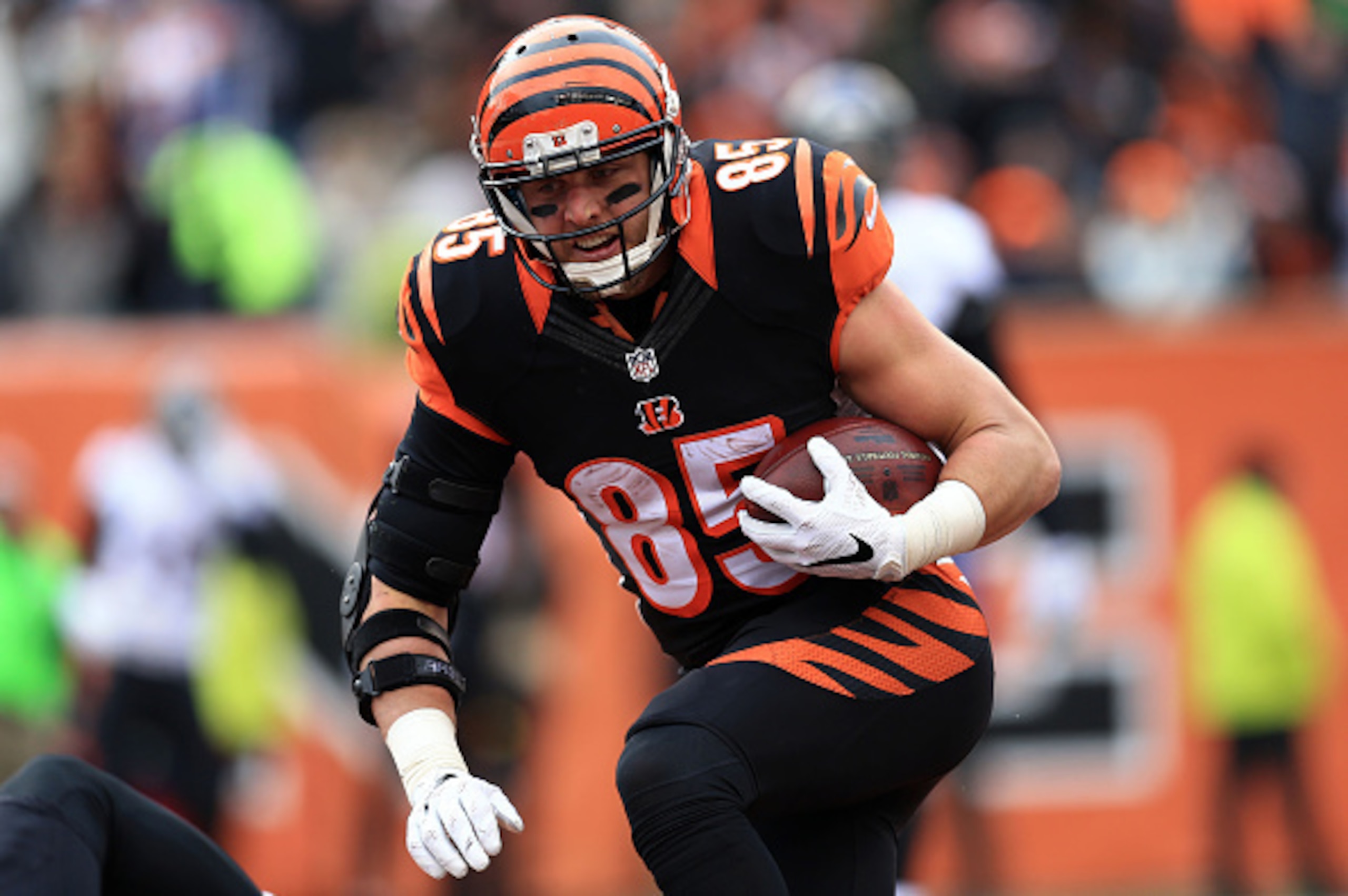
The Cincinnati Bengals' Tyler Eifert enjoyed an anomaly of a season in 2015 in red-zone efficiency and sheer scoring success. Despite missing three games and nearly all of a fourth with injury, Eifert led all tight ends in touchdowns with 13, just one shy of the overall receiving lead.
As Mike Clay deduced for ESPN.com, Eifert "scored on 13 of his 14 targets while within one yard of the goal line last season. That includes 10-of-11 on end-zone targets." The league-wide conversion rate on targets within the 1-yard line was 37 percent.
League average represents a glaring departure from Eifert's 92.8 percent scoring rate on such targets in his breakout 2015 season. Thus, we can expect some regression and a correction in Eifert's scoring success.
Eifert provided remarkable profits for his investors last season as the ninth tight end off the board on average in 2015 drafts.
Finishing third in fantasy points per game at the position behind only the New England Patriots' Rob Gronkowski and Washington Redskins' Jordan Reed, Eifert sourced 58 percent of his fantasy production directly from touchdowns. For context, Reed netted 44 percent of his fantasy points from touchdowns and Gronkowski 37 percent.
It's clear the hulking Eifert—every bit of his listed height of 6'6"—is a uniquely talented red-zone weapon. We can project him to continue to score touchdowns at an above-average clip relative to his peers. That said, touchdown regression is still en route, which is pivotal for a player who had 615 receiving yards last season (a pace for 757 yards over a full season).
The other major drawback is concern over his ankle injury suffered during the Pro Bowl, which required surgery this offseason. This is troubling for someone who has played in just 60 percent of regular-season games in his career. According to Geoff Hobson of Bengals.com, Eifert "isn't expected back until early in the regular season."
You can track updates for Eifert's recovery on our landing page for his injury. Using recent draft behavior, we find Eifert is going sixth at the position on average and around pick No. 75 overall.
Raiders' Latavius Murray Has Upside and Risk to Consider
5 of 6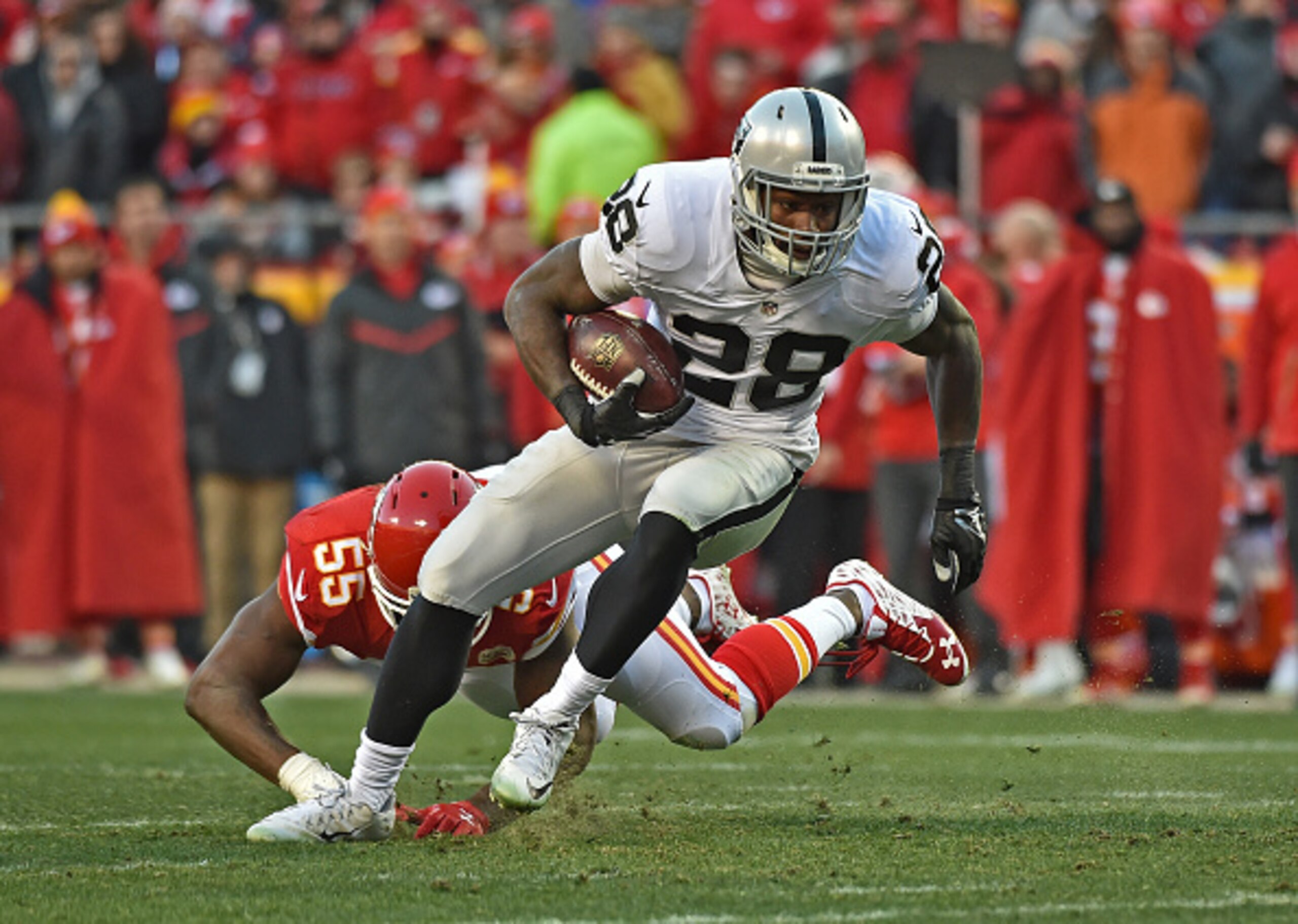
The Oakland Raiders' Latavius Murray put up the 11th-most fantasy points among backs last season in ESPN standard leagues and is the 16th back off the board on average.
The Raiders have one of the best offensive lines in football, and Pro Football Focus' Nathan Jahnke even posited it could be the best group in the league.
Why, then, is Murray on this list? Well, an utter lack of efficiency, for one. We conducted a study using data from ESPN.com going back to 2001 and found that of the 75 backs with at least 266 carries and 40 receptions in a season, Murray scored the fewest PPR (points per reception) fantasy points of the sample. Not just in the bottom half or quarter, but dead last.
Shifting to a per-game basis, Murray was 21st in standard fantasy points per contest and 19th in PPR leagues despite ranking among the leaders in total touches at the position.
Some of this is due to inefficient production in the air, as Murray was one of just three backs with at least 35 catches held below six yards per reception, per Heath Cummings of CBS Sports. From Week 10 on, Murray averaged just 3.25 yards per carry, ranking last of 20 backs with at least 100 rushes over this span.
Even on a team with a stellar line and solid defense—ingredients often coveted for fantasy backs—we find some risk with Murray.
The workload alone could buoy another relevant season from him. It's also possible Murray could break out with a strong showing as the feature back given his physical talents and the opportunity for a massive workload.
However, we'd suggest lottery-ticket shares in rookie DeAndre Washington, who was a stellar receiver out of the backfield in college, for those looking to either insure or counter Murray's stock as the starter.
Fantasy Superstar Jamaal Charles: Ultimate Risk/Reward Investment
6 of 6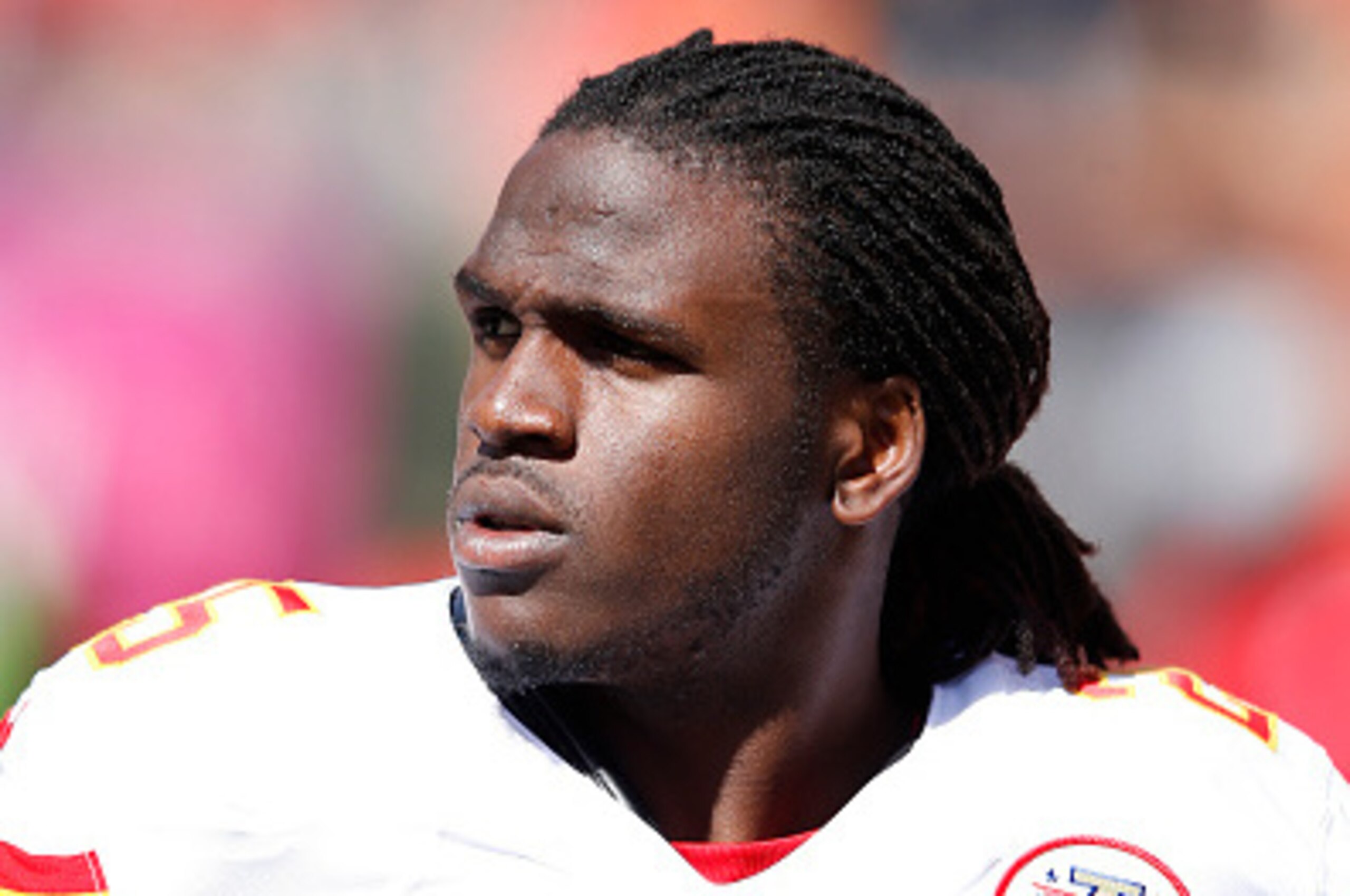
Two ACL injuries is enough evidence to consider the Kansas City Chiefs' Jamaal Charles a risky investment. We don't consider Charles a performance risk per se, as he's the all-time post-merger leader in yards per carry (5.5) among running backs and has long proved efficient in the receiving game.
The risks are focused on availability and durability, as Charles has yet to participate in training camp. Chiefs writer BJ Kissel reported head coach Andy Reid considers Charles' status "day by day."
With little in the way of clarity, fantasy drafts held before his eventual return will be pricing him on a combination of speculation and pedigree. The potential reward is the top fantasy scorer at the position.
The downside is clear, as another major injury or a regression in performance would spell disappointment for Charles' investors.
For those interested, be sure to net Spencer Ware as well, as the LSU product could provide valuable touchdown upside if Charles is sidelined again.
There isn't a major discount in place for Charles, as he's going 15th overall on average. Charles represents the most expensive commodity in our sample of risky players, while he bears the greatest potential reward.
Average draft position provided by Fantasy Football Calculator.
.jpg?w=2560 "LA Premiere of \"Chad Powers\"")