

Why the Death of the Half-and-Half Scarf Cult Isn't Necessarily a Good Thing
It's the end of an era—the half-and-half scarf is dead.
Well, that's the case for Chelsea fans at least, after it was revealed the club has put a trademark on the Chelsea name being on any item of clothing. That has meant the sound of the death knell ringing loud for any fans attending matches at Stamford Bridge and hoping to buy so-called friendship scarves; the Chelsea name can no longer be used on them.
Cue the celebrations. The phenomenon that has largely been derided by the masses is no more; fans can go back to revelling in the partisan culture that envelops football matches.



That was always the problem here. It wasn't the scarves themselves or even the fans who bought them that so riled supporters of any club. It was the idea of friendship; the notion that fans can go along to matches arm in arm with their rivals and clap along to the action.
This isn't The X-Factor; it's football.
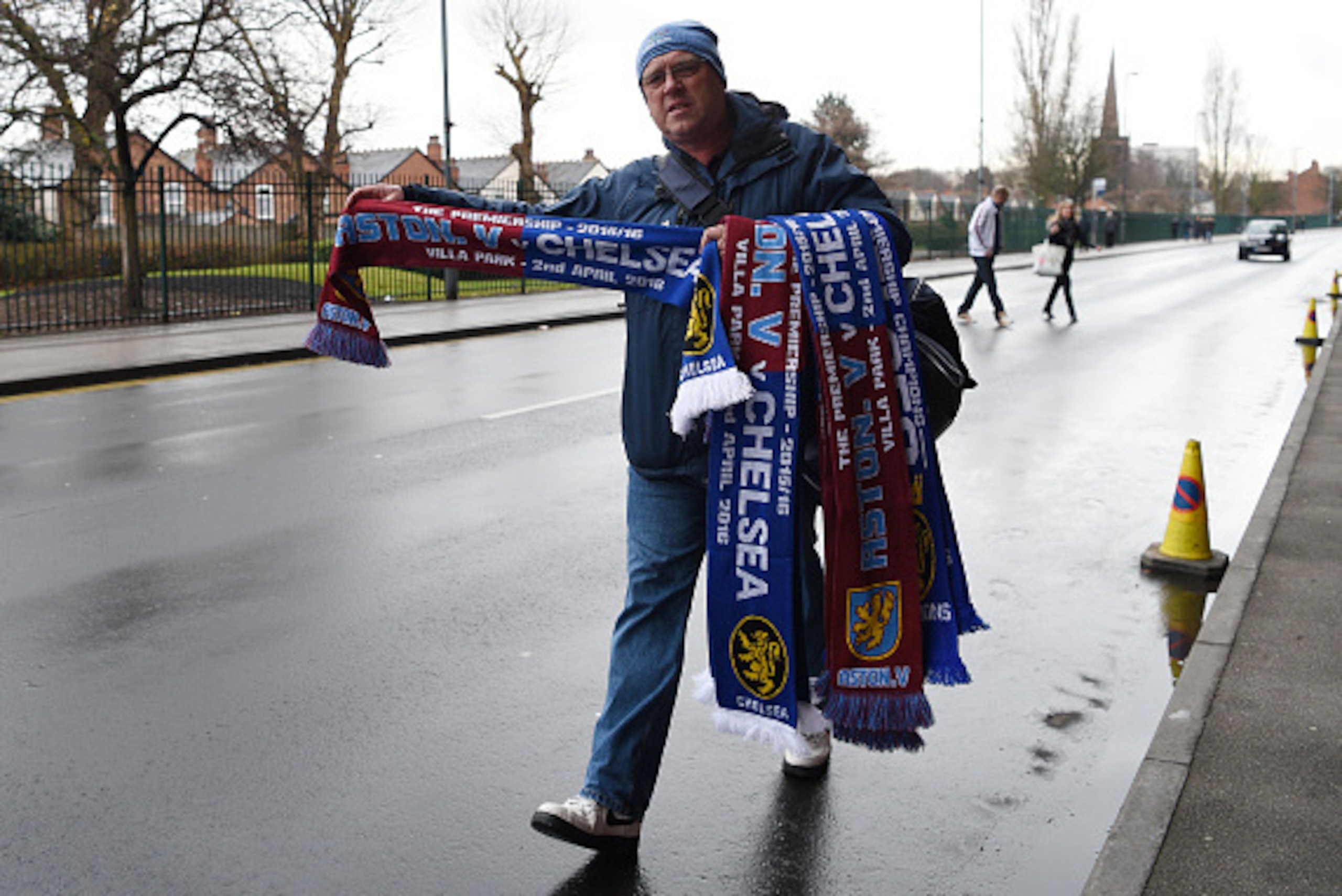
The scarves represented the sanitisation of the game; they were and are a symbol of the corporate attitudes that now govern every aspect of football. Corporate is clean, it tries to be the friend of everyone and please the masses. It's the antithesis of what sport is all about.
Take Chelsea fans, for instance. Very few could imagine wearing an item of clothing that promotes a false sense of brotherhood with, say, West Ham United, whom the Blues face on the opening weekend of the new Premier League campaign.
The feeling is mutual, with the Hammers feeling just as passionately about their dislike for Chelsea.
Football has a chequered history with violence when those feelings of animosity have boiled over into thuggery. But taking away moronic behaviour, it's rivalries that have fed the game and made it what it is. The biggest games in any season are the city derbies or clashes between clubs whose hatred for the other had been built on a diet of on-pitch feuding down the years.
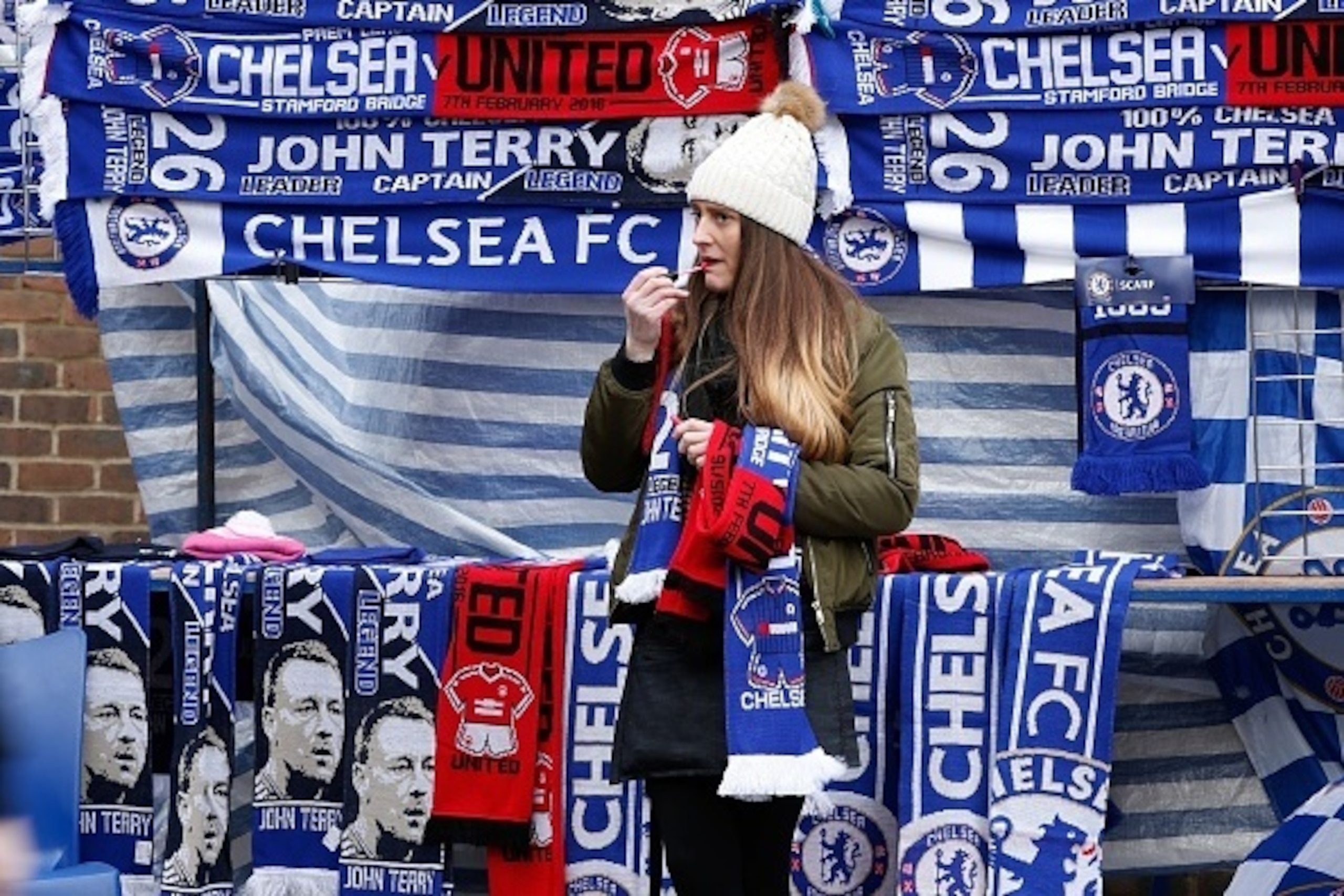
Witnessing fans turn up to matches and not buy into that culture has been at odds with it all. Symbolic handshakes between Liverpool and Manchester United fans outside Anfield just isn't football; hugs between Chelsea and Tottenham Hotspur supporters when Eden Hazard scored that goal last season was never on the cards.
The impression was that half-and-half scarves suggested they should be, though. And that's the problem. Like the big corporations that are ploughing billions into the modern game, they're indicative of the working-class spirit that has so long defined football. Half-and-half scarves by their very nature do not represent the game.
Yet, here's the thing. We have a confession to make. Forgive us, father, for we have sinned.
It was July 16—so around a month ago—and Chelsea were playing Rapid Vienna as part of the grand unveiling of Die Grun-Weissen's new home, the Allianz Stadion. As Bleacher Report disembarked the train and made the short walk to the stadium, there they were. In glorious technicolour—blue, white and green—the half-and-half scarf had made its way on to the continent.
Stopping to take a picture and tweet it with a mocking tone, we continued our journey. But with each step, the voices started to grow louder. "You want one," they cried. "You need one."
Left foot in front of right, we tried to shut them out. It was futile. We needed to part with our €15—yes, the cost for a half-and-half scarf in Vienna is €15!
There was a brief moment when we considered what we had just done when some bile tickled the back of our throat, but it disappeared as quickly as it had travelled up the oesophagus.
What did we get for the price? A strange feeling of warmth; a memento to mark what was a historic occasion. This wasn't just a day to mark in the calendar for Rapid fans, we were also witnessing a new chapter in Chelsea's history. It was the first game of the Antonio Conte era, and the scarf is a memory of that.
That's what we were there for, after all.
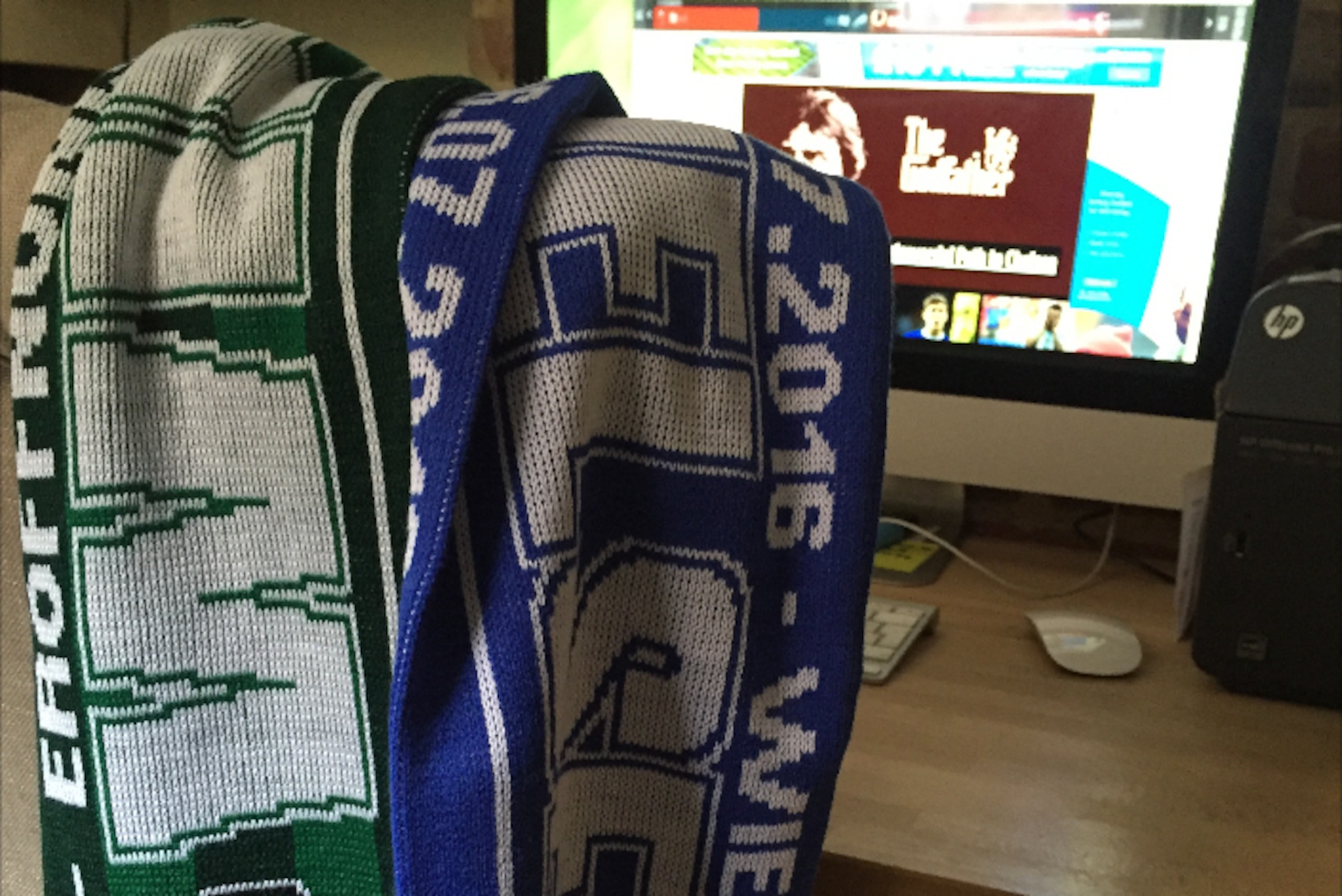
It put us in the shoes of the thousands who travel down Fulham Road every season to watch Chelsea in action. It's not the season ticket holders or members who think of Stamford Bridge as a second living room, but the fans who have travelled across different time zones to be there.
Football tourists—call them what you will—are just as much a part of the modern game as those who attend every week. Their passion for a club can be just as strong, regardless of whether they're from Chelsea in New York or just plain Chelsea, west London.
Like Bleacher Report in Vienna, these fans want to mark the moment they did something as Chelsea supporters (although we were there for strictly professional reasons, of course). They want to remember the day they got to watch their team in the flesh at the stadium they have watched them in on TV from all four corners of the globe.
For the annoying sense of what friendship scarves represent, they're also an important part of fan culture in a global sense. Believe it or not, they can bring supporters of one team closer together.
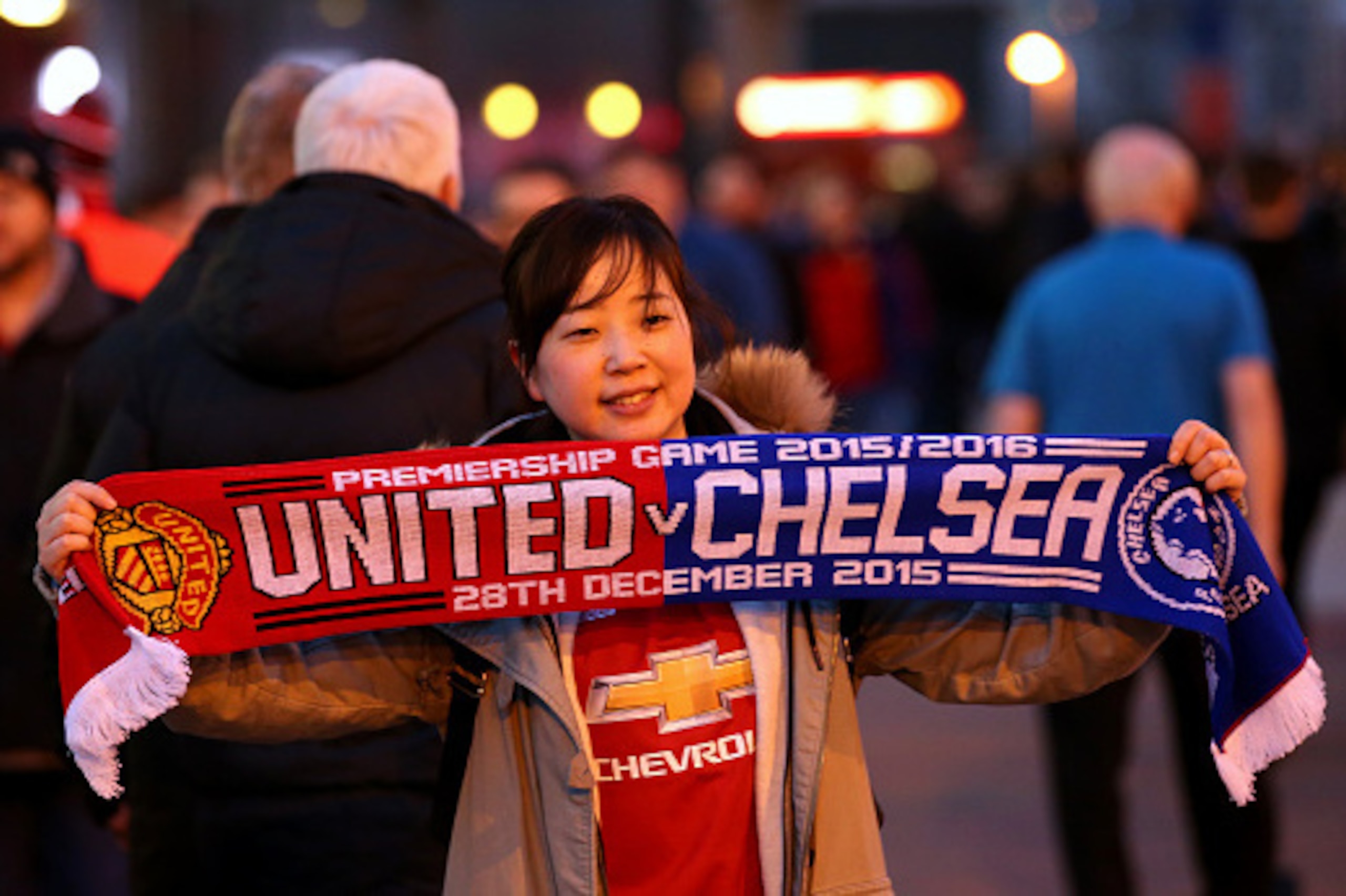
"You went to the game then, mate?" asked the husky London accent we were sat next to in Vienna airport a day after Chelsea's 2-0 defeat to Rapid. We replied "yes," and so started the conversation that would last for the two-hour flight delay out of Austria and all the way back to London.
Joe—a Vienna native who relocated to London in his youth—had visited Allianz Stadion himself, and seeing the half-and-half scarf tied to our carry-on handle, he spotted that we had, too. A friendship based solely on a passion for football started.
Imagine all those fans in departure lounges who are now missing out.
Garry Hayes is Bleacher Report's lead Chelsea correspondent. Follow him on Twitter @garryhayes


.jpg?w=2560 "Latest Peyton-Colts Rumors")



.jpg?w=2560 "Landing Spots for Trade Candidates 📍")
.jpg?w=2560 "Ugly Jets Scoring Stat 😳")