Maurizio Arrivabene Has Taken Ferrari as Far as He Can in Formula 1
December 2014.
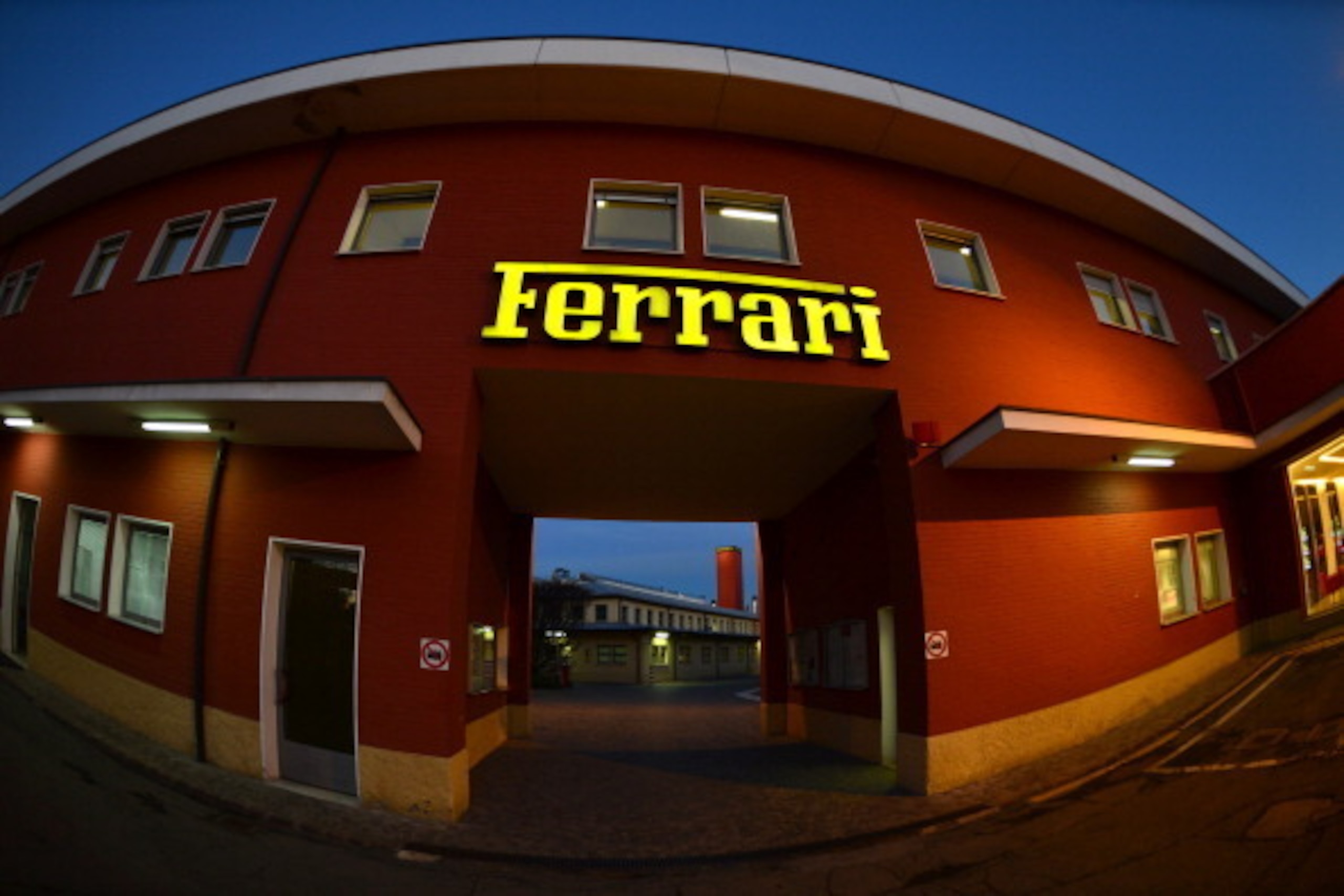
Less than three weeks after the final grand prix of another long, hard year, Ferrari's factory in the Italian town of Maranello was a dark, quiet and lonely place.
No Fernando Alonso. No Luca di Montezemolo. No Stefano Domenicali. No Marco Mattiacci. No Pat Fry. No Nikolas Tombazis. No Hirohide Hamashima.
.jpg?w=2560 "Seahawks Chiefs Football")


And no light at the end of the tunnel.
With the exception of Alonso, who fled the sinking ship to dive onto the McLaren-Honda lifeboat, all those men—those servants and, in some cases, stalwarts of the Prancing Horse—had paid for Ferrari's first winless season in two decades with their jobs.
And as the Christmas and New Year period—a time for celebrations, fresh starts and ambitious targets—approached, those who remained were plotting a revolution.
As reported by ESPN F1's Laurence Edmondson, newly appointed team principal Maurizio Arrivabene was joined in the bunker by chief designer Simone Resta, a survivor of the cull, and Rory Byrne, a prominent figure of the Michael Schumacher era who had returned as a consultant.
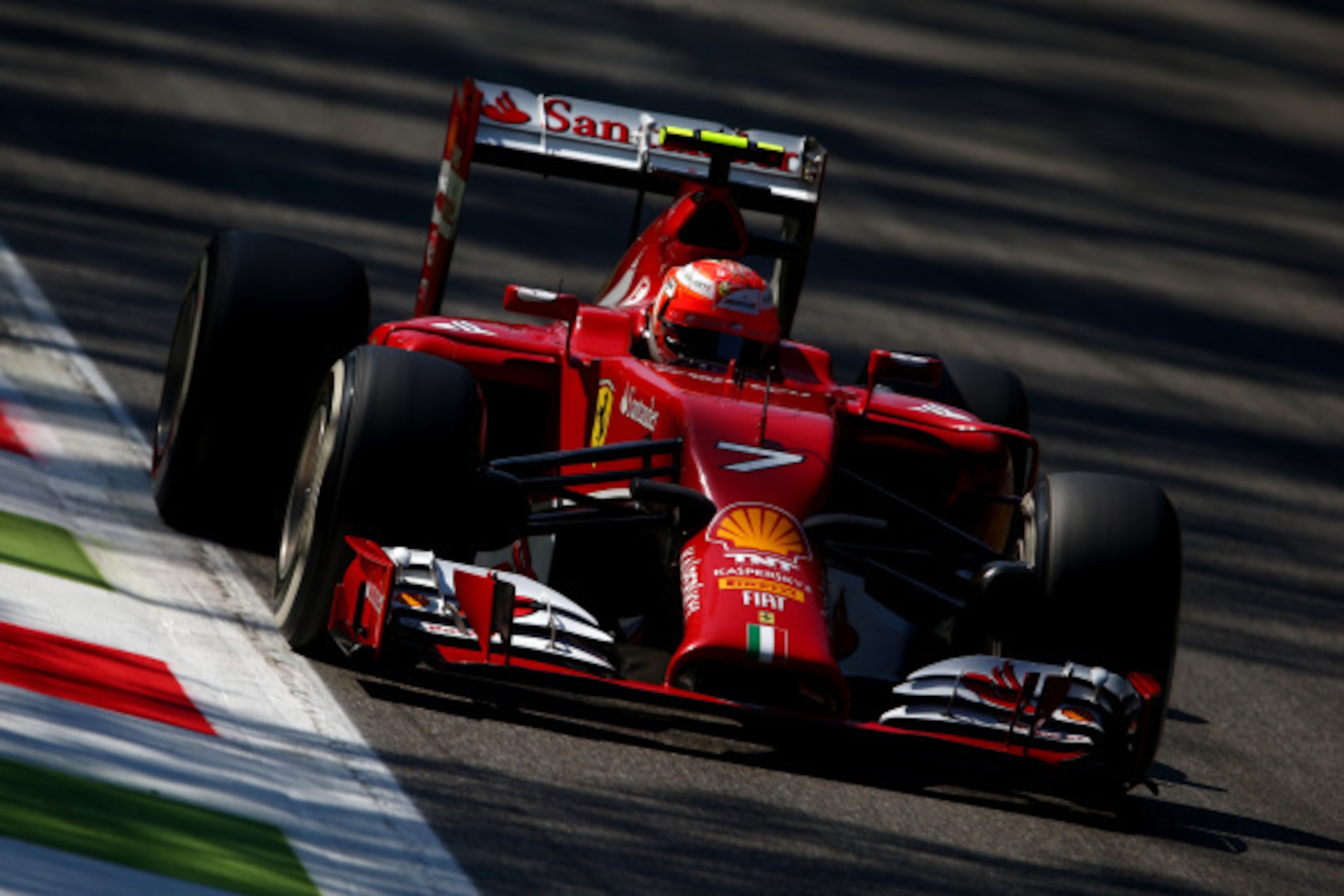
Their task was simple in theory but complex in practice: to turn the garish F14-T car, with an overweight, underpowered engine and a nosecone reminiscent of a skateboard ramp, into a fighting-fit Mercedes beater.
The trio spent time staring at images of the F14-T—closely and carefully examining its dimensions, its curves, its hills and its valleys—when, all of a sudden, the lightbulb flickered into life.
Aware that Kimi Raikkonen had spent the whole year complaining about a numb front end and conscious that Alonso's replacement, Sebastian Vettel, required "more or less the same" front-end grip to perform at his optimum, Arrivabene asked whether the team could transfer the weight of the car further forward.
"We need six months," replied Resta and Byrne, which surely left the new boss wondering why it hadn't occurred to them to make those changes at least six months earlier when Raikkonen was in the midst of the worst season of his career.
"What can you do in three?" Arrivabene tried again.
"We have to work day and night."
"OK," said the former Philip Morris salesman, who had probably never even set foot on the factory floor, "I'll work together with you guys, come on."
More than anything else, that particular tale—recited by the man himself following Raikkonen's first podium appearance since his return to Ferrari in Bahrain last year—perfectly explained why Arrivabene was such a resounding success in his first year on the Prancing Horse's saddle.
Upon his appointment, he found a team who were "quite divided" and "very defensive" and made it his aim—his duty—"to put them together again," as he later told the official F1 website.
Despite his relative lack of Formula One expertise, he offered a fresh perspective and new ideas to a group of people who had become accustomed to trying the same things over and over again and expecting different results.
He gave them a much-needed injection of confidence after years of being scared stiff by repeated failure, and he harnessed all that creativity at Maranello, trusting his colleagues to work their magic—all of which was evident in their upturn in results in 2015.
Restricted to just two top-three finishes the previous year, the Ferrari drivers made no fewer than 16 visits to the podium as Vettel—with 13 of those, including victories in Malaysia, Hungary and Singapore—became the most successful debutant in the team's history.
So surprisingly triumphant was their so-called recovery year that Ferrari, more formidable than at any stage since Schumacher's retirement at the end of 2006, were expected to seriously threaten Mercedes in 2016.
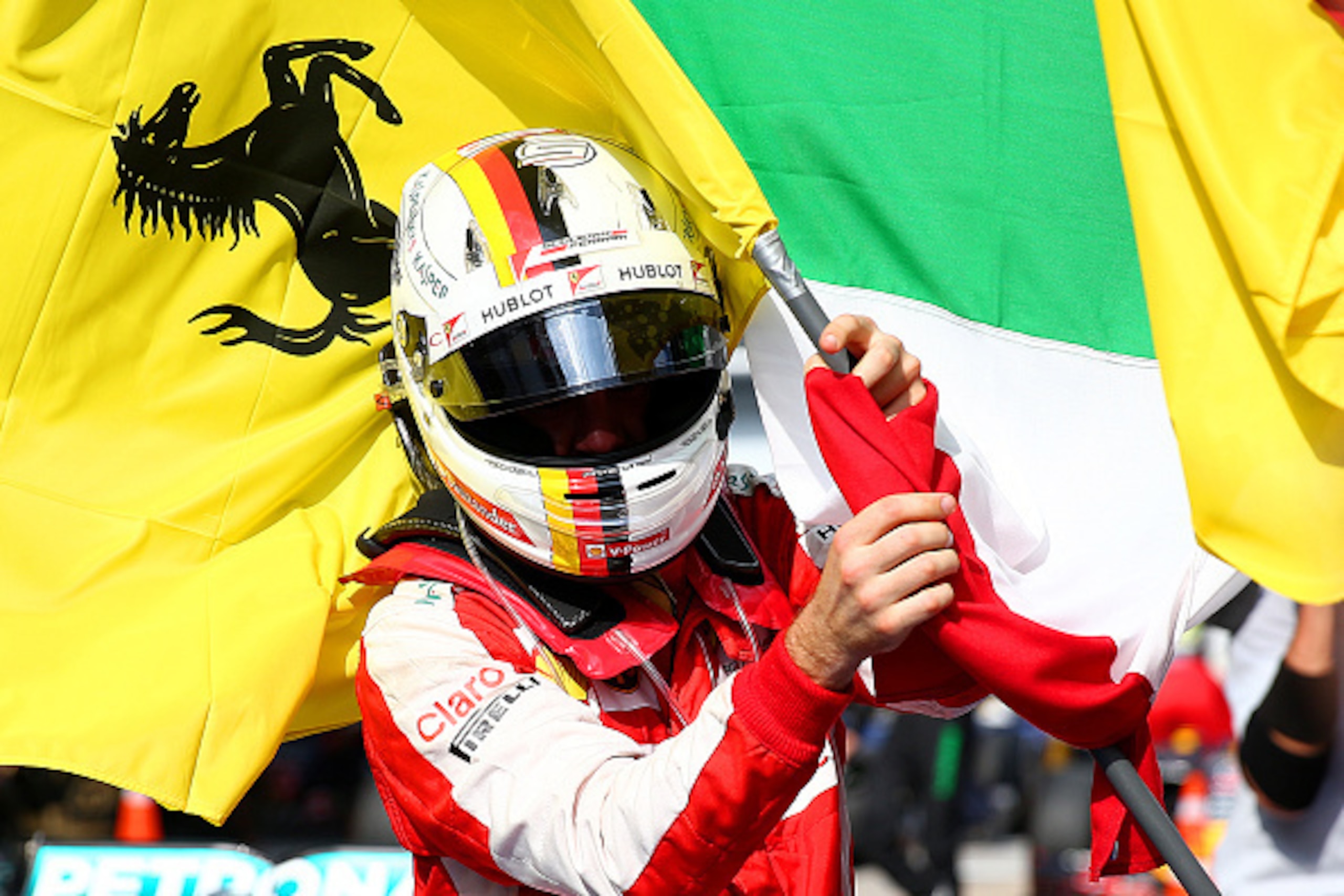
Yet that anticipated title challenge, that battle of the ages between Vettel and Lewis Hamilton, has not materialised, with Ferrari without a win and their lead driver 97 points behind the championship leader after the first 12 races.
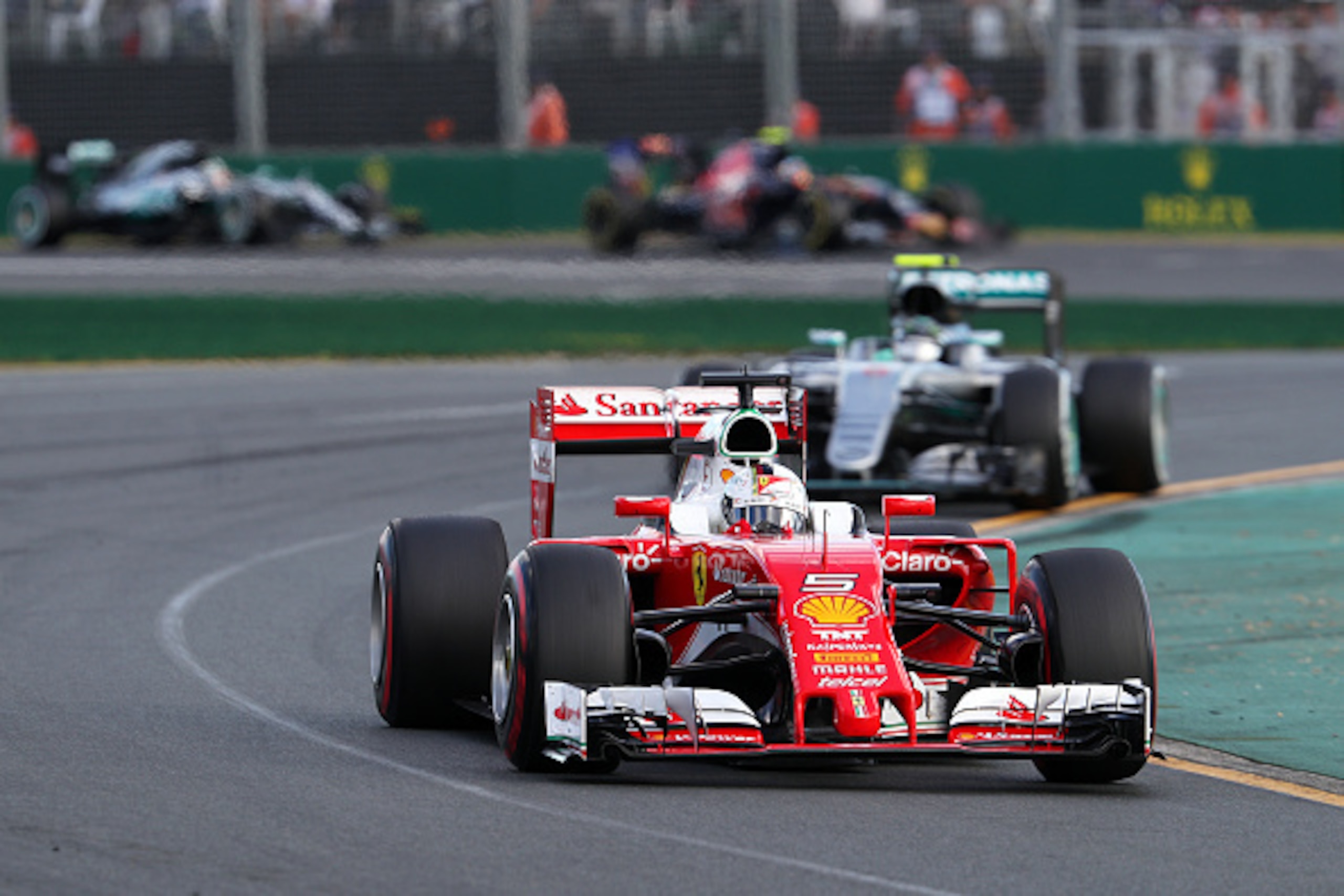
Sure, there have been moments when they have dared to dream, most memorably when Vettel led the opening stages of the Australian and Canadian grands prix.
But reliability and strategic failures—a function of president Sergio Marchionne's bizarre fixation with his cars being fitted with the softest available tyres at every possible opportunity, as revealed by F1 journalist Peter Windsor—have seen Ferrari throw away the few chances handed to them.
Just like two years ago, the team's failure to reach their lofty targets has generated much speculation over the future of their management, whose decisions have been too bold, too aggressive and too ambitious for their own good in terms of car design and on race weekends.
In May, Marchionne—who arguably sparked the slide by warning Ferrari to be "terrified" of failure last December, completely undermining everything Arrivabene had done until that point, per Motorsport.com's Jonathan Noble—insisted the team principal has his full support, according to Sky Sports' James Galloway.
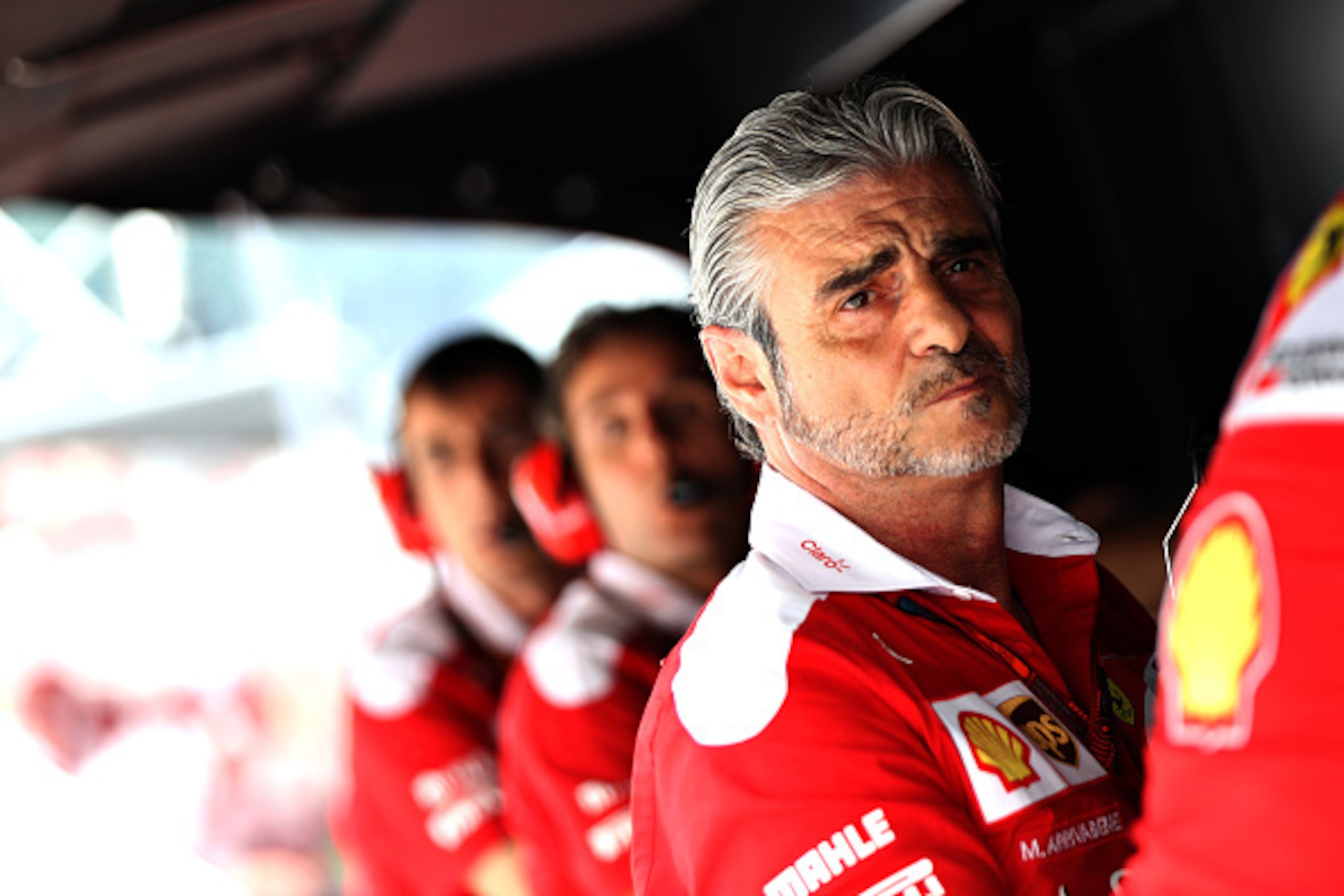
As Ferrari's barren spell continues, however, there is a growing feeling that Arrivabene has taken the team as far as he—a marketing man—can.
If they are to take on and beat Mercedes in the near future—as well as a resurgent Red Bull—they require a leader with a background in engineering.
Someone like Ross Brawn, another blast from the past, who recently dismissed an approach to return on a Byrne-style consultancy basis, as reported by Motorsport.com's Franco Nugnes. Or perhaps Jock Clear, who arrived at Ferrari from the methodical environment of Mercedes at the beginning of this year.
Or, dare we suggest, James Allison, who was linked with Arrivabene's job before his departure from the team was formally announced ahead of the German GP, per Italian publication Autosprint (h/t GrandPrix247.com).
As reported by BBC Sport's Andrew Benson, Allison's exit was initially thought to be related to the death of his wife earlier this year, but it has emerged the relationship between the technical director and the Marchionne-Arrivabene gang "had broken down," rendering his position untenable.
The repercussions of allowing one of F1's brightest minds to walk away—at a time Ferrari have admitted they have added no downforce to the SF16-H car since May, per Noble, and most teams are switching their focus to 2017's major regulation changes—are likely to be felt way beyond this year.
And the loss of Allison has only served to underline the limitations of the existing regime.
Arrivabene's arrival when Ferrari were on their knees was a masterstroke, for this relative outsider gave them the belief, the freedom and the platform to succeed in 2015.
But with the team stagnating at best, the Arrivabene Effect is rapidly wearing off. As frustrations rise ever higher, the man who almost single-handedly "put them back together again" is running the risk of ruining all his good work and tearing Ferrari apart once again.
A little less bravado, and a few more brains, may be required for the Prancing Horse to clear the hurdles standing in their way and progress to the next level.